





Small Prenatal Vitamins
(0 Results)
Discover a convenient and essential addition to your prenatal routine with our selection of small prenatal vitamins. Specially formulated to support you and your baby's health during pregnancy, these compact yet powerful supplements are packed with all of your necessary nutrients in a smaller package. Whether you're looking for easy-to-swallow capsules or tasty gummies, our range of small prenatal vitamins has something for every mom-to-be. Prioritize your well-being and give yourself and your baby a head start with these perfectly-sized prenatal supplements.
-

-

-

-

-
-
-

-
 Portions Master$24.99
 -
-
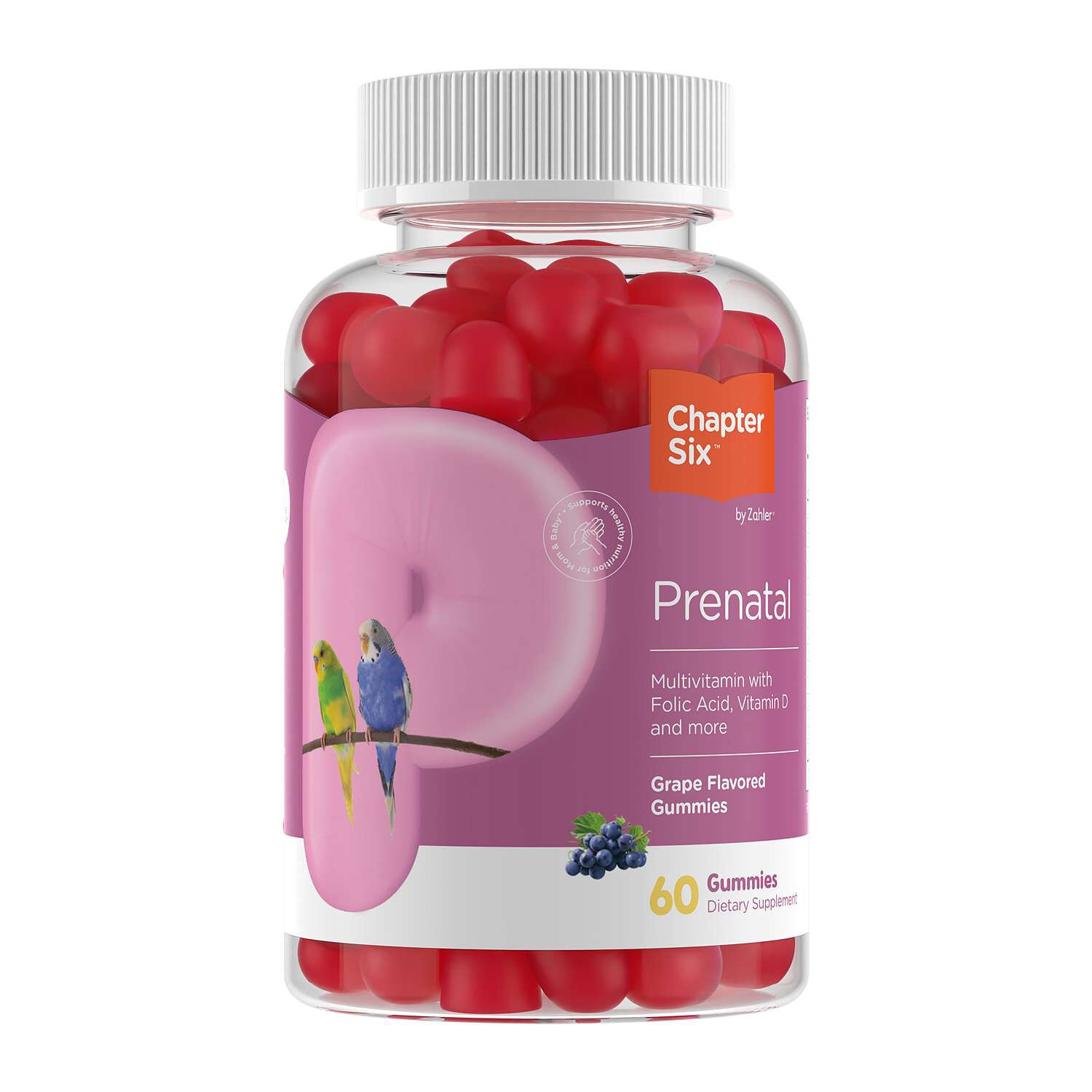
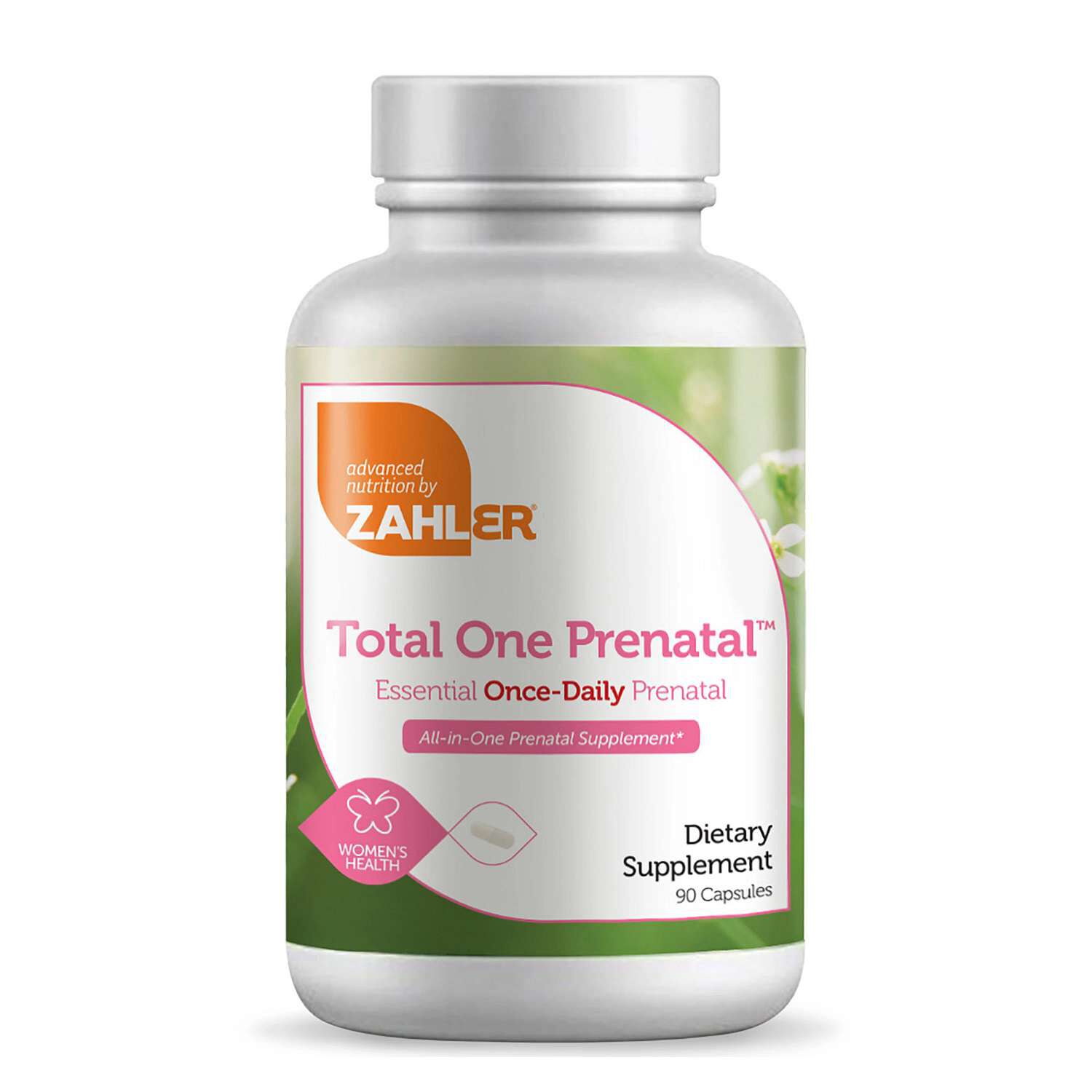
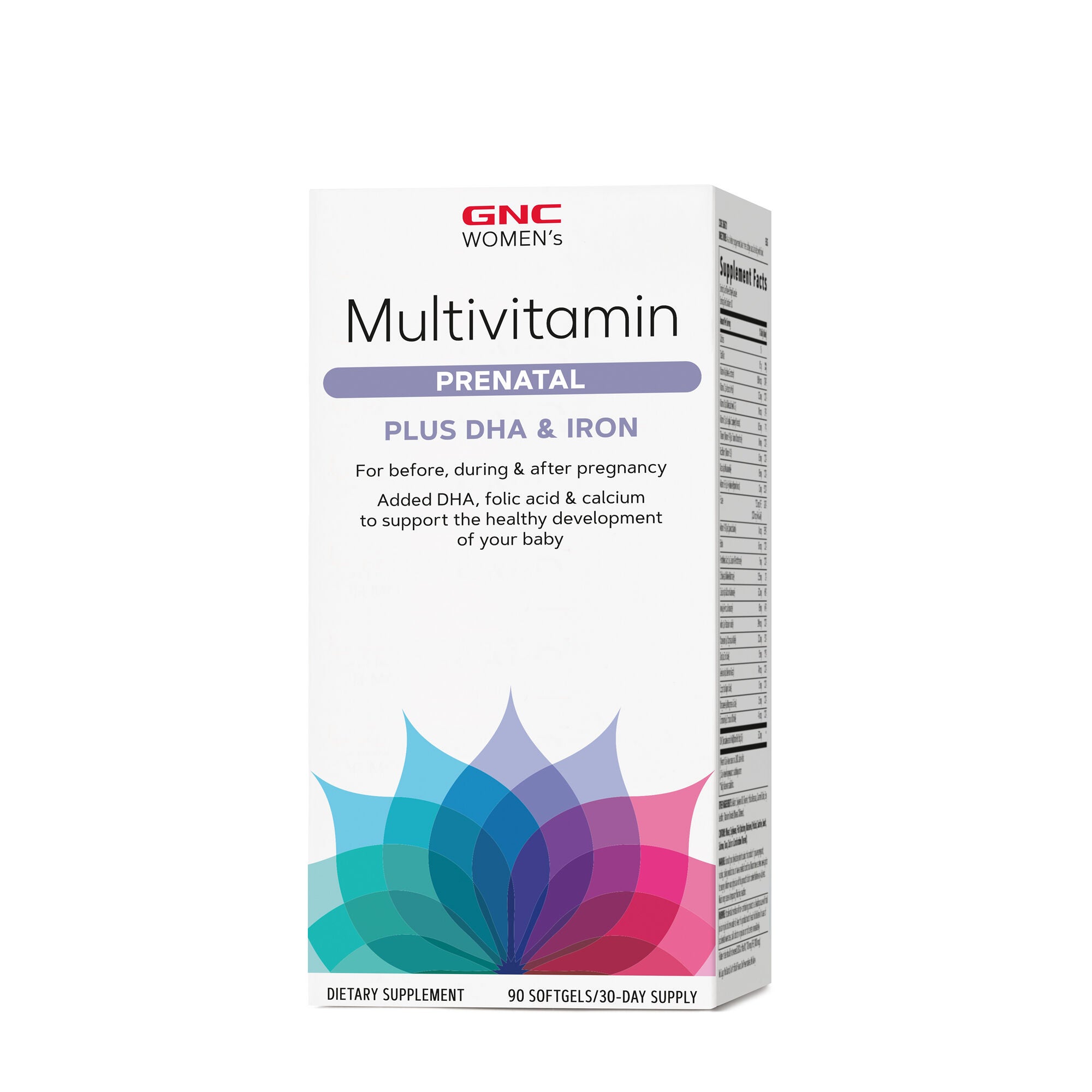
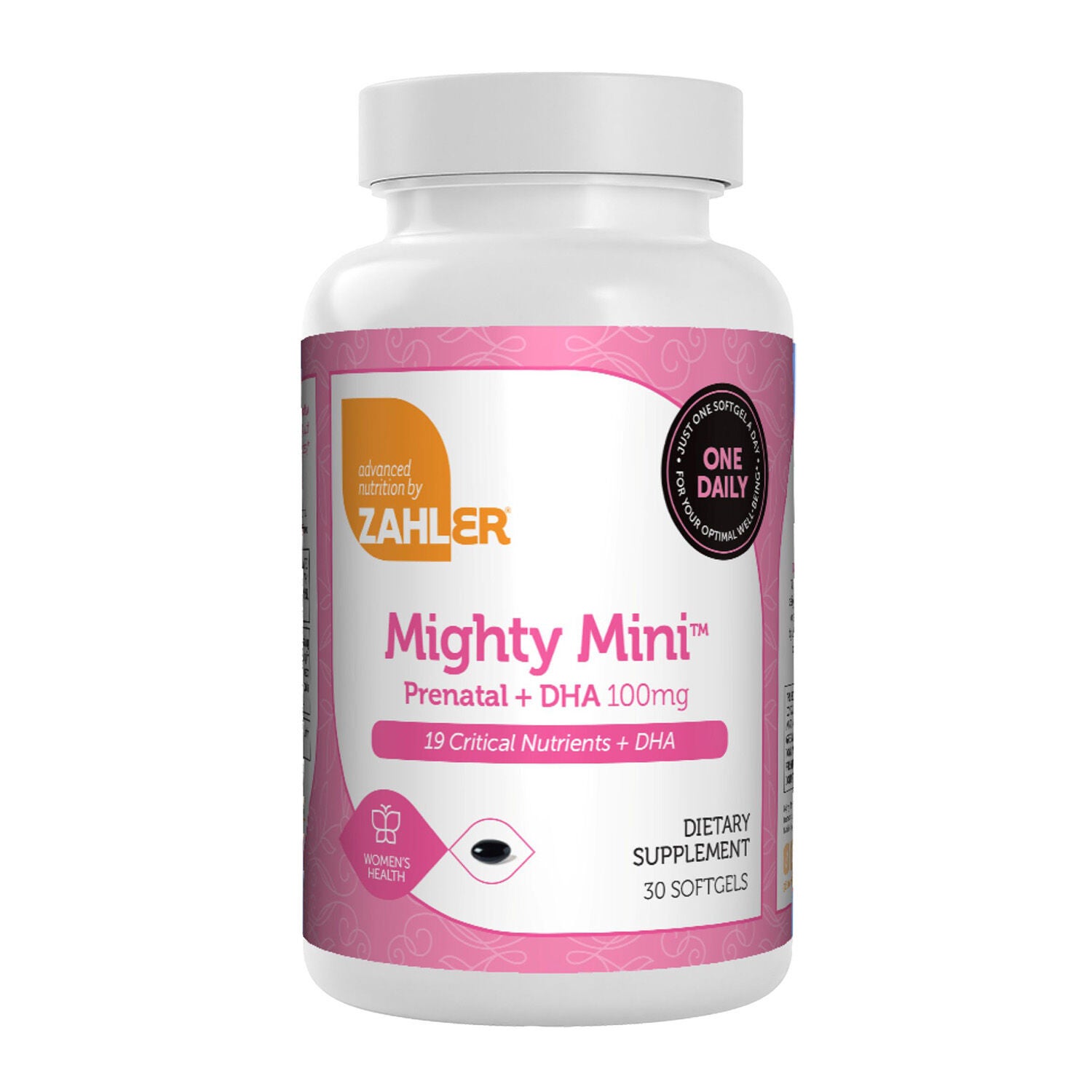
Small prenatal vitamins are designed for shoppers who prefer a compact tablet, softgel, or gummy format during the prenatal stage. A smaller serving may feel easier to fit into a morning routine, especially for someone who finds large pills difficult to swallow or prefers carrying supplements in a purse, desk drawer, or travel pouch. The word “small” can describe the size of each piece, but it does not always mean fewer pieces per serving. Some formulas may call for two or three tablets or softgels, while others may offer a single serving in a compact format, so reviewing the Supplement Facts panel is an important part of comparing options. Prenatal formulas vary widely, and shoppers may look for nutrients commonly included in these products, such as folic acid or methylfolate, iron, vitamin D, calcium, choline, and omega-3 DHA. Each nutrient serves a different role in a formulation, and the best fit can depend on dietary preferences, the guidance of a healthcare professional, and how a person prefers to take supplements. Those looking for additional information about different formula styles can explore Best Prenatal Vitamins for a broader view of prenatal options.
When comparing small prenatal vitamins, begin with the form that feels most practical for everyday use. Tablets are often compact and simple to store, while softgels may offer a smooth exterior that some shoppers find easier to take with water. Gummies can be appealing to people who prefer a chewable format, though they may have different nutrient combinations and serving directions than tablets or softgels. Iron is another key consideration. Some prenatal products include iron, while others are made without it, and the amount may differ from one formula to another. Since iron needs can vary, shoppers may wish to review the label with a healthcare professional before choosing a product. Folic acid and methylfolate are two forms shoppers may see when comparing labels. Vitamin D, calcium, and choline may also appear, while DHA is often included in formulas designed to provide an omega-3 source. For those following a vegetarian or vegan eating pattern, checking the capsule, tablet, gummy, and nutrient sources can help identify a suitable choice. A formula’s serving size, storage directions, flavor, sweeteners, and allergen information can matter just as much as the front-label claims. Third-party verification marks, such as USP or NSF, may offer another detail to review when available, although shoppers should still read the full label and follow the stated directions.
Small prenatal vitamins may be considered by people preparing for pregnancy, those who are pregnant, or shoppers selecting a thoughtful gift for a loved one entering a new chapter. They can also be useful for someone who wants a compact bottle for a bedside table, work bag, or overnight stay during the cooler months. A simple routine may involve taking the serving with a meal and a glass of water, though product directions can differ, so the label should guide use. People who experience queasiness may prefer taking a supplement at a different time of day or alongside food, but any change in routine should fit the product instructions and personal guidance from a healthcare professional. It can help to keep prenatal vitamins in a consistent, dry location away from children and pets, and to check the expiration date before opening a new container. When giving them as a gift, consider the recipient’s preferred format, dietary choices, iron preferences, and comfort with swallowing tablets rather than choosing based only on the smallest package. A compact prenatal formula can be a considerate addition to a care package with a water bottle, snack container, or journal, especially when the gift is presented as a practical option rather than a substitute for individualized guidance. Comparing serving size, nutrient details, format, and verification information makes it easier to select small prenatal vitamins that may fit naturally into an established routine.