





Prenatal And Postnatal Vitamins
(0 Results)
Explore a curated selection of prenatal and postnatal vitamins designed to support the unique nutritional needs of mothers at every stage. These specially formulated supplements may provide vital nutrients that could assist in promoting overall wellness for both mother and baby. Whether you're preparing for pregnancy, currently expecting, or navigating the postpartum period, find a range of options that might help support your journey. Prioritize your health and well-being with prenatal and postnatal vitamins tailored to meet your evolving dietary requirements.
-
-
-

-

-

-

-
-
-

-
 $18.99
-
 Portions Master$24.99
-

-

-

-

-
-

-
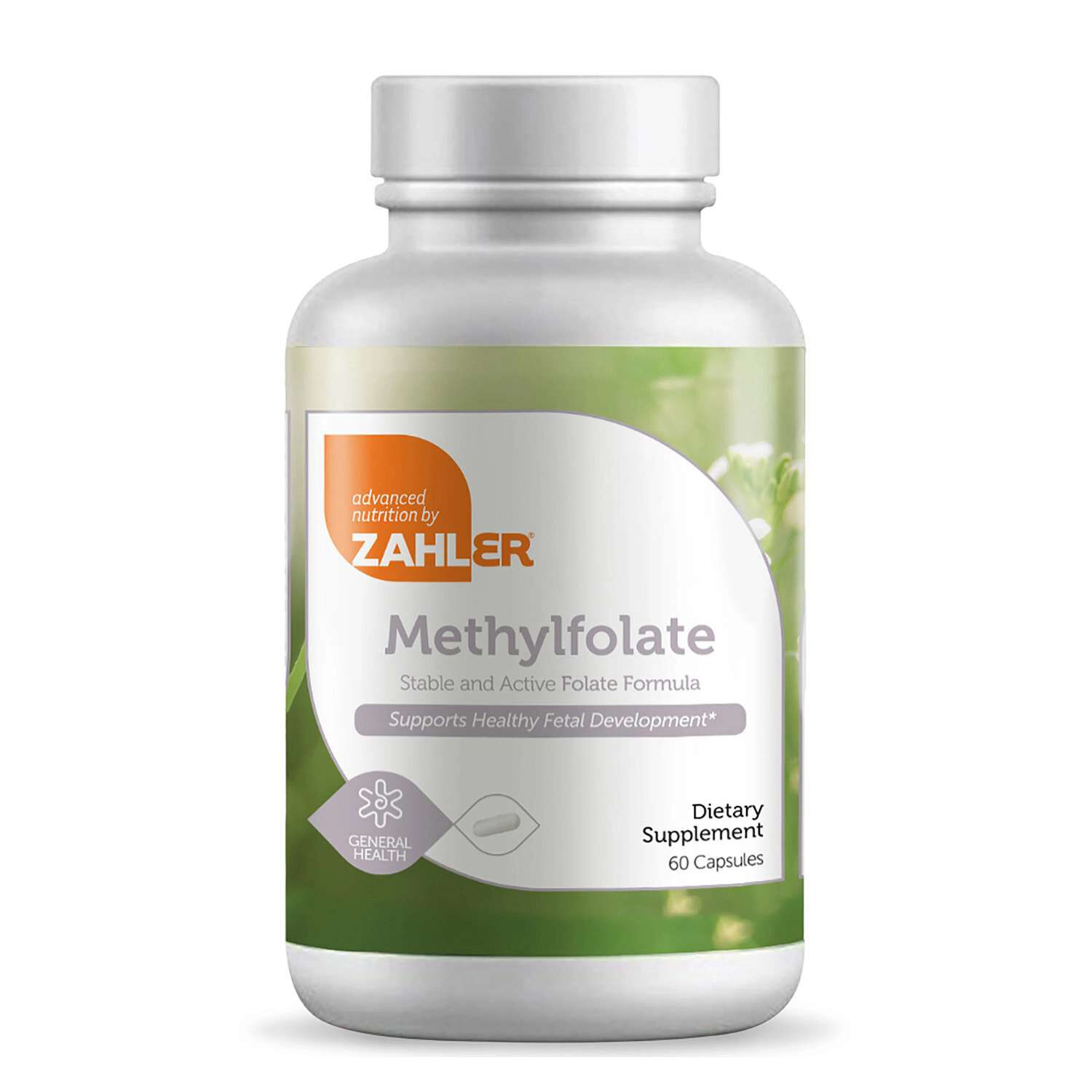

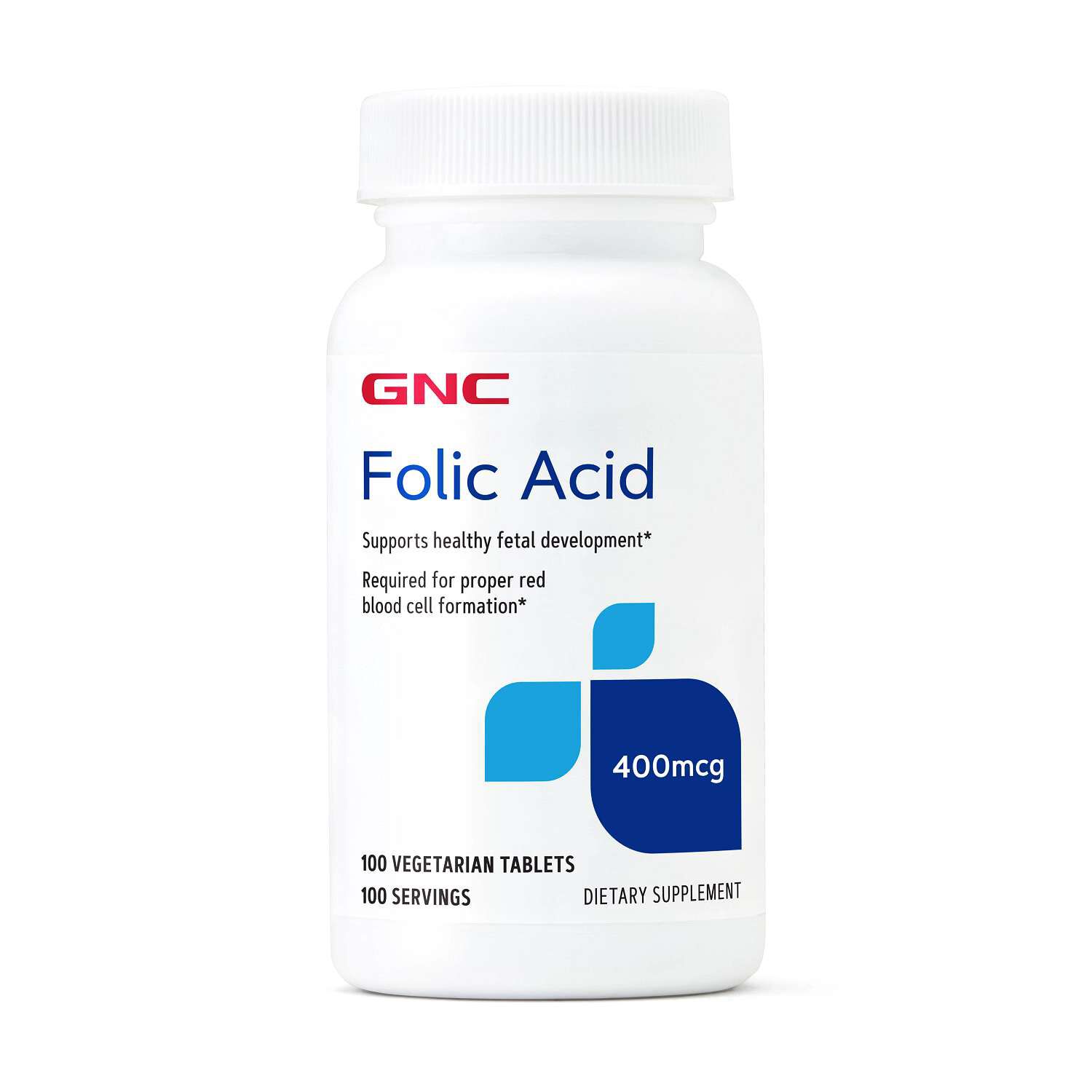
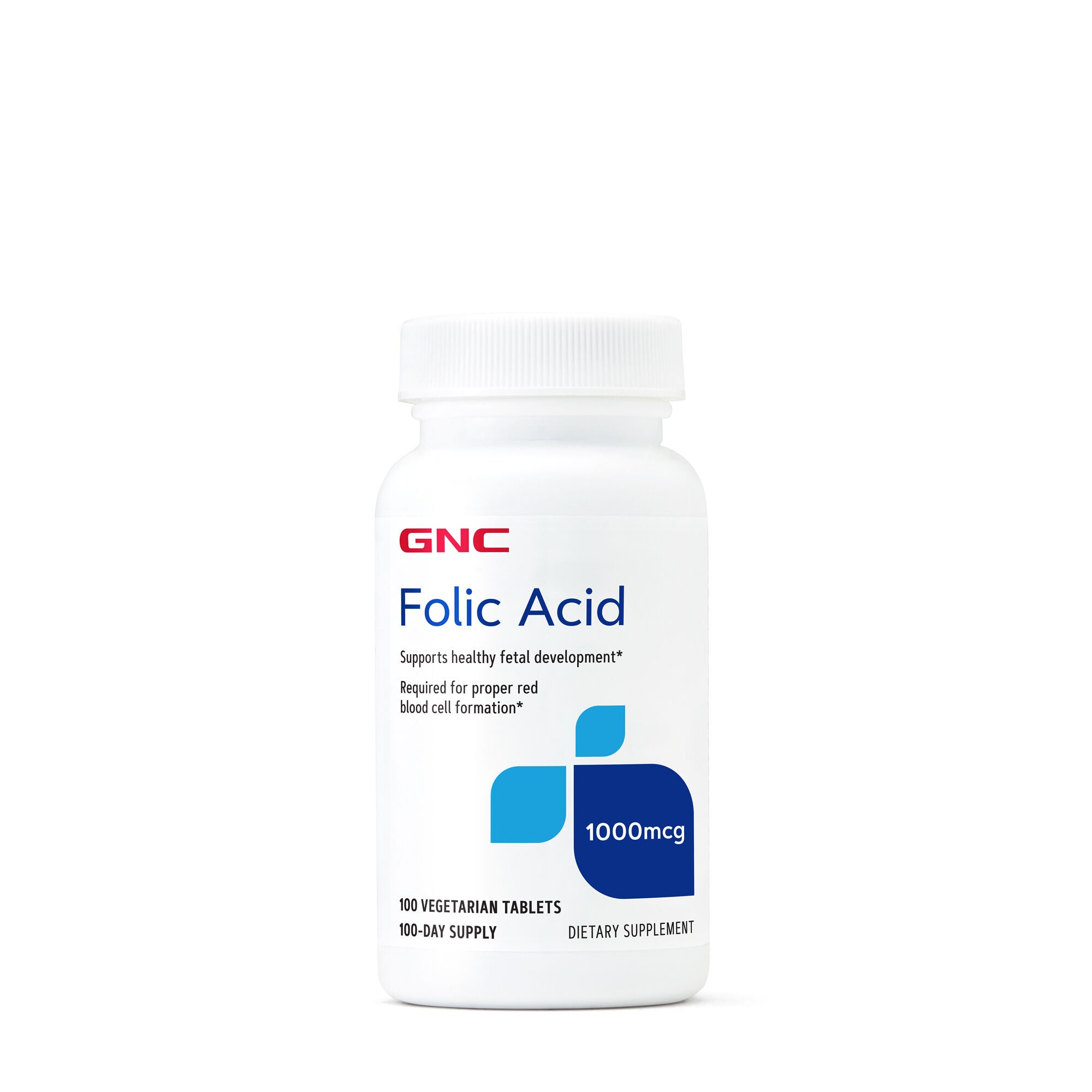
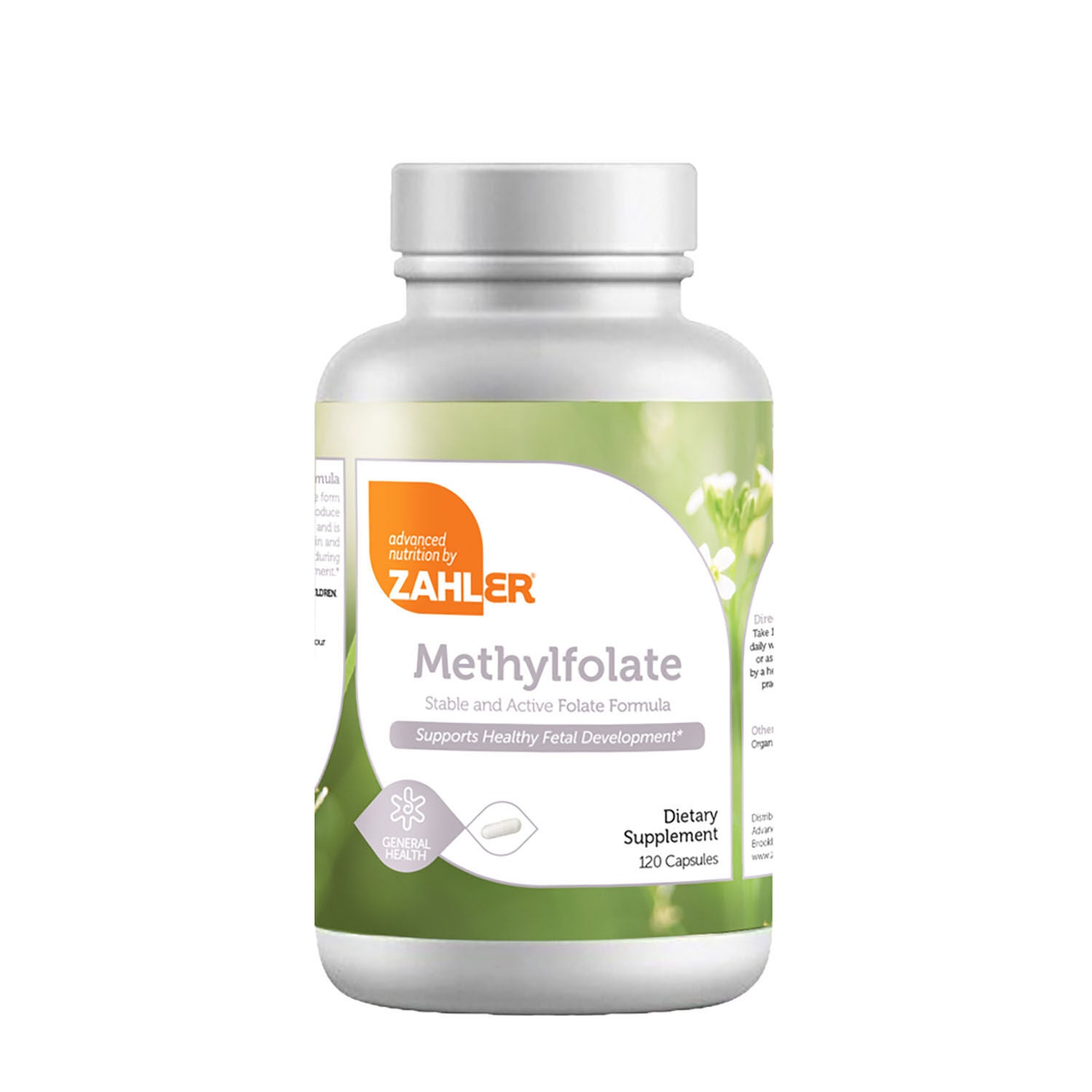
Prenatal and postnatal vitamins are dietary supplements labeled for different stages surrounding pregnancy and childbirth. Prenatal formulas are generally intended for people planning a pregnancy or who are pregnant, while postnatal formulas are intended for the period after delivery. Some postnatal vitamins are labeled specifically for breastfeeding, while others have a broader postpartum focus. Both categories may complement dietary intake, but their names do not describe a single, standardized combination of nutrients. The ingredient list, Supplement Facts panel, serving size, and intended use provide a more detailed picture of each formula. Common nutrients in these categories include folate, iron, vitamin D, vitamin B12, iodine, and zinc, with some formulas also containing choline or DHA. DHA is an omega-3 fatty acid rather than a vitamin, so a prenatal or postnatal supplement can contain ingredients beyond those suggested by its name. Not every formula contains every nutrient, and the amounts can differ considerably. A label may list folate in micrograms of dietary folate equivalents, abbreviated mcg DFE, and may identify folic acid or another folate source alongside that amount. Iron, calcium, and choline may appear in different quantities or may not be included in a particular formula. These distinctions matter when comparing products that look similar on the front of the bottle. A prominently featured ingredient does not describe the rest of the formula, and a longer ingredient list does not establish that a supplement suits every person. Prenatal and postnatal multivitamins also differ from single-nutrient supplements, which contain a narrower selection of ingredients. For shoppers comparing nutrition labels alongside their usual eating patterns, these details provide useful context without turning the category name into a personal recommendation. The most informative comparison goes beyond “prenatal” or “postnatal” to the actual nutrients, listed amounts, and life stage identified on the package.
Format is another meaningful difference within prenatal and postnatal vitamins, especially when a supplement becomes part of an everyday routine. Tablets, capsules, softgels, gummies, and powders each have distinct characteristics, from their dimensions and texture to their flavor and serving size. A tablet may have a smooth coating, while a softgel has a flexible outer shell and often contains an oil-based ingredient. Gummies have a chewable texture and may contain added sugars, sweeteners, colors, or flavorings. Powders have their own preparation directions, including a specified serving measure and, where applicable, instructions for mixing. None of these formats describes the nutrient content on its own. A gummy and a tablet with similar category names can have different ingredient lists, and one serving may consist of several pieces rather than one. For someone who prefers a compact tablet or capsule, Small Prenatal Vitamins offers a more focused category to explore, although serving count remains a separate label detail. Ingredient sources may also influence a shopper’s preference. Capsule shells can contain gelatin or plant-derived materials, and gummy textures can come from gelatin or pectin. DHA ingredients may be sourced from fish oil or algal oil, with the source identified in the product information. Dietary preferences and ingredient restrictions therefore involve more than the vitamins and minerals listed in the Supplement Facts panel. The other ingredients section and allergen statements add another layer of detail. Packaging and storage instructions matter, too: bottles, individual packets, and other containers have different closures and handling directions. Package guidance typically addresses storage conditions, keeping the container closed, and keeping supplements out of children’s reach. The printed expiration date and condition of the packaging are additional details to note. These practical differences may be particularly relevant in a household where the morning routine includes breakfast dishes, a packed work bag, and several people sharing the same counter space.
The distinction between prenatal and postnatal vitamins is primarily one of labeled life stage, not a universal rule about what every person needs before or after childbirth. Pregnancy planning, pregnancy, breastfeeding, and postpartum life are related experiences, but they are not identical circumstances. A formula labeled for breastfeeding is not automatically representative of every postnatal supplement, and the word “postnatal” does not necessarily indicate ingredients intended to affect milk production. Likewise, a prenatal formula does not establish a schedule for when an individual should begin, change, or stop taking a supplement. Personal suitability and timing are individual matters rather than features that can be settled by a category label. For browsing purposes, the useful distinctions are concrete: whether the package identifies pregnancy or postpartum use, which nutrients are included, how much is listed per serving, and what the serving involves. A bottle containing sixty capsules, for example, does not necessarily contain sixty servings; the serving size determines that relationship. A package with both tablets and softgels may also have directions that refer to more than one component. Those details may affect how a format fits into an established routine, whether that means breakfast at home, lunch at work, or another familiar point in the day. For shoppers purchasing on someone else’s behalf, an exact requested formula and format provide clearer direction than a general assumption about what an expecting or new parent might want. Taste, texture, ingredient preferences, and serving count are personal, even among products intended for the same stage. Prenatal and postnatal vitamins sit within a broader context of food, daily habits, and individual nutrition needs; they are not substitutes for meals or a varied eating pattern. Viewed through their labels rather than broad front-of-package language, these supplements offer distinct combinations and formats for shoppers considering nutrition products before pregnancy, during pregnancy, and after childbirth.
Best Sellers
Related Pages
Top Collections
- GLP 1 Support For Adults
- Supplements For Yoga Joint Flexibility
- Joint Mobility Supplement Packs
- Supplements For Balance
- Zinc Supplements For Men
- Chronic Fatigue Supplements
- Capsule Supplements For Energy And Stamina
- Zinc Supplements | Top Brands at Great Prices | GNC
- Supplements For Anxiety Relief Support
- Adult Mobility Supplements