





Prenatal Vitamins With Vitamin D
(0 Results)
Prenatal vitamins with vitamin D are a popular choice for individuals looking to support their wellness journey during pregnancy. These supplements are designed to complement a balanced diet and may help fill potential nutrient gaps. Explore a curated selection of prenatal vitamins with vitamin D, crafted to fit into your daily routine as you prioritize your health and well-being throughout every stage of pregnancy.
-
-
-
 $18.99
-

-

-

-

-
-

-

-
-


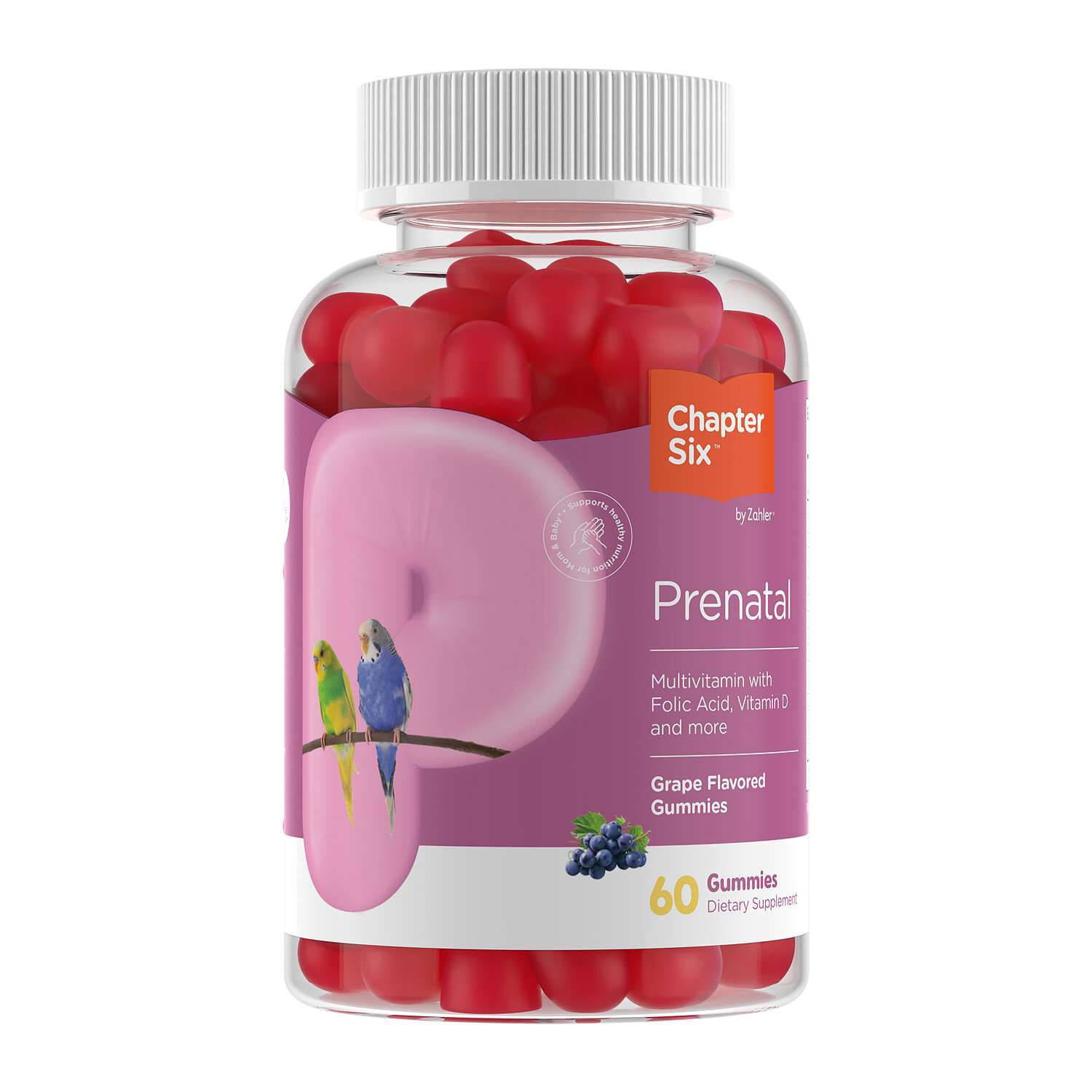
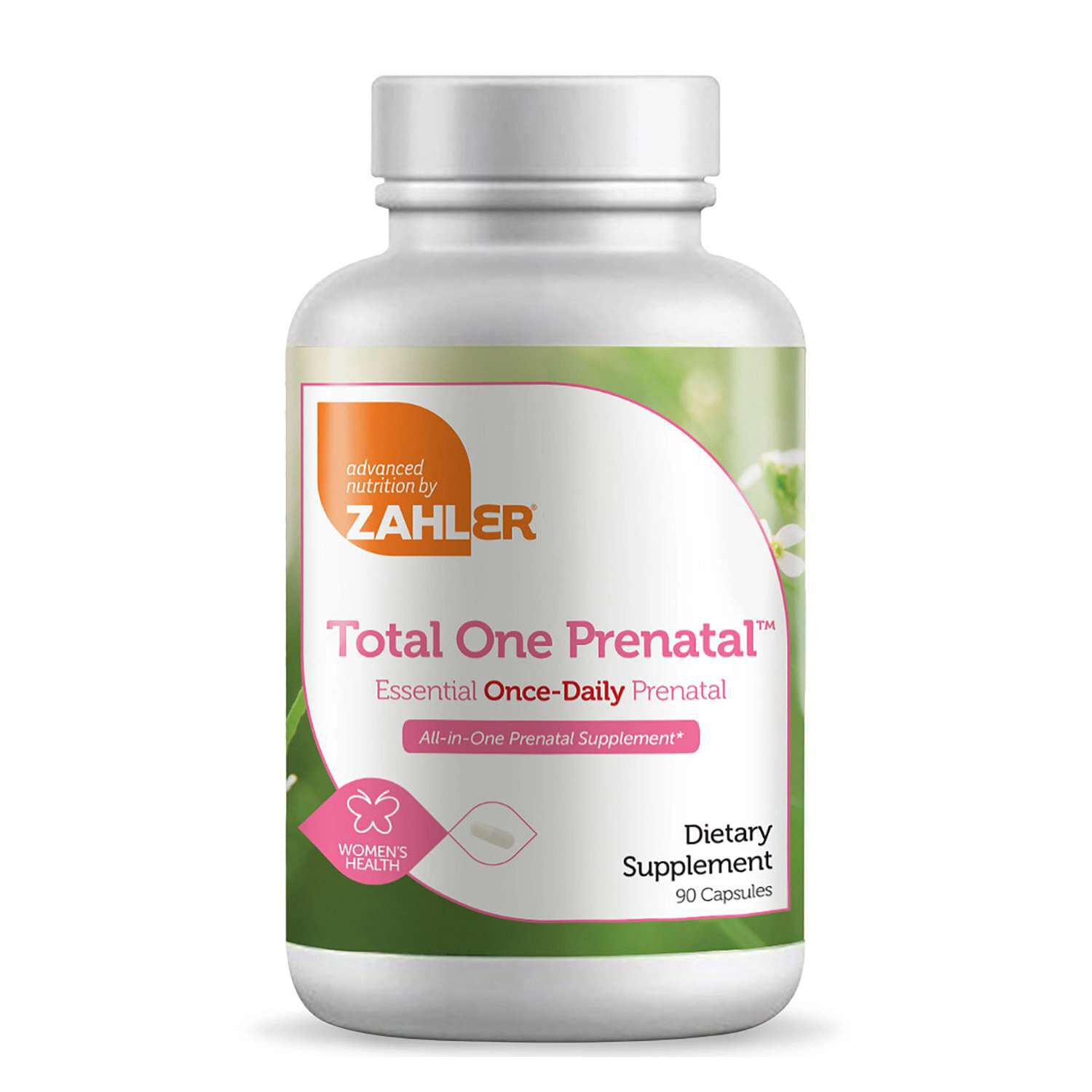
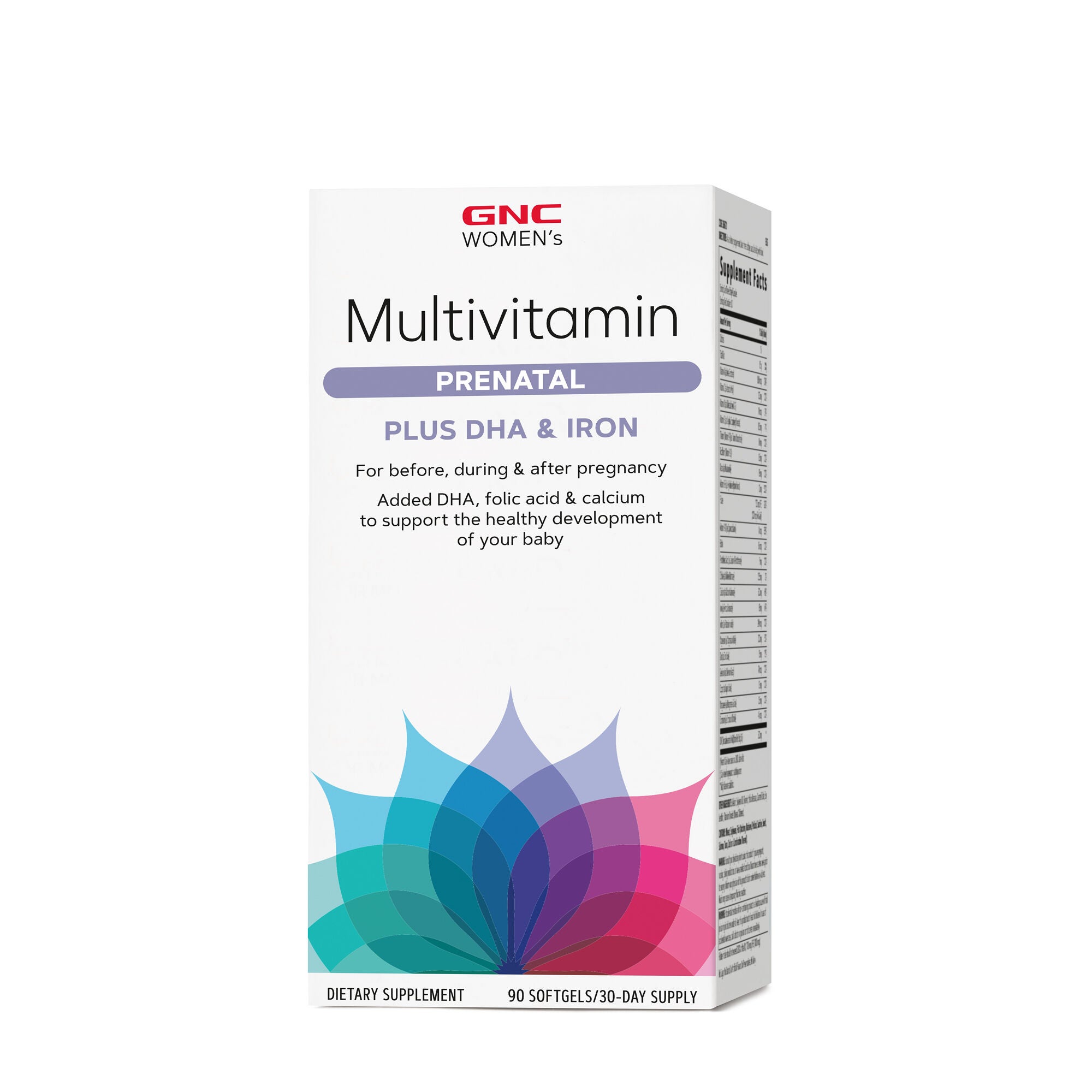
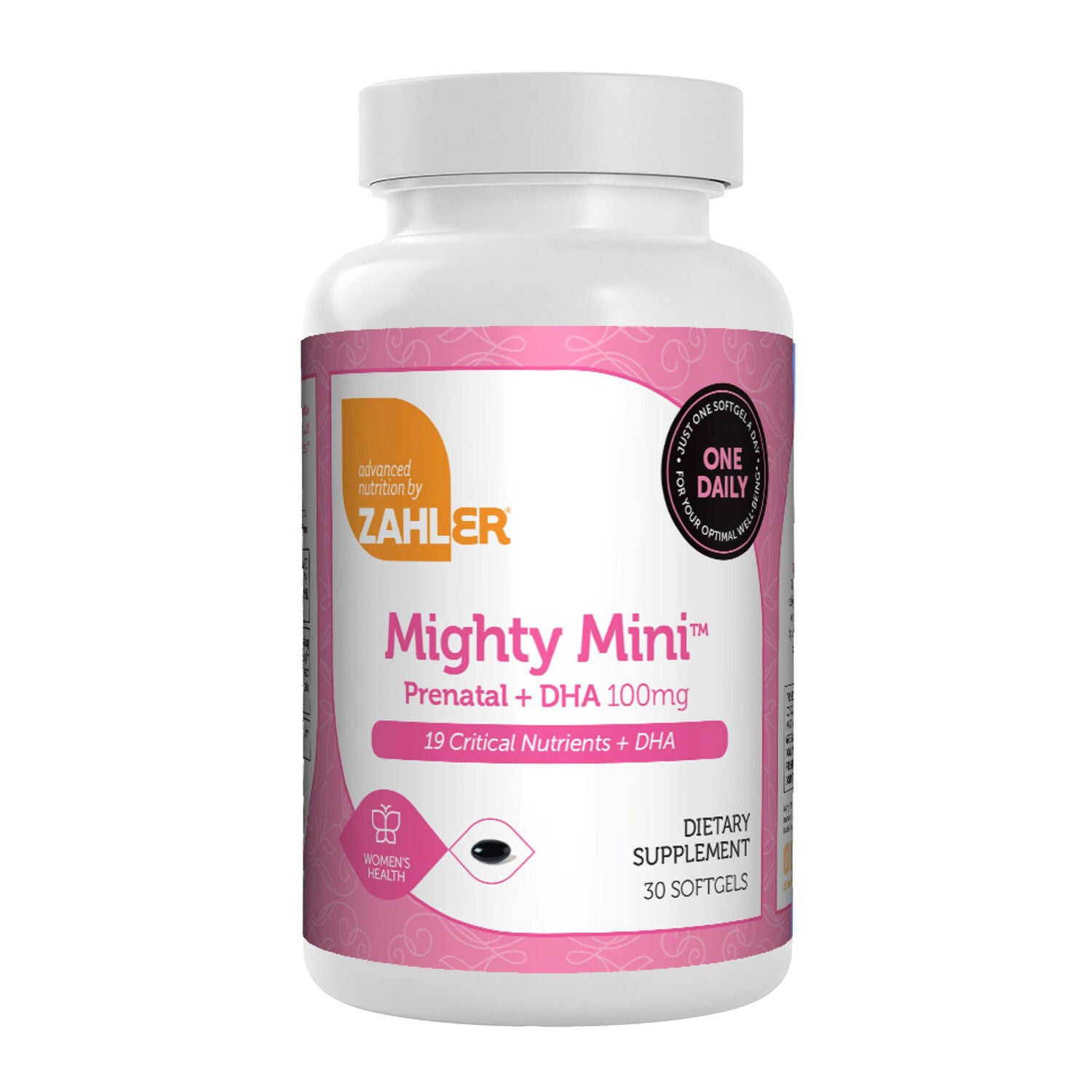
Prenatal vitamins with vitamin D are supplements that combine vitamin D with other nutrients in formulas intended for pregnancy-related nutrition routines. Their labeled use may include pregnancy planning, pregnancy, or nursing, depending on the formula. The phrase “prenatal vitamins with vitamin D” describes a category, not a uniform ingredient list: vitamin D amounts, accompanying nutrients, serving sizes, and formats can differ. Vitamin D is a fat-soluble vitamin, and supplement labels may identify it as vitamin D3, also called cholecalciferol, or vitamin D2, also called ergocalciferol. Its amount is expressed in micrograms, abbreviated mcg, and sometimes in international units, abbreviated IU. For vitamin D, 1 mcg equals 40 IU, so 10 mcg equals 400 IU and 15 mcg equals 600 IU. These conversions make differently presented labels easier to compare; they are measurements, not personal intake recommendations. The amount listed in the Supplement Facts panel generally refers to the labeled serving, which may consist of more than one tablet, capsule, softgel, or gummy. A front-label number therefore has more context when read alongside the serving size. The percentage Daily Value is another label detail, but it is not the same measurement as the amount in mcg or IU. Prenatal formulas may also contain folate, iron, iodine, vitamin B12, or other nutrients, while some include ingredients such as choline or DHA. Those ingredients are not present in every formula, and a prenatal name alone does not describe everything inside the bottle. For someone comparing this category, the most useful distinction is between what the formula is called and what its label actually lists. Two prenatal supplements can both contain vitamin D yet differ substantially in the rest of their composition. That variety makes this a category defined by ingredient details and intended use rather than by a single standard formula.
Format is another meaningful part of the comparison, especially for a product intended to become part of a regular routine. Tablets, capsules, softgels, and gummies differ in size, texture, flavor, and the number of pieces in a serving. A capsule may appeal to someone who prefers an unflavored format, while a chewable option could suit someone who prefers a flavored texture. Gummies may contain sweeteners, coloring ingredients, pectin, or gelatin, and their nutrient lists can differ from those of tablets or capsules. Their candy-like appearance does not change their status as supplements. Softgel shells can also contain gelatin, while capsule materials vary by formula. These construction details matter to shoppers with vegetarian preferences or particular ingredient exclusions. Serving count deserves its own attention because bottle count and number of servings are not interchangeable. As a simple packaging example, a bottle containing 60 capsules has 30 servings when the labeled serving size is two capsules. A larger-looking container does not necessarily represent more servings than a smaller one. Physical dimensions can matter, too: a wide bottle, a narrow container, or a carton holding several components occupies a different amount of cabinet space. Clear labeling and a readable expiration date add practical context beyond the front-panel description. Original packaging keeps the Supplement Facts panel, ingredient list, directions, storage information, and lot details together. The manufacturer’s storage instructions describe the conditions intended for that particular formula, while an intact closure helps keep the contents contained between uses. A loose assortment in an unlabeled container loses much of that useful information. For a busy household, a clearly labeled bottle in its designated storage location may be simpler to distinguish from other supplements than several similar containers without their cartons. These everyday details do not describe a nutritional effect, but they can influence how well a particular format fits someone’s preferences, household organization, and approach to a recurring routine.
Ingredient sourcing adds another layer to prenatal vitamin D comparisons. Vitamin D3 can come from sources such as lanolin or lichen, while vitamin D2 is commonly associated with fungal sources. A vitamin’s name does not always reveal its origin, so sourcing statements provide information that the nutrient amount alone cannot. Likewise, a plant-derived vitamin D ingredient does not establish that every other ingredient in the formula is plant-derived. Capsule shells, softgel materials, added oils, and other components each have their own sources. Formulas containing DHA may use fish-derived or algae-derived ingredients, and those distinctions are separate from the source of the vitamin D. Allergen statements and the other ingredients list offer additional context for shoppers with established dietary preferences or ingredient restrictions. Flavor descriptions also deserve a literal reading: a berry-flavored chewable describes a taste, not the quantity or variety of nutrients inside it. Someone drawn to a familiar flavor may still find important differences in serving size, sweeteners, and accompanying ingredients. For households where more than one person purchases supplements, keeping the exact formula name and label information together may make repeat comparisons less confusing. Packaging can change, and a similar color scheme or bottle shape is not a substitute for matching the ingredient details. Shoppers considering related prenatal categories can also explore Advanced Prenatal Vitamins, with the same attention to vitamin D form, labeled amount, serving size, and the surrounding nutrient blend. The word “advanced” is a category description rather than a measurement of vitamin D content or personal suitability. Personal nutrition needs are distinct from shopping preferences, and an ingredient list cannot determine an individual’s needs by itself. For those comparing prenatal vitamins with vitamin D, a clear picture comes from the details taken together: the nutrient panel, ingredient sources, format, serving count, labeled intended use, and storage information. Those concrete features provide a grounded way to distinguish formulas without assuming that every prenatal supplement is interchangeable.
Best Sellers
Related Pages
Top Collections
- GLP 1 Support For Adults
- Supplements For Yoga Joint Flexibility
- Joint Mobility Supplement Packs
- Supplements For Balance
- Zinc Supplements For Men
- Chronic Fatigue Supplements
- Capsule Supplements For Energy And Stamina
- Zinc Supplements | Top Brands at Great Prices | GNC
- Supplements For Anxiety Relief Support
- Adult Mobility Supplements