





Prenatal Vitamins With Folic Acid And Iron
(0 Results)
Prenatal vitamins with folic acid and iron are a popular choice for those looking to support their wellness journey during pregnancy. These supplements may offer a convenient way to help meet daily nutrient needs as part of a balanced diet. Explore a variety of options designed for expectant parents who want to prioritize their nutritional intake with prenatal vitamins containing folic acid and iron.
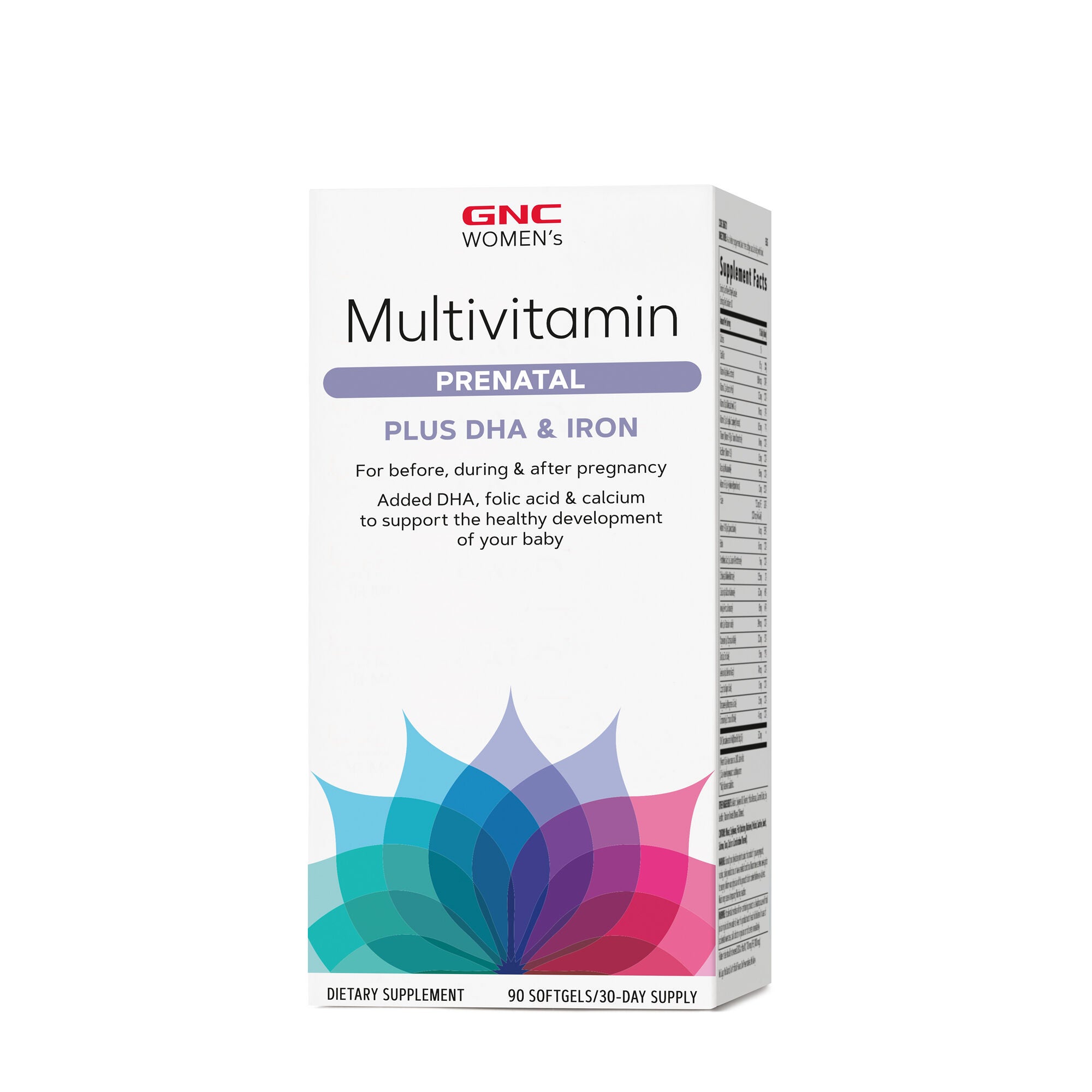
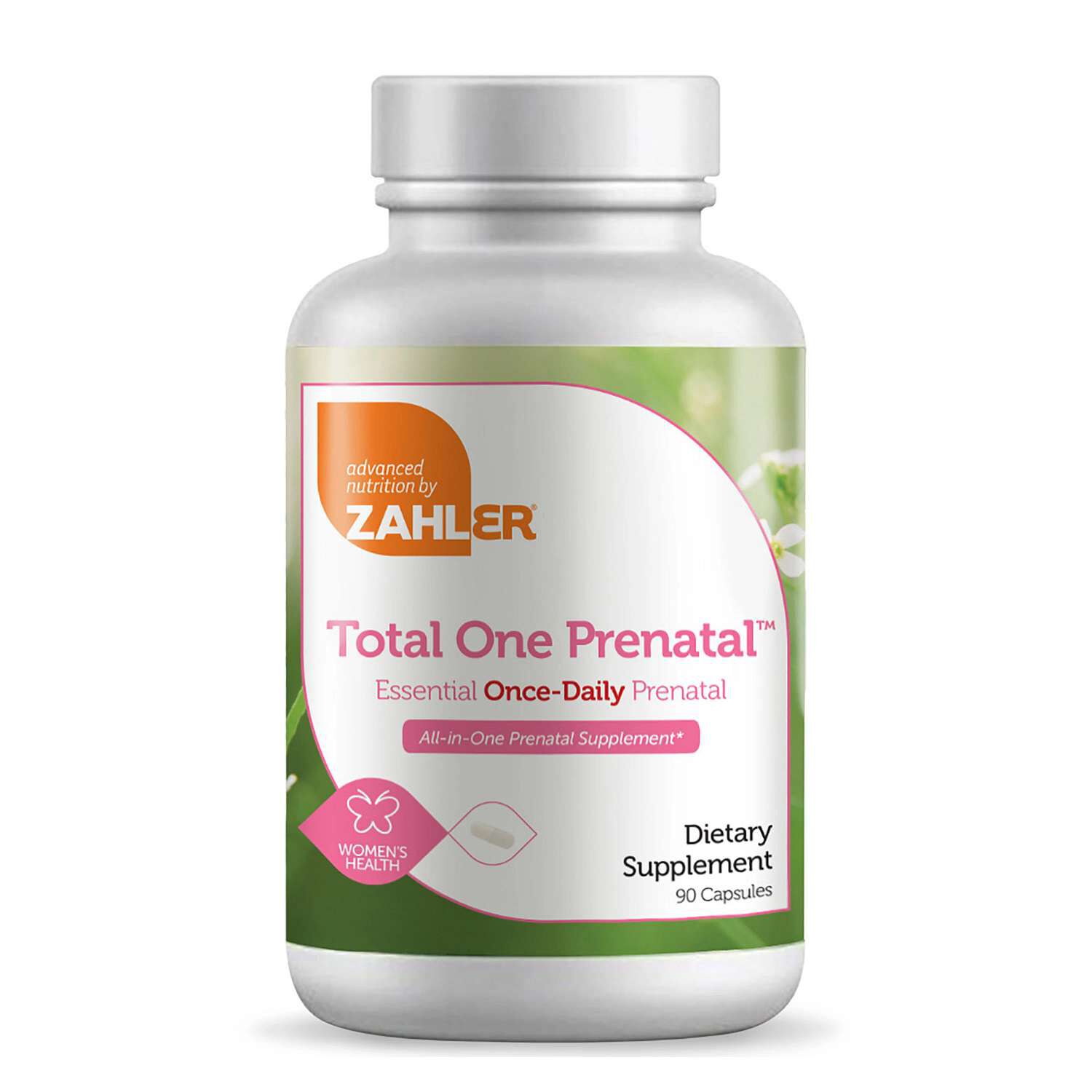


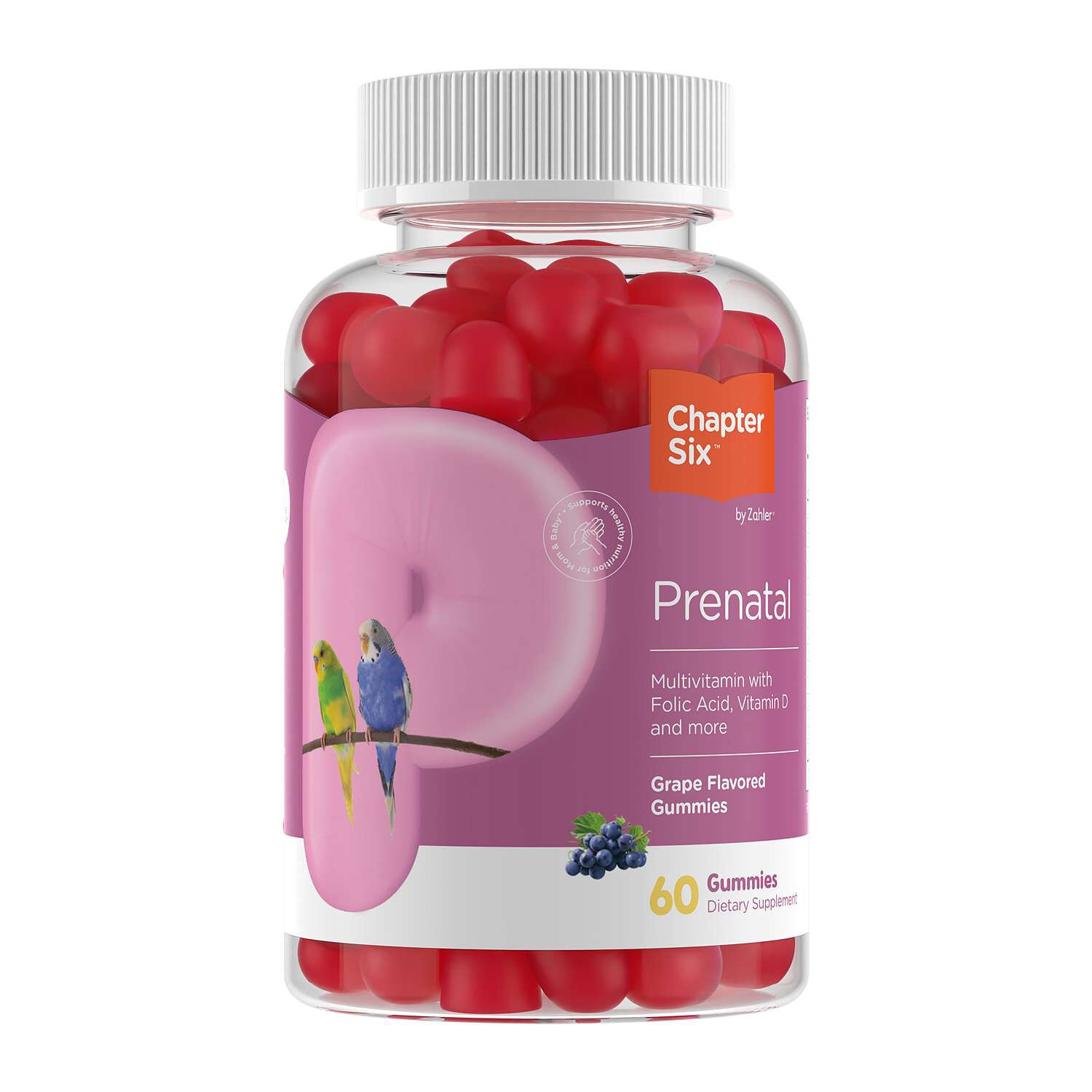


Prenatal vitamins with folic acid and iron are designed for people preparing for pregnancy, expecting a baby, or discussing postpartum nutrition with a qualified healthcare professional. These formulas commonly combine a broad range of vitamins and minerals with folic acid, a form of folate, and iron to help address the changing nutritional needs associated with pregnancy. Folic acid may support normal early development, which is why many people begin looking for a prenatal formula before conception. Iron may support the body as blood volume changes during pregnancy and may contribute to normal red blood cell formation and oxygen transport. Nutritional needs vary from person to person, so anyone who is pregnant, trying to conceive, breastfeeding, or managing a specific dietary concern may want to review the label with an OB/GYN, midwife, pharmacist, or other qualified healthcare professional before choosing a formula. A professional may also suggest a serving size or nutrient profile based on dietary patterns, previous prenatal use, or other supplements in a daily routine. When comparing prenatal vitamins, look for folic acid and iron amounts that fit the guidance provided by a personal healthcare provider, along with clearly listed serving instructions and other included nutrients. Some formulas come as tablets or capsules, while others use gummies, softgels, or smaller servings that may suit different preferences. Gummies may be easier for some people to take, though they may not contain iron, so checking the Supplement Facts panel matters. Tablets may offer a wider range of nutrients in one serving, while capsules may be appealing to shoppers who prefer a different texture or format. Iron can vary by form and amount, and some people may prefer a formula created with digestive comfort in mind. Taking a prenatal vitamin with food may be more comfortable for some individuals, while others may prefer a particular time of day that fits naturally alongside breakfast, a packed lunch, or an evening routine. The label should guide serving instructions, and a healthcare professional can provide personalized direction when a formula includes iron or multiple nutrients.
Shopping for prenatal vitamins can also be part of preparing a thoughtful care package for someone entering a new stage of life. A prenatal vitamin may be a considerate gift for a partner, sibling, friend, or family member who has shared plans to conceive or is expecting, especially when paired with practical items such as a water bottle, a simple pill organizer, or a nourishing pantry staple. Since preferences and nutrient needs can differ, it is helpful to choose a gift card or invite the recipient to select the format that feels most comfortable rather than assuming one type will suit everyone. During warmer weather and the cooler months that follow, a consistent routine may become easier when the bottle is kept in a visible, dry place away from direct sunlight and heat. Travel-size organization can also be useful for appointments, workdays, or weekends away, provided the product remains in its original container and follows the storage directions on the label. People comparing formulas may also consider whether they prefer a prenatal that includes DHA alongside folic acid and iron; shoppers can browse Prenatal Vitamins With Folic Acid and DHA for another nutrient combination. Reading the full label can help clarify the number of servings per container, whether the formula contains common allergens, the source of its ingredients, and whether it is vegetarian or made without particular ingredients. Those following a restricted diet may want to confirm the source of gelatin, check for animal-derived ingredients, or look for a formula suited to their preferences. It is also useful to account for other multivitamins, fortified foods, and individual supplements already being used, since combining products can change the overall daily intake of certain nutrients. A prenatal vitamin is intended to complement a varied eating pattern rather than replace meals, and regular use may be easier when connected with an established habit such as brushing teeth, preparing coffee, or setting out a morning meal. Anyone who has questions about folic acid, iron, serving size, ingredient forms, or use before and after pregnancy should seek guidance from a qualified healthcare professional who understands their personal circumstances.