





Prenatal Supplements With Folic Acid
(0 Results)
Prenatal supplements with folic acid may offer important nutritional support for women before and during pregnancy. These supplements are designed to help fill potential nutrient gaps and support overall wellness for both mother and baby. Explore a wide selection of prenatal supplements with folic acid that could be an essential addition to your daily routine as you plan for a healthy pregnancy journey.


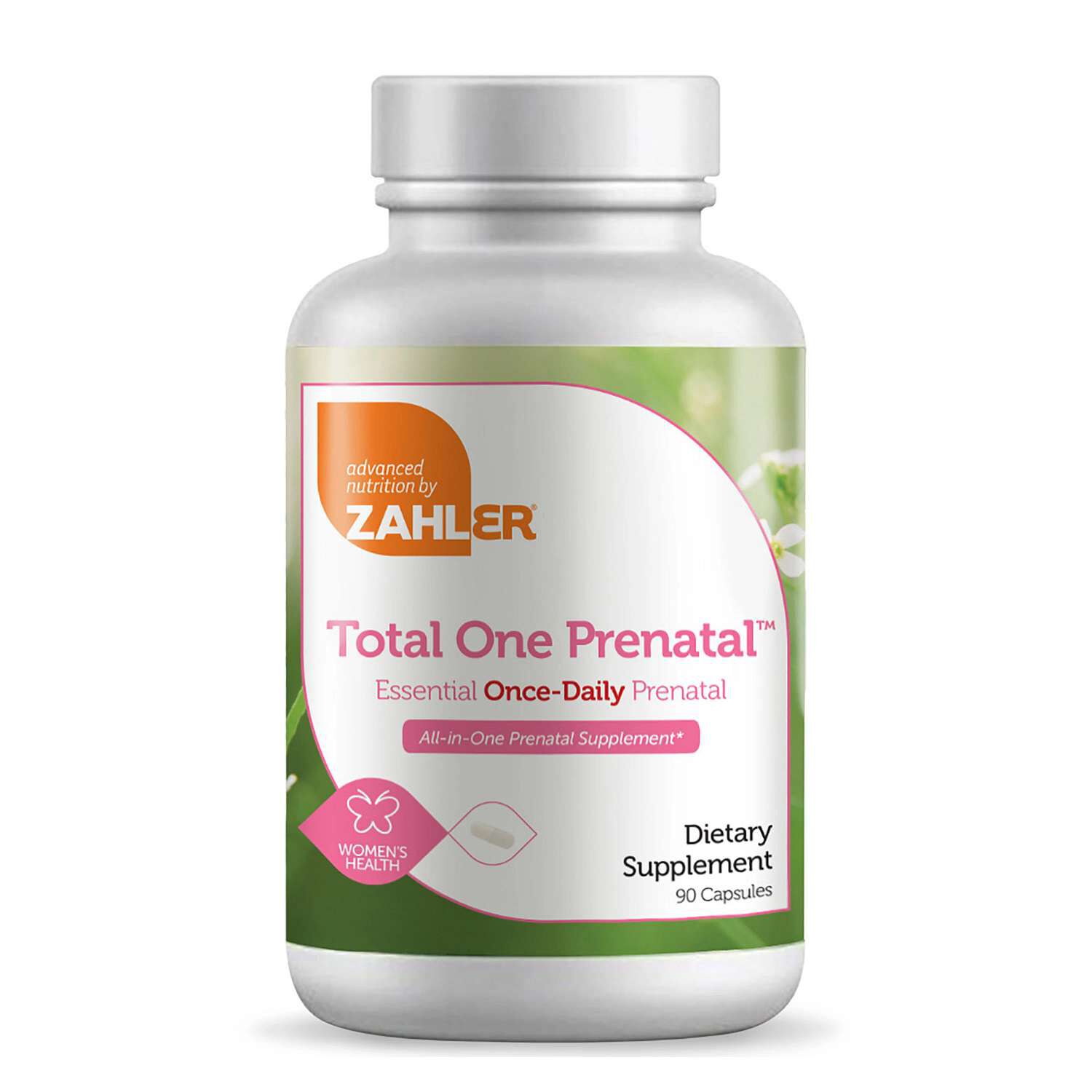


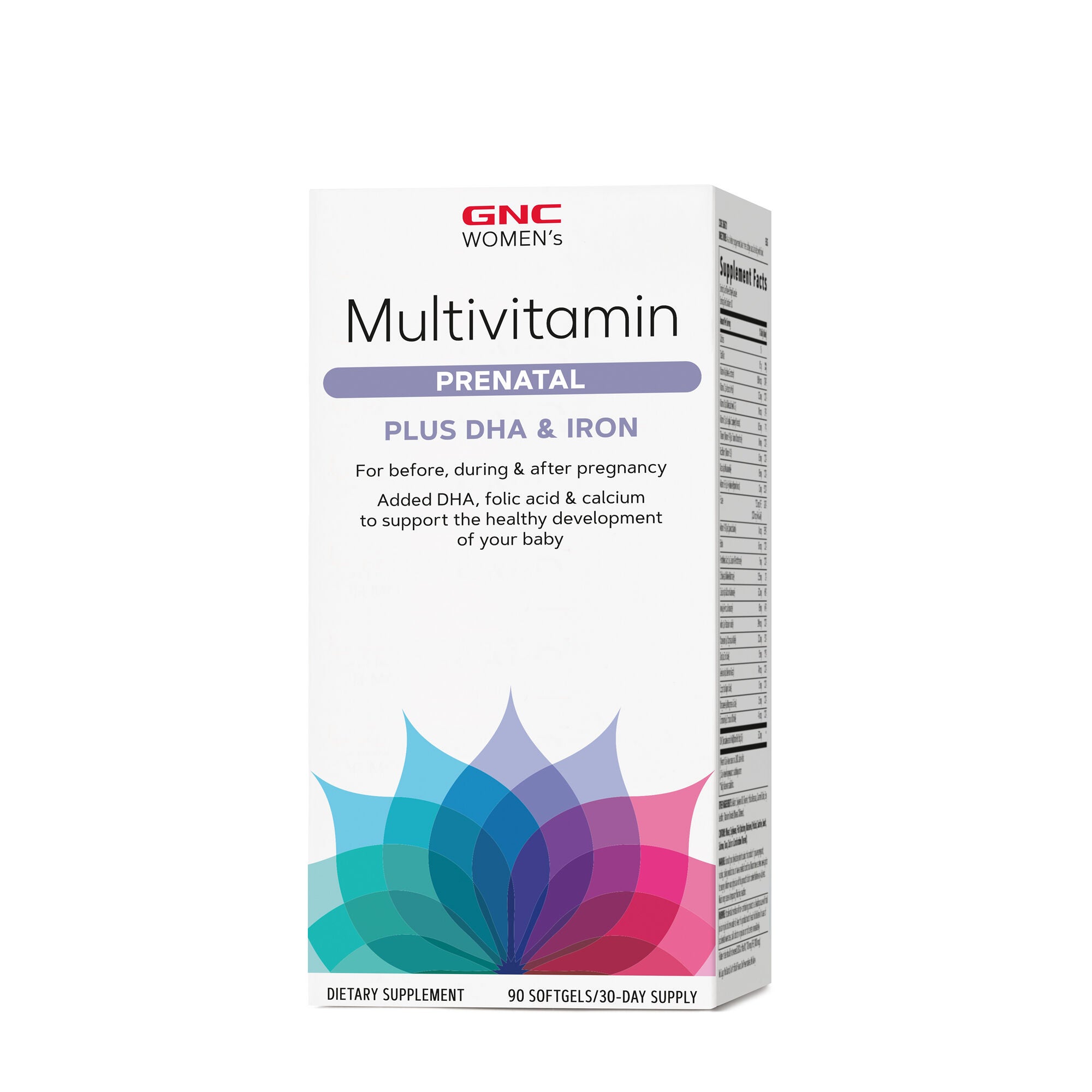
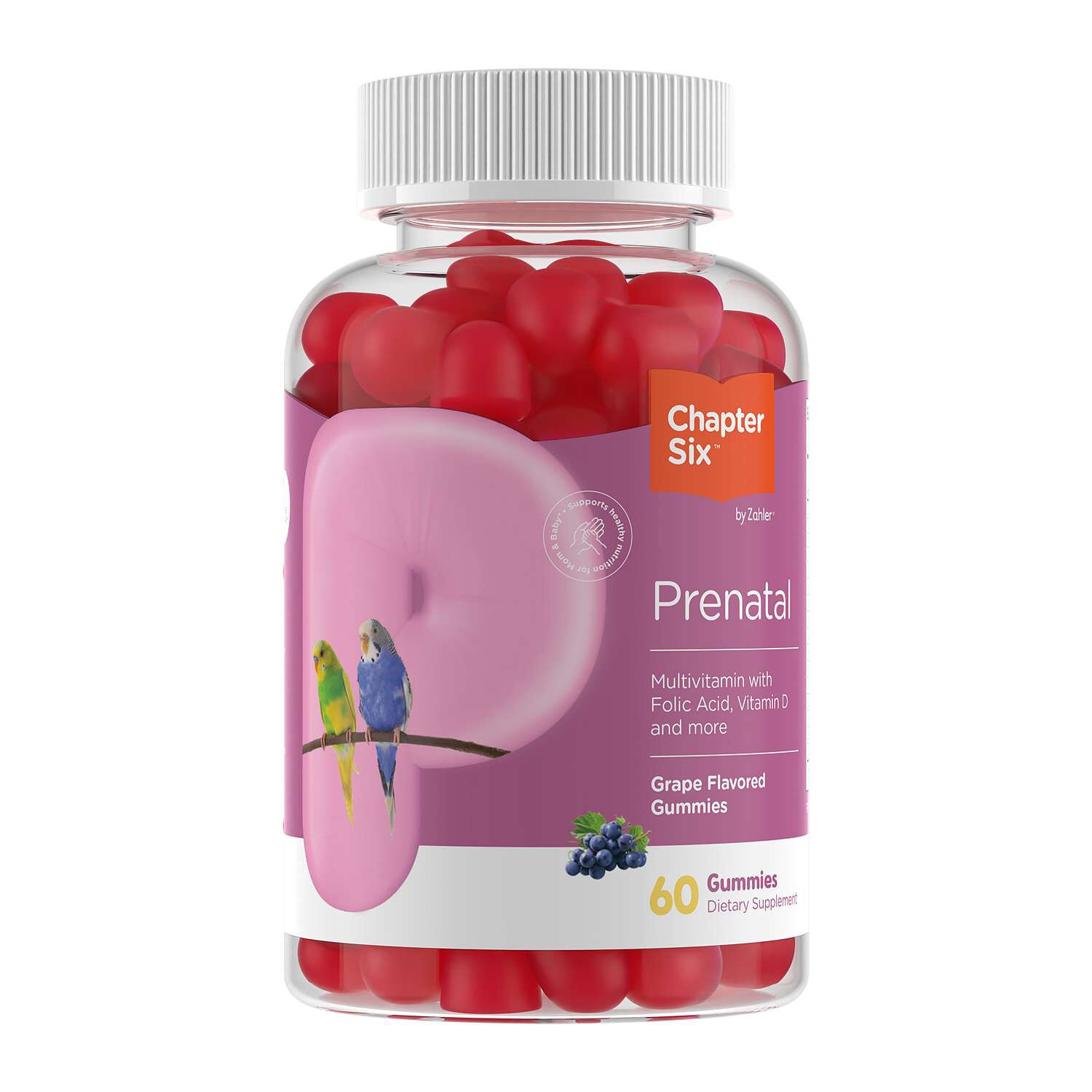
Prenatal supplements with folic acid are designed for people preparing for pregnancy, expecting a baby, or building a consistent nutrient routine with guidance from a healthcare professional. Folic acid is a form of folate, a B vitamin commonly included in prenatal formulas because it may support cell division and early development. Many healthcare professionals discuss taking folic acid before conception, since the earliest stages of pregnancy may begin before someone knows they are expecting. For that reason, a prenatal supplement may fit into a daily routine for someone planning to start a family, as well as for someone who has already received a positive pregnancy test. Anyone considering a prenatal formula may wish to speak with a doctor, midwife, or pharmacist about personal nutrition needs, current supplements, and the amount of folic acid that may be appropriate. Labels often show 400 to 800 micrograms of folic acid per serving, though the right choice can vary by individual circumstances. A professional may also recommend reviewing the full Supplement Facts panel to compare iron, vitamin D, iodine, choline, vitamin B12, and other nutrients included in the formula. Reading the serving size matters, too: some products are intended as one daily tablet, while others call for multiple capsules, softgels, or gummies spread across the day. A simple routine can make a difference in how easily a supplement fits alongside breakfast, an evening glass of water, or a bedside organizer. For shoppers comparing Prenatal Vitamins With Folic Acid and DHA, the label may help clarify whether a formula includes both folic acid and DHA, how much of each serving it provides, and whether the format suits everyday preferences.
Choosing a prenatal supplement often comes down to more than one nutrient. Iron is included in many formulas and may support the body’s production of red blood cells, while vitamin D may support bones and normal immune function. DHA, an omega-3 fatty acid, may support the development of a baby’s brain and eyes, making it a feature some shoppers look for when comparing prenatal choices. Choline may also appear on the label and may support normal nervous system development. Since formulas differ, it can be useful to compare nutrient amounts rather than relying only on the front of the package. Shoppers may also consider whether they prefer tablets, softgels, capsules, or chewable gummies; whether the formula fits vegetarian preferences; and whether it contains ingredients they have been asked to avoid. Flavor, texture, and the number of servings can shape the experience of taking a supplement every day, especially during busy mornings, travel, or the cooler months when routines often move indoors. Some people prefer a smaller capsule, while others appreciate a chewable format that does not require water. Prenatal supplements can also make a thoughtful gift for a partner, family member, or friend who has shared that they are preparing for pregnancy, provided the gift leaves room for their personal preferences and professional guidance. A practical gift basket might pair a prenatal supplement with a water bottle, a small organizer, or a calming journal without assuming what someone may need. Those who are pregnant or nursing may have different nutrient considerations than those preparing for pregnancy, so checking with a qualified healthcare professional can help keep the choice aligned with an individual plan. As with any dietary supplement, shoppers may benefit from following the serving directions, storing the container as indicated, and keeping a record of other vitamins or fortified foods used during the day to help avoid unnecessary overlap.

