





Vitamins With Folate
(0 Results)
Vitamins with folate are a popular choice for those looking to support their daily wellness routines. Folate, an essential B vitamin, plays a key role in many important bodily functions. Whether you’re seeking a convenient way to supplement your diet or exploring options that fit your lifestyle, vitamins with folate come in a variety of forms and strengths to suit different needs. Discover options that may help you maintain your nutritional goals and find the right fit for your everyday routine.
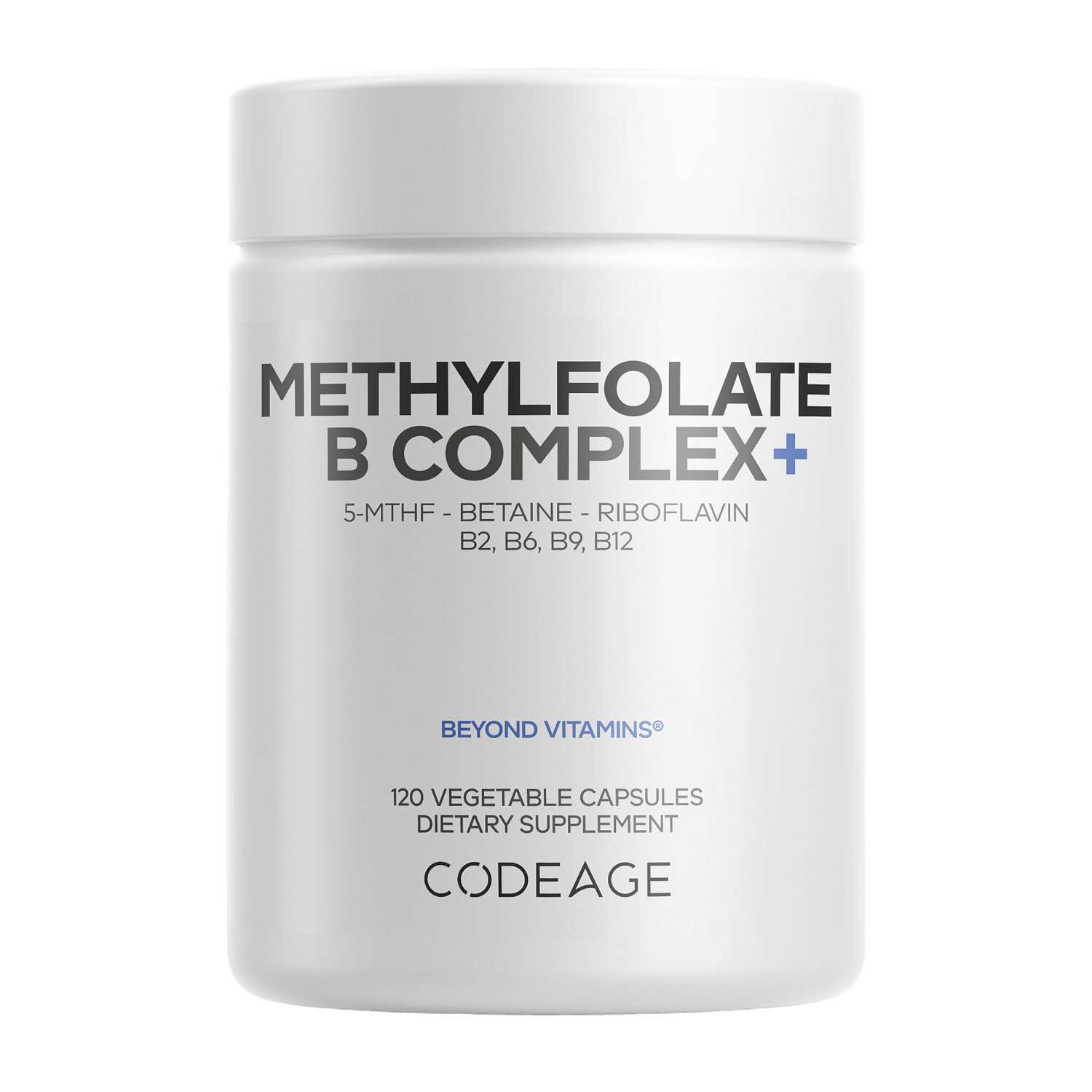
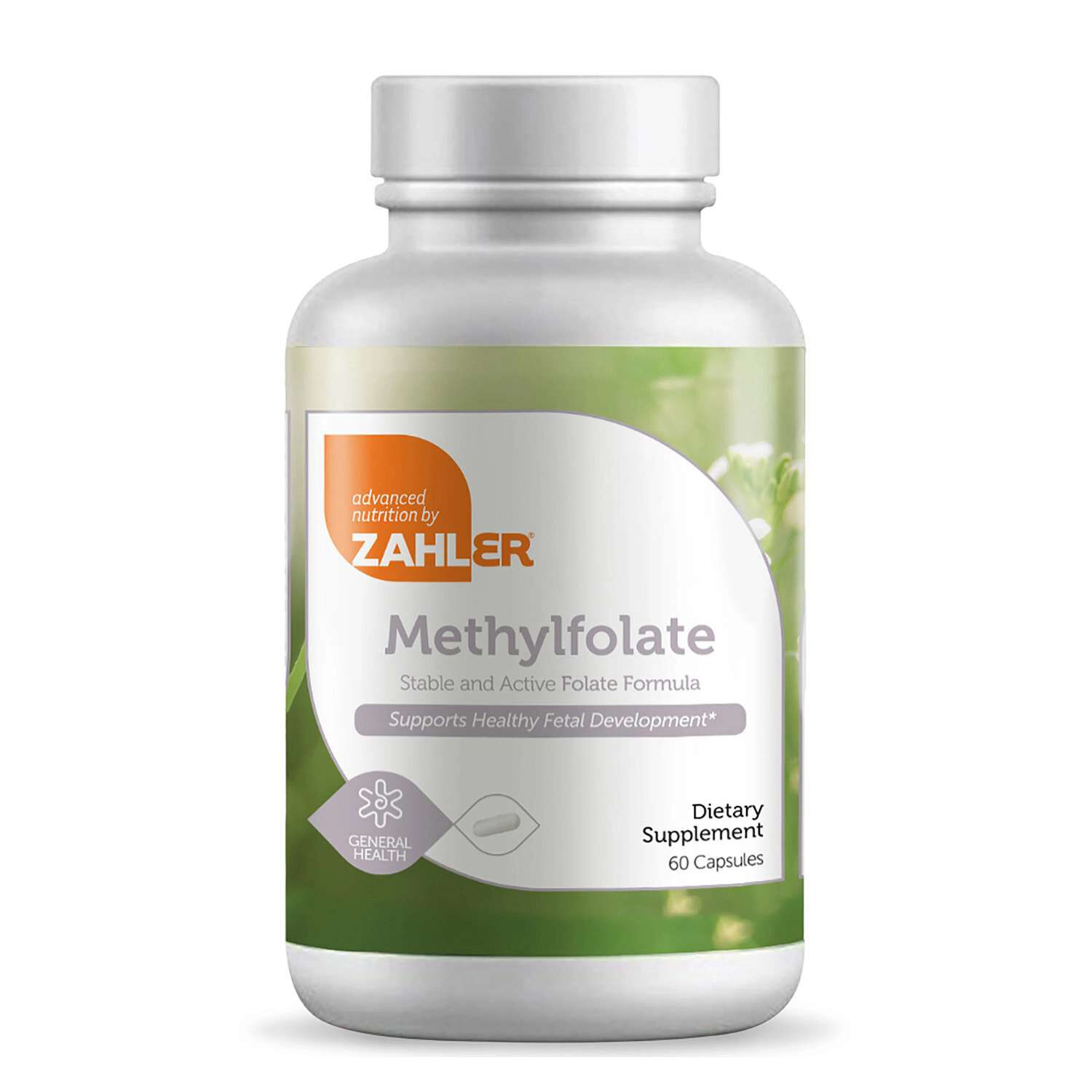
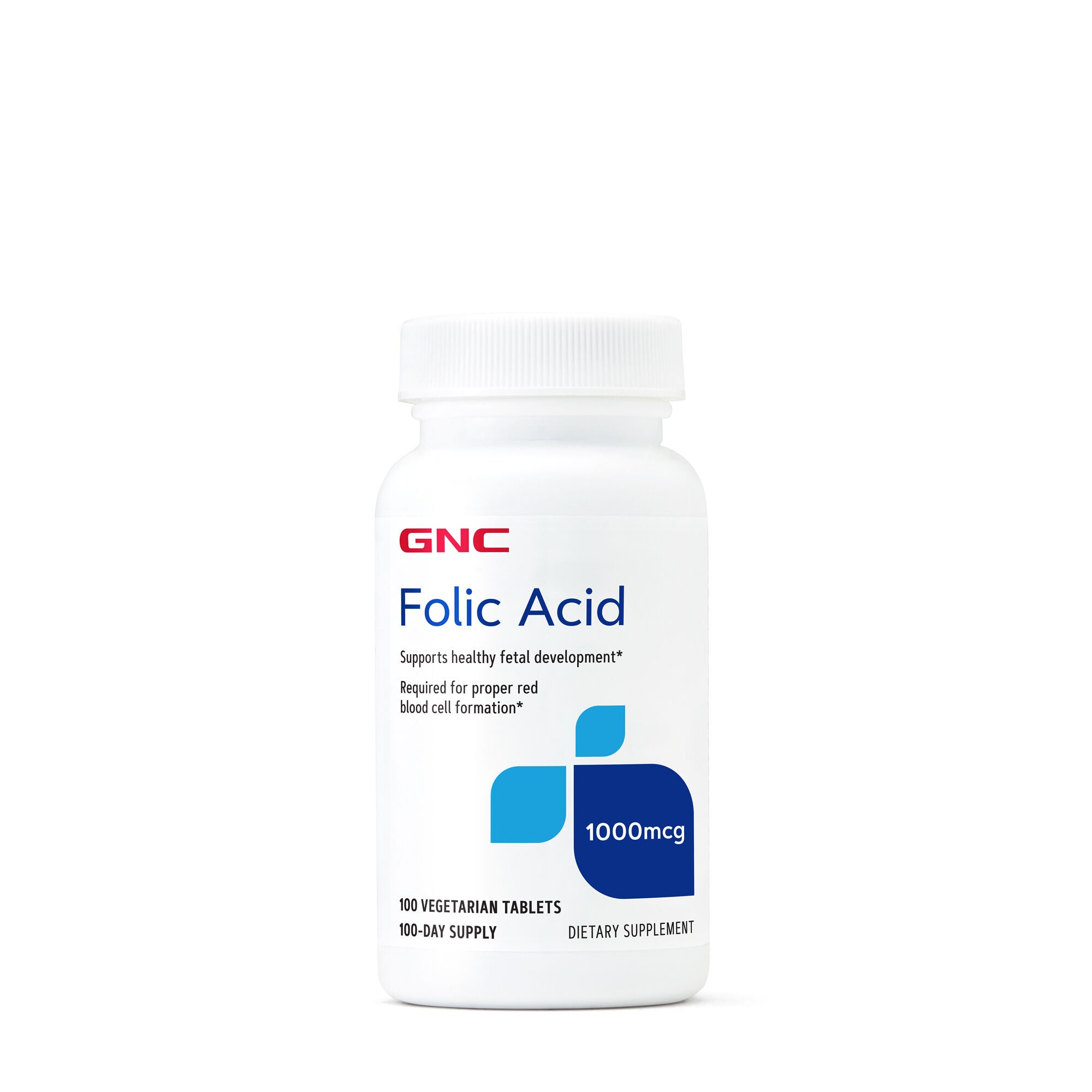
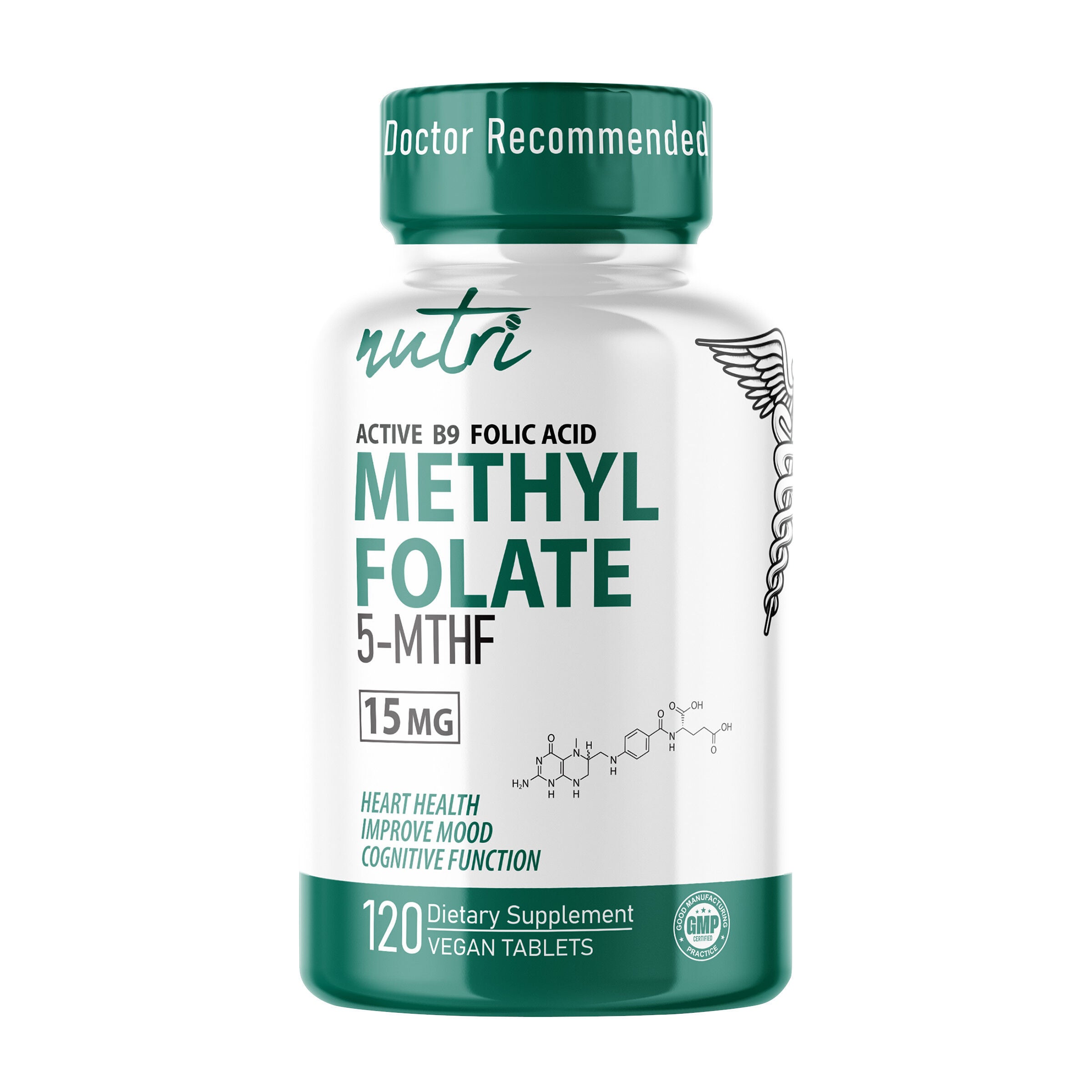
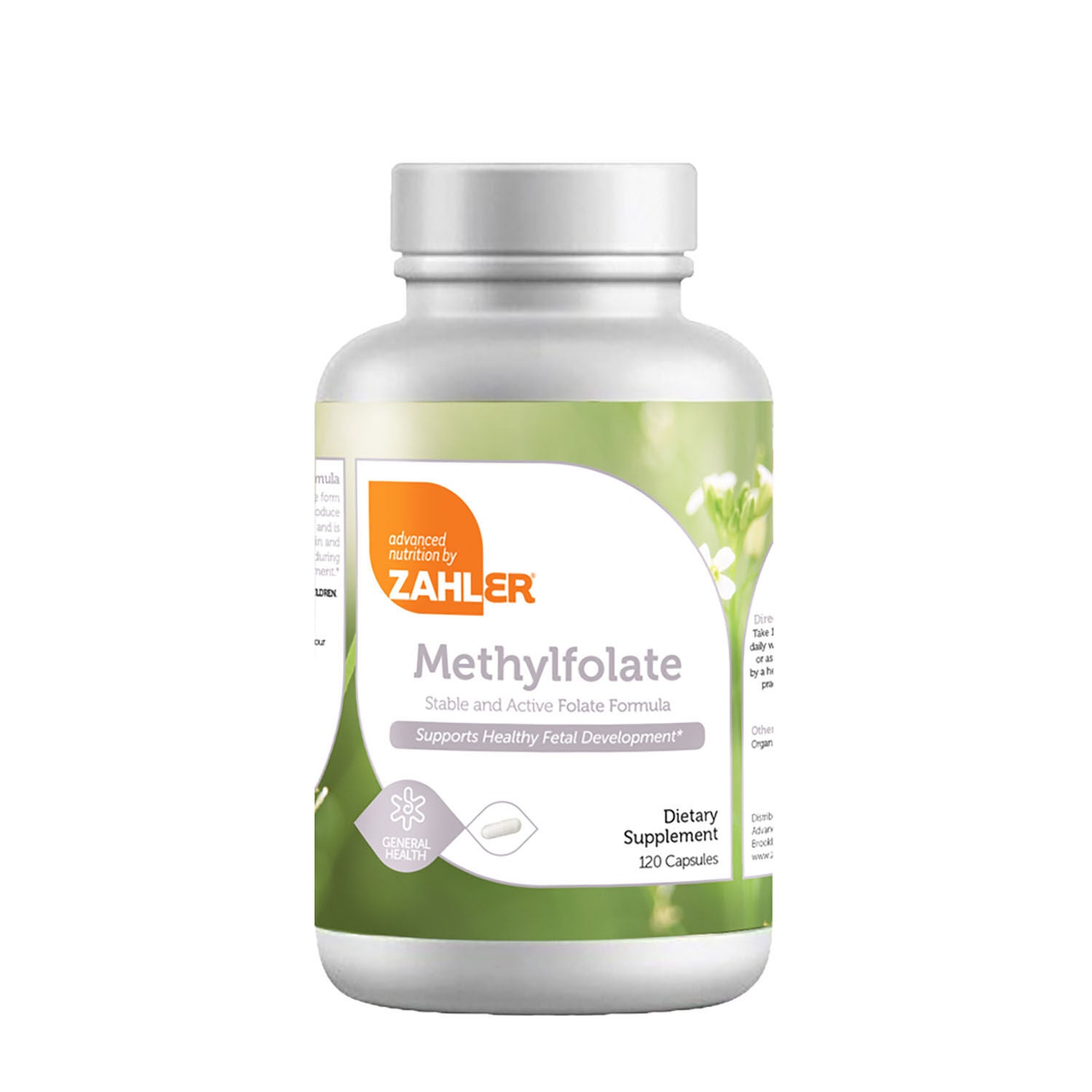


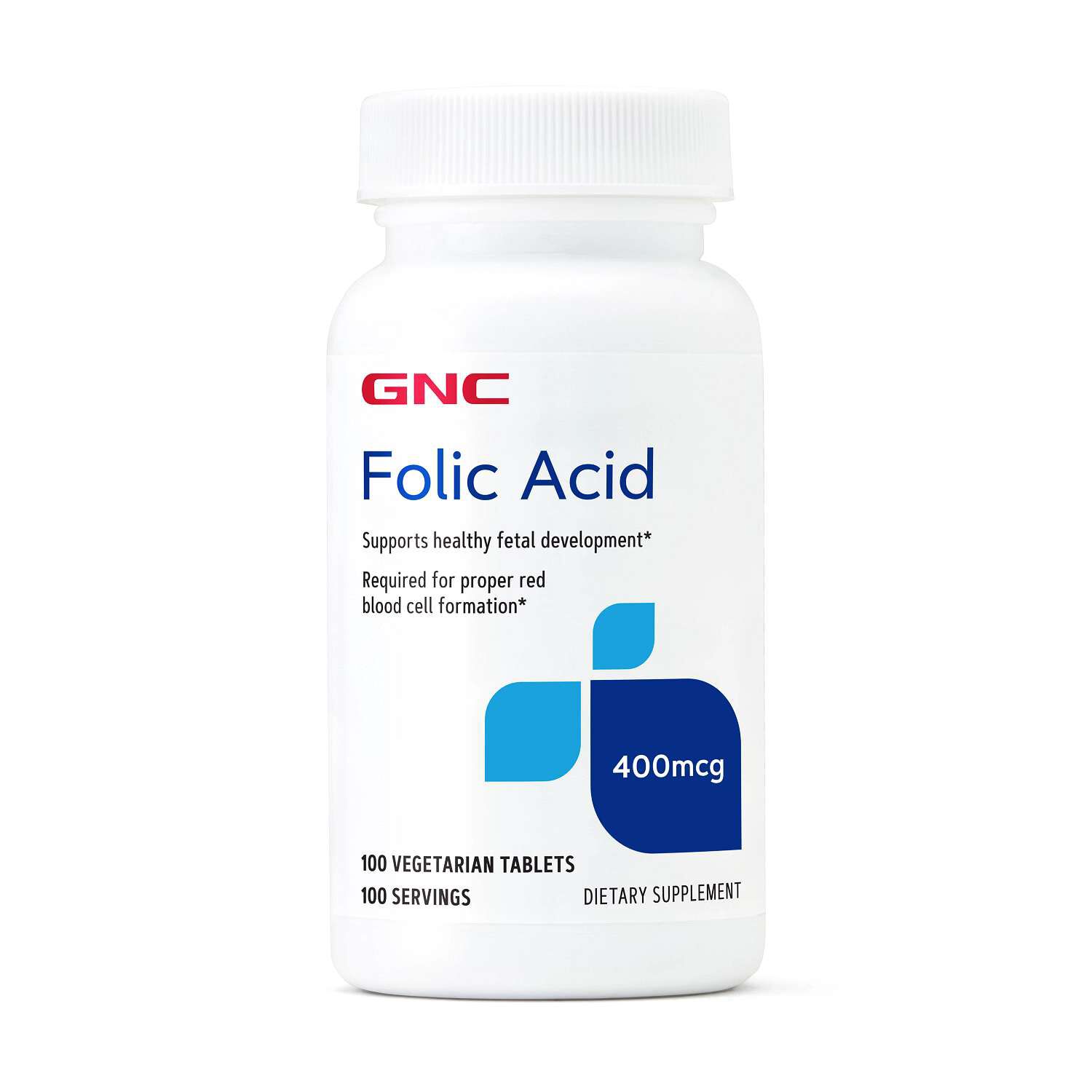
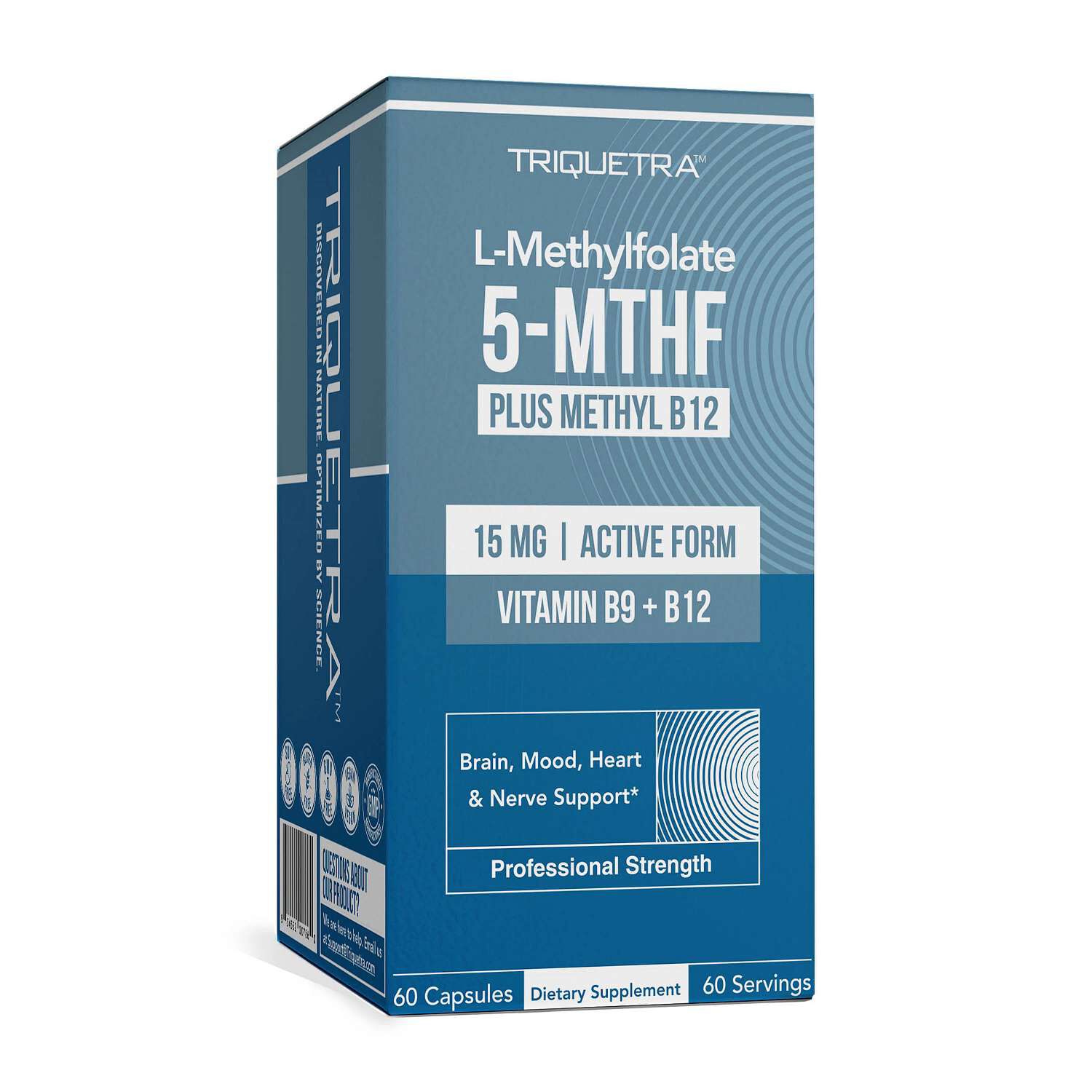
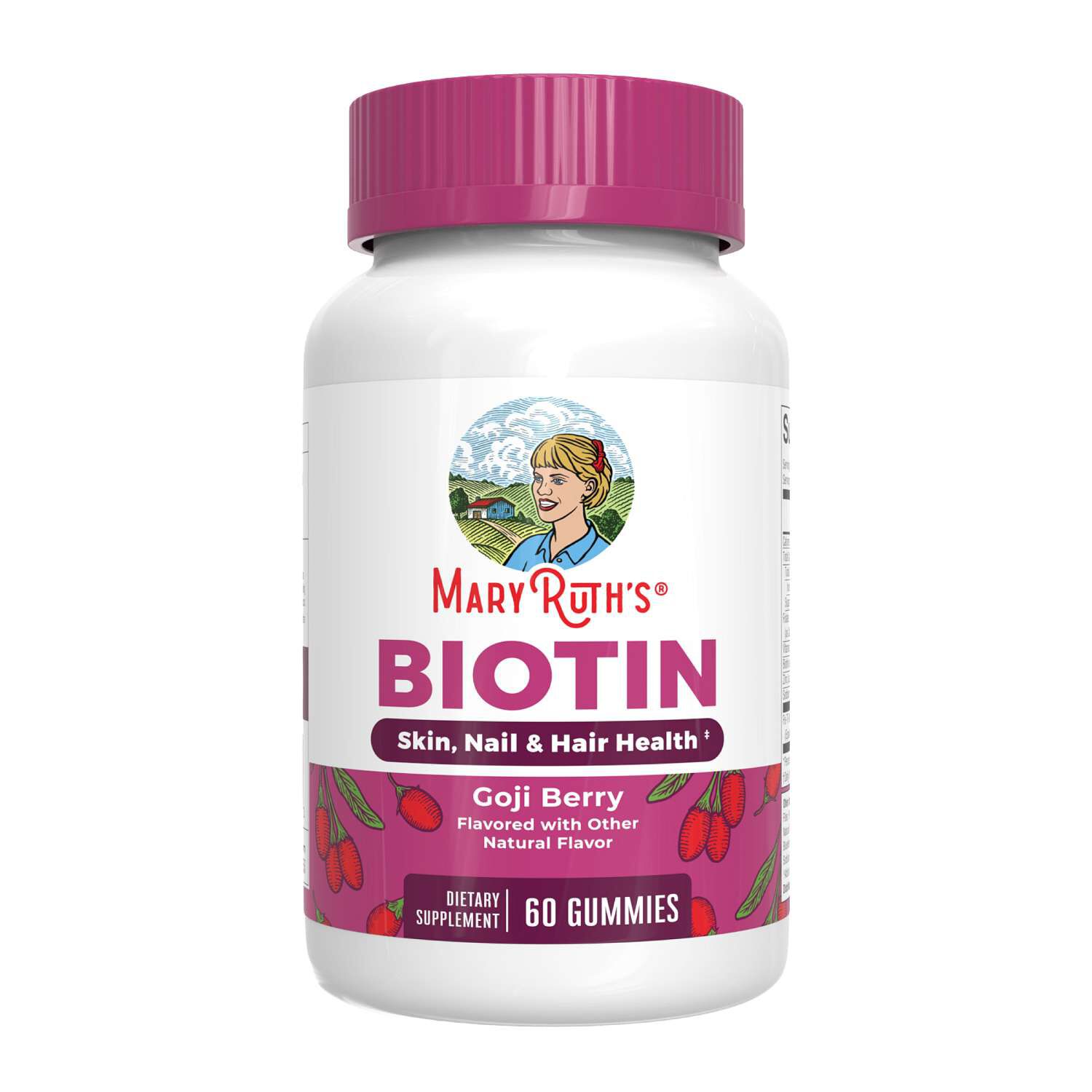

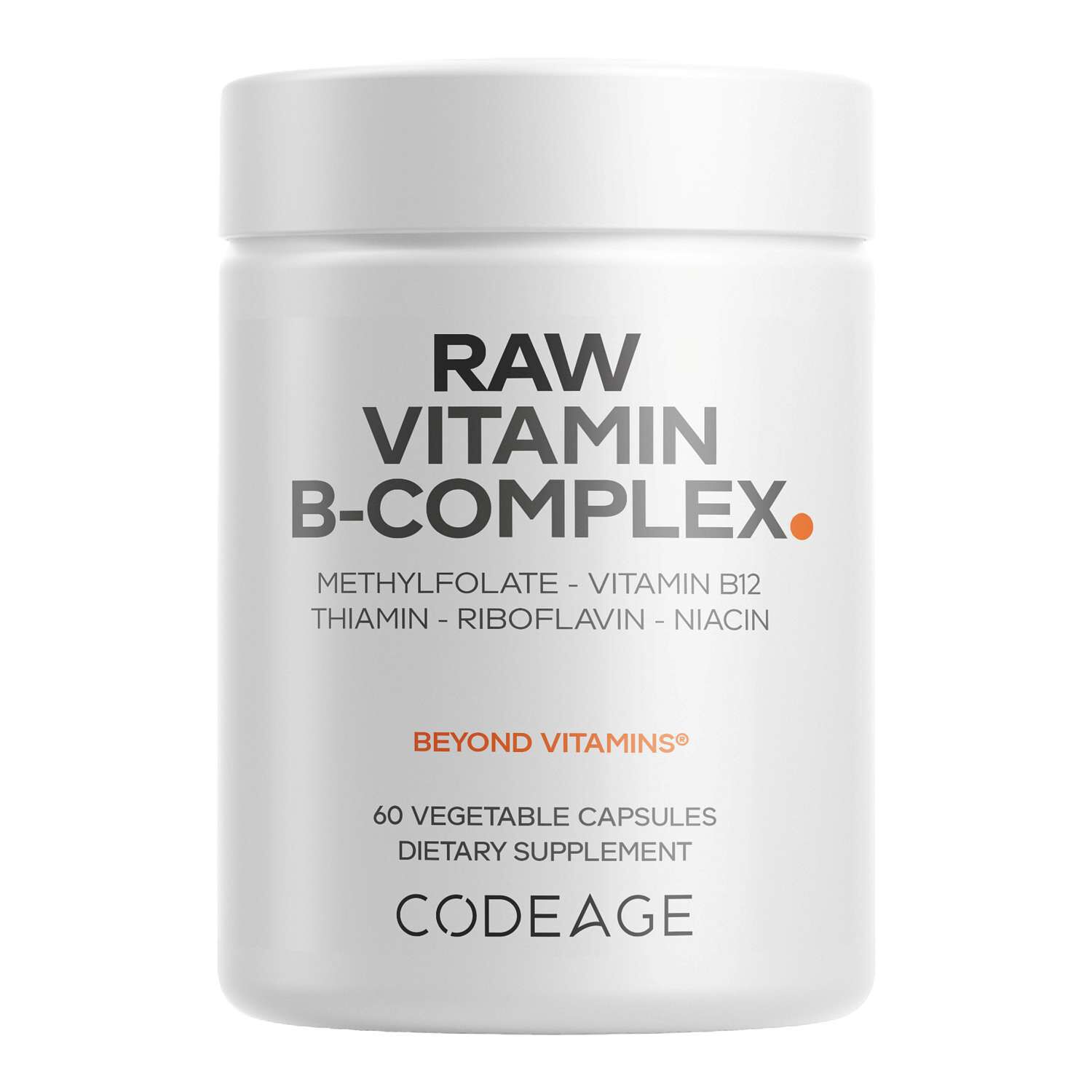
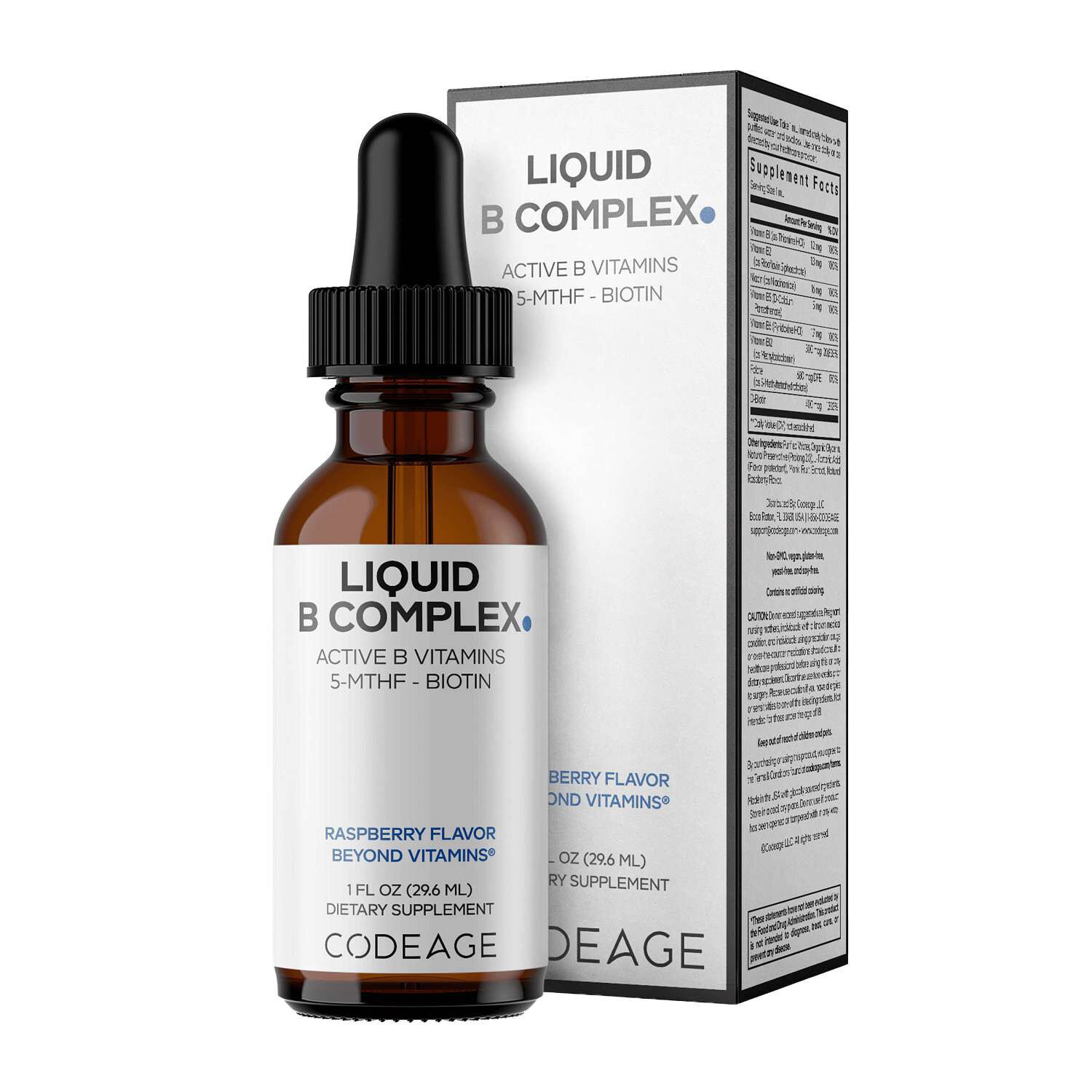

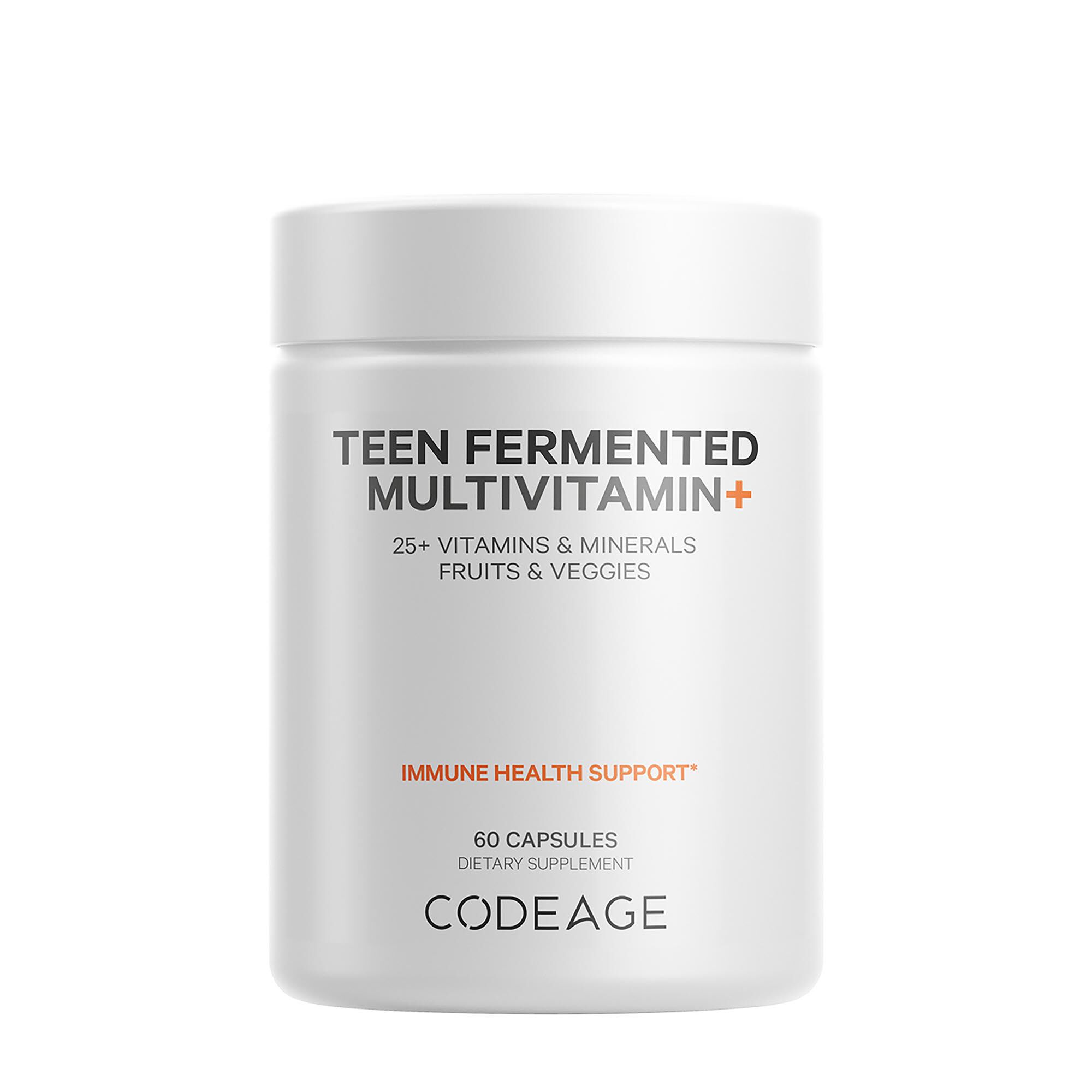
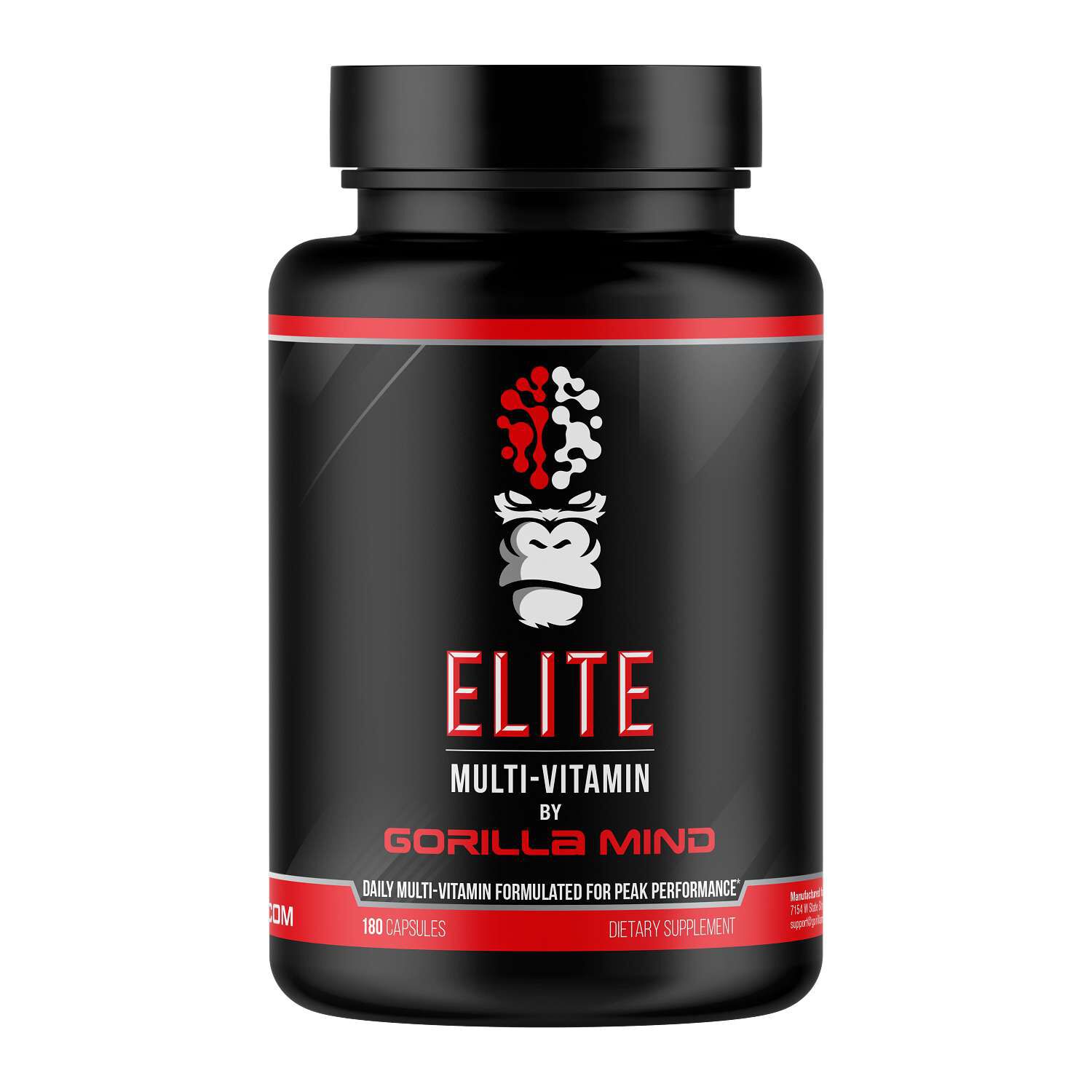


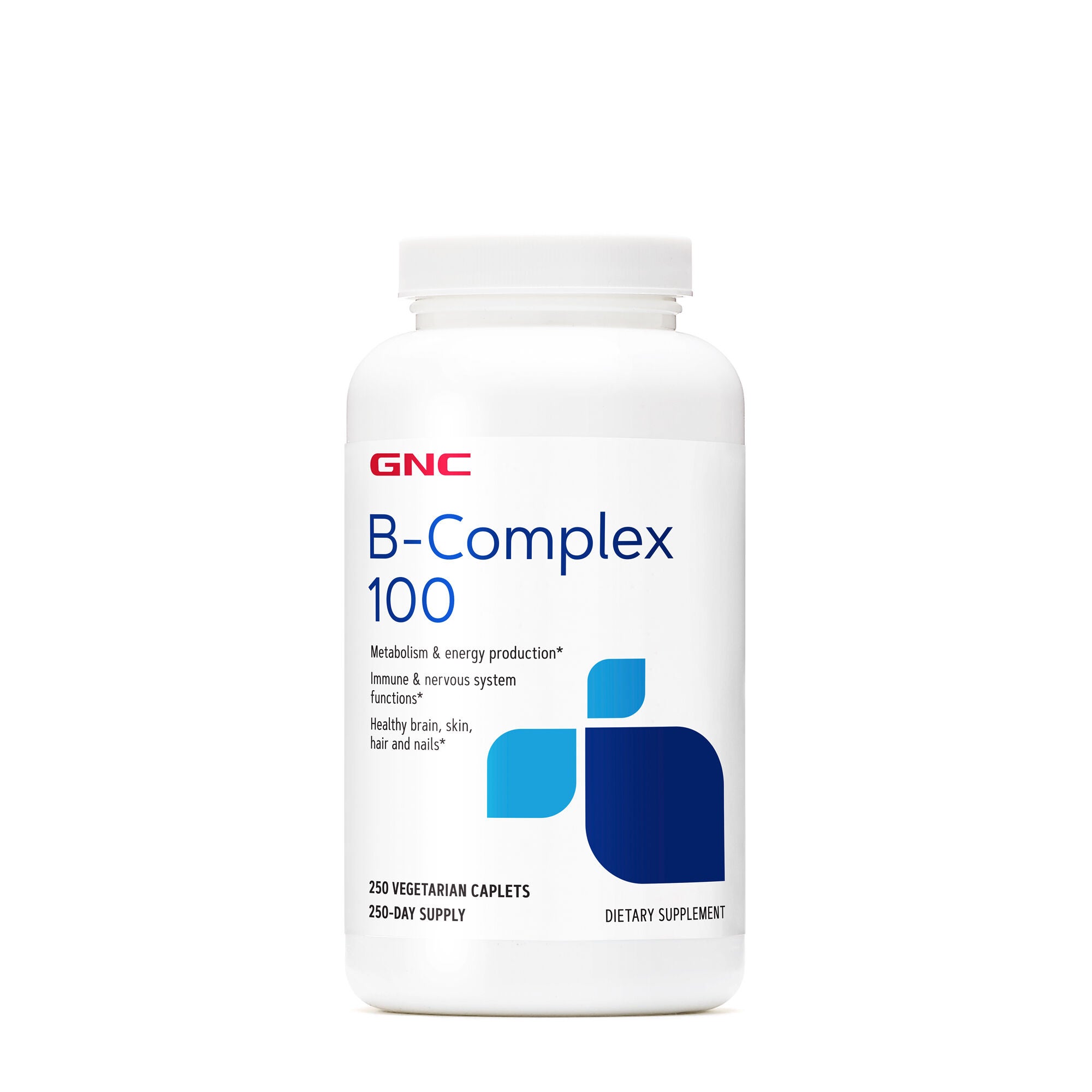
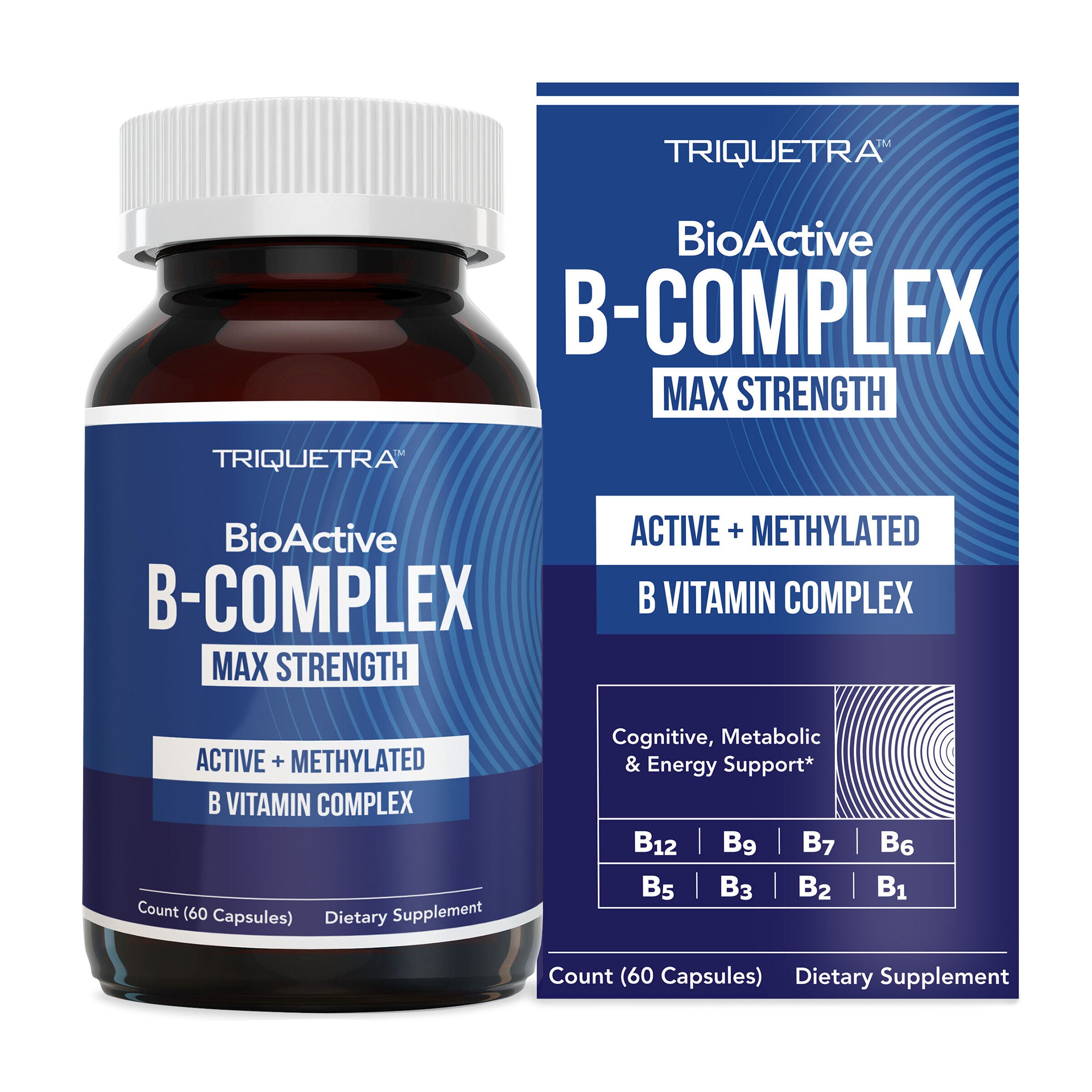

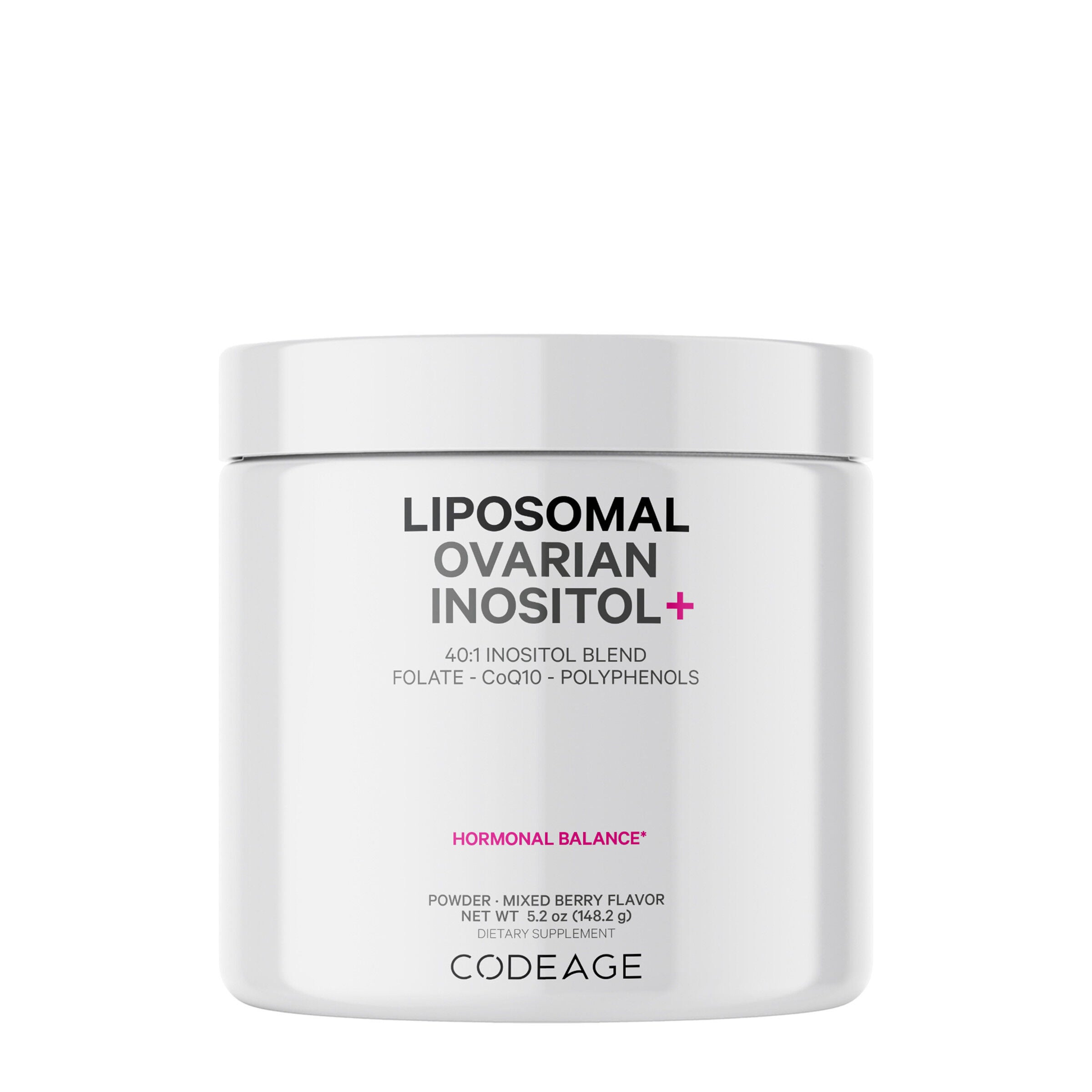
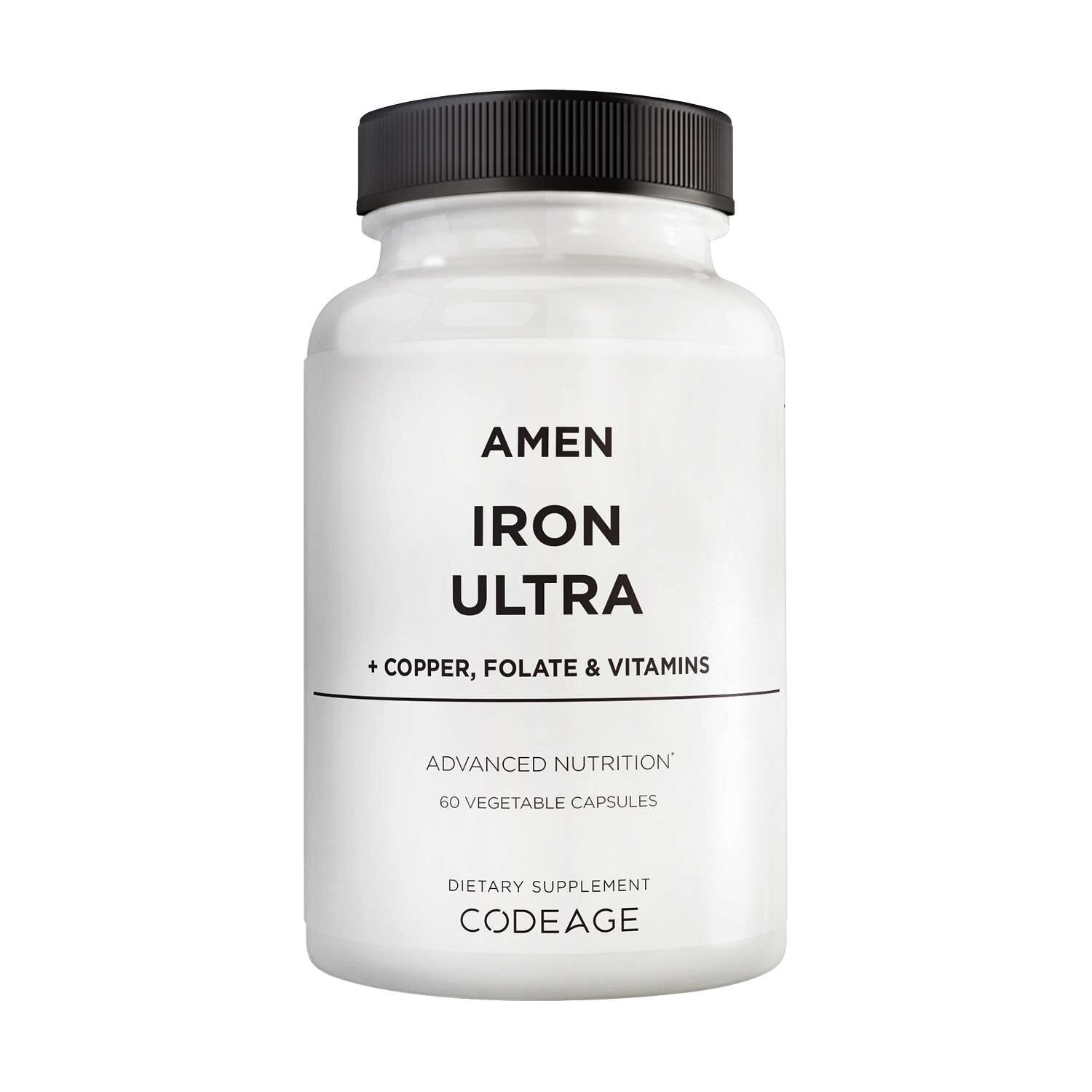
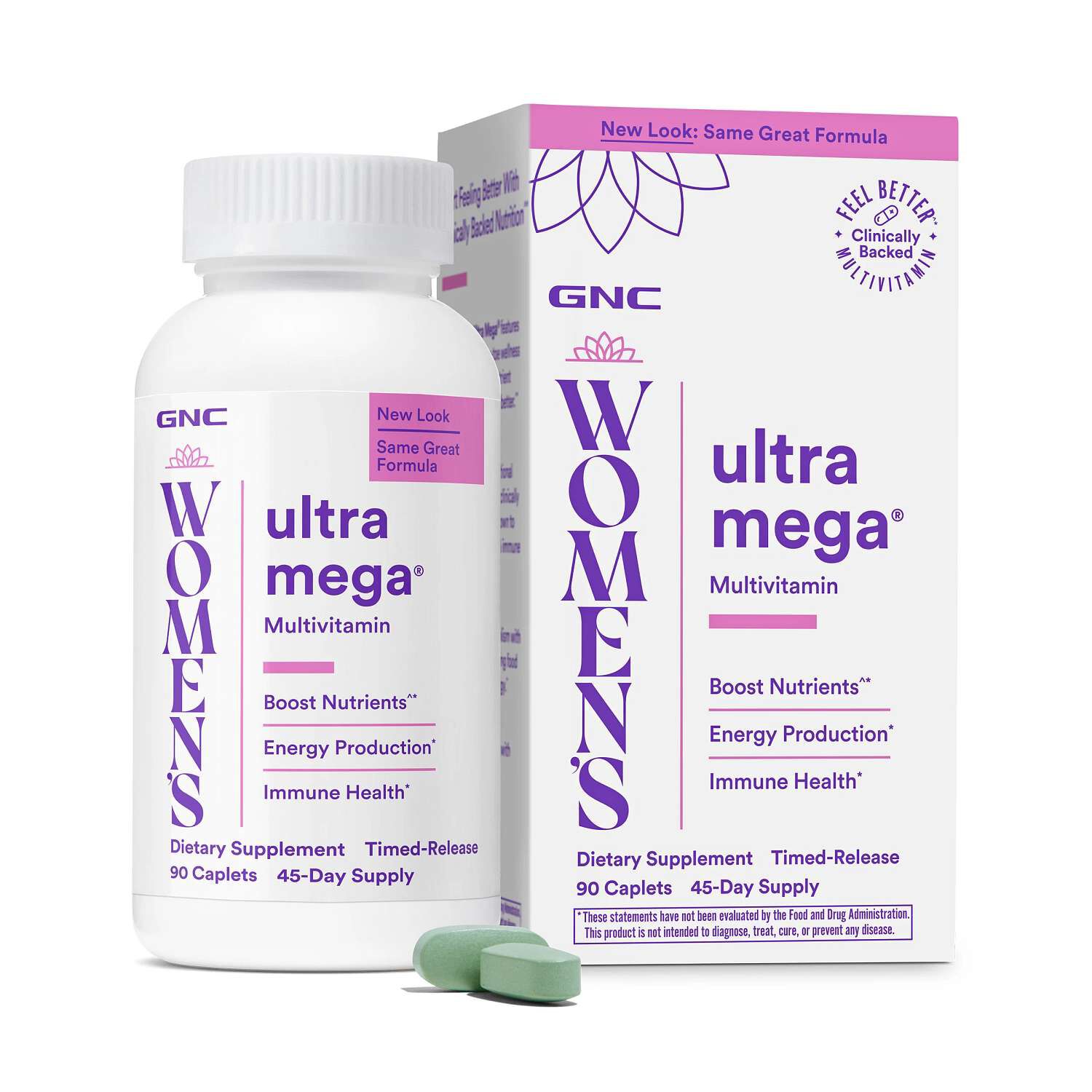
Vitamins with folate include multivitamins, B-complex formulas, and other nutritional supplements that contain vitamin B9. Folate is the general name for this water-soluble vitamin, which occurs naturally in foods such as lentils, asparagus, spinach, and black-eyed peas. On supplement labels, vitamin B9 commonly appears as folic acid or methylfolate. Folic acid is a manufactured form also used in fortified foods, while methylfolate may be listed as L-methylfolate, L-5-MTHF, or 5-methyltetrahydrofolate. These names identify different forms of the nutrient, not different serving formats: either form may appear in a tablet, capsule, or another delivery format. A broad multivitamin combines folate with a wider assortment of vitamins and, in some formulas, minerals. A B-complex supplement centers on the B-vitamin family, often listing folate alongside thiamin, riboflavin, niacin, vitamin B6, vitamin B12, biotin, and pantothenic acid. The Supplement Facts panel provides a more precise picture than the front label because it identifies the folate form, amount per serving, and accompanying nutrients. Folate amounts are commonly expressed in micrograms of dietary folate equivalents, abbreviated as mcg DFE. DFE is a standardized unit that accounts for differences in absorption between naturally occurring food folate and folic acid. When folic acid is present, its amount may also appear in parentheses beside the DFE amount. Those figures describe the same serving using different measurements, so they are not numbers to add together. The Percent Daily Value offers another labeling reference, while the serving-size line establishes whether the listed amount applies to one tablet, two capsules, or another portion. This distinction matters when comparing bottles with similar front-label descriptions but different serving sizes. The nutrient name, measurement unit, and serving size together give each folate listing its context. A prominent number on the front of a bottle does not provide all of those details, particularly when one formula lists folic acid and another lists methylfolate.
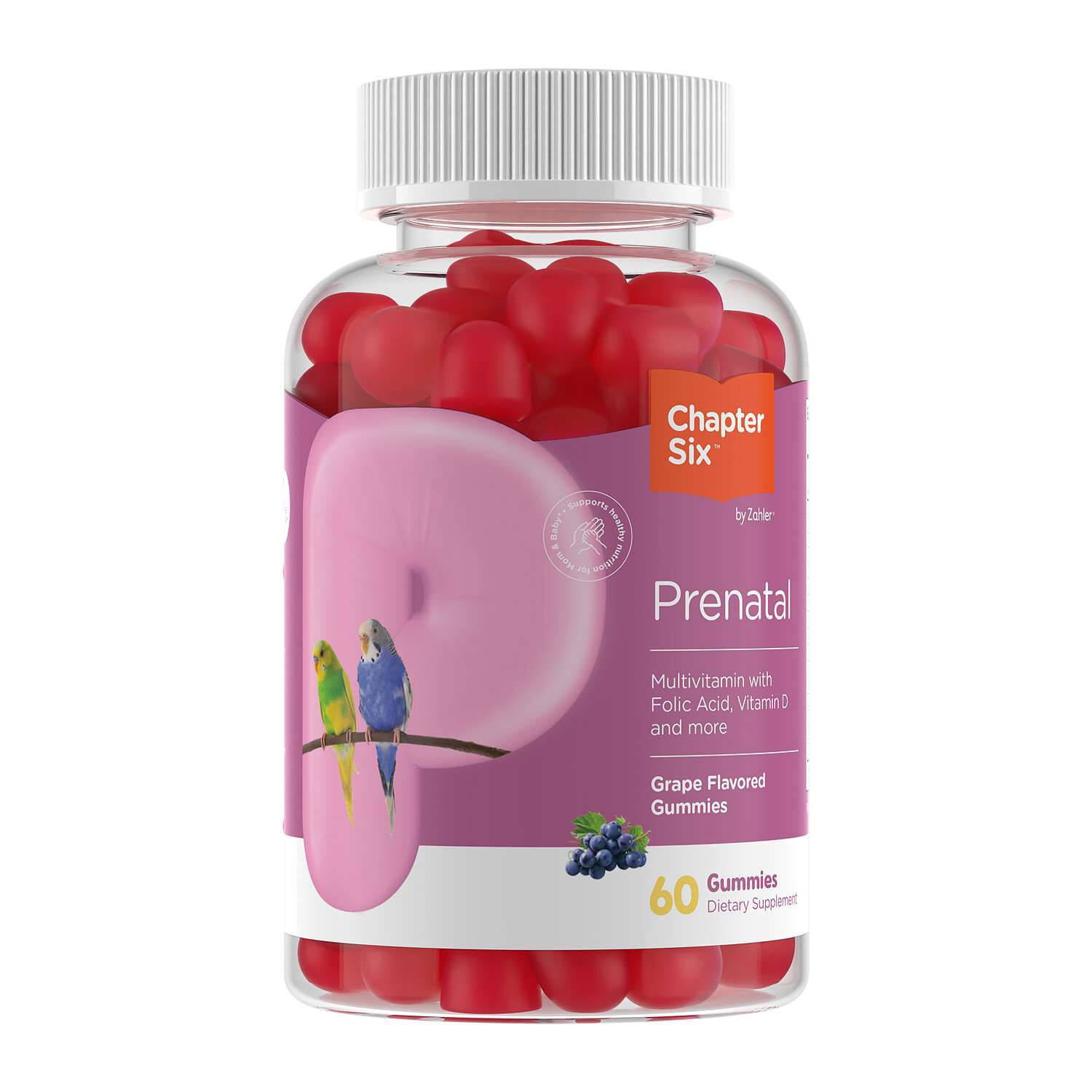
Format is another meaningful difference among vitamins with folate, especially for shoppers who have a familiar supplement routine. Tablets offer a compact, measured format, while capsules contain their ingredients within a shell that may be made from gelatin or plant-derived materials. Tablet dimensions and capsule sizes vary, even when the folate amounts look similar. Chewable tablets and gummies offer alternatives to swallowable formats, with their own textures, flavors, sweeteners, and serving counts. A gummy serving may consist of more than one piece, and the number of pieces in the bottle is not necessarily the number of servings. Liquid formulas, when offered, use a measured volume rather than a tablet or capsule count. The measuring directions and any shaking instructions belong to that particular formula, rather than to vitamins with folate as a category. Beyond the delivery format, ingredient lists distinguish products that otherwise look alike. Capsule materials, fruit flavors, sugar content, sugar alcohols, colors, and other ingredients vary across formulas. Vegetarian or vegan preferences therefore involve more than the name of the vitamin; the capsule shell and other ingredients matter as well. Allergen statements and dietary certifications provide additional product-specific information without changing the identity of the folate itself. Packaging also affects everyday handling. A bottle with a wide opening, an individually sealed packet, and a liquid container each involve a different storage footprint and opening routine. Someone organizing a small kitchen cabinet may value compact packaging, while someone carrying supplements between home and work may prefer a clearly labeled container that travels neatly. Serving count, container size, and the amount used per serving provide practical context for those differences. These details concern the experience of using and storing the supplement, not whether one folate form is universally preferable to another. Two formulas with comparable folate entries may still differ substantially in texture, accompanying nutrients, ingredient sources, and the number of pieces in a serving. Those distinctions remain relevant even when the front labels use nearly identical descriptions.
Intended use gives the category another layer of distinction. General adult multivitamins, B-complex formulas, and prenatal supplements serve different shopping purposes, even though each category may include folate. An adult multivitamin may appeal to someone seeking several nutrients in one formula, while a B-complex centers the selection on a particular vitamin family. Age and life-stage designations on the packaging identify the intended audience; the presence of vitamin B9 alone does not make those formulas interchangeable. For shoppers comparing a pregnancy-related category, see Prenatal Supplements With Folic Acid. Prenatal formulas have their own nutrient combinations and serving directions, and folic acid is only one part of their labeling. Iron, iodine, vitamin D, and other listed nutrients create additional differences between formulas. A general multivitamin that contains folate is not automatically a prenatal supplement, just as a prenatal label does not describe every adult multivitamin. Across these categories, a varied eating pattern remains separate from the role of a supplement: beans, leafy vegetables, citrus fruit, and fortified grains contribute food-based sources of folate, while a vitamin supplies the amount stated for its labeled serving. The surrounding routine is often straightforward—a bottle stored in its designated cabinet, a readable label, and serving directions that remain with the container. Storage instructions matter because exposure to moisture, heat, or direct sunlight may affect product quality. A closed original container preserves access to the ingredient list, serving information, lot information, and date marking. Gummies, tablets, capsules, and liquids may have different storage requirements, including instructions that apply after opening. Bathroom humidity and a kitchen shelf beside the stove create different conditions from a dry cabinet away from direct light. Packaging directions provide the relevant handling details for each formula. Vitamins with folate therefore offer more than a choice between ingredient names: the folate form, surrounding formula, serving format, intended audience, and storage needs all contribute to how a selection fits into everyday life.
Best Sellers
Related Pages

Top Collections
- Zinc Supplements For Men
- Supplements For Yoga Joint Flexibility
- Protein for Adults
- Chronic Fatigue Supplements
- Supplements For Balance
- Vitamins For Hair Loss
- Capsule Supplements For Energy And Stamina
- Daily Collagen Supplements | Top Brands & Deals | GNC
- Burnout Support Supplements
- Natural Inflammation Supplements