





Prenatal Iron
(0 Results)
Prenatal iron plays an important role in supporting the nutritional needs of individuals during pregnancy. Choosing the right prenatal iron supplement may help maintain healthy iron levels as your body’s demands change. Explore a variety of prenatal iron options that are designed to fit easily into your daily routine and support your wellness journey throughout pregnancy.
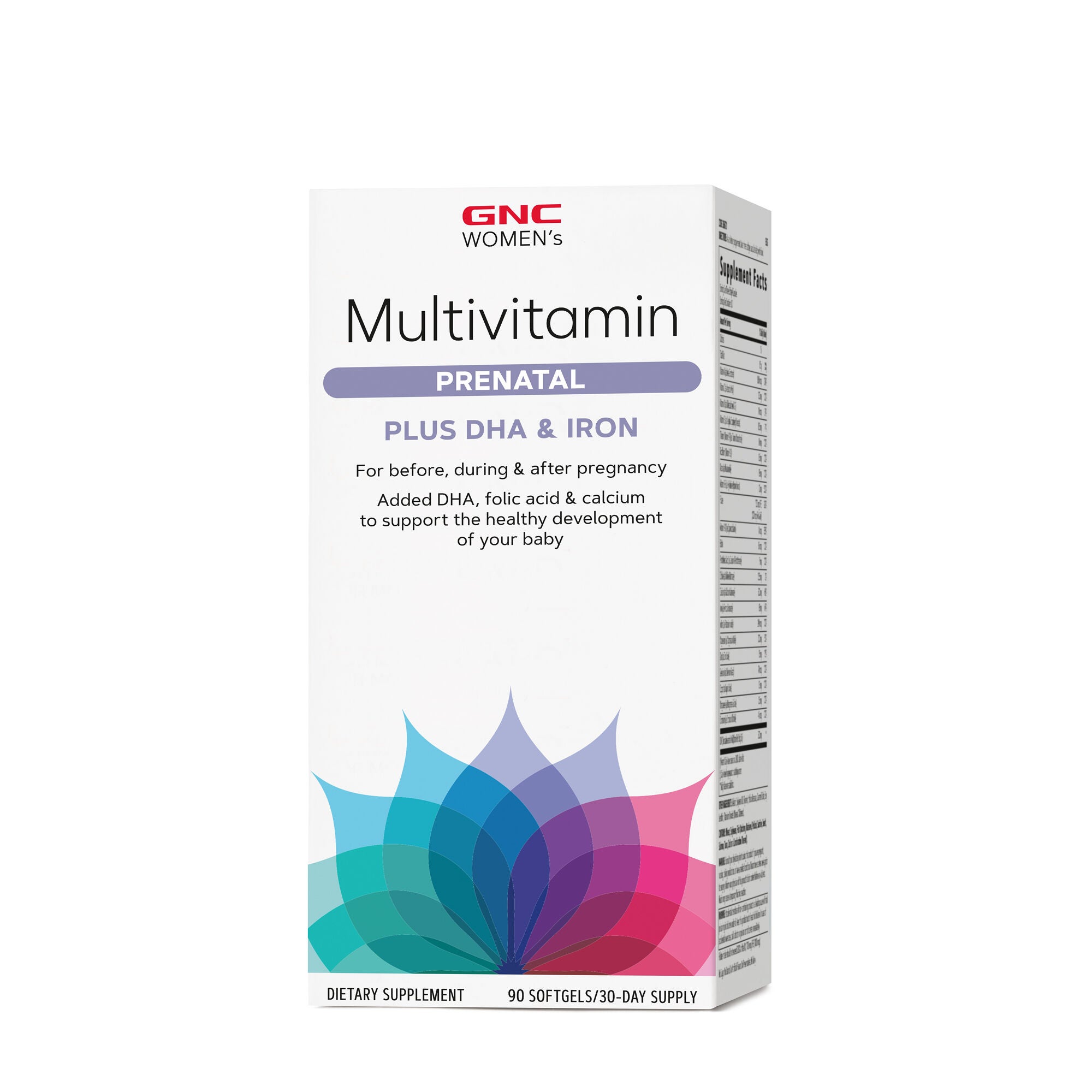
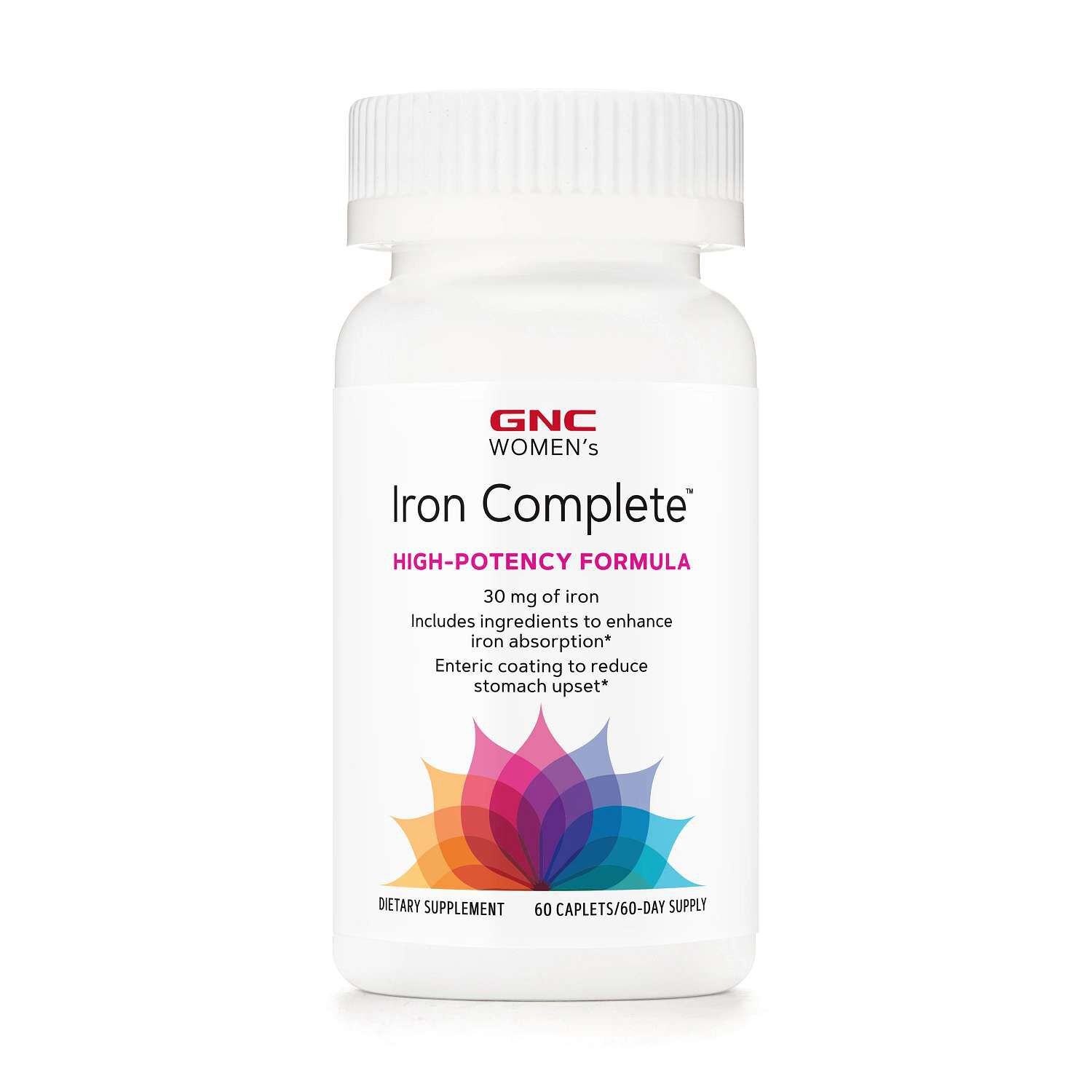

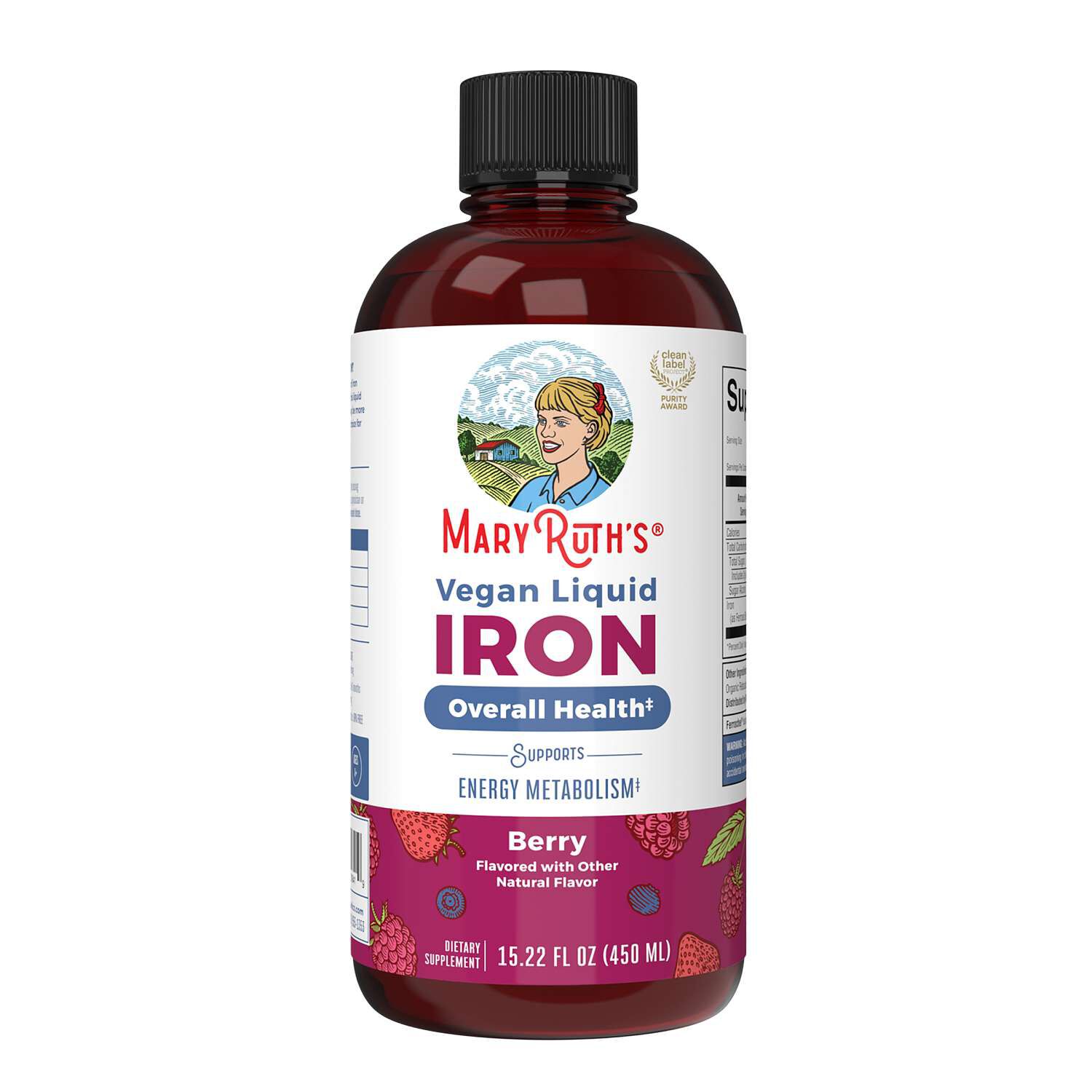

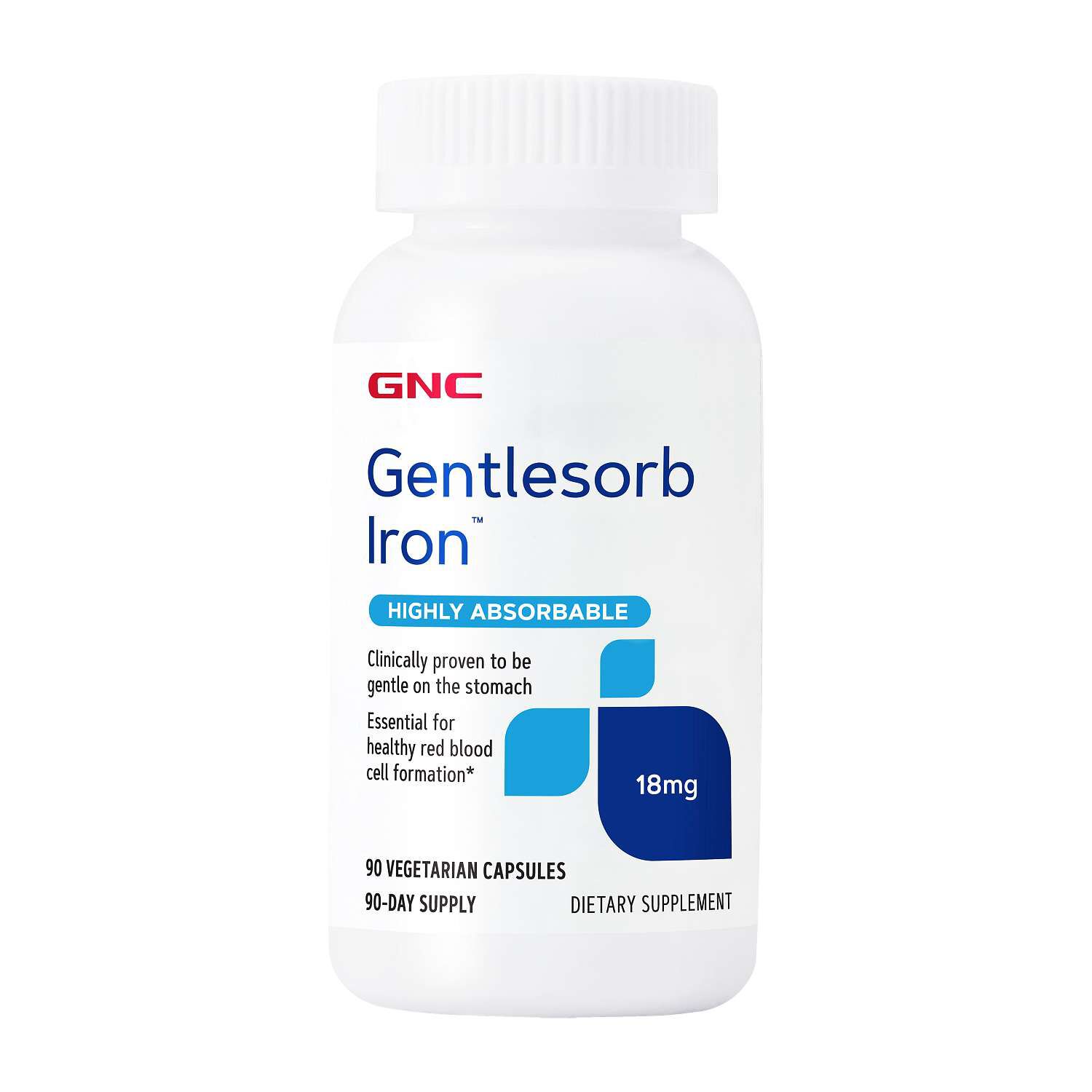
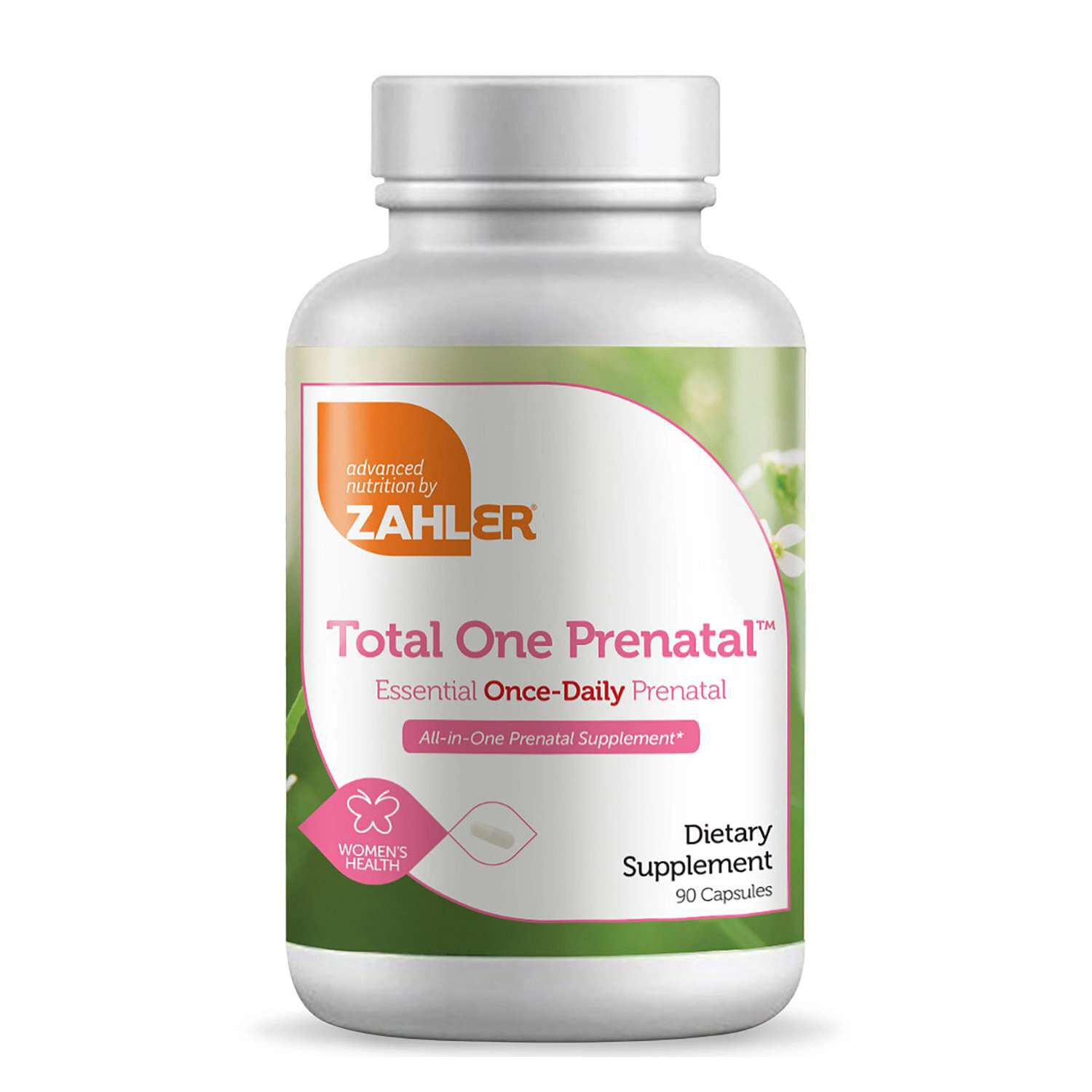

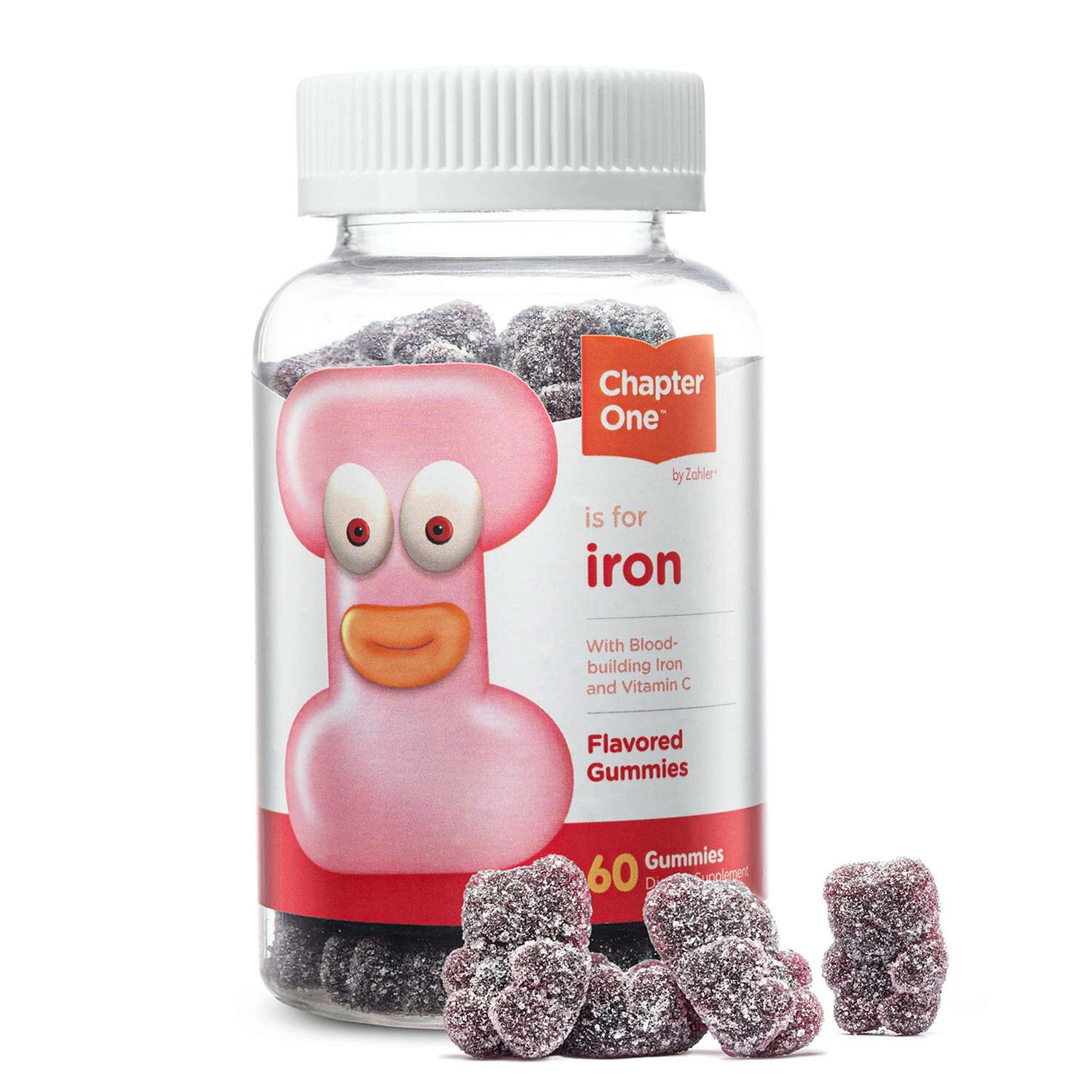


Prenatal iron refers to iron included in supplements intended for use during pregnancy, either within a prenatal multivitamin or in a separate iron-focused formula. The recommended dietary allowance for iron during pregnancy is 27 milligrams per day for adults. That reference amount includes iron from food and supplements combined; it is not a standard amount found in every prenatal supplement. Pregnancy involves changes in blood volume and the development of the placenta, which helps explain the attention given to iron in prenatal nutrition. Product labels distinguish among formulas that otherwise look similar on the shelf. A prenatal multivitamin can contain iron alongside folate, vitamin B12, iodine, and other nutrients, while a separate iron supplement has a narrower nutritional focus. Not every prenatal multivitamin contains iron, and different prenatal formulas can list different amounts per serving. The word “prenatal” alone does not establish the iron content or ingredient combination. On the Supplement Facts panel, the amount listed for iron represents elemental iron, rather than the combined weight of the iron-containing compound. Ingredient names such as ferrous fumarate, ferrous sulfate, and ferrous bisglycinate identify different iron sources. Those names describe the ingredient form, not interchangeable serving amounts. Two formulas with different iron sources can list the same amount of elemental iron, while two formulas using the same source can contain different amounts per serving. Serving size adds another distinction: the listed nutrient amount can correspond to one capsule, several tablets, or a measured portion of liquid. The relationship between the serving size and the iron amount offers a more meaningful comparison than the size of the bottle or the number printed on its front. A bottle containing more capsules does not necessarily represent more servings. For shoppers comparing prenatal iron supplements, the iron amount, serving size, ingredient source, and presence of other nutrients create a clearer picture of each formula’s intended use. These details also distinguish a broad prenatal formula from a supplement centered on a single mineral.
Format is another part of the comparison, particularly for someone who already has preferences about tablet size, capsule materials, flavor, or texture. Prenatal iron supplements can take the form of tablets, capsules, chewables, or liquids, with different ingredient and packaging considerations for each. Tablets vary in shape, dimensions, and coating, details that are not always obvious from a front-label image. Capsules can have gelatin or plant-derived shells, so the shell ingredients matter to shoppers with vegetarian preferences. A liquid formula has a different serving format from a tablet: its label expresses the serving as a measured volume, and its packaging can include a measuring device. Chewable formats introduce considerations such as firmness, sweetness, flavoring, and the number of pieces in a serving. A fruit flavor or gummy format does not establish whether a prenatal supplement contains iron; the nutrient panel supplies that information. Beyond the iron source, ingredient lists can include binders, coatings, capsule materials, colors, flavors, and sweeteners. These ingredients contribute to the physical form and sensory characteristics of the supplement rather than defining its iron content. Dietary preferences and ingredient exclusions are separate from the amount of iron listed, making both the Supplement Facts panel and the other-ingredients list relevant to a comparison. Allergen statements and clearly described ingredient sources offer additional context when those details matter to a household. Someone comparing an unflavored capsule with a berry-flavored liquid is weighing different experiences as well as different serving measurements. Packaging can shape that experience, too: a narrow-neck bottle, a cap with measurement markings, and individually sealed portions each have different handling characteristics. No format establishes suitability by itself, and a pleasant flavor or compact tablet does not indicate a particular nutritional outcome. The useful distinctions remain concrete: what the formula contains, how its serving is expressed, what materials make up the delivery format, and how clearly those details appear on the label.
Intended use also separates prenatal iron from the wider iron supplement category. Prenatal labeling identifies a pregnancy-related nutritional context, while general adult labeling does not necessarily reflect that same formulation approach. Comparisons with iron supplements can clarify the difference between an iron-focused formula and a prenatal multivitamin that includes iron among several nutrients. Similar ingredient names or matching iron amounts do not make two formulas identical, especially when their other nutrients, serving sizes, and label directions differ. For someone comparing an existing prenatal multivitamin with a separate iron formula, the overlap between ingredient panels is another meaningful distinction; the bottles represent separate sources of nutrients, even when their packaging emphasizes different features. Practical ownership details matter alongside those label comparisons. The original container keeps the ingredient panel, serving information, lot information, and expiration date together, while its closure and any inner seal are part of the packaging design. Storage directions can differ among tablets, capsules, chewables, and liquids, particularly after a liquid container has been opened. Humidity near a steamy shower, moisture around a sink, or a loosely replaced cap can create storage conditions unlike those described on the label. A designated storage location out of children’s reach keeps supplement packaging separate from everyday snacks and beverages. For liquids, the measuring device and bottle closure are useful details to consider alongside the formula itself. For tablets and capsules, package dimensions and closure style affect how the container fits into an established household routine. Expiration dates and any instructions about use after opening provide a more relevant measure of usable life than bottle size alone. Prenatal iron is ultimately a product category with meaningful differences beneath similar naming: mineral form, elemental iron amount, accompanying nutrients, delivery materials, serving format, and storage requirements all contribute to an informed comparison. Clear labeling brings those distinctions into focus without relying on packaging color, flavor names, or broad front-label descriptions.


