Bifidobacteria Supplements
(0 Results)
Explore the potential benefits of bifidobacteria supplements, a popular choice for those seeking to support their digestive health. These supplements might offer a natural way to help maintain a balanced gut flora, which could be crucial for overall well-being. With a variety of options available, finding the right bifidobacteria supplement that aligns with your health goals and lifestyle preferences can be an exciting journey. Dive into the world of bifidobacteria supplements and discover how they might complement your daily wellness routine.
-

-
-
_Front.jpg?sw=305&sh=305&sm=fit "BioDophilus60 - 30 Capsules (30 Servings) | GNC")
-
-
 205$34.99
 -
_Front.jpg?sw=305&sh=305&sm=fit "BioDophilus60 - 60 Capsules (60 Servings) | GNC")
-
_Front.jpg?sw=305&sh=305&sm=fit "BioDophilus25 -120 Capsules (120 Servings) | GNC")
-
_Front.jpg?sw=305&sh=305&sm=fit "BioDophilus25 - 60 Capsules (60 Servings) | GNC")
-

-

-

-
 1$14.99
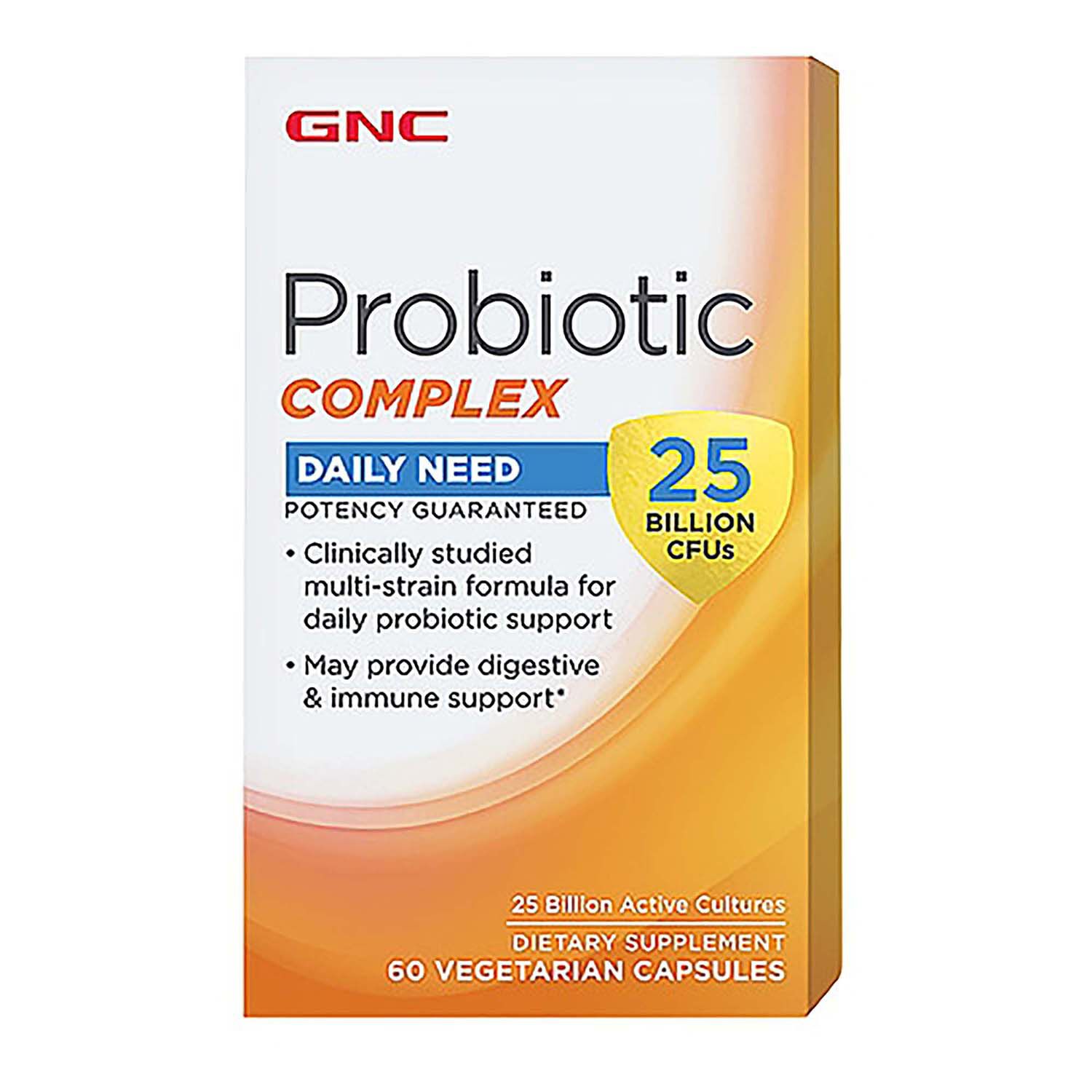
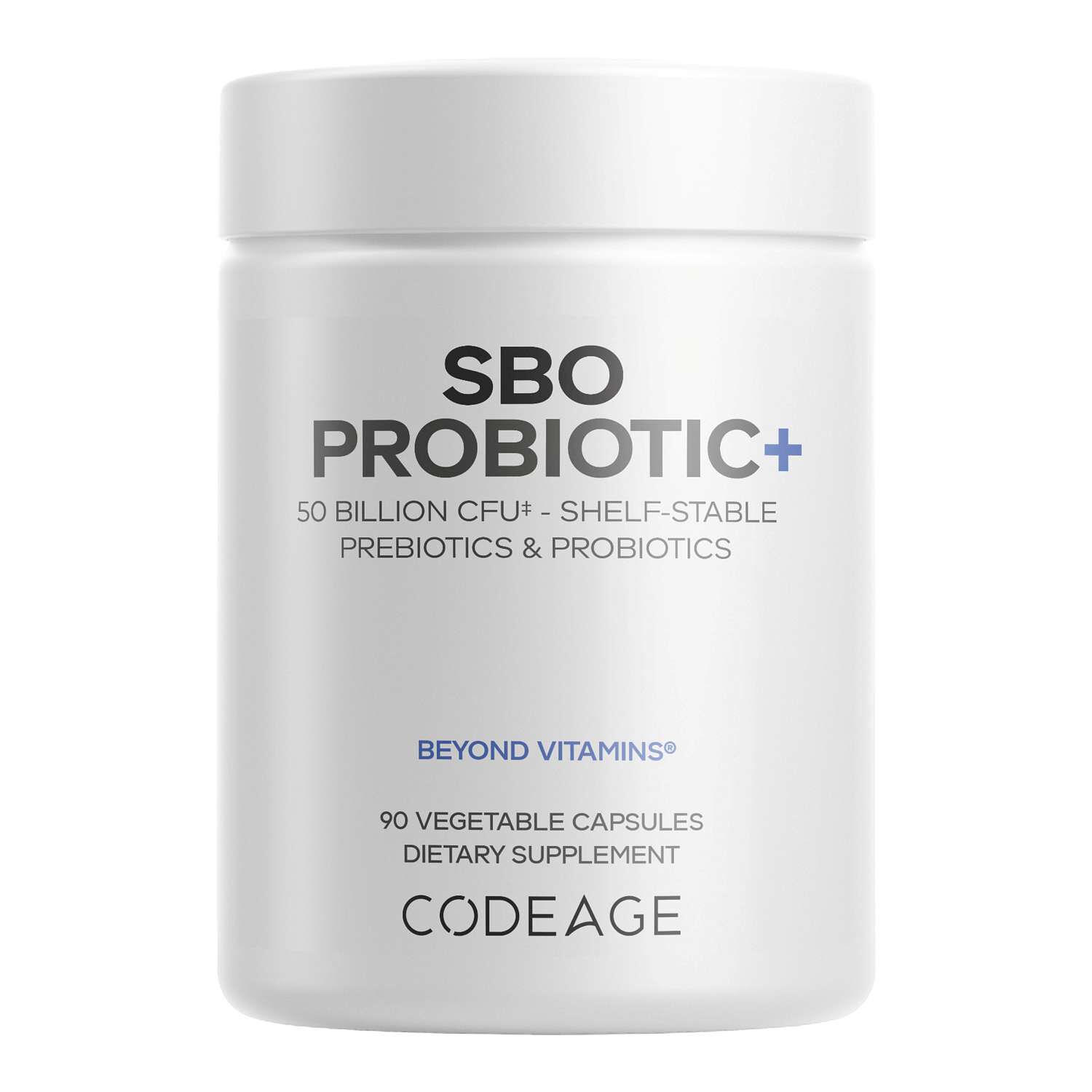


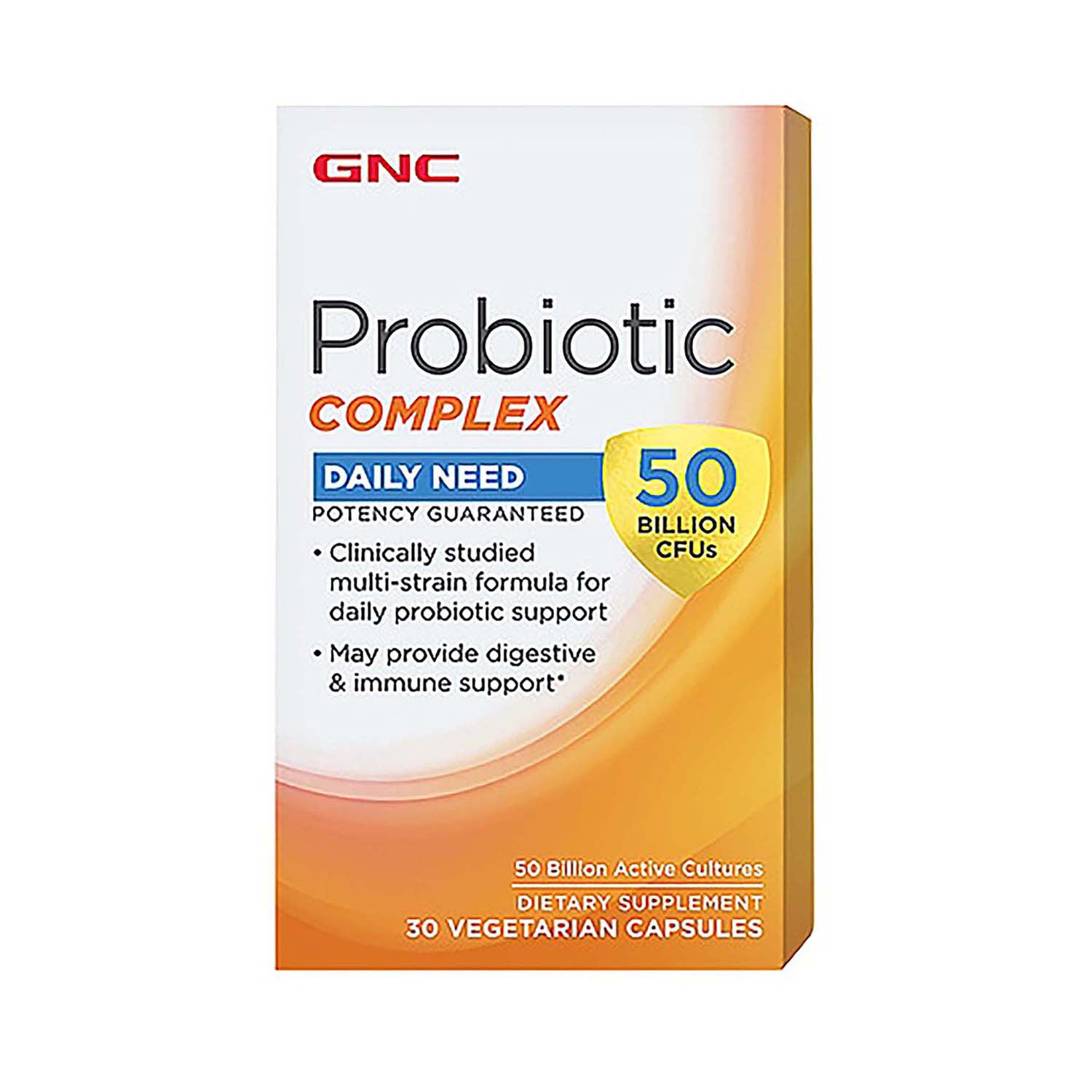



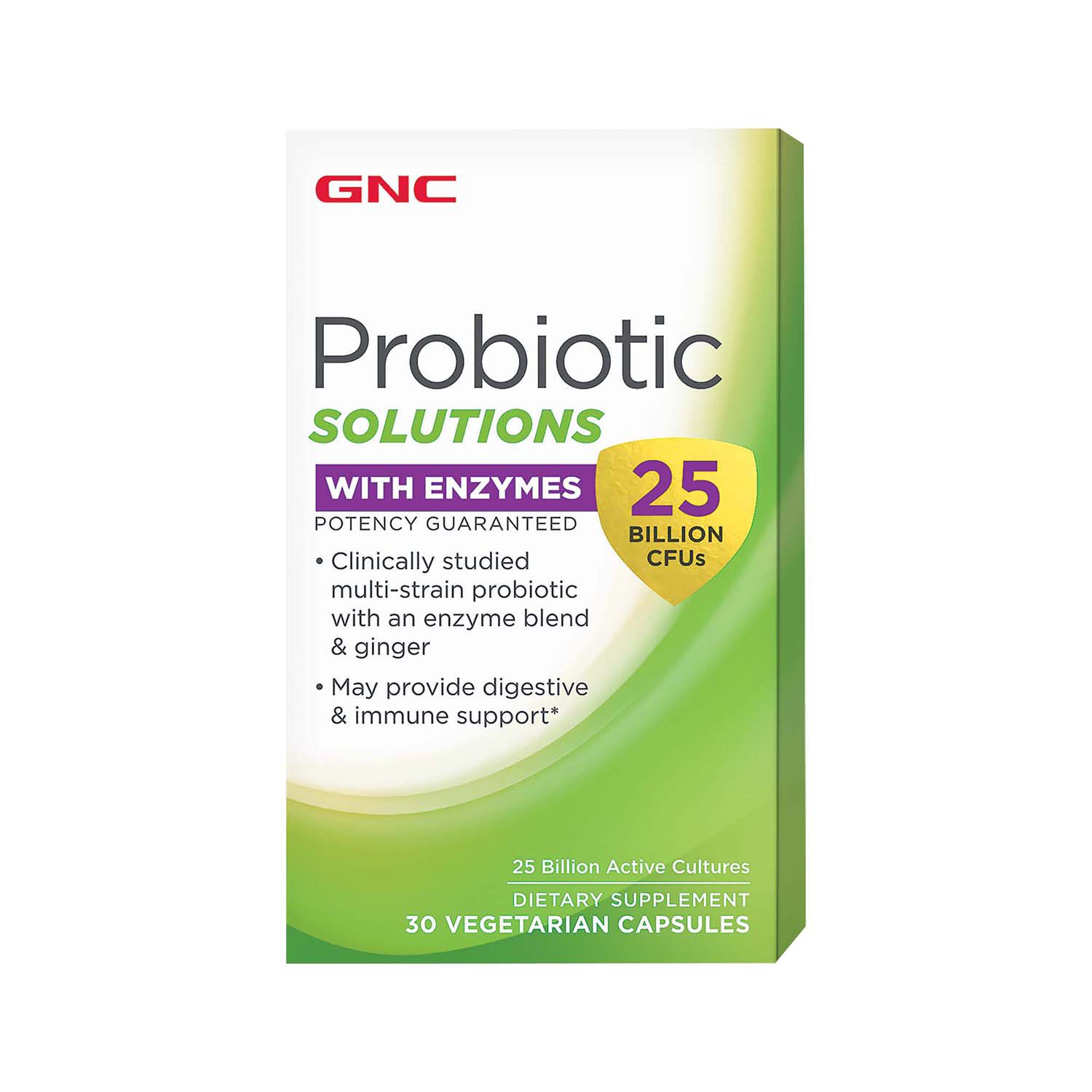
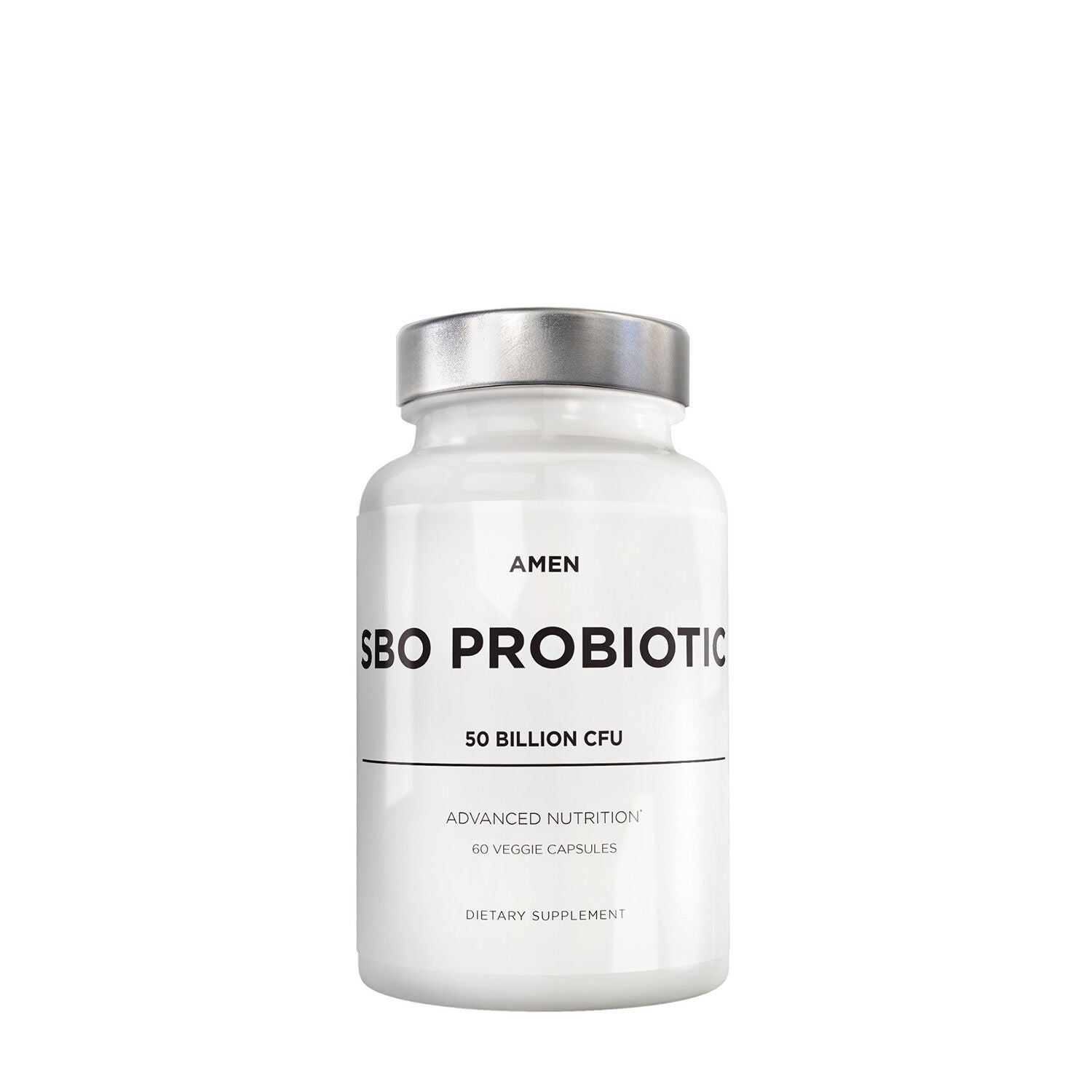


Bifidobacteria supplements are probiotic products made with bacteria from the Bifidobacterium genus, a group naturally present in the human intestinal microbiome. These supplements may support everyday digestive wellness and come in several formats, including capsules, chewables, and powders. The category includes formulas centered on a single strain as well as blends containing several types of bacteria. For shoppers comparing bifidobacteria probiotics, the distinctions begin with the names on the label. Bifidobacterium is the genus, while names such as longum, breve, and bifidum identify individual species. Some labels also include a strain designation, usually a sequence of letters, numbers, or both, following the species name. That detail matters because two formulas naming the same species do not necessarily contain the same strain. A blend may also pair bifidobacteria with bacteria from other probiotic groups, making the full ingredient list more informative than the front label alone. Another common label term is CFU, short for colony-forming unit, which describes the quantity of viable microorganisms capable of forming colonies under testing conditions. CFU counts are often expressed in billions and may refer to an entire serving rather than a single capsule. A larger number does not, by itself, establish that a formula is a better match for someone’s preferences. The named strains, serving size, format, and storage requirements provide additional context. Some labels state a CFU count at manufacture, while others specify a count through the expiration date when stored as directed. Those statements refer to different points in the product’s life and deserve separate consideration. For someone browsing probiotic supplements as part of an established wellness routine, clear labeling offers a useful starting point: what the formula contains, how the serving is measured, and what handling it requires. This combination of details gives the category more definition than broad descriptions such as a daily probiotic or a multi-strain blend.
The physical format of a bifidobacteria supplement can be just as relevant to everyday use as its bacterial composition. Capsules offer a measured serving without the mixing step associated with powders, although capsule dimensions and the number required per serving vary. Capsule shells may contain gelatin or plant-derived materials, so dietary preferences extend beyond the probiotic ingredients themselves. Chewables bring flavor and texture into the comparison and may contain sweeteners, colors, or other ingredients that are absent from an unflavored capsule. Powders may be packaged in individual portions or in a container with a measuring scoop; their directions specify suitable preparation and serving amounts. An individually portioned format can fit neatly into a work bag, while a larger container calls for a designated place at home and attention to measuring. Neither format is automatically a better choice; the practical difference is how it fits the intended routine. Some probiotic capsules use delayed-release designs or specialized coatings that may influence where their contents are released, but those features vary by formula and should not be assumed from capsule appearance. Ingredient preferences also deserve a closer look. A product described as vegetarian is not necessarily vegan, and dietary statements on one formula do not apply to every supplement in the same category. Allergen declarations, capsule materials, flavorings, and serving information help distinguish otherwise similar options. Certain formulas include prebiotic ingredients, such as particular fibers, alongside probiotic bacteria. Prebiotics and probiotics are different ingredient categories: probiotics contain live microorganisms, while prebiotic ingredients may serve as a food source for certain microorganisms. Not every fiber is a prebiotic, and not every bifidobacteria formula contains fiber. The related Fiber And Probiotic Supplements category brings these ingredient types into the same browsing context. Where fiber is included, its amount per serving adds another useful comparison point alongside the bacterial strains and CFU count. A short ingredient list and a more layered blend represent different formulation approaches, rather than a simple ranking of quality.
Storage, packaging, and intended use round out the comparison of bifidobacteria supplements. Because probiotic formulas contain living microorganisms, their handling requirements differ from those of many ordinary pantry items. Some require refrigeration, while others are labeled for storage outside the refrigerator under specified conditions. Shelf-stable does not mean suitable for any storage location, and the package directions remain the reference for handling an unopened or opened container. A bottle kept beside a steamy shower, for example, presents a different storage setting from a dry cabinet. Original packaging preserves access to the strain list, expiration date, lot information, and directions that can disappear when capsules are transferred to an unmarked container. Closures, sealed packets, and any included moisture-control components are also part of the packaging design, rather than decorative extras. For a person who travels often, storage requirements and individually sealed servings may weigh heavily in the decision; for someone with a consistent home routine, a bottle stored according to its label may be a practical format. Package size deserves similar attention. The number of capsules is not always the number of servings, and a container’s stated serving count provides a clearer picture of how it relates to the labeled directions. Age designations are another important distinction, since adult formulas and products labeled for children can differ in format, serving size, and composition. Intended users should be identified from the package rather than inferred from a familiar flavor or small capsule. Supplements are personal purchases, so a known preference for a particular format and ingredient profile is more meaningful than choosing one as a surprise gift. Across the category, the most useful comparisons stay concrete: the identity of the bacteria, the amount in each serving, the accompanying ingredients, the preparation involved, and the storage instructions. These details help shoppers distinguish bifidobacteria supplements that might fit their daily habits without treating every probiotic formula as interchangeable. A clearly described formula makes it easier to understand exactly what belongs in the bottle and what using it would involve.
Best Sellers
-
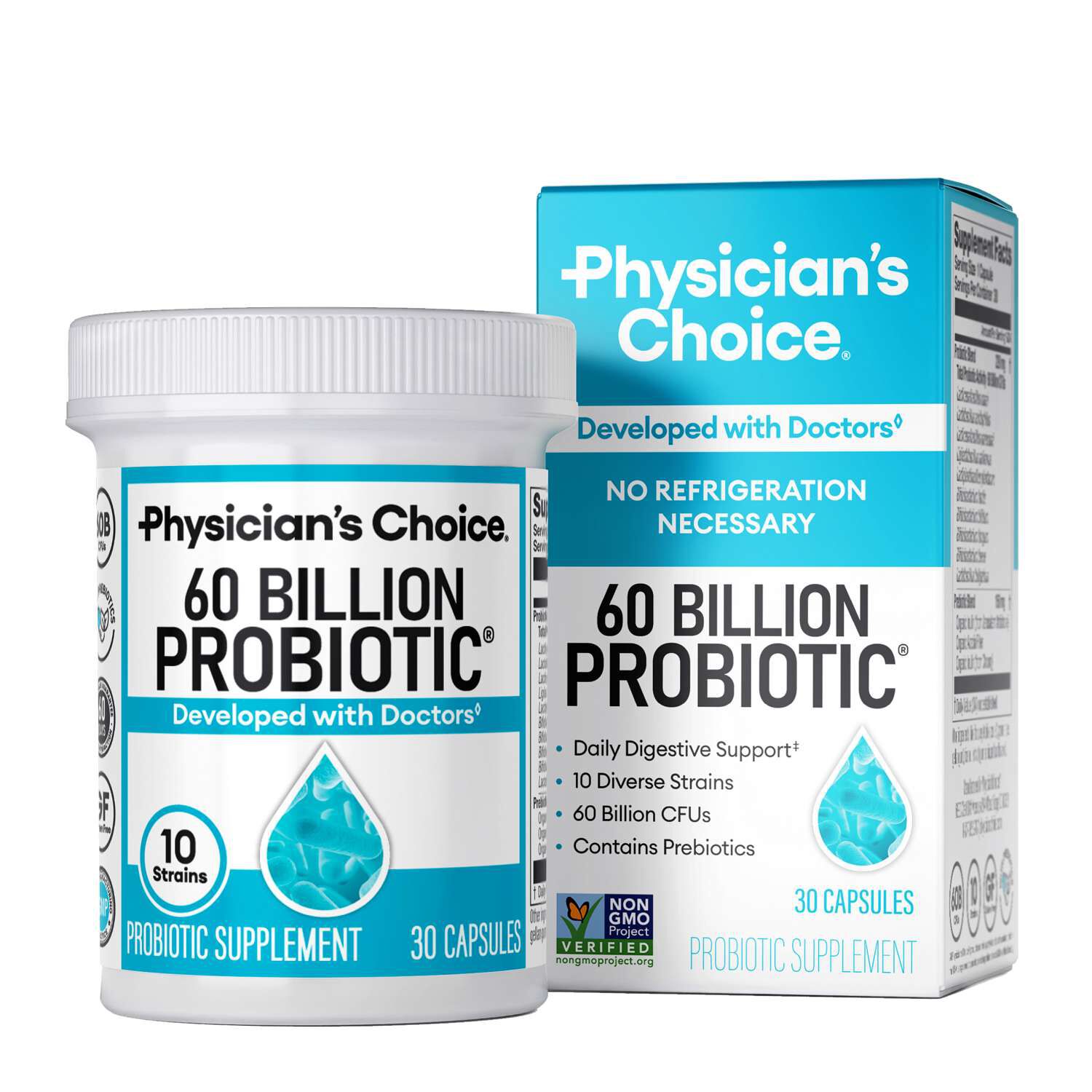 Physician's Choice