

Biotin Supplements For Fall Wellness
(0 Results)
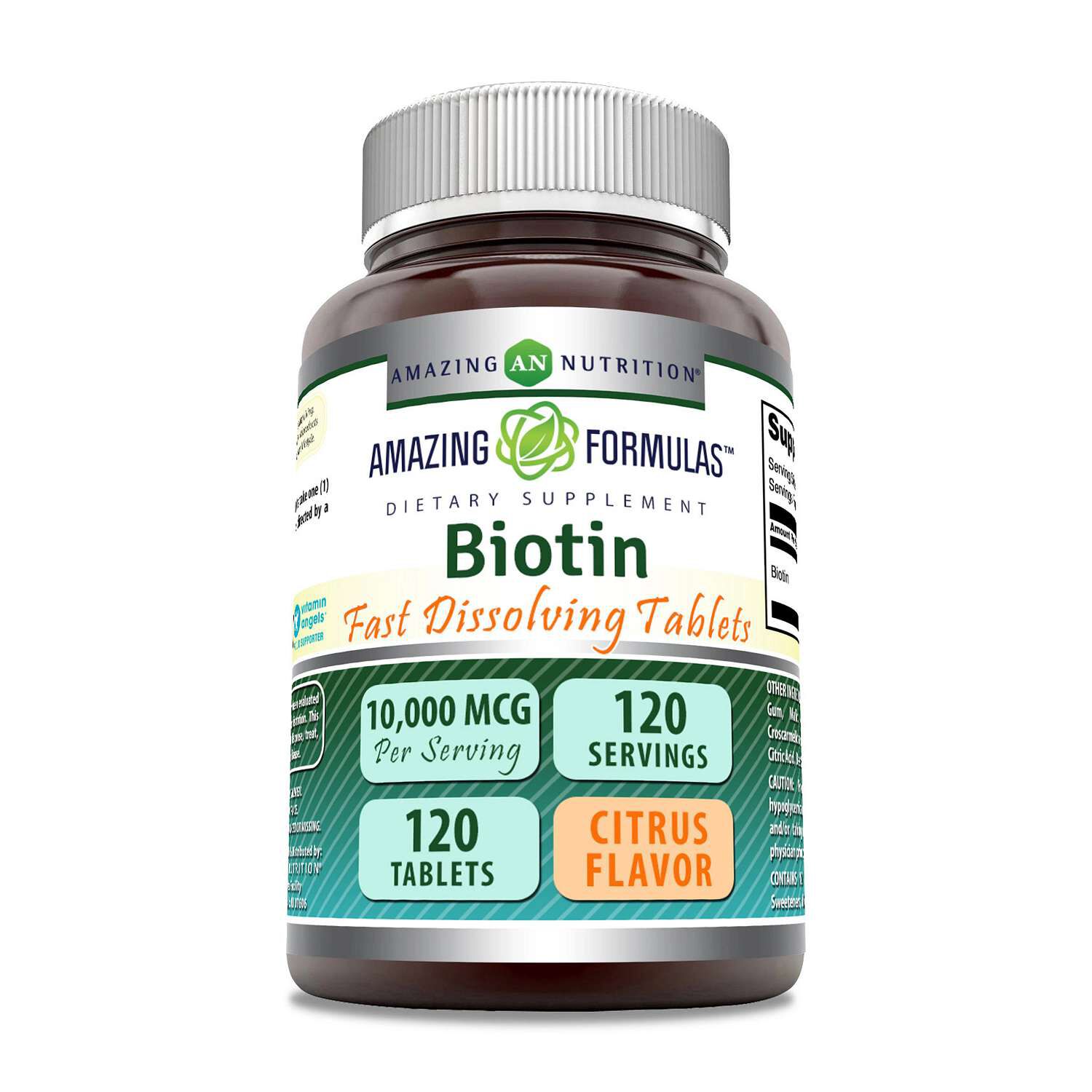
Biotin supplements for fall wellness may offer support for your seasonal routine as the weather changes. As you transition into autumn, you might be looking for ways to maintain your daily self-care habits. Biotin, a popular B vitamin, is often included in supplement routines during this time of year. Explore a variety of biotin supplements for fall wellness that could fit into your lifestyle and help you feel your best all season long.
-
 Portions Master$29.99
 -
 Amazing Nutrition$13.99
 -
 Amazing Nutrition$13.99
 -
 $15.99

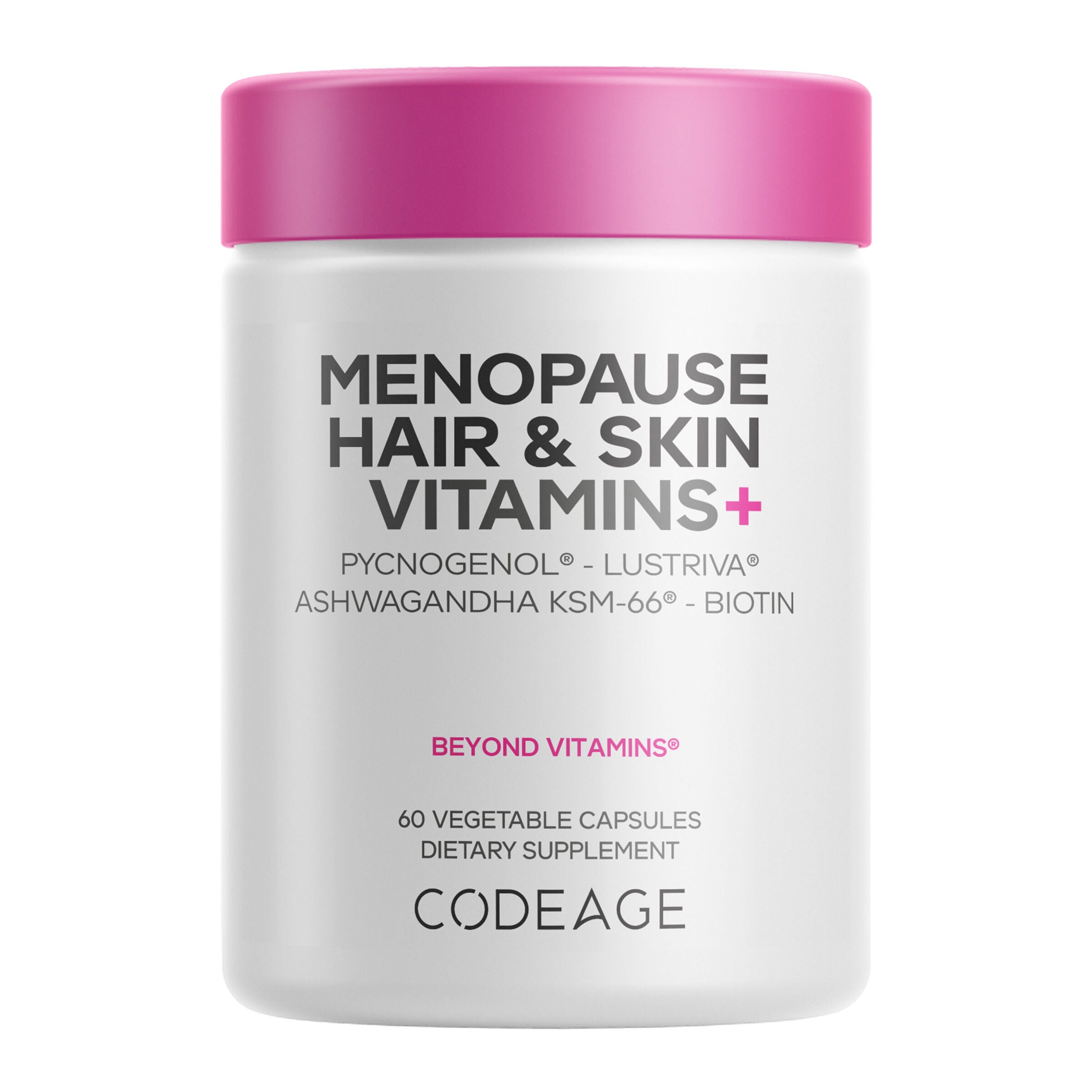


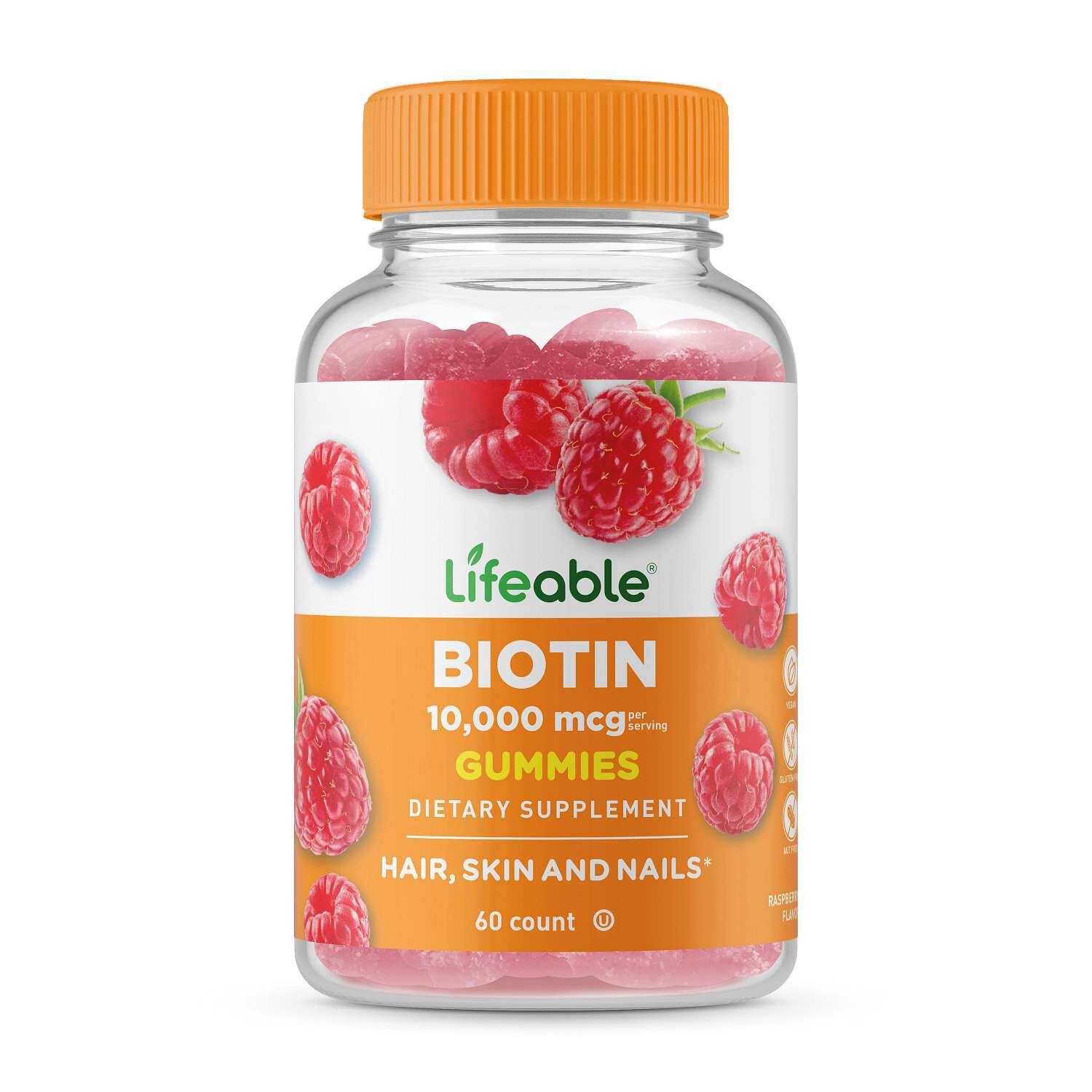
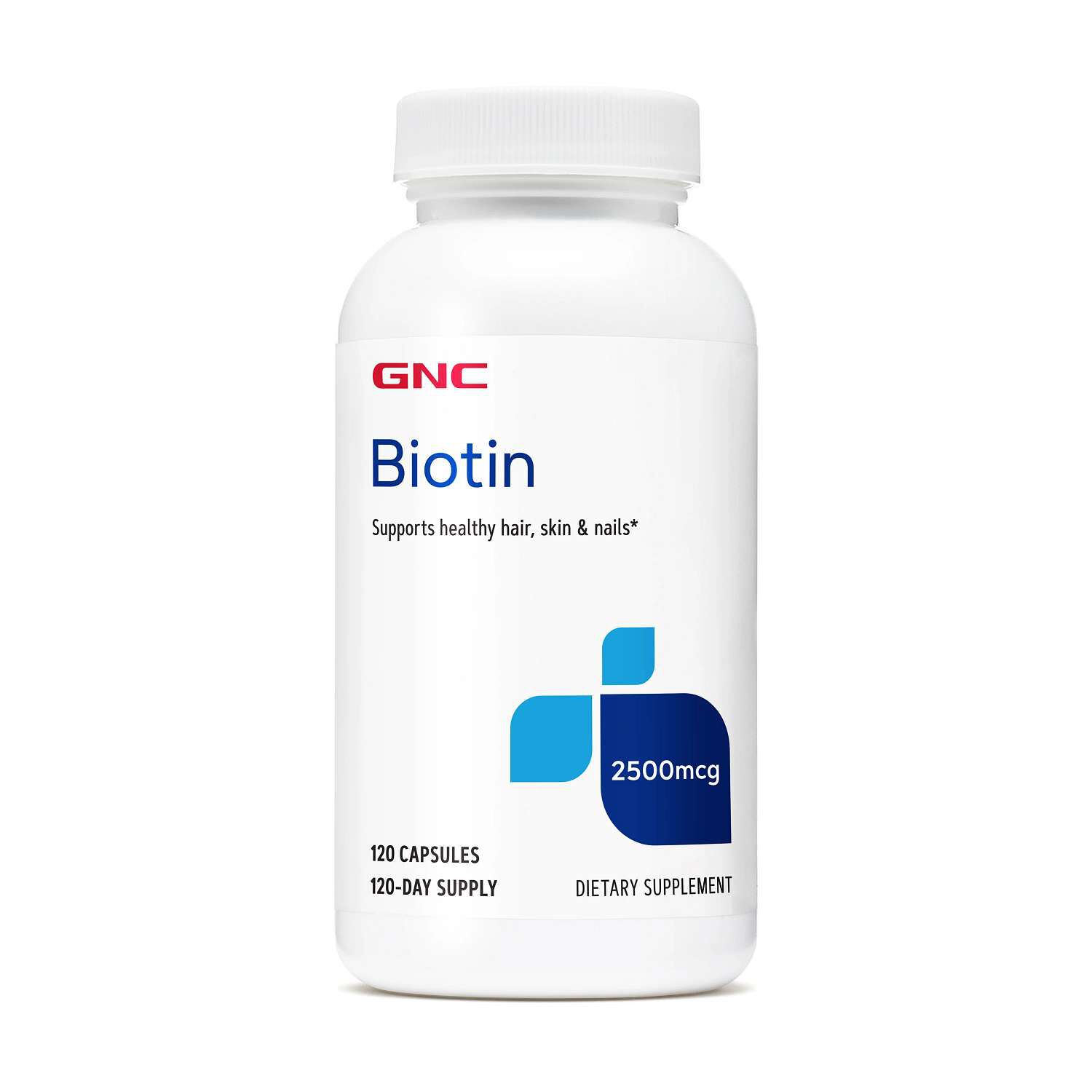
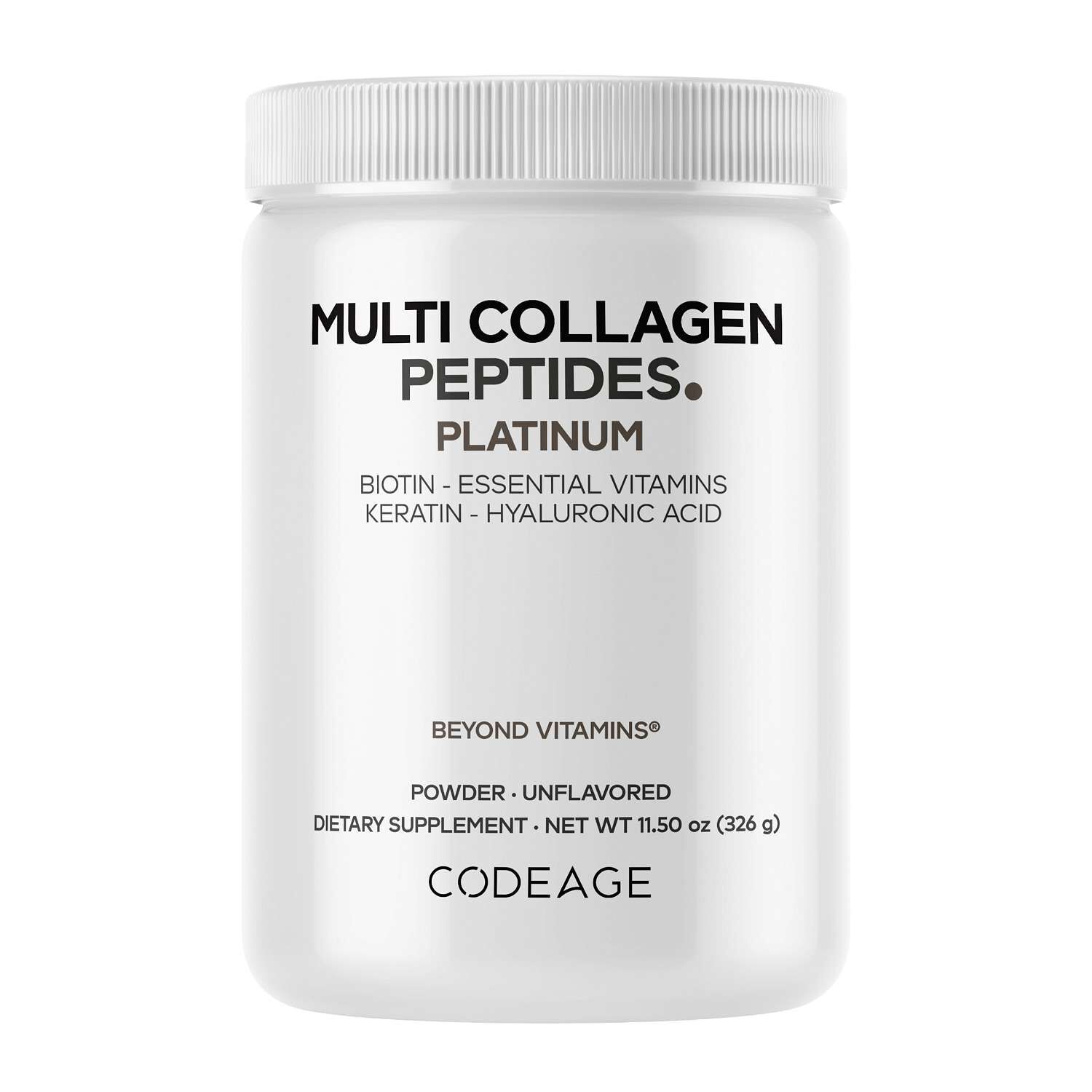
Biotin supplements for fall wellness bring a familiar nutrient into focus for adults who include nutrition in their seasonal self-care routines. Biotin, also known as vitamin B7, is a water-soluble B vitamin found in foods such as cooked eggs, salmon, nuts, and seeds. Supplements offer another source of this nutrient in formats that range from capsules and tablets to gummies and liquids. Often associated with hair, skin, and nail wellness, biotin belongs within a broader picture of varied meals and everyday personal care rather than a stand-alone answer to changes in appearance. A fall routine might include more meals prepared at home, a return to a regular work schedule, or a little more attention to the products arranged beside a bathroom mirror. For someone browsing this category, the practical appeal may be finding a supplement format that fits those ordinary moments without making the routine unnecessarily complicated. Seasonal interest does not mean the body automatically needs more biotin in autumn, and a higher amount on a label is not, by itself, evidence of a better match. Individual needs and experiences differ, and supplements may not produce noticeable changes in hair, skin, or nails. The category includes both biotin-focused formulas and blends containing other vitamins or minerals, making the ingredient list more informative than the front-of-bottle description alone. A single-nutrient formula keeps the comparison centered on biotin, while a blend calls for a closer look at each listed ingredient and its amount. For adults whose fall wellness habits extend into winter, the most relevant distinctions remain consistent: what the formula contains, how a serving is measured, and whether the format suits personal preferences. Those details give this collection its everyday context, whether the shopper is revisiting a familiar supplement category or exploring how biotin products differ from one another.
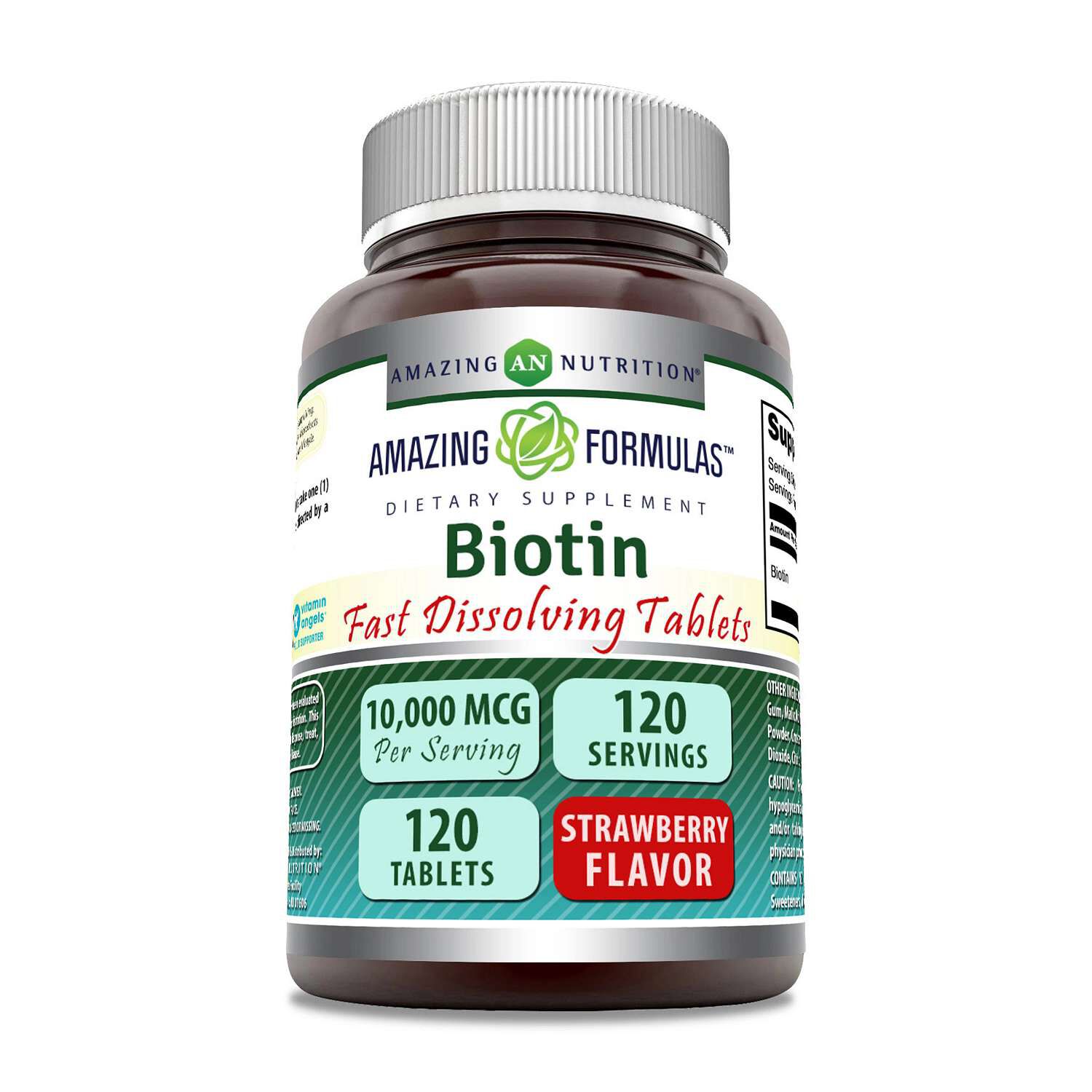
Format is one of the clearest ways to distinguish biotin supplements, particularly when texture, taste, or portability influences a purchase. Capsules and tablets generally provide a measured amount in each piece, although the labeled serving may include more than one. Their dimensions and coatings vary, so the physical format deserves attention alongside the nutrient amount. Gummies introduce flavor and a chewy texture, with differences in sweeteners, added sugars, colors, and the ingredients used to create that texture. Pectin and gelatin are common examples of ingredients that matter to shoppers with particular dietary preferences; the presence of one does not describe the entire formula. Liquids involve a different experience, with flavor, bottle design, and the supplied measuring device becoming part of everyday use. A dropper marking and a full dropper are not necessarily the same measurement, which makes the stated serving size an important product detail. Supplement Facts panels also distinguish the amount per serving from the number of servings in a container. Biotin amounts may appear in micrograms, abbreviated mcg, or milligrams, abbreviated mg; one milligram equals 1,000 micrograms. Comparing those units on the same basis makes labels easier to understand without treating a larger number as a quality ranking. Ingredient lists provide further context about capsule shells, flavorings, and other components beyond the featured nutrient. For someone who prefers plant-derived ingredients or avoids particular food ingredients, an explicit label statement carries more useful information than assumptions based on appearance. Documented independent testing or certification, when present, adds another point of comparison, though any such statement has a defined scope and does not establish a particular personal result. These distinctions matter in concrete settings: a bottle kept in a kitchen cabinet, a serving measured before breakfast, or a supplement packed for an overnight visit. The best-fitting format is a matter of practical compatibility, not simply the most elaborate formula or the largest amount printed on the package.
Care and intended use also shape how biotin supplements fit a fall wellness collection. Unlike a sweater or reusable water bottle, a supplement has a dated period of use and storage requirements rather than durability in the usual sense. Its packaging, closure, and label instructions are part of that picture. A steamy bathroom, a sunny windowsill, or a bag left near a heater may not match the storage conditions stated on a bottle. Gummies, liquids, tablets, and capsules can have different handling requirements, and some liquid formulas have additional directions after opening. Original packaging keeps the ingredient information, serving directions, lot details, and date together, which is useful when comparing a newer purchase with something already at home. Travel introduces similar considerations: a small container may take less space, but the original label remains the reference for what is inside. Biotin supplements are intended to supplement dietary intake, not replace meals or act as hair treatments, skin-care products, or nail coatings. Expectations belong alongside those distinctions. Hair and nail appearance reflects many factors, and a seasonal supplement purchase may not lead to a visible difference. Biotin may also interfere with certain laboratory test results, making supplement use relevant information in conversations with healthcare professionals. Product selection therefore involves more than a beauty-oriented description or a familiar flavor. An adult buying for personal use may care most about a short ingredient list, while another may prioritize a clearly marked serving or a texture that suits an established routine. As a gift, supplements are personal choices; a recipient’s expressed preferences matter more than assumptions about their appearance or nutritional needs. The seasonal theme offers a way to browse, not a reason to change a supplement simply because the calendar changes. For another seasonal collection, Biotin Supplements for Summer Fitness provides a related browsing destination. Across either setting, thoughtful comparisons center on transparent labeling, suitable ingredients, manageable formats, and realistic expectations about the role a biotin supplement may play in everyday wellness.