Biotin Supplements For Nail Health
(0 Results)
Shop biotin supplements for nail health and compare options by biotin amount, serving size, and ingredient list. Biotin, also known as vitamin B7, may support healthy nails as part of your daily nutrition routine.
-
-

-

-

-
 $17.99
-
-
 Portions Master$29.99
-
-
-
-

-

-
-
 $15.99
-
 $14.99
-
 $15.99
-
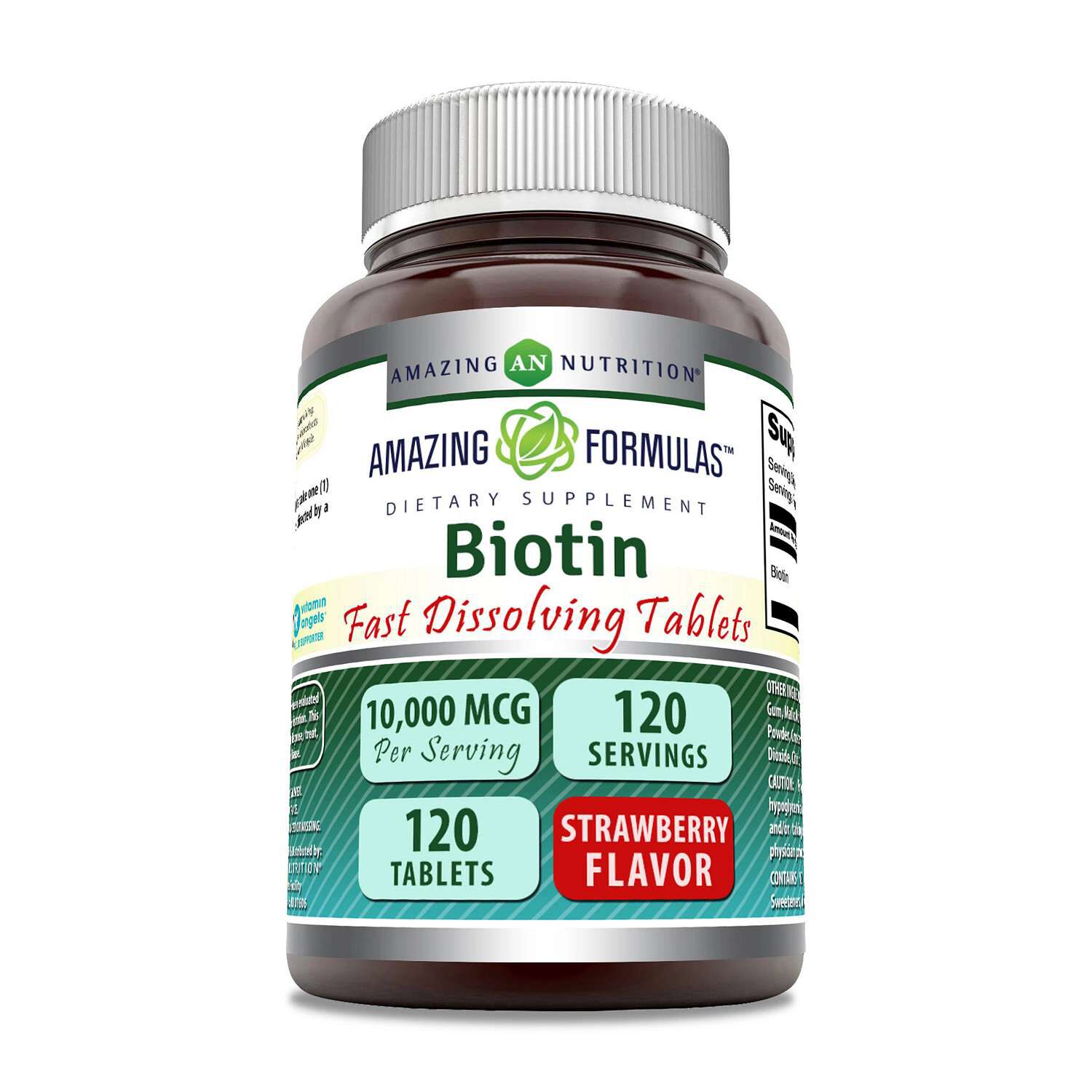 Amazing Nutrition$13.99

Biotin is vitamin B7, a water-soluble nutrient found in foods such as cooked eggs, nuts, seeds, and legumes. Biotin supplements for nail health may support normal nail maintenance, but evidence that extra biotin makes already healthy nails stronger is limited. That distinction matters when comparing products associated with nail wellness: nutritional support is different from a cosmetic treatment, and a supplement should not be viewed as a shortcut to longer nails or a freshly manicured appearance. Interest in biotin often starts with an everyday observation, such as wanting natural nails to look more consistent between appointments or preferring a simple nutrition routine alongside regular grooming. Those preferences can help shape a purchase, but nail appearance alone does not establish a need for additional biotin. A higher amount per serving also does not establish that a formula will produce a more noticeable change. Single-nutrient formulas keep the ingredient focus on biotin, while combination formulas may include vitamins, minerals, or other ingredients associated with hair, skin, and nail wellness. Neither approach is automatically the better match; the distinction is primarily about what the formula contains and how it fits with other supplements already in the routine. A shopper who prefers a short ingredient list may gravitate toward a straightforward biotin option, while someone comparing several nutritional interests may spend more time examining a blend. Clear labeling is especially valuable here, since a prominent biotin amount on the front of a package tells only part of the story. The serving size, ingredient panel, delivery format, and suggested use provide a fuller picture of the product. Supplements are intended to complement food choices rather than replace varied meals or ordinary nail care. Keeping expectations grounded makes it easier to compare biotin products for their actual characteristics instead of treating a bold number or beauty-focused label as evidence of a particular result.
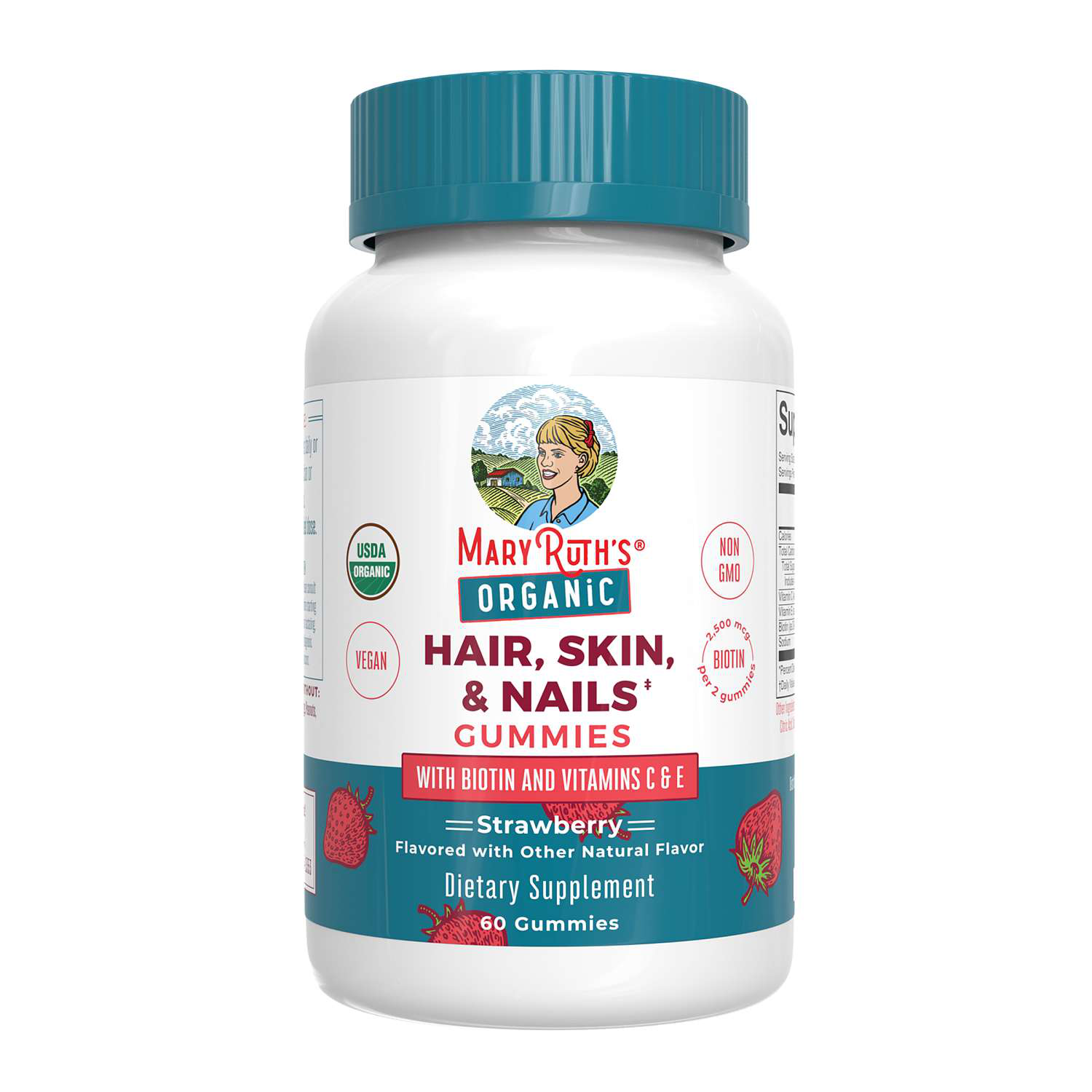
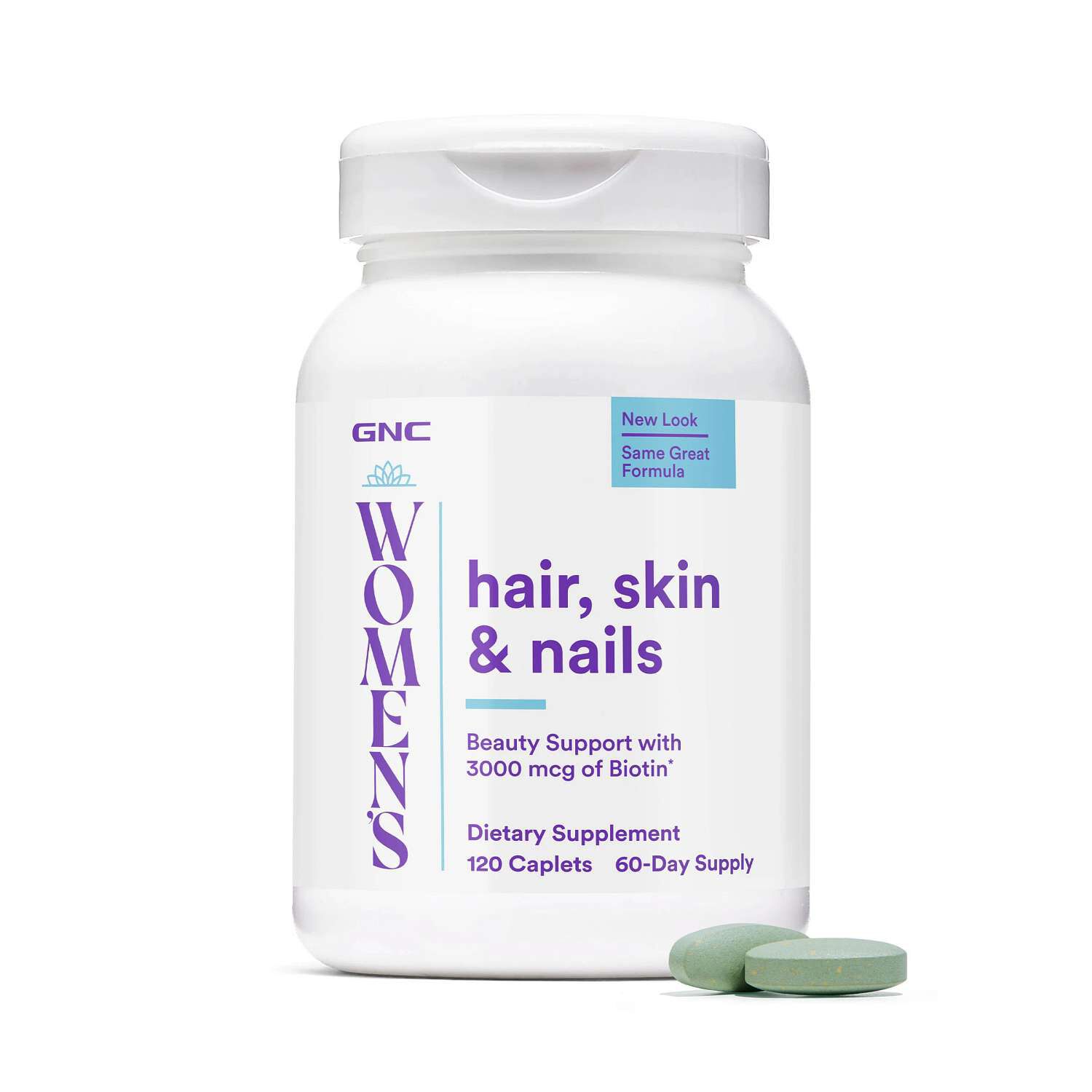
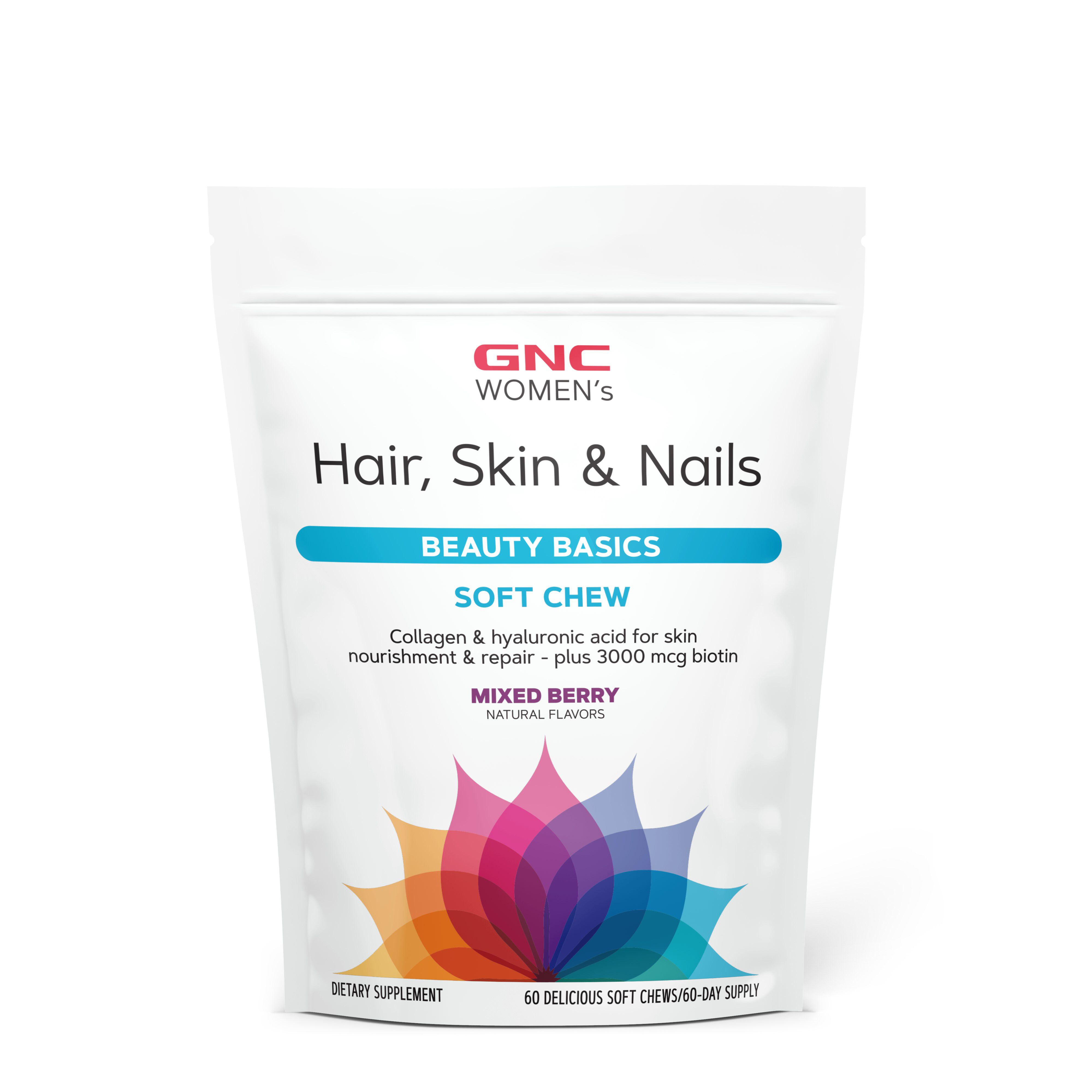
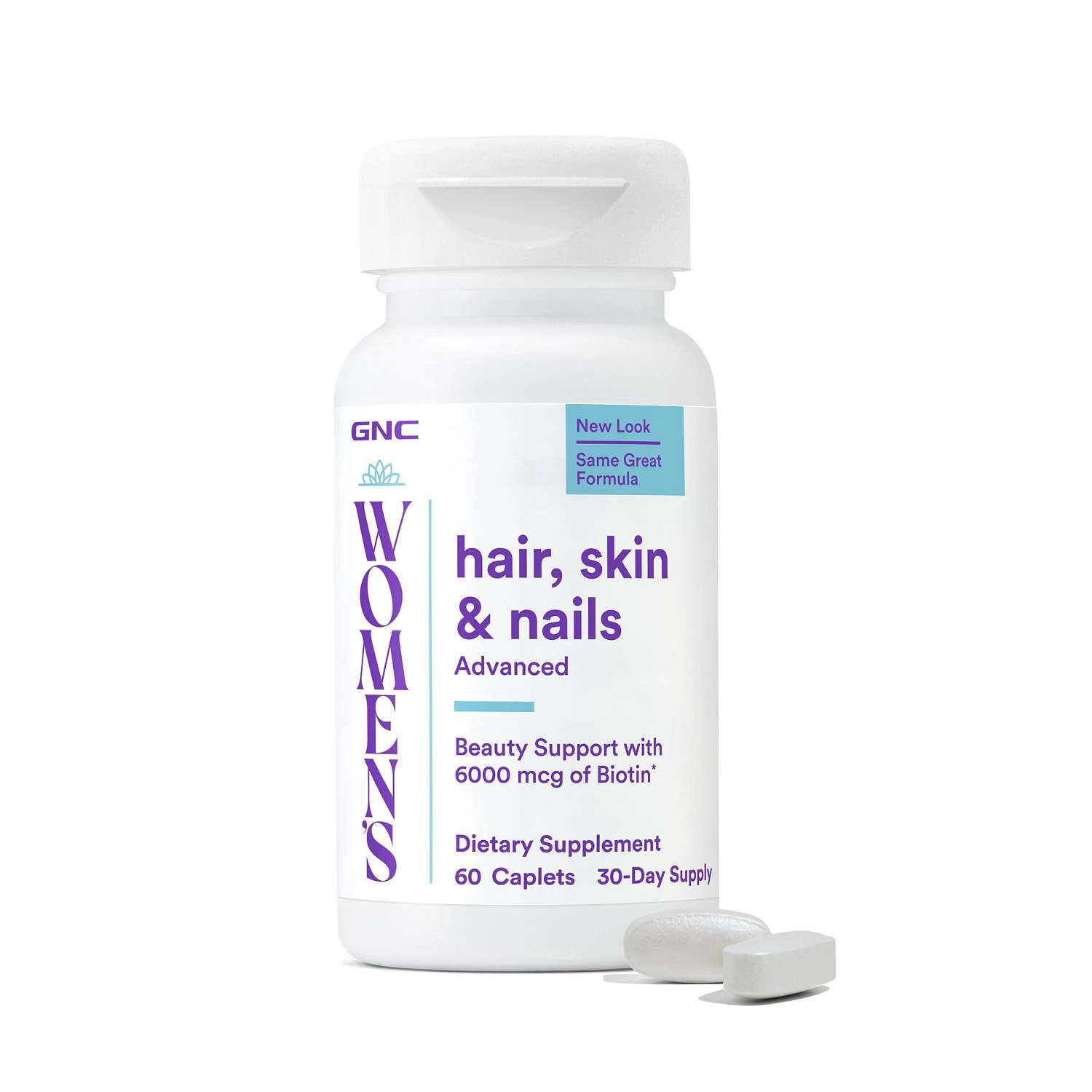
The format of a biotin supplement can be just as relevant to everyday use as the ingredient list. Capsules and tablets offer familiar options for shoppers who prefer a measured serving without a sweet flavor, while gummies and chewable formats may appeal to those who would rather avoid swallowing a tablet. Texture, flavor, capsule dimensions, and the number of pieces in a serving are practical details worth comparing. A bottle containing many gummies, for example, may represent fewer servings than its piece count first suggests if each serving includes more than one gummy. Amounts may also appear in micrograms, abbreviated mcg, or milligrams, abbreviated mg; one milligram equals 1,000 micrograms, so matching units makes label comparisons clearer. That conversion is a way to read the package accurately, not a reason to favor a larger amount. Beyond biotin itself, the other ingredients deserve attention. Some capsule shells contain gelatin, while others use plant-derived materials. Gummies may contain pectin or gelatin, along with sugars, sweeteners, colors, and flavoring ingredients. Shoppers with dietary preferences can compare the ingredient statement and any relevant certification rather than assuming that every format has the same composition. Combination formulas require another look because their serving information covers more than biotin alone. Zinc, vitamin C, collagen, and other additions each contribute to the character of a formula, but a longer ingredient list does not establish better nail results. When several supplements are part of the same routine, comparing their panels can reveal repeated ingredients that are easy to overlook when reading only front labels. Package design matters, too: legible directions, a closure that is comfortable to handle, and a container that fits neatly in the intended storage space are practical considerations. For someone who travels regularly or spends long days away from home, the original labeled container also keeps serving information and storage directions close at hand. These details may seem less striking than beauty-oriented packaging, but they give shoppers concrete differences to consider without relying on assumptions about visible changes.
A nail-focused routine often involves more than one kind of product, and keeping those roles separate creates clearer expectations. Files, polish, hand creams, and grooming tools address different aspects of appearance and upkeep; a biotin supplement belongs to the nutrition side of that routine. Someone who enjoys short, neatly shaped nails may have different cosmetic preferences from someone who favors a longer manicure, but neither style determines which biotin amount is appropriate. Likewise, frequent polish changes, typing throughout the day, or washing dishes are everyday circumstances, not proof that a supplement is needed. The more useful comparison is whether the format, ingredient profile, and labeled directions fit the person’s established habits. A capsule might suit a routine built around other capsule-format supplements, while a flavored chewable introduces a different texture and serving experience. Storage deserves similar attention. The package’s directions should remain the reference for where and how to keep it, including any instructions about moisture, light, and closing the container after use. Leaving the label intact also preserves the ingredient information, serving directions, and date marking for later reference. For shoppers interested in both nail and hair wellness, Biotin Supplements For Hair And Nail Vitality offers a related category to explore while comparing formula types and delivery formats. Across either focus, restrained expectations are more useful than before-and-after assumptions: biotin may contribute to nutritional support, but a specific change in nail length, firmness, or appearance is not assured. There is also no universal timeline for a visible difference. A thoughtful purchase rests on clear product information, dietary preferences, and a realistic understanding of the research. That leaves room for a straightforward comparison of biotin supplements without confusing a convenient daily format or a larger serving amount with evidence of a better cosmetic outcome.
- Q: What is biotin in nail health supplements?
A: Biotin, also called vitamin B7, is a water-soluble B vitamin. It is commonly included in supplements marketed for nail health, either on its own or as part of a hair, skin, and nails formula. - Q: What forms do biotin supplements for nails come in?
A: Biotin supplements come in formats such as tablets, capsules, softgels, and gummies. These formats offer different ways to incorporate biotin into a supplement routine. - Q: How do biotin-only supplements differ from hair, skin, and nails formulas?
A: Biotin-only supplements feature biotin as the primary dietary ingredient. Hair, skin, and nails formulas combine biotin with other ingredients, which may include zinc, vitamin C, or collagen. The Supplement Facts panel lists the nutrients and amounts in each formula. - Q: What does mcg mean on a biotin supplement label?
A: Mcg stands for microgram, a unit used to measure the amount of biotin in a supplement. One milligram, abbreviated mg, equals 1,000 micrograms. Check the Supplement Facts panel for the amount of biotin per serving. - Q: Are biotin supplements for nails always vegan?
A: Not all biotin supplements are vegan. Some capsules, softgels, and gummies contain gelatin or other animal-derived ingredients, while other formulas use plant-based materials. Review the ingredient list and vegan labeling when choosing a formula that matches your dietary preferences.