Biotin Supplements For Hair Strength
(0 Results)
Biotin supplements for hair strength are a popular choice for those looking to support their daily wellness routine. Often chosen as part of a balanced approach to self-care, these supplements may fit into your lifestyle if you’re seeking options that could help you feel your best. Whether you’re exploring new ways to care for yourself or searching for products that align with your personal goals, biotin supplements for hair strength might be an option worth considering.
-
-

-
-

-
-

-
-
 44$44.99
-

-

-
-

-
-
-
-

-

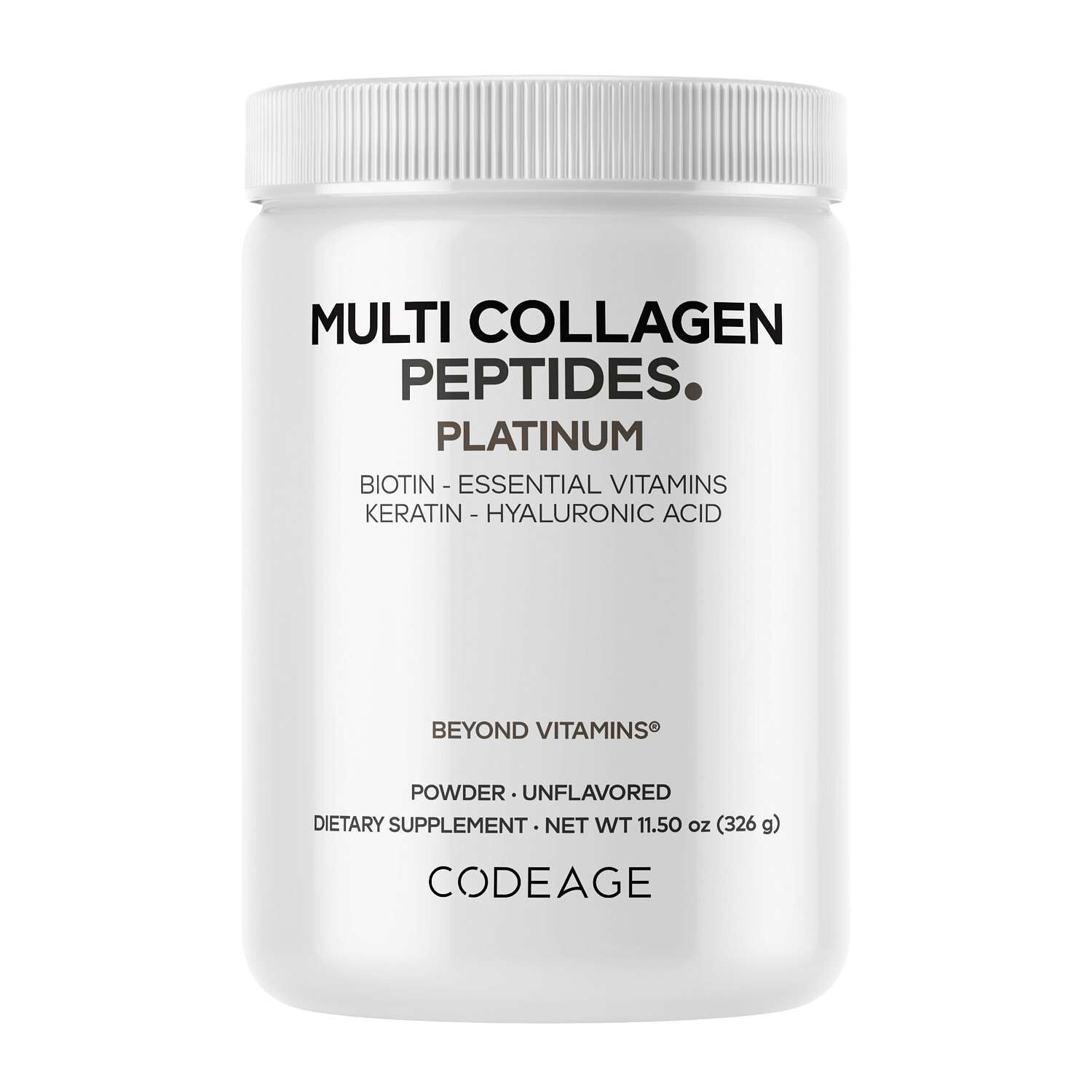
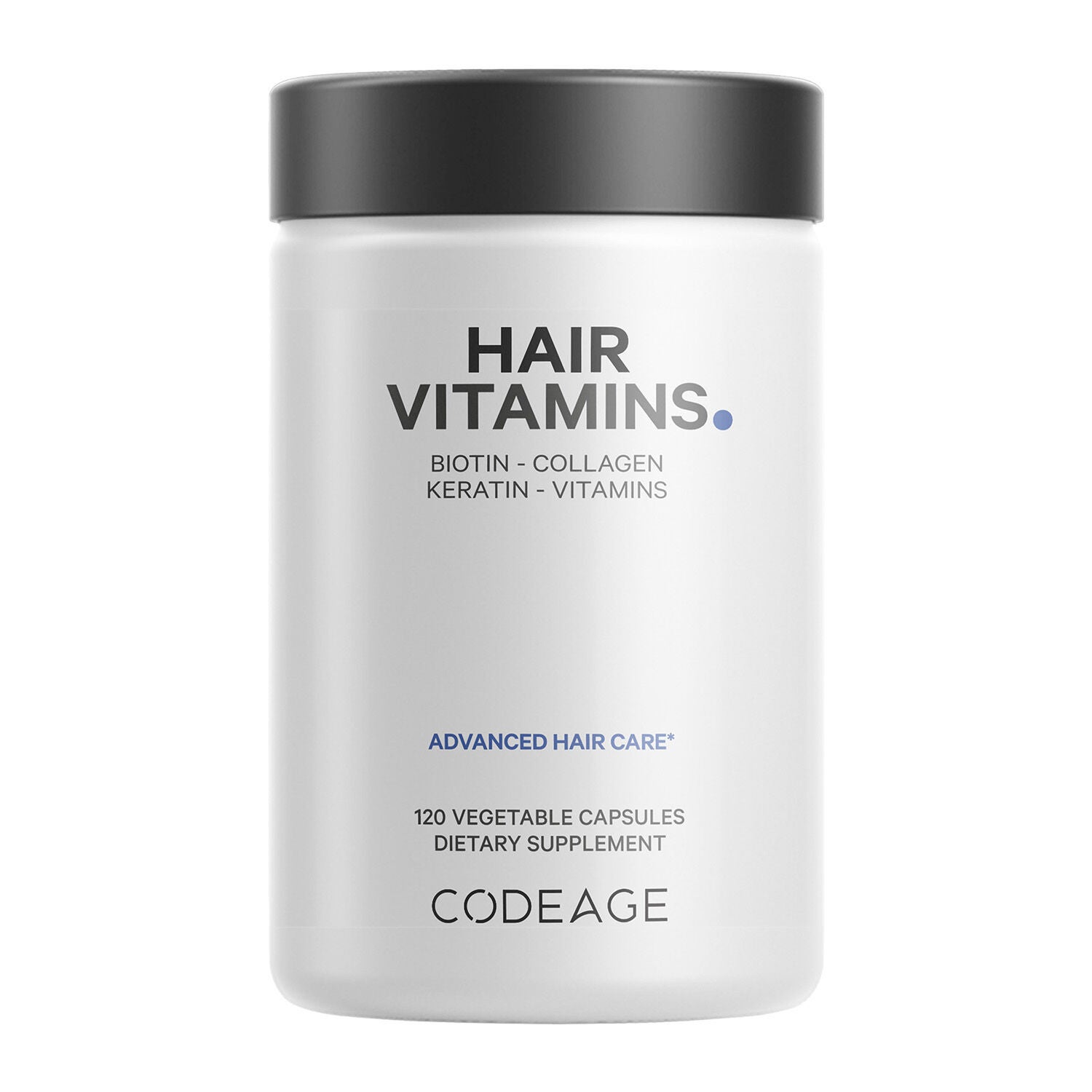
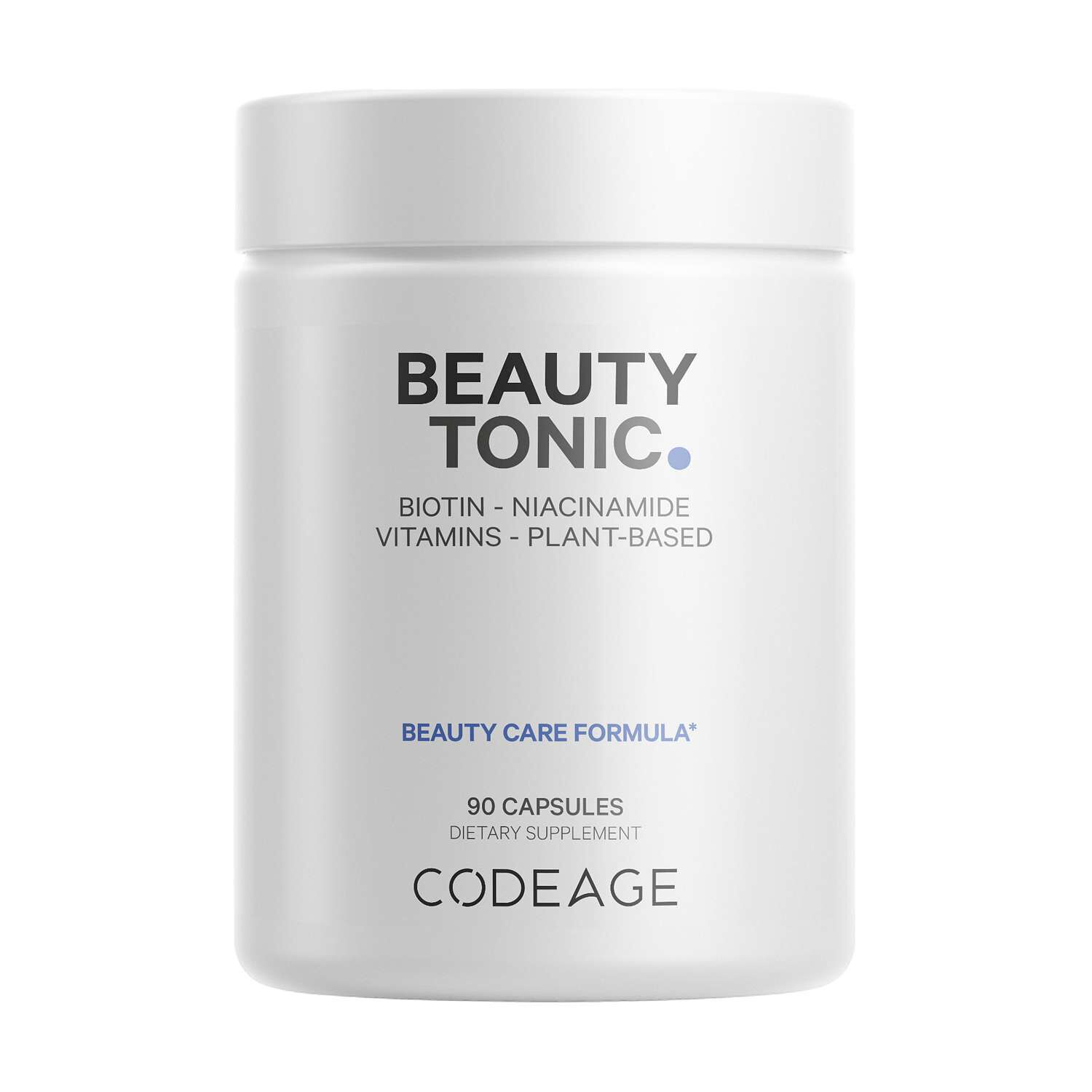
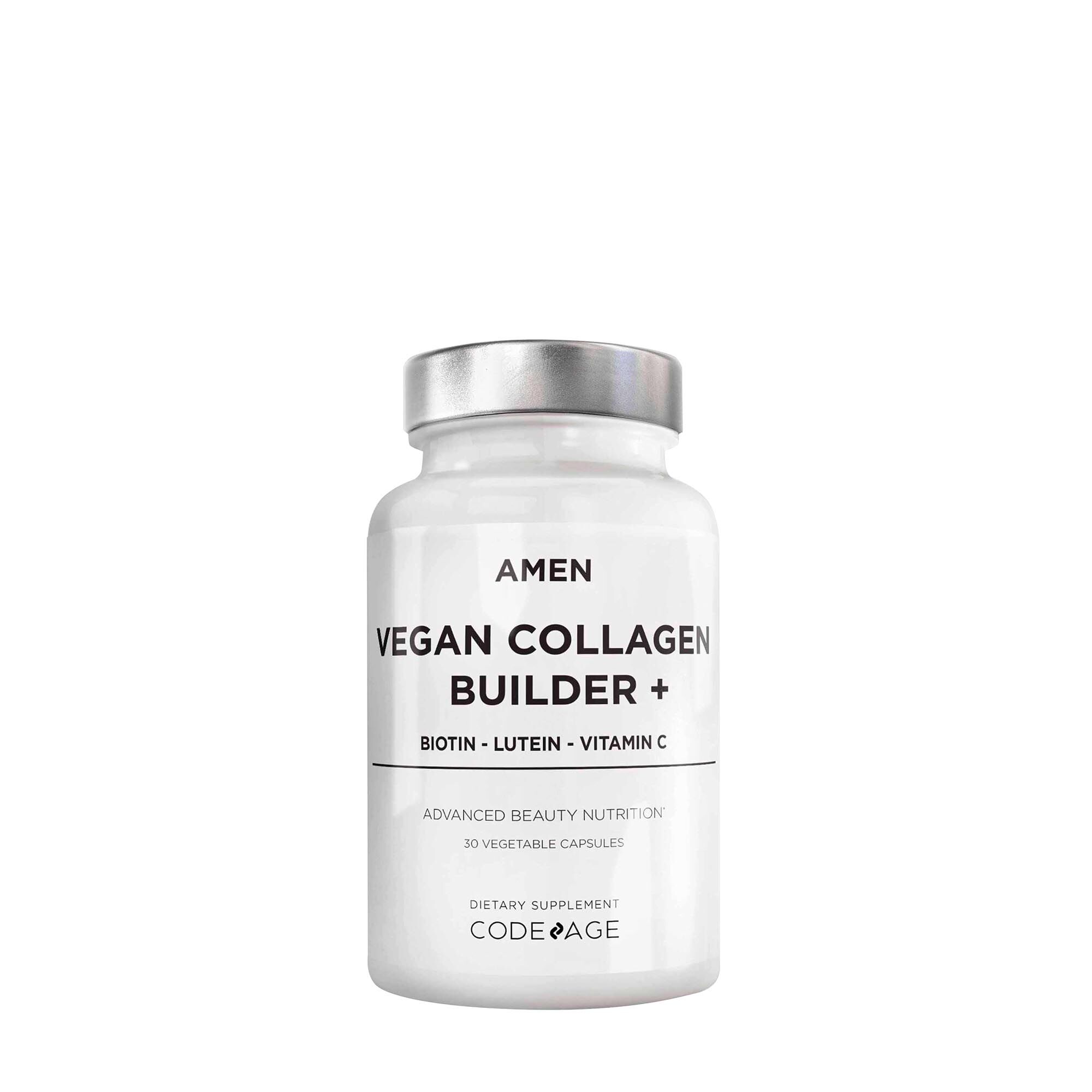
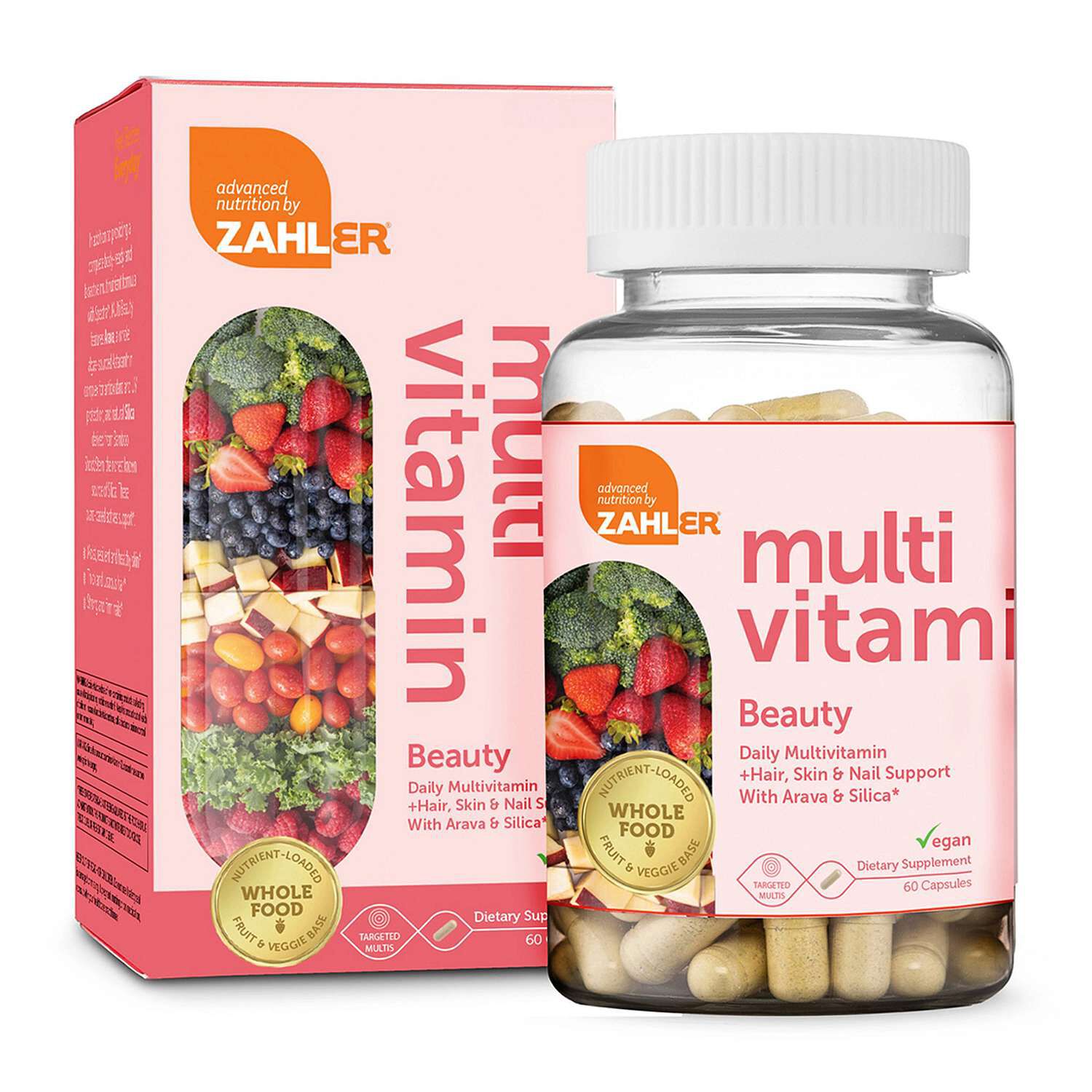
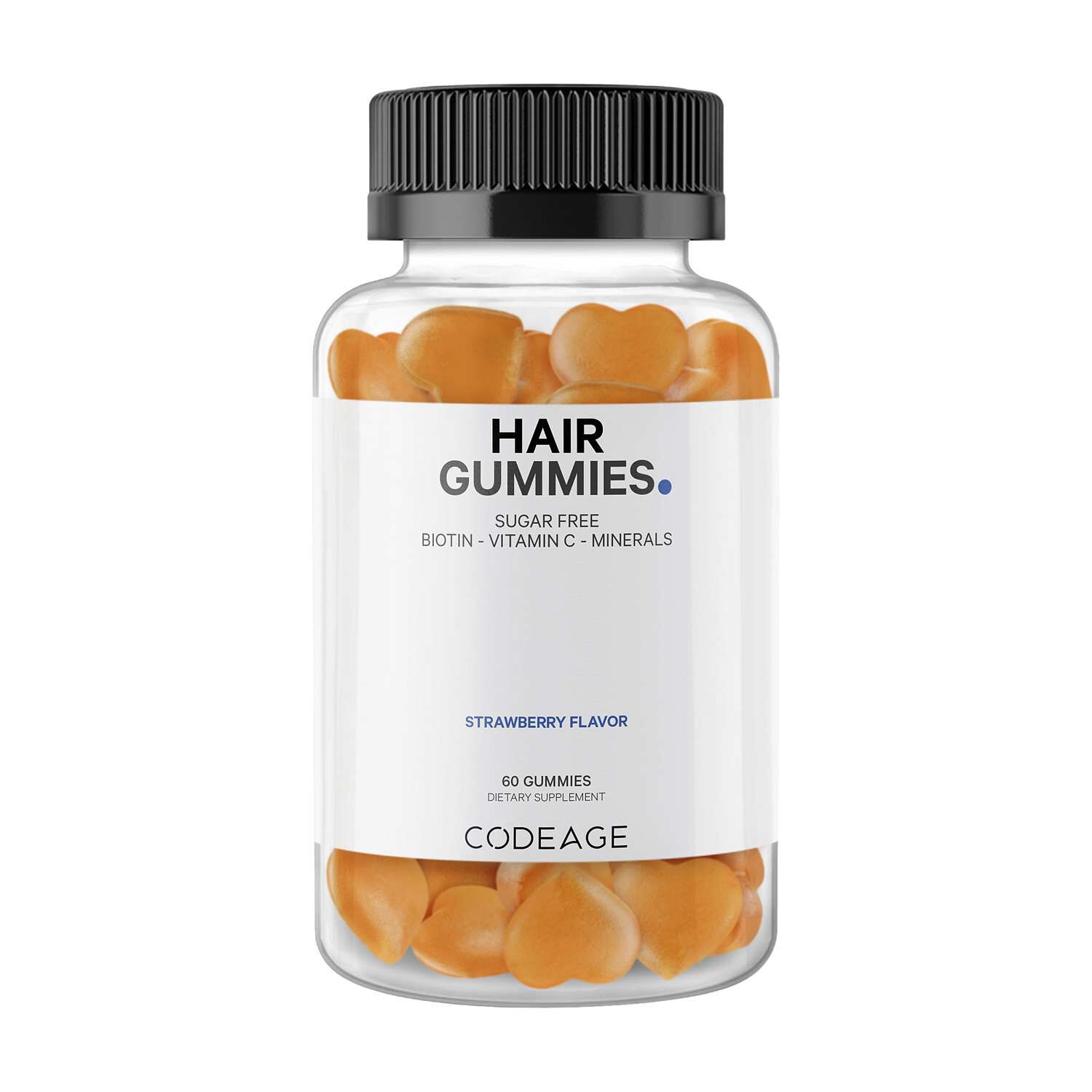
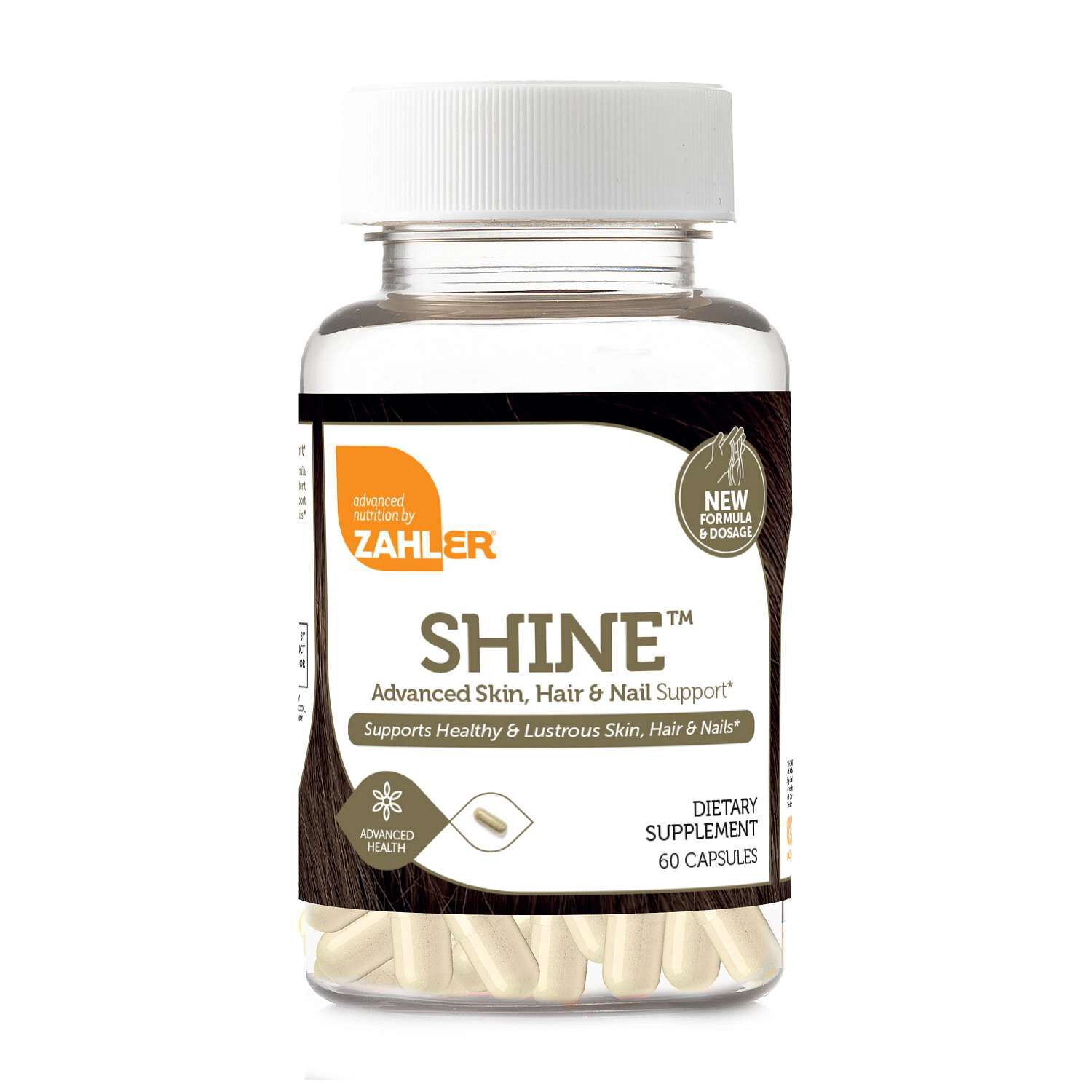
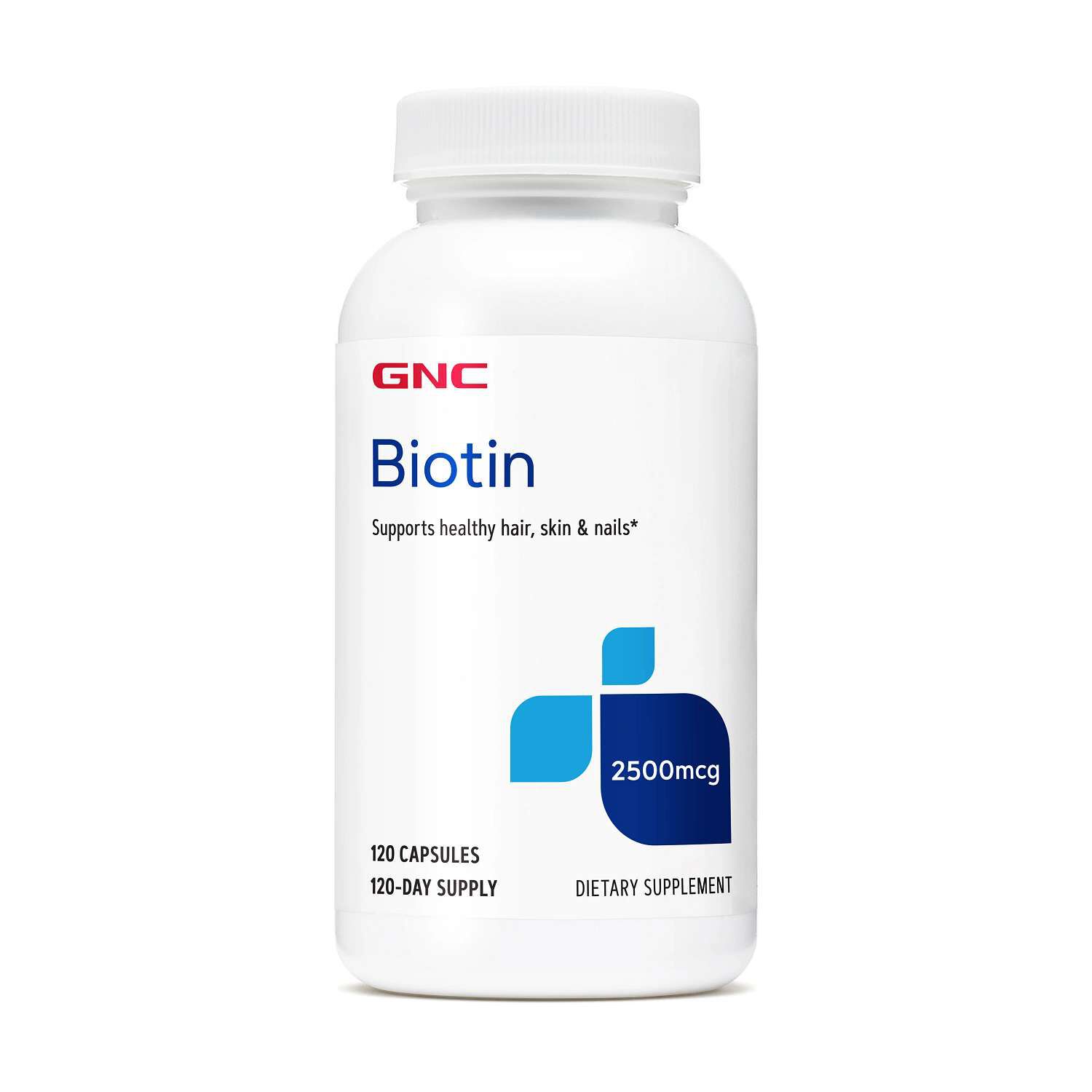
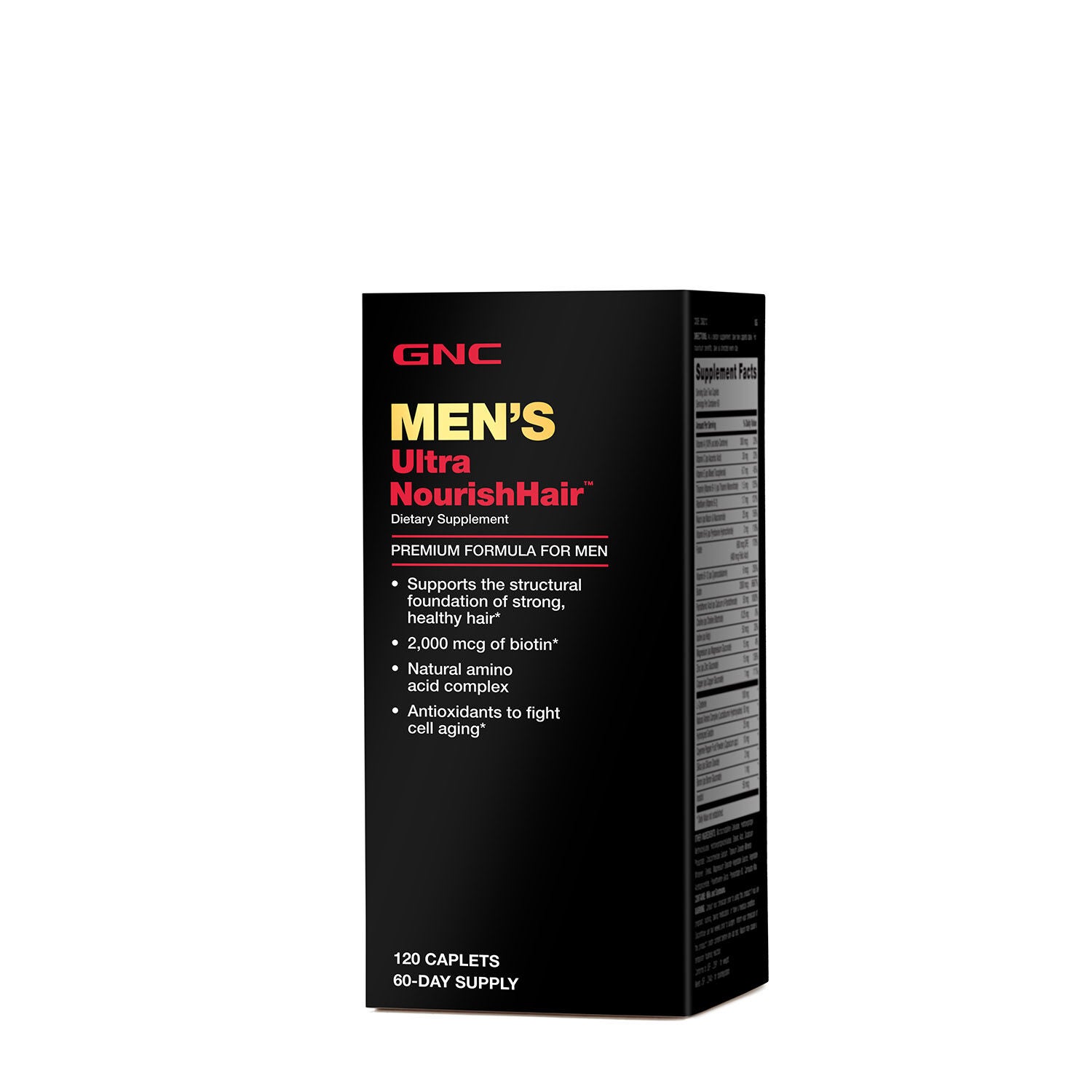
Biotin supplements for hair strength bring together dietary formulas centered on vitamin B7, a nutrient commonly featured in hair, skin, and nail supplements. Biotin is a water-soluble vitamin found in foods such as cooked eggs, nuts, seeds, and whole grains. Hair is made primarily of keratin, a structural protein, but the presence of biotin in a supplement should not be confused with evidence that taking more will produce a particular hair result. Evidence that additional biotin may improve hair strength or growth in people who already consume enough of the vitamin is limited. Nutrition references list an adequate intake of 30 micrograms per day for adults; that dietary benchmark is different from the amount printed on many supplement labels. These distinctions matter when comparing bottles with similar hair-focused descriptions but very different ingredient amounts. A larger number on the front label is a measurement, not a rating of potential results. Biotin-only formulas keep the ingredient focus narrow, while combination formulas bring several nutrients together in one serving. Neither approach establishes how someone’s hair will look or feel. People browsing this category may be interested in a nutrition routine that sits alongside their usual hair care, whether that involves wearing natural curls, maintaining color-treated strands, or keeping long hair neatly tied back. Those preferences can shape the shopping experience without establishing a need for a supplement. Hair texture, styling habits, and personal expectations are separate considerations from the contents of a bottle. Supplements are also distinct from conditioners, masks, and leave-in products: their labels describe ingredients intended for consumption rather than materials applied directly to hair. A useful comparison therefore centers on the actual formula, serving information, and format instead of treating every hair-related product as interchangeable. For shoppers drawn to biotin supplements for hair strength, that context may make the category easier to evaluate while keeping expectations grounded in what the label can genuinely explain.
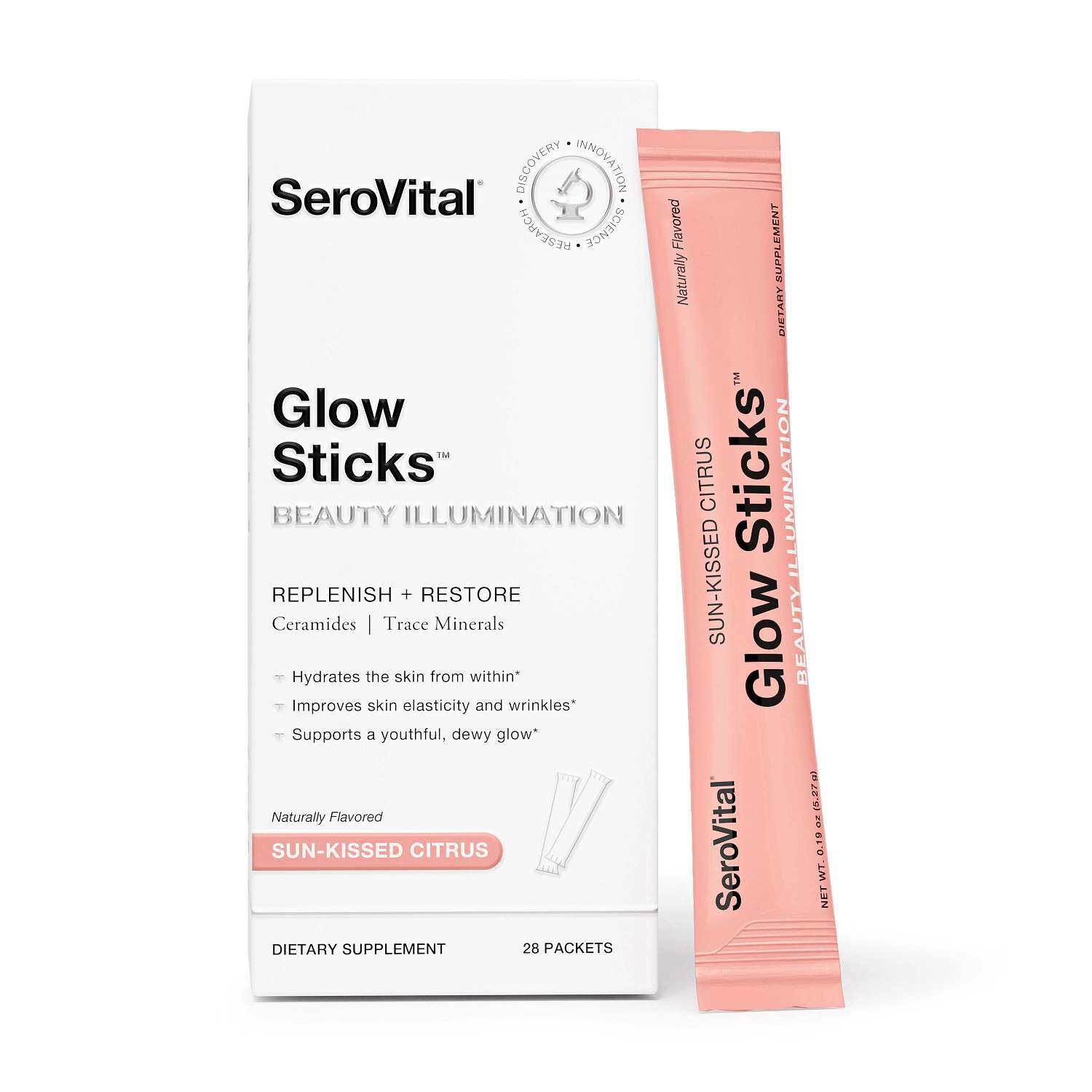
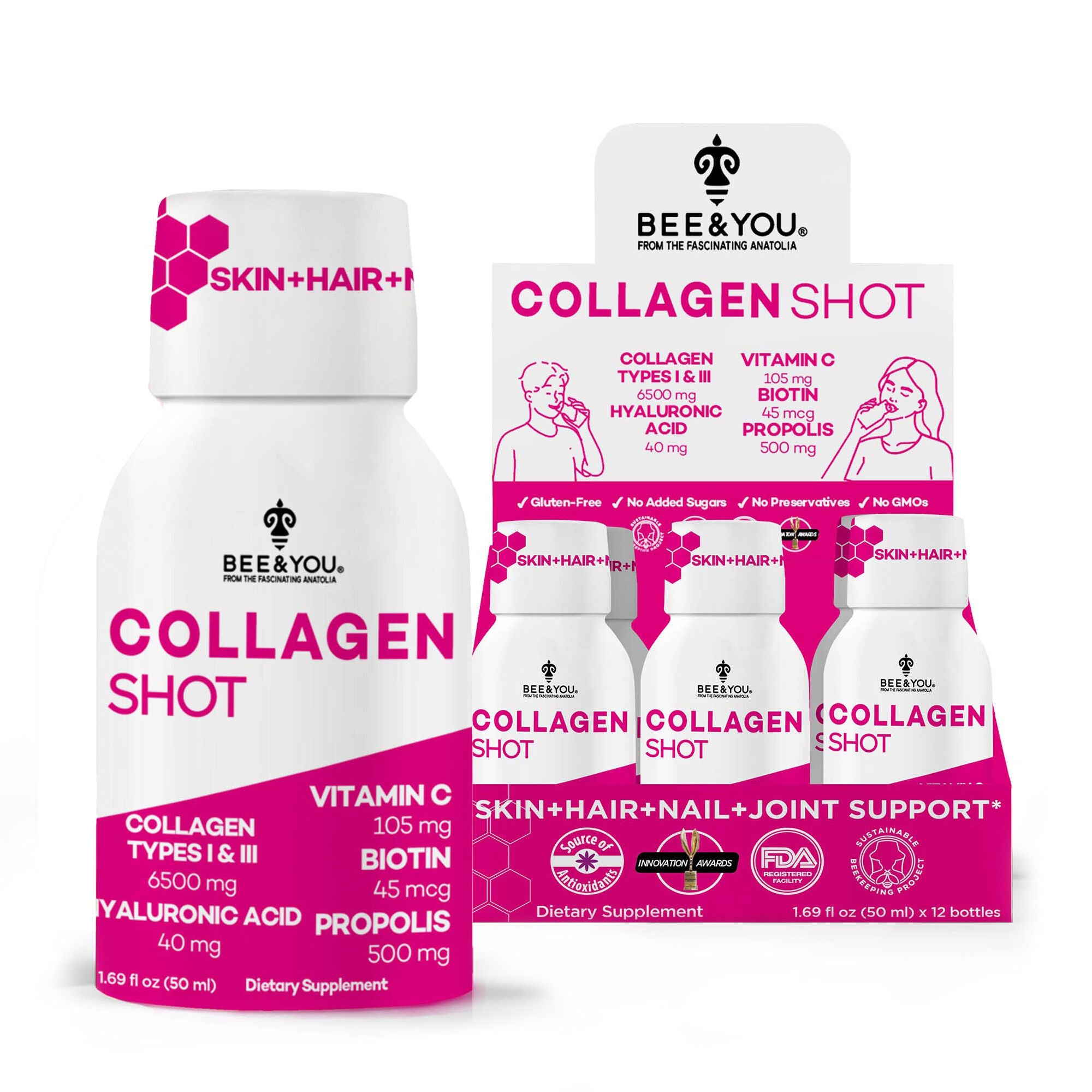
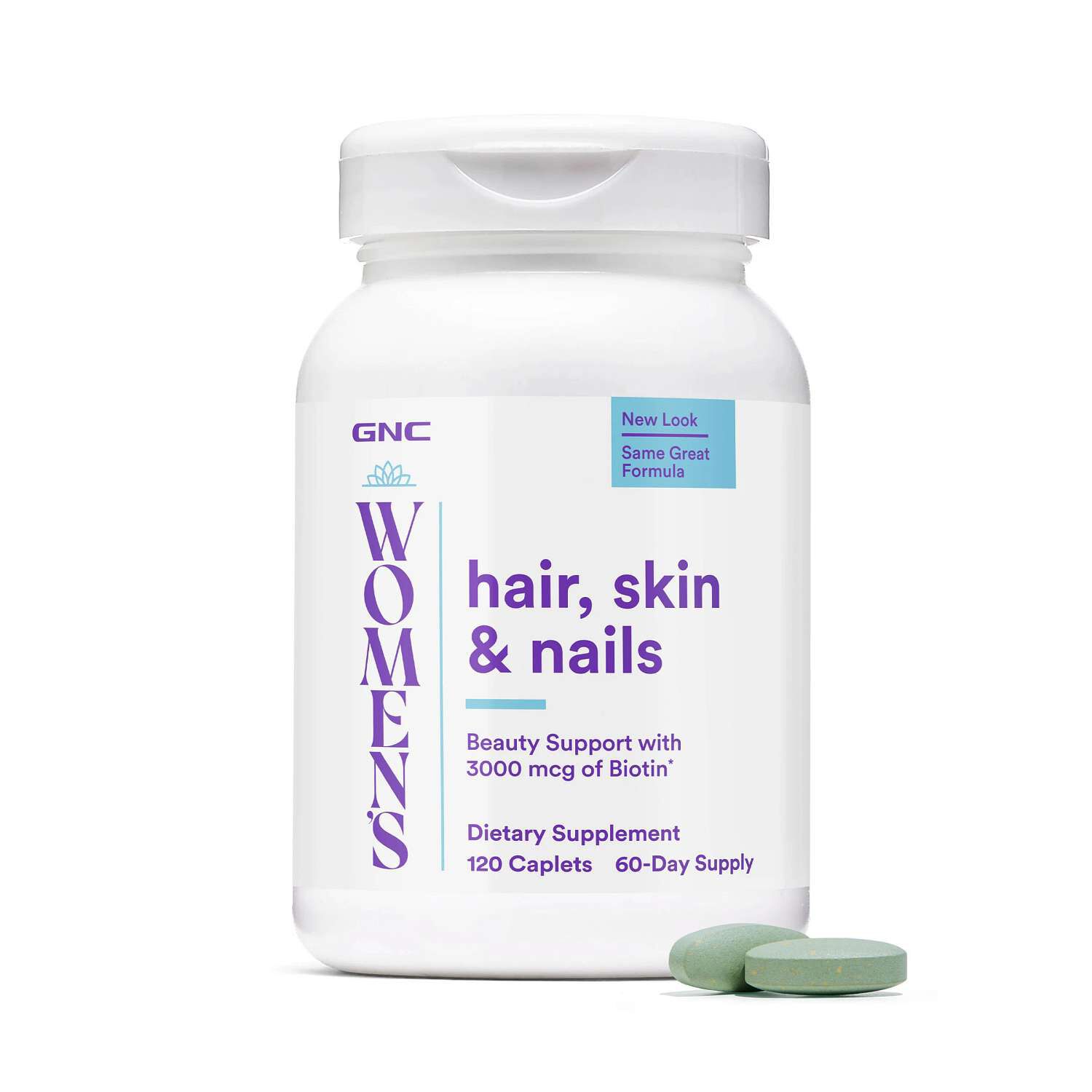
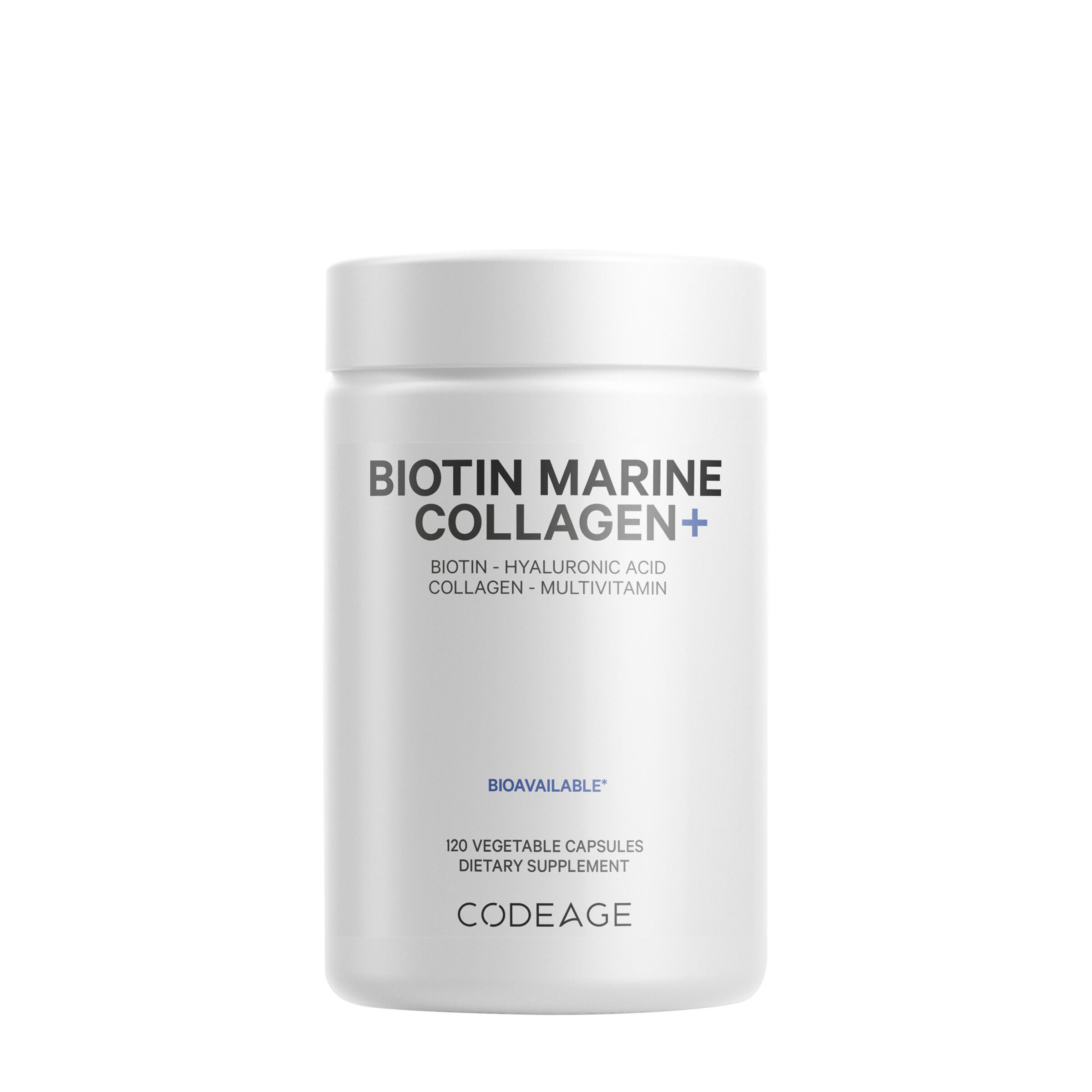
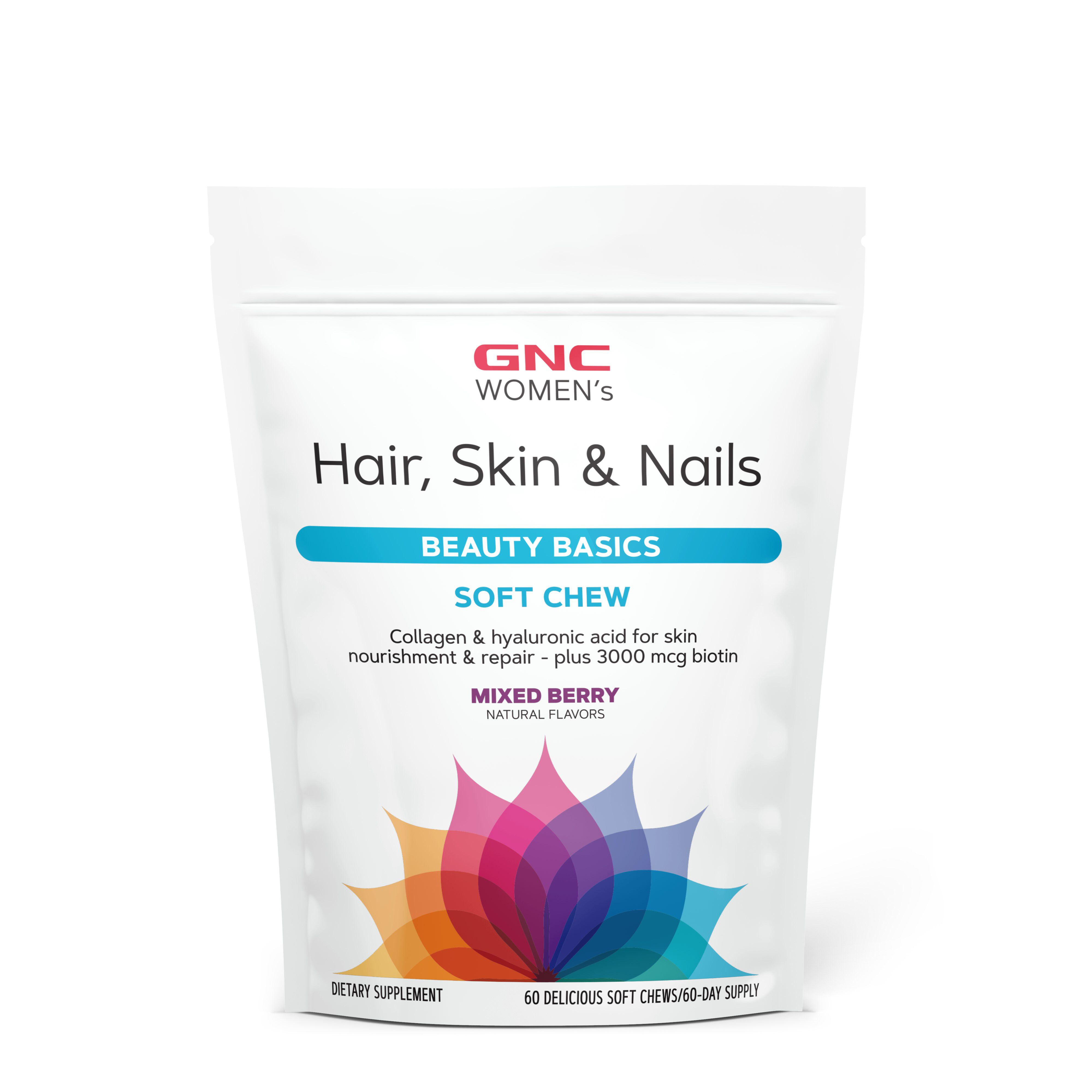
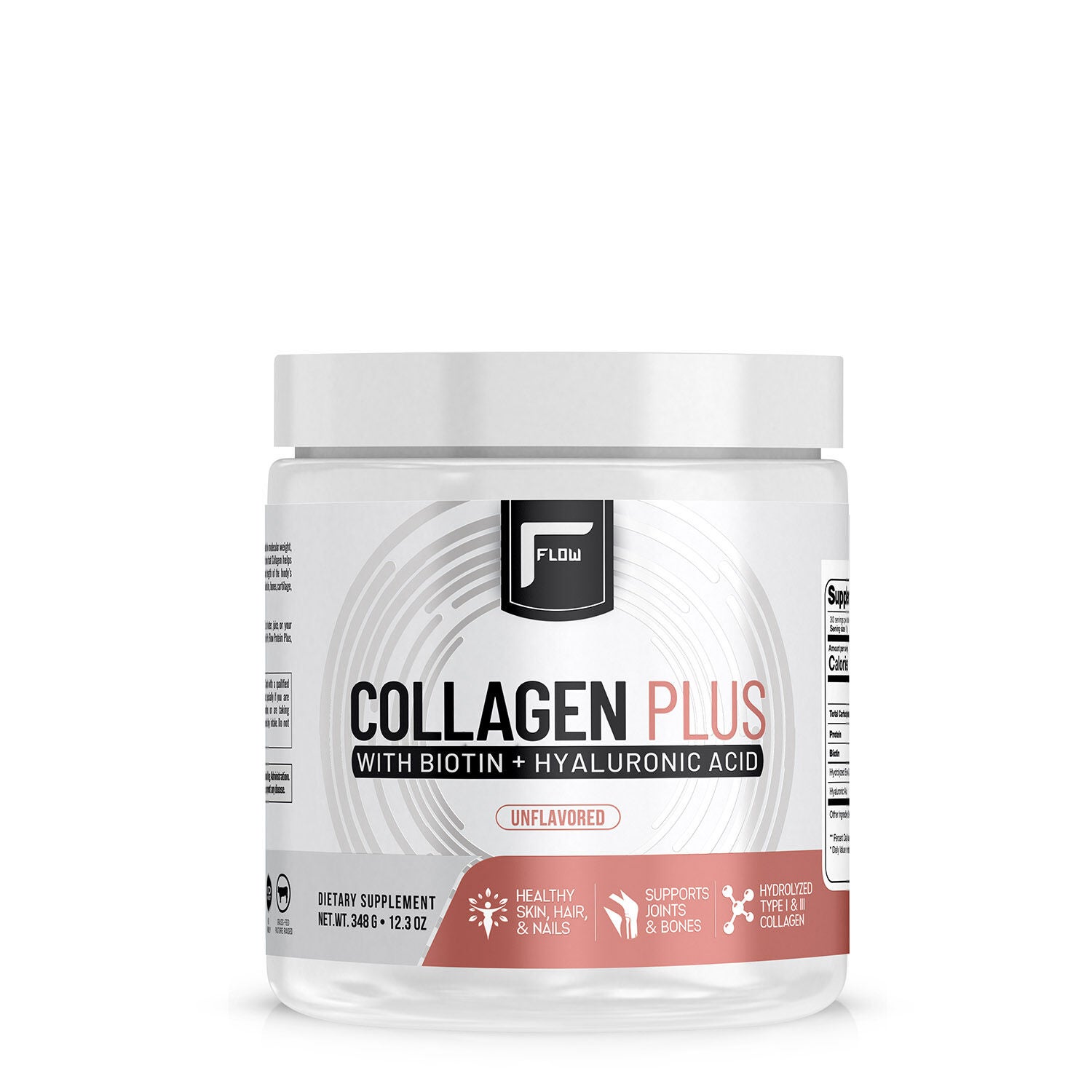
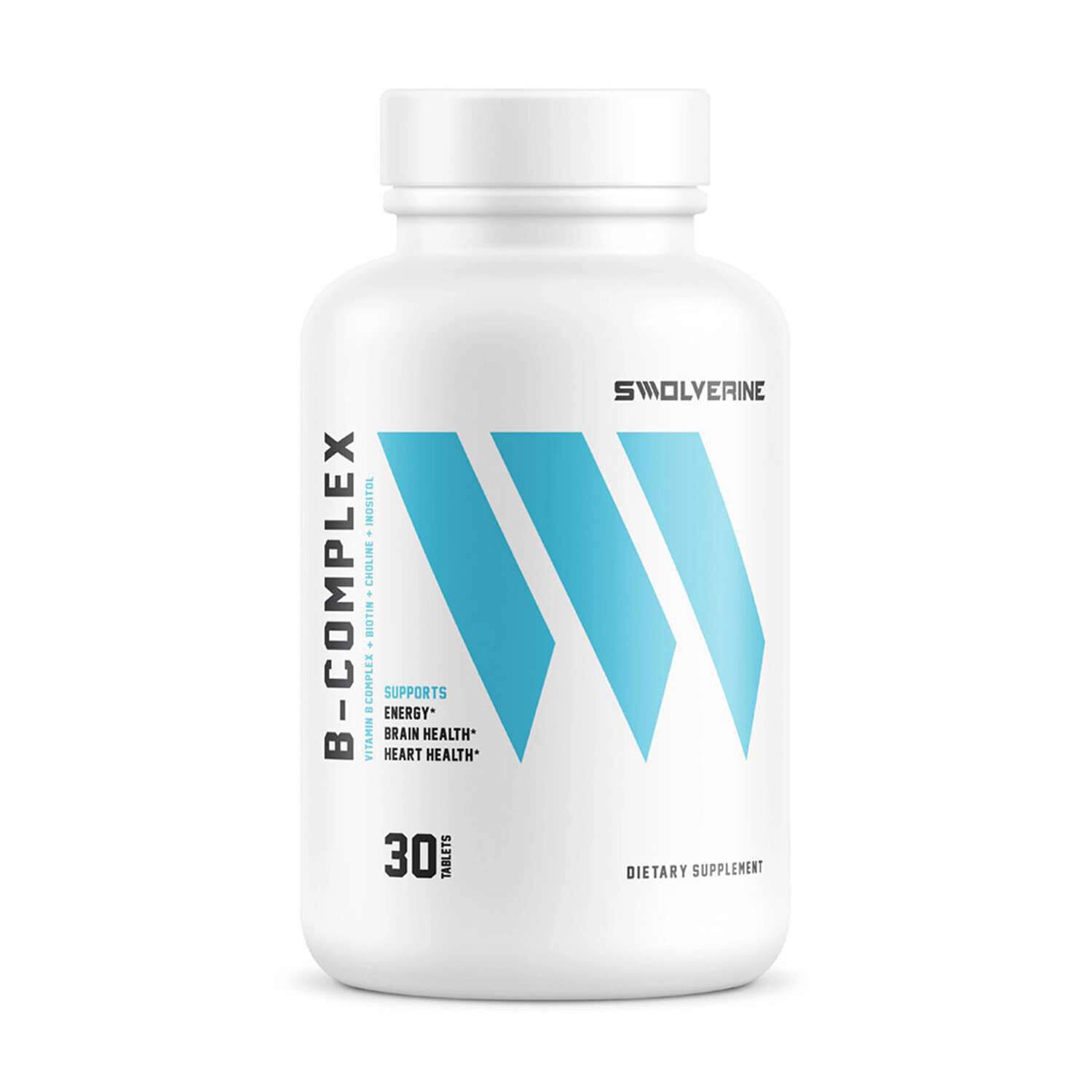
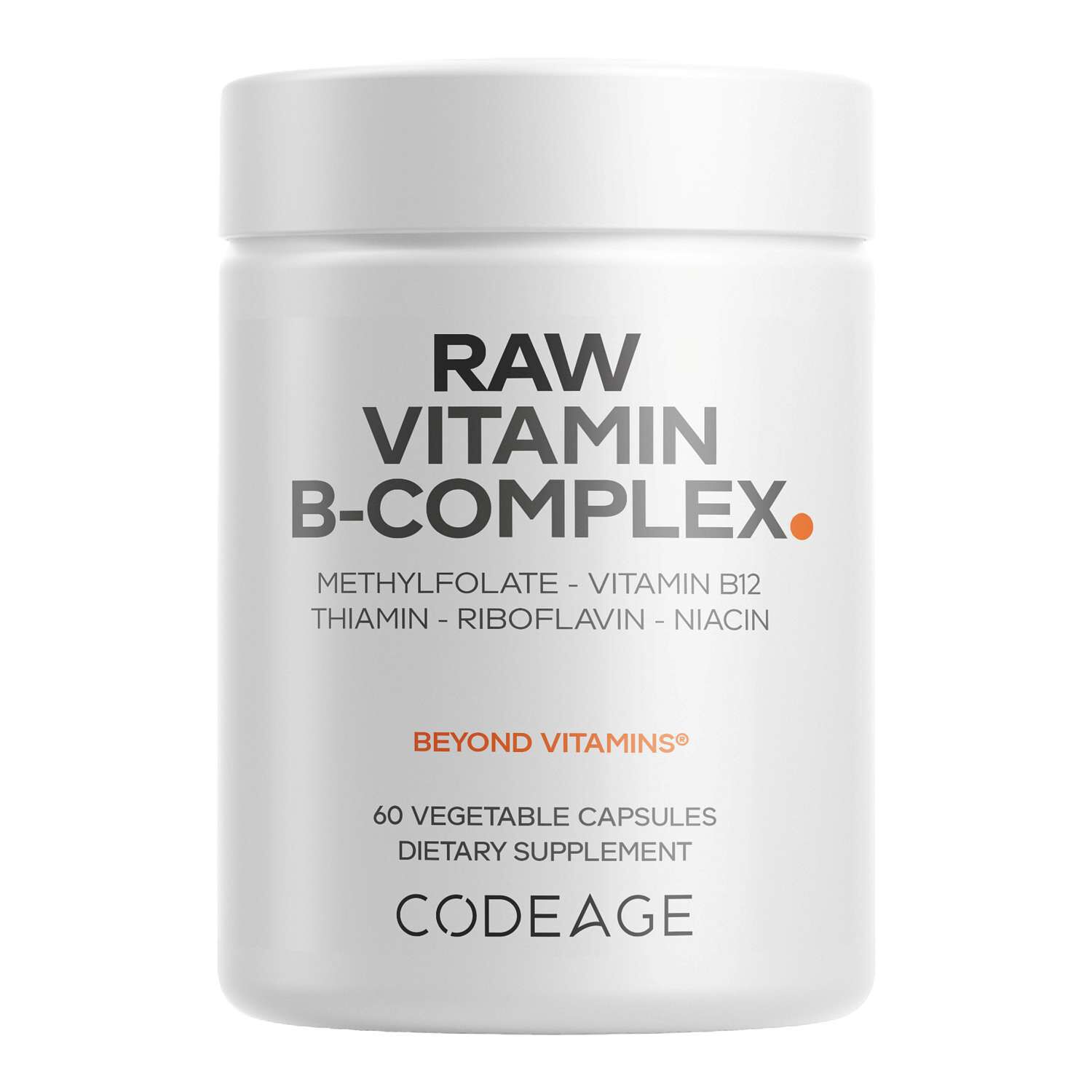
The differences between tablets, capsules, softgels, gummies, and liquids are often practical rather than cosmetic. Tablets and capsules generally have little emphasis on flavor, while gummies introduce taste, texture, and ingredients used to create their chewable form. Liquids have their own measuring directions, bottle designs, and storage requirements. A person who prefers a compact bottle beside the breakfast dishes may prioritize a different format from someone who wants individually packaged servings for a travel bag. Serving size is an important part of that comparison because the number of pieces in a container is not necessarily the number of servings. A bottle with 60 gummies and a labeled serving of two gummies contains 30 servings, whereas another format may list one tablet per serving. Biotin amounts are commonly expressed in micrograms, abbreviated mcg, and some labels use milligrams, abbreviated mg; one milligram equals 1,000 micrograms. Reading those units together with the serving size gives the front-label number its proper context. The Supplement Facts panel also distinguishes a single-nutrient formula from one containing additional vitamins, minerals, or other ingredients. Combination products may include nutrients such as zinc or vitamin C, but the longer ingredient list is a description of composition, not proof of a different hair outcome. Other ingredients deserve attention, too. Gummies may contain gelatin, pectin, added sugars, or alternative sweeteners, while capsule shells may use gelatin or plant-derived materials. A plant-derived shell does not necessarily describe every ingredient inside it, so dietary suitability depends on the whole formula. Allergen statements, ingredient sources, and stated dietary attributes can matter to shoppers with particular food preferences. Flavor descriptions and coating ingredients may also influence the day-to-day experience. These details offer concrete ways to distinguish formulas without relying on dramatic language about hair appearance. Packaging photographs can convey format and bottle design, but the written label supplies the serving information and ingredient details needed for a meaningful comparison.
For shoppers interested in formulas that address more than one beauty-related category, Biotin Supplements For Hair And Nail Vitality provides a related collection to explore. The overlap reflects how biotin formulas are commonly organized, not an expectation that one supplement will produce the same experience for every person. Intended use, age-related labeling, and format remain relevant even when two collections share similar ingredients. Some formulas are labeled for adults, and a familiar flavor or colorful gummy shape does not make a product suitable for everyone in a household. A supplement routine also involves ordinary handling details that are easy to overlook when attention is focused on the front of the bottle. Storage directions can differ by format, and the original container carries information such as the lot number, date marking, ingredient list, and labeled serving. A bathroom shelf near a steamy shower and a kitchen cabinet beside a dishwasher are different storage environments, making the package directions more informative than assumptions based on where other personal-care products are kept. Securely closed packaging and clearly readable labels are useful characteristics for products used repeatedly over time. When comparing container sizes, servings per bottle can be more informative than the container’s height or the number of pieces shown on the front. Taste and texture may influence whether a format fits comfortably into an existing routine, but those sensory qualities do not indicate how hair might respond. Likewise, before-and-after imagery and striking front-label numbers do not replace ingredient information or establish an individual result. The most meaningful distinctions within this category are straightforward: what the formula contains, how those amounts are expressed, which format it uses, and what its label says about intended use and storage. With those details in view, biotin supplements may fit a thoughtful personal-care routine without turning a hair-focused shopping preference into an expectation of visible change.
Best Sellers
-
 Vital Proteins
-
GNC Women's