





Biotin Supplements For Men Hair Health
(0 Results)
Biotin supplements for men hair health could be a valuable addition to your daily routine. Designed with men’s unique wellness needs in mind, these supplements may support overall vitality and help you maintain confidence in your appearance. Explore a range of biotin options that might fit seamlessly into your lifestyle and wellness goals.
-

-
-
 Amazing Nutrition$13.99
-
 $17.99
-
 Portions Master$29.99
-

-
 $15.99
-
 Amazing Nutrition$13.99
-
-

-
-

-
 $24.99
-
-


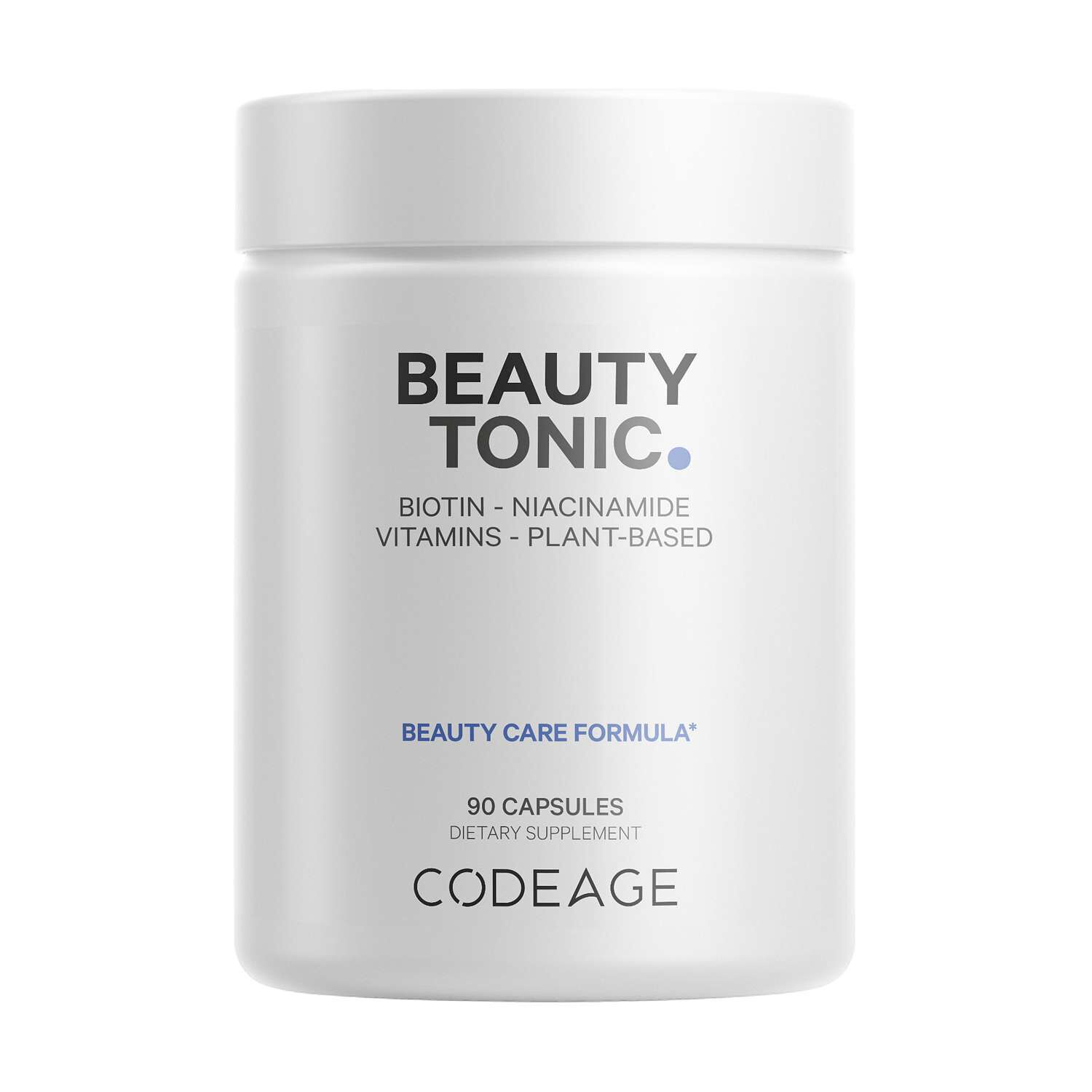
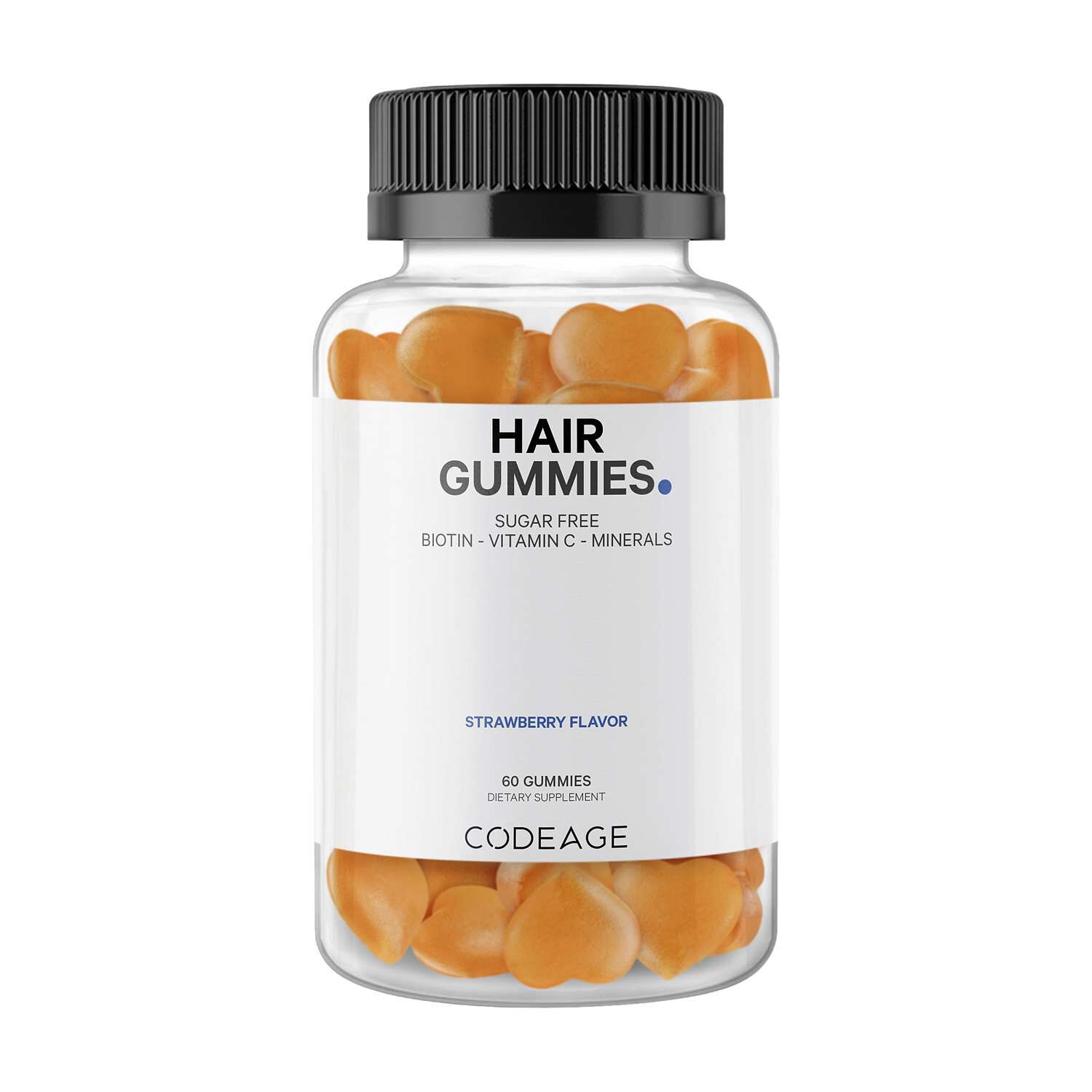


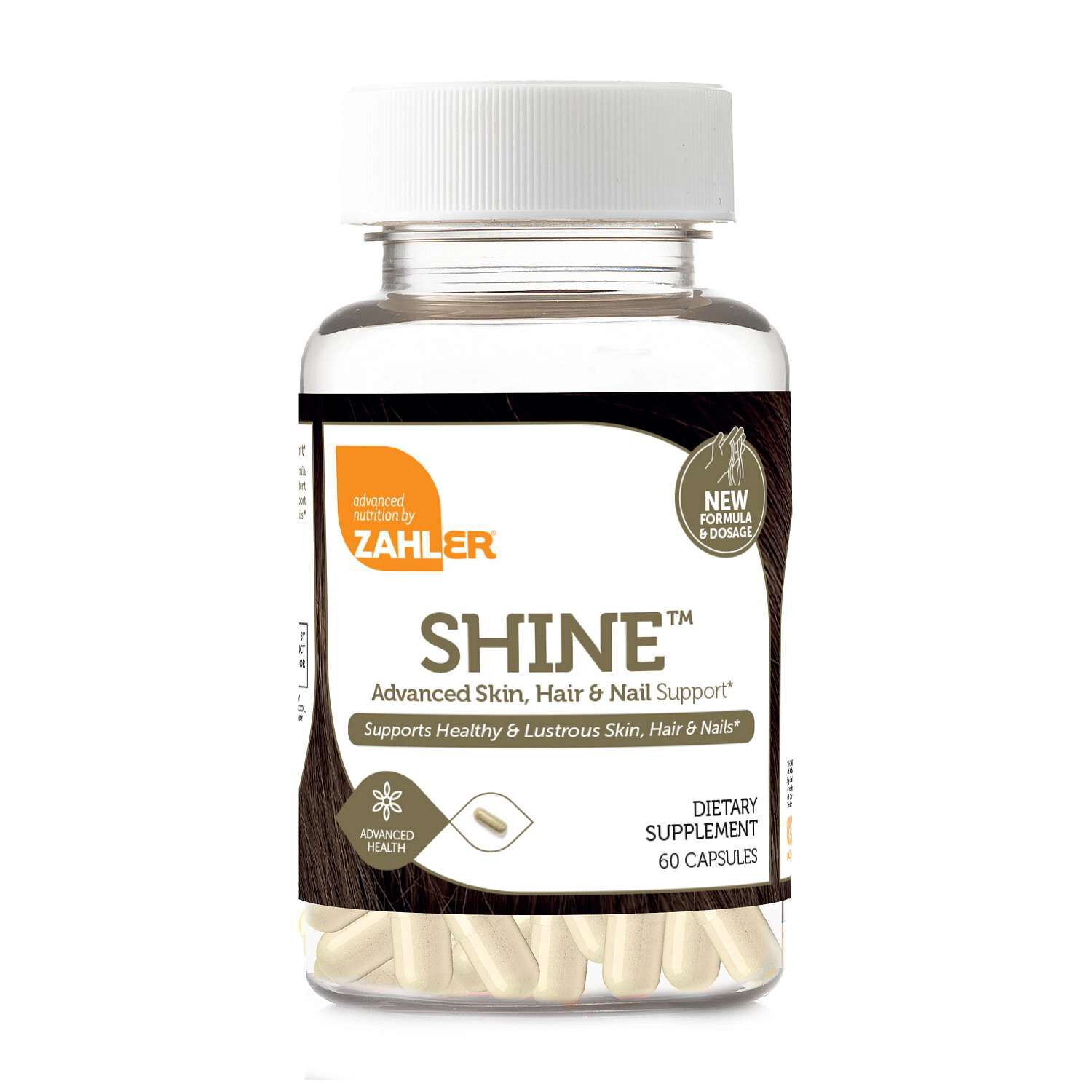
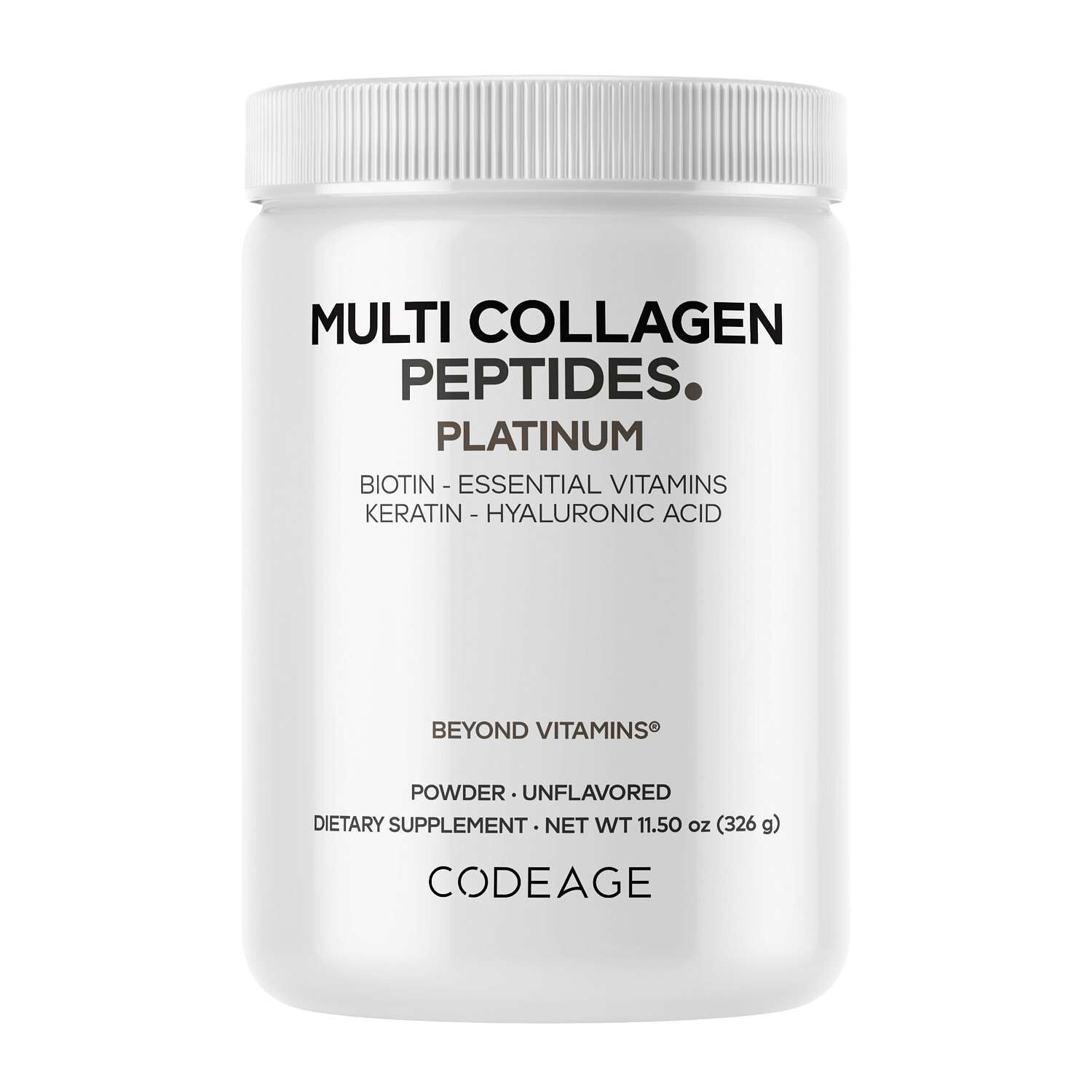
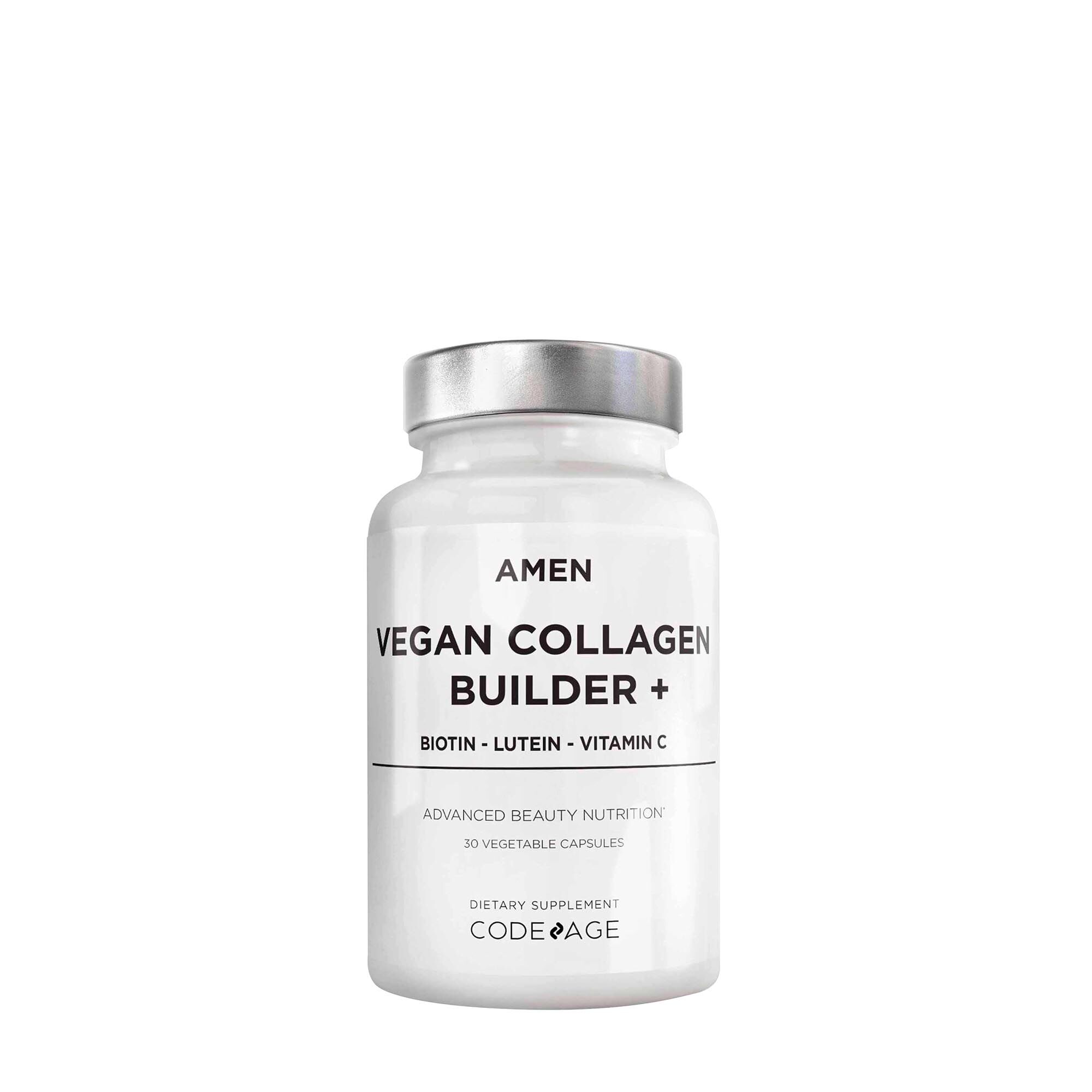
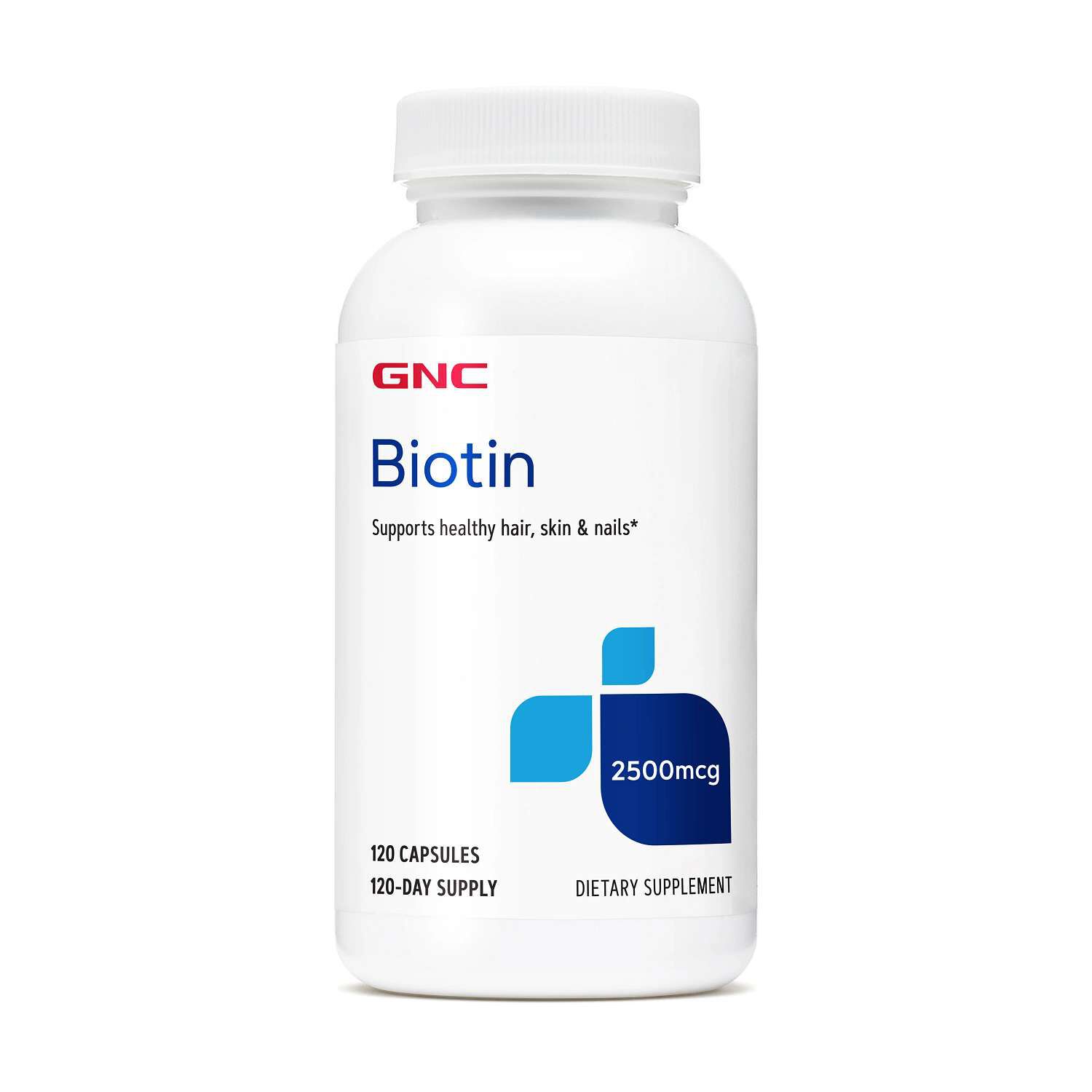
Biotin supplements for men’s hair health bring a familiar B vitamin into a category focused on everyday nutrition and grooming routines. Biotin, also known as vitamin B7, is a water-soluble vitamin found in foods such as eggs, fish, meat, nuts, seeds, and certain vegetables. Its presence in hair-focused supplements can make it seem like a specialized ingredient, but biotin is also part of an ordinary, varied diet. For adults, the established adequate intake is 30 micrograms per day; that dietary reference is not a serving recommendation for changing hair growth. Evidence that additional biotin promotes hair growth in men who already consume enough of the nutrient is limited. A hair-focused label does not, by itself, establish faster growth, greater thickness, or a change in a receding hairline. That distinction matters when comparing supplements with the very different expectations attached to shampoos, styling products, and other parts of a grooming routine. Biotin supplements are intended for dietary use, not for application to the scalp or hair. Men with cropped cuts, longer styles, straight strands, or tightly coiled hair may consider the same basic supplement formats, since hairstyle does not determine the amount of biotin in a serving. The more useful differences are found on the label: the serving size, ingredient list, nutrient amounts, and directions for use. Hair appearance also reflects characteristics that a supplement label cannot capture, including texture, styling habits, and the way a cut sits around the temples or crown. A fuller-looking finish from a styling product is not the same thing as a nutritional effect. Keeping those distinctions clear makes this category easier to understand without attaching unrealistic expectations to a capsule, tablet, or gummy. The relevant comparison is between dietary formulations and their practical fit within an existing routine, rather than between dramatic before-and-after claims.
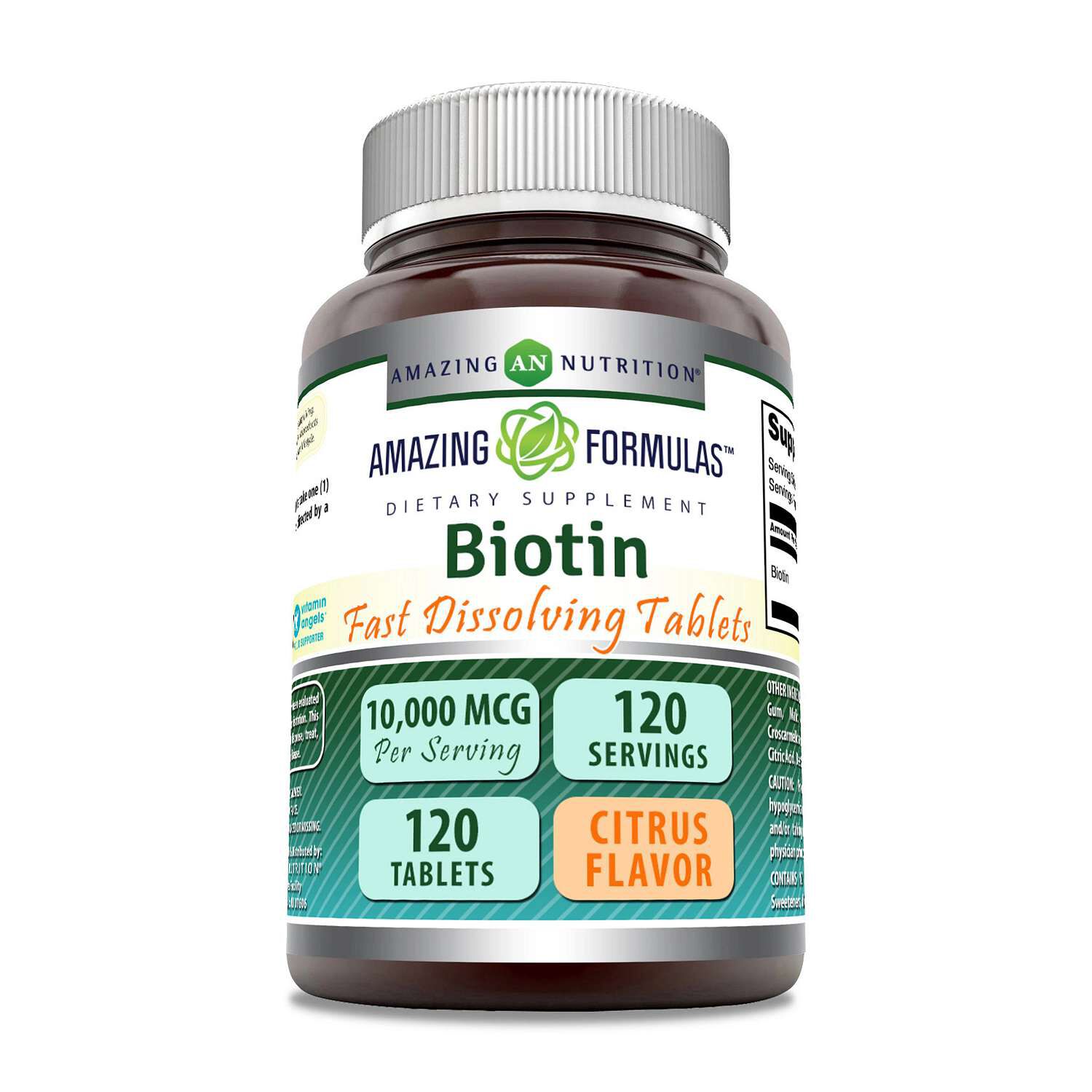
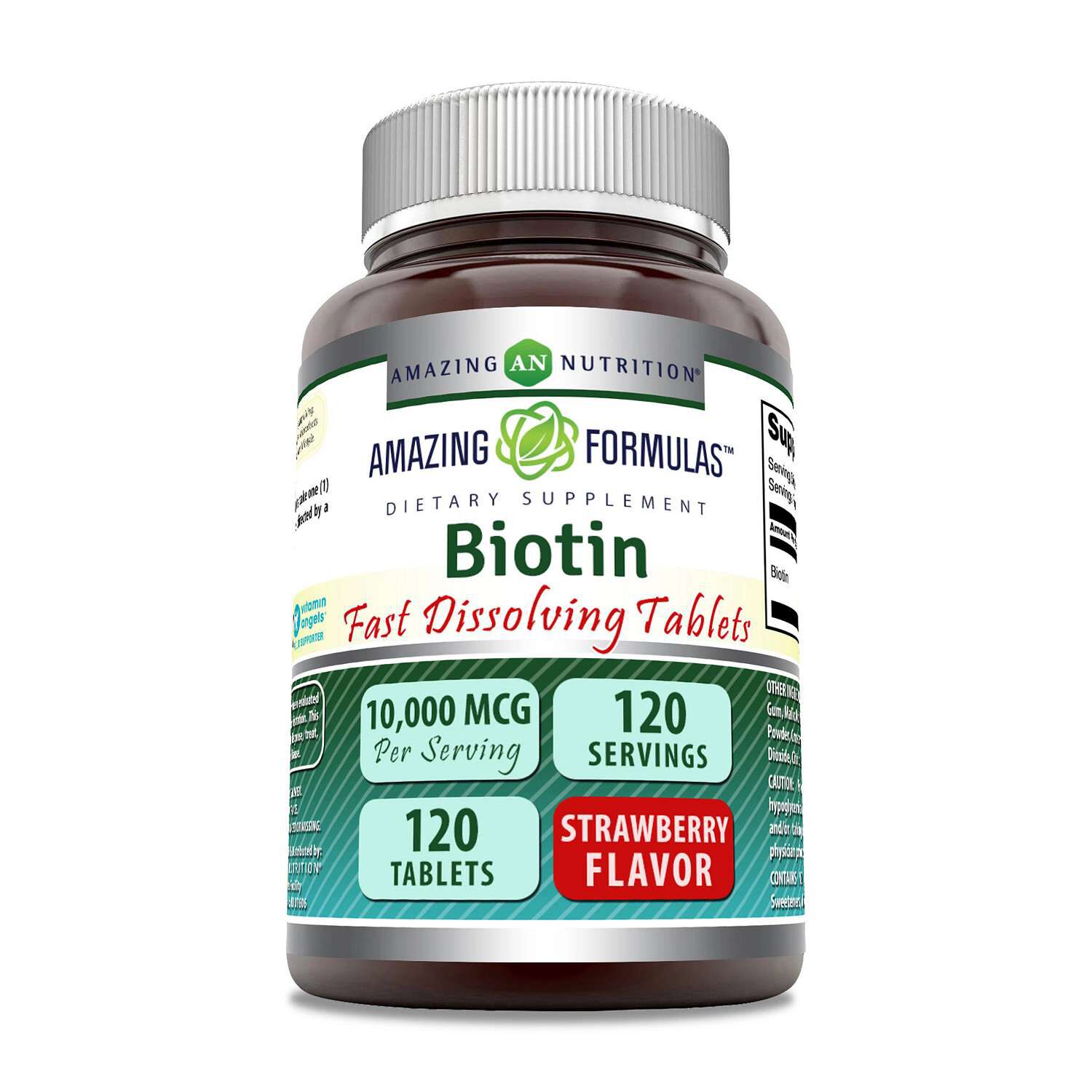
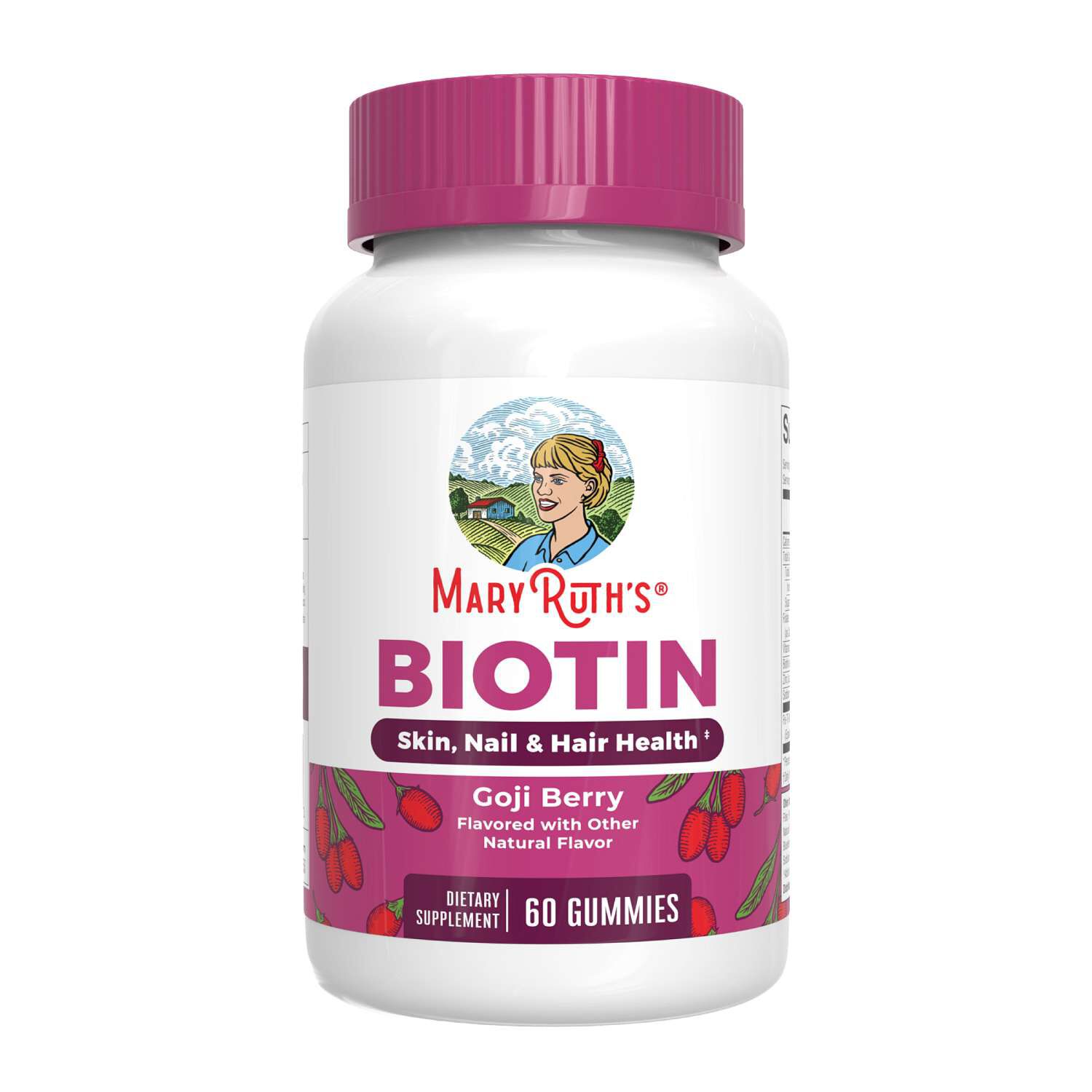
Format is often the first practical distinction among biotin supplements. Capsules and tablets offer familiar options for men who prefer an unflavored supplement, while gummies introduce considerations such as taste, texture, sweeteners, and the number of pieces in a serving. A serving is not always a single capsule, tablet, or gummy, so the count on the front of a bottle and the serving size on its Supplement Facts panel describe different things. Nutrient amounts may appear in micrograms, abbreviated mcg, or milligrams, abbreviated mg. One milligram equals 1,000 micrograms, making matching units an important part of a meaningful comparison. Larger printed numbers do not establish greater hair benefits, and package size alone says little about the amount per serving. Single-ingredient biotin supplements keep the nutrient focus narrow, while combination formulas may include other vitamins, minerals, or ingredients associated with hair-focused nutrition. Those additional ingredients deserve the same attention as biotin, particularly when a daily routine already includes a multivitamin or another supplement with overlapping contents. The Supplement Facts panel identifies declared nutrient amounts; the other ingredients list describes components such as capsule materials, binders, flavors, colors, and sweeteners. Capsule shells may use gelatin or plant-derived materials, while gummy bases may use gelatin or pectin. Dietary preferences therefore depend on the specific formulation rather than the format name alone. A gummy is not automatically vegetarian, and a capsule is not automatically made with gelatin. Allergen statements and dietary labeling provide further distinctions for shoppers with ingredient preferences. For someone who dislikes sweet flavors, a tablet or capsule may be a more comfortable routine choice. For someone who prefers a chewable format, the texture and serving count may matter more. These details are less eye-catching than a large nutrient number, but they make comparisons more grounded in how a supplement would actually be used.
A practical fit also includes storage, packaging, and the rhythm of daily life. A bottle kept in a dry cabinet has a different setting from one left beside a steamy shower or in a car, and the package’s storage directions remain the reference for handling. Moisture, heat, and an improperly closed lid may affect the condition of tablets, capsules, or gummies. Original packaging keeps ingredient information, serving directions, and date markings together, which is especially useful when several supplements share similar-looking containers. Child-resistant closures still require careful storage away from children, and a gummy’s candy-like appearance does not change its intended use as a dietary supplement. For travel, package dimensions and a secure closure are practical considerations, along with keeping the label accessible rather than carrying unidentified pieces. At home, the most convenient format may be the one that fits an established routine without adding an unwanted flavor, an awkward serving count, or another bulky container to a crowded shelf. Convenience, however, is separate from evidence of a hair benefit. Biotin may interfere with certain laboratory test results, making supplement amounts and timing relevant information in healthcare settings. That consideration applies even when a supplement is purchased for a cosmetic interest such as hair appearance. Men exploring a closely related category can also compare Biotin Supplements for Hair Strength, with the same attention to serving information, ingredient overlap, and realistic expectations. Across hair-focused biotin supplements, the most meaningful differences are often straightforward: what the formula contains, how much a labeled serving provides, what materials make up the capsule or chew, and how the packaging suits everyday use. Those concrete details offer a sounder basis for selection than imagery of unusually dense hair or language suggesting a dramatic transformation. A clearly labeled formula and a manageable format may suit a nutritional routine, while remaining distinct from a treatment for changes in hair growth or density.
Best Sellers
Related Pages
Top Collections
- GLP 1 Support For Adults
- Joint Mobility Supplement Packs
- Supplements For Balance
- Supplements For Yoga Joint Flexibility
- Zinc Supplements | Top Brands at Great Prices | GNC
- Capsule Supplements For Energy And Stamina
- Supplements For Anxiety Relief Support
- Iron Supplements
- Vitamins For Hair Loss
- Cortisol Supplements