Biotin Supplements With No Artificial Colors
(0 Results)
Biotin supplements with no artificial colors could be a great addition to your wellness routine for those seeking a cleaner approach to daily nutrition. These options may appeal to individuals who prefer their vitamins and supplements free from added dyes or unnecessary ingredients. Explore a wide selection of biotin supplements with no artificial colors that might support your health and lifestyle goals.
-
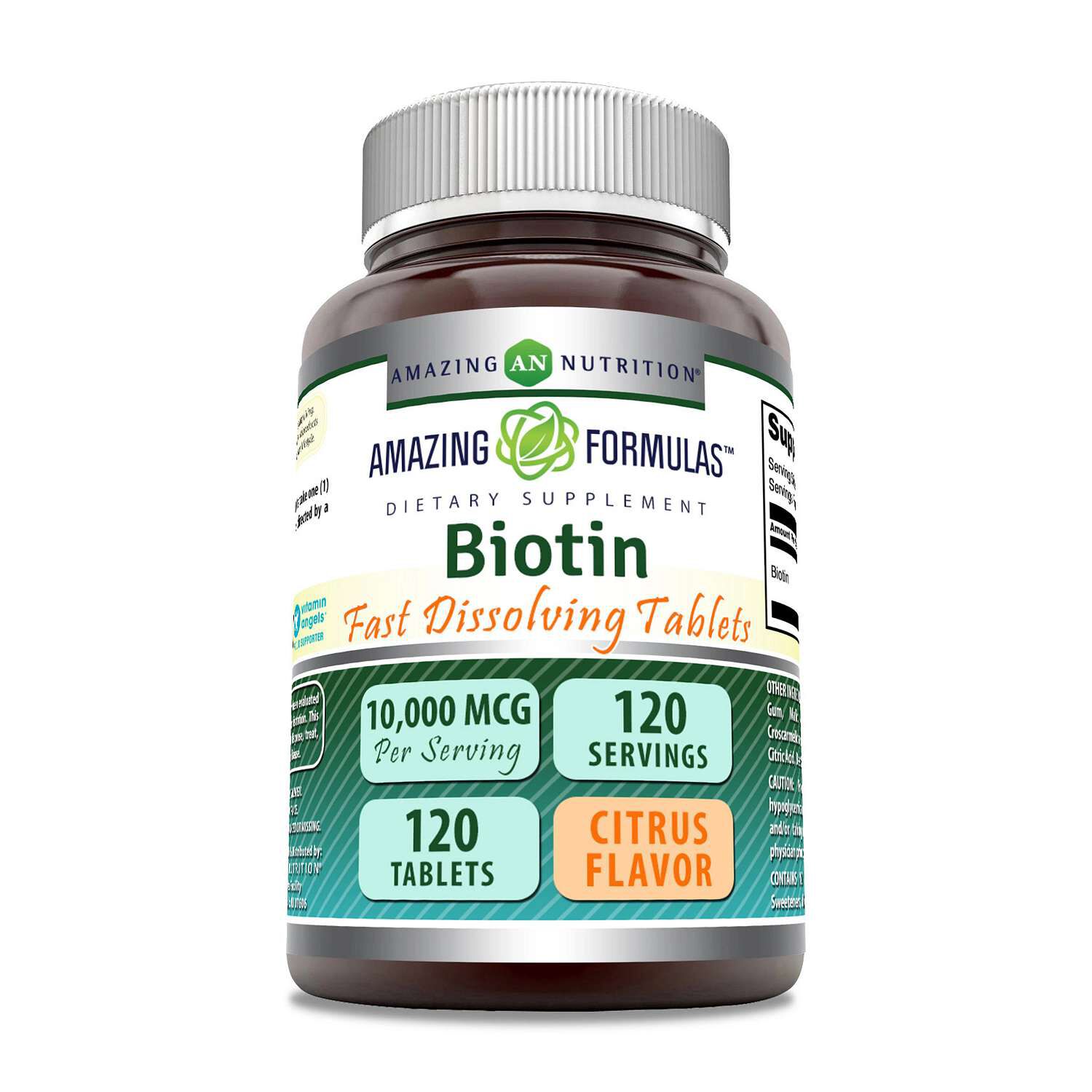 Amazing Nutrition$13.99
-
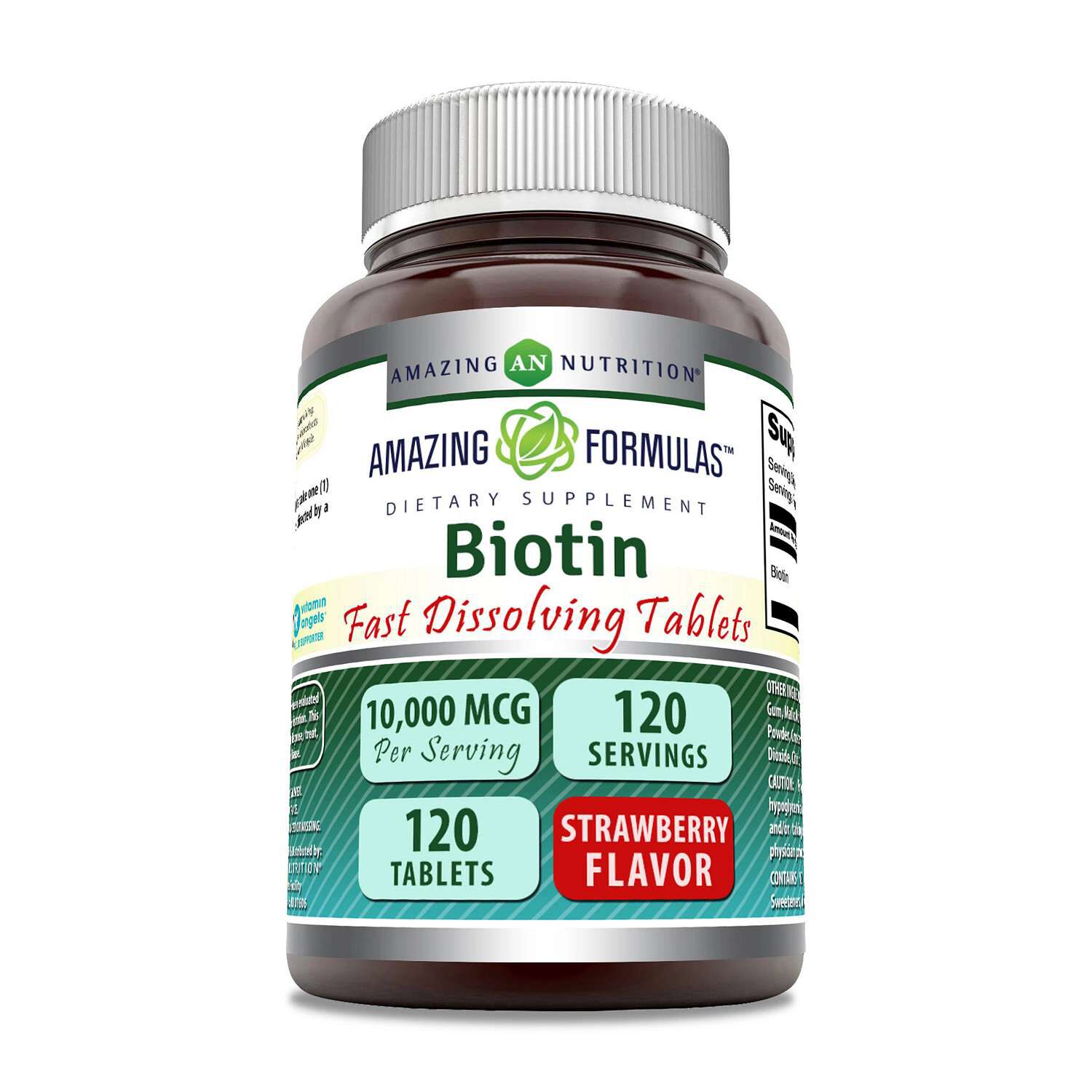 Amazing Nutrition$13.99
-
-

-
-
 $17.99
-
-

-
-
 $15.99
-

-
-
-

-
 $15.99
-
-
-
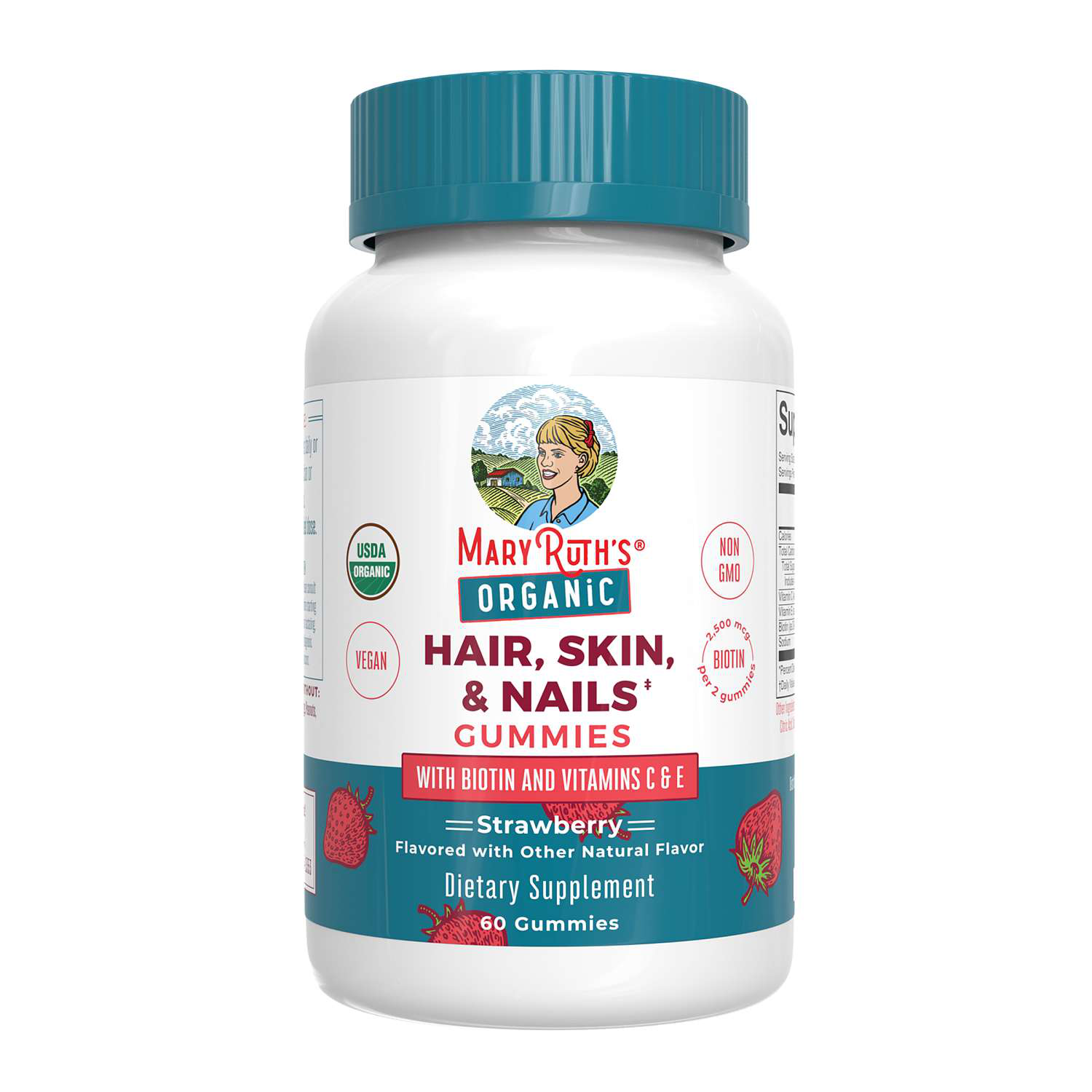

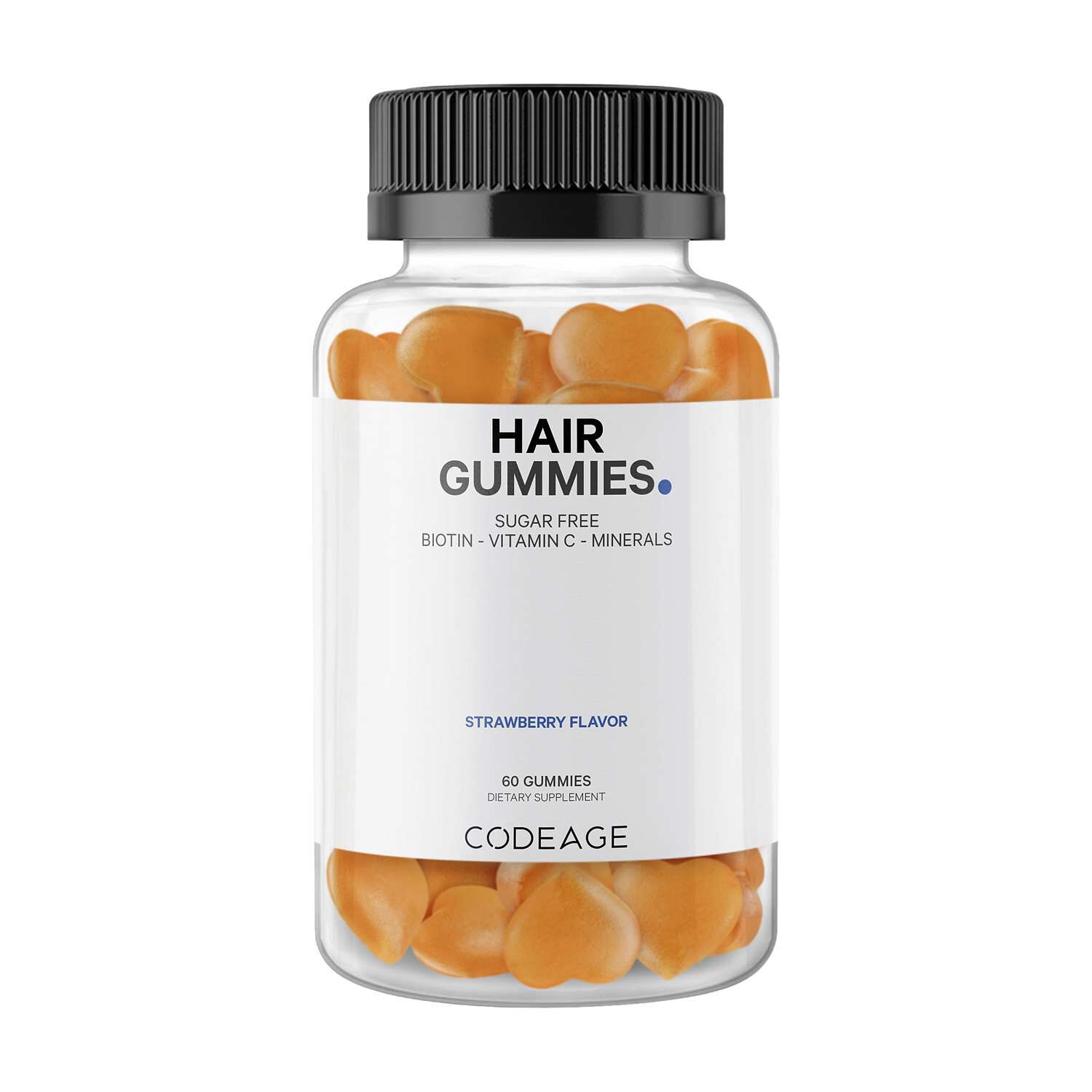
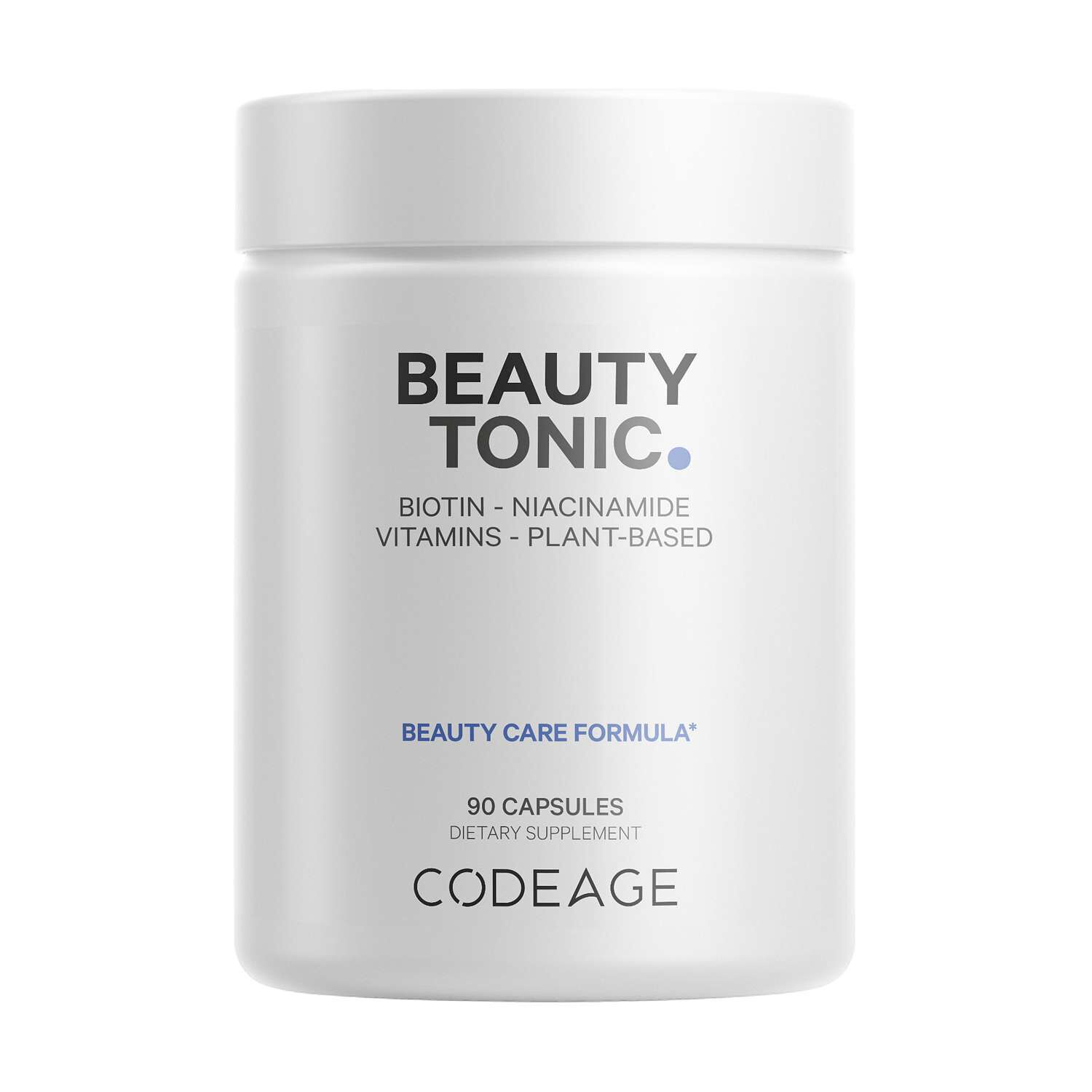


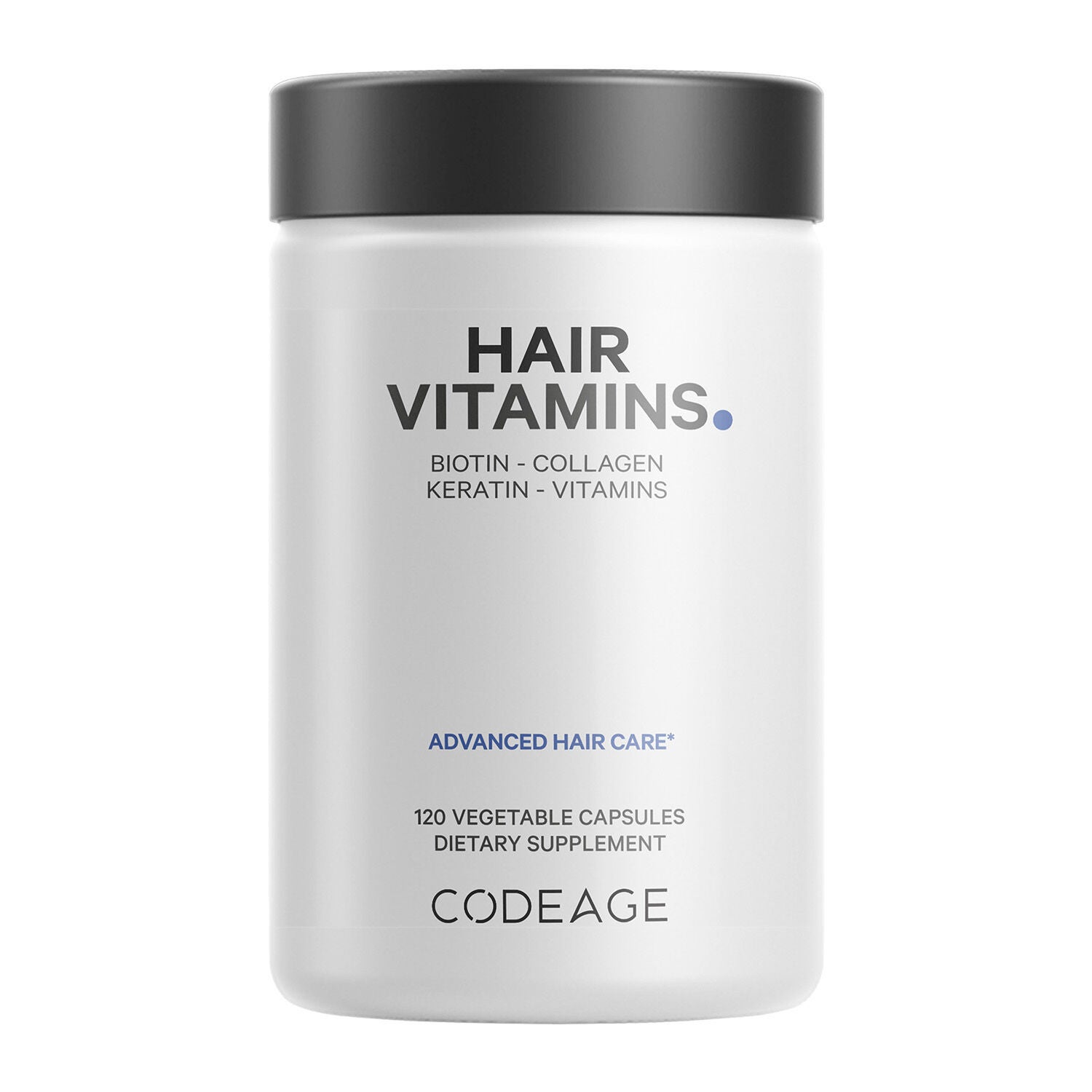
Biotin supplements with no artificial colors are vitamin B7 formulas made without added synthetic colorants. Biotin is a water-soluble B vitamin found in foods such as eggs, nuts, seeds, and certain vegetables, and it also appears in single-nutrient supplements and blended formulas. For shoppers who prefer to leave artificial dyes out of their daily routines, this category brings attention to an ingredient detail that can otherwise be easy to overlook. The distinction concerns how a supplement is formulated, not a particular strength, shape, or delivery method. Capsules, tablets, softgels, gummies, and liquids can differ in their coloring ingredients, so the format alone does not establish whether a formula meets that preference. The most useful starting points are the package statement about artificial colors and the Other Ingredients list, where shell materials, coatings, flavors, and colorants are typically disclosed. Synthetic color additives may appear under names such as FD&C Red No. 40 or FD&C Yellow No. 6. A supplement without artificial colors is not necessarily colorless: ingredients can have their own appearance, and some formulas use color from fruit, vegetable, or other sources. Conversely, a pale tablet or transparent capsule is not enough evidence on its own. Reading the ingredient statement matters more than judging a bottle by the color visible through its packaging. The claim also does not describe every other aspect of the formula. A supplement made without artificial colors may still contain sweeteners, flavoring ingredients, coatings, or preservatives, and it is not automatically vegan or suited to every dietary preference. Keeping these distinctions separate makes it easier to compare formulas on the details that matter to a particular routine. Someone who avoids synthetic dyes but enjoys a flavored gummy may have different preferences from someone seeking an unflavored capsule with fewer supporting ingredients. Both preferences belong within the same broader category when the labeling supports the no-artificial-colors description.
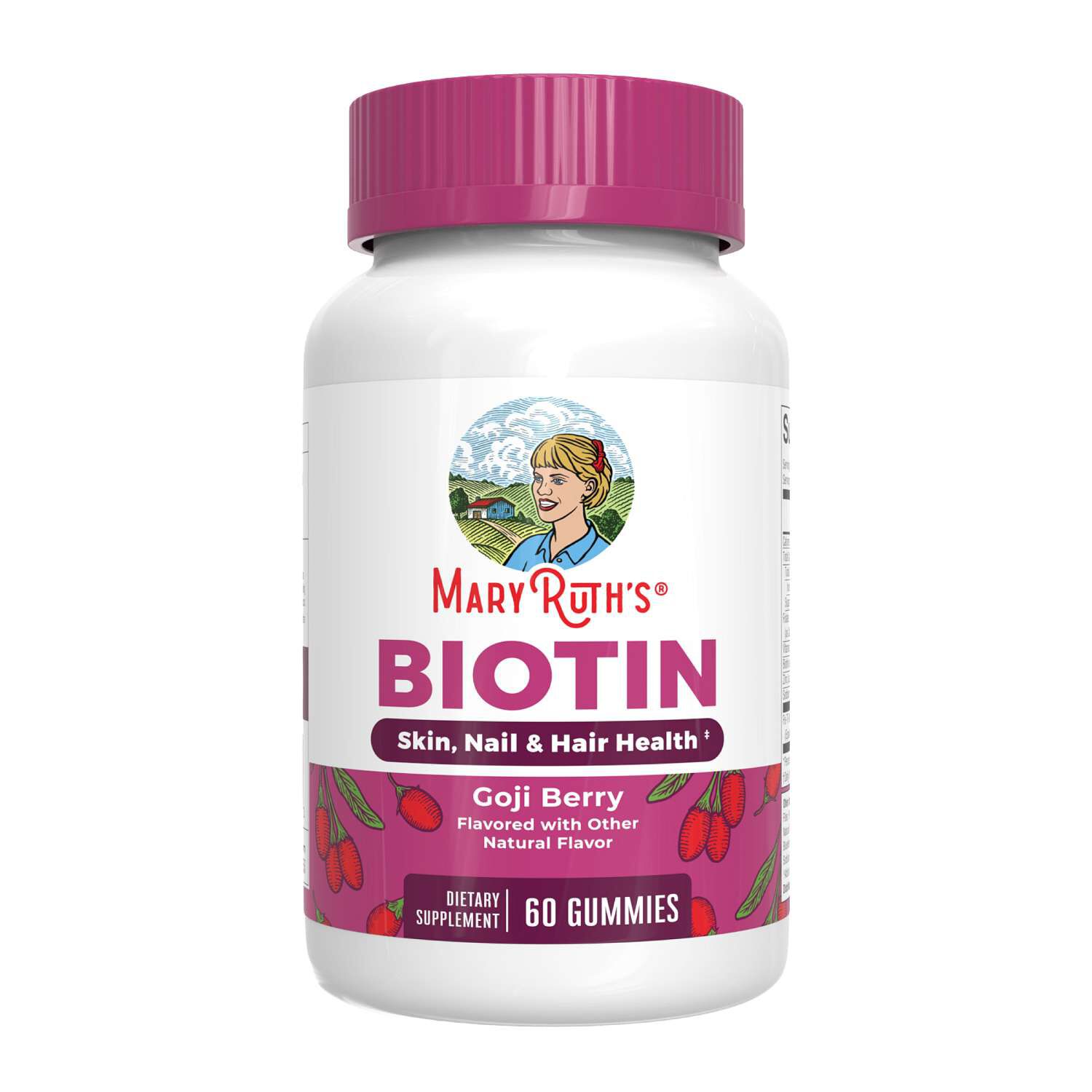
Physical format often shapes the everyday experience of a biotin supplement as much as its ingredient preferences do. Capsule shells can use materials such as cellulose or gelatin, while softgels commonly pair a flexible shell with a liquid or oil-based fill. Tablets contain ingredients that help form and hold their shape, sometimes with an outer coating. Gummies have a chewy texture and may contain pectin or gelatin, along with sugars, sweeteners, flavors, or coloring ingredients. Liquid formats introduce another consideration: the package may call for measuring a serving rather than counting individual pieces. These differences make size, texture, taste, and preparation relevant alongside the absence of artificial colors. For someone who dislikes flavored supplements, an unflavored format may fit an established routine; someone who prefers a chewable format may put more emphasis on texture and the sweetener list. Capsule material also deserves a closer look when animal-derived ingredients are a concern. A cellulose shell describes one component, but the rest of the formula still needs its own review before drawing conclusions about dietary suitability. The Supplement Facts panel adds a separate layer of comparison by identifying the amount of biotin per serving and the number of capsules, tablets, or gummies in that serving. Biotin amounts are often expressed in micrograms, abbreviated mcg, so matching the unit matters when reading labels. A bottle containing more individual pieces does not necessarily contain more servings. Likewise, the number printed prominently on the front does not describe the serving format or the other ingredients inside. Single-nutrient formulas place biotin at the center, while combination formulas include additional nutrients or ingredients that deserve the same attention. Biotin also appears in formulas labeled for hair, skin, and nails, making this category relevant to shoppers whose supplement preferences overlap with personal-care routines. The labeling, rather than the appearance or front-panel design, provides the clearest basis for understanding those differences.
Choosing among biotin supplements without artificial colors often comes down to deciding which other attributes belong on the same checklist. Dietary statements, ingredient sources, serving format, and packaging details answer different questions and should not be treated as interchangeable. For example, a statement about genetically modified ingredients does not establish whether artificial colorants are present, and a plant-based capsule shell does not explain the source of every ingredient inside it. Similarly, a third-party testing mark relates to the stated testing program; the mark alone is not a substitute for reading the formula’s color-related disclosure. Shoppers who are also comparing preservation ingredients can explore biotin supplements with no preservatives, keeping in mind that colorants and preservatives serve different formulation purposes. The absence of one does not establish the absence of the other. Practical package details matter after the comparison, too. Storage directions, the best-by date, and the condition of the inner seal are worth checking, particularly for a bottle intended to remain in regular use. Gummies, capsules, and tablets can have different handling instructions, while liquid formats may have directions that apply after opening. The original container carries the ingredient statement, serving information, lot details, and storage instructions together, making it a useful reference throughout use. For a routine divided between home and travel, the bottle’s closure, size, and serving method are practical considerations rather than signs of nutritional quality. A preference for no artificial colors can be a focused starting point without becoming a stand-in for every other product attribute. The most informative comparison brings that preference together with a readable ingredient list, clearly stated biotin content, an appropriate serving format, and the package’s intended-use directions. That combination keeps the shopping decision grounded in what the label actually says and how the supplement would fit into an existing routine.