





Biotin Supplements With No Preservatives
(0 Results)
Discover a selection of biotin supplements with no preservatives, thoughtfully crafted for those seeking a simpler ingredient profile. Biotin, also known as vitamin B7, is a popular addition to daily routines and may support your overall wellness goals. Explore options that fit your preferences and find the right biotin supplements with no preservatives to complement your lifestyle.
-
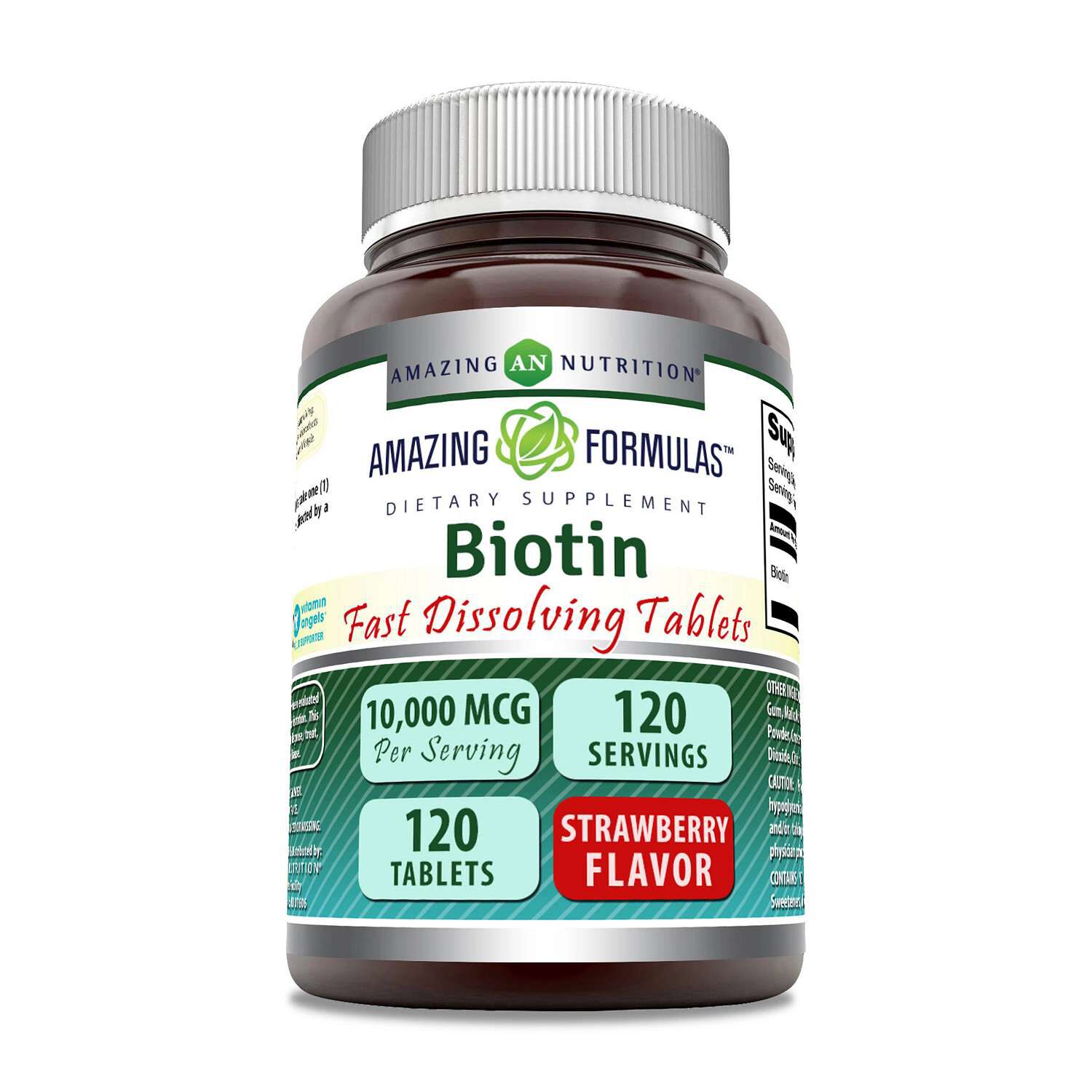 Amazing Nutrition$13.99
-
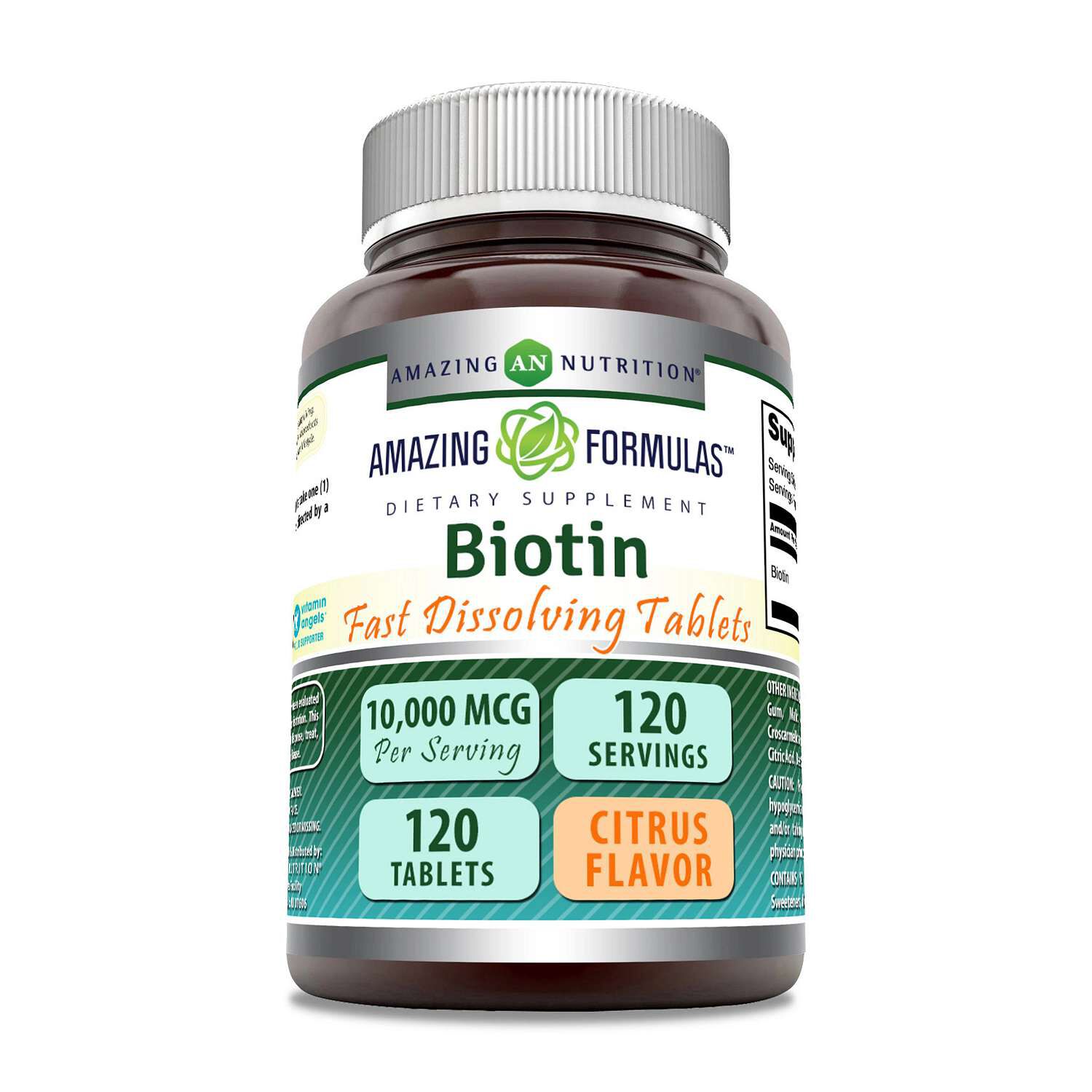 Amazing Nutrition$13.99
-
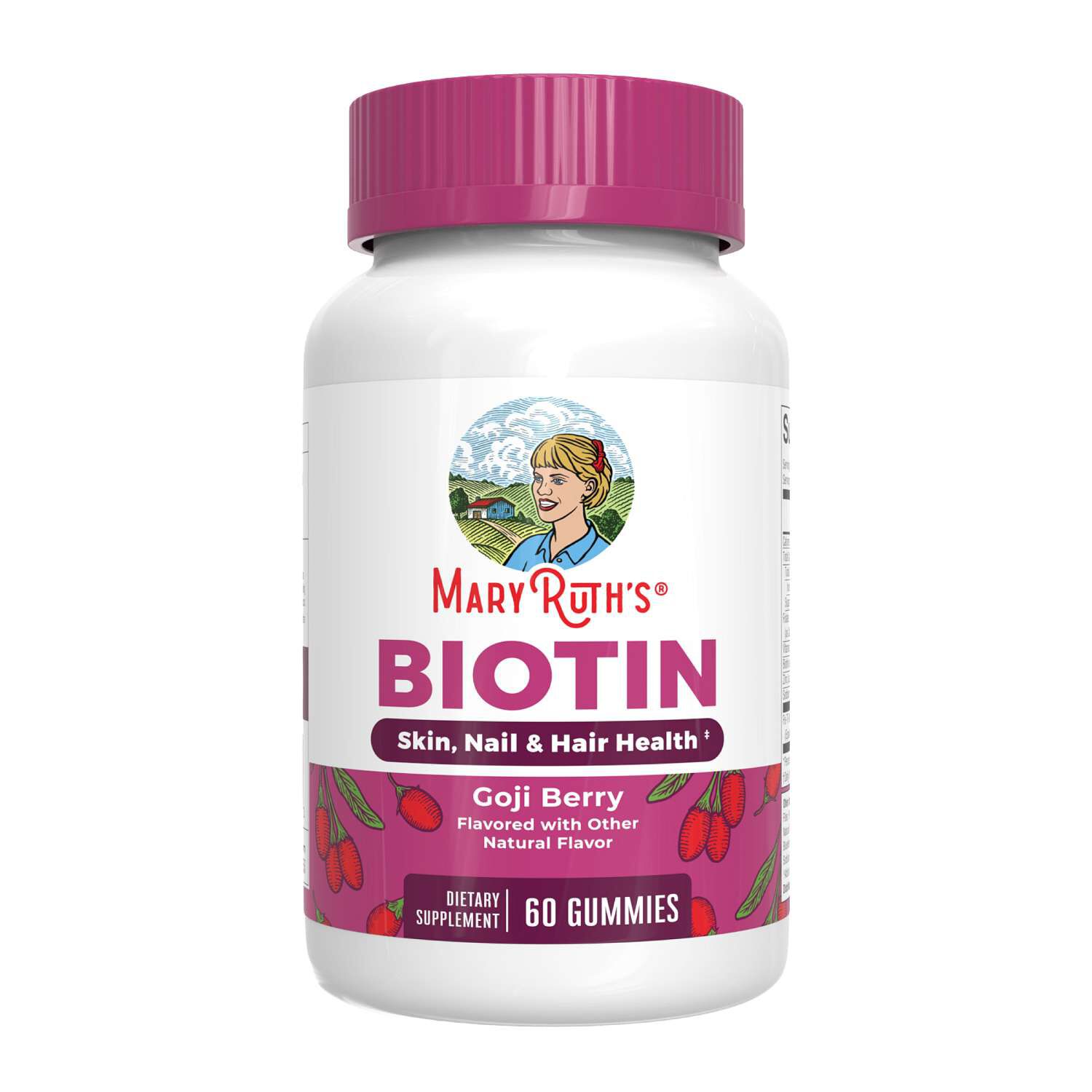
-
 Portions Master$29.99
-
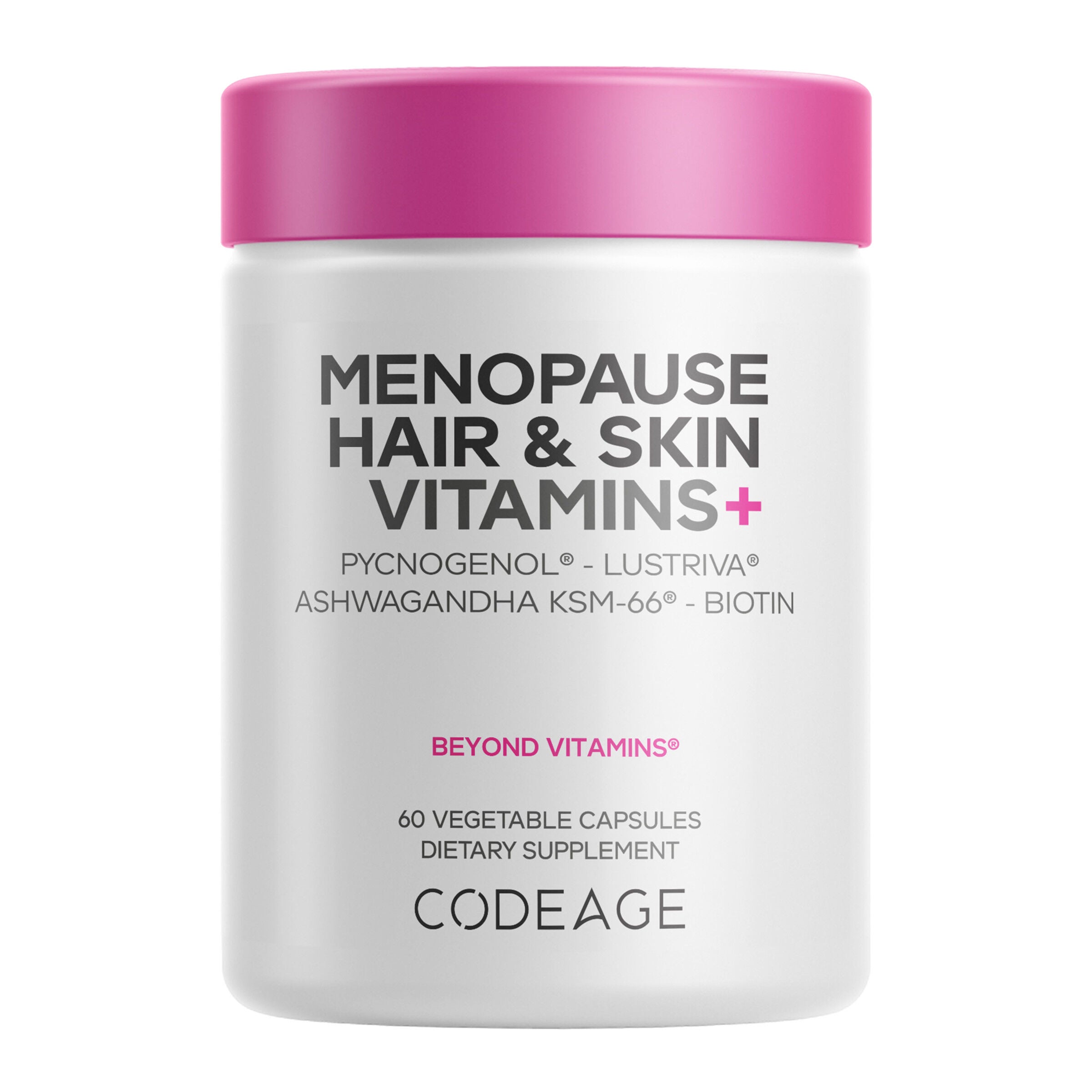
 $15.99


Biotin supplements with no preservatives appeal to shoppers who want a vitamin formula with clearly identified ingredients and an explicit statement about preservatives. Biotin, also known as vitamin B7, is a water-soluble nutrient found in foods such as eggs, nuts, and seeds. On supplement labels, it may also appear as d-biotin. The defining feature of this category is the formulation’s preservative claim, rather than a particular capsule type, serving amount, or ingredient count. “No preservatives” and “no artificial preservatives” describe different standards: the latter addresses artificial preservatives specifically, while the former is a broader statement. That distinction matters when comparing otherwise similar bottles. A short ingredient list alone does not establish that a formula contains no preservatives, and a longer list does not automatically mean that preservatives are present. The Supplement Facts panel identifies the declared nutrients and their amounts, while the Other Ingredients section provides details about ingredients used outside that panel. Cellulose, rice flour, capsule materials, and other formulation ingredients can appear in biotin supplements for reasons unrelated to preservation. Their presence needs to be understood in the context of the label rather than treated as evidence that a product does or does not meet a particular preference. Likewise, a no-preservatives statement does not necessarily describe the product’s colors, sweeteners, flavorings, or animal-derived ingredients. Each of those characteristics has its own labeling considerations. Some shoppers seek biotin as a stand-alone nutrient, while others encounter it in formulas containing additional vitamins or minerals. Both approaches call for attention to the entire formulation, not just the biotin amount printed prominently on the bottle. For this category, the most meaningful comparison brings together the preservative statement, the Supplement Facts panel, and the full ingredient list. Those details offer a clearer picture than broad descriptions such as “simple” or “natural,” which do not identify the specific ingredients included or omitted.
Format and serving information add another layer to the comparison. Capsules, tablets, powders, gummies, and liquids differ in their materials, texture, flavor, and directions for use; none of these formats, by itself, establishes whether preservatives are present. A capsule shell may be made with cellulose or gelatin, for example, so a capsule format alone does not establish suitability for a vegetarian eating pattern. Tablets may contain binders or coating ingredients, while flavored formats may include sweeteners, colors, or ingredients related to texture. Those differences make the actual label more informative than assumptions about how a supplement looks. For someone who prefers an unflavored format, capsule or tablet dimensions might matter more than taste. Someone who dislikes capsules might place greater importance on texture, measuring requirements, or the ingredients in another format. Serving size also deserves a separate look from the amount of biotin. The amount listed per serving is not necessarily the amount in one capsule, tablet, or gummy. Biotin quantities can be expressed in micrograms, abbreviated mcg, or milligrams, abbreviated mg; one milligram equals 1,000 micrograms. Comparing the same unit helps avoid mistaking a different way of writing an amount for a different amount altogether. A bottle’s unit count and its number of servings are separate details as well. These are practical distinctions, not evidence that a larger printed number is a better match for every shopper. Other dietary preferences remain separate from the preservative question. A formula described as having no preservatives does not automatically establish its suitability for a particular dietary restriction, nor does it establish the absence of artificial colors. Shoppers interested in that additional characteristic can also explore Biotin Supplements With No Artificial Colors. Color and preservative claims address different aspects of a formula, so reading them separately keeps the comparison grounded in what the label actually says.
The intended place of a biotin supplement in an everyday routine is another useful point of comparison. Some shoppers prefer a single-nutrient formula because they want biotin listed separately from the other supplements they use. Others are comparing blended formulas and want a clear accounting of every declared nutrient. A single-nutrient formula may still contain capsule materials or other ingredients, so “single nutrient” is not the same as “one ingredient.” For a person who keeps supplements in a designated cabinet, the bottle’s dimensions, label readability, and closure style may influence how neatly it fits alongside other containers. For someone packing for an overnight visit, retaining the original packaging keeps the ingredient list, directions, and product identification together. A small container is not necessarily easier to compare if the serving details are difficult to read, and a large bottle does not necessarily represent more servings without checking the label. These ordinary details matter when a supplement becomes part of a repeated routine. Packaging condition and care are relevant, too. An intact seal, legible date information, and clear storage directions are useful features to review regardless of the preservative claim. The absence of preservatives does not replace the manufacturer’s instructions for storage or handling. Keeping the closure secured and following the package directions may help maintain the product’s intended condition, while leaving a bottle open beside a sink introduces avoidable exposure to moisture. Powders and liquids have their own handling directions, and any included measuring accessory belongs in that context rather than being treated as interchangeable with a household spoon. Tablet coatings, capsule materials, and flavored textures also differ, so appearance alone is not a dependable measure of formulation quality or suitability. The most relevant choice reflects the shopper’s ingredient preferences, preferred format, dietary considerations, and the labeled directions for the product. With biotin supplements with no preservatives, the category’s central distinction remains straightforward: an explicit preservative statement supported by clear ingredient information, considered alongside the practical details that make one format a better personal fit than another.
Best Sellers
Related Pages

Top Collections
- Daily Collagen Supplements | Top Brands & Deals | GNC
- Joint Mobility Supplement Packs
- Zinc Supplements | Top Brands at Great Prices | GNC
- Supplements For Yoga Joint Flexibility
- Supplements For Balance
- Chronic Fatigue Supplements
- Capsule Supplements For Energy And Stamina
- Cortisol Supplements
- NAD+ Supplement Tablets
- Iron Supplements