Black Friday Digestive Enzyme Deals
(0 Results)
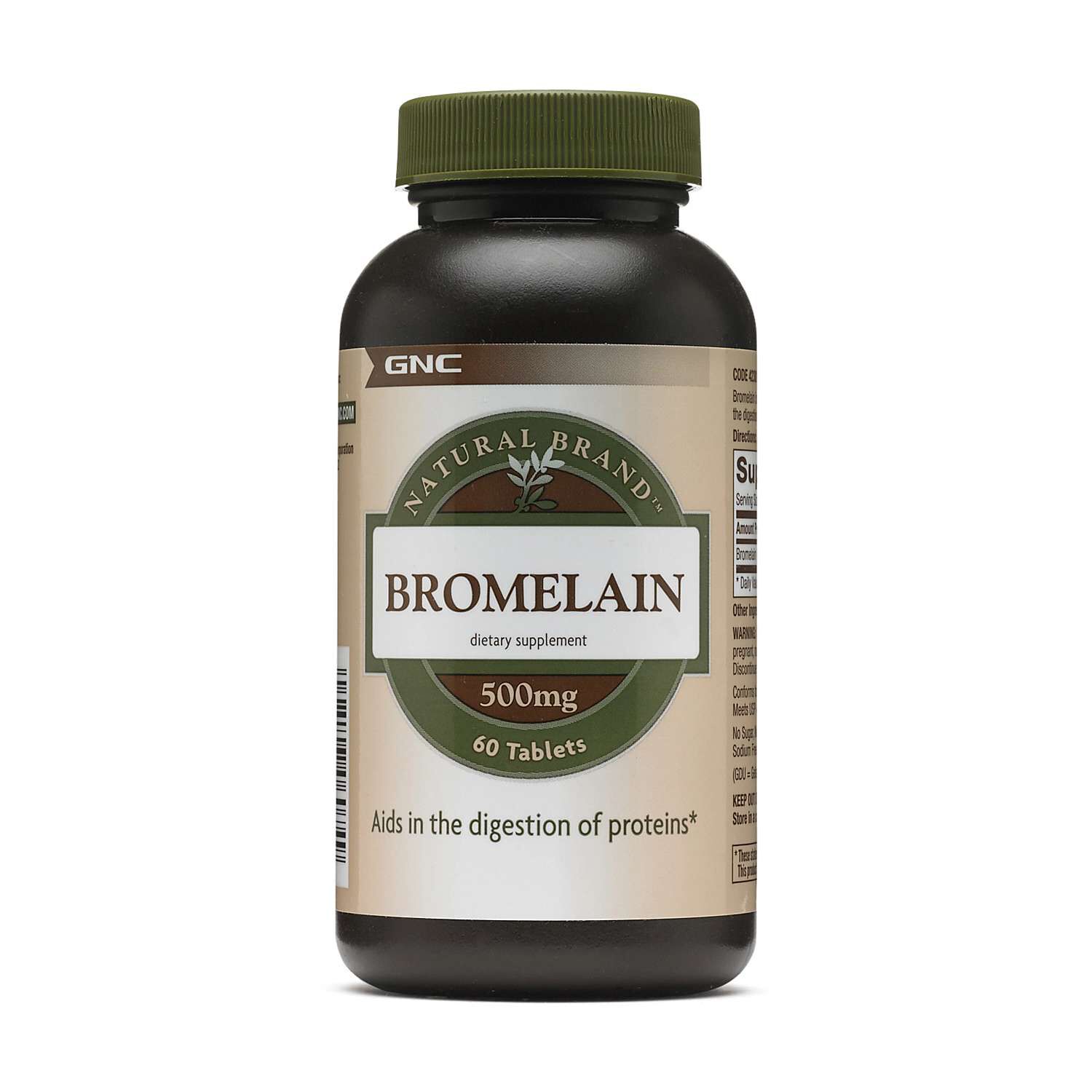
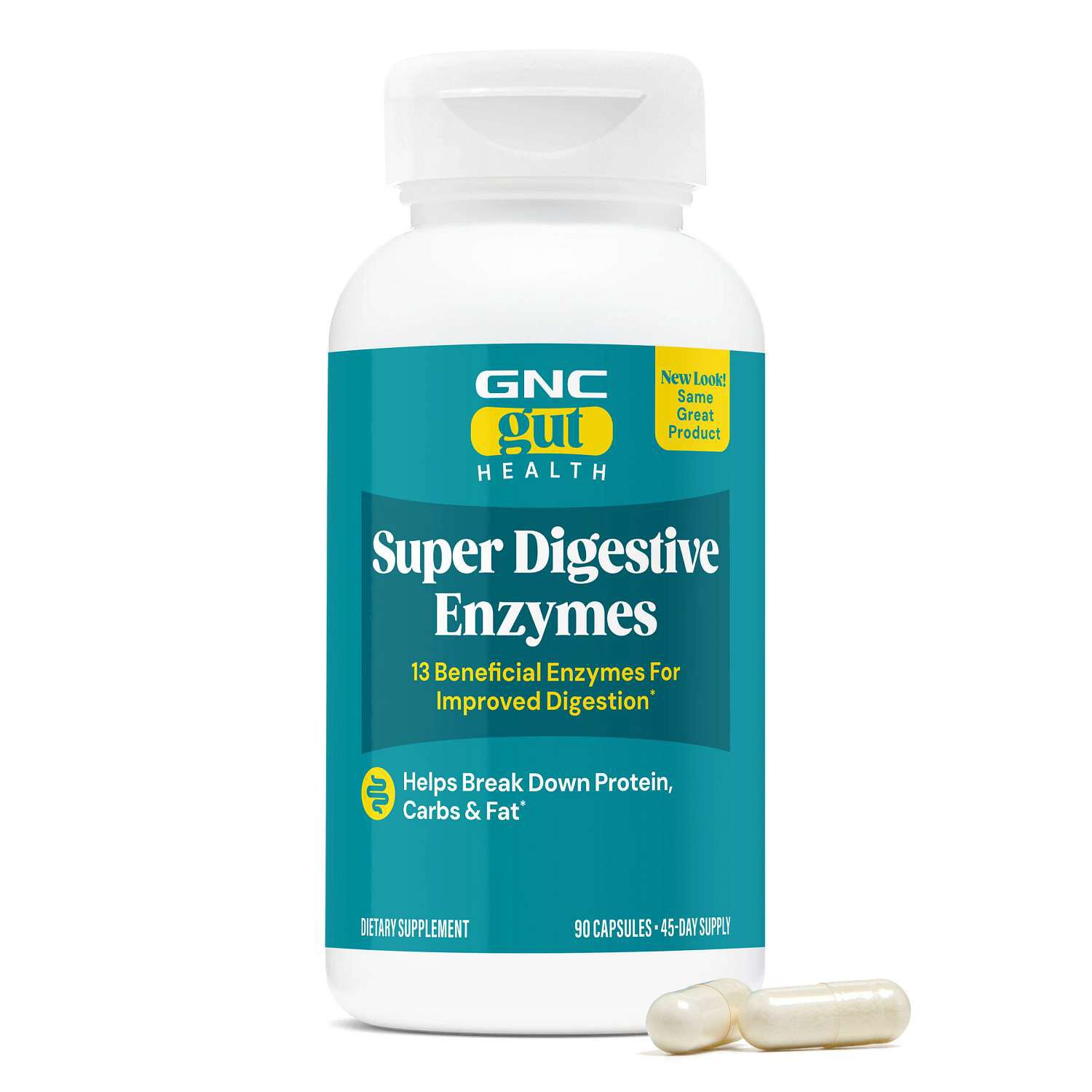
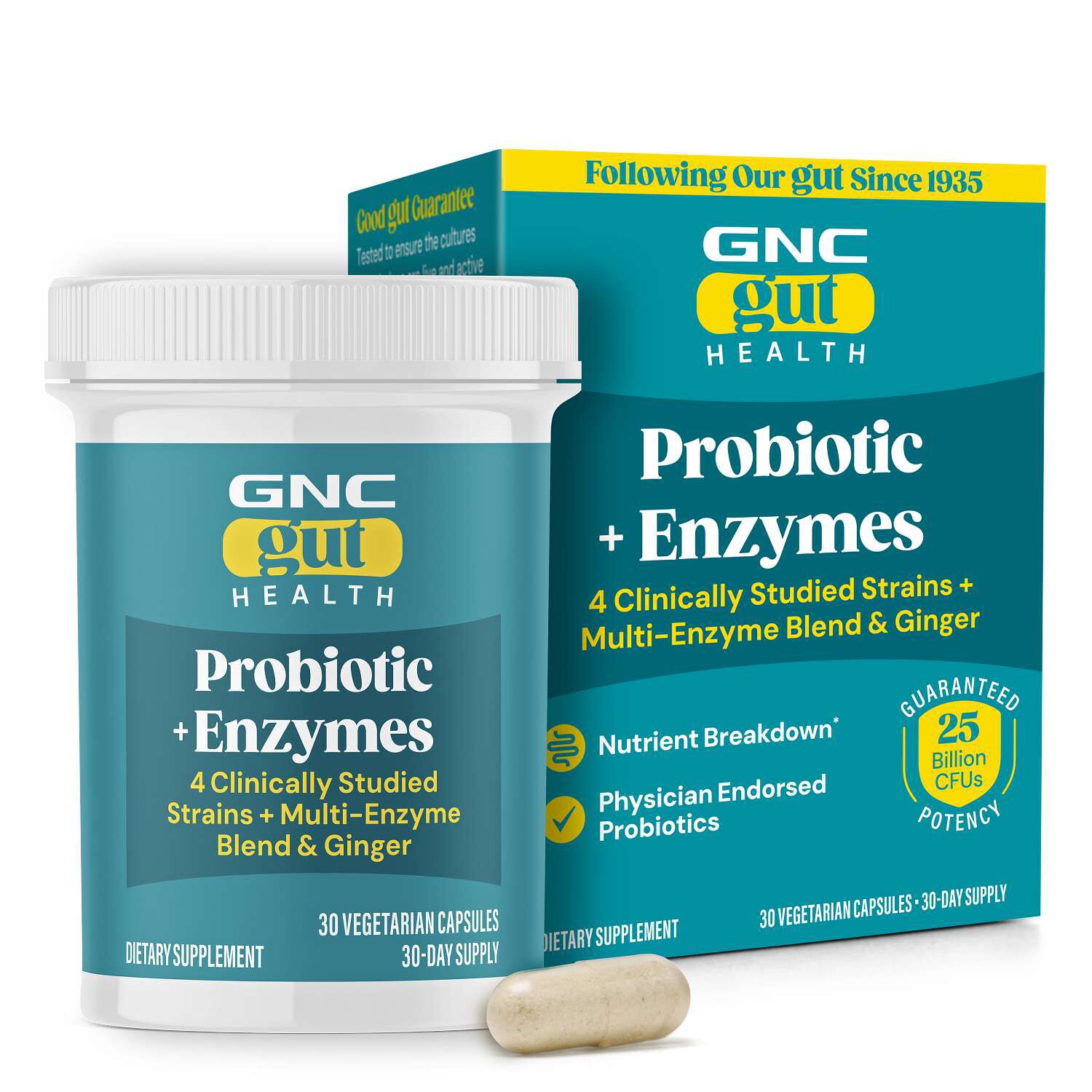
Shop Black Friday digestive enzyme deals at GNC, from digestive enzyme capsules to bromelain tablets and formulas with probiotics and prebiotics. Compare ingredients, formats, and serving counts to find an option that fits your routine.
-
-
-

-
 $19.99
-
-

-

-

-
-

-
 You Matter Wellness$49.99


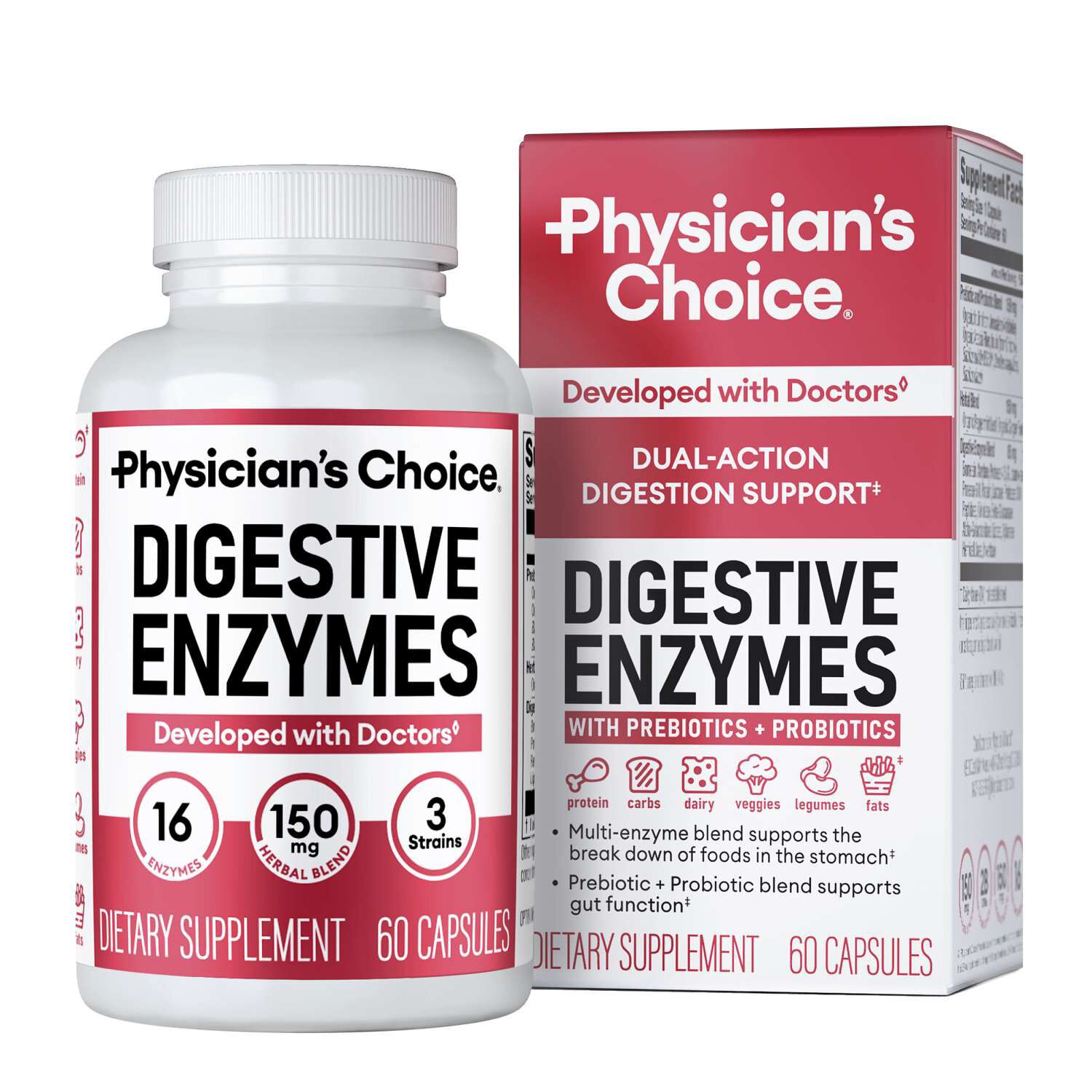
Digestive enzyme supplements add a meal-focused option to Black Friday supplement shopping, with formulas that differ in enzyme sources, activity measurements, and serving formats. The category centers on enzymes, proteins involved in the breakdown of food into smaller components. Depending on their ingredients and intended use, supplemental enzymes may support the digestion of dietary proteins, carbohydrates, or fats. Protease, amylase, and lipase are common names on digestive enzyme labels, while lactase is associated with the digestion of lactose, a sugar found in milk. These distinctions give the category more depth than a single front-label description might suggest. A formula containing several enzyme types has a different composition from one focused on a particular food component, and the ingredient panel provides the clearest description of that difference. Intended use is another important part of the picture: some formulas are labeled for use with meals, while others have more specific directions. A weekday lunch packed in a reusable container, dinner at home, and a restaurant meal all have different practical details, but the supplement’s own directions remain the relevant reference for its use. Digestive enzymes are also distinct from probiotics, which contain microorganisms, and from fiber supplements, which contribute dietary fiber. Some supplement formulas combine ingredients from more than one category, making the full label more informative than the broad category name alone. For adults considering a meal-related addition to an established supplement routine, that distinction provides useful context without treating different supplement types as interchangeable. Personal preferences matter here as much as familiarity with ingredient names. Someone who prefers a short ingredient list may approach the category differently from someone comparing several enzyme types, while a household with varied dietary preferences may pay closer attention to ingredient origins. Black Friday provides an occasion to compare these everyday details, with the focus on how a formula is described, what it contains, and how its labeled use fits an existing routine.
The physical format of a digestive enzyme supplement is another meaningful point of comparison. Capsules, tablets, powders, and chewable formats have different textures, serving instructions, and handling requirements. A bottle that stays beside a meal-planning notebook presents a different practical situation from a container carried in a work bag, where a secure closure and readable label become especially relevant. Capsule size, the number of capsules or tablets per serving, and any mixing instructions belong in that comparison alongside the enzyme list. A serving is not necessarily a single capsule, so the serving size and servings per container deserve separate attention. For powders, the label’s measuring directions matter more than an estimate based on the appearance of a spoonful. Chewable formats may include flavoring ingredients or sweeteners, while capsules have shell ingredients that may be relevant to dietary preferences. Enzyme sources also vary, including plant-derived ingredients, animal-derived ingredients, and ingredients produced through fermentation. A plant-derived enzyme does not, by itself, describe the capsule shell or every other component of the formula. The full ingredient statement and any dietary designations provide a more detailed view. Activity measurements add another layer to label comparisons. Enzyme activity units describe performance under specified testing conditions, while milligrams describe weight; those measurements are not interchangeable. Different enzyme types may also use different activity units, so a larger-looking number is not a useful comparison on its own. Side-by-side reading is most meaningful when the enzyme type, unit, and serving size match. Additional ingredients, such as herbs or other digestive-focused components, have their own place on the label and should not be mistaken for enzymes. A longer ingredient list describes a broader composition, not necessarily a closer match to someone’s preferences. Taken together, format, ingredient origin, serving details, and activity information offer a grounded way to distinguish formulas without relying only on package size or prominent front-label wording.
Day-to-day handling deserves the same attention as the formula itself. Storage directions, the container closure, and the date printed on the package are practical details for a supplement intended to become part of a recurring routine. A kitchen counter near a steaming kettle and a bathroom cabinet beside a shower present different conditions from a dry cupboard away from direct sunlight; the manufacturer’s storage instructions provide the appropriate reference. Keeping the original packaging also keeps the ingredient list, directions, and lot information with the supplement. For travel, a securely closed container with its label intact may be more convenient than an unmarked packet tucked among snacks and receipts. Placement matters at home, too, particularly in a shared kitchen where several bottles may look similar. A designated spot away from children and pets separates adult supplements from everyday food containers. These ordinary considerations are part of the category’s practical appeal: the relevant differences extend beyond the enzyme names to the small details of storing, carrying, and using a labeled serving. Dietary preferences remain personal, and a digestive enzyme supplement is not a substitute for varied meals or a reason to disregard individual food requirements. The surrounding routine might include a packed lunch with grains and vegetables, a leisurely family dinner, or a simple breakfast before a busy day; none of those settings changes the importance of the product’s directions. For shoppers comparing a broader range of nutrition categories, Black Friday Superfood Supplement Deals offers a related browsing destination, with a different ingredient focus from digestive enzymes. Within the digestive enzyme category, the most useful distinctions remain concrete: the enzyme types listed, the sources of those ingredients, the serving format, the activity information, and the intended use. Those details keep the comparison centered on the supplement itself and on personal preferences that remain relevant beyond the Black Friday shopping occasion.
- Q: What label details can I compare when browsing Black Friday digestive enzyme deals?
A: Compare the enzyme names, ingredient sources, and whether a formula includes probiotics or prebiotics. The Supplement Facts panel and ingredient list can help you distinguish between formulas. - Q: What enzyme names commonly appear on digestive enzyme supplement labels?
A: Common names include amylase, protease, lipase, lactase, and bromelain. Some supplements feature one enzyme, while others combine several in a blend. - Q: How do digestive enzyme supplements differ from probiotics?
A: Digestive enzyme supplements contain enzymes, which are proteins. Probiotic supplements contain live microorganisms. Some formulas include both, so check the label to see which ingredient categories are listed. - Q: What does fermented mean on a digestive enzyme supplement label?
A: The term generally indicates that fermentation was used to produce or process one or more ingredients. Product descriptions may provide more detail about the ingredients and fermentation process. - Q: How can I identify vegetarian digestive enzyme supplements?
A: Look for an explicit vegetarian or vegan designation, then review the enzyme sources and capsule ingredients. Enzymes can come from plant, microbial, or animal sources, and capsule shells may contain gelatin or plant-derived materials.