Black Friday Probiotic Deals
(0 Results)
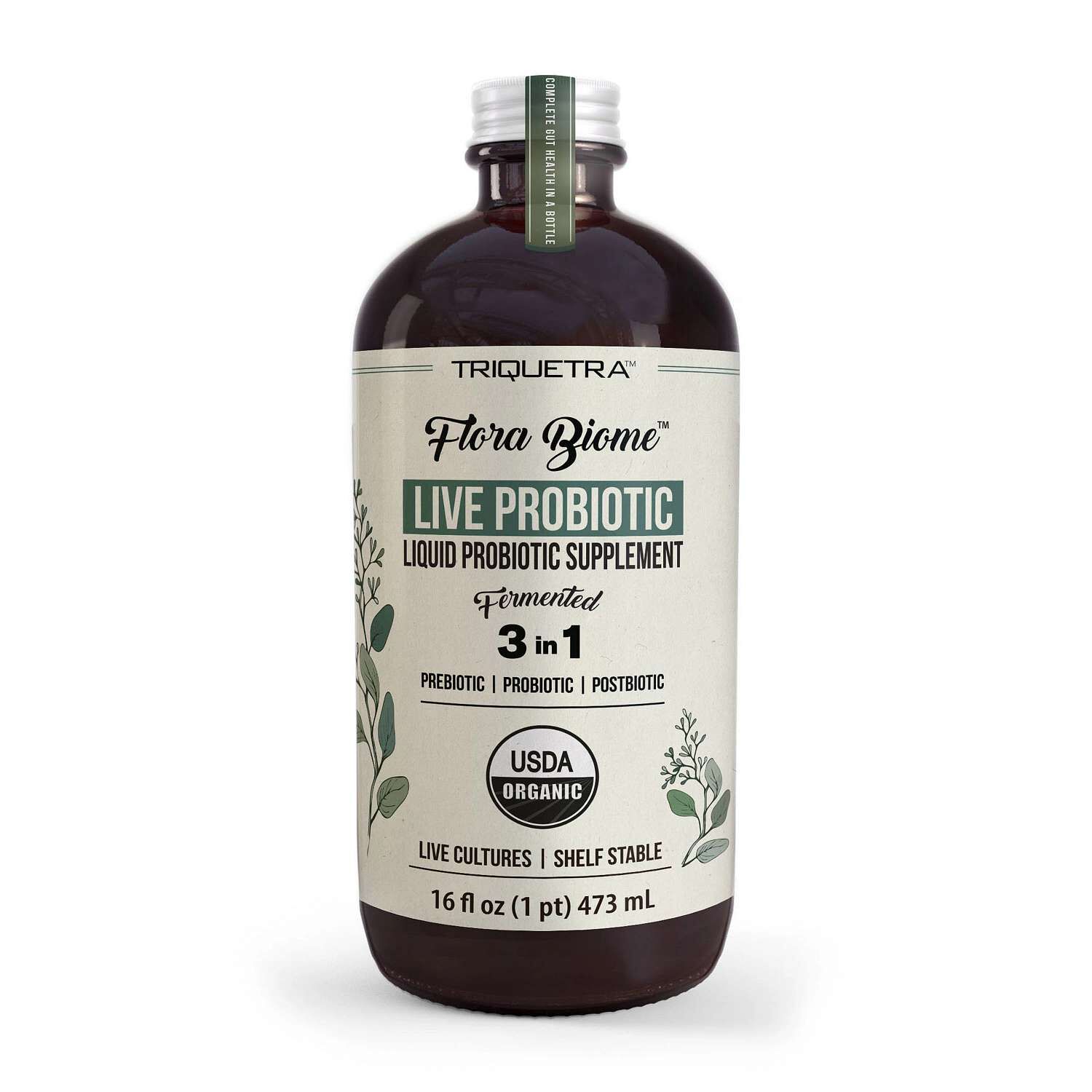
Shop Black Friday probiotic deals and compare the available supplements by price, serving size, and strain information. Review product labels and current offers to find an option that fits your routine and budget.
-
-

-
 $14.97
-
 209$34.99
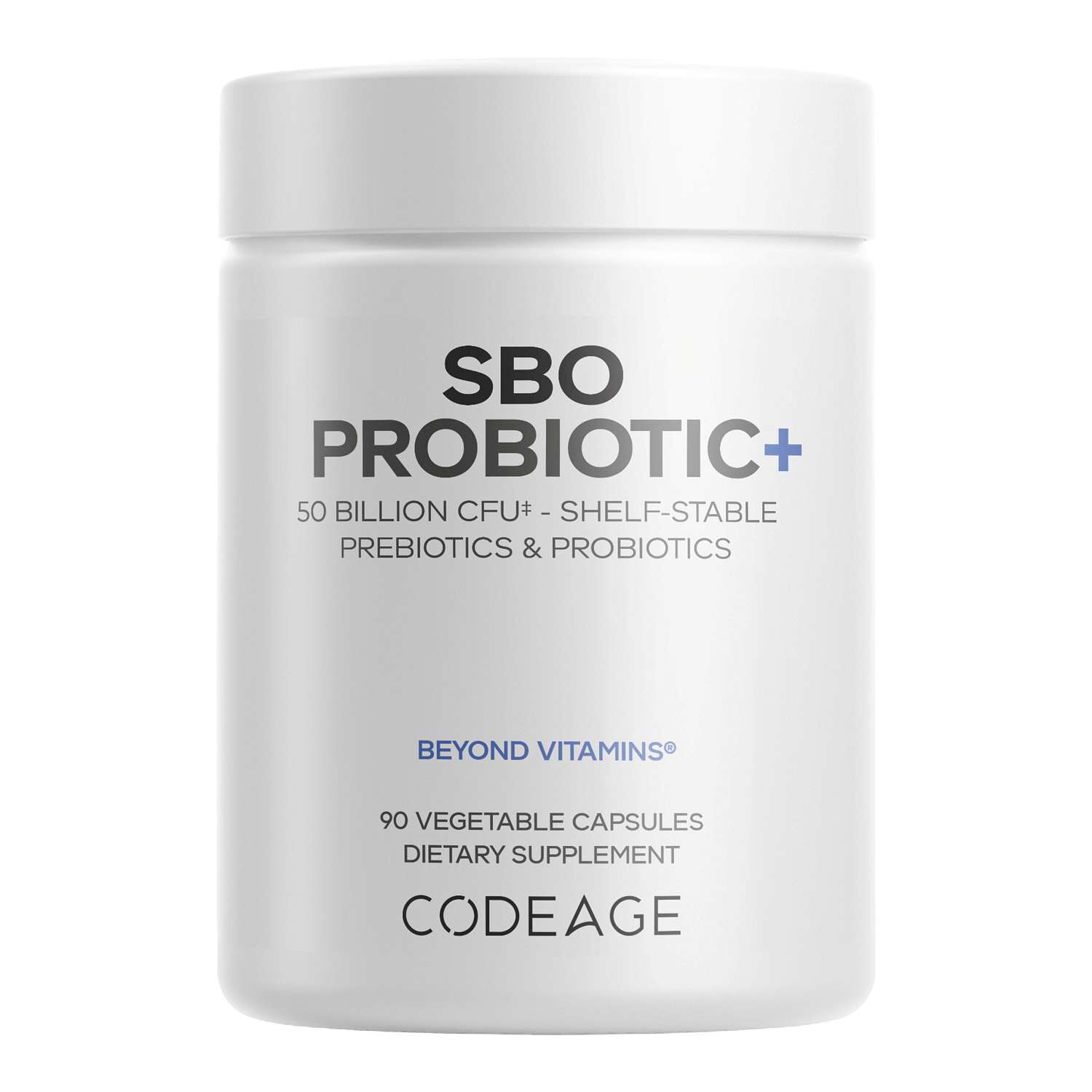
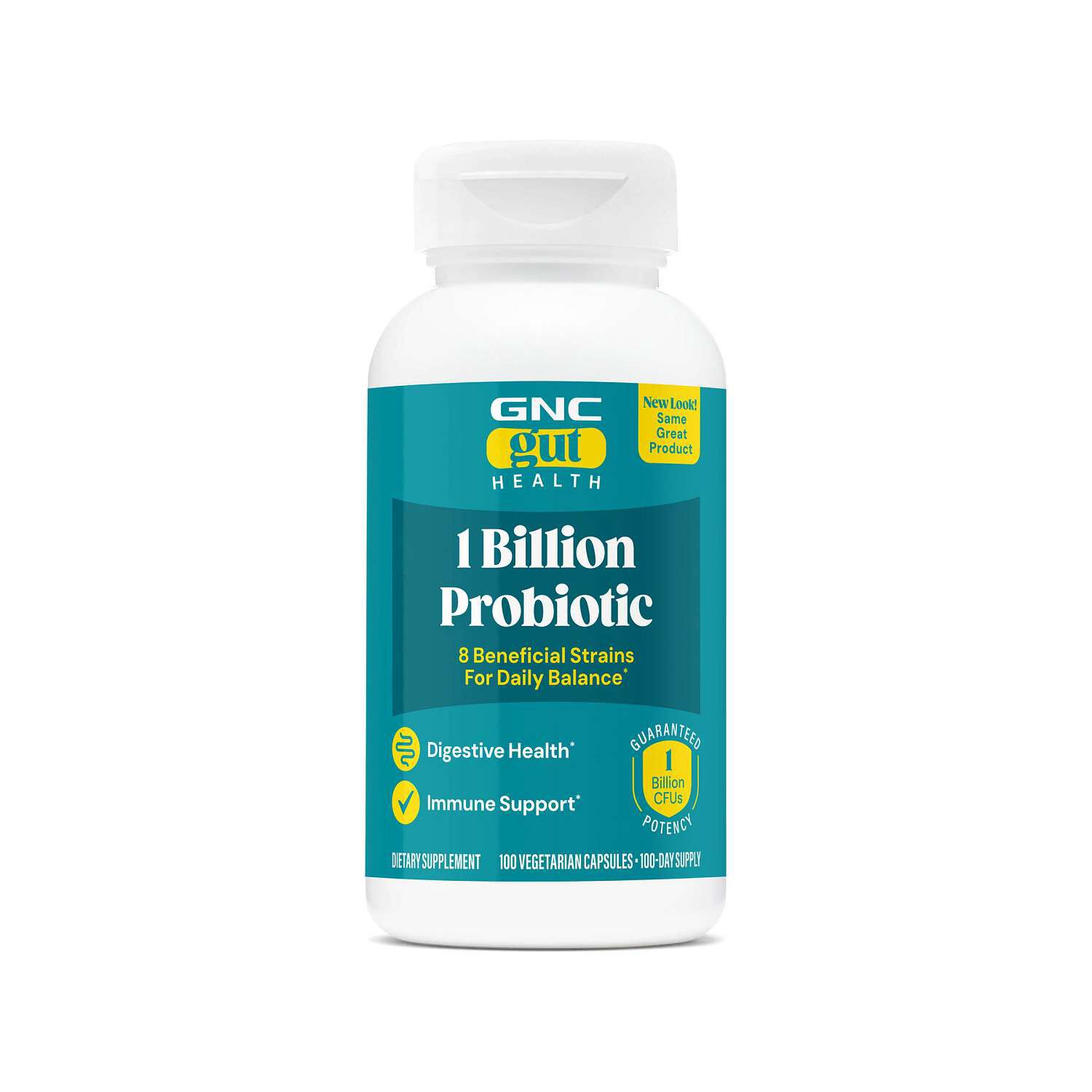
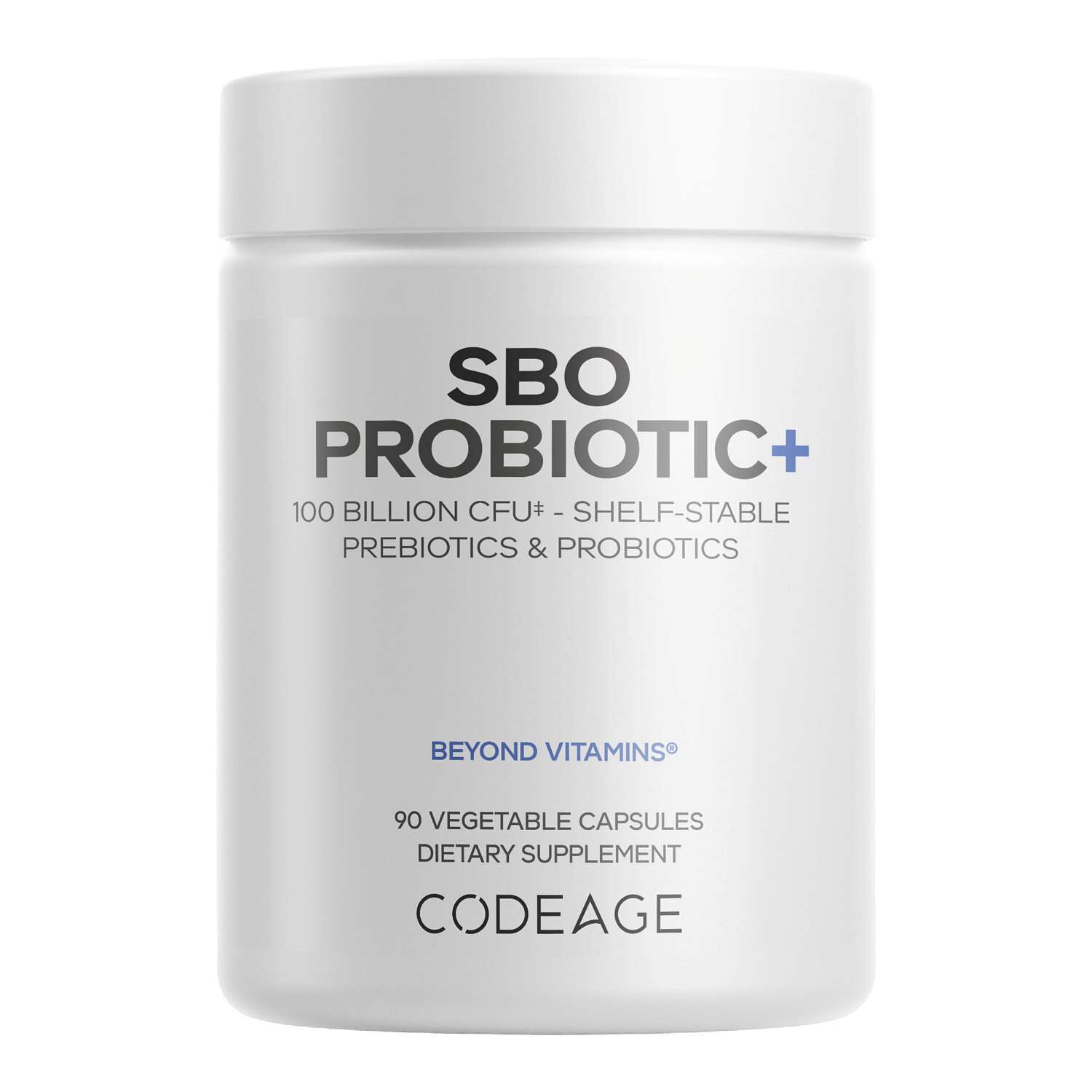
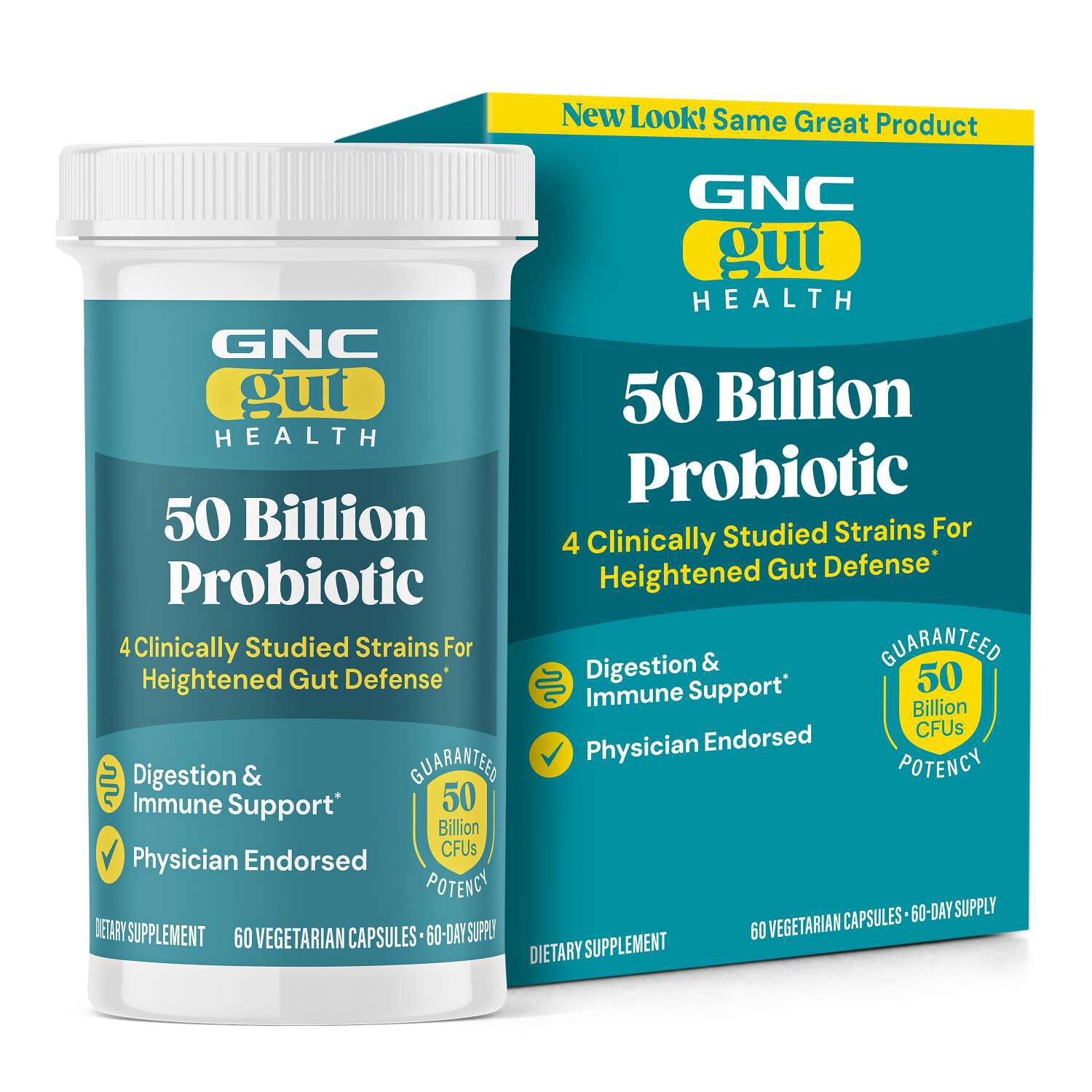

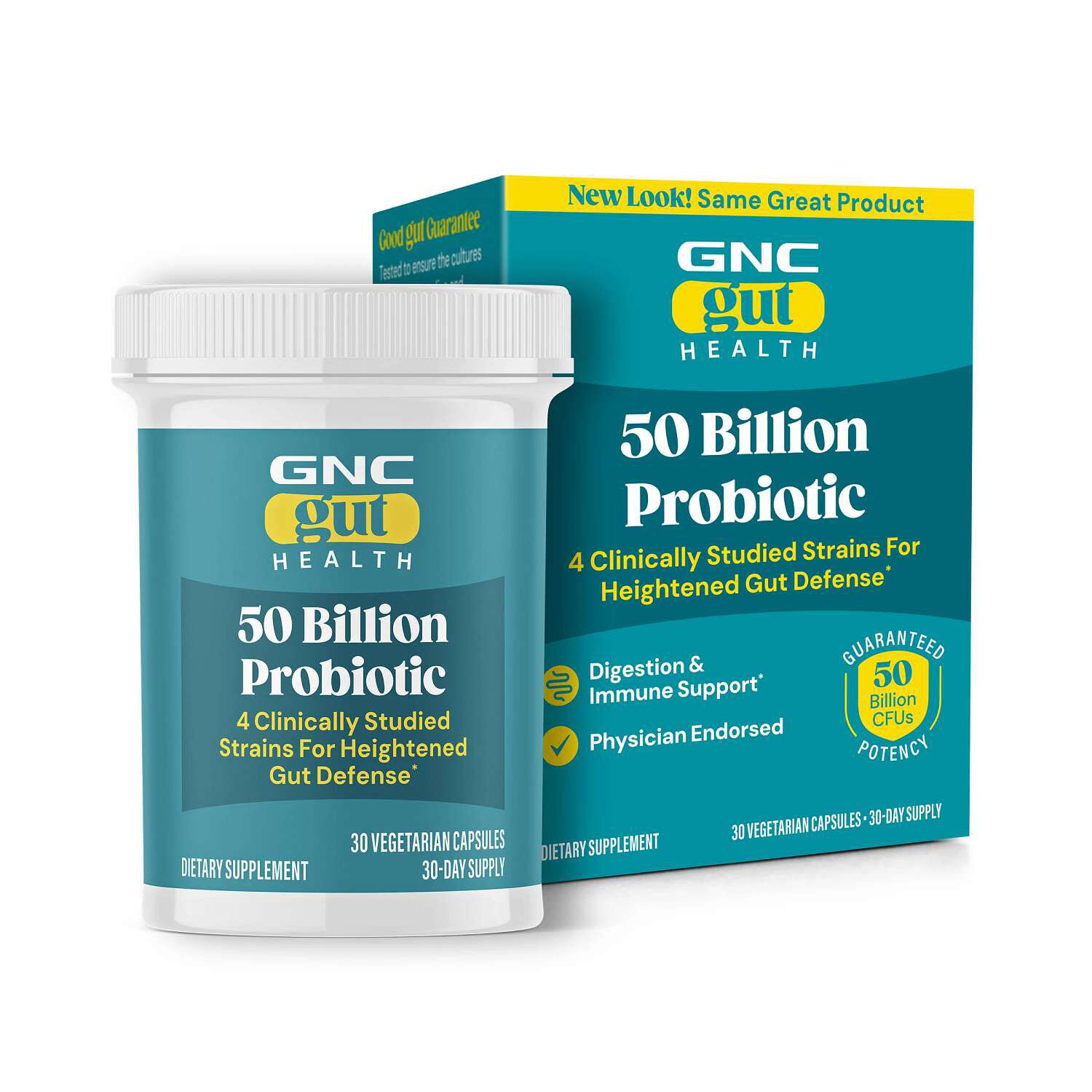


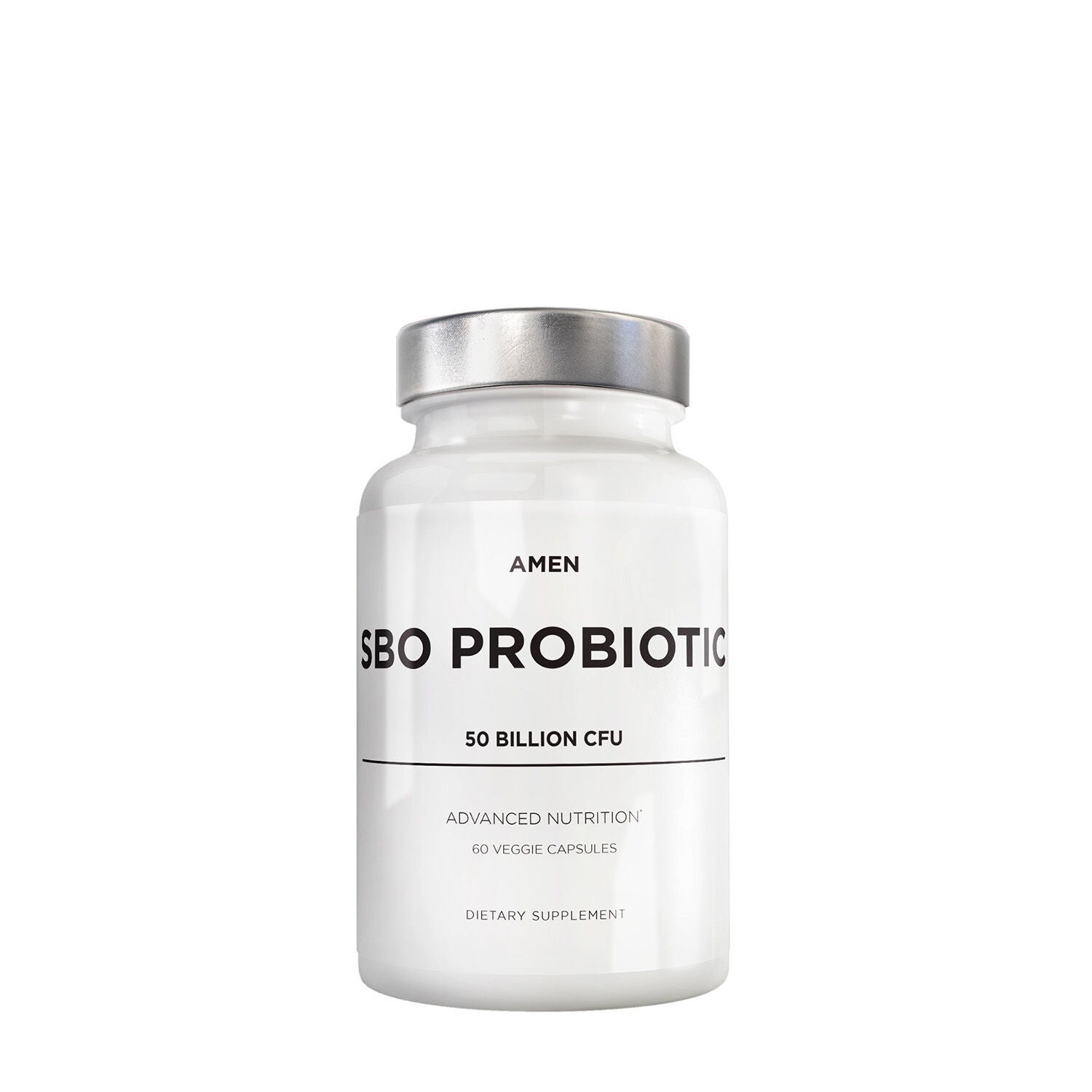
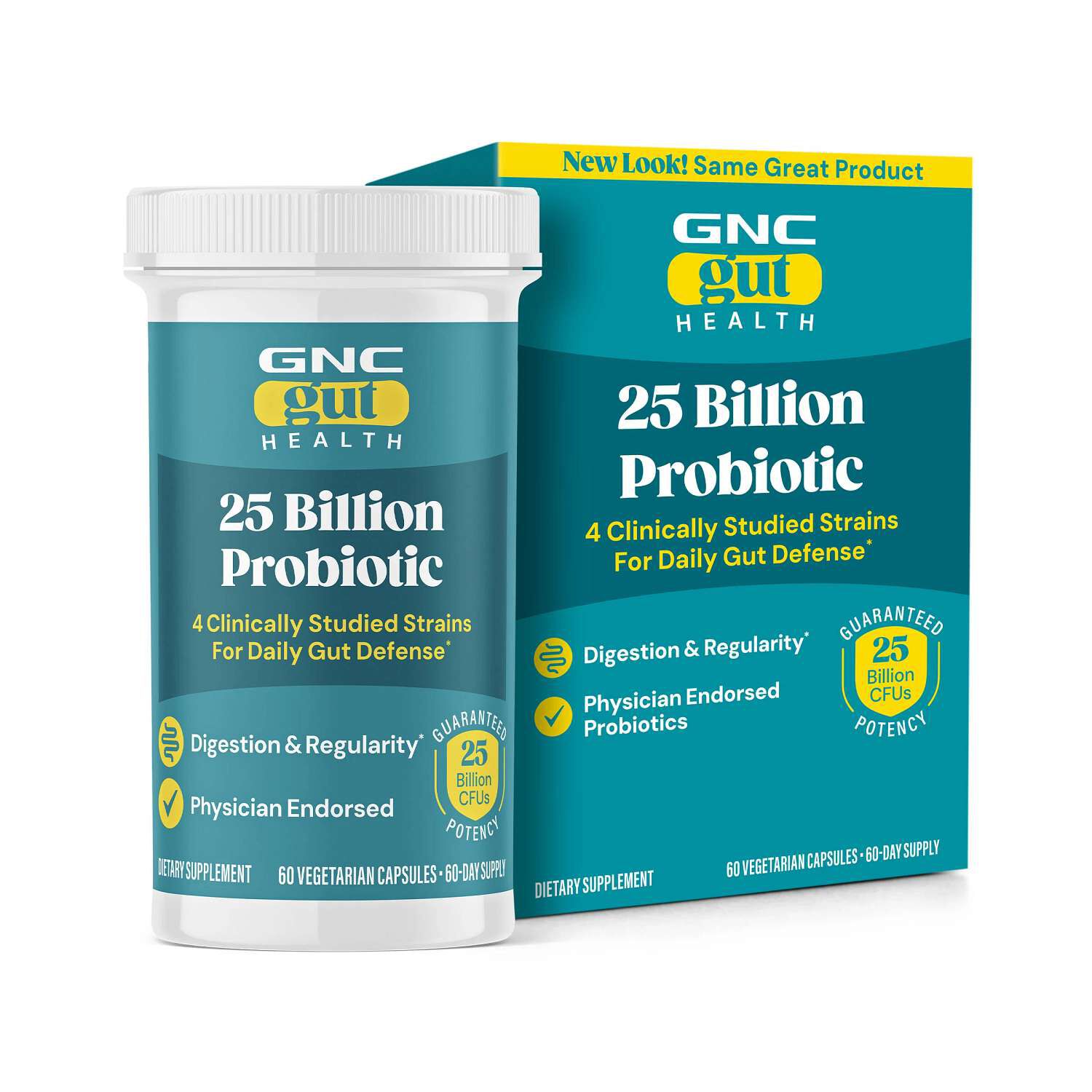
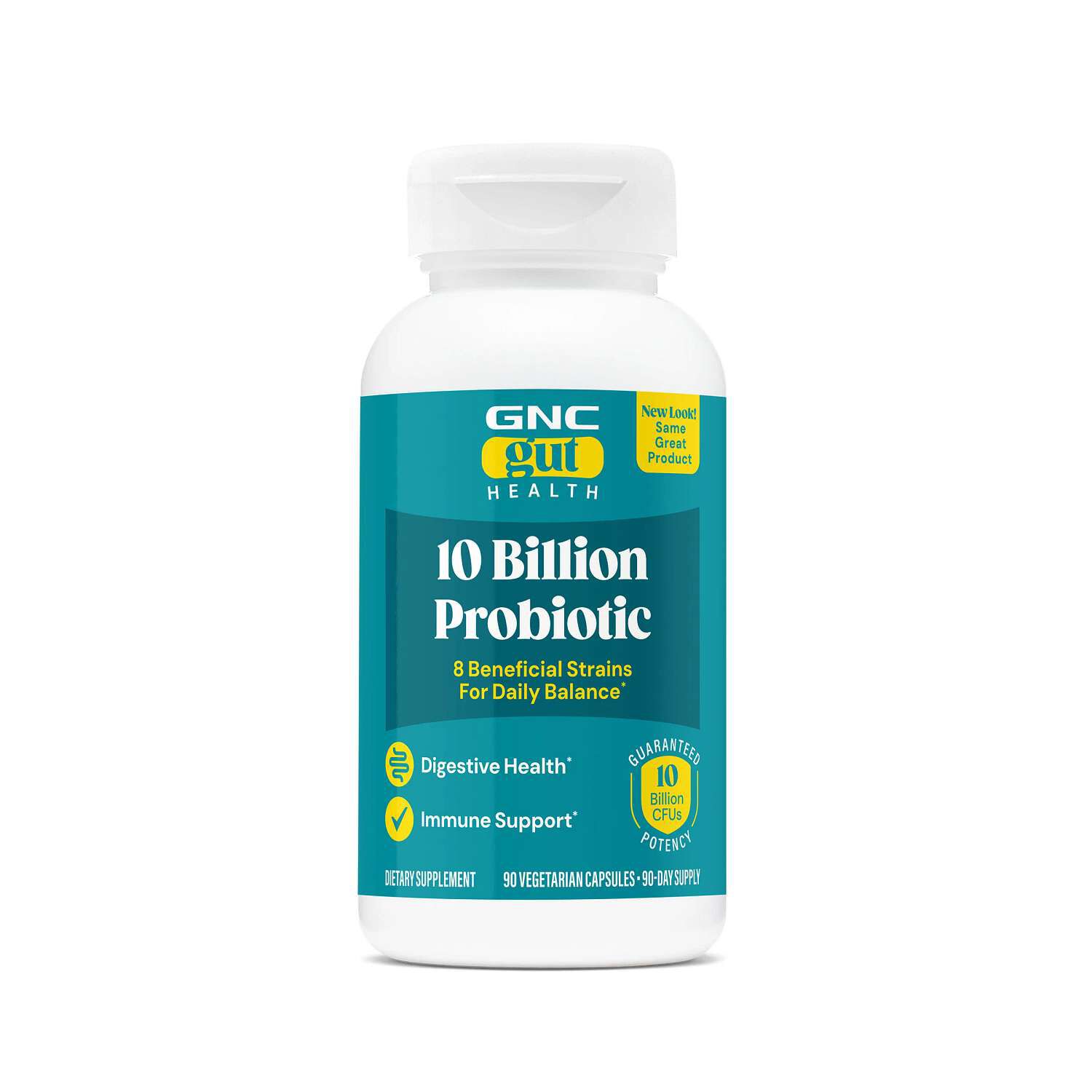

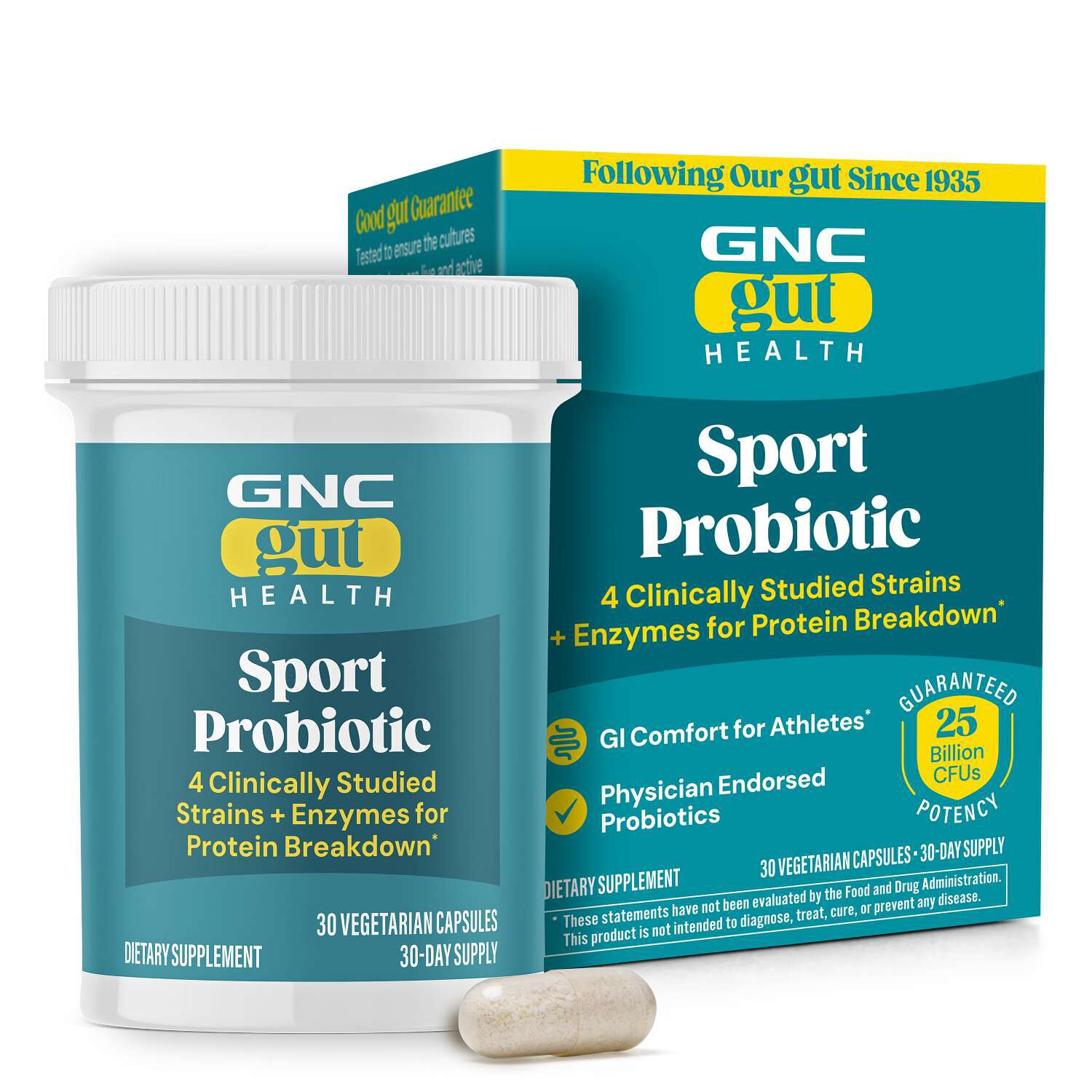
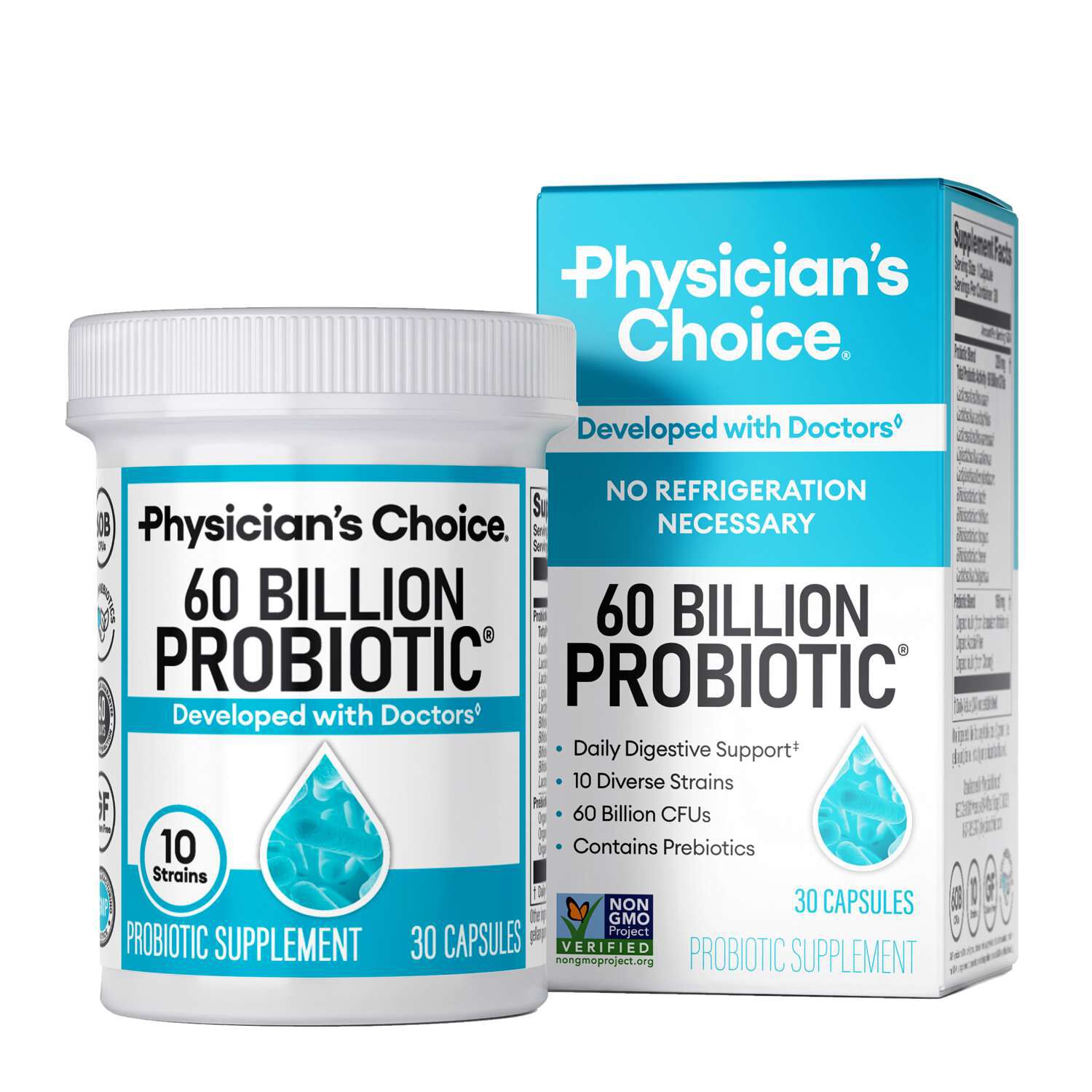
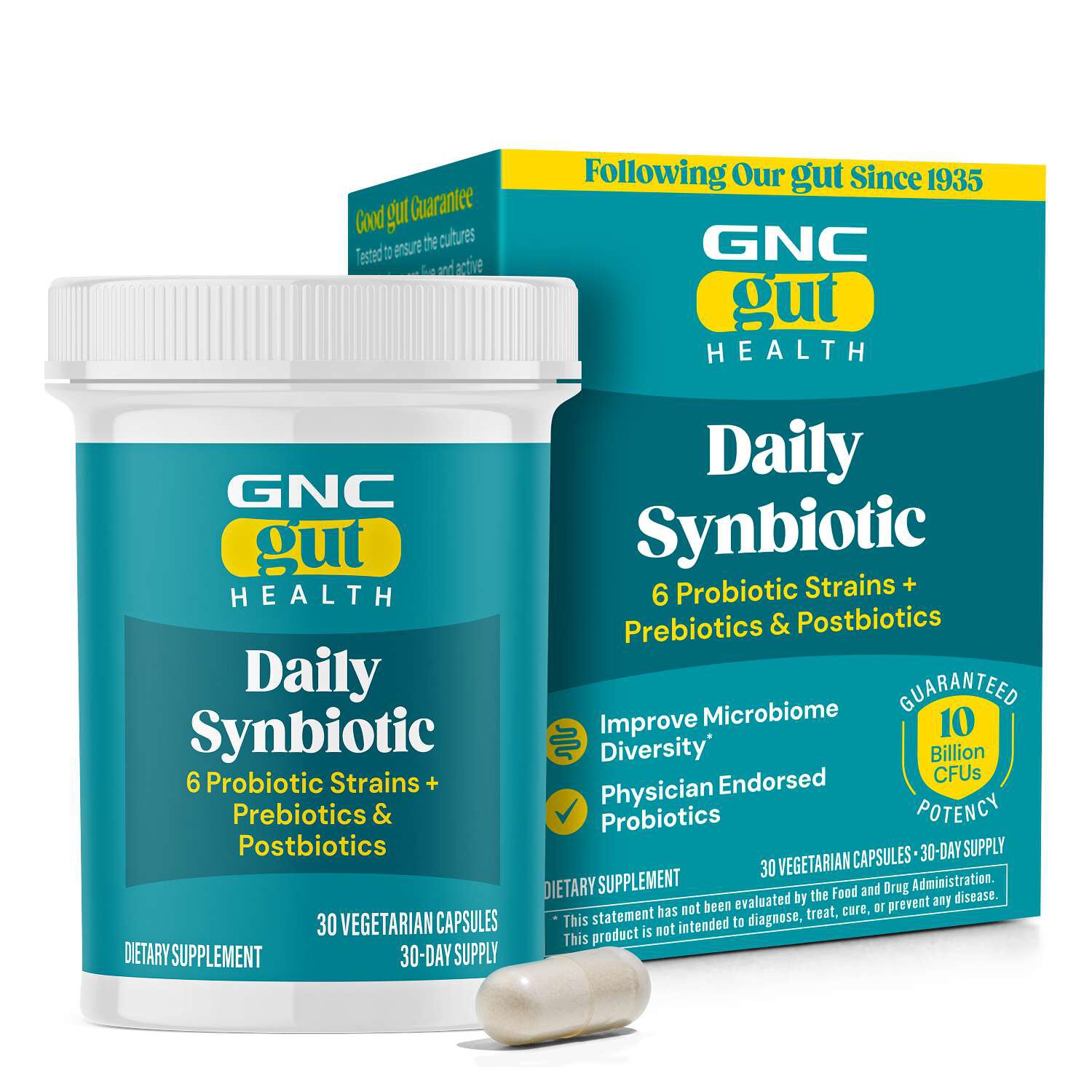
Black Friday probiotic shopping can start with something as familiar as a capsule bottle or as simple as a powder stirred into a glass of water. Both are ways to take a dietary supplement containing live microorganisms, but the formats and the information on their labels can differ quite a bit. Live cultures may be familiar from foods such as yogurt, although not every fermented food contains live cultures by the time it’s eaten. On a probiotic supplement label, a culture name may include a genus and species followed by a strain identifier, often a short string of letters and numbers. Two labels can share the same first words in a culture name and still list different strains. Some formulas list a single strain; others bring several together in one serving. Another label detail is the count in colony-forming units, often shortened to CFU. That number describes a quantity of viable microorganisms, while the strain names identify which cultures are listed. A blend may show one CFU count for the serving rather than a separate count for every strain. The point in time associated with the count can differ, too: one label may state the count at manufacture, while another may specify a count through the date printed on the package when stored as directed. Serving size adds context to all of those numbers. A count shown per serving does not necessarily refer to one capsule or one chewable, and a bottle’s capsule count is not always the same as its number of servings. Those small distinctions make it easier to tell where two otherwise similar labels differ and what a serving would actually look like at the kitchen counter.
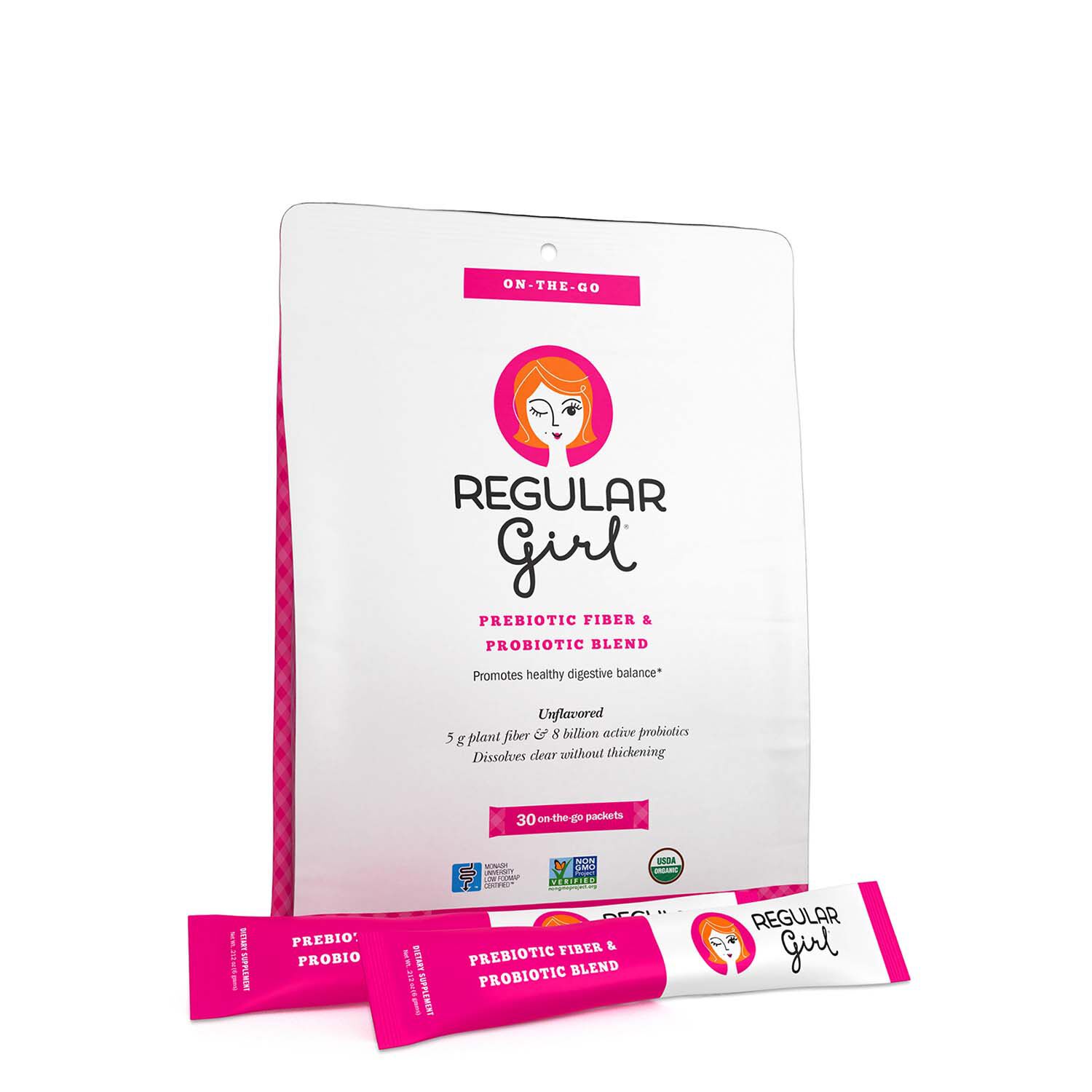
The format makes a difference long before a package needs replacing. A capsule can suit an adult who prefers not to measure or mix anything, while a chewable might be a better fit for someone who dislikes swallowing capsules. Capsule shells can be made with gelatin or plant-derived materials, and the ingredient list is where those differences show up. With chewables, flavor, texture, and sweeteners may matter more than the shape of the package. Powders have their own practical details. A tub with a scoop can fit into a breakfast routine that already involves a glass and a spoon, while an individually portioned packet involves no scooping and takes up less space in a packed bag. Some powders have a noticeable flavor of their own; others are unflavored, though that does not necessarily mean they have no taste. Mixing directions vary by formula, so a powder intended for water may be a more natural fit beside a drinking glass than by the coffee maker. The ingredient panel also helps distinguish the cultures from the ingredients that give the supplement its form. A powder may contain an ingredient that helps it disperse in a drink, for example, while a chewable may contain ingredients that give it structure and flavor. Some formulas list prebiotic fiber alongside the cultures. That fiber is a separate ingredient from the microorganisms and is not part of the CFU count. For someone replacing a familiar format, a smaller capsule or a powder sold in portions may matter more in practice than a different flavor or a longer blend description. For someone choosing a supplement to share as a holiday gift, a format the recipient already likes is a more personal starting point than guessing from the front of a box.
Storage is another place where the differences become tangible. Some probiotic supplements are labeled for room-temperature storage, while others call for refrigeration. A bottle that belongs in the refrigerator fits into a different routine from one kept in a kitchen cabinet, especially in a household where the cabinet holds the other supplements and the refrigerator is mostly used for meal prep. The storage directions also matter away from home: a packet takes up little room in an overnight bag, but its size alone says nothing about the conditions it needs. Packaging plays a part in day-to-day care as well. A bottle with a screw cap is designed to be closed again between uses. Individually sealed portions keep the remaining contents enclosed when one is opened, and a powder tub is likely to spend more time open during measuring than a single portion would. Where the label specifies a dry storage location, the cupboard away from the sink makes more sense than the counter next to a steaming kettle. The date on the package is useful alongside those directions, particularly for a container that may sit unopened before it becomes part of a routine. These considerations apply whether a probiotic supplement is being purchased for personal use or for an adult who has mentioned a preferred format. A recipient who likes to keep supplements in one cabinet may prefer a room-temperature option, while someone who already reaches into the refrigerator every morning may not mind keeping a bottle there. For holiday browsing that extends beyond probiotics, Black Friday Superfood Supplement Deals is a related page for a different supplement category, with its own ingredient lists and serving formats. Within probiotics, the day-to-day differences are often the easiest to picture: where the package will sit, what opening it involves, and whether the serving fits most comfortably beside a breakfast glass or among the bottles already in the cupboard.
- Q: What probiotic formats can I compare during Black Friday shopping?
A: Common probiotic formats include capsules, tablets, gummies, chewables, and powders. When browsing Black Friday probiotic deals, compare formats, ingredients, and label directions to find an option that fits your preferences. - Q: What is the difference between probiotics and prebiotics?
A: Probiotics are live microorganisms, while prebiotics are substances used as nourishment by certain microorganisms. Some supplements contain both, so check the ingredient list to see what each formula includes. - Q: What do the strain names on probiotic labels mean?
A: Probiotic names typically identify a microorganism's genus and species, sometimes followed by a strain designation made up of letters or numbers. These details help distinguish the cultures listed in different formulas. - Q: What does CFU mean on a probiotic label?
A: CFU stands for colony-forming units, a measurement used to express the number of viable microorganisms in a probiotic. Check the label for its CFU declaration and whether that declaration applies through the expiration date. - Q: How can I compare Black Friday probiotics for my dietary preferences?
A: Look for vegan or vegetarian labeling, then review the ingredient list for capsule materials, gelatin, sweeteners, and flavorings. Dietary attributes vary by formula, so compare individual labels rather than relying on the format alone.
Best Sellers
-
Physician's Choice