Black Friday Greens Powder Deals
(0 Results)
Shop Black Friday greens powder deals and compare the available greens supplements by ingredients, serving count, and price. Review each product’s label and preparation directions to find a powder that fits your routine and budget.
-
 4$59.99
-
-

-
-
-
-
 $34.99
-

-

-

-

-
-
-

-
-
-

-
 4$59.99

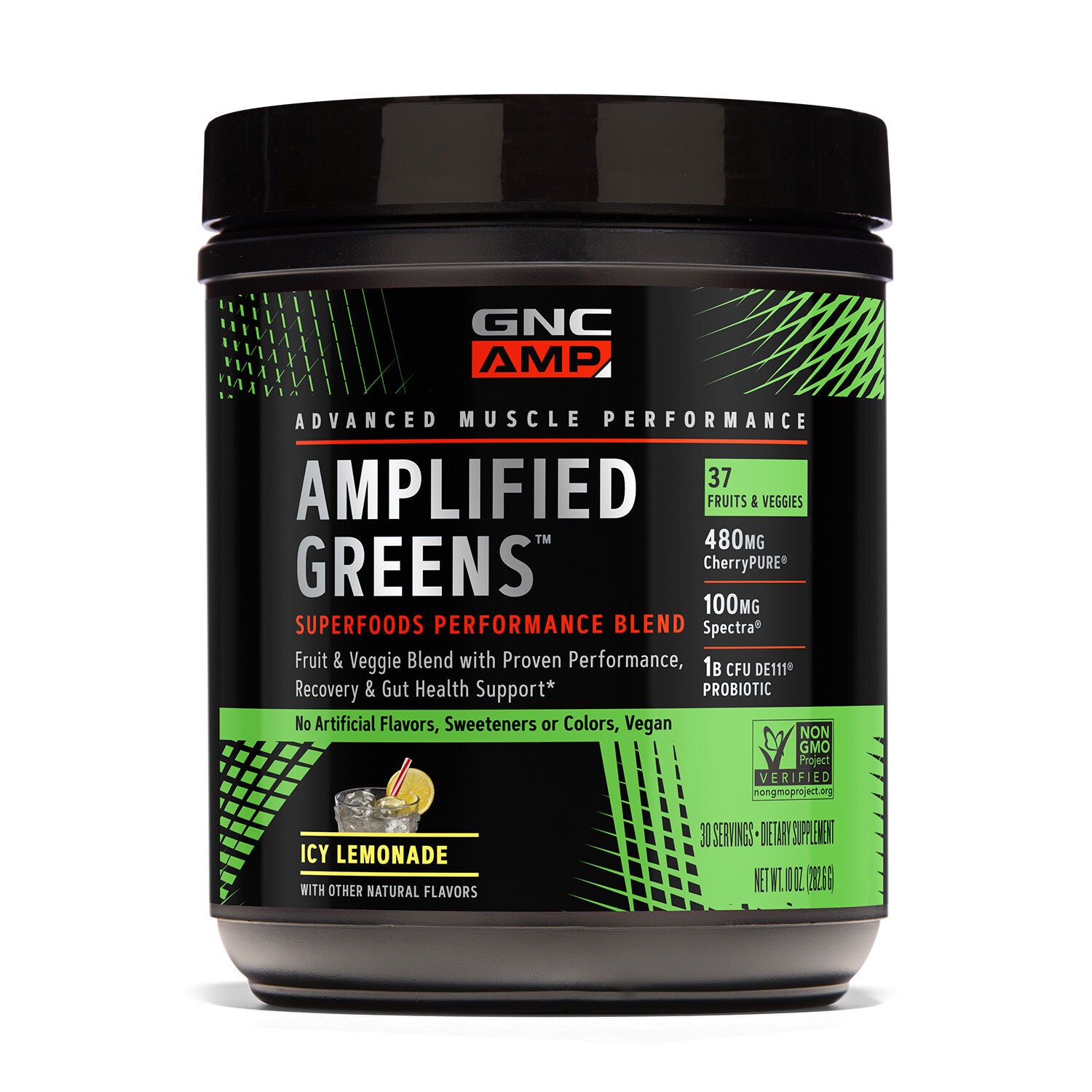
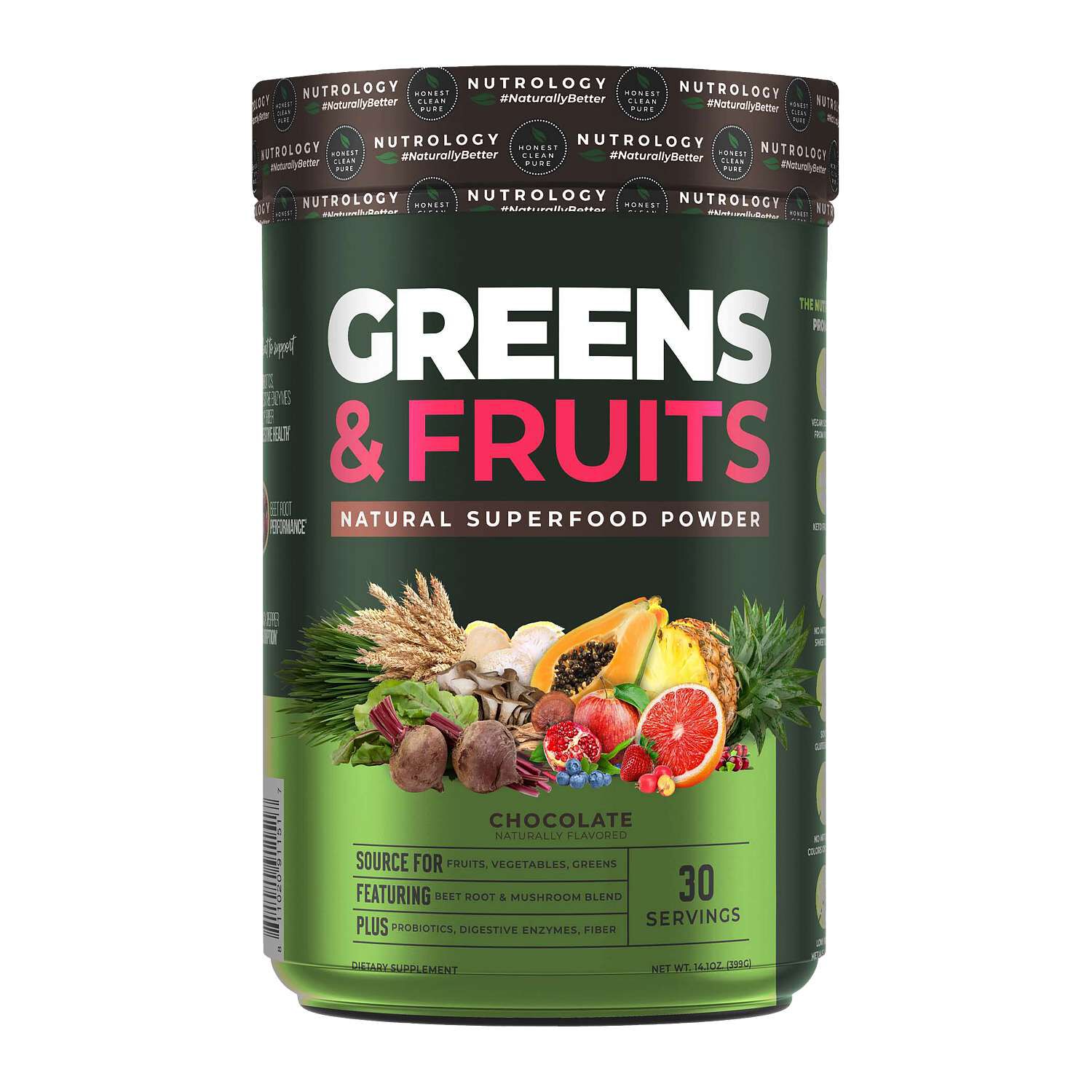
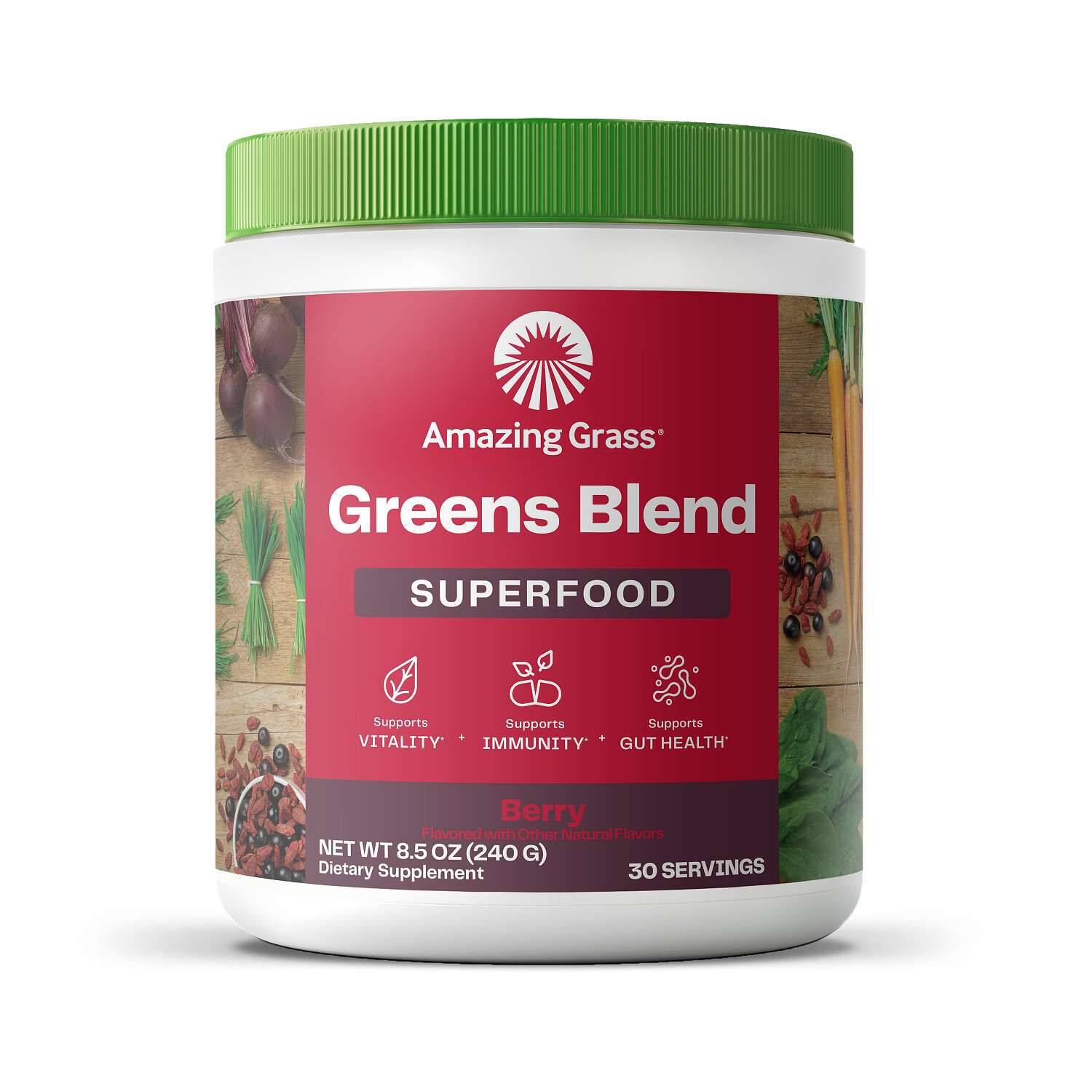
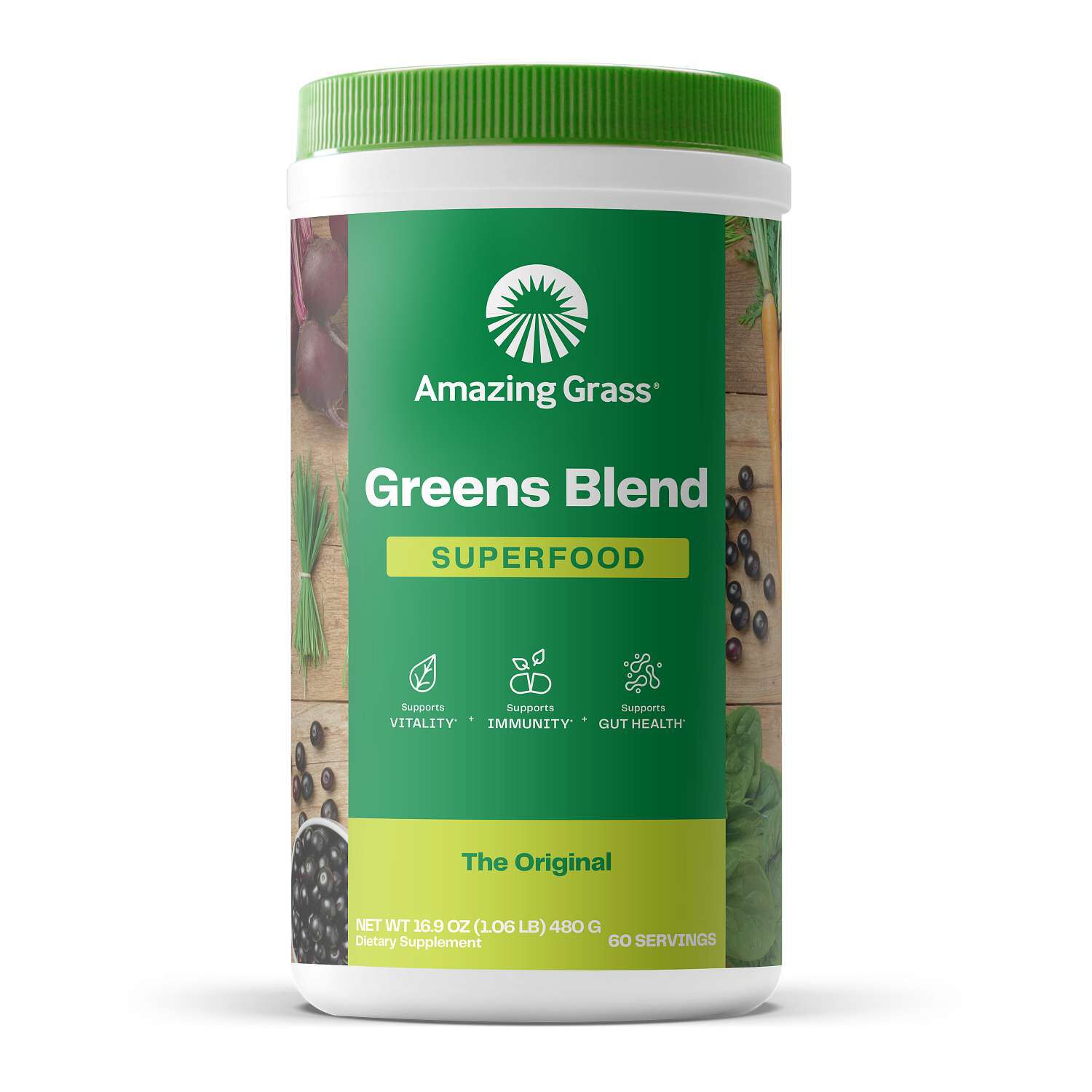
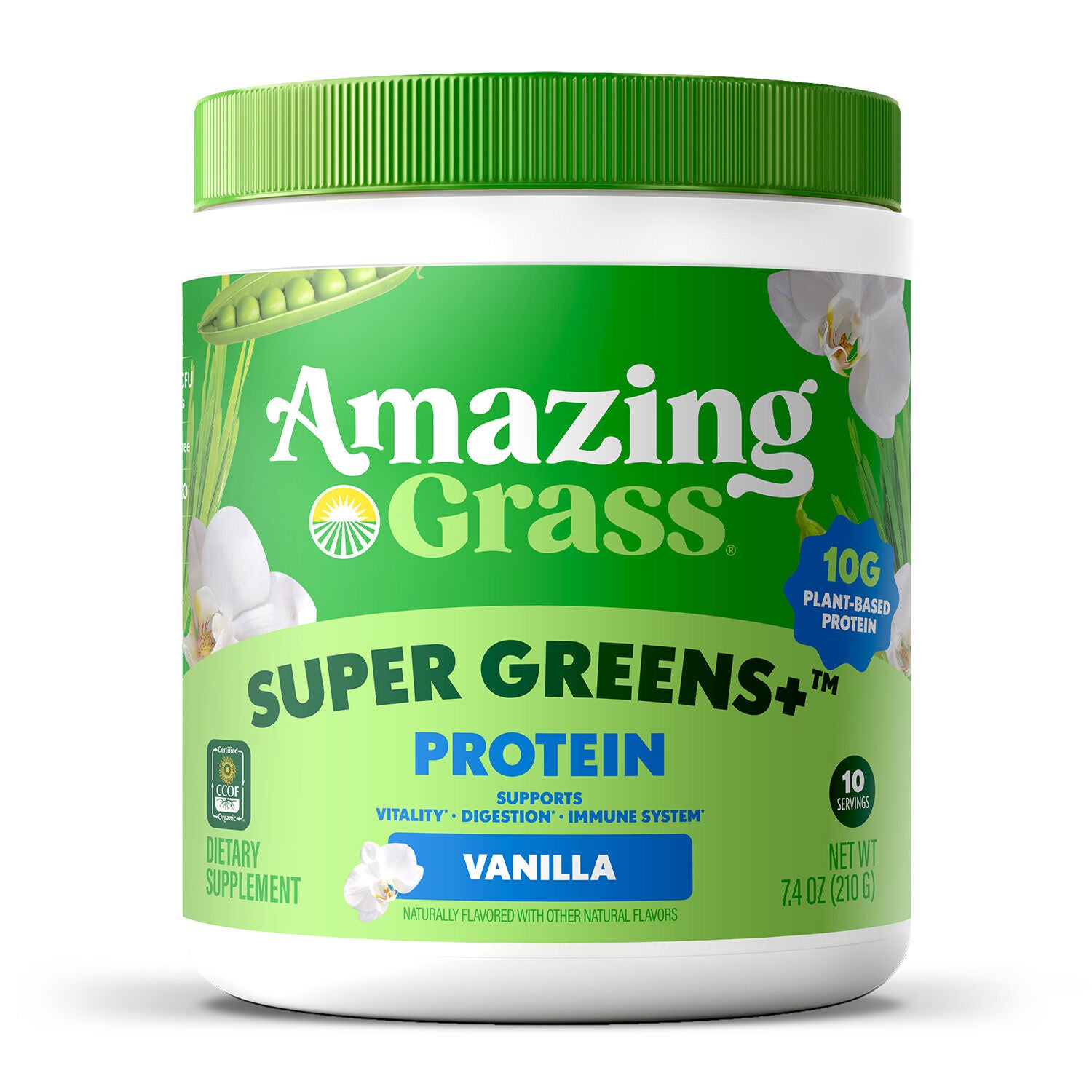
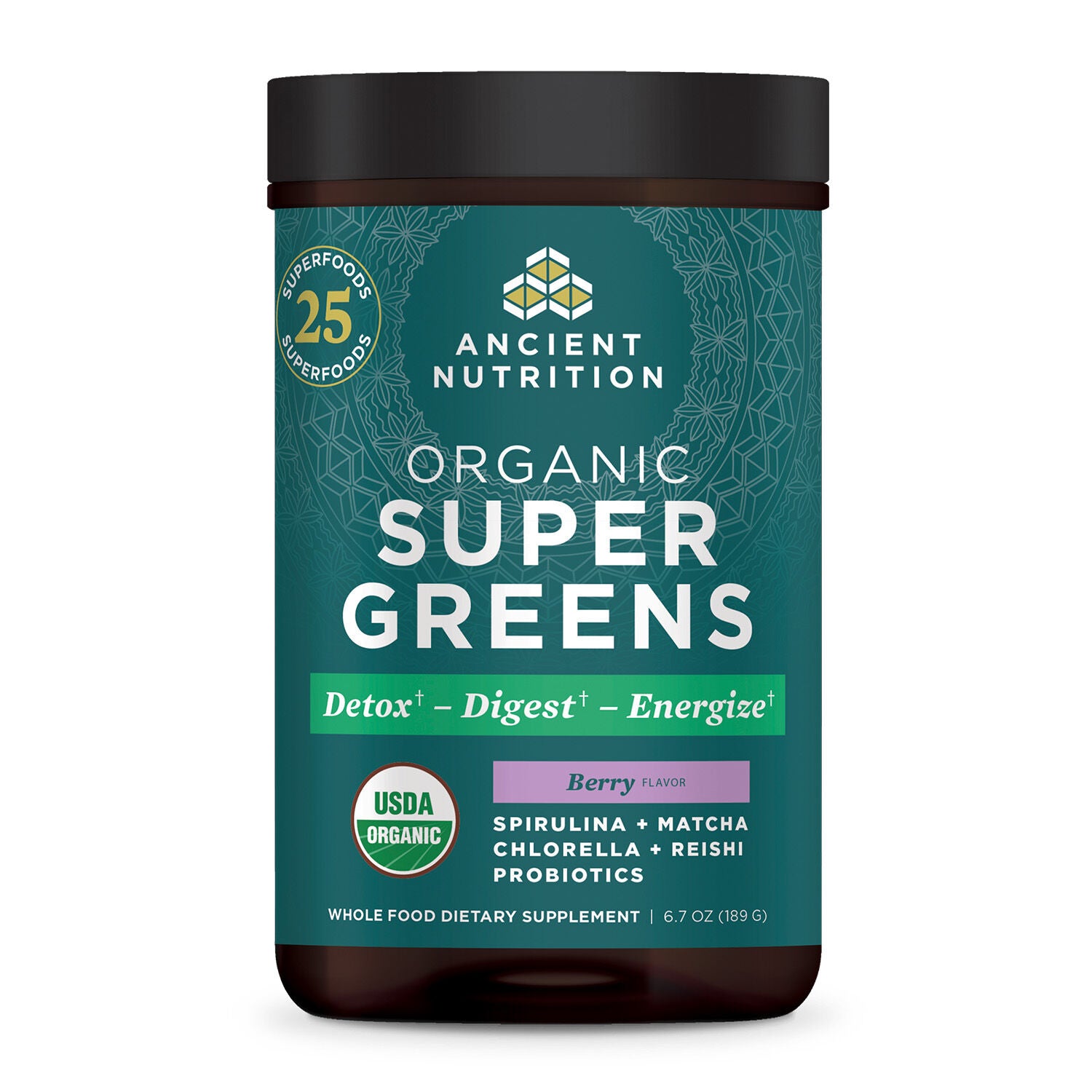
Black Friday greens powder shopping brings ingredient preferences, flavor, and everyday routines into focus. Greens powders combine dried ingredients in a format intended for mixing into beverages or foods, with recipes that may feature leafy vegetables, grasses, algae, fruits, or other plant ingredients. Spinach, kale, wheatgrass, barley grass, spirulina, and chlorella are examples of ingredients that can appear on a label, but the name “greens” does not describe a single standard recipe. Some blends keep the ingredient list relatively short, while others combine numerous plant powders with added vitamins, minerals, fiber, or other components. Those differences matter more than the color of the powder or the number of ingredients pictured on the container. A serving measured in grams gives useful context for comparing formulas, especially when scoop sizes differ. Ingredient lists also help distinguish a blend centered on greens from one that includes fruit powders, flavoring ingredients, or sweeteners. For someone who enjoys an earthy vegetable flavor, a lightly flavored option may suit a simple water-based drink. Someone who prefers a fruit-forward taste might gravitate toward berry or citrus profiles, particularly when mixing with a familiar smoothie recipe. Unflavored does not necessarily mean flavorless; the plants themselves can contribute grassy, savory, or marine notes. Texture deserves similar attention, since finely milled powders and blends with more fibrous ingredients can feel different in the glass. Dietary preferences are another part of the comparison. Vegan, vegetarian, and other dietary designations should be checked on the label rather than assumed from green packaging or plant imagery. Allergen information, sweetener type, and any caffeine-containing ingredients are worth reviewing as well. A long ingredient list is not automatically a better match than a shorter one. The most relevant details are the actual ingredients, the labeled serving, and whether the preparation suits the way the powder will be used. Powders occupy a different place in a kitchen than fresh produce, offering a distinct format rather than an interchangeable version of vegetables served with a meal.
The practical side of greens powder starts with the cup, bottle, or bowl used to prepare it. A shaker bottle with a secure lid suits someone who mixes a drink before leaving home, while a countertop blender fits a routine built around smoothies. Depending on the formula, stirring with a spoon may leave more visible particles than shaking or blending. The preparation directions are the best starting point for the amount of liquid and the size of the serving; scoop dimensions alone are not a reliable way to compare different powders. Taste also depends on the base. Water leaves the character of the blend more noticeable, while milk or a plant-based beverage adds its own flavor and texture. In a smoothie, banana, berries, or yogurt can change the balance considerably. A powder that tastes appealing in a tall glass of water may seem quite different in a thick breakfast blend, so intended use belongs near the top of the comparison. When the label permits mixing into food, a small bowl of yogurt or overnight oats offers a different setting from a drink, with the powder’s color and texture becoming part of the finished dish. Container design matters, too. A broad opening leaves room for a scoop, while a tightly closing lid or resealable pouch helps keep the contents protected between uses. Storage directions should determine where the container belongs; a dry cupboard away from steam is different from a shelf directly beside a kettle. A clean, dry scoop and a securely closed package are straightforward parts of product care. For a work bag or suitcase, individually portioned packets involve less measuring than a tub, while a larger container makes more sense for a dedicated preparation space at home. Neither format suits every routine. The useful distinction is whether the package, serving method, and mixing process fit the place where the powder will actually be prepared, rather than an imagined routine with more time or equipment.
Intended use also shapes who might appreciate greens powder, whether it is being considered for personal use or as a Black Friday gift. Someone who already enjoys a morning smoothie has a familiar place to incorporate a powder, whereas a person who prefers ready-to-drink beverages may not want another preparation step. An office worker with a shaker bottle, a home cook who likes experimenting with breakfast textures, and a frequent traveler choosing portioned formats each bring different priorities to the same category. Flavor preferences can be especially personal, making a known favorite profile more thoughtful than a guess based on packaging. For gifting, dietary preferences and comfort with powdered supplements matter just as much as presentation. A greens powder is generally a more natural choice for an adult who has expressed interest in the category than for someone whose ingredient preferences are unknown. Package size deserves consideration as well: the number of labeled servings, frequency of intended use, storage instructions, and printed date all influence how a container fits into a household. A shared kitchen may call for clear labeling and a designated storage spot, while a small apartment may favor packaging that fits neatly beside a blender and everyday drinkware. Greens powders and vitamin packs also involve different preparation habits, an important distinction when considering the related category on the Black Friday Vitamin Pack Deals page. A powder involves flavor, liquid, and mixing equipment; a pack has its own labeled contents and directions. The formats are not interchangeable, and ingredient information matters when considering more than one type of supplement. Across these choices, the most useful details remain tangible: what is in the blend, how much constitutes a serving, how it tastes, how it is prepared, and where it will be stored. Those details give greens powder a practical place within a shopping list, with attention on a format that suits an established routine and the preferences of the person who will use it.
- Q: What ingredients are commonly found in greens powders?
A: Greens powders often contain powdered vegetables, grasses, and algae, such as spinach, kale, barley grass, spirulina, or chlorella. Some blends also include fruit powders, herbs, or added vitamins and minerals. Ingredients vary by formula, so review each label. - Q: What should I compare when browsing Black Friday greens powder deals?
A: Compare ingredient lists, flavor options, sweeteners, and preparation directions. Check whether each blend features mostly greens or includes other ingredients, such as fruit powders, and choose according to your taste and preparation preferences. - Q: What flavors do greens powders come in?
A: Greens powders come in unflavored varieties and flavors such as berry, citrus, or tropical fruit. Unflavored blends typically have an earthy or grassy taste, while flavored blends often include sweeteners and fruit-inspired flavoring. - Q: How can I prepare greens powder?
A: Depending on the label directions, greens powder can be stirred or shaken into water, blended into a smoothie, or mixed into yogurt. Follow the preparation instructions for the blend you select. - Q: How are greens powders different from protein powders?
A: Greens powders primarily feature powdered vegetables, grasses, algae, or other plant ingredients. Protein powders primarily feature concentrated protein sources, such as whey, casein, pea, or soy. Some formulas combine both types of ingredients, so check the ingredient list and nutrition panel.
Best Sellers
-
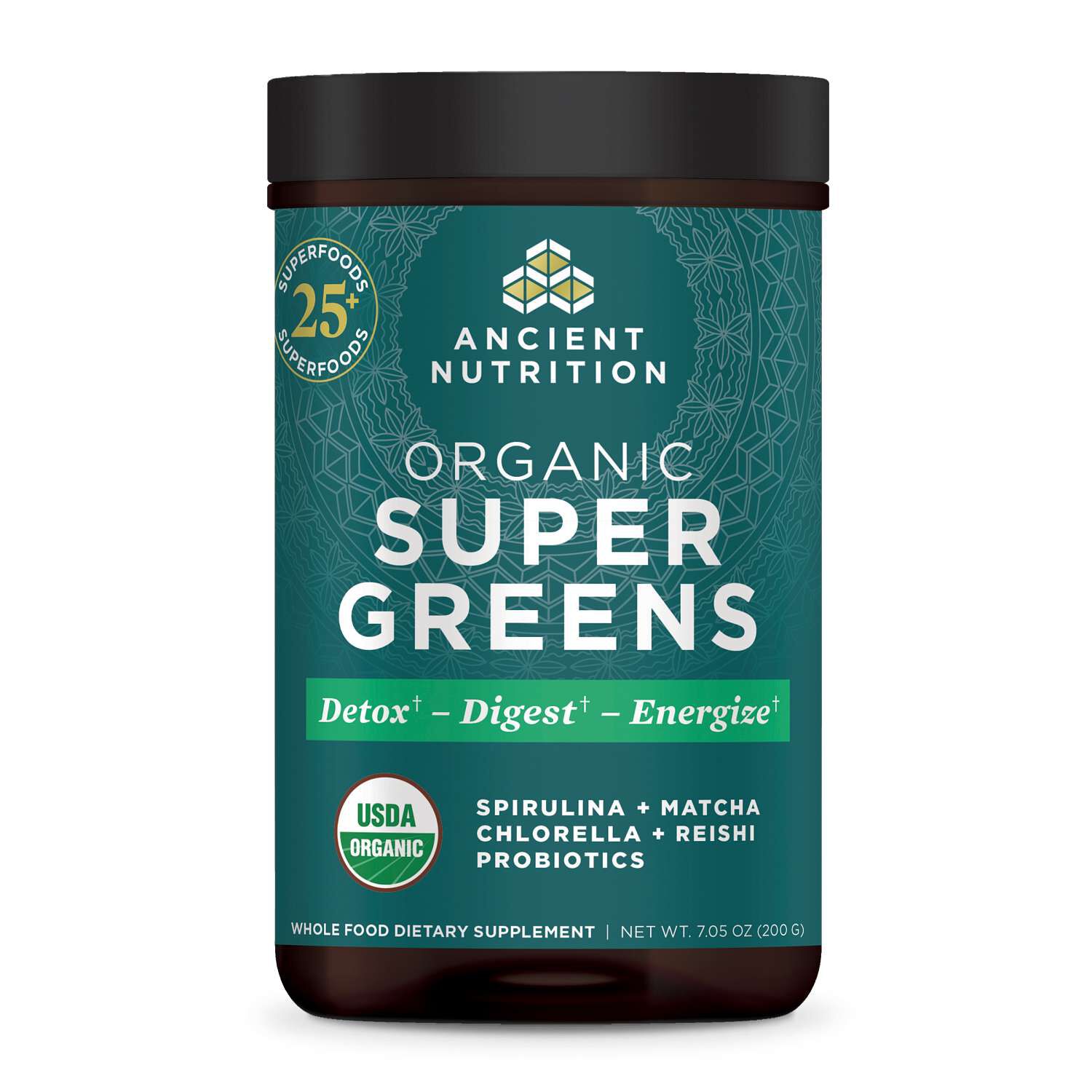
Ancient Nutrition
-
Amazing Grass