





Blood Pressure Support For Women
(0 Results)
Blood pressure support for women may play an important role in a well-rounded wellness routine. With options that are thoughtfully formulated to complement a healthy lifestyle, these supplements are designed with women’s unique needs in mind. Explore a variety of choices that could fit your daily regimen and help support your overall well-being. Discover how adding targeted support to your day may help you maintain your personal wellness goals.
-

-
-
-
-
 229$24.99
 -

-

-

-
-

-

-

-
 $29.99


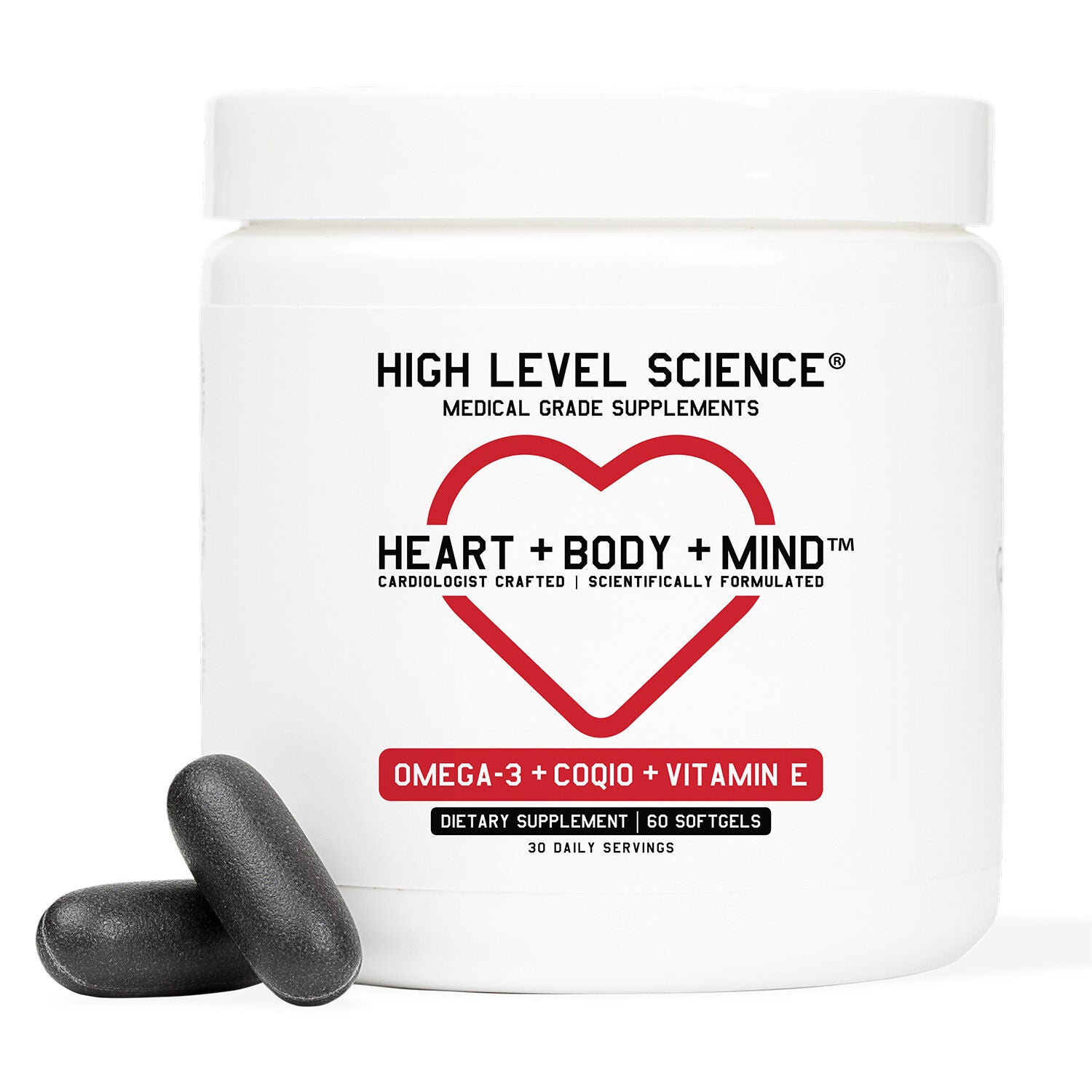
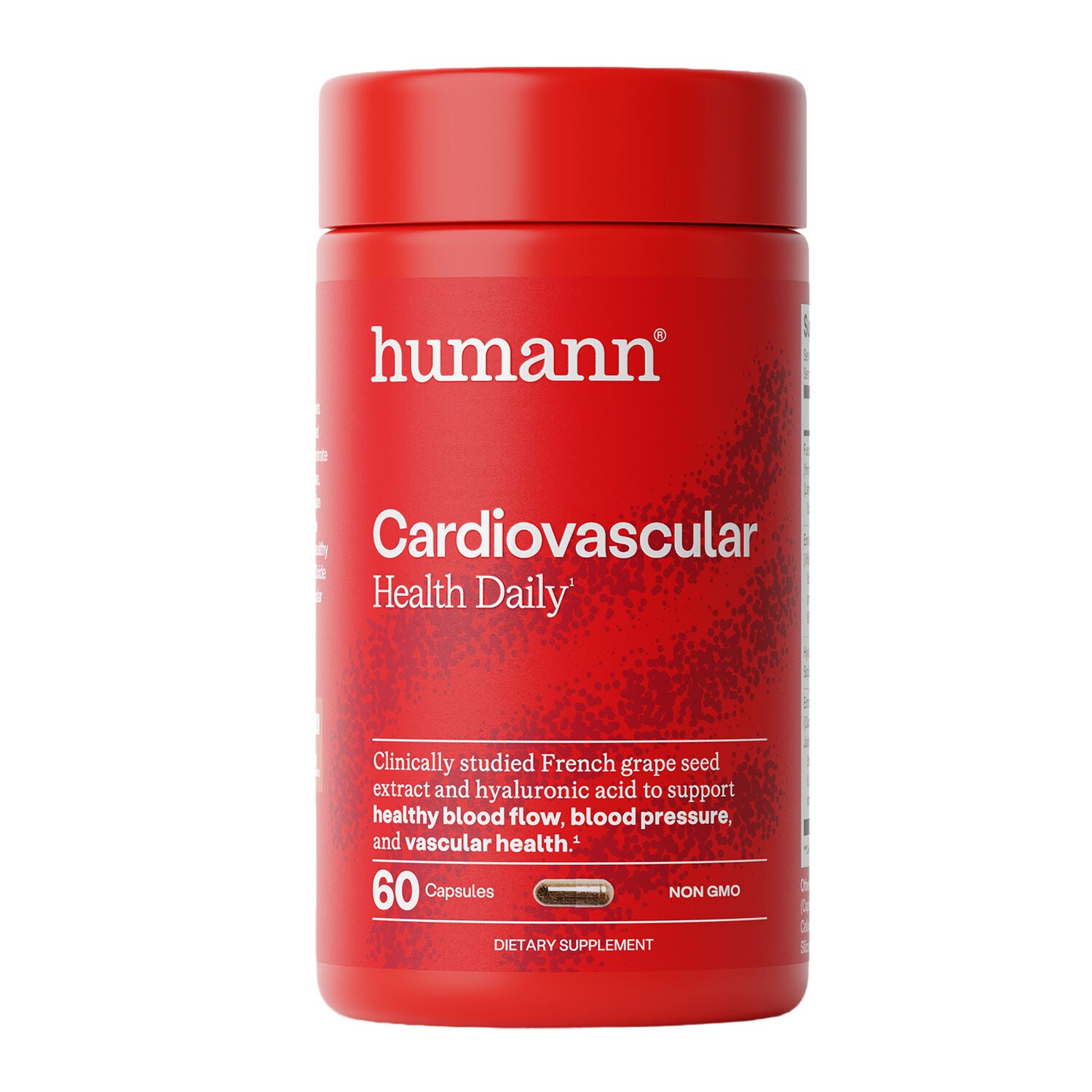
Women shopping for blood pressure support may look for products that fit naturally into an established wellness routine, whether that routine includes balanced meals, regular movement, restful sleep, and periodic readings at home. This collection may include supplement formats featuring nutrients and botanicals commonly selected for cardiovascular wellness, such as magnesium, omega-3 fatty acids, potassium, hibiscus, and aged garlic. Each ingredient may appeal to a different preference. Magnesium may suit someone who already enjoys a mineral-focused daily routine, while omega-3 fatty acids may be a practical choice for someone who does not regularly eat fatty fish. Potassium is found in many foods, including beans, leafy greens, potatoes, yogurt, and bananas, so shoppers may wish to consider how a supplement fits alongside their usual meals. Hibiscus and aged garlic may appeal to people who prefer botanical ingredients, including those who enjoy a warm herbal beverage during the cooler months. Product format may matter just as much as the ingredient list: capsules may suit a streamlined morning routine, softgels may be convenient for people who prefer a smooth texture, and drink mixes may make a supplement feel more connected to an afternoon pause. Reading the Supplement Facts panel, serving instructions, ingredient details, allergen information, and storage guidance may make it easier to choose a product that feels appropriate for personal preferences and everyday habits.
Life stage may also shape the way women approach blood pressure support. During the menopausal transition and other periods of change, some women may pay closer attention to sodium intake, hydration, sleep, activity, and home readings as they learn what supports their sense of well-being. A supplement may be used as one part of that broader routine rather than as a substitute for balanced nutrition or prescribed care. Women who spend long days at a desk, travel often, care for family members, or move between busy work and home schedules may appreciate simple products that are easy to keep in a kitchen cabinet, desk drawer, or travel organizer. A thoughtful gift may be appropriate for a mother, sister, partner, friend, or colleague who enjoys practical wellness items, although supplements are personal choices and may be best selected with the recipient’s preferences in mind. Consider whether she prefers single-ingredient formulas or blends, a particular serving size, plant-based ingredients, fish-derived ingredients, or a product without certain sweeteners, colors, or common allergens. For workplace wellness groups, community programs, and other organized purchasing needs, the Blood Pressure Supplements For Wellness Programs collection may offer another place to browse relevant options. A simple routine often feels more sustainable when it fits the rhythm of real life: a capsule beside a morning glass of water, a softgel with a meal, or a botanical tea enjoyed while the evening light fades.
Before adding a new supplement, women may wish to review the ingredient list with a qualified healthcare professional, particularly when taking prescription medicines or managing an ongoing health concern. Some nutrients and botanicals may not be suitable for every person, and professional guidance may help identify possible interactions, serving considerations, or reasons to avoid a particular formula. Potassium deserves extra attention because individual needs may vary, especially for people who have been advised to limit or monitor potassium intake. Fish-based omega-3 products may call for a closer look at sourcing and allergen information, while botanical formulas may vary in strength and serving instructions. Checking expiration dates, following the label, and storing products as directed may help preserve product quality. Blood pressure readings may also provide useful personal context when tracked according to guidance from a healthcare professional, but a supplement label should not be treated as a replacement for professional evaluation. During the cooler months, routines may shift toward indoor meals, warm drinks, and less outdoor activity, making it a natural time to revisit grocery choices, movement habits, and the supplements kept on hand. A practical approach may involve choosing one product that aligns with personal needs, pairing it with nourishing foods such as vegetables, beans, fruit, whole grains, and lower-sodium options, and building habits that feel comfortable enough to continue through changing seasons.
Best Sellers
Related Pages
Top Collections
- Daily Collagen Supplements | Top Brands & Deals | GNC
- Natural Collagen Supplements | Top Brands & Deals | GNC
- Top Rated Collagen | Shop Customer Favorites | GNC
- Cortisol Supplements
- Vitamins For Hair Loss
- Spirulina Tablets
- NAD+ Supplement Tablets
- Peptide Supplements
- Best Brand of Magnesium Glycinate
- Vitamins That Help Support Weight Gain