





Blood Support Supplements
(0 Results)
Explore a wide range of blood support supplements that could help maintain your overall health and wellness. These supplements may offer essential nutrients that support circulation, potentially aiding in maintaining optimal blood flow and promoting cardiovascular health. Whether you're looking to support energy levels or contribute to your body's natural functions, these products could be a valuable addition to your daily routine. Discover various options that might complement a balanced lifestyle and empower you to take charge of your well-being.


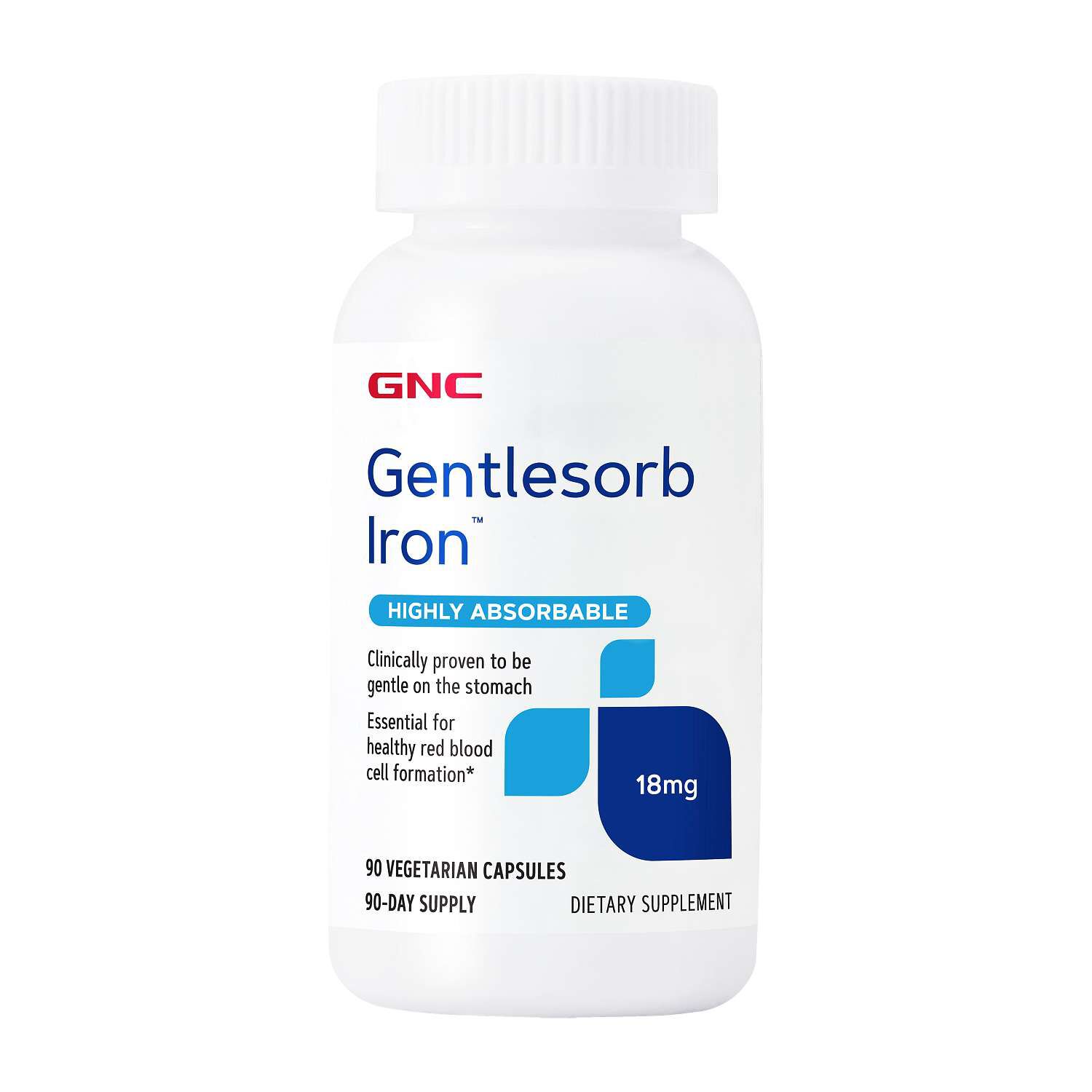

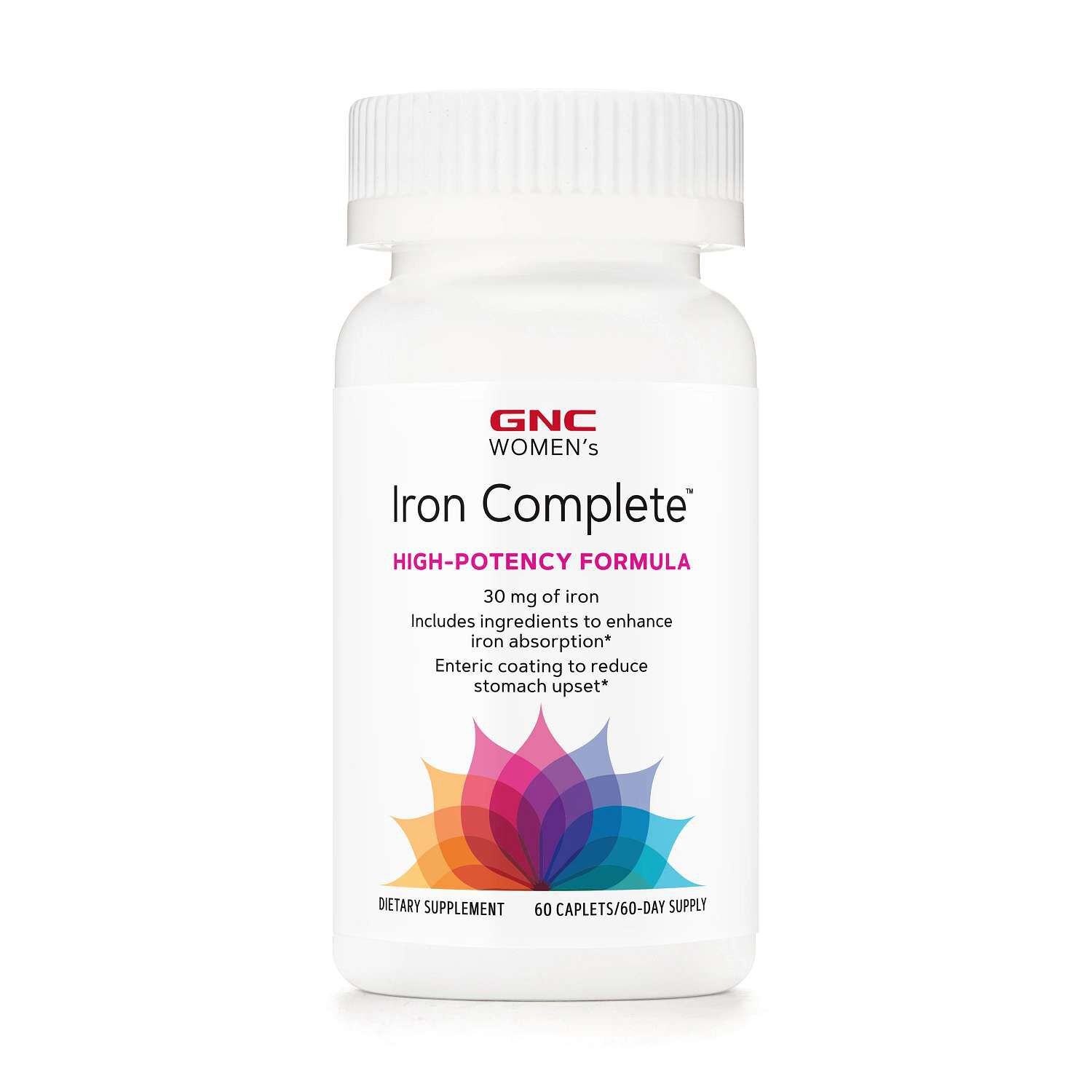
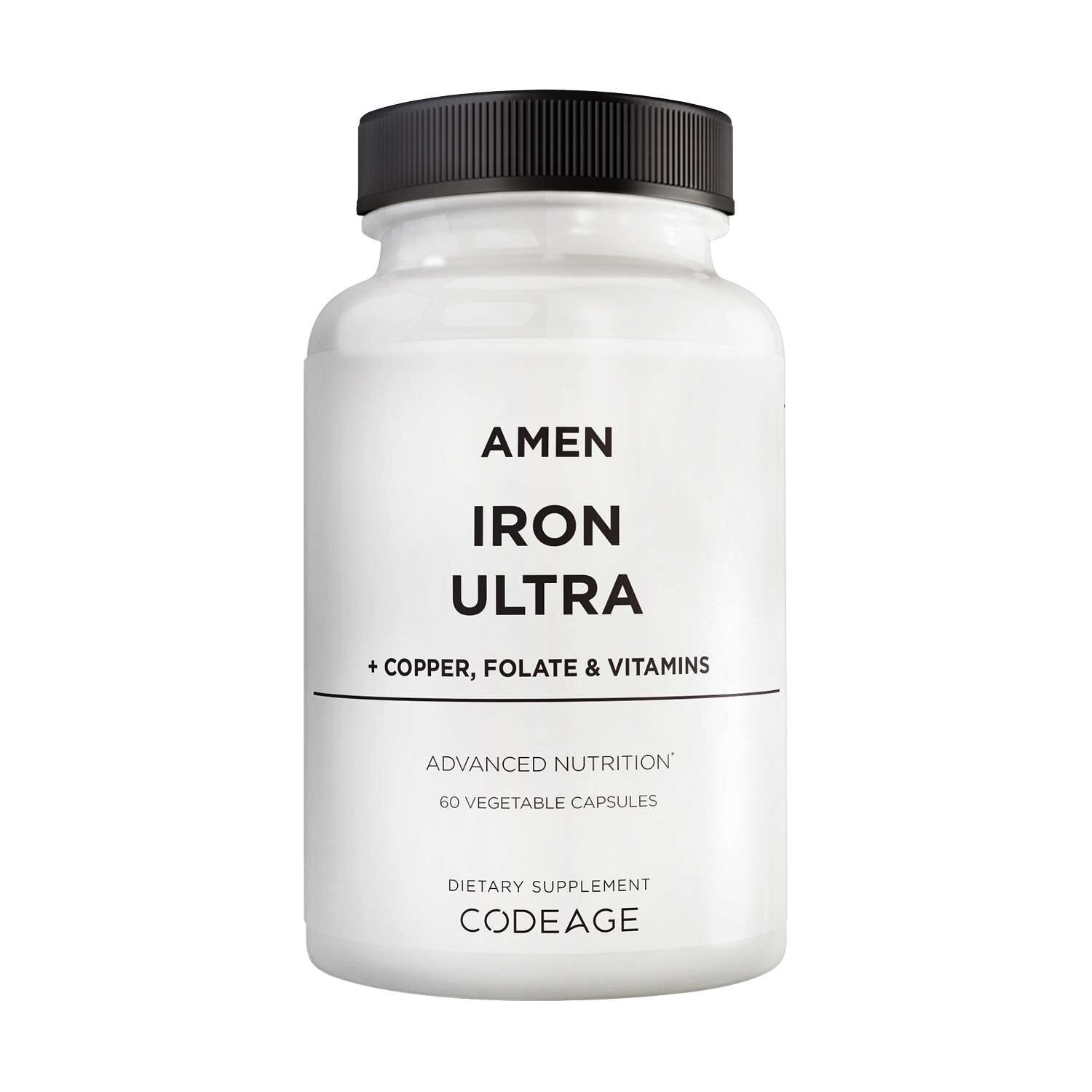
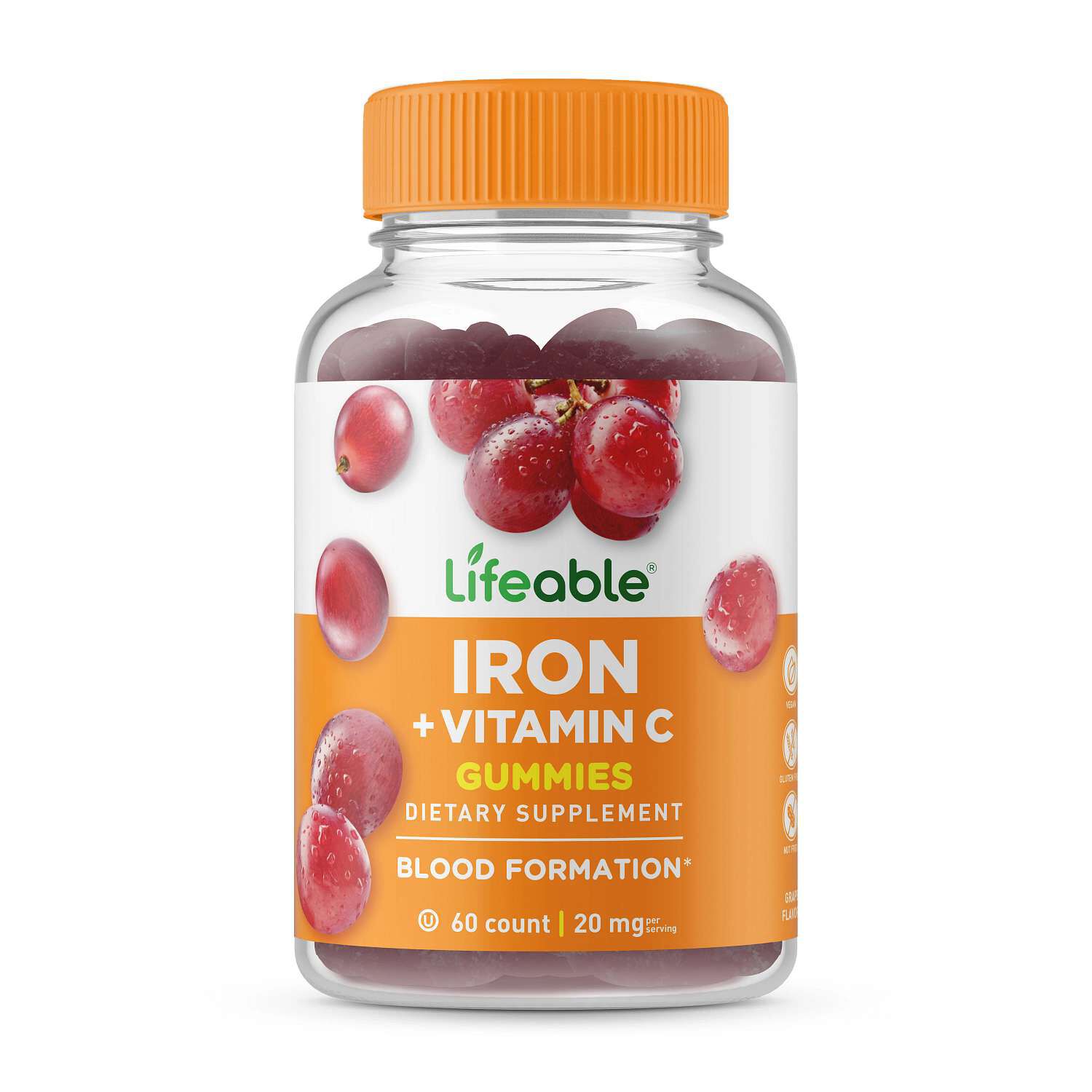
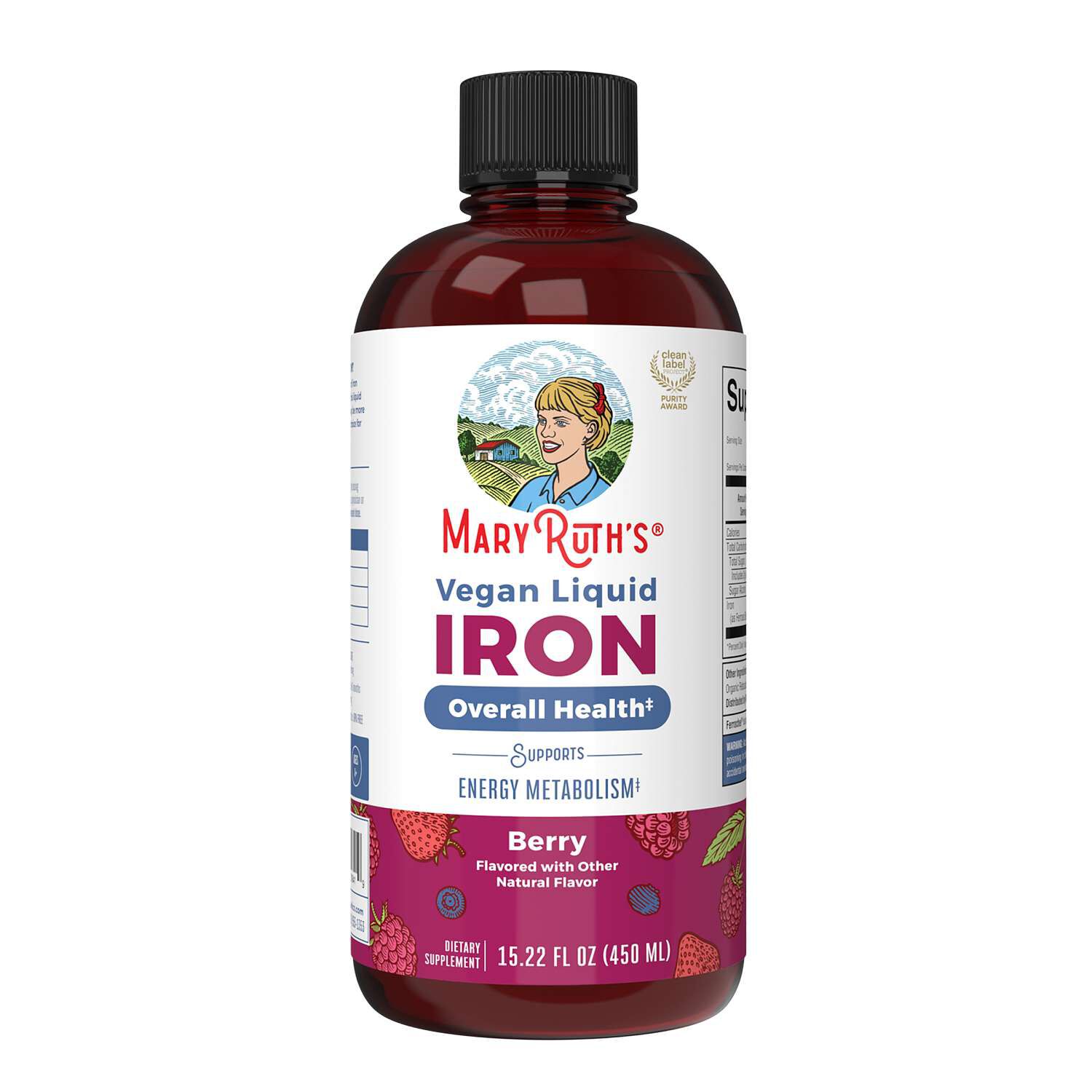

Blood support supplements are dietary supplements sold in forms such as tablets, capsules, softgels, powders, and liquids, with ingredient profiles that can include vitamins, minerals, botanical ingredients, or combinations of these. The term describes a shopping category rather than a single standardized formula. Descriptions in this category may refer to circulation, blood pressure, glucose metabolism, or broader cardiovascular wellness, making the intended use stated on the label an important distinction. These are different areas of wellness, and similar names do not mean that two formulas have the same composition. Some formulas contain nutrients such as iron, folate, or vitamin B12; others feature magnesium or plant extracts. An ingredient list describes what is present, but it does not establish whether that ingredient is appropriate for every person. Blood support supplements may complement a nutrition-focused routine, while the relevance of a particular formula depends on its contents and individual circumstances. Everyday food choices are another part of that picture: beans, leafy vegetables, fortified grains, and animal foods have different nutrient profiles, just as supplements differ in their formulations. For someone comparing options, useful background includes the distinction between a nutrient, its form, and the amount provided per serving. A mineral can appear under the name of a particular compound, while the Supplement Facts panel lists the amount of the nutrient itself. Folate and vitamin B12 can also appear in different ingredient forms, with those names shown on the panel or elsewhere on the package. Botanical labeling may identify the plant, the part used, and an extract amount or ratio when applicable. These details create a more specific picture than a broad phrase on the front of a bottle. A combination formula also deserves consideration as a collection of ingredients rather than as a single substance. Its vitamins, minerals, and botanical components may have separate listed amounts, and the serving may involve more than one capsule or tablet. That distinction matters when comparing the composition of one format with another.
Format can matter just as much as composition when choosing blood support supplements for an everyday routine. A person who prefers a capsule format may compare capsule material and the number included in a labeled serving, while someone considering a powder may focus on preparation directions, taste descriptions, and the amount of liquid needed. Tablets vary in size and coating; softgels can contain gelatin or other materials; capsules may use gelatin or plant-derived shells. Powders and liquids may contain flavors, sweeteners, colors, or other ingredients that are listed separately from the nutrients. The Other Ingredients section is therefore part of the comparison, particularly for shoppers with dietary preferences or ingredient restrictions. Allergen statements and manufacturer disclosures provide additional information about ingredients such as milk, soy, or wheat. A plant-derived capsule shell does not, by itself, describe every ingredient inside it, and a liquid format does not necessarily have the same serving amount as a tablet. The label also identifies the intended age group and directions for use, which are more specific than the category name. Adults assembling a personal supplement routine may prefer one format over another for practical reasons, such as keeping a bottle in a kitchen cabinet or measuring a liquid at home. Someone already using a multivitamin may also notice repeated nutrients across labels. Looking at the amount per serving, rather than simply matching ingredient names, makes those differences visible without treating a larger number as automatically preferable. Units matter as well: milligrams and micrograms are not interchangeable, and a serving is not always a single piece. Package count and serving count describe different things when several capsules make up one serving. Percentage Daily Value offers reference information on the label, not an individualized assessment of what a person needs. Personal suitability is a separate consideration from format, taste, or packaging, and professional input can provide context that a product listing cannot. A carefully considered selection starts with clear label information rather than assumptions based on a category heading or a familiar nutrient name.
Packaging and storage deserve the same attention as ingredient details, especially for supplements intended to sit in a cupboard between uses. A bottle with a securely closing lid, a readable label, and intact protective packaging makes everyday handling more straightforward. Printed storage directions, date markings, and any instructions for use after opening apply to the specific format. A liquid may have different handling requirements from a dry capsule, and a powder may need its container closed carefully between servings. A shelf beside a steaming stove, a sunny windowsill, or a humid bathroom can create storage conditions that differ from those described on the package. Keeping supplements in their original containers preserves access to the ingredient panel, serving information, and handling directions; moving loose tablets into an unlabeled jar removes that context. Measuring tools included with a powder or liquid also belong to that particular format, since an ordinary kitchen spoon may not match the labeled measure. These are practical details of product use, not signs that one format is better for everyone. When browsing blood support supplements alongside related nutritional categories, ingredient-by-ingredient comparison can clarify where the selections differ and where they overlap. The related category of Heart Balance Supplements provides another context for comparing composition, serving size, and intended nutritional use. A shared wellness theme does not make two formulas interchangeable or mean that they belong together in the same routine. An informative comparison brings together the Supplement Facts panel, other ingredients, directions, dietary suitability, and storage requirements rather than relying on the wording across the front label alone. For a person who values a small capsule, another who prefers a measured liquid, or someone focused on a particular nutrient form, those details may point toward different choices. Blood support supplements are best understood through their individual labels and intended nutritional use, with practical fit considered alongside the formula.
Best Sellers
Related Pages

Top Collections
- Daily Collagen Supplements | Top Brands & Deals | GNC
- Natural Collagen Supplements | Top Brands & Deals | GNC
- Top Rated Collagen | Shop Customer Favorites | GNC
- Cortisol Supplements
- Vitamins For Hair Loss
- Spirulina Tablets
- NAD+ Supplement Tablets
- Peptide Supplements
- Best Brand of Magnesium Glycinate
- Vitamins That Help Support Weight Gain