





Natural Support Supplements
(0 Results)
Natural support supplements could offer a convenient way to enhance your wellness routine. With options that may help you maintain balance and support your daily lifestyle, these supplements are crafted to fit a variety of health goals. Discover how natural support supplements might complement your nutrition and encourage overall well-being as part of a balanced approach to self-care.
-

-
 BioXgenic$35.99
 -

-

-
-
-
-
 $34.99
 -

-

-

-
-
-
 Portions Master$24.99
 -

-

-

-
-

-

-
-

-

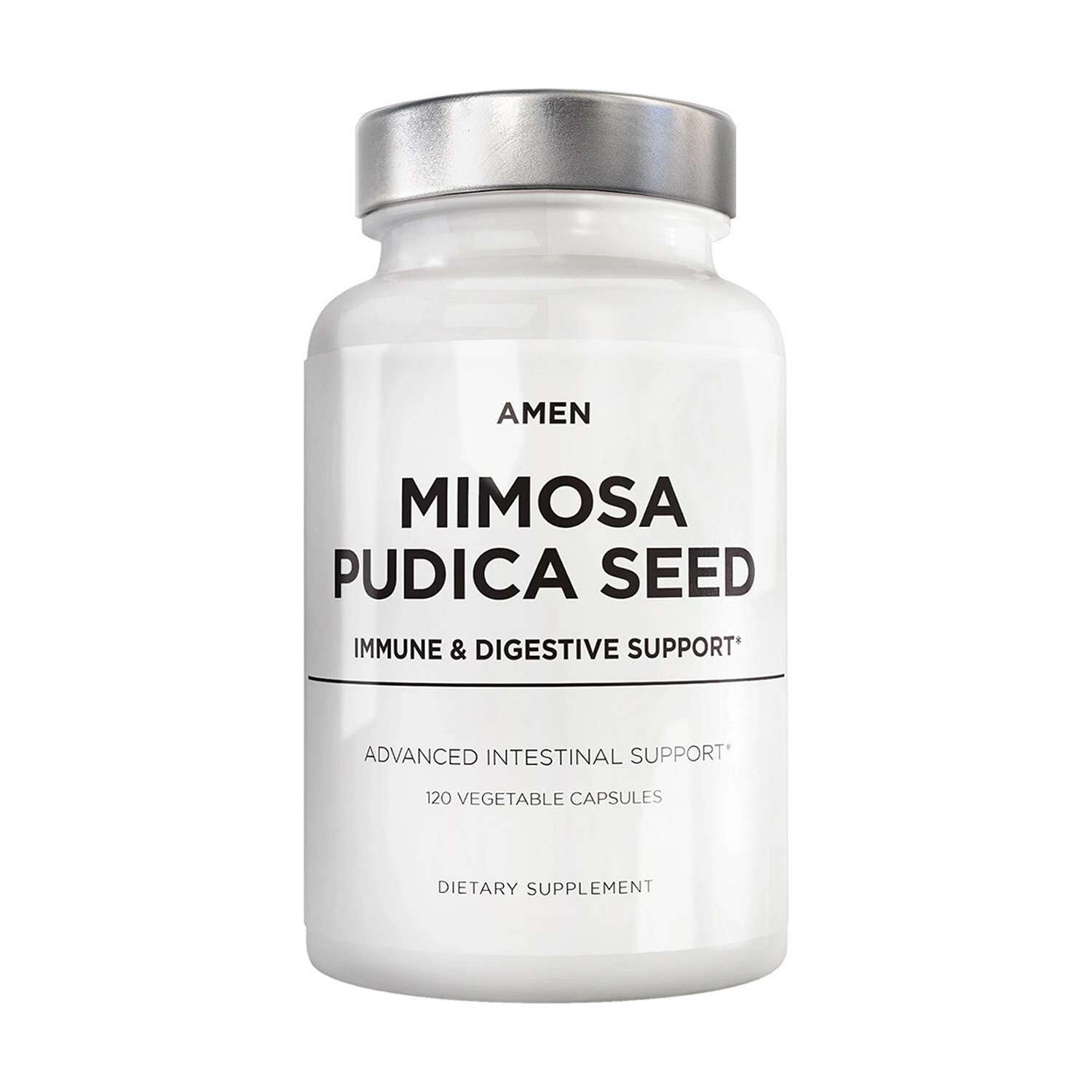
Natural support supplements bring together vitamins, minerals, botanical ingredients, oils, and dietary fiber in formats that may complement everyday eating habits. The category is broad: some formulas focus on a single nutrient, while others combine several ingredients in a capsule, softgel, gummy, or powder. Common ingredients associated with natural support include vitamin D3, magnesium glycinate, omega-3 oils, and psyllium husk, each with a different source, composition, and intended use. “Natural” alone does not describe how an ingredient was processed, how much a serving contains, or whether the finished formula matches a particular dietary preference. Those distinctions come from the ingredient list, Supplement Facts panel, and details about sourcing and production. Botanical formulas might contain ground plant material or an extract made from a named plant part, such as the root, leaf, or seed. Mineral supplements identify the mineral along with its form, while oil-based formulas often identify the original source and individual fatty acids. These details make natural support supplements more than a single, uniform group. For an adult who prefers a straightforward routine, a single-ingredient formula may offer a simpler way to compare labels. Someone who values fewer separate containers might prefer a combination formula, although the amount of each ingredient still matters when comparing options. A plant-based shopper may look closely at capsule shells and ingredient origins, while someone who dislikes strongly flavored powders may prefer a format with little noticeable taste. The most useful distinctions are practical ones: what the formula contains, how it is prepared, how much constitutes a serving, and how comfortably its format fits an established routine. Natural sourcing is one part of that picture, alongside transparent labeling, thoughtful packaging, and a clear intended use. Rather than treating every formula as interchangeable, this category rewards attention to the small differences that shape the experience of using a supplement day after day.
Ingredient names offer a starting point, but the finer label details provide a more meaningful comparison. Vitamin D3 may appear in softgels, capsules, or other formats, and its source can vary, including lanolin-derived and lichen-derived ingredients. For shoppers with plant-based preferences, that sourcing distinction can matter as much as the serving format. Magnesium glycinate identifies magnesium paired with glycine; the amount of magnesium listed on the Supplement Facts panel is distinct from the weight of the entire ingredient compound. Omega-3 supplements may use fish oil or algae-derived oil, with labels identifying amounts of individual fatty acids such as EPA and DHA. The quantity of oil in a serving is not necessarily the same as the quantity of those named fatty acids, so matching those figures makes side-by-side comparisons more useful. Dietary fiber formulas may feature psyllium husk or other fiber sources, and their texture, flavor, and preparation requirements can differ considerably. A powder intended for mixing has a different place in a routine than a softgel taken according to its package directions. Botanical supplements introduce another set of distinctions, including the plant’s common name, botanical name, plant part, and whether the formula uses an extract or ground material. A stated extract ratio describes a production detail; it does not, by itself, establish how a person will experience the formula. For shoppers interested in a related selection, Nature Powered Supplements offers another way to explore the category. Across these ingredient families, clear descriptions are more informative than broad language about nature. A recognizable plant name, for example, does not explain the capsule material, added sweeteners, or serving size. Likewise, a short front label may leave important distinctions to the back panel. Reading those details together creates a fuller picture of the formula without assuming that similar names mean identical composition, sourcing, or use.
The everyday fit of natural support supplements often comes down to details that are easy to overlook on a first pass. Capsule dimensions, the number of pieces per serving, powder texture, and flavor can all influence which format feels manageable. A bottle containing sixty capsules does not necessarily provide sixty servings, and a gummy serving may consist of more than one piece. Flavored options can include sugars, sweeteners, colors, and ingredients used to create their texture, while capsules may use gelatin or plant-derived shell materials. These are meaningful differences for adults with dietary preferences or a strong dislike of certain tastes and textures. Consider a busy morning with breakfast already on the table: a format that requires measuring and mixing asks for a different amount of preparation than a capsule or softgel. For someone who regularly packs a bag for an overnight stay, secure closures and readable labels may be more useful than decorative packaging. Powders introduce their own considerations, including scoop storage, how firmly the lid closes, and whether the directions call for a particular amount of liquid or a specific mixing method. Some mixtures change consistency after preparation, making the package directions especially relevant to the intended drinking experience. Care is largely about following the stated storage instructions, keeping containers properly closed, and retaining the original packaging so serving information and date markings remain accessible. A supplement container has a finite usable life, and its printed date and storage requirements are more relevant than expectations of durability associated with household goods. For shared households, clearly labeled containers also make different formulas easier to distinguish. As a gift, supplements are a personal choice rather than a universal gesture; a recipient’s stated ingredient and format preferences matter more than an assumption about what they might need. Whether chosen for a familiar routine or a new format preference, natural support supplements are best understood through their individual ingredients, serving details, preparation needs, and sourcing information. Those concrete attributes offer a grounded way to browse a varied category while keeping everyday convenience and personal preferences in view.
Best Sellers

Related Pages


Top Collections
- Daily Collagen Supplements | Top Brands & Deals | GNC
- Natural Collagen Supplements | Top Brands & Deals | GNC
- Top Rated Collagen | Shop Customer Favorites | GNC
- Cortisol Supplements
- Vitamins For Hair Loss
- Spirulina Tablets
- NAD+ Supplement Tablets
- Peptide Supplements
- Best Brand of Magnesium Glycinate
- Vitamins That Help Support Weight Gain