Nature Powered Supplements
(0 Results)
Nature powered supplements offer a way to support your wellness routine with ingredients inspired by the world around us. From plant-based extracts to botanicals and minerals, these supplements are crafted to help you embrace a more natural approach to daily nutrition. Explore nature powered supplements that fit seamlessly into your lifestyle and discover how harnessing the potential of nature may help you on your journey toward feeling your best.


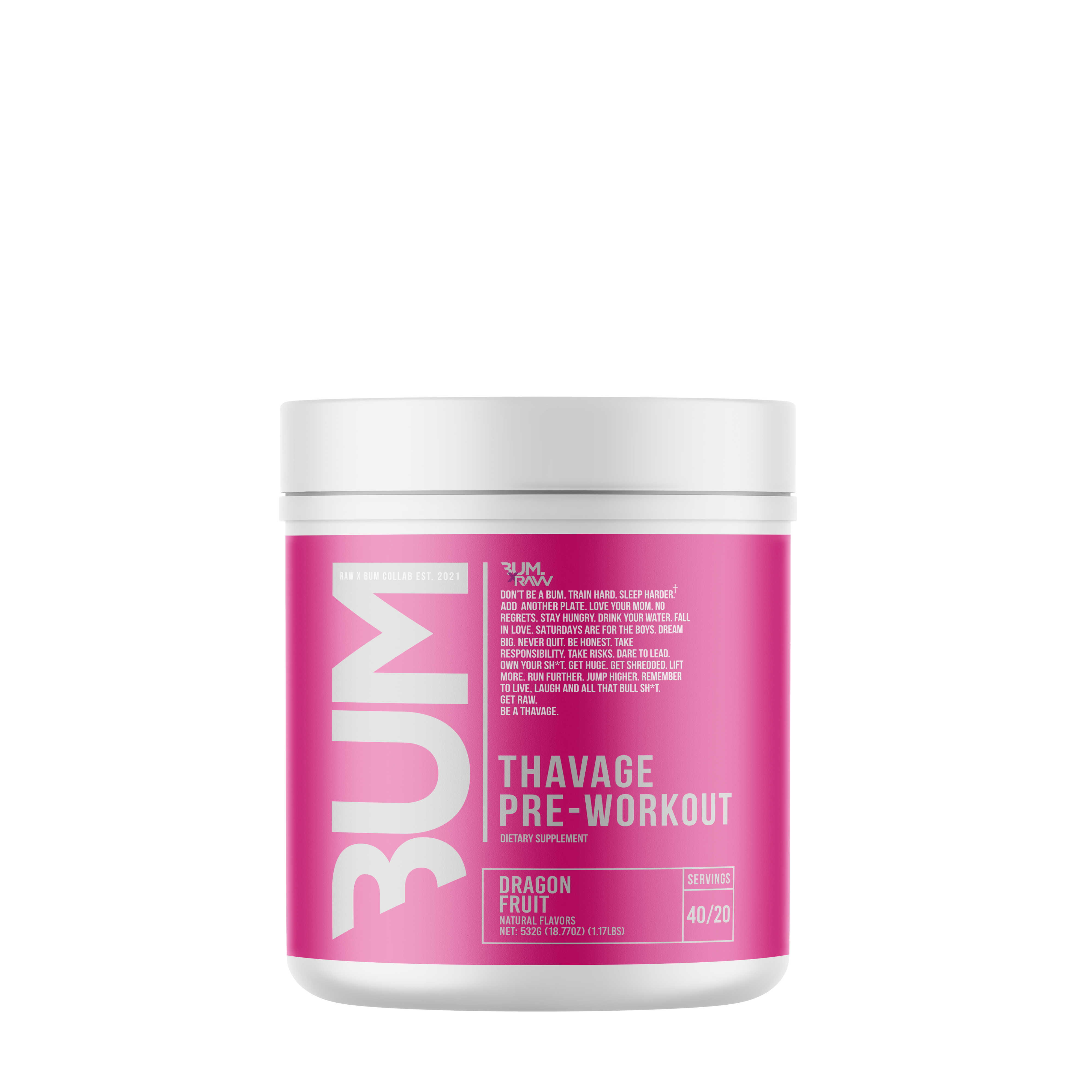


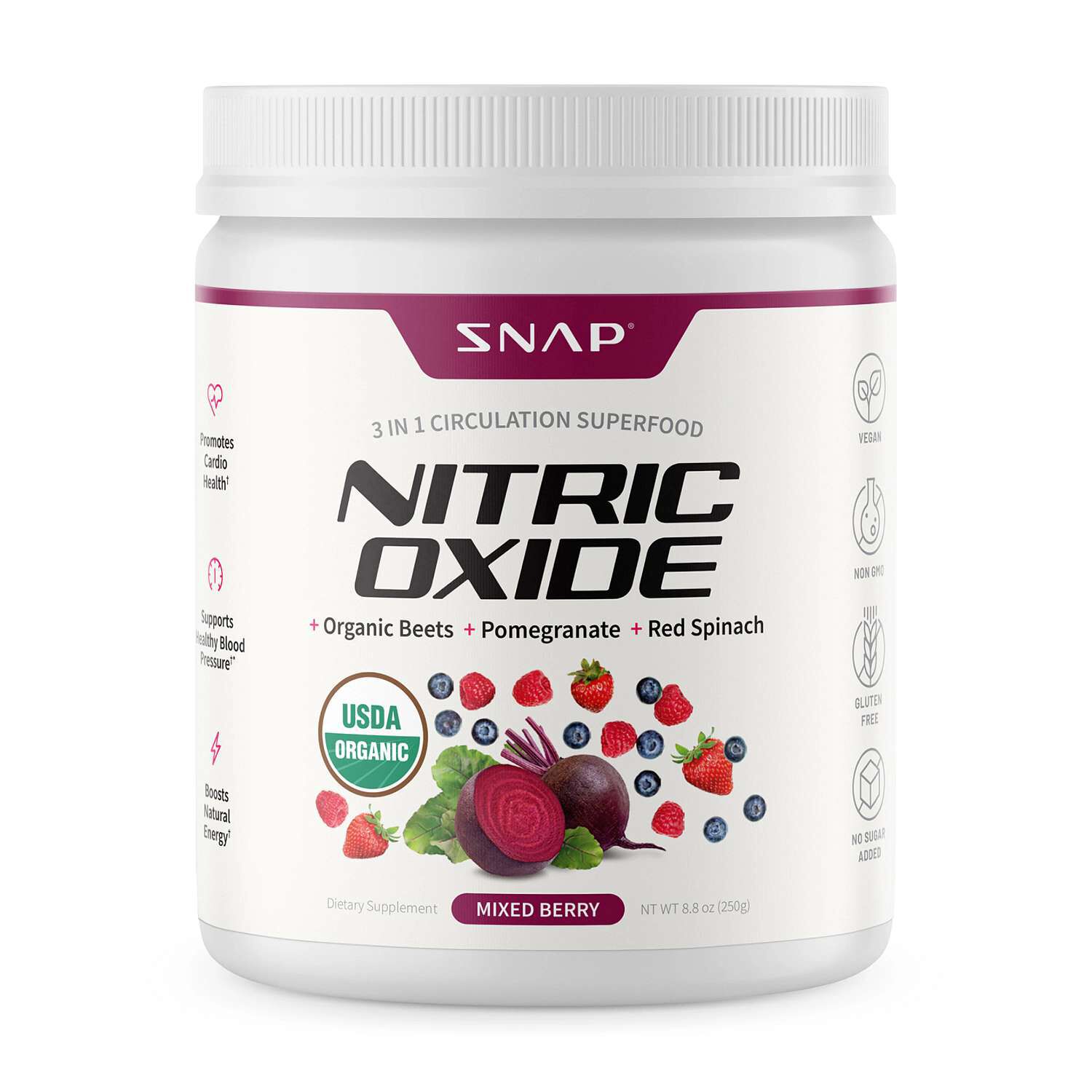
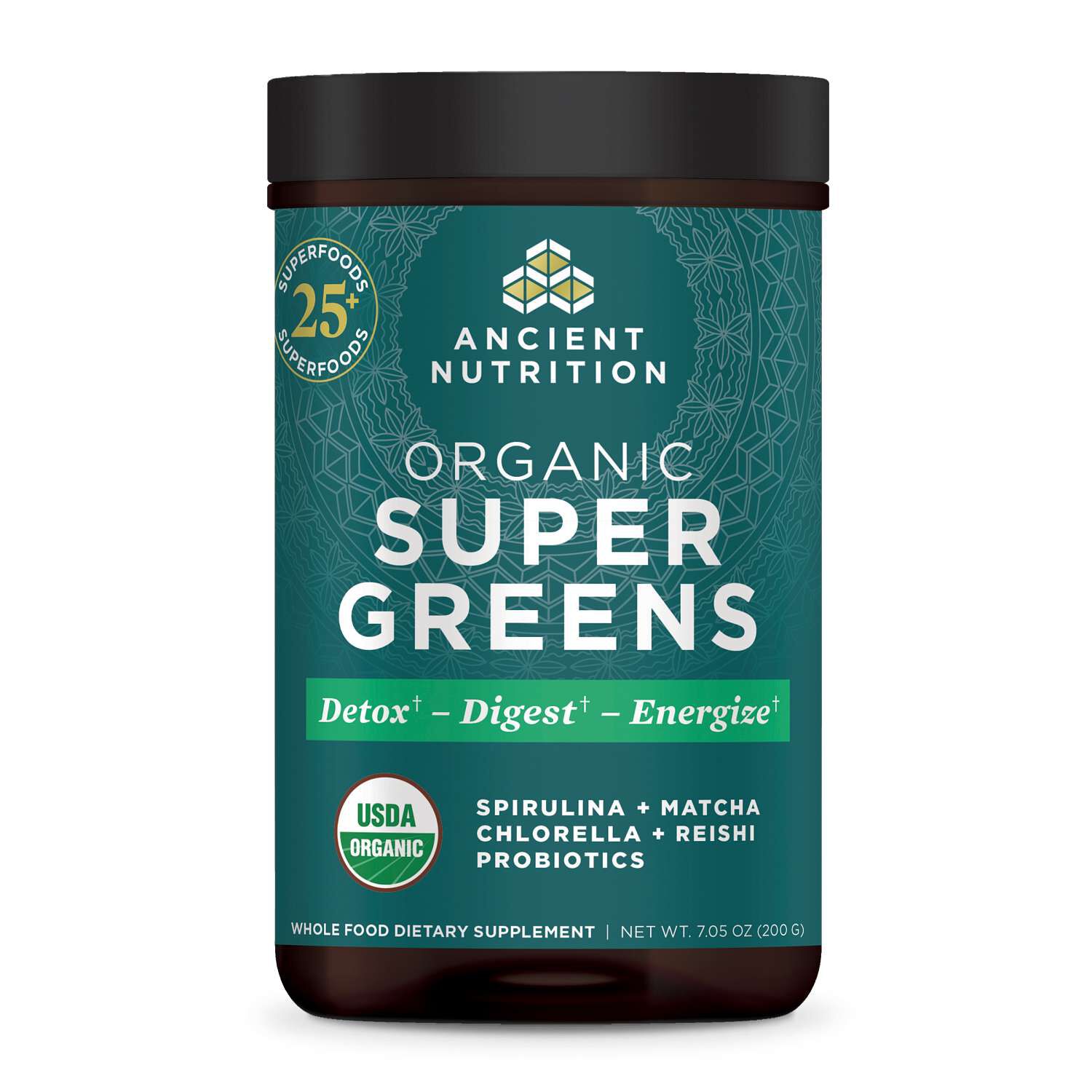
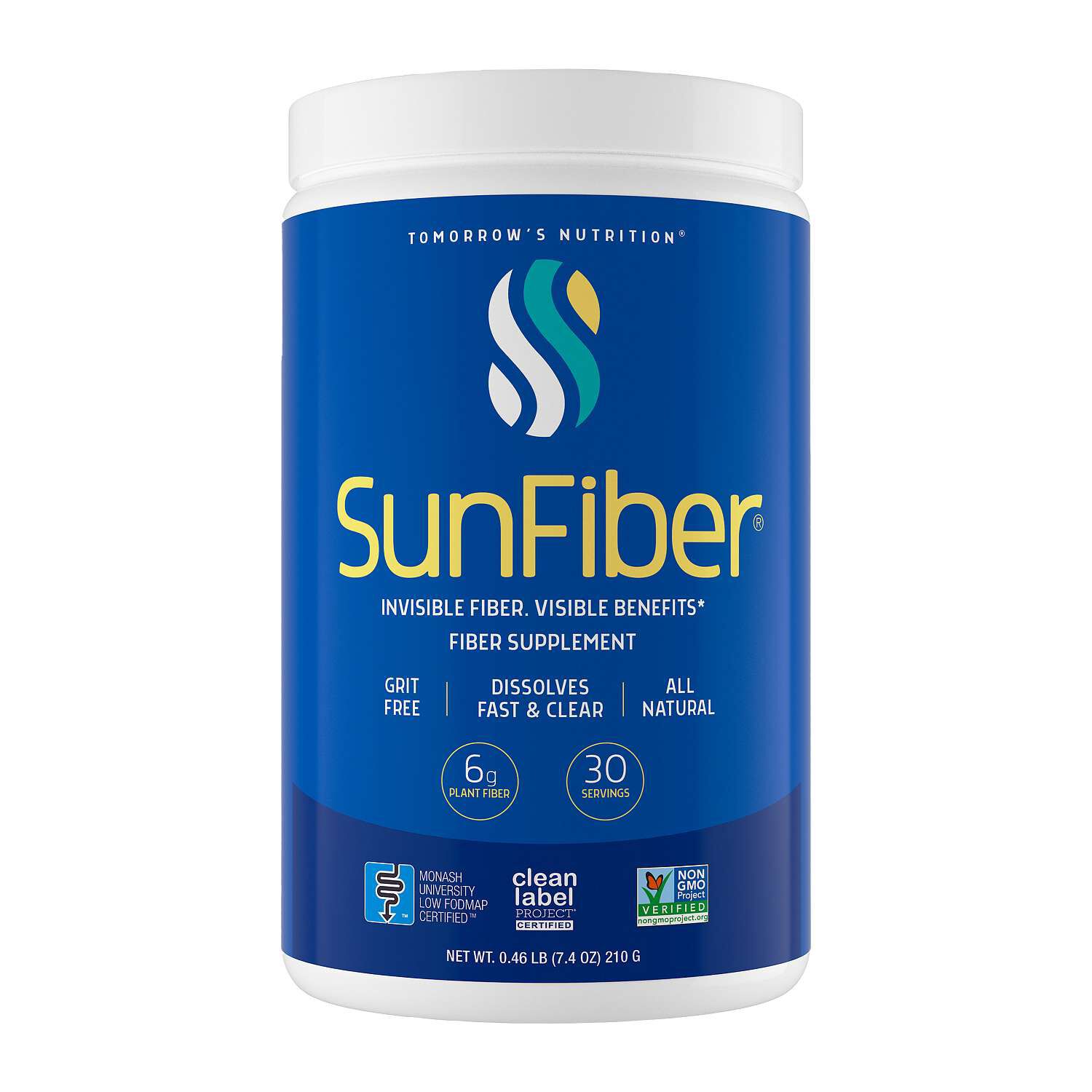
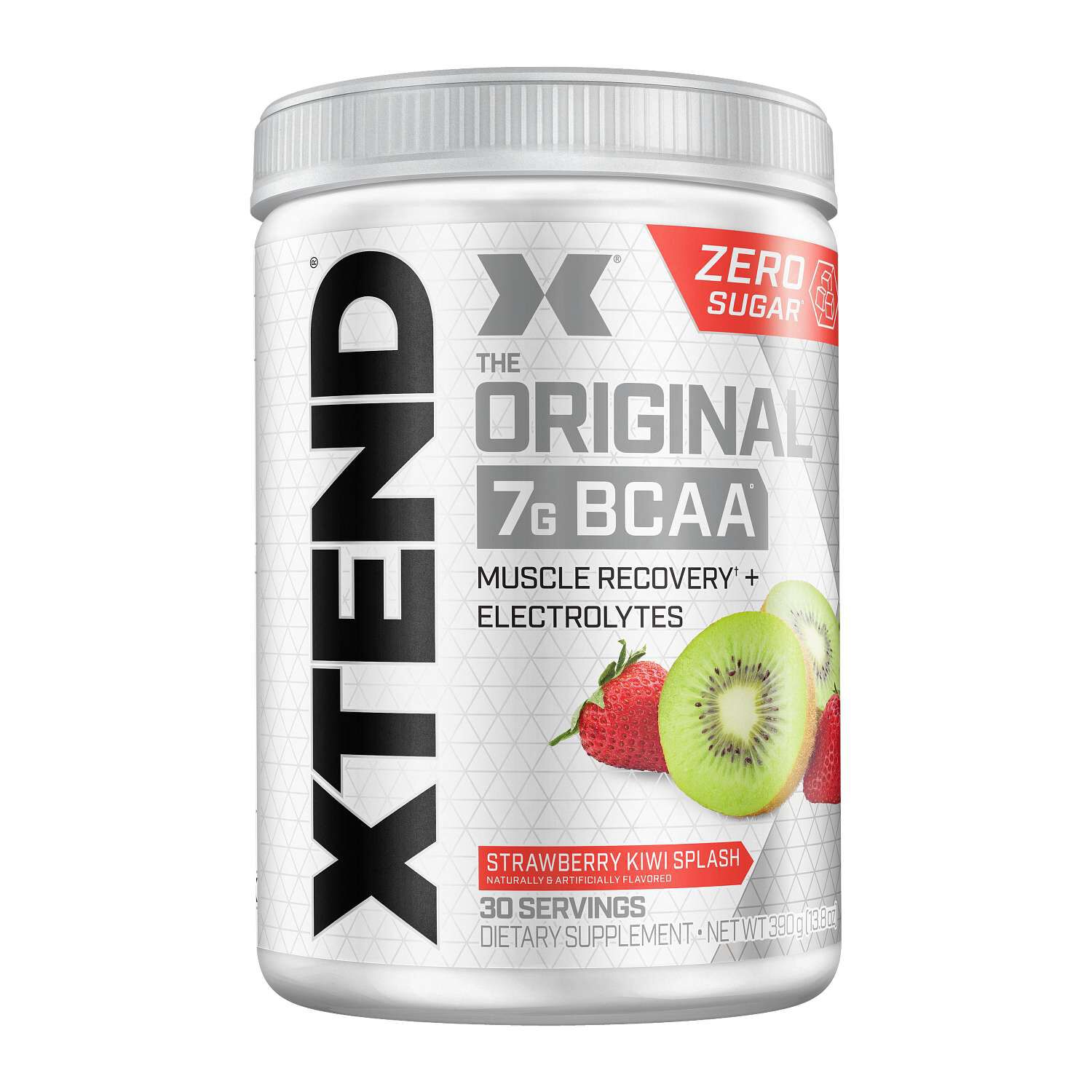
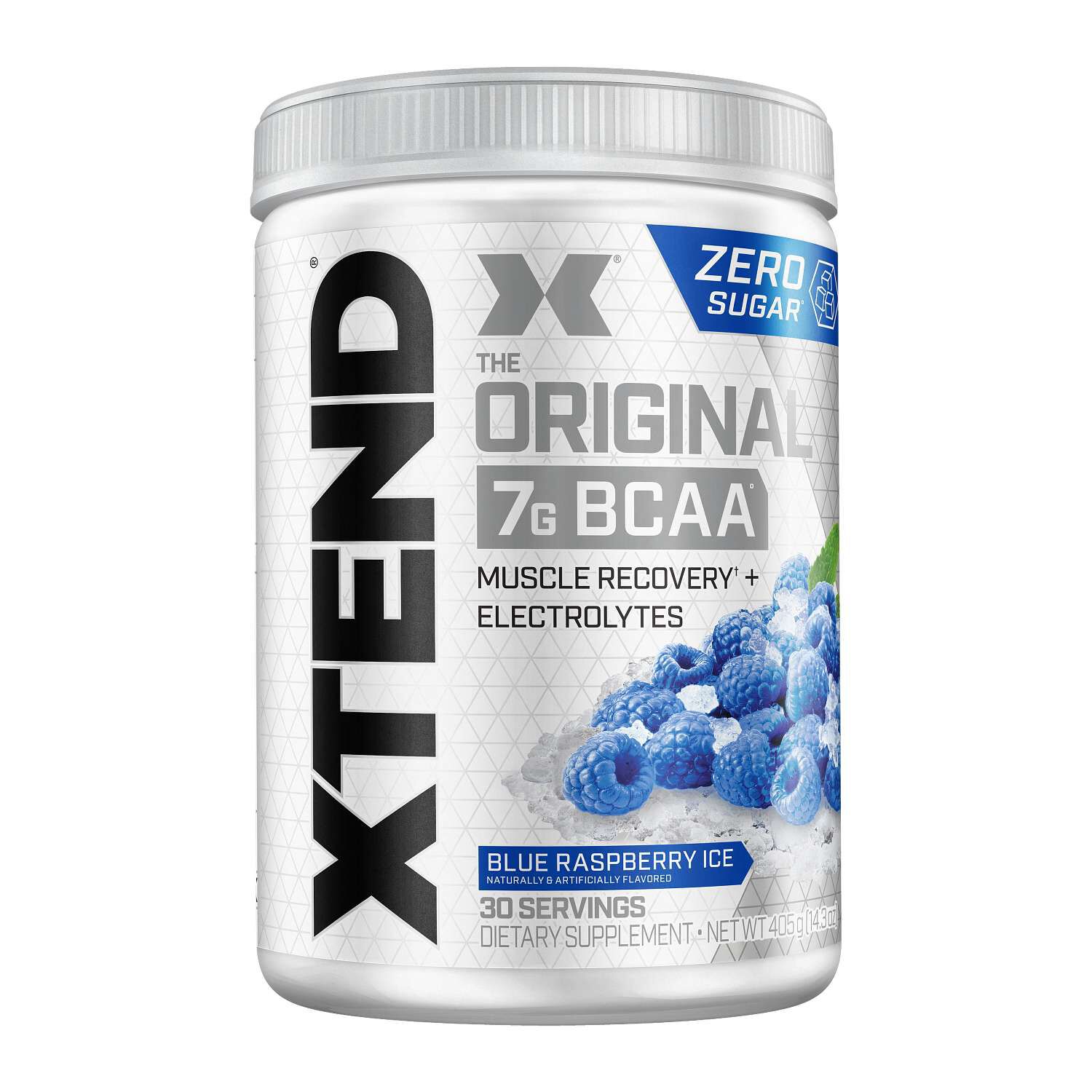
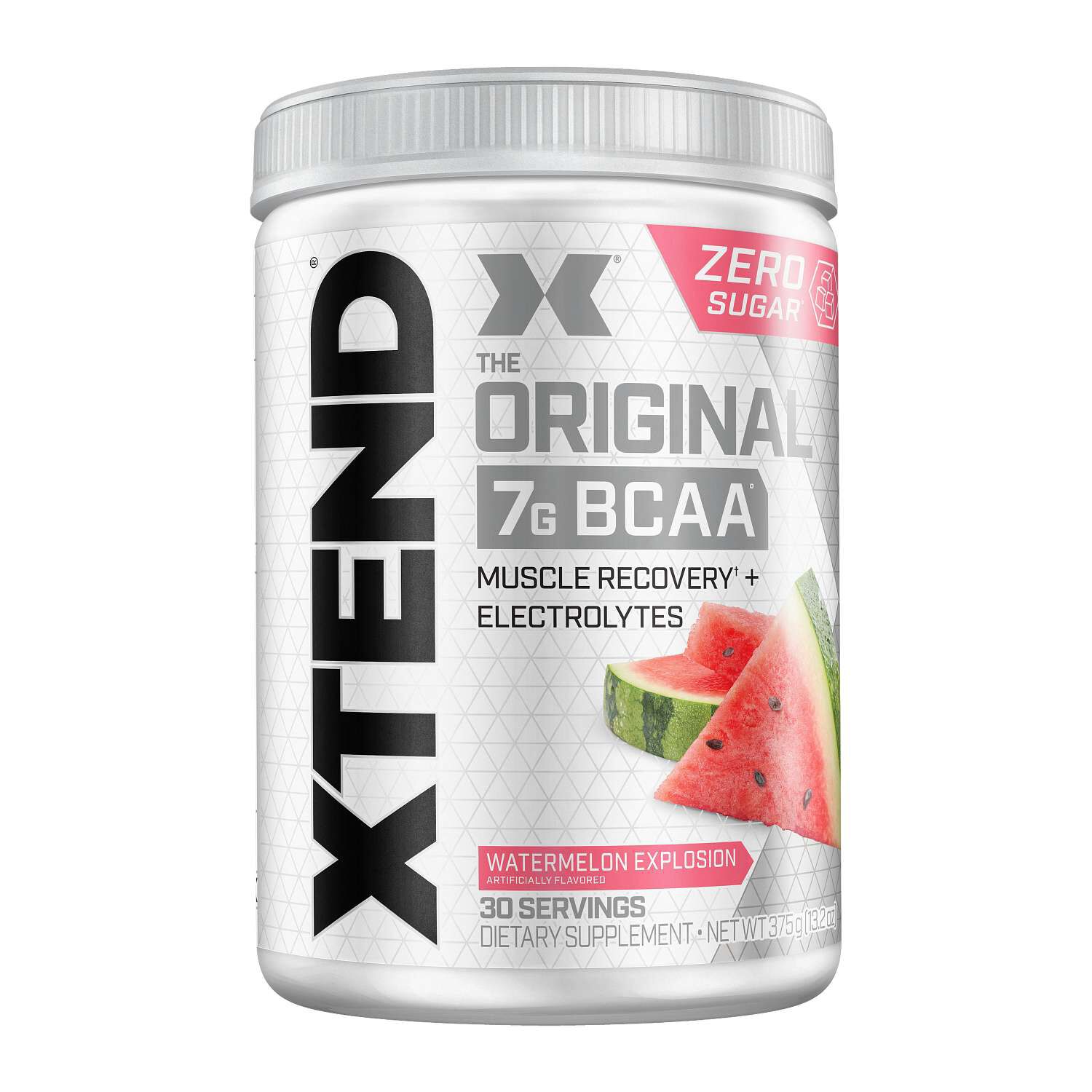


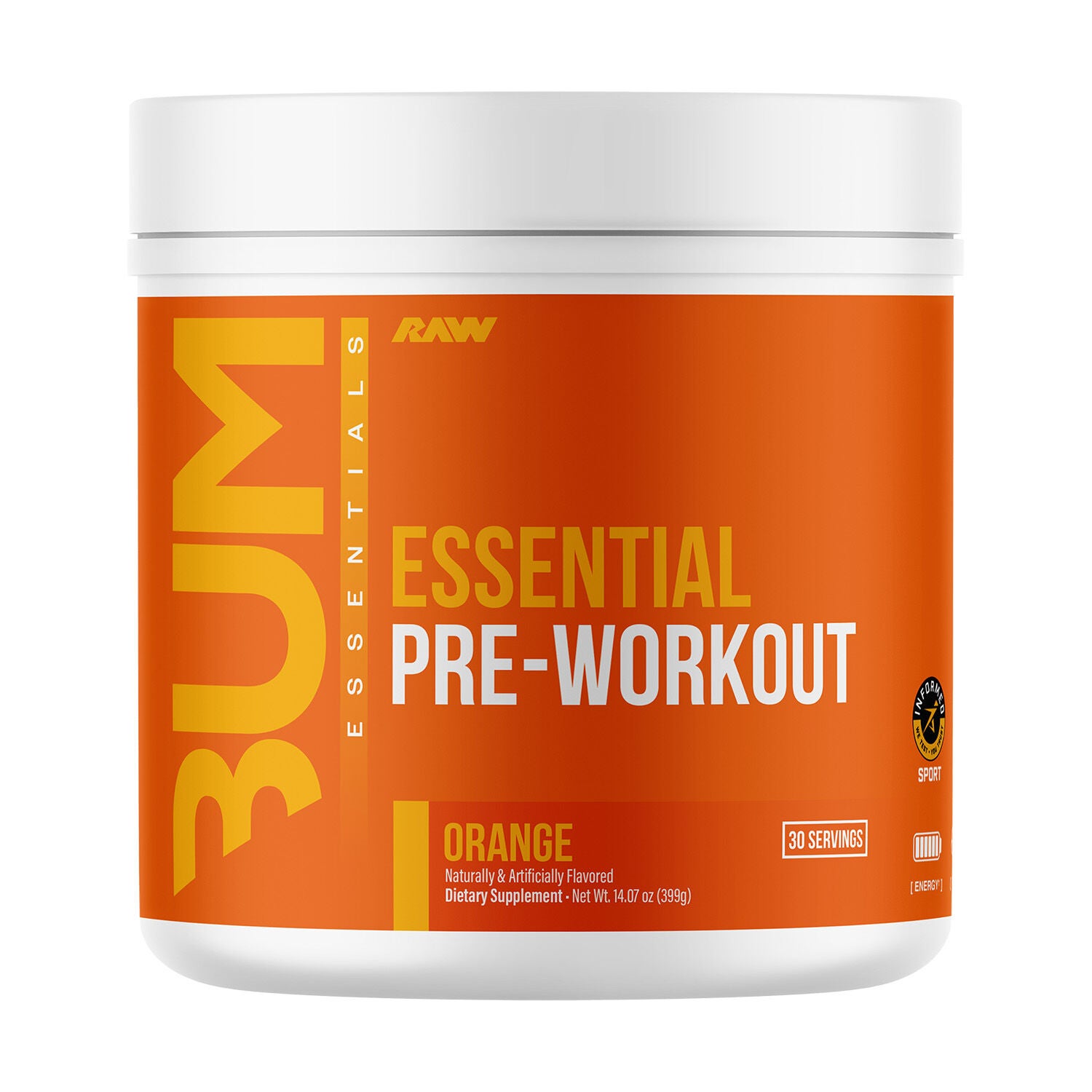


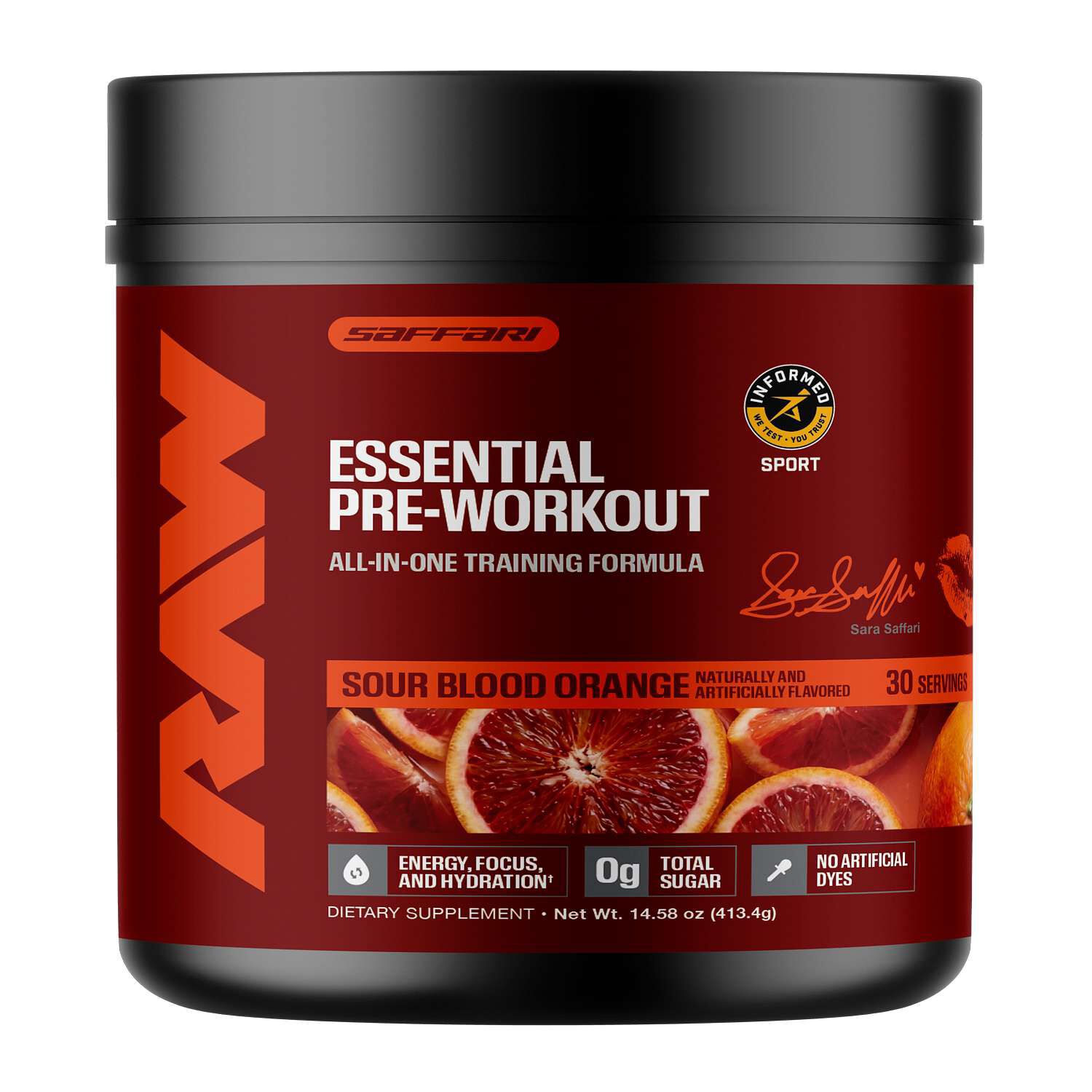
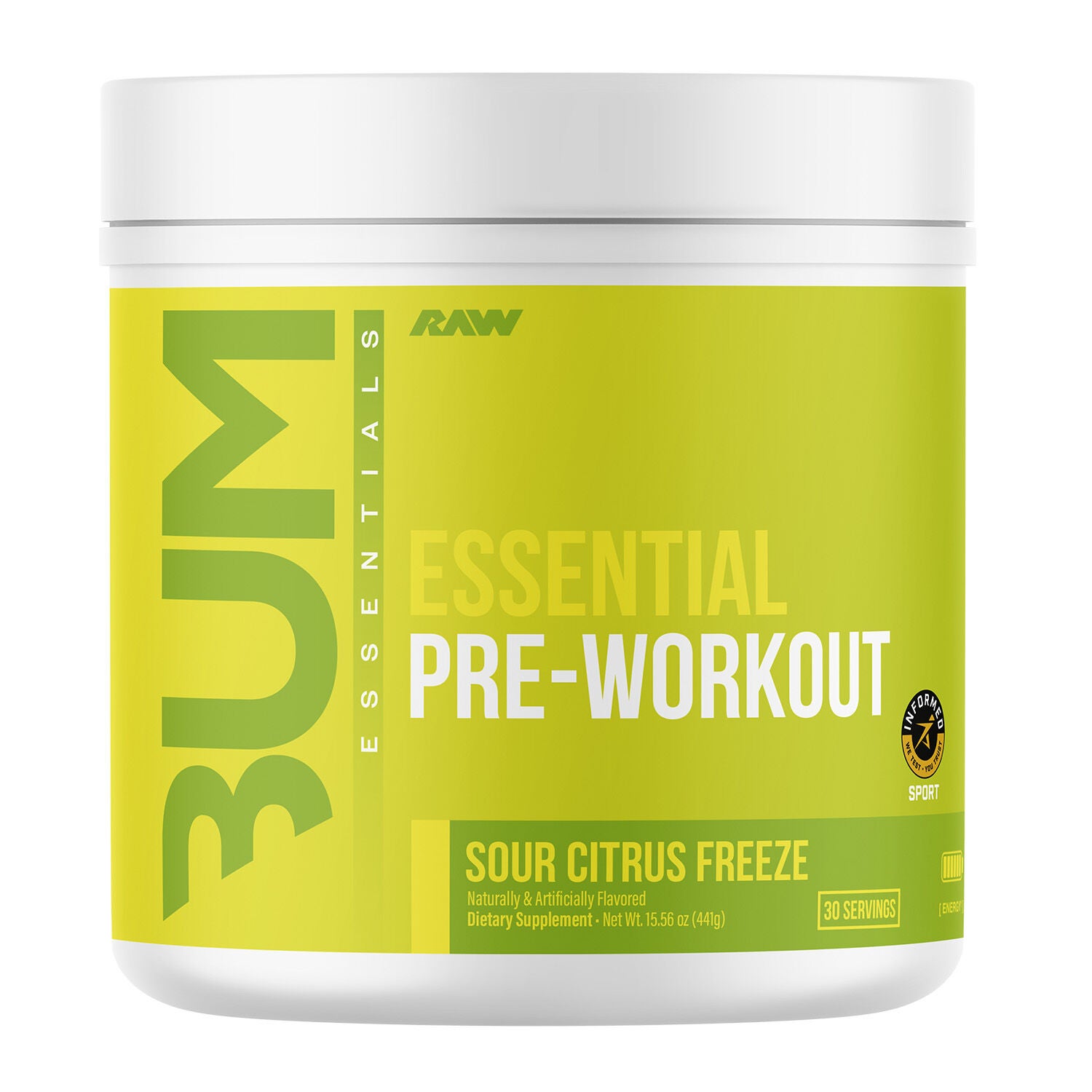
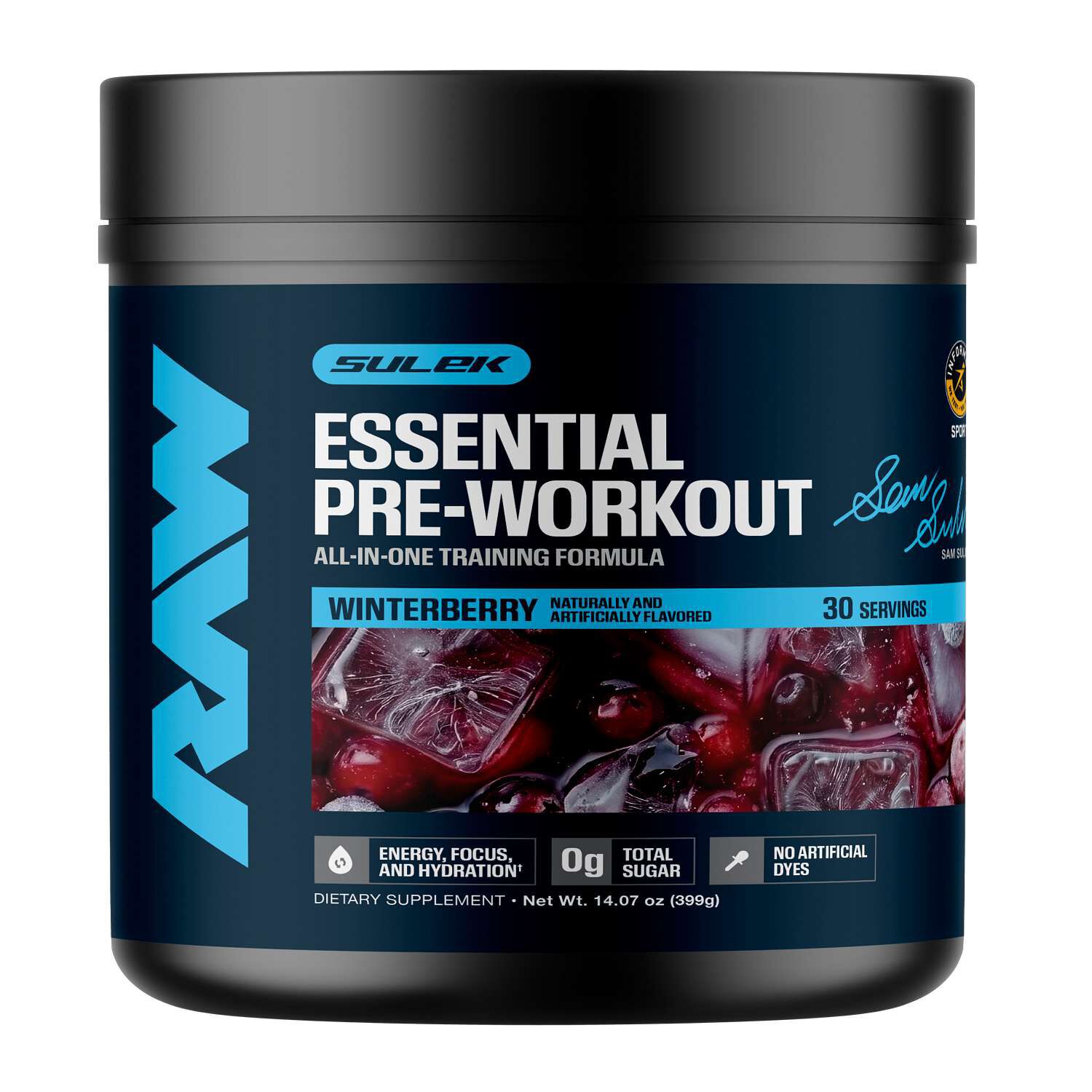
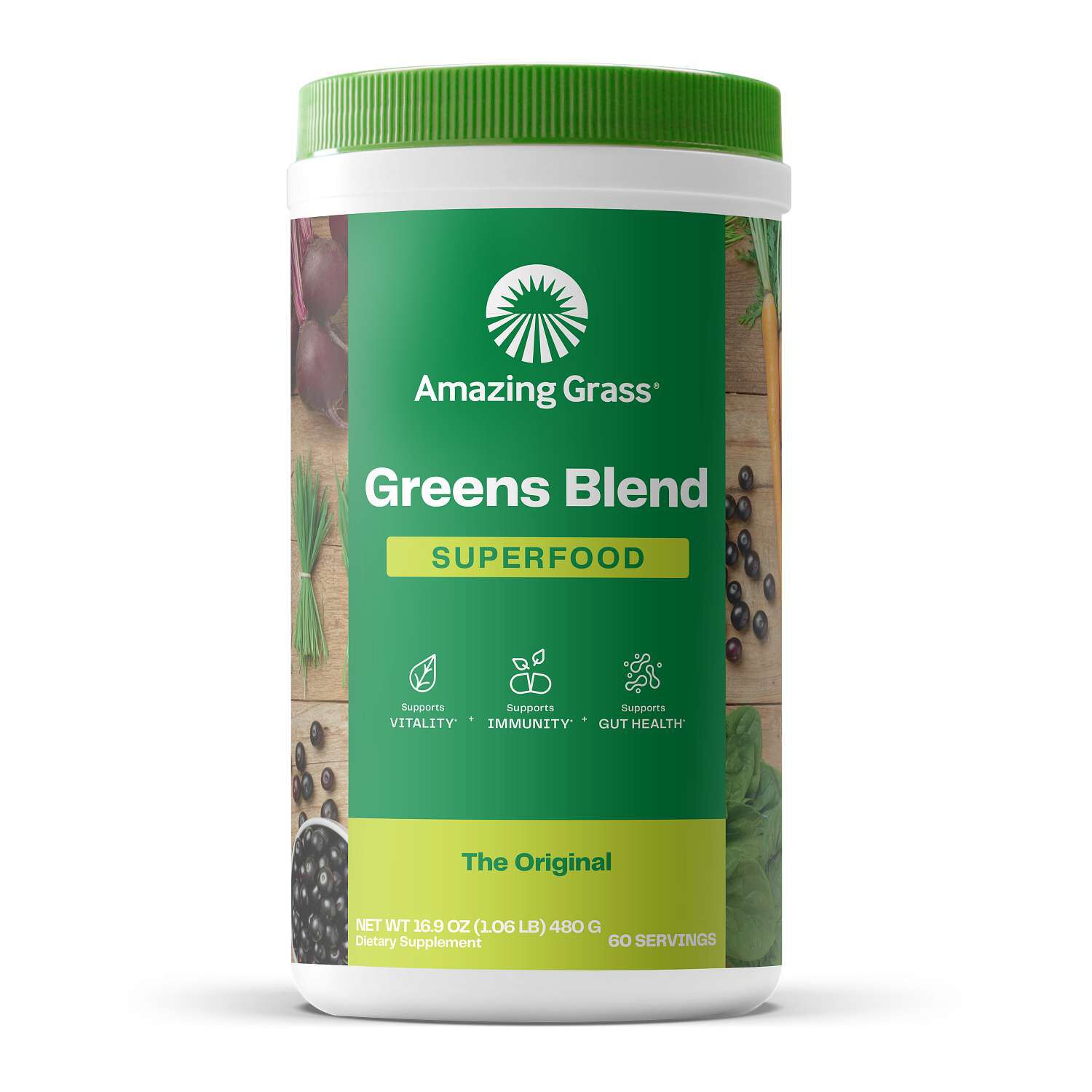
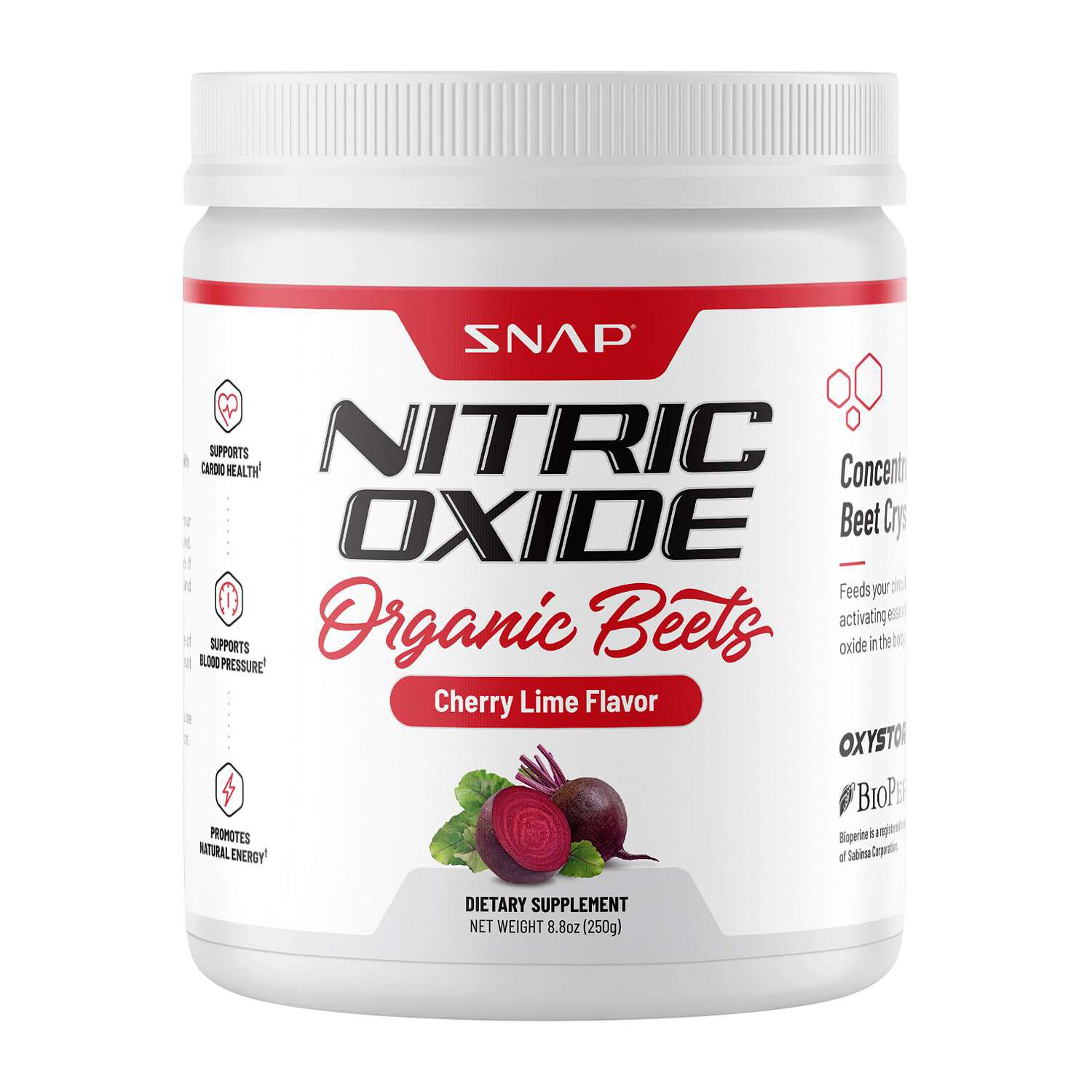
Nature-powered supplements are dietary supplements made with ingredients drawn from plants, foods, and other naturally occurring sources. The category includes botanical extracts, fruit and vegetable powders, plant-based proteins, and formulas that combine several ingredient types. Nature-powered describes an approach to ingredient sourcing rather than one uniform recipe, manufacturing method, or quality standard. A greens powder, for example, has a different composition and intended use than a single-herb capsule or a protein powder made from peas and rice. Understanding those differences makes the category easier to browse without treating every plant-derived formula as interchangeable. Some shoppers prefer a short ingredient list centered on one botanical; others look for a blend that brings several food-derived ingredients into one serving. These supplements may complement everyday eating habits, but a powdered blend is not the same as the foods pictured on its package. Whole fruits, vegetables, grains, and legumes have their own textures, water content, and nutritional profiles, and processing changes how ingredients appear in a finished supplement. The broader Natural Supplement category provides another way to explore this ingredient-focused approach while keeping those distinctions in mind. Common sources include leafy greens, beetroot, berries, seeds, roots, and leaves, with each formula reflecting a particular selection of ingredients and preparation methods. Some are milled into powders, while others undergo extraction to concentrate selected plant compounds. The ingredient name alone does not describe everything in the container: the plant part, preparation, serving size, and other ingredients all contribute to the formula’s identity. For shoppers interested in nature-powered supplements, that combination of source and finished format is more useful than imagery alone. A package decorated with leaves may look appealing, but the label offers the concrete details needed to understand what is inside and how the supplement fits a personal routine. Personal preferences matter, too, whether that means an unflavored powder for breakfast, a capsule format for a desk drawer, or a formula chosen around a particular eating pattern.
Comparing nature-powered supplements starts with the Supplement Facts panel and the ingredient list, since similar names do not always mean similar compositions. Serving sizes vary, and a serving may consist of several capsules, multiple gummies, or a measured scoop rather than one piece or one spoonful. Check the amount listed per serving alongside the number of servings in the container to understand the format accurately. With botanical formulas, details such as the plant’s common name, scientific name, and plant part help distinguish a root extract from a leaf powder. An extract ratio describes a preparation relationship; it does not, by itself, establish that one formula is a better choice than another. Blends also differ in how much detail they provide about individual ingredients, so a long list of plants does not necessarily offer the clearest comparison. For protein powders, the protein source and grams per serving provide a more concrete starting point than the size of the scoop. Flavorings, sweeteners, colors, capsule materials, and ingredients used for texture deserve attention as well, particularly for shoppers with specific dietary preferences. Plant-derived ingredients do not automatically make an entire formula vegan, since capsules or other components may come from animal sources. Likewise, organic certification and statements about genetically modified ingredients address particular sourcing or production criteria, not every characteristic of the finished supplement. Look for wording that clearly identifies whether a certification applies to an individual ingredient or the formula as a whole. Clearly identified testing programs and accessible information about manufacturing offer additional details for comparison without turning a nature-inspired label into a substitute for documentation. Taste and texture are also part of the decision. Botanical powders may have earthy, grassy, tart, or bitter notes, while flavored blends include ingredients intended to shape that experience. An ingredient list helps explain those differences before the first serving. Straightforward labeling makes it easier to select around personal preferences rather than assuming that a longer formula, a darker green color, or a more concentrated description is automatically preferable. The most useful comparison brings together the ingredient source, preparation, labeled serving, and practical details that matter in everyday use.
Format often determines whether a nature-powered supplement fits comfortably into an established routine. Powders involve measuring and mixing, which may suit someone who already prepares a morning smoothie or keeps a shaker bottle beside a lunch bag. A strongly flavored greens blend may be more noticeable in plain water than in a fruit smoothie, while an unflavored plant protein may still contribute its own aroma and texture. Mixing directions provide the starting point for the amount of liquid and method of preparation; a kitchen spoon is not necessarily equivalent to the supplied scoop. Capsules and tablets involve less preparation, although their dimensions and the number per serving remain useful considerations. Gummies and chewables have their own serving sizes, textures, sweeteners, and storage directions, so the format should be considered alongside the ingredients rather than separately. For someone moving between home and a workplace, container size, closure style, and any preparation equipment affect convenience. A powder tub needs space for measuring, while a capsule bottle has different handling requirements. Packaging care matters across formats: follow the storage directions, close the container securely, and keep powders away from moisture. Use a clean, dry scoop, check the printed date, and retain the original label so ingredient information and directions remain accessible. Some formulas have storage instructions after opening, and those details take priority over assumptions based on appearance. For household use, a clearly designated cabinet or shelf keeps containers organized without separating them from their labels. A thoughtful choice also accounts for preferences that are easy to overlook online, such as whether a person enjoys earthy flavors, wants to avoid extra preparation, or prefers fewer ingredients. Nature-powered supplements cover many different approaches, from a single botanical to a food-based blend, and their appeal lies partly in that variety. Focusing on transparent ingredient information, suitable formats, and realistic everyday use makes browsing more meaningful than choosing by a nature-inspired name alone.