

Bone Health Supplements For Busy Lifestyles
(0 Results)
Bone health supplements for busy lifestyles offer a convenient way to support your wellness routine, even when you're always on the go. Whether you’re juggling work, family, or an active social calendar, these supplements may fit seamlessly into your daily schedule. Explore options designed to help you prioritize bone health without slowing down your pace.
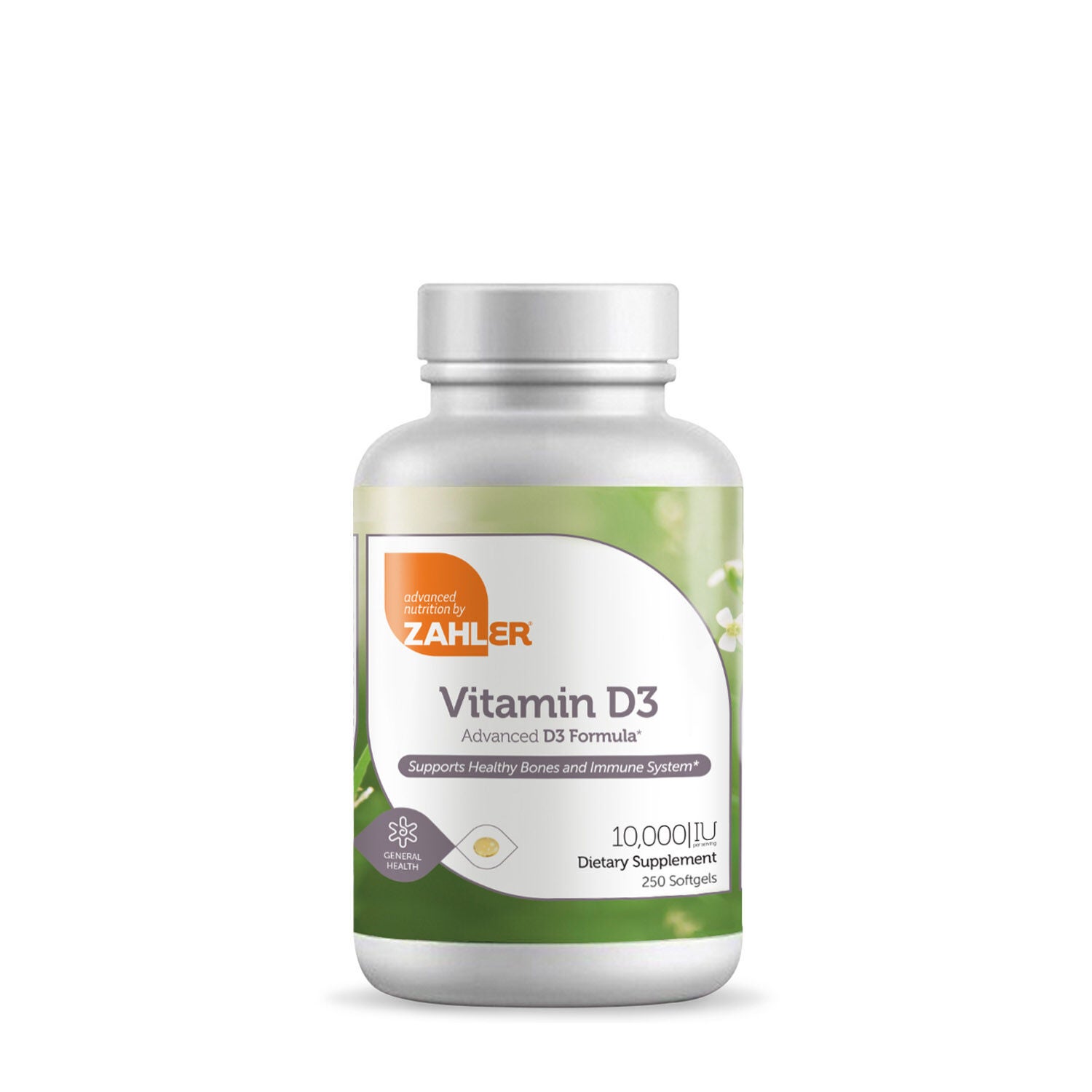


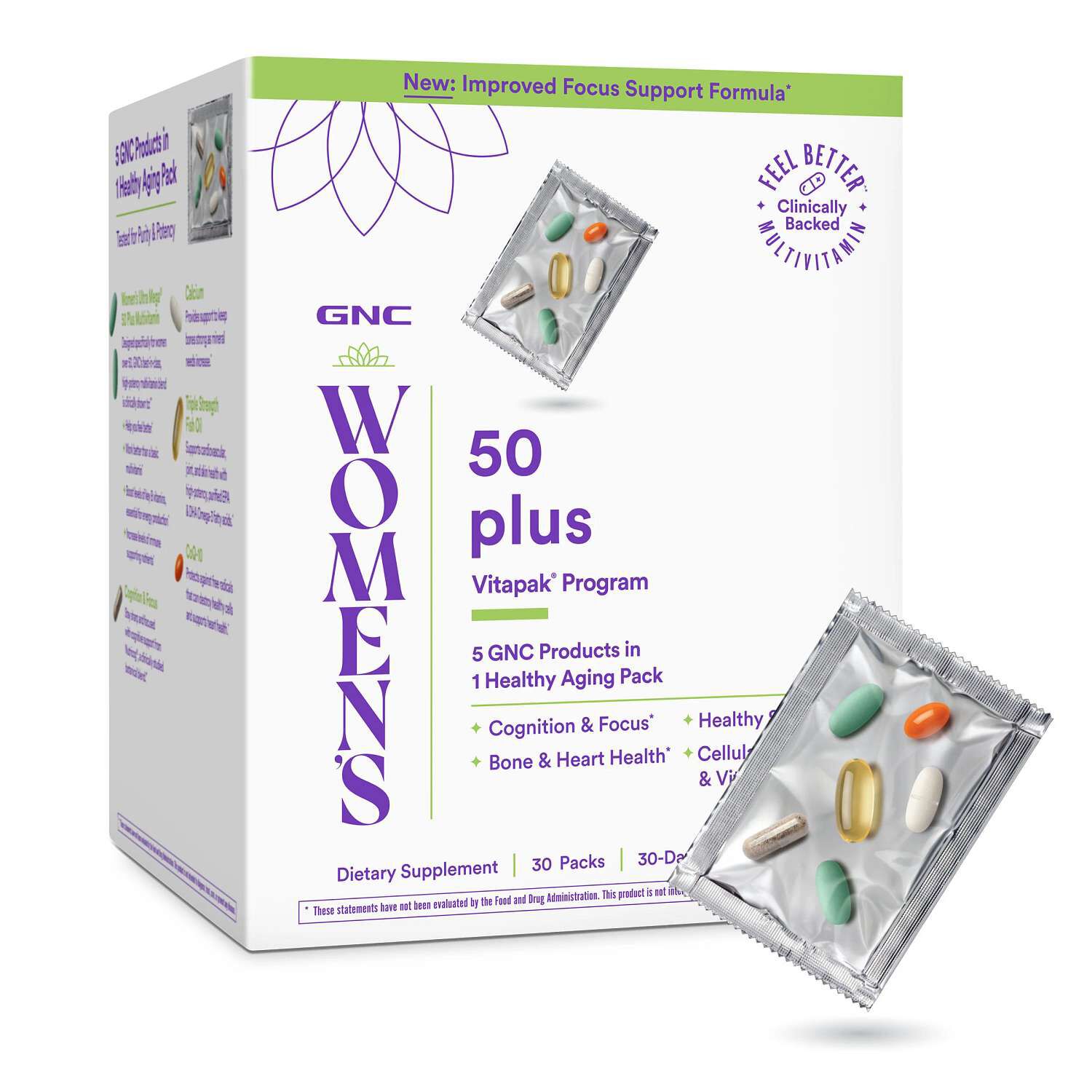

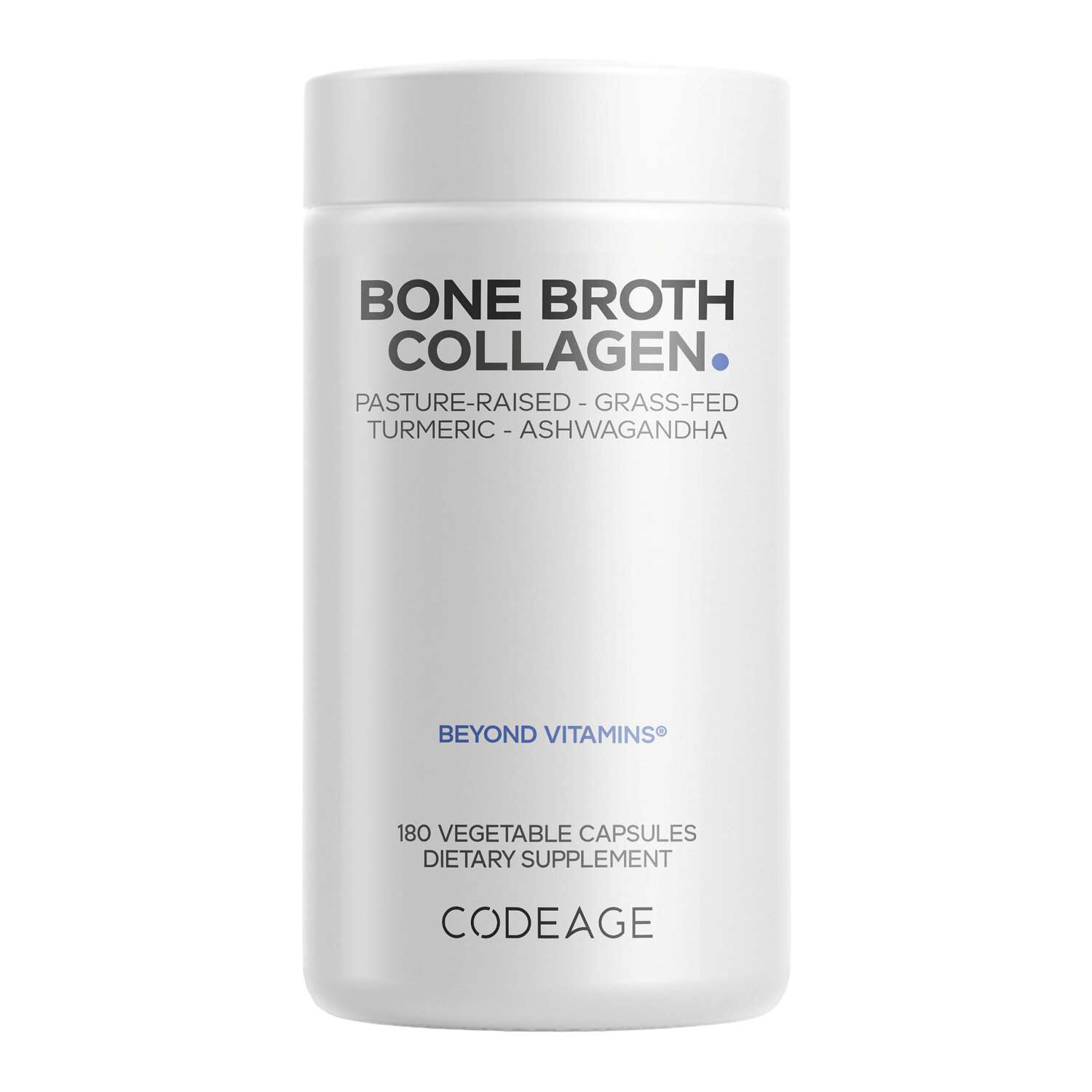


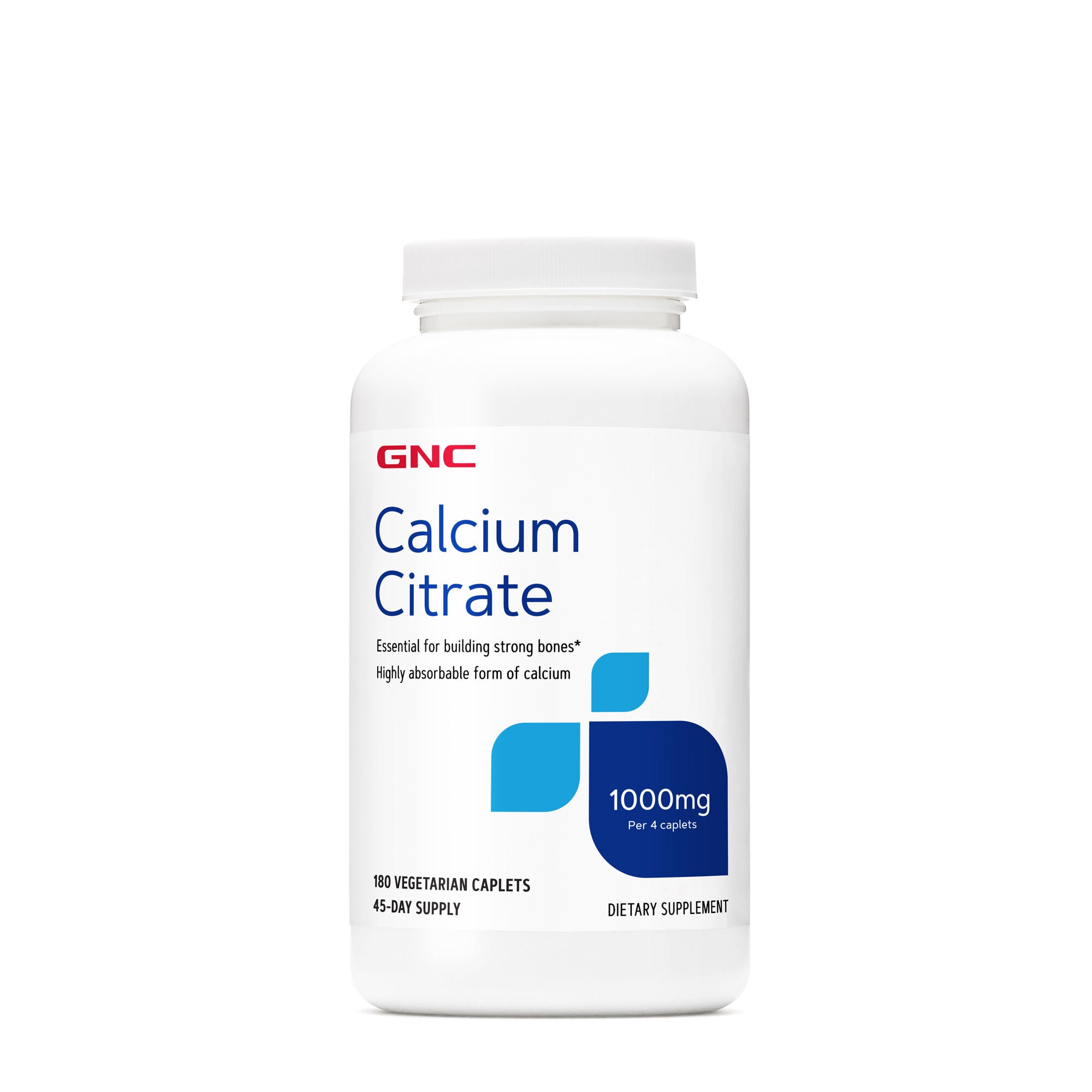
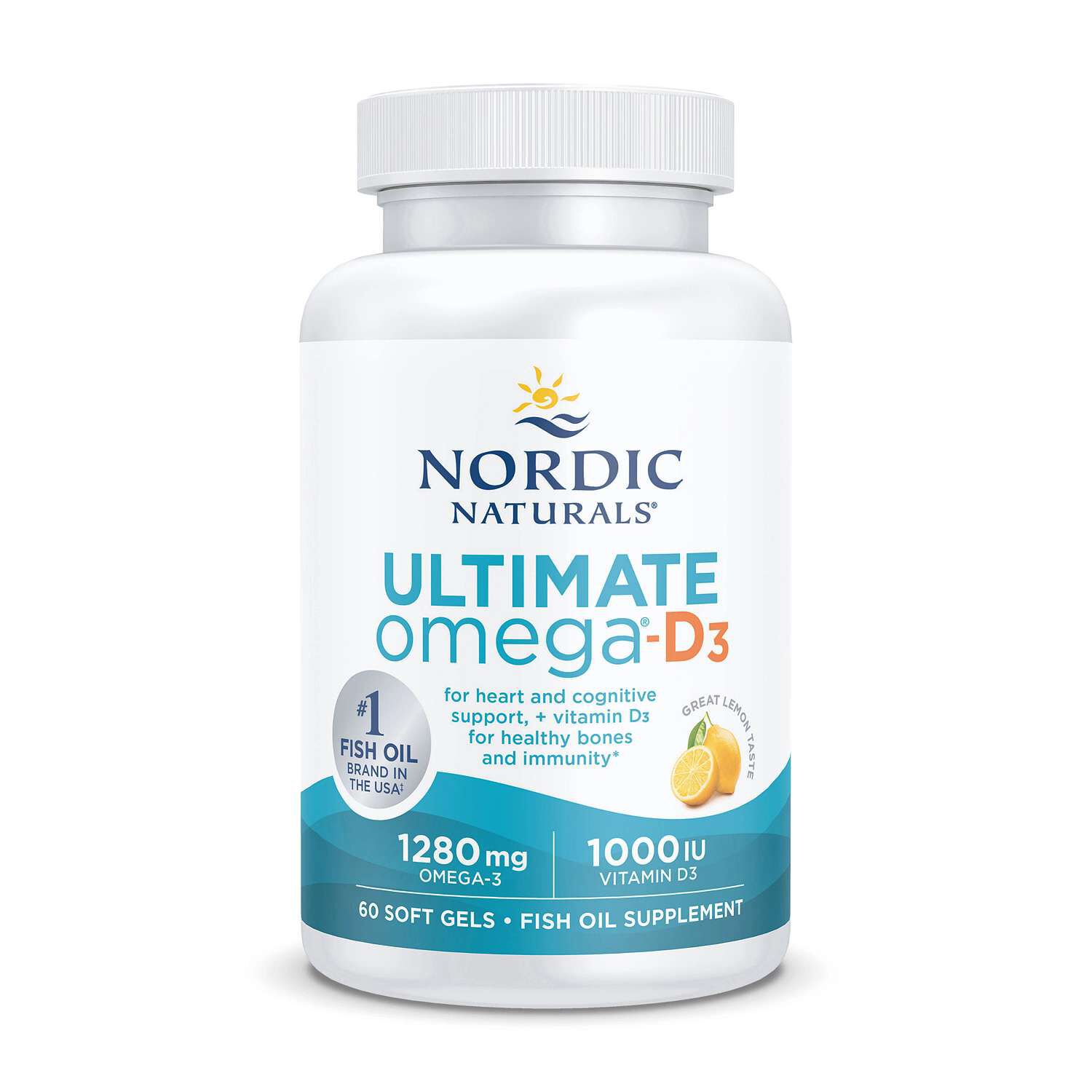

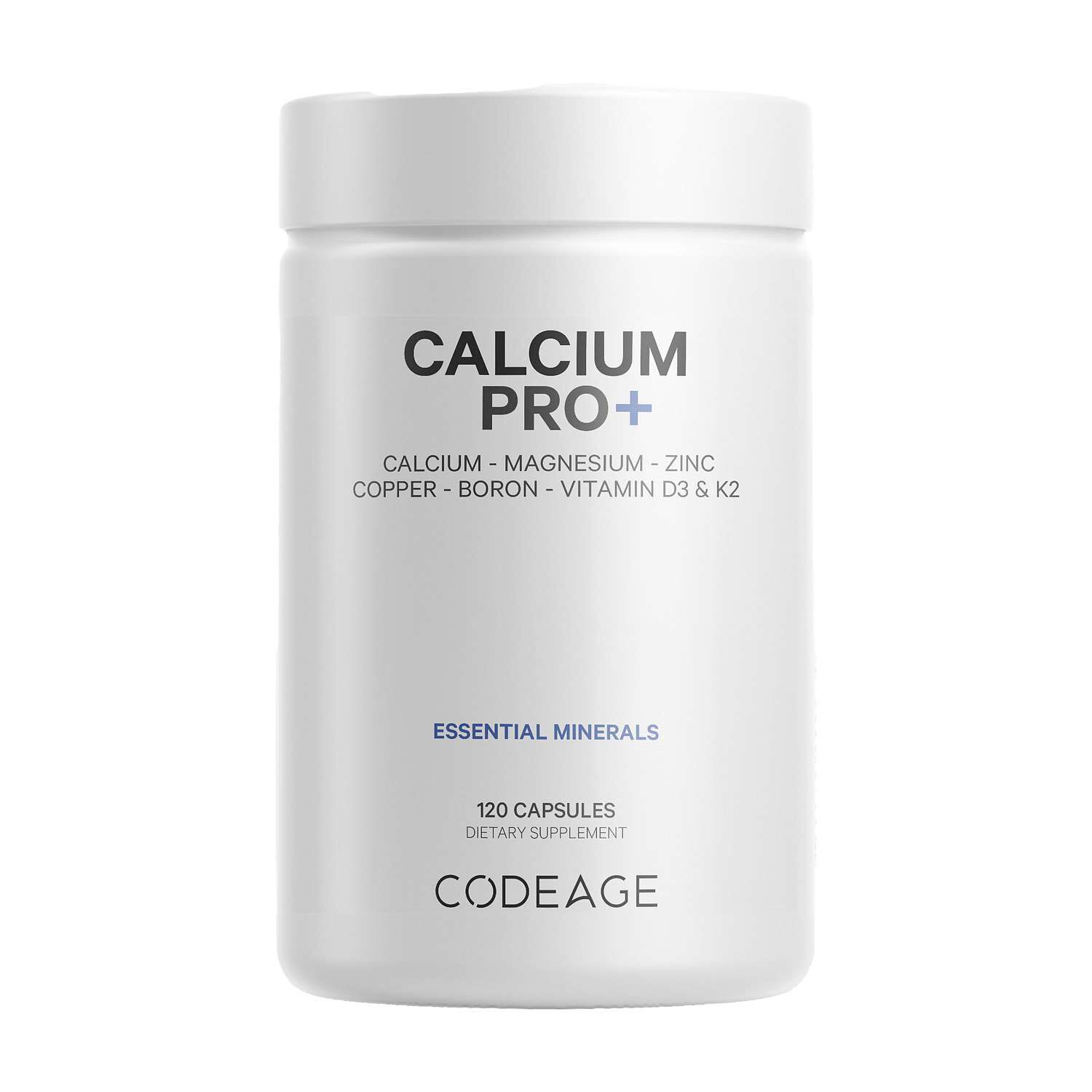

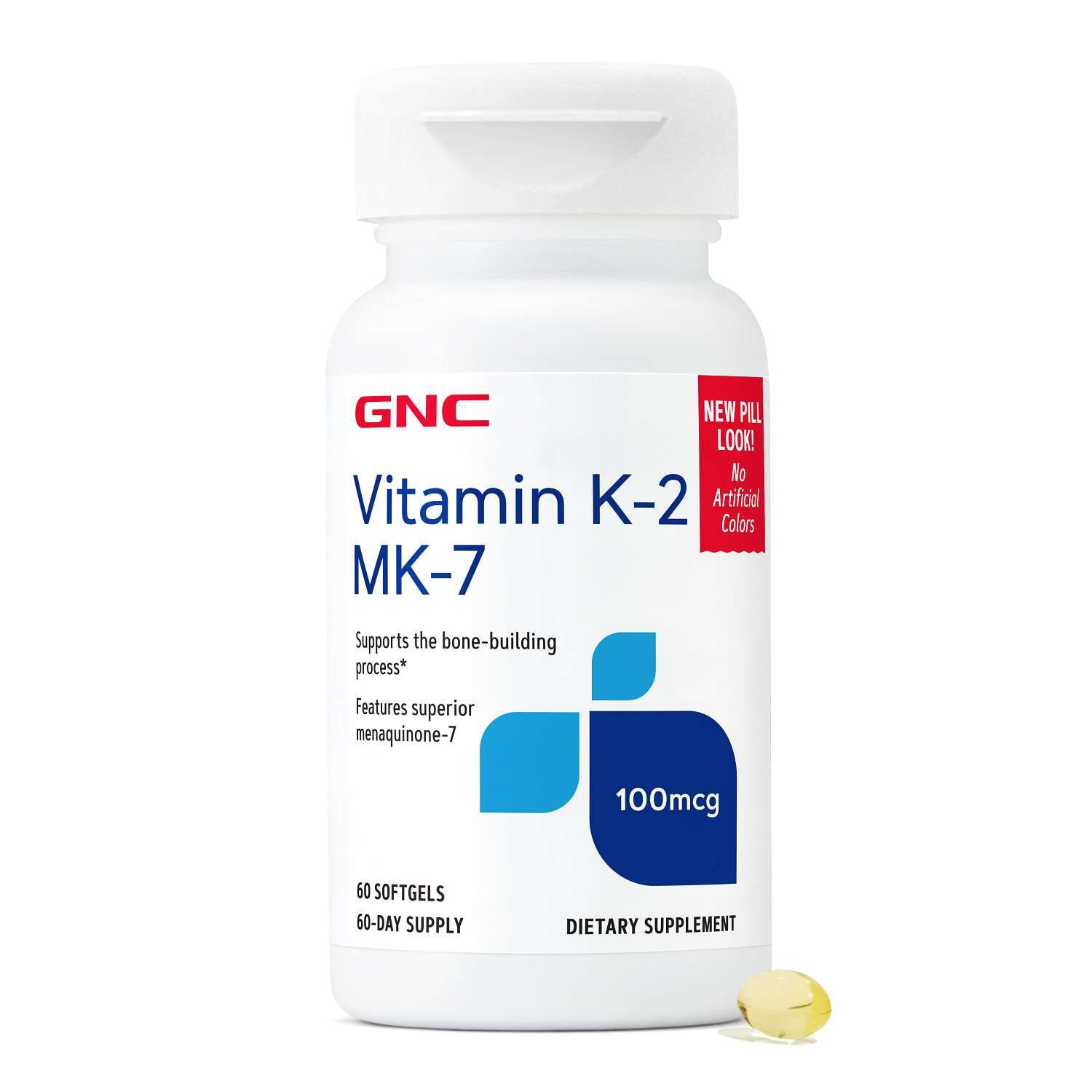

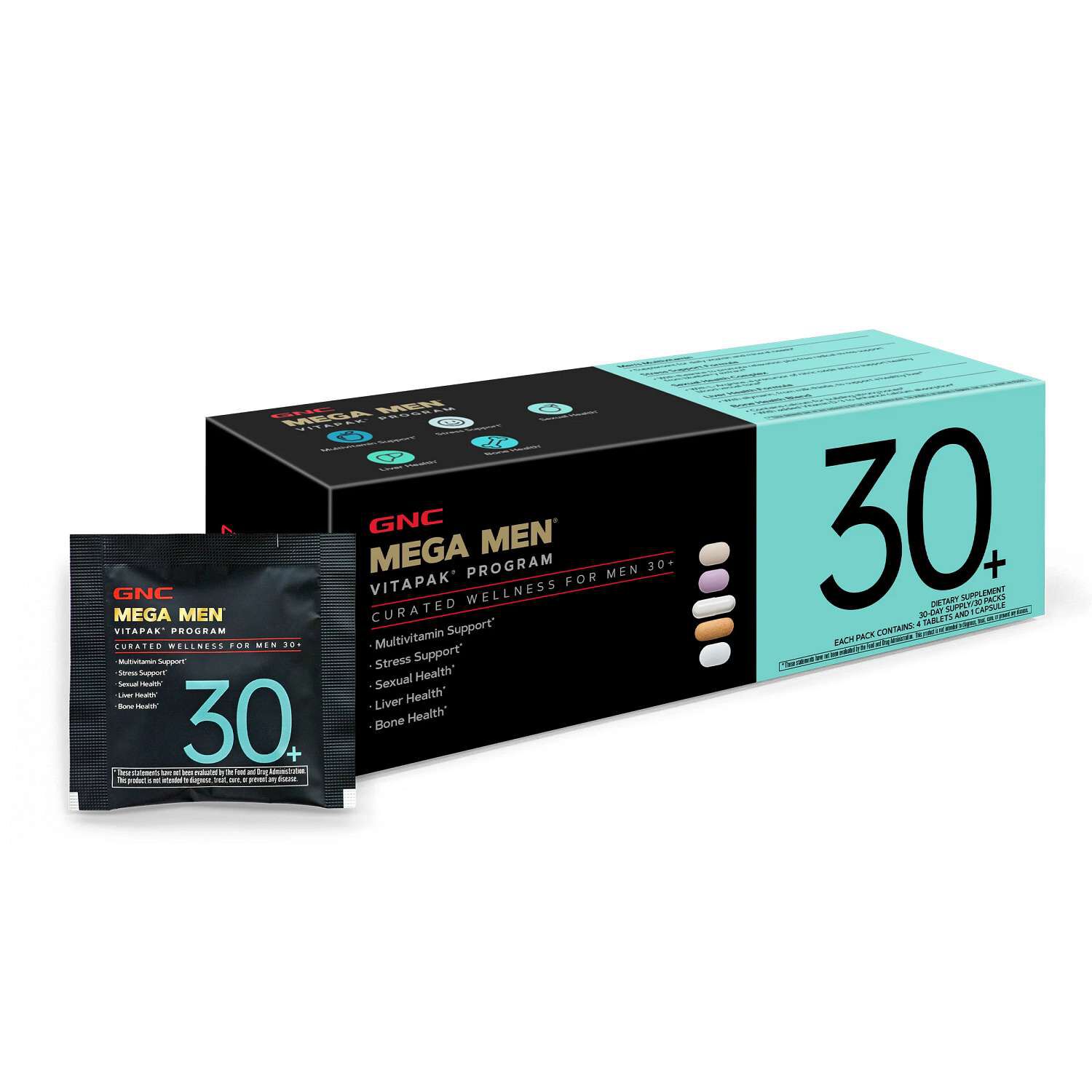
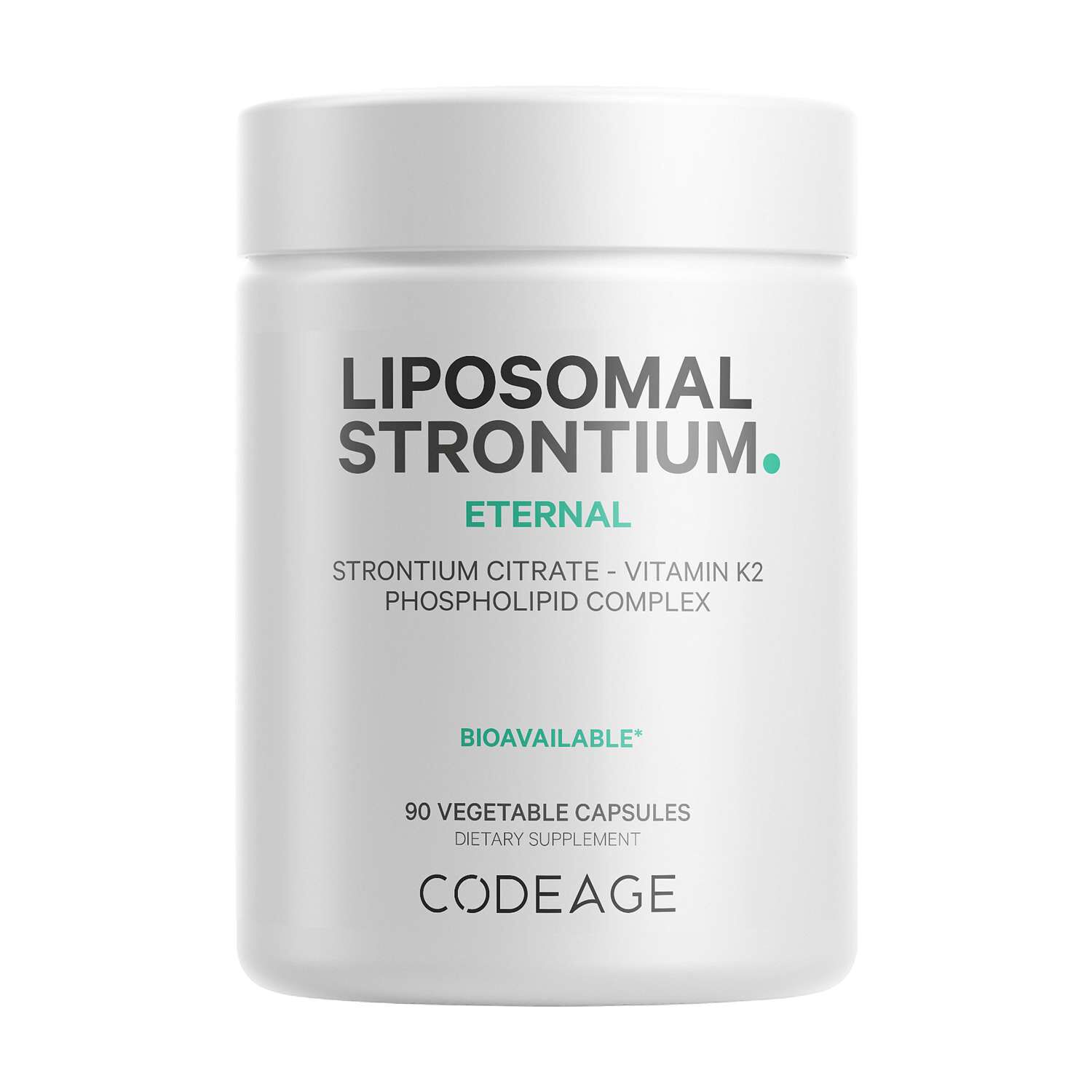
Bone health supplements for busy lifestyles bring a familiar nutrition category into the practical rhythm of workdays, commutes, family responsibilities, and time away from home. These products are intended to complement everyday eating patterns, with formats ranging from tablets and capsules to chewables, gummies, and powders. Calcium, vitamin D3, magnesium, and vitamin K2 are common ingredients in this category, either on their own or combined in a single formula. Calcium is a mineral naturally present in bones, while vitamin D3 is a form of vitamin D used in many nutritional supplements. Magnesium and vitamin K2 also appear in formulas developed with bone health in mind. Depending on their ingredients and intended use, these supplements may support normal bone maintenance as part of an established nutrition routine. For a person moving from an early commute to a full afternoon of meetings, the appeal is often less about adding another task and more about finding a format that fits an existing schedule. A combination formula puts several nutrients in one product, although that does not necessarily mean the serving consists of one tablet or capsule. The Supplement Facts panel distinguishes the serving size from the amount of each nutrient per serving, making both details useful for comparison. Two bottles with similar names can have different ingredient amounts, forms, and directions. A compact bottle may contain several servings, but its size alone says little about how many pieces make up each serving. Likewise, a gummy and a tablet with similar front-label descriptions may differ considerably when their panels are read side by side. For busy adults, those practical distinctions help define what convenience actually looks like: a manageable format, readable directions, and a serving routine that fits the day without unnecessary complexity. Bone health is the organizing theme, but the everyday experience of using the product matters just as much when comparing options.
Format, ingredient sources, and dietary preferences give bone health supplements much of their variety. Tablets and capsules offer straightforward options for shoppers who prefer products without a flavored chewing experience. Their dimensions and the number included in a serving are worth considering, especially for someone who already finds larger tablets difficult to swallow. Chewables and gummies introduce flavor and texture, with differences in sweetness, firmness, and ingredients such as gelatin or pectin. A powder involves measuring and mixing according to its directions, so it fits a different setting than a tablet carried in its original bottle. Someone with a predictable breakfast at home may find that preparation manageable, while a person heading directly from a train platform to an office may prefer fewer accessories. Neither format is inherently the better match for every schedule. The ingredient list provides another layer of detail, including capsule materials, flavorings, sweeteners, and declared allergens. Plant-based preferences can make the source of vitamin D3, the capsule shell, or the gummy base particularly relevant; the format alone does not establish whether a formula meets those preferences. Calcium may be listed as calcium carbonate or calcium citrate, and magnesium also appears in several forms. These names identify ingredient differences, while the product’s own directions describe its intended use. Shoppers comparing combined nutrients can explore Calcium Magnesium Vitamin D3 For Busy Lifestyles for a closer look at that grouping. Across combination formulas, the presence of the same three nutrients does not mean the serving sizes or amounts are alike. Front-label wording offers a starting point, but the full panel gives a more useful picture of the formula. Clear labeling, a suitable texture, and a preparation method that matches the intended setting are concrete considerations for anyone looking beyond the category name. Together, those details make the selection process more personal without turning a supplement into the centerpiece of the day.
Packaging and storage deserve attention when supplements become part of a busy household or a frequently packed bag. A secure closure, a legible label, and packaging suited to the product help make everyday handling more straightforward. A bottle that stays on a designated shelf has different practical demands than one repeatedly tucked beside a lunch container or laptop case. Portable does not mean suited to every storage location, and a car, a damp bathroom shelf, or a bag left in direct sunlight may not match the conditions printed on the label. Storage instructions and expiration dates provide product-specific information about care; powders, gummies, capsules, and tablets should not be treated as interchangeable in that respect. Keeping the original packaging also preserves access to directions, ingredient details, and serving information when a schedule changes or a trip interrupts the usual routine. For an adult balancing caregiving and work, a clearly labeled product in an appropriate, consistent storage place may be more practical than an elaborate arrangement of containers. For a frequent traveler, packaging size and any required mixing tools can matter alongside the nutrient panel. For someone sharing kitchen space, a distinct storage spot out of children’s reach is another consideration. Bone health supplements are generally personal purchases because ingredient preferences, eating patterns, and intended use vary from person to person. Their role is as a supplement to food, not a replacement for varied meals or a shortcut around everyday nutrition. Product descriptions that clearly state ingredients, serving size, format, and directions give shoppers useful facts without making the choice seem more complicated than it needs to be. A well-matched option is not necessarily the one with the longest ingredient list or the most elaborate presentation. It is one whose features align with the shopper’s stated preferences and the realities of their routine. Within this category, convenience comes down to understandable labeling, suitable packaging, and a format that feels manageable across ordinary days at home, at work, and on the move.