





Calcium Magnesium Vitamin D3 For Busy Lifestyles
(0 Results)
Calcium magnesium vitamin d3 for busy lifestyles could offer a convenient way to support your wellness routine when life gets hectic. Whether you’re juggling work, family, or fitness goals, these supplements may help you stay on track with your daily nutrient intake. Explore options that fit seamlessly into your schedule and might make it easier to prioritize your health, no matter how fast-paced your day becomes.
-
 $20.99
-

-

-

-
-

-
 $39.99
-
 $20.99
-

-

-
 Nature's Fusions$29.99
-
 Nature's Fusions$29.99
-

-

-

-
-
 Portions Master$29.99
-


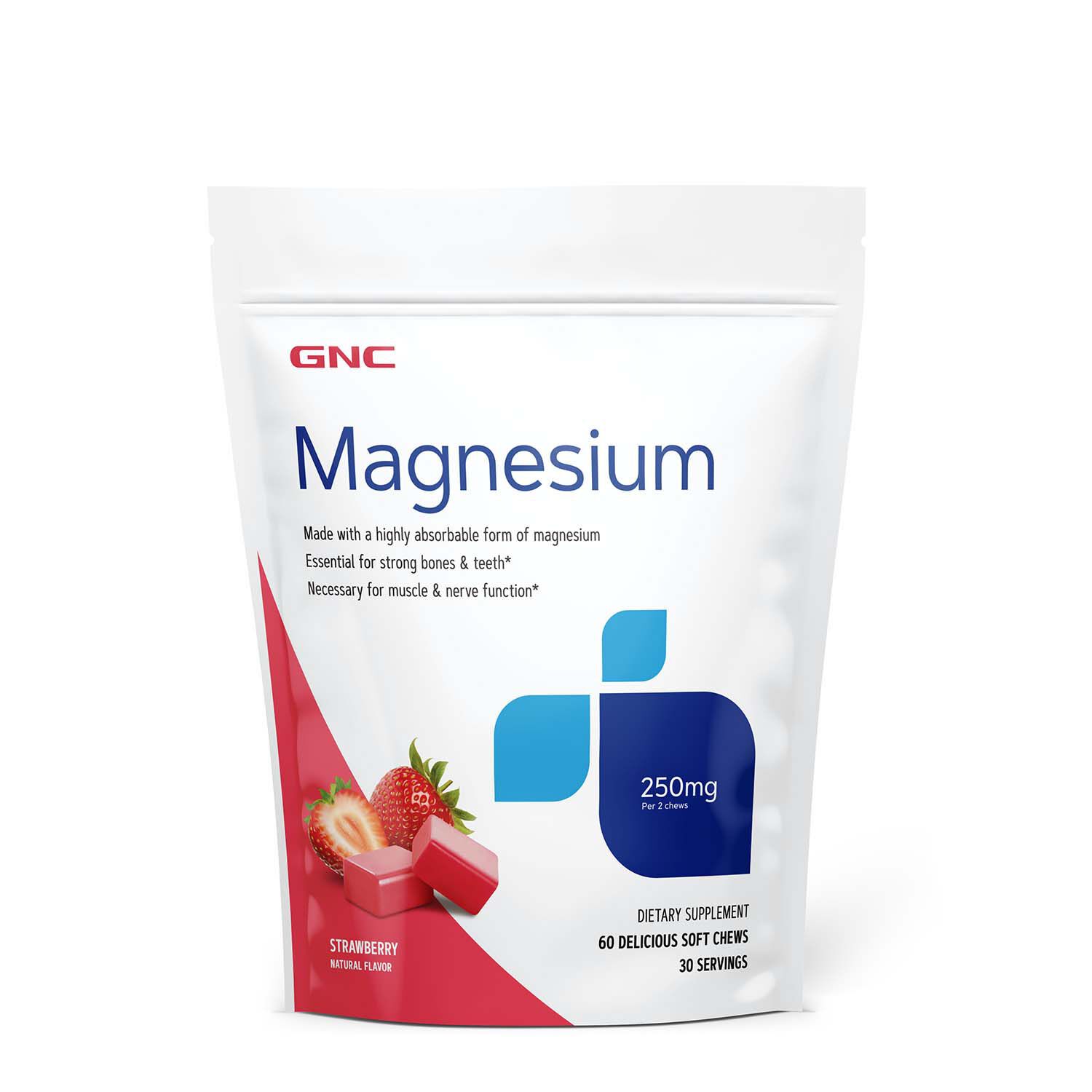
Calcium magnesium vitamin D3 supplements bring two minerals and a vitamin together in a formula that may support bone health and normal muscle function. For adults balancing work, commuting, family responsibilities, and exercise, a combination formula offers a way to consider these nutrients without comparing three separate bottles. Calcium may contribute to the maintenance of normal bones and teeth, magnesium may play a role in normal muscle and nerve function, and vitamin D3 may help the body absorb calcium. These nutritional roles make the combination relevant to everyday wellness rather than a particular activity or occasion. A busy lifestyle, however, does not describe one uniform routine. Someone who leaves home before breakfast has different practical considerations from someone who works at a kitchen table, travels between appointments, or starts a shift after dinner. The right format for that schedule depends on details such as serving size, directions, portability, and personal preferences around swallowing or taste. Food habits also provide useful context. Dairy foods, fortified beverages, leafy vegetables, beans, nuts, and seeds are familiar sources of various nutrients represented in this category, although their nutrient amounts differ. Supplements may complement dietary intake, but they are not replacements for varied meals. A combination formula also does not necessarily contain equal amounts of calcium and magnesium, and the amount of vitamin D3 can differ between formulas. The front label introduces the combination; the Supplement Facts panel provides a clearer picture of what each serving contains. For someone fitting breakfast between packing a lunch and catching a train, that distinction matters: one bottle may contain all three nutrients while still calling for more than one tablet per serving. Convenience is therefore about how the labeled serving fits the day, not simply how many nutrient names appear on the package. This keeps the focus on ordinary routines and personal preferences rather than expecting a supplement to compensate for a demanding calendar.
Format is one of the most tangible differences when comparing calcium, magnesium, and vitamin D3 supplements for busy lifestyles. Tablets and capsules come in counted units, while chewables introduce considerations such as flavor, texture, and sweeteners. Liquid formats have their own serving measurements and storage directions, which may make them more suited to a familiar spot at home than to a crowded work bag. Tablet dimensions and the number of units per serving deserve attention, especially for anyone who prefers a smaller format. A photograph of a bottle does not always convey those details, so package descriptions and label information are useful parts of the comparison. Ingredient forms can vary as well. Calcium citrate and calcium carbonate are examples of calcium sources that may appear on labels, while magnesium sources can include citrate or oxide. Vitamin D3 may also appear under the name cholecalciferol. Those names identify ingredients; they do not, on their own, establish which formula fits an individual’s nutrition needs. The listed nutrient amounts per serving are more useful than assuming that similar product names mean identical contents. Capsule materials, flavorings, colors, sweeteners, and allergen statements also matter to shoppers with particular dietary preferences. Anyone comparing animal-derived and plant-derived ingredients can look beyond the nutrient names to the source information and other ingredients section. Packaging adds another practical consideration. A secure closure, readable directions, and a container that can be stored as labeled matter more than a bottle that merely looks compact. Storage requirements can differ, including instructions about moisture, light, temperature, or refrigeration after opening. A bathroom shelf exposed to shower steam or a bag left in a parked car may not match those directions. Keeping the original label with the container preserves access to serving information, storage instructions, and the expiration date. These details are easy to overlook when the main goal is a simpler routine, yet they help distinguish a format that suits everyday handling from one that requires more planning. For people who travel frequently, package size and any measuring accessories are also worth considering before choosing a format.
A manageable routine begins with realistic expectations about the day. A person who regularly eats dinner at home has a different anchor point from someone whose meals happen between client visits or around rotating shifts. Some calcium magnesium vitamin D3 labels direct use with food; others include additional directions that shape when a serving fits. Vitamin D3 is fat-soluble, and a meal containing dietary fat may aid its absorption, but that background does not replace the directions on an individual formula. An evening serving is not automatically preferable simply because a schedule is busy, and a combination supplement should not be viewed as a shortcut to relaxation, exercise recovery, or better sleep. The more useful comparison is whether the format and labeled directions suit an established habit. A bottle stored in an appropriate, secure location near a regular meal setting has different practical demands from a liquid that needs refrigeration or a serving made up of several tablets. For households with children, a storage location out of their reach remains an important part of that setup. Serving counts also deserve a closer look: the number of tablets in a bottle is not always the number of servings it contains. That distinction can clarify how the container fits a recurring routine without relying on impressions from its size. Shoppers interested in the broader category can explore Bone Health Supplements For Busy Lifestyles for related options beyond this three-nutrient combination. Within calcium, magnesium, and vitamin D3 formulas, the most meaningful differences remain concrete: the nutrient amounts, ingredient sources, serving format, dietary attributes, and handling requirements. A compact capsule format may appeal to someone who values straightforward packing, while another person may prefer a chewable or measured liquid kept at home. Neither preference makes a demanding schedule less individual. Thoughtful comparison centers on those everyday details, with nutritional support considered alongside regular meals and the practical realities of a full calendar.
Best Sellers
Related Pages

Top Collections
- Zinc Supplements For Men
- Chronic Fatigue Supplements
- Metabolism Boost For Weight Loss
- Daily Collagen Supplements | Top Brands & Deals | GNC
- Supplements For Yoga Joint Flexibility
- Capsule Supplements For Energy And Stamina
- Adult Vitamins
- Vitamins For Hair Loss
- Burnout Support Supplements
- Best Brand of Magnesium Glycinate