Bone Health Supplements For Couples
(0 Results)
Bone health supplements for couples may offer a supportive way to help you and your partner prioritize wellness together. Whether you’re looking to maintain an active lifestyle or simply seeking new ways to support your daily routine, exploring options designed for bone health could be a great step. Discover a variety of choices that might fit into your shared wellness journey, and find products that may align with your goals as a couple.
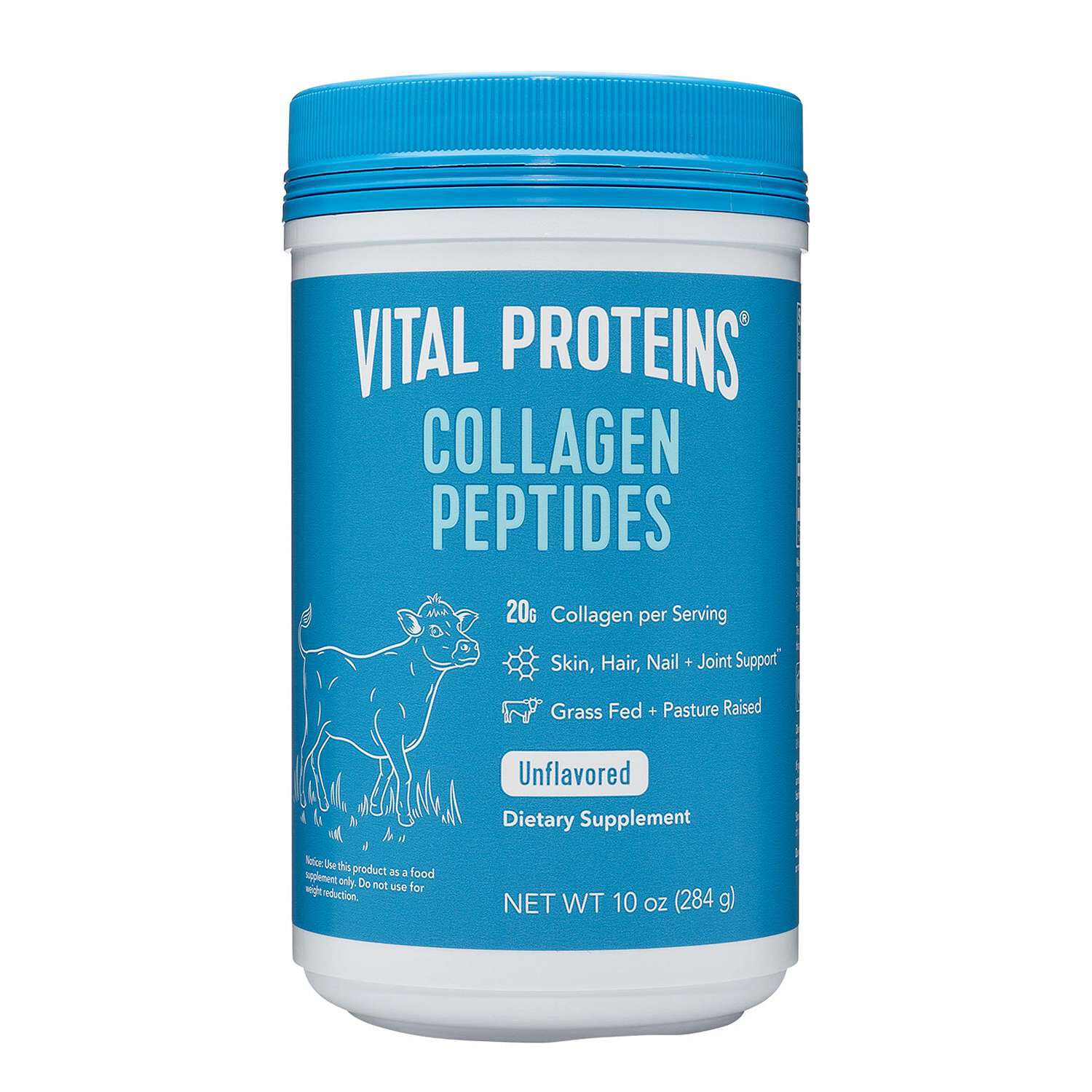


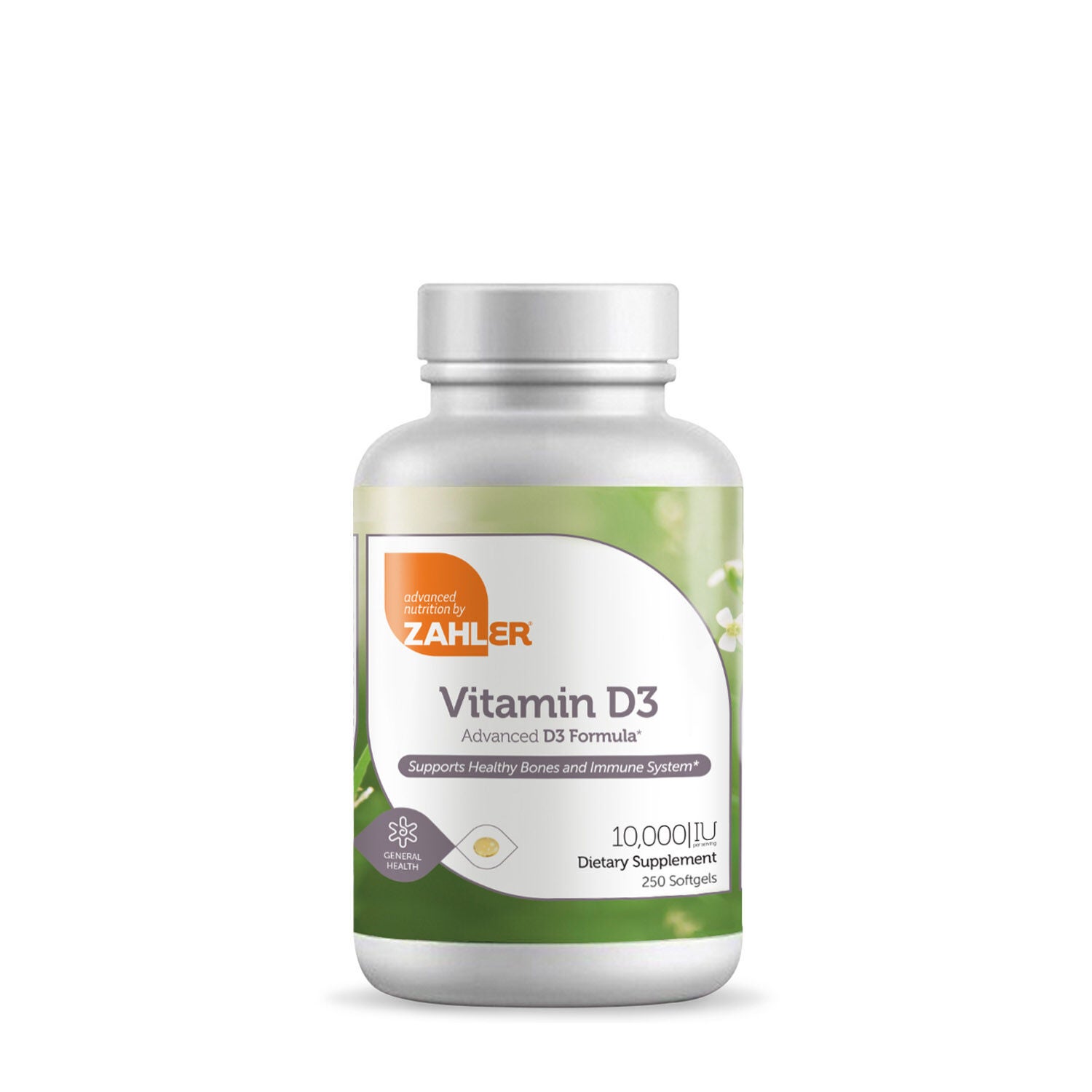
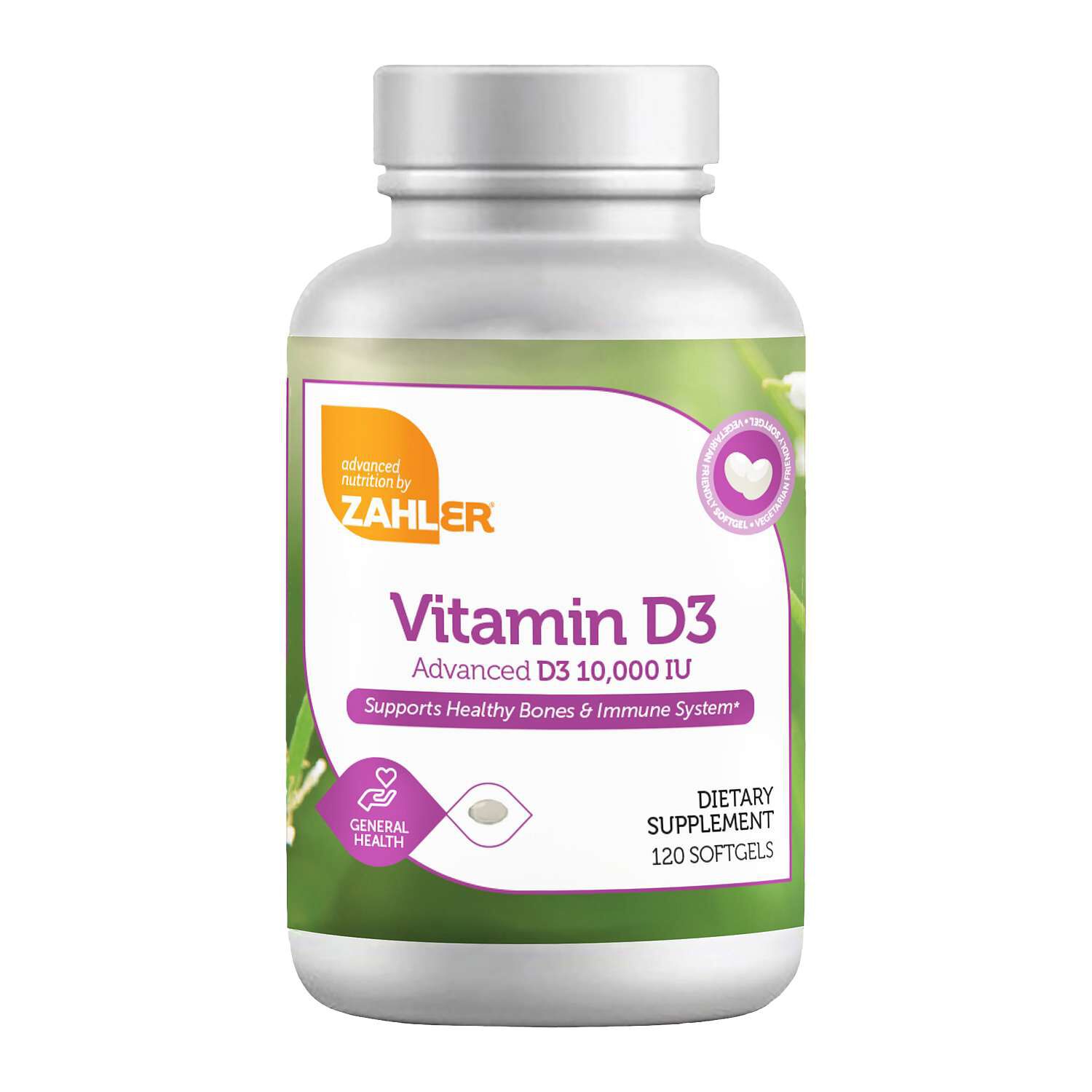


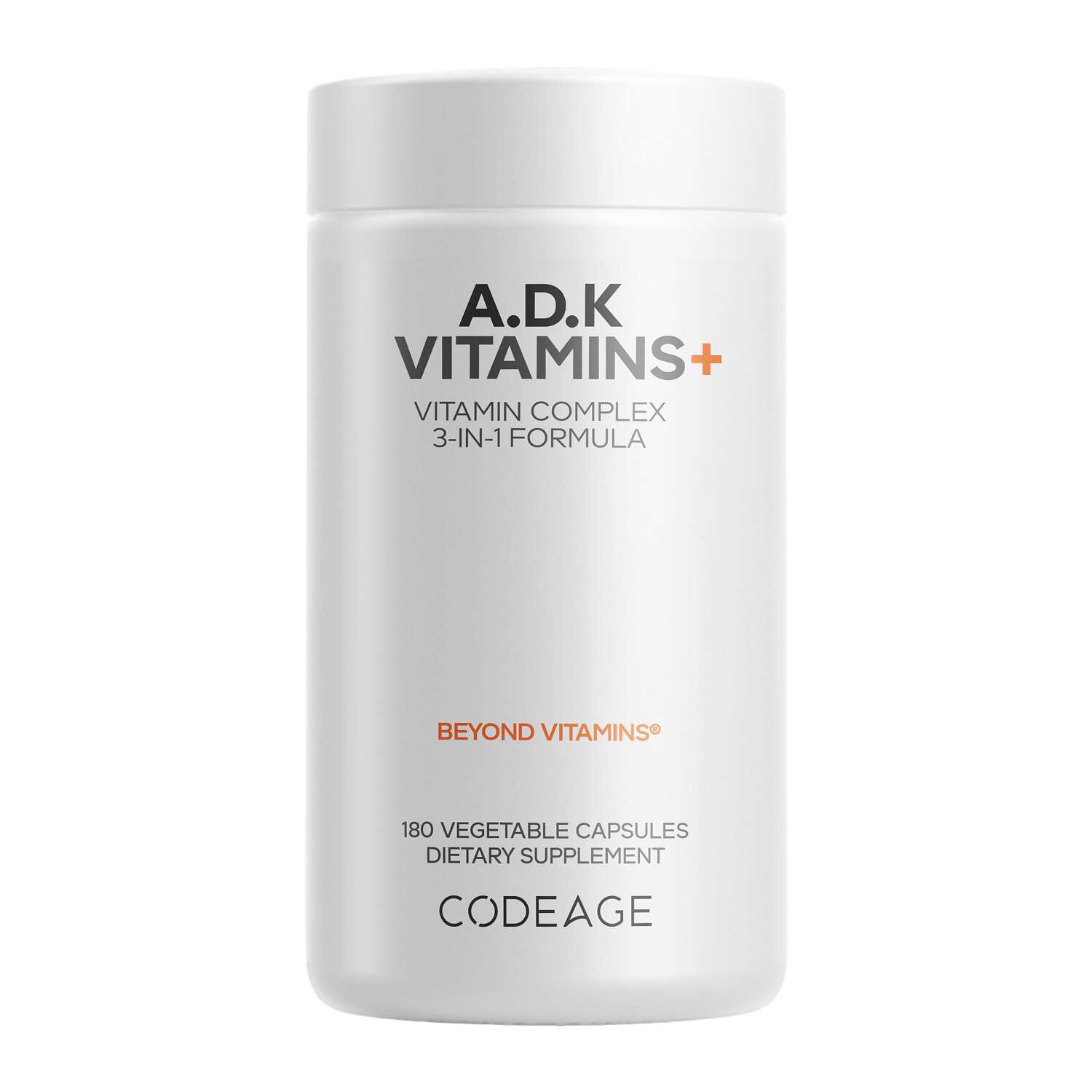


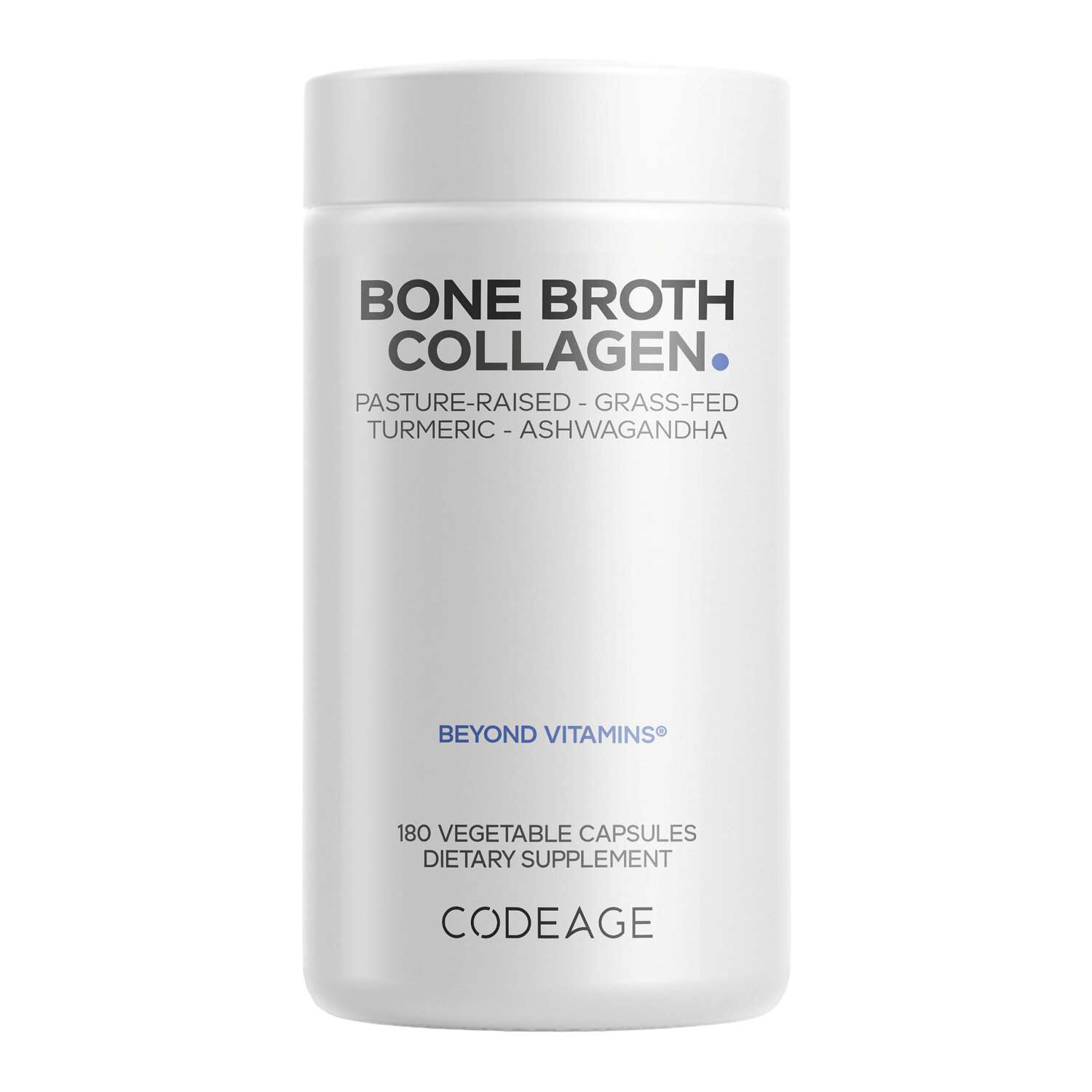

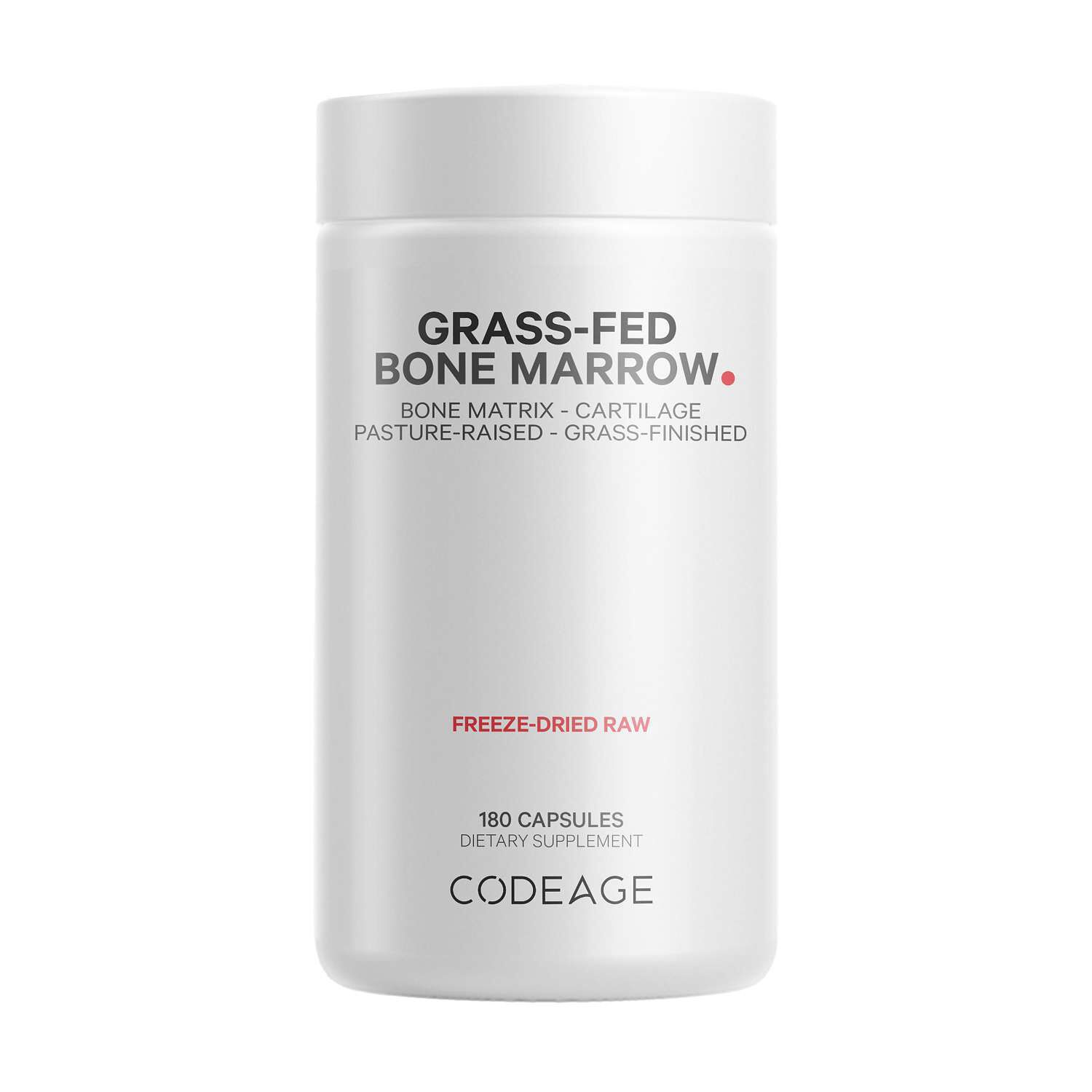


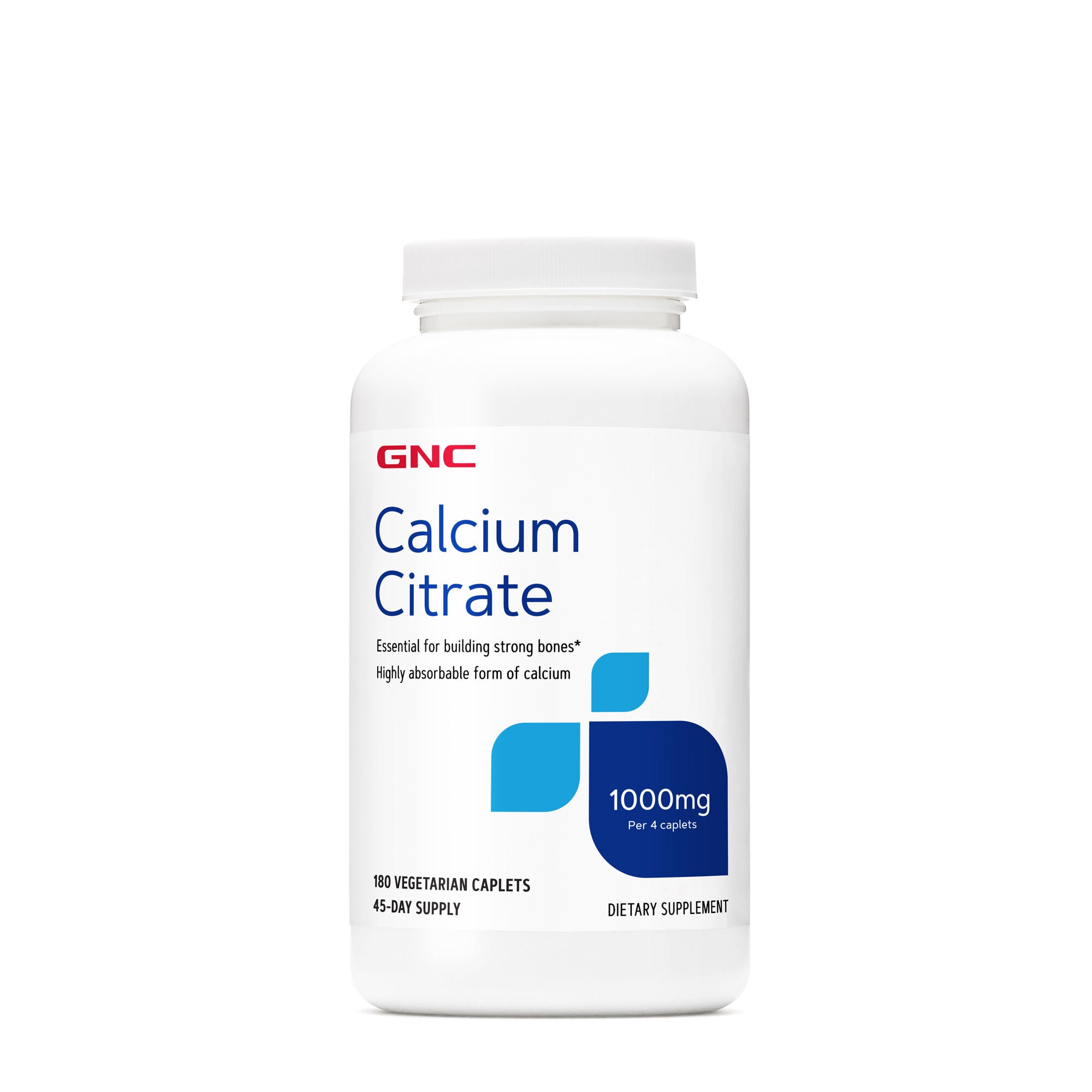
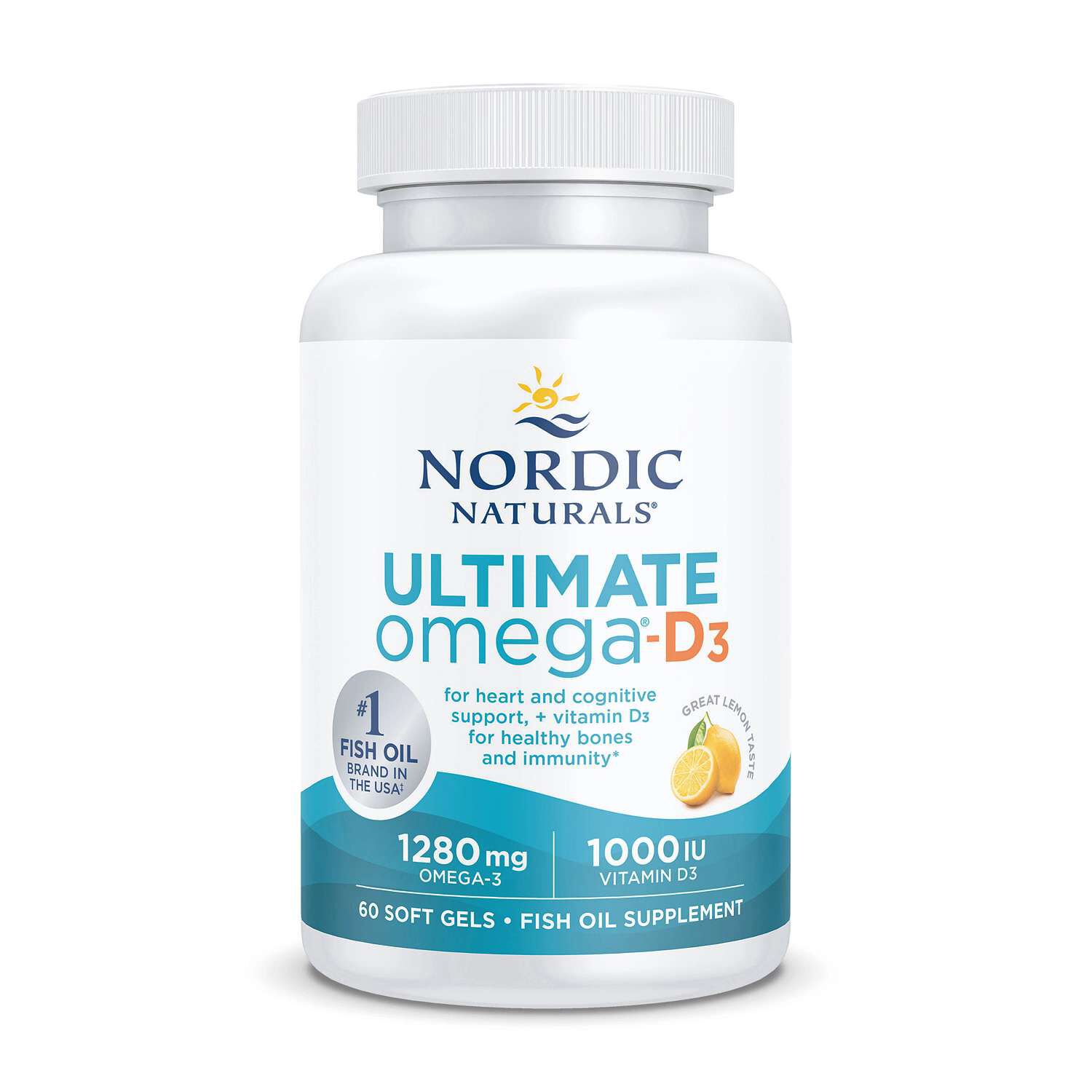
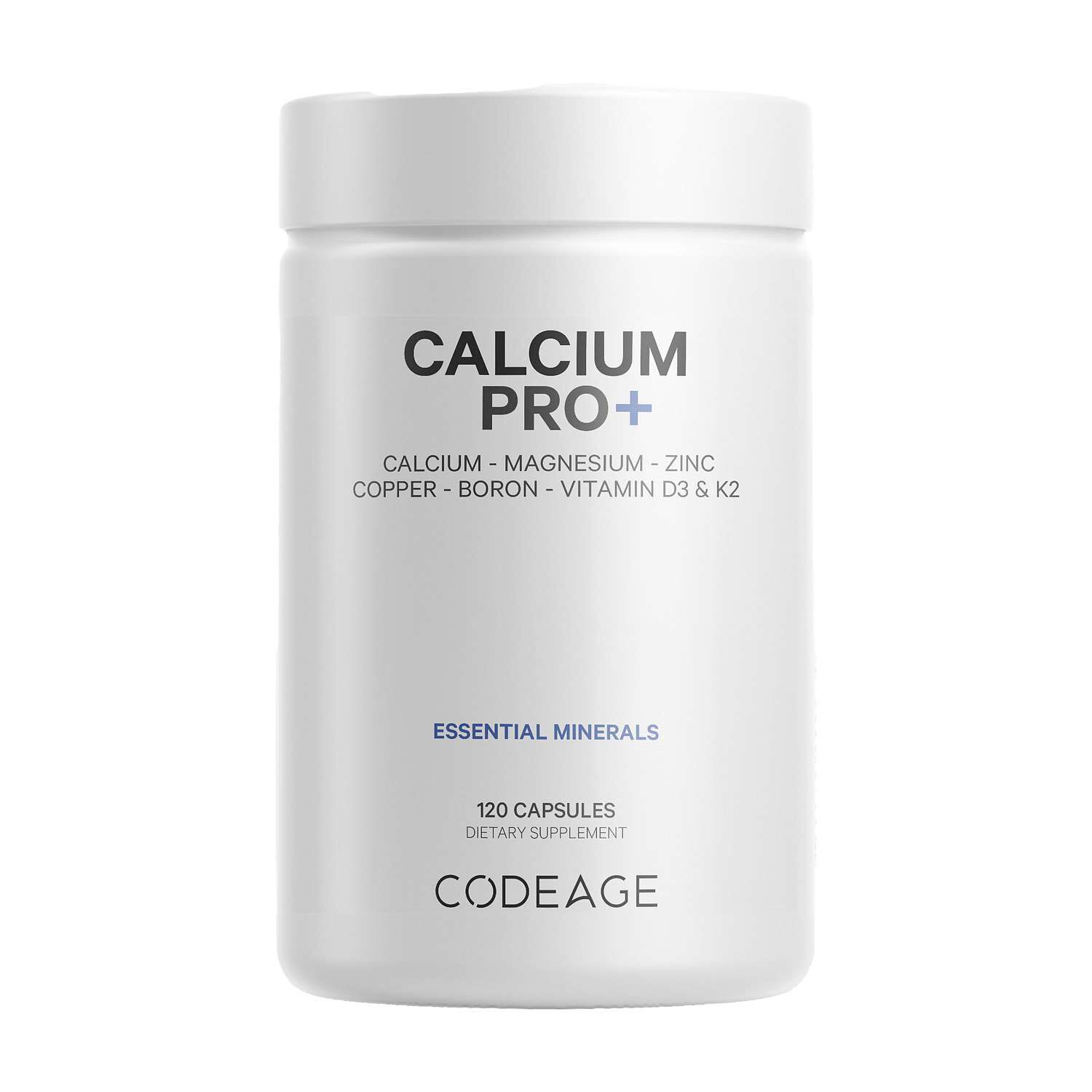
Bone health supplements for couples bring together a shared interest in everyday wellness and the individual preferences that shape each partner’s routine. This category centers on calcium, vitamin D, vitamin K, and magnesium, with formulas ranging from single-nutrient options to combinations of several nutrients in one serving. Shopping as a couple does not have to mean choosing matching bottles. One person may prefer a calcium-focused formula, while the other may be interested in a combination that includes vitamin D3 and magnesium. The useful point of comparison is the formula itself: which nutrients it contains, how much appears in each labeled serving, and how that serving fits into an existing routine. Calcium citrate and calcium carbonate are two common forms listed on supplement labels. The amount of calcium shown in the Supplement Facts panel refers to the calcium provided, rather than the weight of the entire calcium compound. Vitamin D may appear as D2 or D3, and vitamin K formulas may identify K1 or K2; some K2 labels also name forms such as MK-7. Magnesium can appear in several forms, including citrate, glycinate, and oxide. These distinctions make ingredient panels more informative than broad descriptions on the front of a bottle. A formula containing several nutrients is not automatically a better match for both partners than a simpler option. Serving size, ingredient sources, dietary preferences, and the supplements each person already uses all contribute to the comparison. Even partners who share most meals can have different eating habits, such as one choosing yogurt at breakfast while the other prefers oatmeal with a fortified plant-based beverage. Bone health supplements offer a focused category for exploring those individual preferences without turning a shared household routine into an identical one. The emphasis is on finding clearly labeled choices that make sense for each person, rather than treating a couples’ purchase as a requirement to use the same formula.
The physical format of a supplement matters just as much to the shopping experience as the nutrient list. Tablets, capsules, softgels, chewables, gummies, and powders each have a different feel and preparation routine. A tablet or capsule offers a measured unit, although a labeled serving may contain more than one. Softgels have a smooth outer shell, and their ingredient lists may include gelatin or other shell materials. Chewables and gummies bring flavor and texture into the decision, making sweetness, sugar content, and ingredients such as pectin or gelatin relevant details. Powders introduce another set of considerations, including the stated serving measure, mixing directions, and whether the flavor suits the intended beverage. For a couple with different preferences, choosing separate formats can be more practical than asking one partner to adopt a texture or preparation step they do not enjoy. A person who likes a straightforward bottle-and-water routine may favor capsules, while someone comfortable measuring and mixing may prefer a powder. Neither format alone establishes the suitability of its nutrient content. Dietary preferences also extend beyond the main nutrients. Capsule materials, flavorings, color additives, and ingredient sourcing can influence whether a formula matches a vegetarian or vegan lifestyle. Vitamin D3, for example, can come from lanolin or lichen, so the source matters when comparing plant-based options. Allergen statements and other package details provide additional context for households that shop around particular ingredients. Bottle count deserves similar attention: the number of tablets, capsules, or gummies in a container is not necessarily the number of servings. A bottle containing sixty tablets with a two-tablet serving represents thirty labeled servings. That distinction can help couples understand how two separate containers fit into their household planning without assuming the bottles will last equally long. Together, these details give bone health supplements a practical dimension beyond the nutrient names, connecting the formulation to the way each partner prefers to handle, prepare, and use it.
A shared supplement routine often works best as an organizational habit rather than a shared set of quantities. Two bottles on a designated pantry shelf, each with its original label visible, can accommodate different formulas without adding much complexity to the household. For couples comparing bone health supplements alongside other daily supplements, the Supplement Facts panel also shows where ingredients overlap. Calcium, vitamin D, magnesium, or vitamin K may already appear in another formula, so viewing the labels together creates a clearer picture of what each container includes. More ingredients and larger amounts are not, by themselves, measures of a better fit. The intended user, labeled directions, and any package cautions remain important distinctions between products that may otherwise look similar. Packaging and care deserve attention as well. A readable label, a securely closing cap, and a container that fits comfortably in the chosen storage space can make day-to-day handling simpler. Storage instructions vary, and the original packaging carries information about moisture, light, and other conditions that may affect the contents. Expiration dates, lot information, and serving directions are easier to keep connected to a supplement when its packaging remains intact. In a home where each partner uses a different formula, keeping containers distinct also makes it easier to tell whose selection is whose. Age can be another reason couples explore different parts of the category, particularly when one partner prefers an age-focused formulation and the other does not. The Bone Health Supplements For Seniors collection offers a related place to browse options organized around older adults, while individual labels provide the details needed to compare them. Whether partners are organizing a new shared home or refining a long-established routine, the most relevant product details remain tangible: nutrient forms, amounts per serving, ingredient sources, texture, preparation, and packaging. A thoughtful couples’ selection leaves room for those differences. The shared element is the attention given to the purchase, not an assumption that two people need matching supplements.