Bone Vitamins For Kids
(0 Results)
Discover a world of support for growing bodies with bone vitamins for kids. These specially formulated supplements could provide the nutrients young ones need to help support healthy bone development during their critical growth years. Packed with a variety of vitamins and minerals, these options might be just what you’re looking for to complement a balanced diet and active lifestyle. Explore how these bone vitamins for kids can contribute to your child's wellness journey.
-

-

-
-
 $18.99
 -
_Front.jpg?sw=305&sh=305&sm=fit "Junior Multi - 90 Tablets - 90 Tablets (90 Servings) | GNC")
-

-

-
 10$17.99
 -
 $20.99
 -
 $12.99
 -
_Front.jpg?sw=305&sh=305&sm=fit "Junior Multi - 180 Tablets - 180 Tablets (180 Servings) | GNC")
-

-
-

-

-
 $20.99
 -
 $17.99
 -
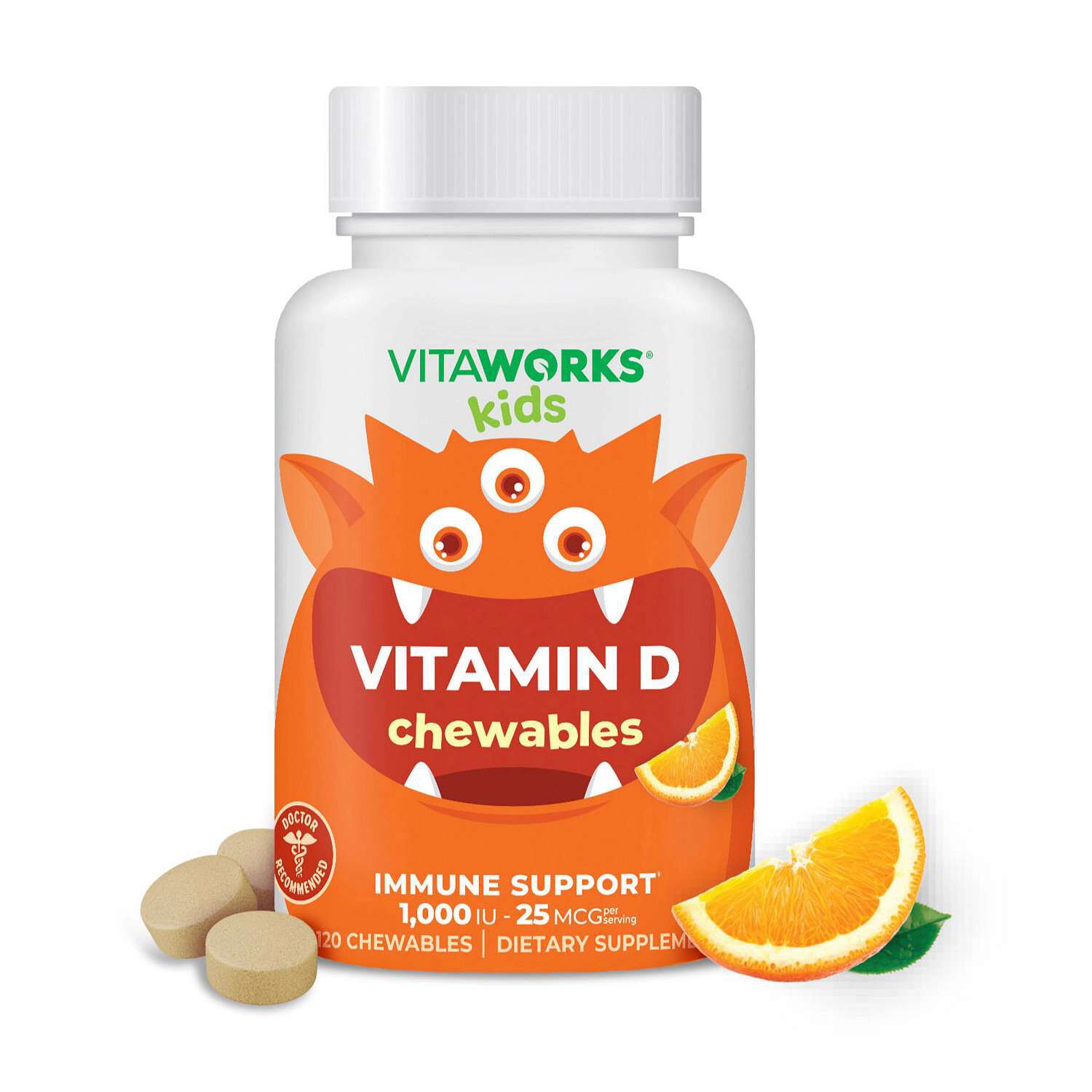 $17.99
 -
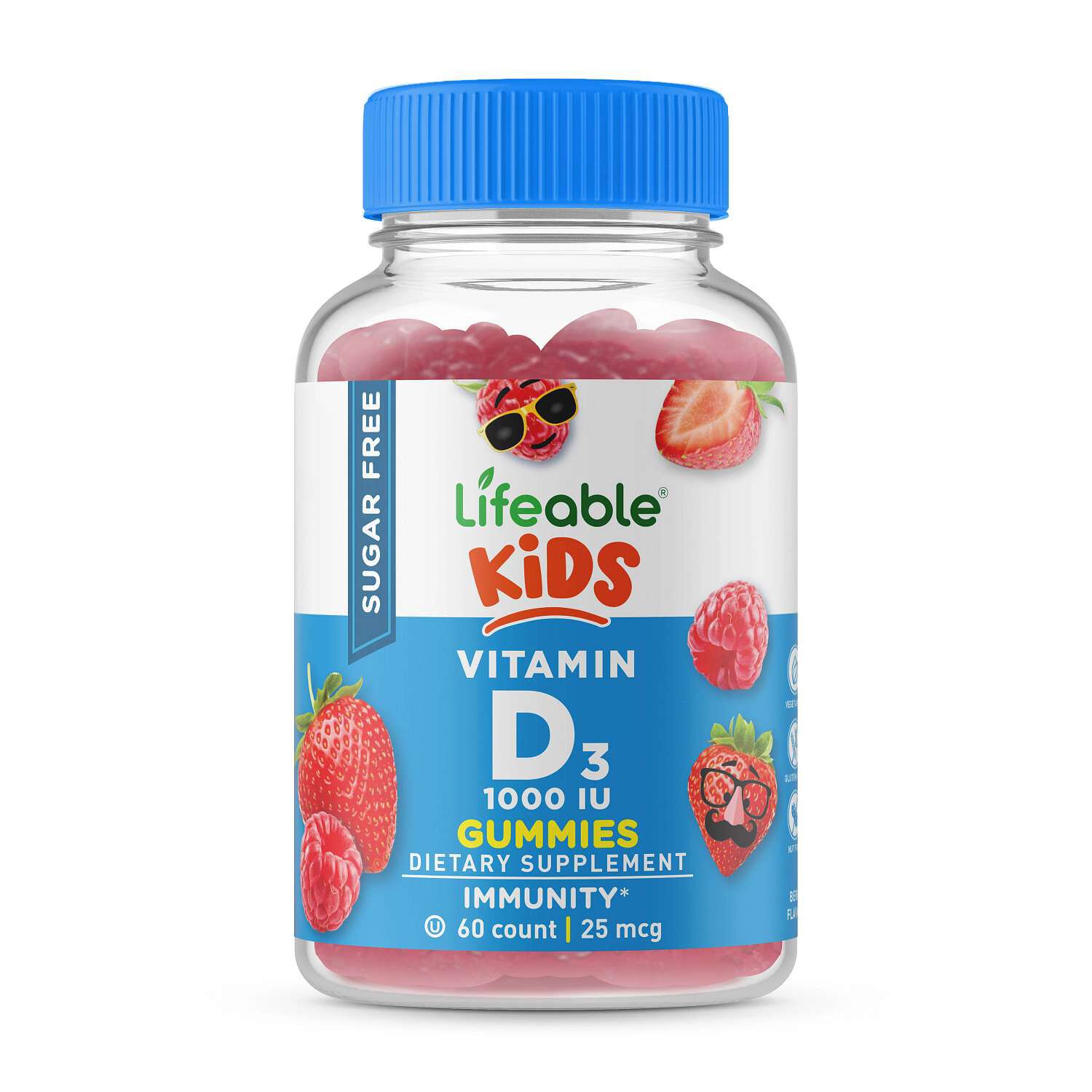 $14.99


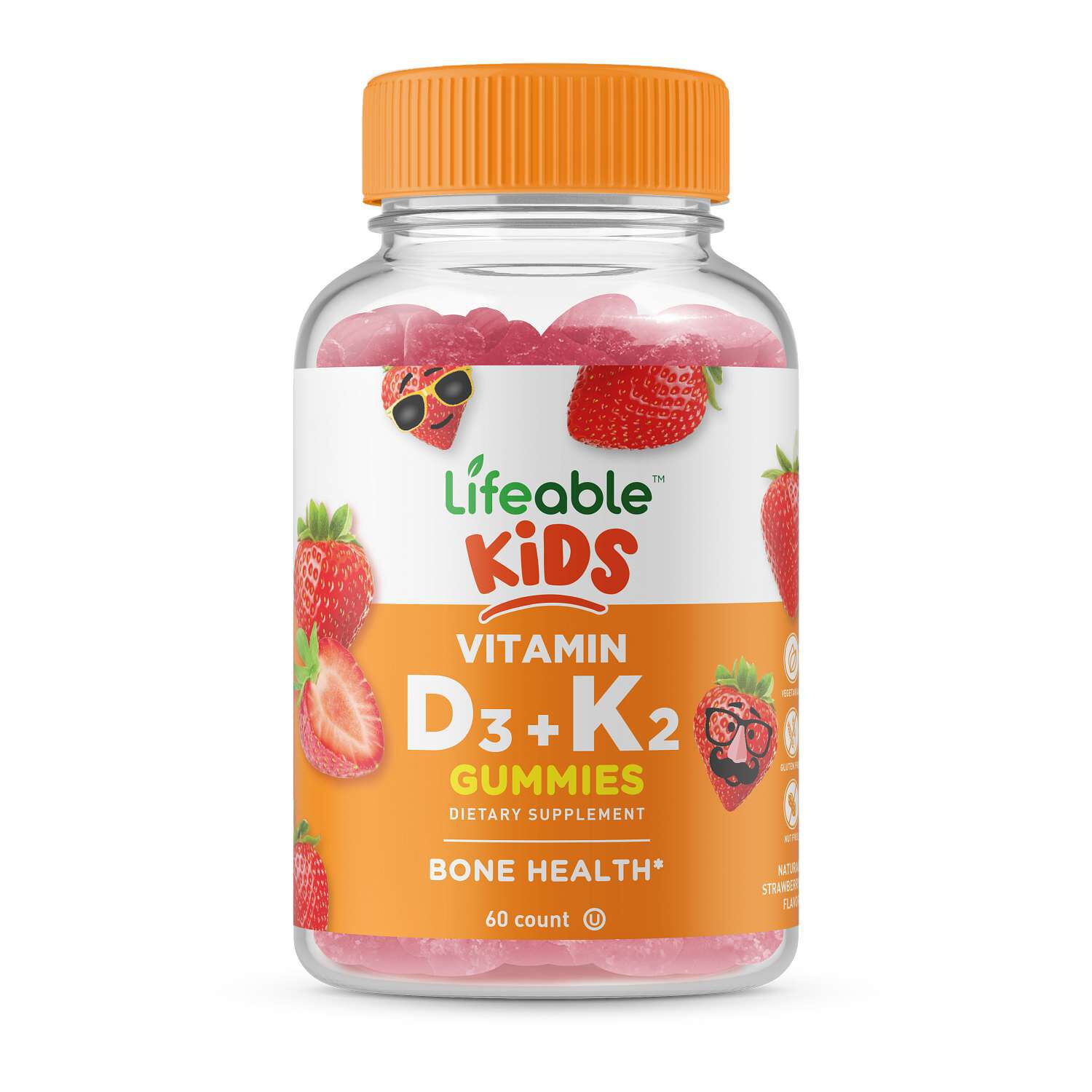


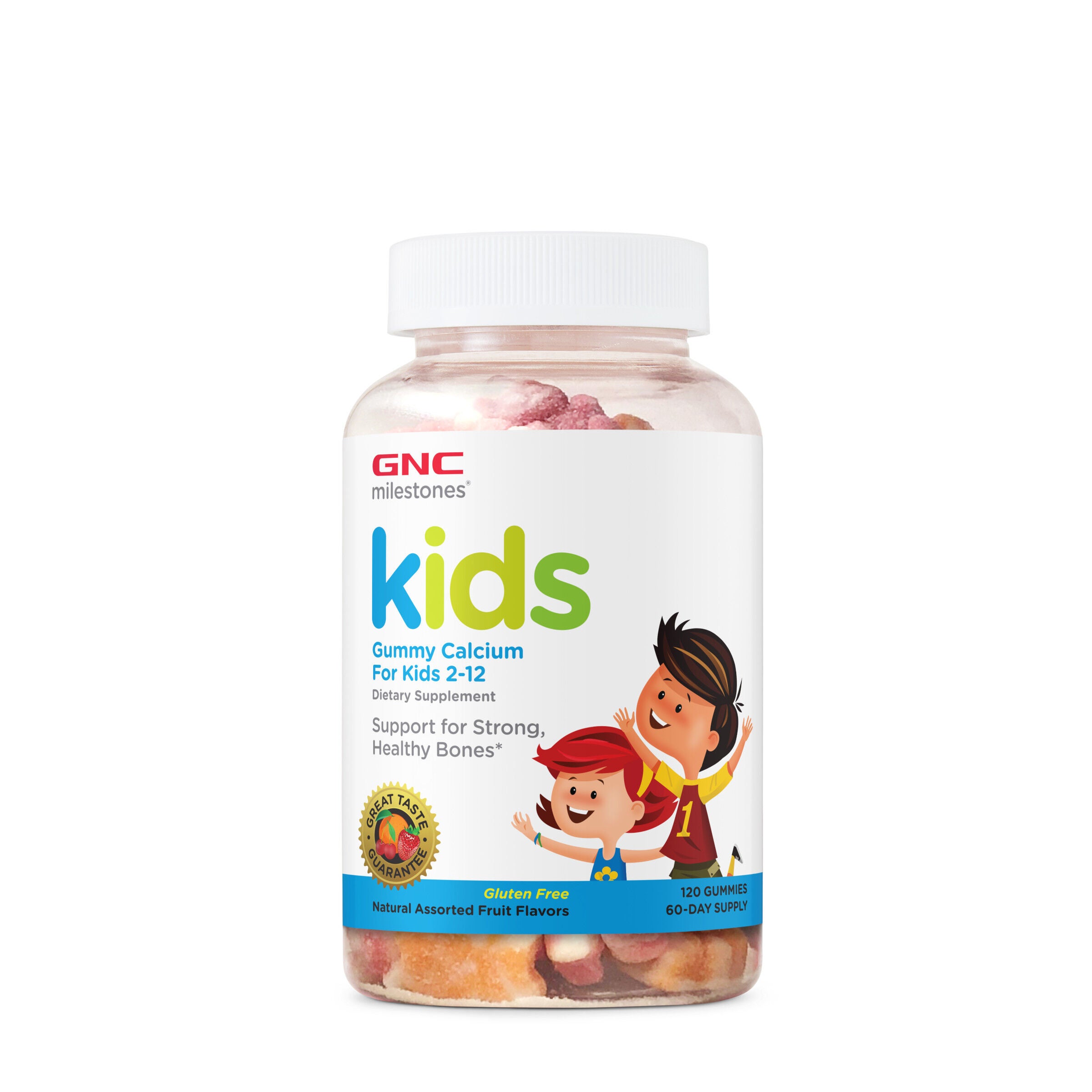
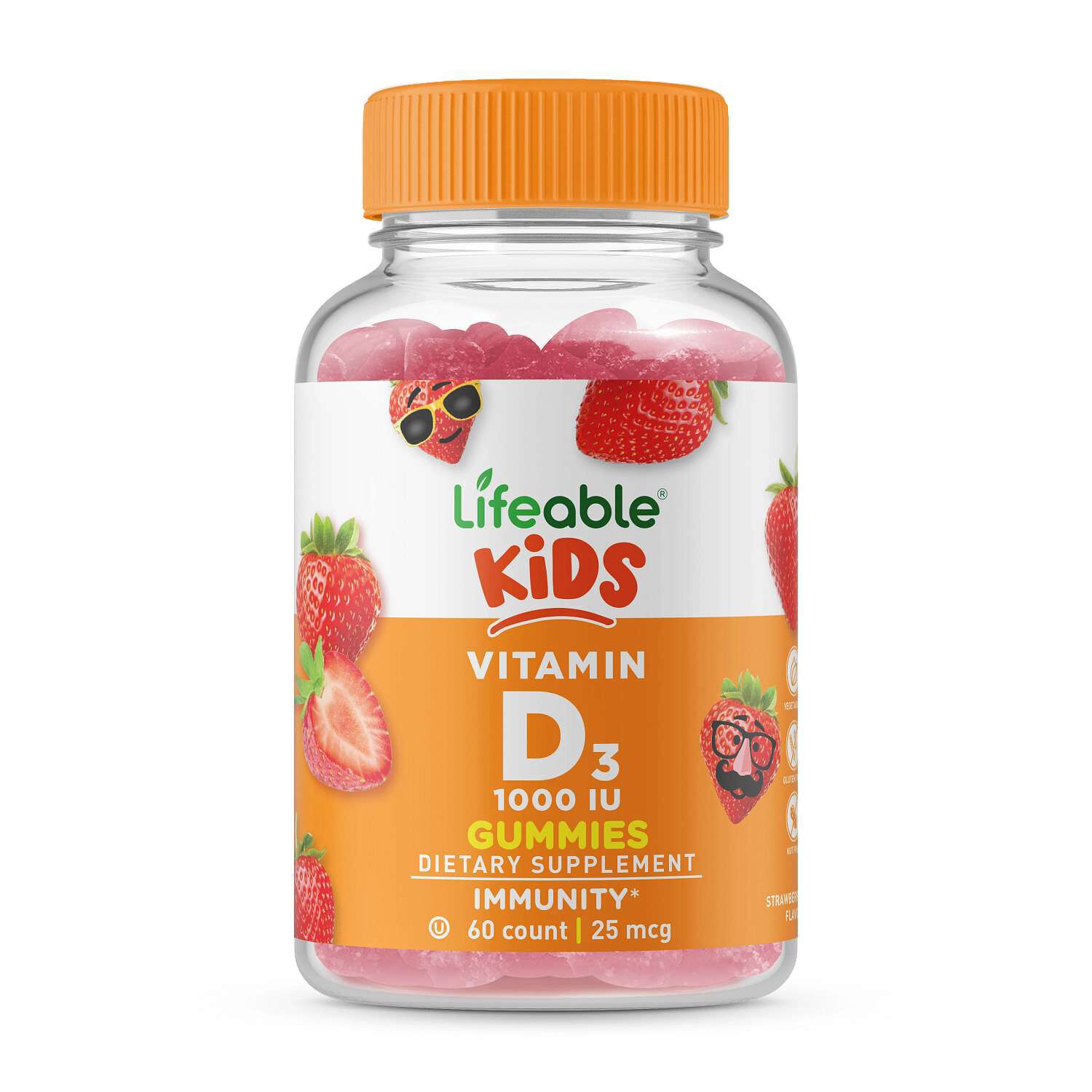
Bone vitamins for kids are children’s supplements centered on nutrients commonly associated with bone nutrition, particularly calcium and vitamin D. Calcium is a mineral found in bones and teeth, while vitamin D is often paired with calcium in formulas made for children. Some formulas also include magnesium or vitamin K, and others place these nutrients within a broader children’s multivitamin. Although “bone vitamins” is a familiar category name, the products can contain both vitamins and minerals, making the ingredient list more informative than the name alone. These supplements may complement a child’s everyday nutritional routine, but they are not a substitute for varied meals and snacks. Foods such as yogurt, cheese, fortified beverages, leafy vegetables, and fish provide useful context when families compare what a supplement contains with what a child regularly eats. A breakfast of fortified cereal and milk, for example, has a different nutritional makeup from toast and fruit; the details depend on the foods and their labels. Parents and caregivers browsing children’s bone supplements may be comparing a calcium-focused formula with a vitamin D option, or looking for a combination that fits an established household routine. Those are different shopping goals, even when the products appear in the same category. The distinction between a single-nutrient supplement and a combination formula matters: a longer ingredient list does not automatically make a product a better match. Age labeling, nutrient amounts, serving size, and ingredient preferences offer more concrete points of comparison. The amount printed prominently on a package may refer to an entire serving rather than one gummy or chewable, so the Supplement Facts panel provides important context. Units matter as well, since different nutrients may be listed in milligrams, micrograms, or international units. Comparing the same nutrient in the same unit makes the differences between formulas easier to understand. For a family seeking a straightforward addition to its routine, clear labeling and an age-appropriate format can matter as much as the flavor pictured on the front.
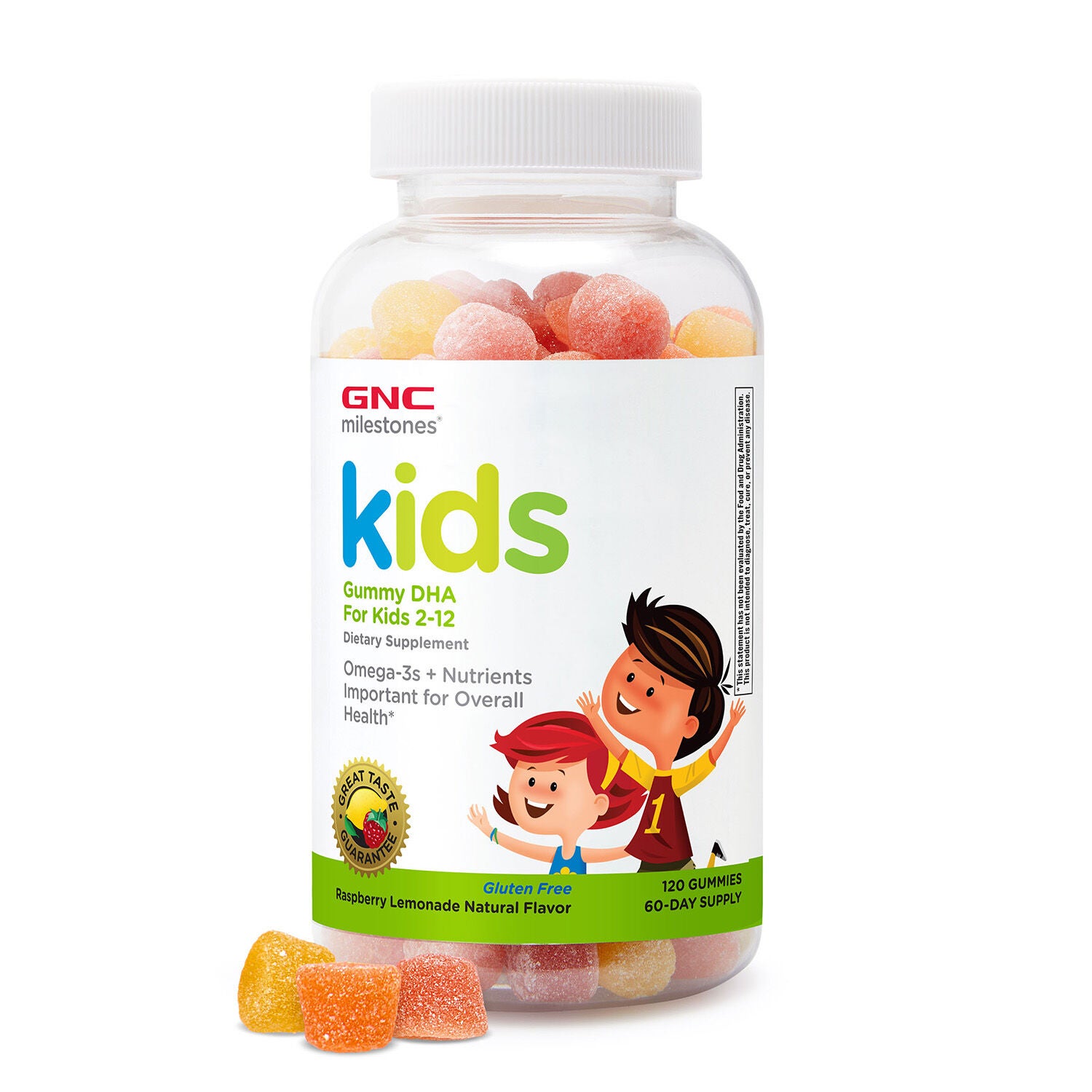
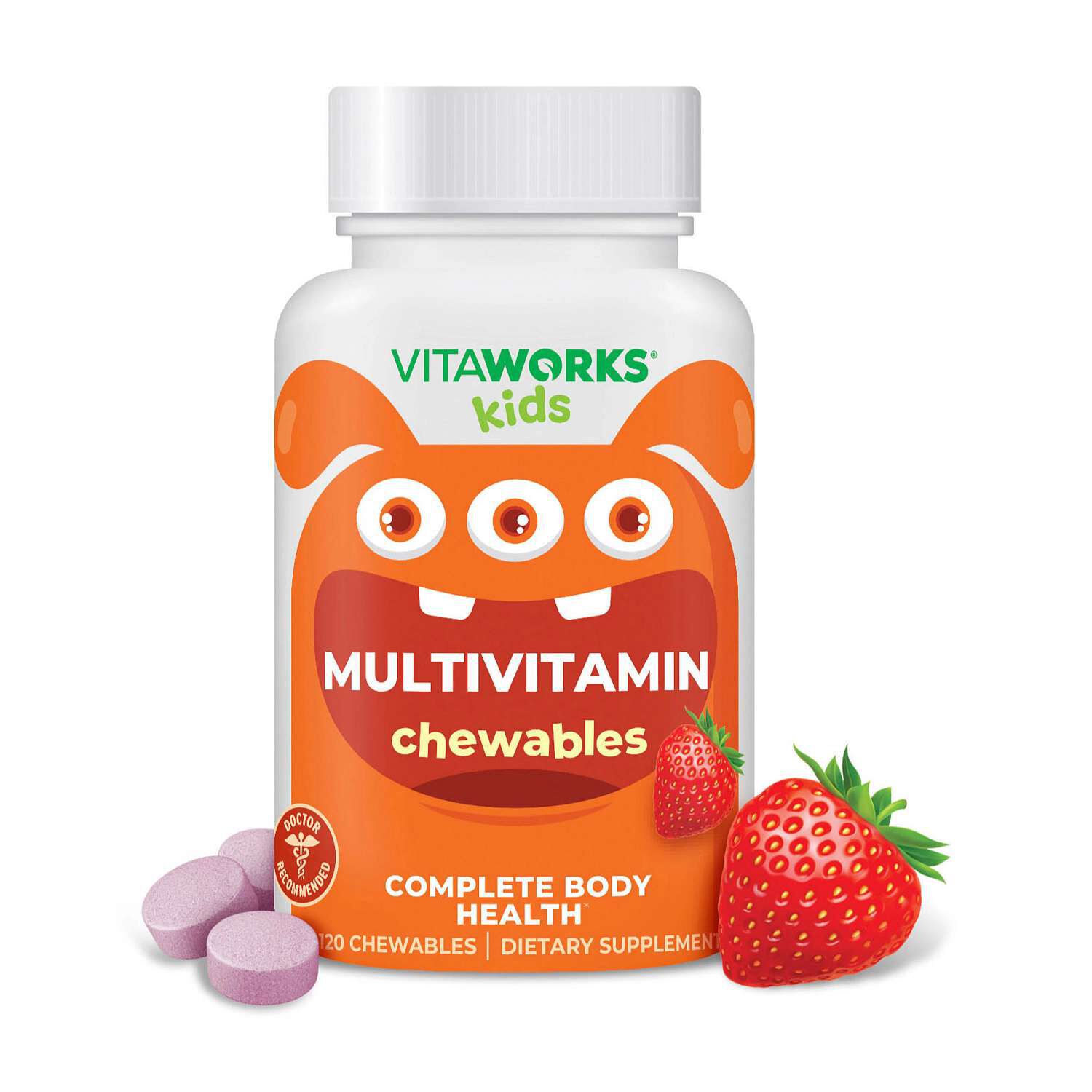
The physical format of kids’ bone vitamins shapes the everyday experience of using them. Gummies often have a soft, springy texture and fruit-inspired flavors, while chewable tablets may have a firmer bite and a different mouthfeel. Liquid formats involve measuring rather than counting pieces, and their labels may specify a particular measuring device or preparation step. These distinctions are practical rather than cosmetic. A child who enjoys a berry flavor may dislike a citrus version, and a familiar flavor does not necessarily mean a familiar texture. Product descriptions can help establish whether a formula is a gummy, chewable, or liquid, but the package remains the reference for its intended age range and directions. Serving size deserves attention alongside format: two bottles with similar piece counts may contain different numbers of servings. For households with children of different ages, the age range on each label is more useful than assuming one children’s formula suits everyone. Ingredient preferences also influence the comparison. Gummies may use gelatin or pectin, and formulas can differ in sweeteners, added sugars, colors, and flavor ingredients. Families following vegetarian eating patterns may look closely at the source of a gummy’s gelling ingredient. Those avoiding particular food ingredients can review both the ingredient list and allergen statement rather than relying on flavor names or front-label imagery. A creamy or fruit-inspired flavor, for instance, does not establish whether a formula contains milk ingredients. Similarly, a short ingredient list does not explain every aspect of a product’s suitability. The nutrient panel, age labeling, and other package details work together to describe its intended use. When comparing calcium and vitamin D supplements for children, the clearest distinction is often not which bottle has the most nutrients, but which format and formulation align with the shopping criteria already established for that child. Familiar packaging, readable directions, and a clearly marked serving can also make a product simpler for adults to distinguish within a busy household’s collection of supplements.
Storage and handling are another part of choosing children’s bone nutrition supplements, especially when comparing textures and package styles. Gummies can be sensitive to heat and moisture, and tablets and liquids have their own labeled storage requirements. The package directions determine whether a product belongs in a cool, dry location or needs different conditions after opening. A bottle left in a warm car during afternoon errands faces different conditions from one kept in an appropriate indoor storage space. During the cooler months, indoor heating and damp bathrooms still make location worth considering; outdoor temperature alone does not describe the environment around a bottle. Closures, seals, expiration dates, and any after-opening instructions are useful details when assessing a package. For liquids, the supplied measuring accessory and instructions are part of the intended format, not incidental extras. Children’s supplements belong in adult-managed storage, out of children’s reach, even when the shapes, colors, or flavors resemble familiar treats. This category is generally a practical purchase for parents and caregivers rather than a surprise gift, because age labeling, food ingredient preferences, and existing supplement routines are personal considerations. In homes where more than one adult handles the morning routine, keeping products in their original labeled containers preserves the information each caregiver needs. Clear distinctions between a calcium supplement, a vitamin D supplement, and a multivitamin also matter when several bottles share a shelf. Different categories can include some of the same nutrients, so their names alone do not tell the whole story. Families browsing other children’s supplement categories can also explore Kids Focus Support Vitamins as a separate area of interest, with its own intended use and label details. For bone vitamins for kids, a thoughtful comparison comes back to a few tangible features: the nutrients listed, the amounts per labeled serving, the child’s age range, the format, and the storage requirements. Those details give families a grounded way to distinguish options without treating every colorful bottle as interchangeable.


 Chewable Tablets_Front.jpg?sw=305&sh=305&sm=fit "ChildCalm - 60 Chewable Tablets (30 Servings) | GNC")