





Boosting Metabolism Naturally
(0 Results)
Boosting metabolism naturally may be a goal for many who are looking to support their overall wellness journey. Choosing the right supplements and vitamins could play a role in helping your body function at its best. Explore options that are thoughtfully formulated to align with your lifestyle, whether you’re starting a new fitness routine or simply seeking ways to feel more energized throughout the day. Discover how boosting metabolism naturally might fit into your daily routine as you work toward your health and wellness goals.
-
-
 Purity Products$49.99
-
-
-
-

-
-
-
-

-
-
-
-
-
-

-
 185$24.99
-

-

-

-
-

-
-
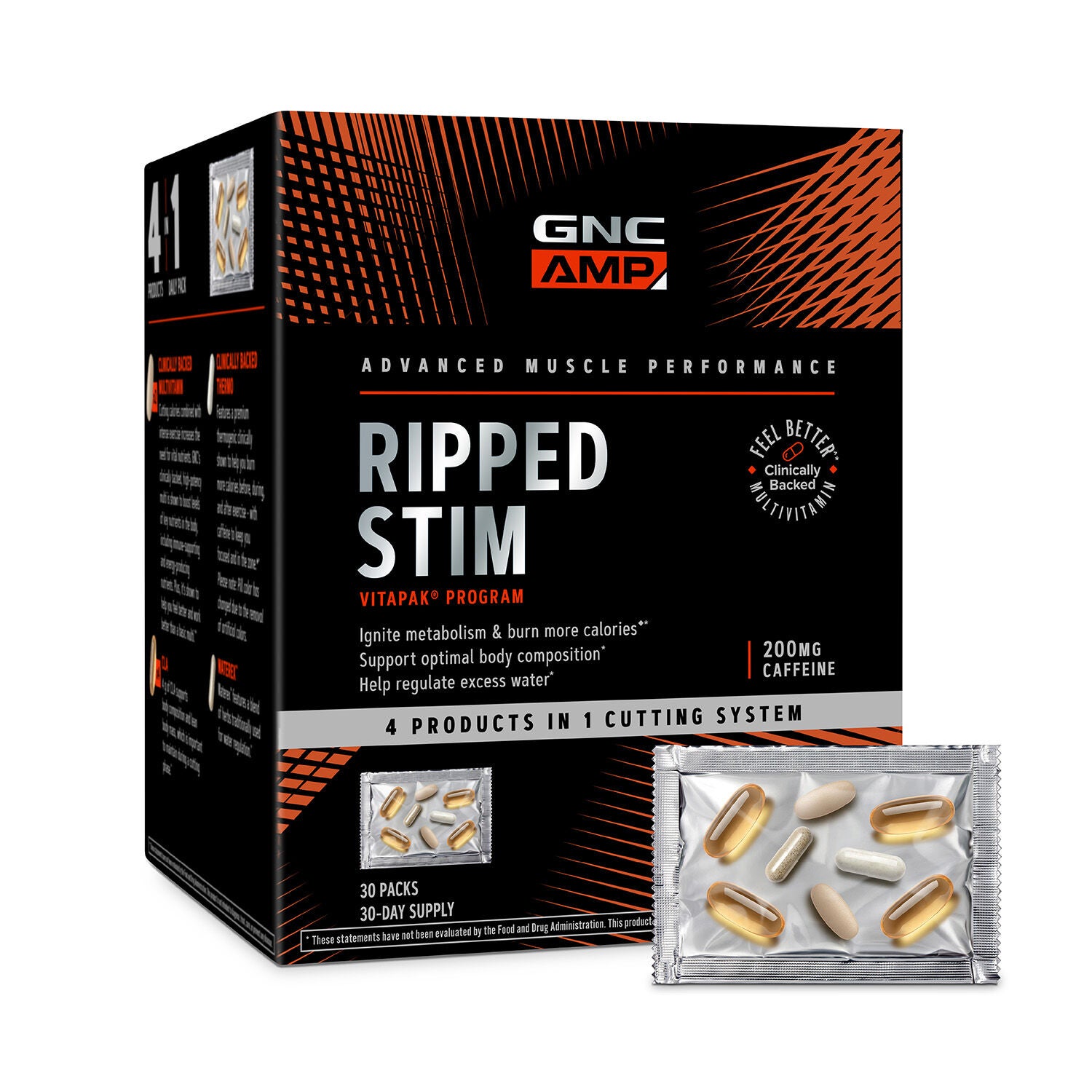
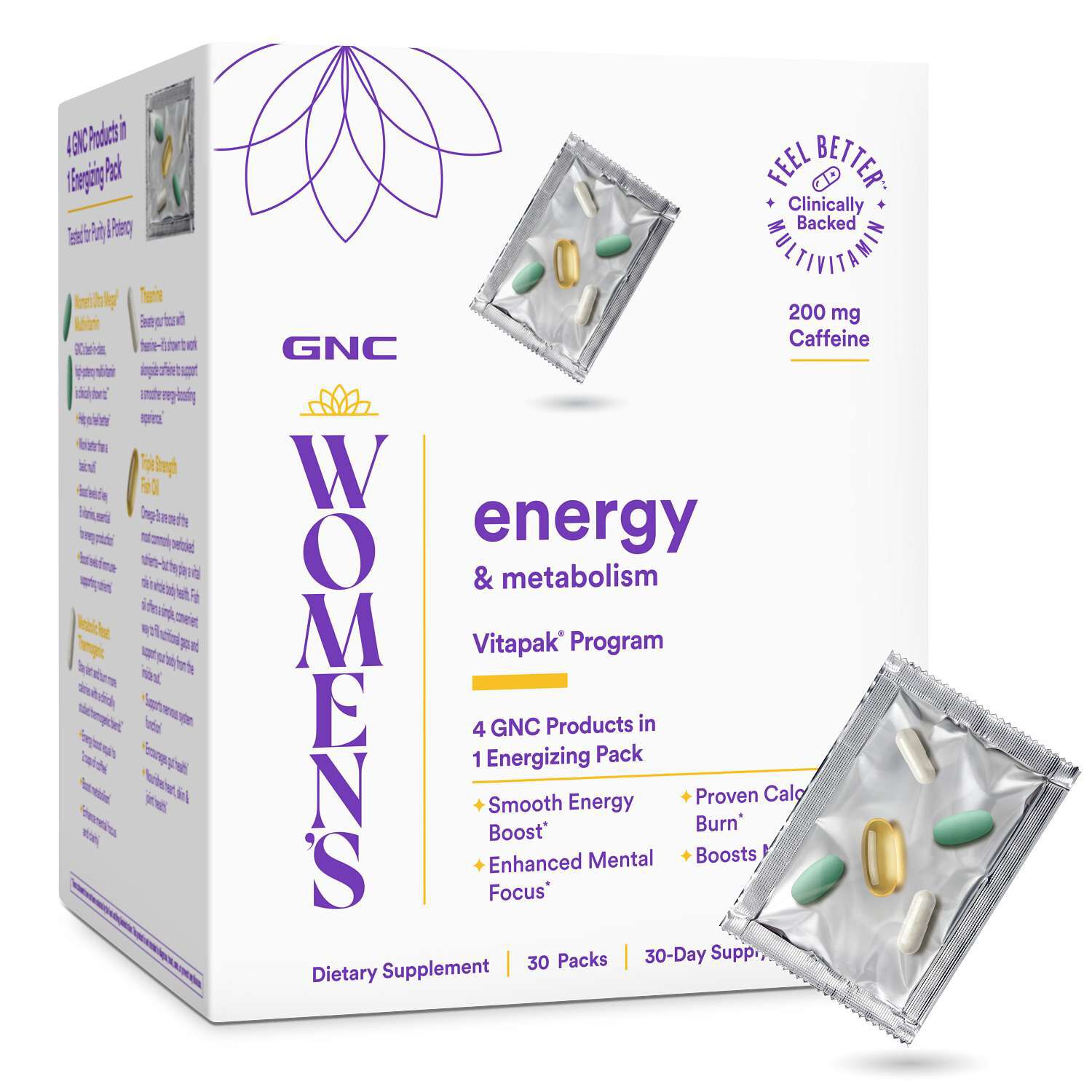
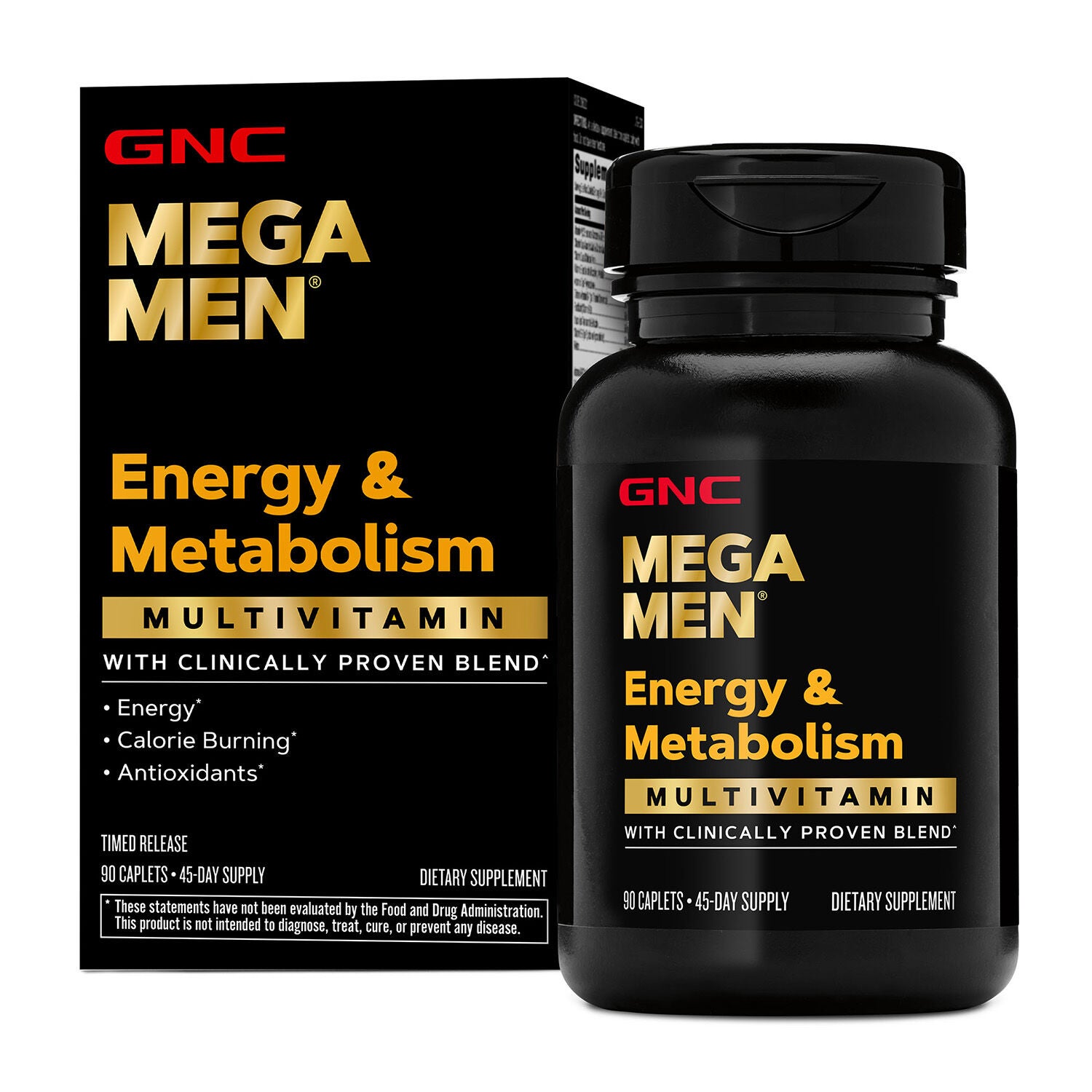
Metabolism is the collection of processes the body uses to convert food and drinks into energy and carry out everyday functions. Those processes continue during work, exercise, meals, and rest, so a metabolism-focused shopping routine belongs in the context of daily life rather than a single workout or ingredient. Protein powders, nutritional beverages, and vitamin and mineral supplements are among the categories associated with this approach. Depending on their ingredients, these products may support protein intake, muscle maintenance, or normal energy metabolism, but they serve different purposes and are not interchangeable. A protein powder intended to accompany meals has a different nutritional profile from a caffeinated beverage or a capsule containing selected nutrients. Looking beyond the category name to the serving size, ingredient list, and Nutrition Facts or Supplement Facts panel makes those distinctions clearer. Dietary protein, regular movement, strength-focused activity, adequate food intake, and consistent rest are all relevant background considerations when browsing products for metabolic wellness. No single powder, beverage, or capsule can stand in for that broader context. The word “natural” also needs context: it does not describe a uniform formula, a particular caffeine amount, or a standard set of ingredients. A plant-derived ingredient can appear in very different concentrations across formulations, while two similarly named blends can have different nutritional purposes. For someone who already enjoys a balanced breakfast but wants a convenient protein option after exercise, the relevant details may be protein source, serving size, and preparation. Someone looking for an alternative to an afternoon coffee may be more interested in beverage format, flavor, and caffeine content. These are different shopping needs within the same general theme. Thoughtful selection begins with identifying the role a product might play in an established routine, then comparing the details that relate to that role rather than assuming that every metabolism-oriented formula offers the same experience.
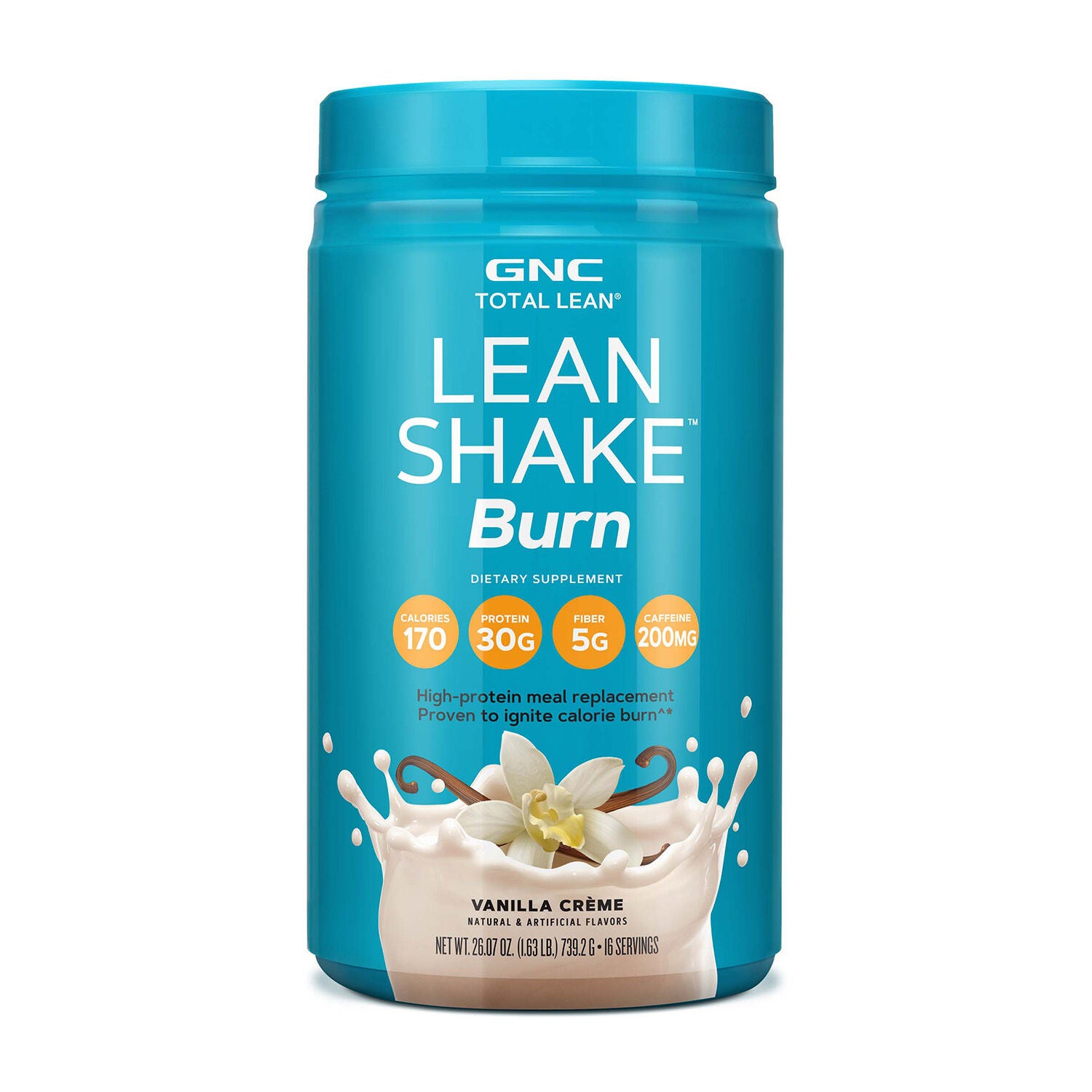
Format is a practical consideration because the product needs to suit the setting in which it will be used. A powder requires measuring and mixing, while a ready-to-drink beverage arrives portioned and a capsule has its own directions for use. For a commuter carrying a shaker bottle, the amount of liquid required per serving and the ease of mixing are meaningful details. For someone preparing a smoothie at home, flavor compatibility and texture may matter more. Whey, casein, soy, pea, and blended plant proteins differ in source, taste, and consistency; label information is particularly useful when comparing milk-derived and plant-based options or checking for food allergens. A vanilla-flavored powder might suit a fruit smoothie, while an unflavored option may be preferable when the other ingredients already have a distinct taste. Sweetener type, added sugars, protein per serving, and the number of servings in the container offer additional points of comparison without relying on the front label alone. Powders can also behave differently when stirred into a glass, shaken in a bottle, or blended with fruit and ice, so preparation directions deserve a place in the decision. Measuring by the labeled serving rather than estimating from the size of a household spoon keeps the intended portion clear. Packaging and storage matter, too. A securely closed container, a dry measuring scoop, and storage according to the label are relevant to keeping the contents in suitable condition. Resealable pouches and rigid tubs have different storage footprints, especially in a shared kitchen or a small pantry. Ready-to-drink formats have their own storage requirements, including directions that may change after opening. Checking container seals, date markings, and handling instructions is more useful than assuming all formats have the same shelf life. The package size also needs to make sense for the frequency of use: an occasional smoothie maker and someone with an established daily routine may prefer different container sizes. These details connect the nutritional purpose of a purchase with the practical experience of measuring, mixing, carrying, and storing it.
Ingredient clarity becomes especially important when several beverages or supplements are part of the same day. Caffeine can come from coffee, tea, and other plant ingredients, so its source alone does not indicate the amount in a serving. A drink with botanical ingredients may still contain caffeine, and a larger bottle may have serving information that warrants a closer look. Comparing the stated amount per serving with the intended portion makes the label more meaningful. Formulas containing vitamins and minerals also differ in their amounts and combinations, making it worthwhile to compare labels across an existing routine rather than judging each purchase in isolation. Broad blend names provide less detail than clearly identified ingredients and quantities; product descriptions are most informative when they explain what is included without suggesting dramatic changes. For a beverage-centered approach, browsing metabolism drinks provides another way to compare formats, flavors, and labeled ingredients alongside the rest of a daily routine. A person who prefers sipping a drink may value a different experience from someone who wants a powder to mix with breakfast, even when both are shopping with metabolic wellness in mind. Taste, portion size, preparation, and ingredient preferences remain relevant throughout that comparison. An ingredient associated with metabolism does not establish how noticeable its effects might be, and a longer ingredient list does not necessarily make a formula more suitable. Likewise, a caffeinated sensation should not be treated as a measure of metabolic change. The more useful distinction is whether a product has a clear nutritional purpose and fits the intended use. For active adults, busy professionals, or anyone refining an everyday nutrition routine, a well-matched format may make that routine more convenient. The strongest foundation for a considered purchase is straightforward: recognizable ingredient information, appropriate serving directions, manageable preparation, and a realistic understanding of what a supplement or beverage may contribute within a varied diet and everyday activity.
Best Sellers

Related Pages


Top Collections
- Zinc Supplements | Top Brands at Great Prices | GNC
- Joint Mobility Supplement Packs
- Daily Collagen Supplements | Top Brands & Deals | GNC
- Cortisol Supplements
- Supplements For Yoga Joint Flexibility
- NAD+ Supplement Tablets
- Iron Supplements
- Best Brand of Magnesium Glycinate
- Chronic Fatigue Supplements
- Peptide Supplements