Metabolism Boosting Drinks
(0 Results)
Looking to give your metabolism a natural boost? Our selection of metabolism-boosting drinks is here to help you rev up your energy levels and support your body's natural fat-burning processes. Packed with a powerful blend of vitamins, minerals, and antioxidants, these beverages are designed to help kickstart your metabolism and keep you feeling energized throughout your day. Whether you're looking for a refreshing pick-me-up in place of your morning coffee or a revitalizing drink to fuel your workouts, our range of metabolism-boosting drinks has something for everyone.
-

-

-
-
-
-

-
-
 $27.99
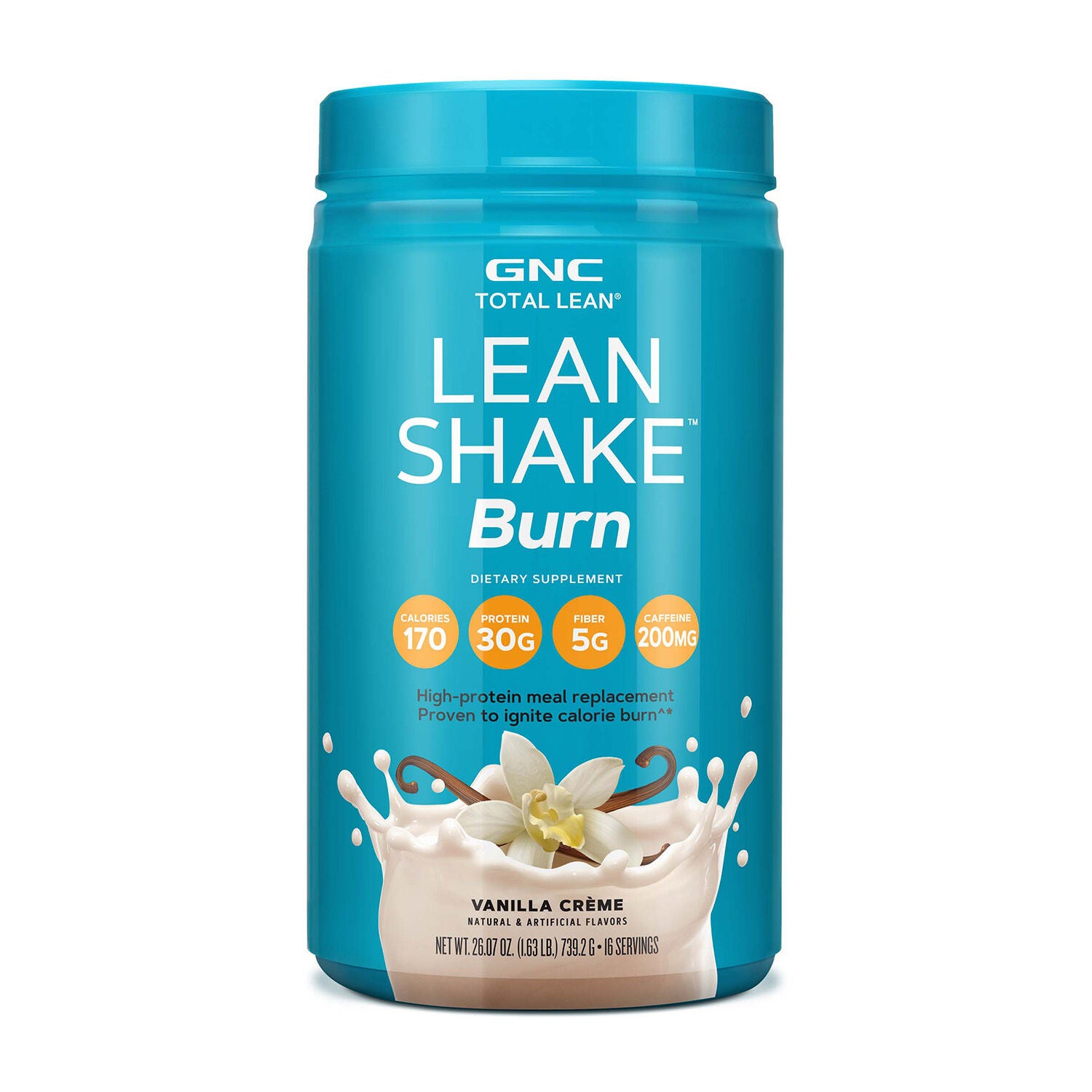
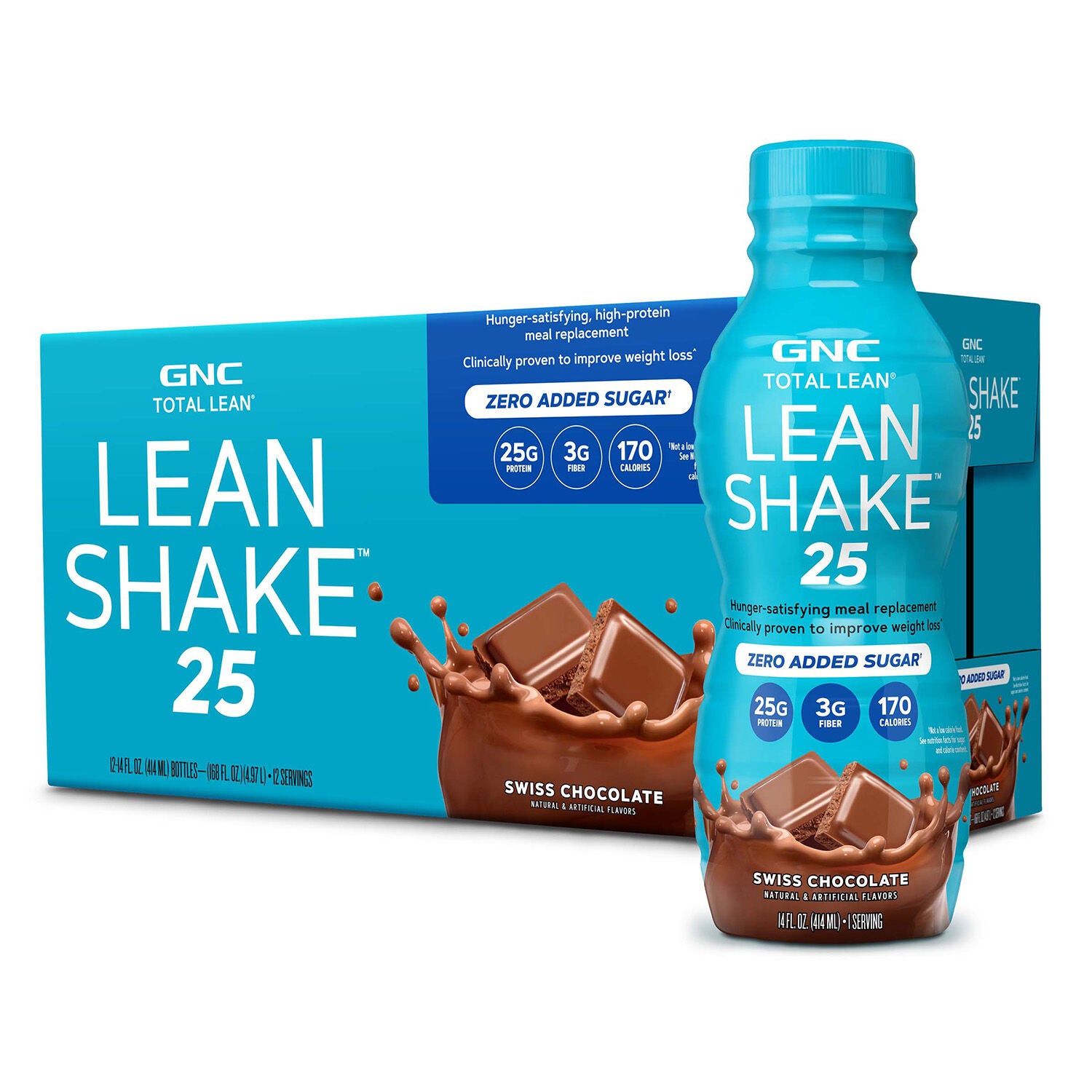
Metabolism is the set of processes the body uses to convert food and drinks into energy and put that energy to use. Drinks marketed for metabolism aren’t made to a single recipe. The category includes canned and bottled beverages as well as powders meant to be mixed with water. Green tea, coffee, ginger, and apple cider vinegar are ingredients associated with this category, but the ingredient list tells a shopper more about an individual drink than the category name does. A tea-based beverage may have a grassy finish, a coffee-based drink may have a roasted note, and a formula with ginger or apple cider vinegar may taste sharp or tangy. Some drinks are sparkling, while others are still. Even two drinks described as citrus flavored may taste quite different if one has a tea base and the other is a fizzy blend with ginger. The ingredient list also distinguishes between brewed tea and tea extract, details that are easy to miss when the front of the package focuses on flavor. Caffeine is another point of comparison: it can come from tea or coffee or be added separately. When an amount is shown, the serving size gives that number context, especially if the bottle contains more than one serving. The same goes for the calories, added sugars, and other details on a Nutrition Facts or Supplement Facts panel. Looking at the amount someone would actually pour or mix makes the comparison more useful than looking at the size of the package alone. For someone who already has a regular coffee or tea order, a familiar flavor may be a more helpful starting point than the language on the front of the package.
The difference between a prepared drink and a mix often comes down to where it will be opened. A sealed can may fit a lunch break where there’s no sink handy, while a bottle with a screw cap may suit someone who plans to pour a serving and put the rest away according to the label. A packet of powder may take up less room in a work bag, but it still calls for water and a container with enough room to stir or shake. Someone heading from the office to the gym might keep an unopened packet next to a clean shaker rather than carry a prepared drink all day. At home, a tub may be easier to keep alongside everyday drink supplies, with the scoop and a measuring cup close at hand. The directions set out how much powder and water make a serving, which is useful when the shaker holds more water than the recipe calls for. The larger container isn’t necessarily the better match if the drink mostly needs to fit in a crowded tote, and the smallest packet may be less practical for someone who prefers to measure each serving in the kitchen. Packaging matters after opening, too. A can generally can’t be closed again, and a bottle cap that twists back on doesn’t replace any storage directions printed on the label. Powder containers and individual packets also have their own storage instructions. These are small differences on a product page, but they’re more noticeable when a drink needs to stand upright in a bag, share space with lunch, or be easy to prepare at a desk.
Personal taste can narrow the selection as much as the format does. Someone who habitually orders unsweetened tea may look first at tea-based drinks and check whether the recipe has added sugar or other sweeteners. A person who likes a tart sparkling drink with lunch may care more about carbonation and finish than whether it comes in a can or a bottle. Timing within a routine can matter to the choice as well. A shopper choosing a drink to have alongside a customary morning coffee may compare the caffeine information differently from someone who prefers a beverage without caffeine later in the day. The ingredient list is especially useful when two packages use similar flavor names but one includes several botanical ingredients and the other has a shorter recipe. For shoppers comparing this beverage selection with a related assortment, Male Metabolism Boosters is another page to browse. Here, the common thread is the drink format and the practical details that come with it: how a serving is prepared, how the package travels, and what the person drinking it likes. Those same details matter when choosing for someone else. A familiar flavor in a format the recipient already uses may be a thoughtful addition to a gym bag gift, especially if their preferences around sweetness and caffeine are known. Individually packed mixes may make sense for someone who already carries a shaker; a ready-to-drink format may be a closer match for someone who rarely mixes beverages at home. Whether the drink is for a workday, a gym bag, or a kitchen shelf, the useful comparison is between the serving someone will actually prepare or pour and the taste and format they’ll want to reach for again.