

Caffeinated Protein Bars
(0 Results)
Fuel your day with the perfect blend of energy and nutrition. Caffeinated protein bars may offer a convenient way to stay energized and satiated, combining the benefits of high-quality protein with a caffeine boost. Whether you're powering through a workout, tackling a busy workday, or simply need a quick pick-me-up, these bars could provide the support you need. Packed with essential nutrients and designed for on-the-go lifestyles, caffeinated protein bars might just become your new go-to snack for sustained vitality and focus.
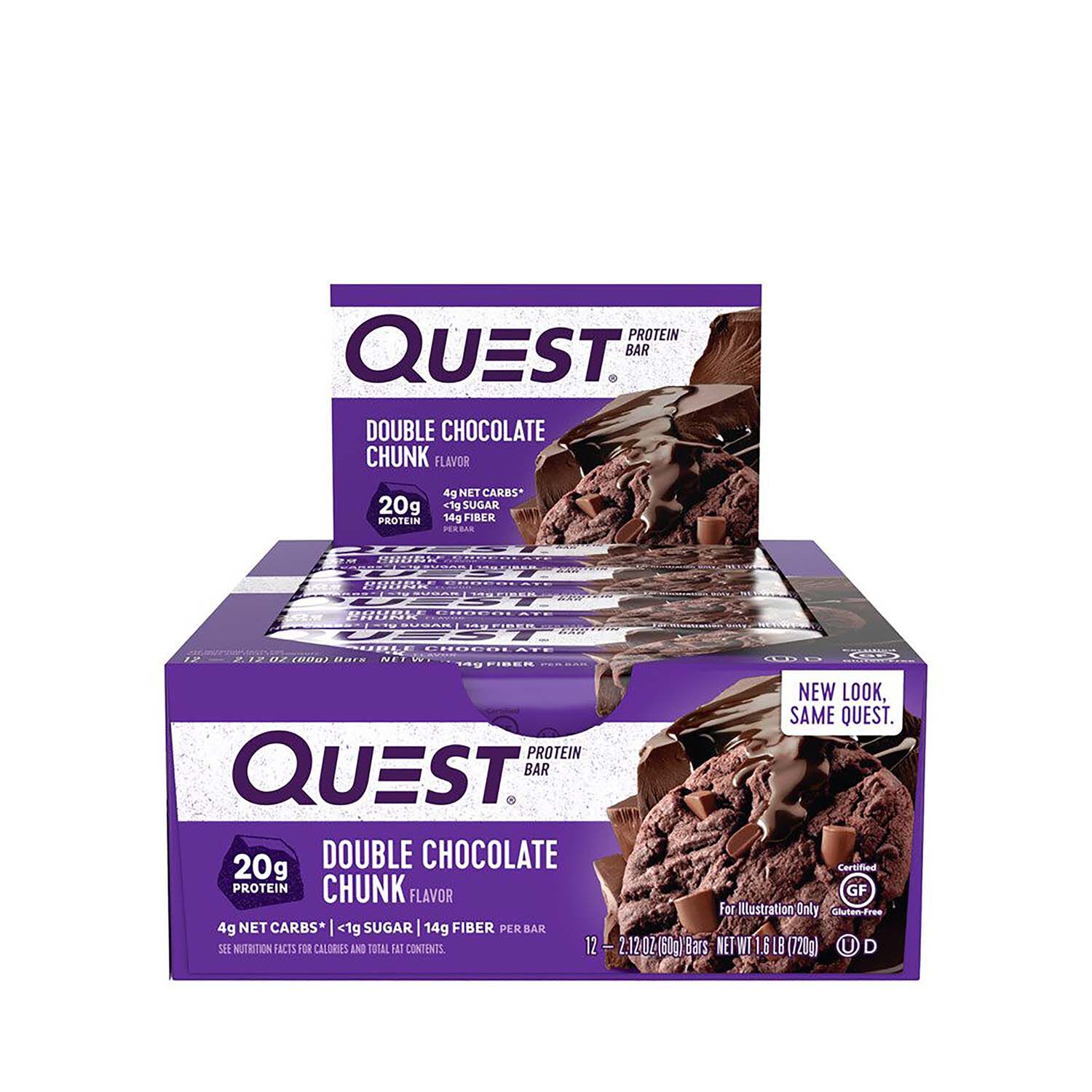
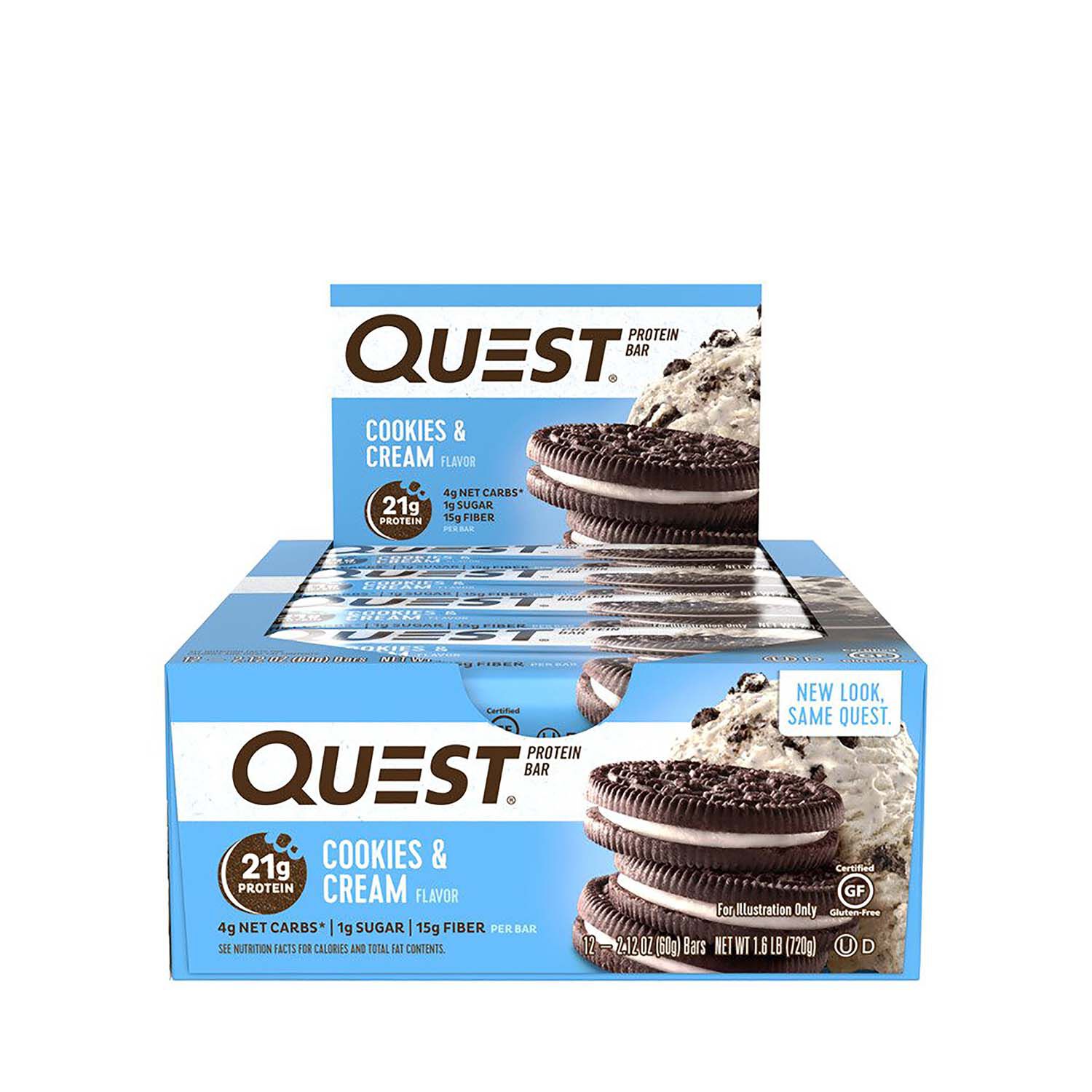
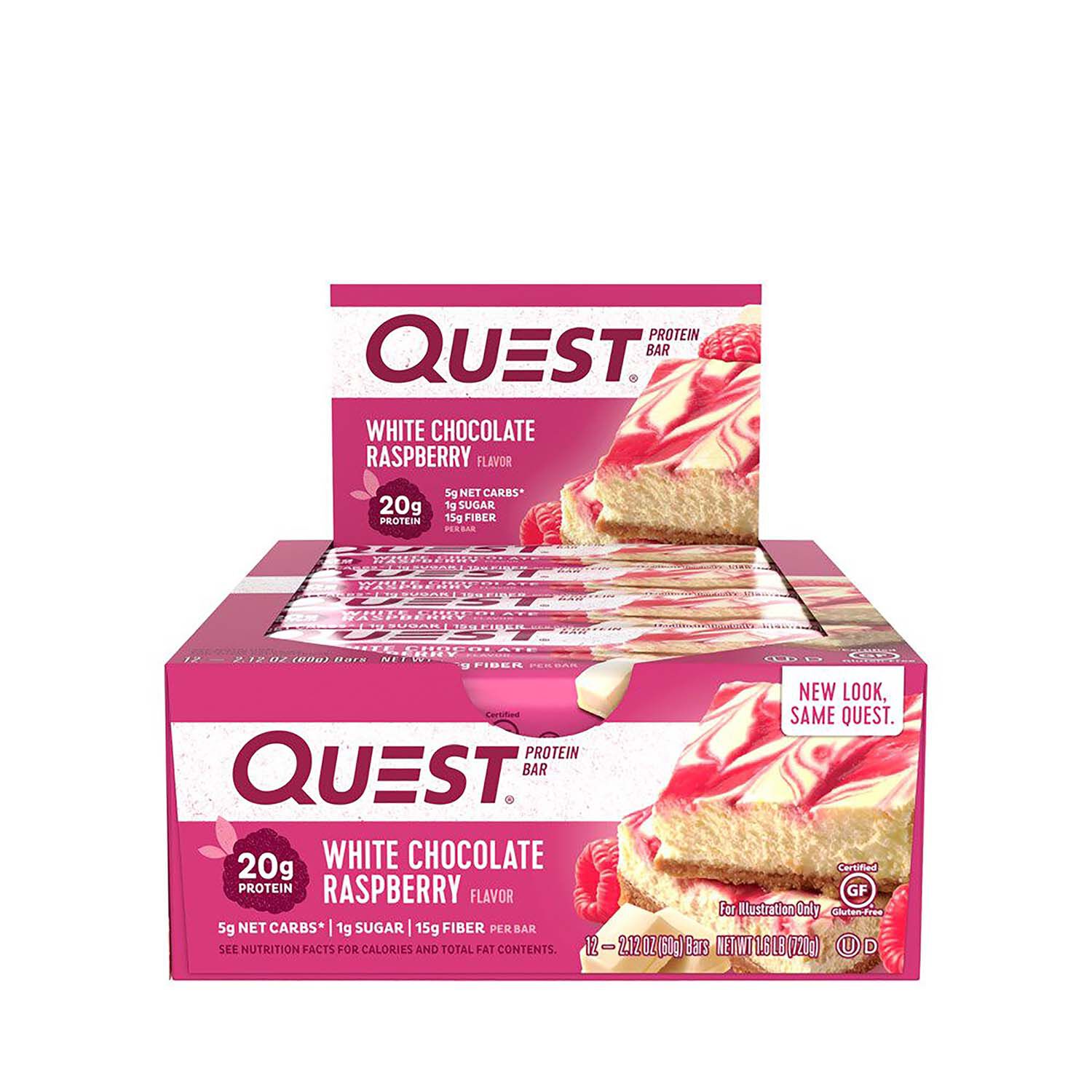
Caffeinated protein bars combine protein and caffeine in a packaged snack, pairing the familiar format of a protein bar with an ingredient also found in coffee and tea. The defining details are the protein content and the amount of caffeine per serving, not simply a coffee-inspired flavor or an espresso-colored coating. A bar can taste like a latte without containing a stated amount of caffeine, while a caffeinated bar does not necessarily have a strong coffee taste. Product labels distinguish those differences and identify the serving size, protein source, caffeine source, and other ingredients. Within this category, recipes can range from dense, chewy bars with a smooth center to crisp combinations of protein pieces, nuts, and chocolate. Common protein sources include whey, milk protein, soy, peas, and blends of plant proteins, though each recipe has its own composition. Caffeine may come from coffee ingredients, tea ingredients, or separately added caffeine, as identified on the package. For adults who already choose caffeinated snacks, the appeal is a portable format that fits into a morning commute, a desk drawer, or the side pocket of a gym bag. There is no mixing bottle to rinse and no brewing step, although the eating experience is different from sipping a beverage. A coffee-flavored bar with a fudgy texture might suit someone who enjoys a rich snack, while a crisp bar with toasted notes might appeal to someone who prefers a lighter bite. Neither the flavor name nor the size of the wrapper tells the whole story about its contents. Two bars with similar packaging can have different serving sizes and different amounts of protein, caffeine, sugar, and fiber. Those distinctions make the nutrition panel and ingredient list more useful points of comparison than a familiar café-style name alone. Caffeinated protein bars are a distinct snack category, rather than an automatic substitute for breakfast, a protein shake, or a cup of coffee.
Comparing caffeinated protein bars starts with the quantities printed on the label. Protein is generally listed in grams, while caffeine is measured in milligrams; the two measurements describe different parts of the recipe and should be considered separately. More protein does not necessarily mean more caffeine, and a pronounced espresso taste does not establish the caffeine amount. Coffee beverages also vary in caffeine content, so a comparison to “a cup of coffee” is less precise than a stated milligram amount. Serving information matters here, especially when a package contains more than one serving. For a shopper building a broader snack assortment, High Protein Bars offers a related category to explore, with caffeine content remaining a separate label consideration. Beyond those numbers, ingredients shape the texture and character of each bar. Milk-based proteins often appear in recipes with creamy or chewy centers, while plant-based recipes may use soy protein, pea protein, nuts, or seeds in different combinations. The protein source alone does not determine whether a finished bar is vegan; coatings, inclusions, and other ingredients matter as well. Anyone shopping around a food allergy or a dietary preference has more to work with in the ingredient list and allergen statement than in a flavor description. Sweeteners are another meaningful distinction. Some recipes use sugar or syrups, while others incorporate sugar alcohols or other sweetening ingredients, each with a different taste and finish. Chocolate coatings can add a softer outer layer, nut pieces bring a firmer bite, and crisp inclusions create contrast within a chewy center. Fiber content, serving weight, and the presence of oats or nut butter further distinguish one recipe from another. A smaller bar with a dense center can feel quite different to eat from a larger bar built around airy crisps. These practical details help match the snack to personal preferences without treating every caffeinated protein bar as interchangeable.
Everyday fit is as much about packaging, storage, and eating preferences as it is about nutrition information. Individually wrapped caffeinated protein bars are straightforward to pack for a commute or carry between scheduled activities, but the wrapper is not a rigid container. A bar tucked beneath a laptop or a full water bottle can become flattened or lose its original shape. A separate compartment or small snack container offers a more suitable place for bars with delicate coatings or crisp layers. Storage conditions also influence the eating experience. Chocolate-style coatings may soften in a warm car, while some chewy centers may become firmer in cold surroundings. The package’s storage directions and date marking are the best references for handling a particular recipe. During the cooler months, a bar carried in an outer pocket can have a noticeably different texture from one kept indoors at room temperature. For a desk snack, a neatly coated bar may be less crumbly than a loosely bound mixture of nuts and crisps; for a seated break, that same crunchy texture may be part of the appeal. A napkin and a moment to open the wrapper carefully can make the difference between a tidy snack and scattered crumbs across a keyboard. Timing is another personal consideration because these bars contain caffeine, unlike many otherwise similar protein snacks. The labeled caffeine amount provides context alongside coffee, tea, and other caffeinated foods or beverages in an adult’s routine. Caffeine sensitivity and preferred timing vary, so the package’s directions and cautions deserve attention rather than an assumption that every bar suits every occasion. When choosing caffeinated protein bars as a small gift for an adult coffee enthusiast or a frequent traveler, familiarity with the recipient’s ingredient preferences and interest in caffeinated foods matters more than novelty packaging. A satisfying match comes down to clearly stated contents, an enjoyable flavor, a preferred texture, and a format that suits the way the snack will actually be carried, stored, and eaten.