High Protein Bars
(0 Results)
Looking to fuel your body with a convenient and delicious snack that packs a protein punch? Our selection of high protein bars is perfect for those seeking a quick and satisfying way to boost their protein intake on-the-go. Whether you need a post-workout refuel or a mid-afternoon pick-me-up, these bars are a convenient option to keep you feeling energized and satisfied throughout your day. With a variety of flavors and formulations to choose from, there's a high protein bar here to suit every taste and dietary preference.



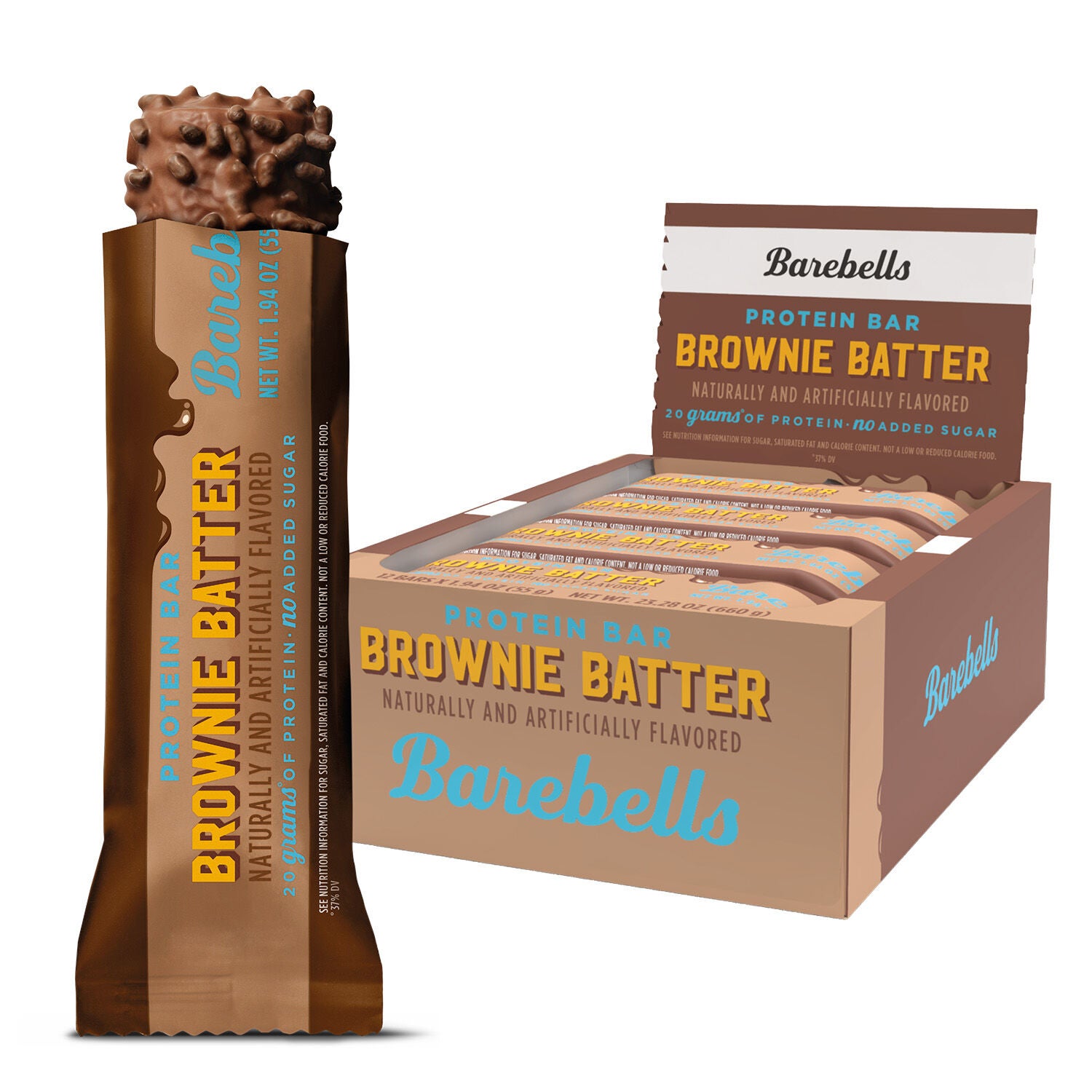
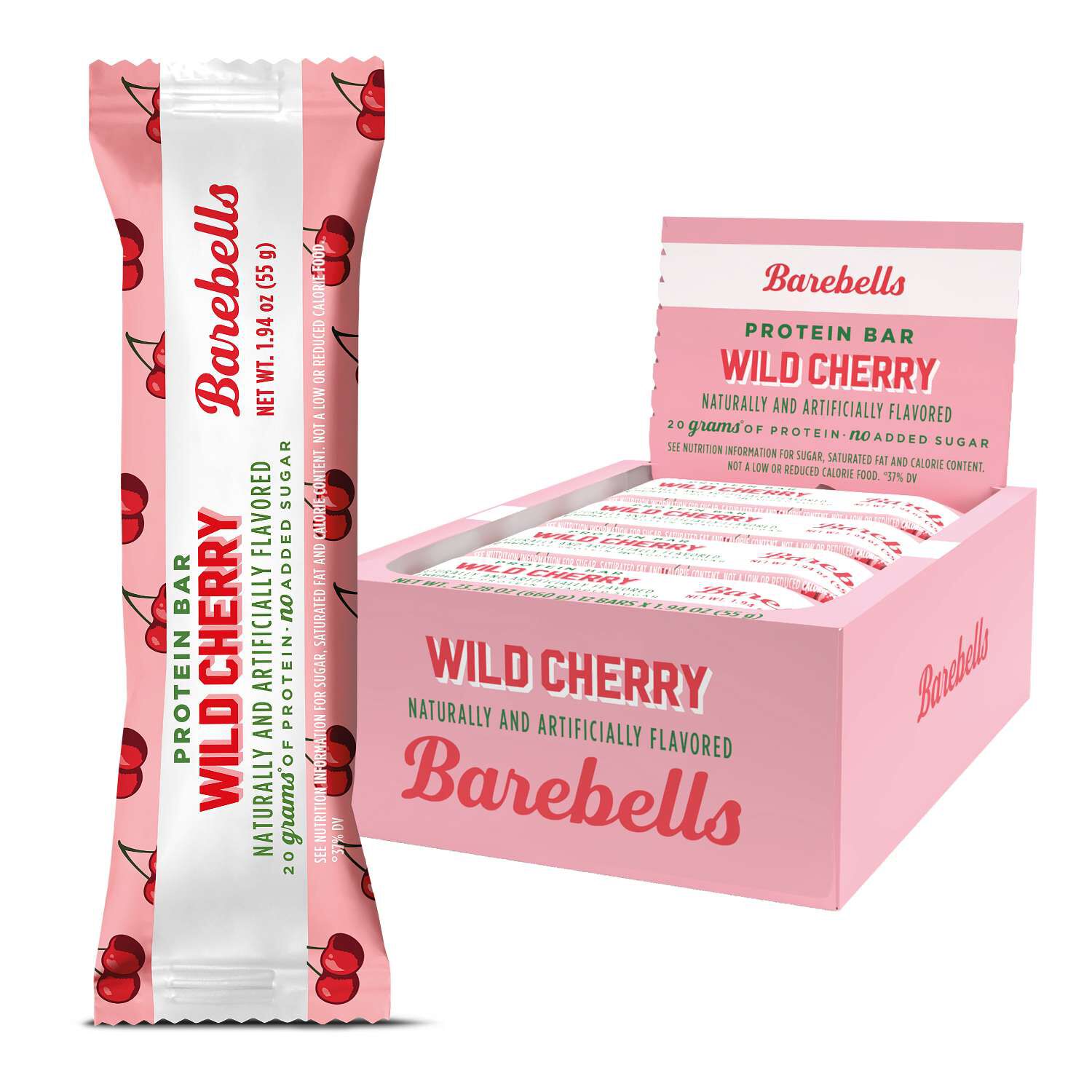
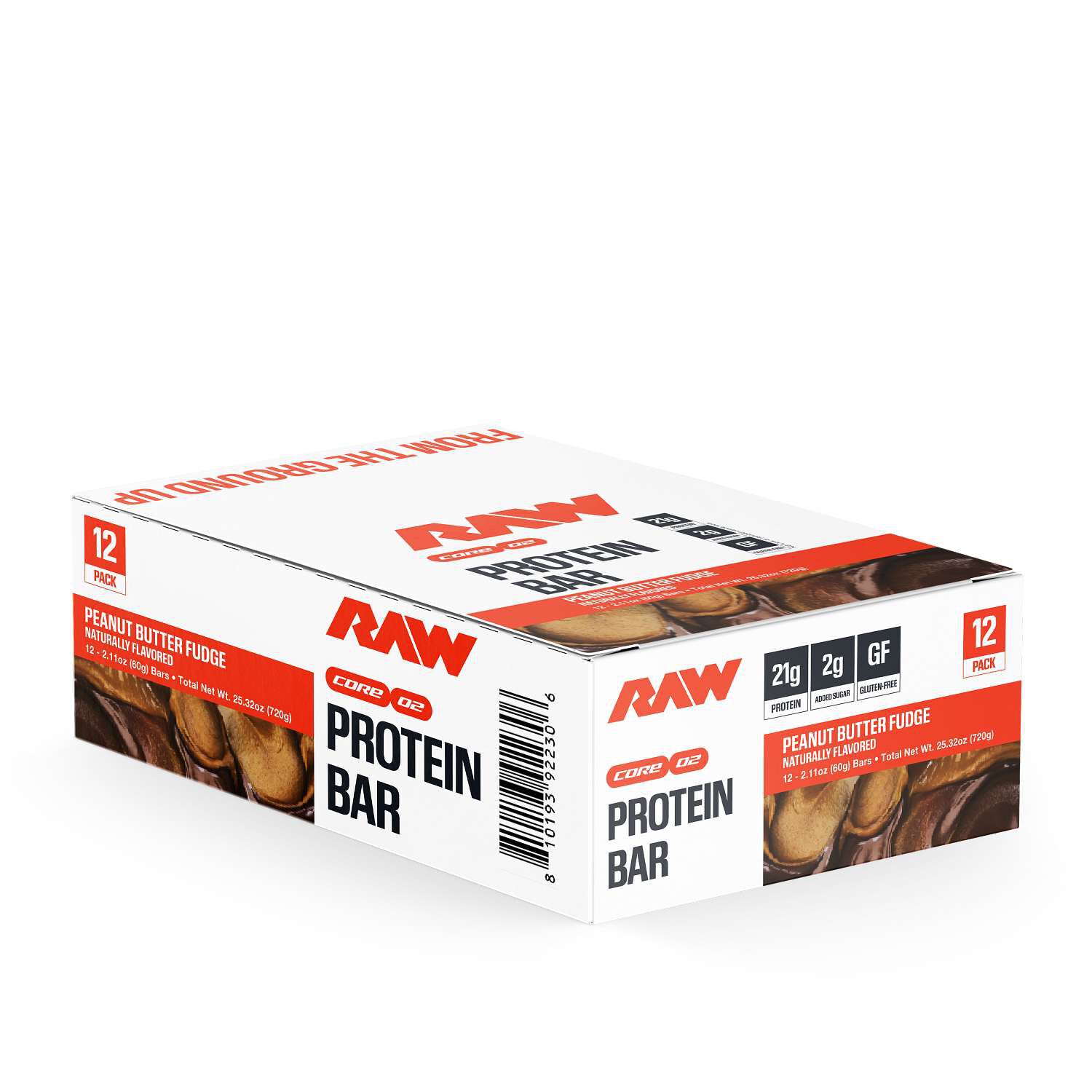
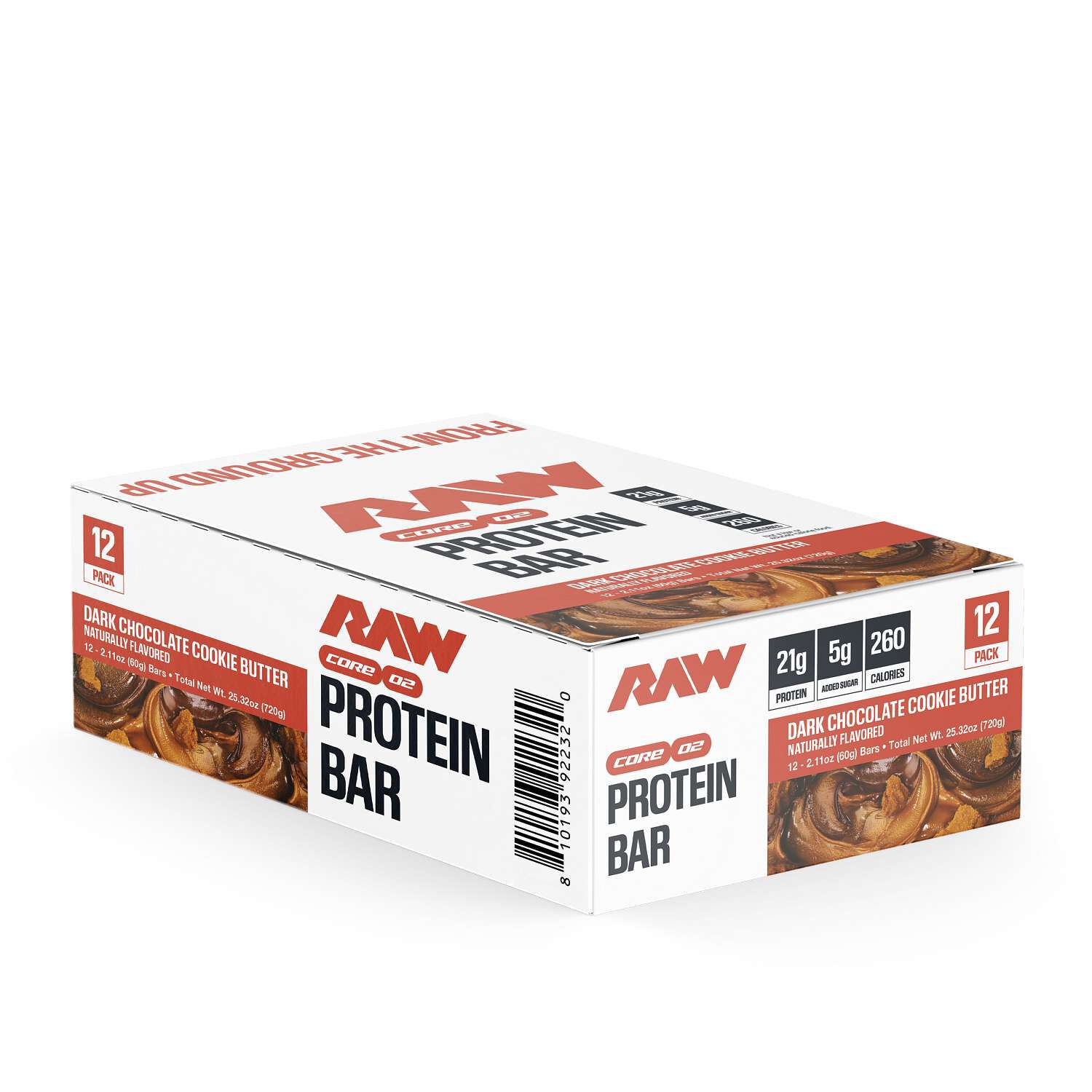
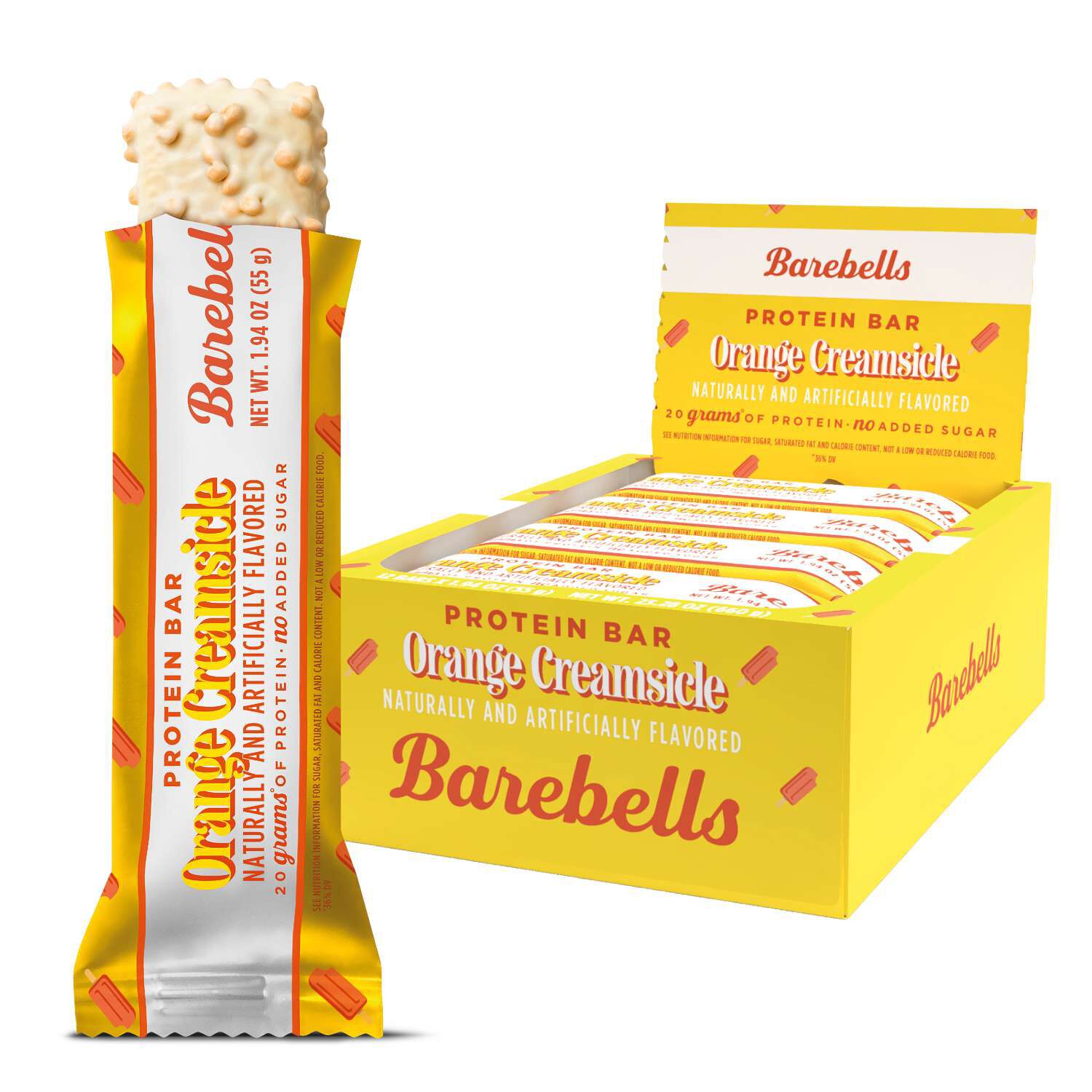

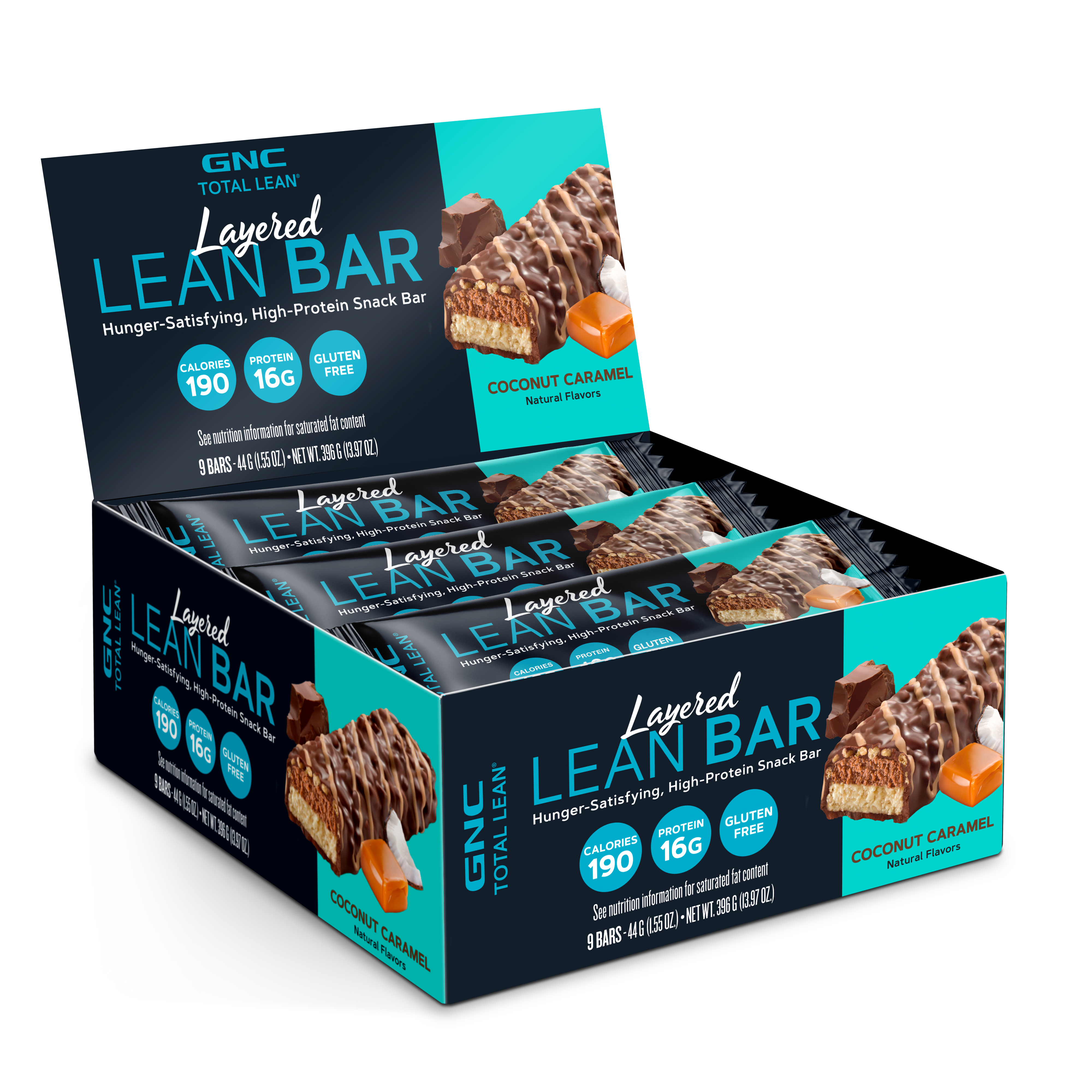
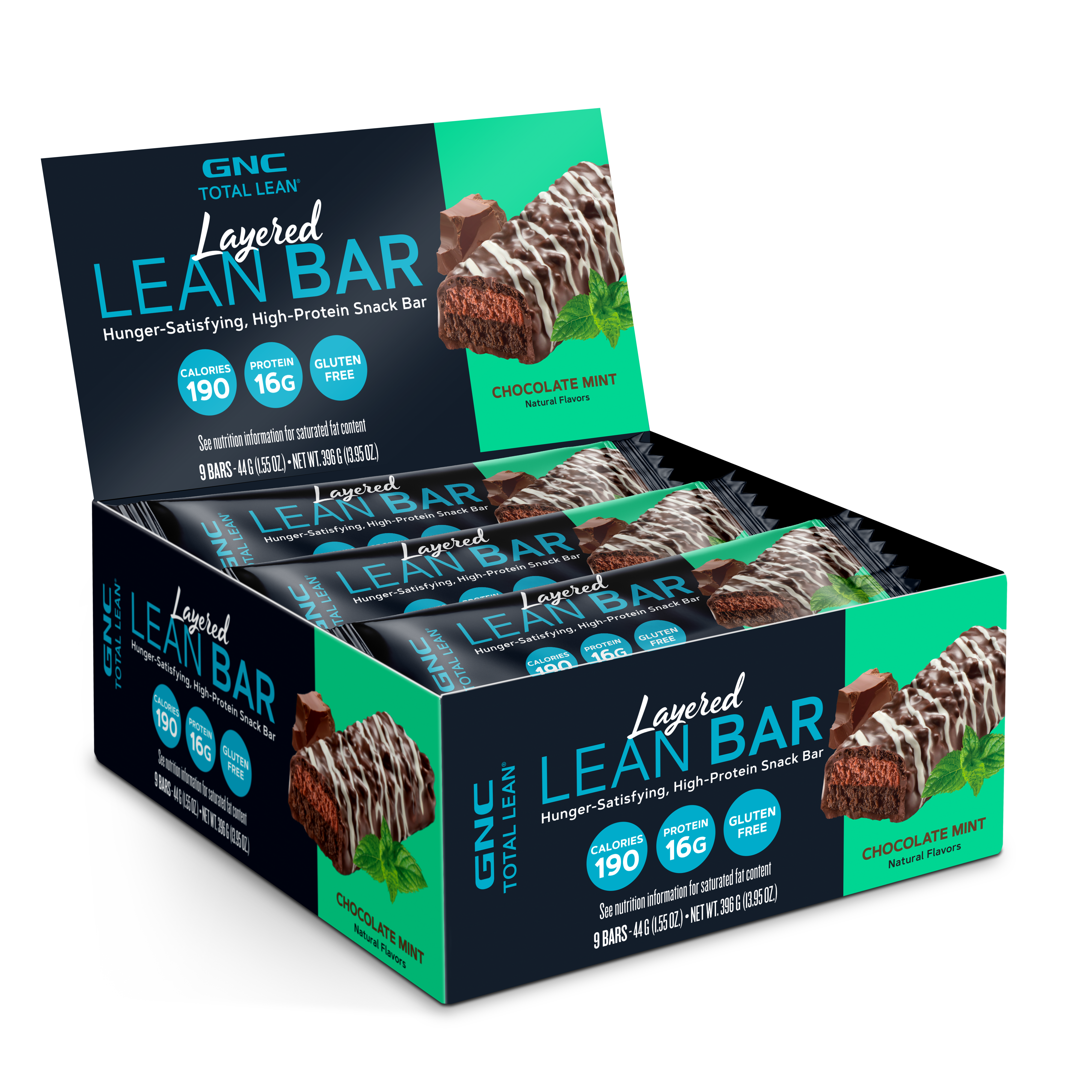
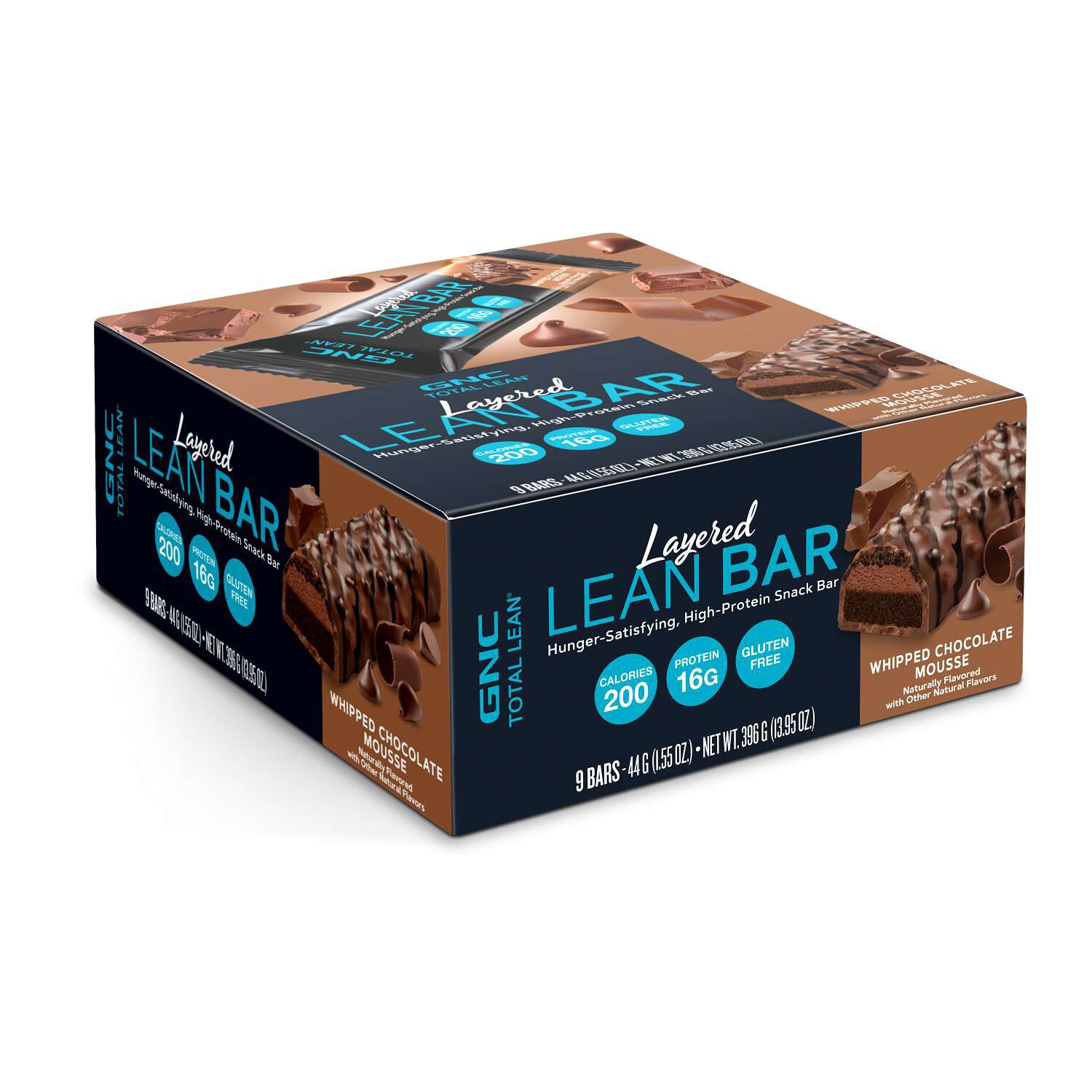

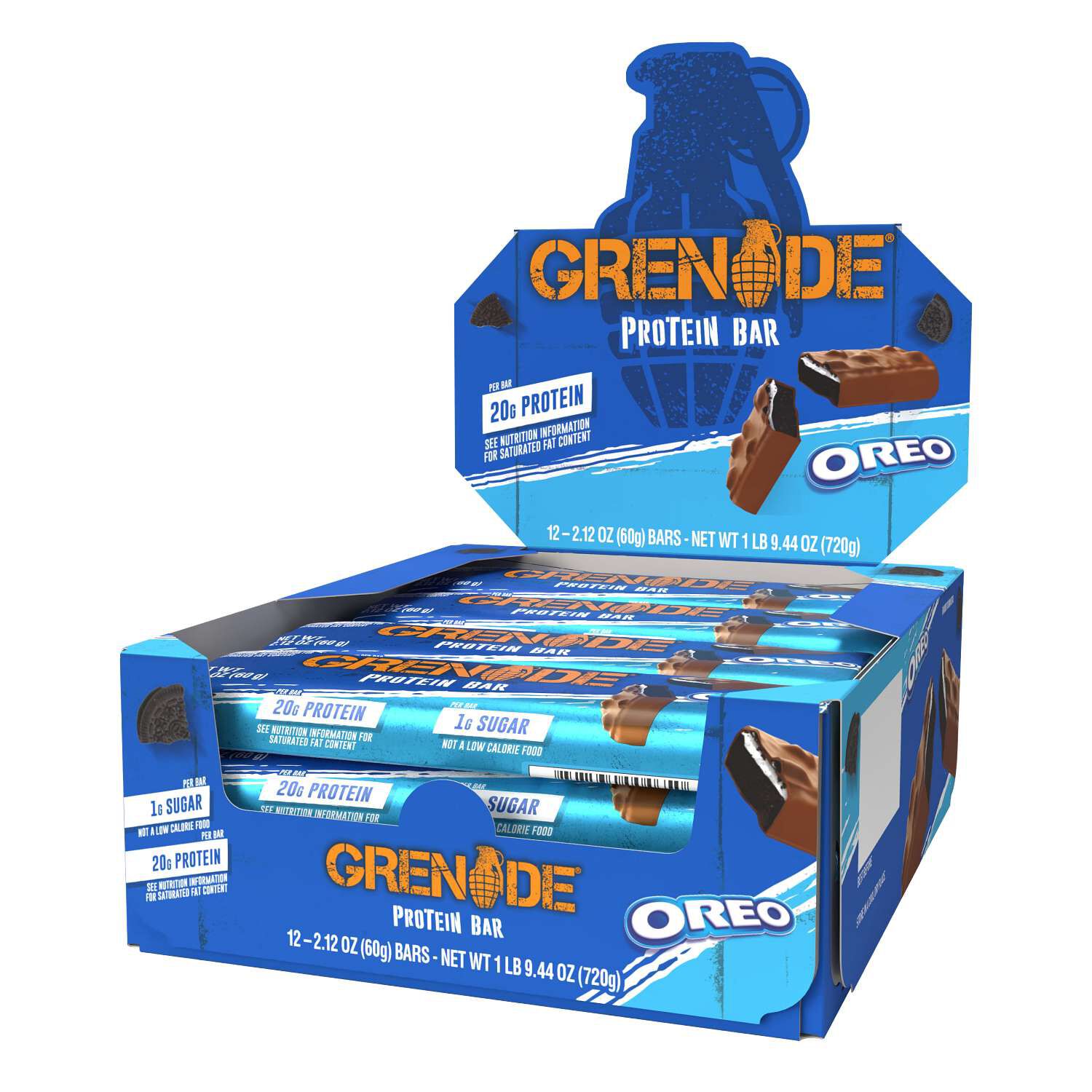
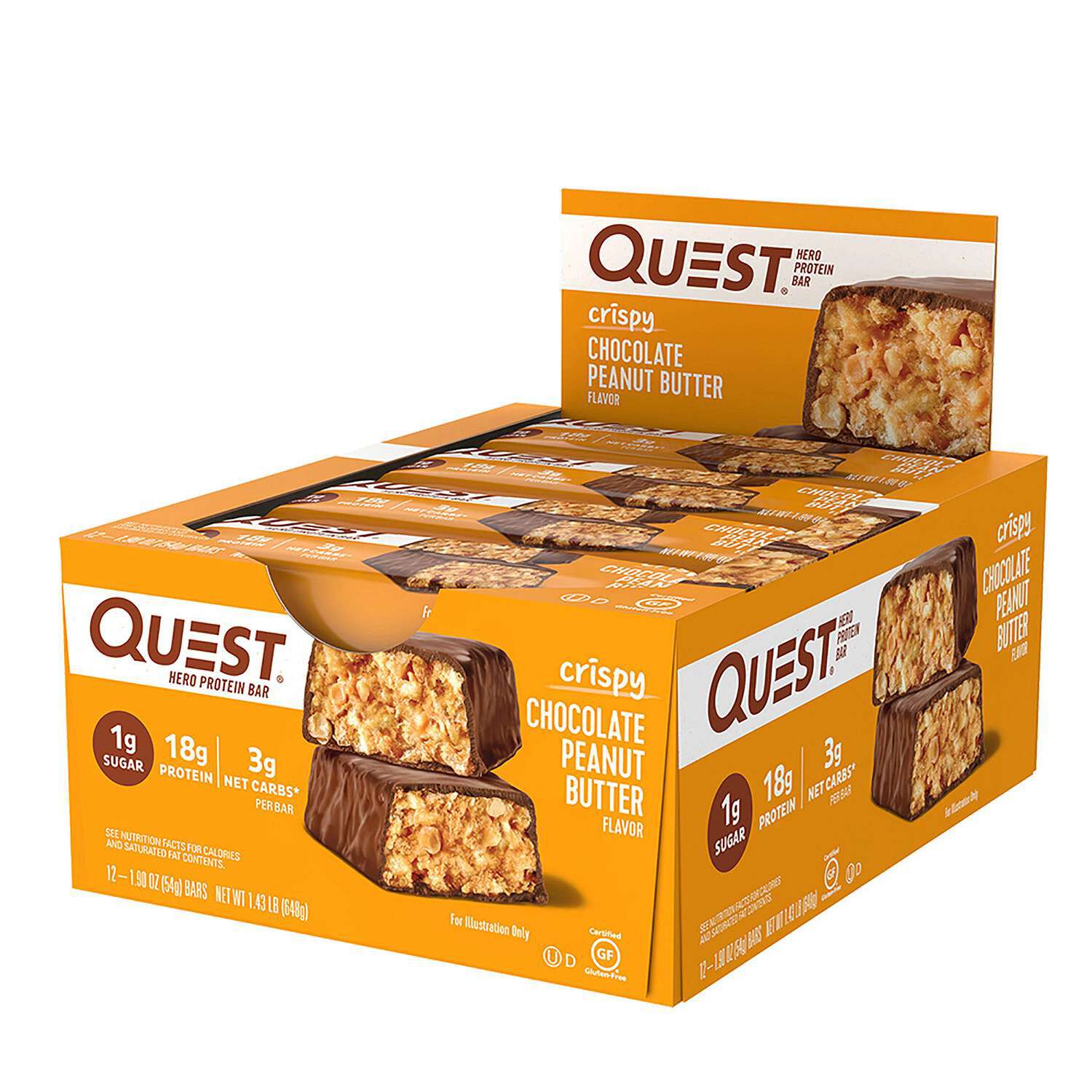
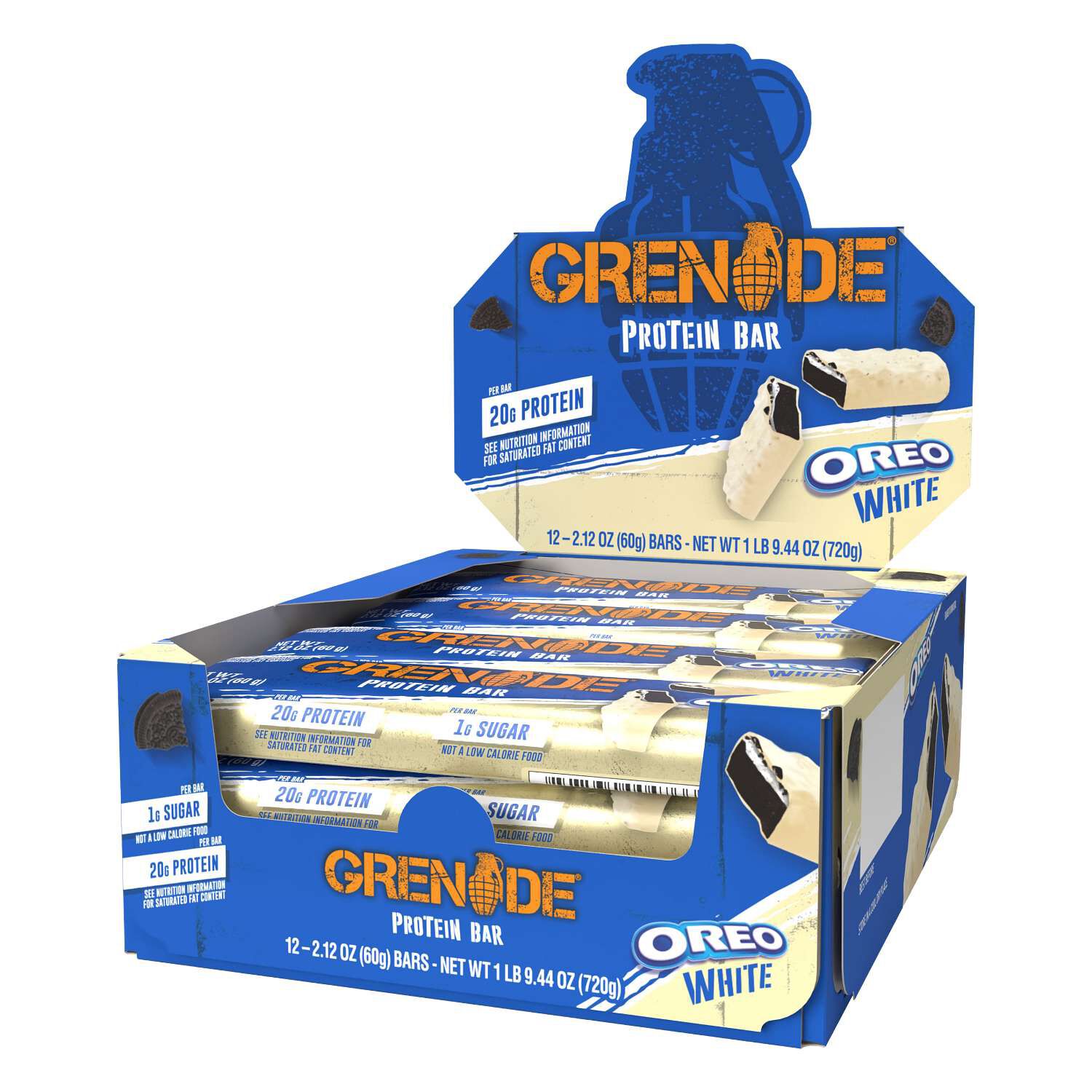
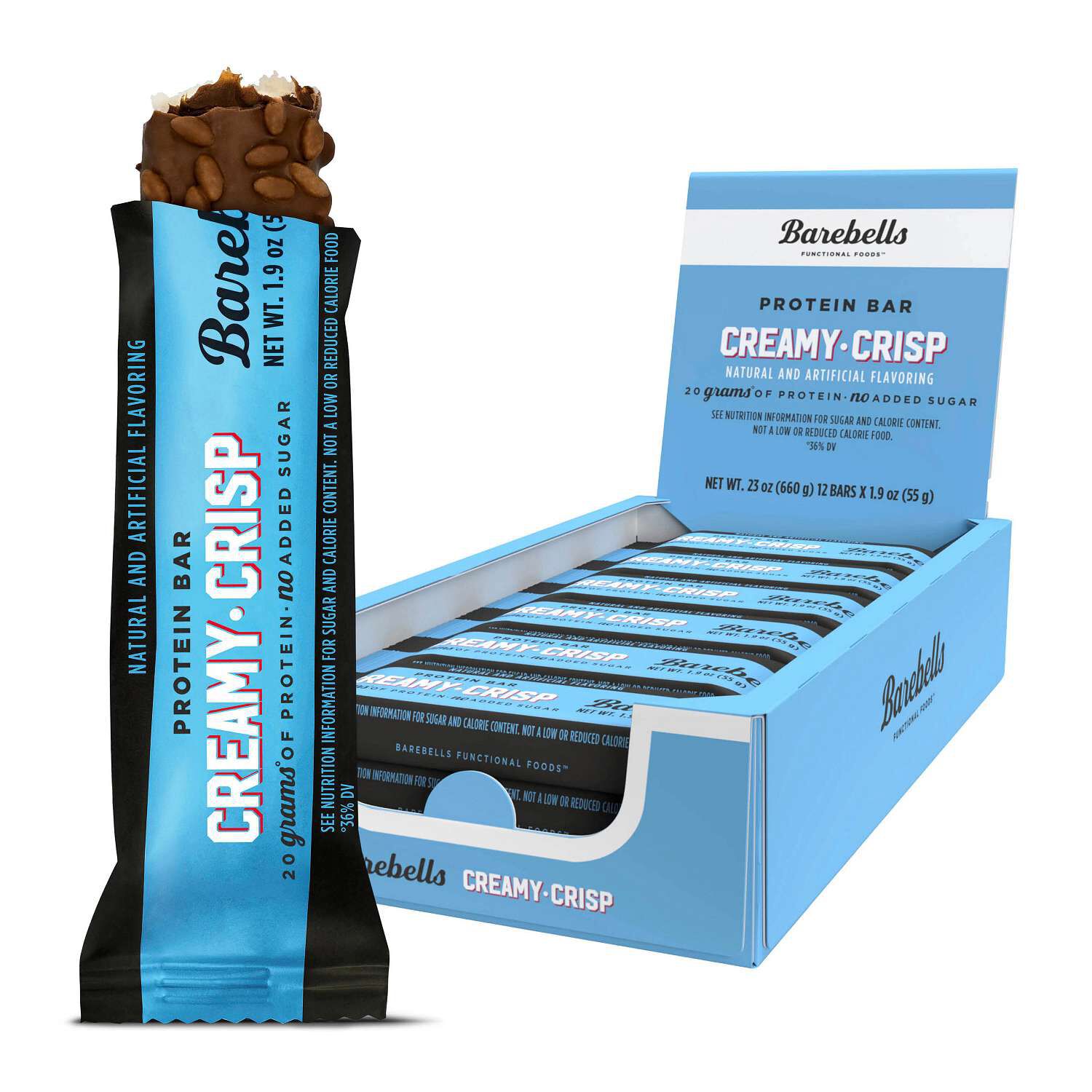
High protein bars bring a concentrated serving of protein to a familiar snack format, with textures ranging from soft and chewy to crisp, layered, or studded with nuts. Many contain around 15 to 25 grams of protein per bar, although amounts vary by recipe and serving size. The most useful comparison starts with the protein grams, calories, and serving size shown on the Nutrition Facts label rather than the size of the wrapper or the flavor name. A smaller bar with a dense center can have a different nutritional profile from a larger bar made with oats, nut butter, and a chocolate coating. Neither format suits every occasion: something compact may fit a short break between meetings, while a more substantial bar might suit a longer stretch away from the kitchen. These packaged snacks appeal to people who want a portable protein option for a gym bag, desk drawer, backpack, or carry-on. Their individually wrapped format makes them easy to tuck beside a water bottle or lunch container without needing utensils or preparation. Flavor matters as much as convenience when a snack becomes part of a regular routine. Chocolate and peanut butter bring familiar dessert-inspired notes, while vanilla, cinnamon, and fruit flavors offer a different direction. A coating can add contrast to a firm center, and crisp pieces can interrupt an otherwise dense bite. Some bars have the texture of a soft cookie; others lean toward a compact, nougat-like chew. The amount of protein alone does not reveal how a bar will taste or feel, so ingredient lists and texture descriptions add useful context. For shoppers comparing high protein snack bars, the strongest match is often the one that balances protein content, portion size, flavor, and the kind of eating experience they actually enjoy, rather than simply carrying the largest number on the package.
The protein source is one of the clearest differences among high protein bars. Whey and milk proteins are common in dairy-based recipes, while soy, pea, and other plant proteins appear in plant-based options. Some formulas combine several sources, and others also contain egg whites, nuts, or seeds. The source can influence texture and flavor as well as suitability for personal eating preferences. A plant protein ingredient does not, by itself, establish that the entire bar is vegan; coatings, fillings, and other ingredients matter, too. Likewise, a chocolate flavor name says little about whether a recipe contains milk, peanuts, or tree nuts. The ingredient list, allergen statement, and any shared-equipment notices provide more useful detail for shoppers with ingredient restrictions. Beyond protein, bars vary in carbohydrate, fat, fiber, and sugar content. Nut butters and seeds contribute a different mix of nutrients and textures than crisp cereal pieces or a smooth coated center. Some recipes use sugar, honey, or syrups, while others include sugar alcohols or other sweeteners. Sweetness and aftertaste can vary considerably, even between bars with similar protein amounts. Added fiber ingredients can also change the density and chew of a bar. Shoppers interested in comparing both protein and fiber can explore High Protein Fiber Bars, with attention to the grams of each listed per serving. Calories provide another part of the comparison, but they are most meaningful alongside the bar’s size and ingredients. Two bars with equal protein can differ substantially in calories because their proportions of fats and carbohydrates are different. Comparing equivalent serving sizes keeps those differences easier to interpret. It also helps distinguish a small snack from a larger portion intended for a different place in the day. Front-of-package descriptions offer a quick introduction, while the nutrition panel and ingredient list show what the recipe actually contains. That combination gives a clearer picture than treating any single nutrient as the deciding factor.
Everyday use gives high protein bars their appeal beyond the nutrition panel. An early commute, an afternoon of back-to-back appointments, or a trip with limited opportunities to sit down can make a wrapped snack especially practical. For someone heading from work to a workout, a bar may offer a convenient way to include protein when packing another container is less appealing. For a student moving between buildings, a compact shape fits more easily into a crowded bag than a snack that needs a bowl and spoon. At a desk, a firm, cohesive bar may be less messy than a crumbly baked texture; on a walk, an easy-to-hold portion may be preferable to a layered bar with loose pieces. Those small differences can matter more in daily use than elaborate flavor descriptions. Packaging deserves attention as well. An intact wrapper helps keep the bar contained, but a soft coating or delicate wafer-style interior may not hold its shape beneath a laptop or a full water bottle. A separate pocket or small snack container can offer a more protected place during transport. Following the package’s storage directions and checking its date markings helps keep handling consistent with the manufacturer’s recommendations. Once opened, the package instructions remain the best reference for storage and use. High protein bars can also sit alongside other foods rather than carrying the expectations of an entire meal. Fruit, yogurt, or a packed lunch each brings a different eating experience, and a bar may serve as one convenient part of that mix. Keeping a few preferred flavor and texture styles in rotation can make repeated snacking more enjoyable without changing the basic format. Ultimately, choosing among high protein bars comes down to practical details: the protein source, nutrition per serving, ingredient preferences, texture, and how the portion fits into an ordinary day. A bar that travels neatly, tastes appealing, and matches its intended occasion has a clear place in a thoughtfully packed snack collection.
Best Sellers
-
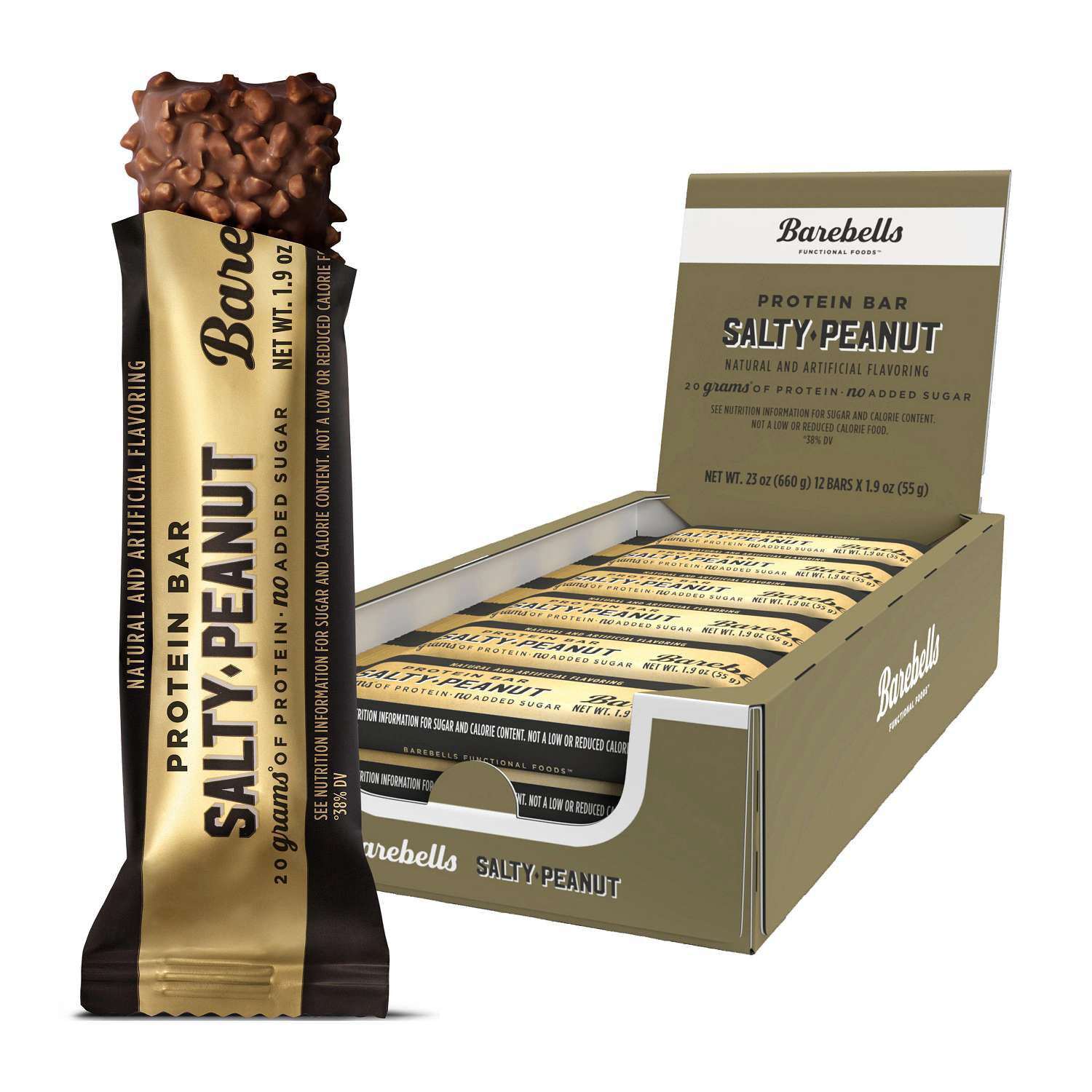 Barebells
-
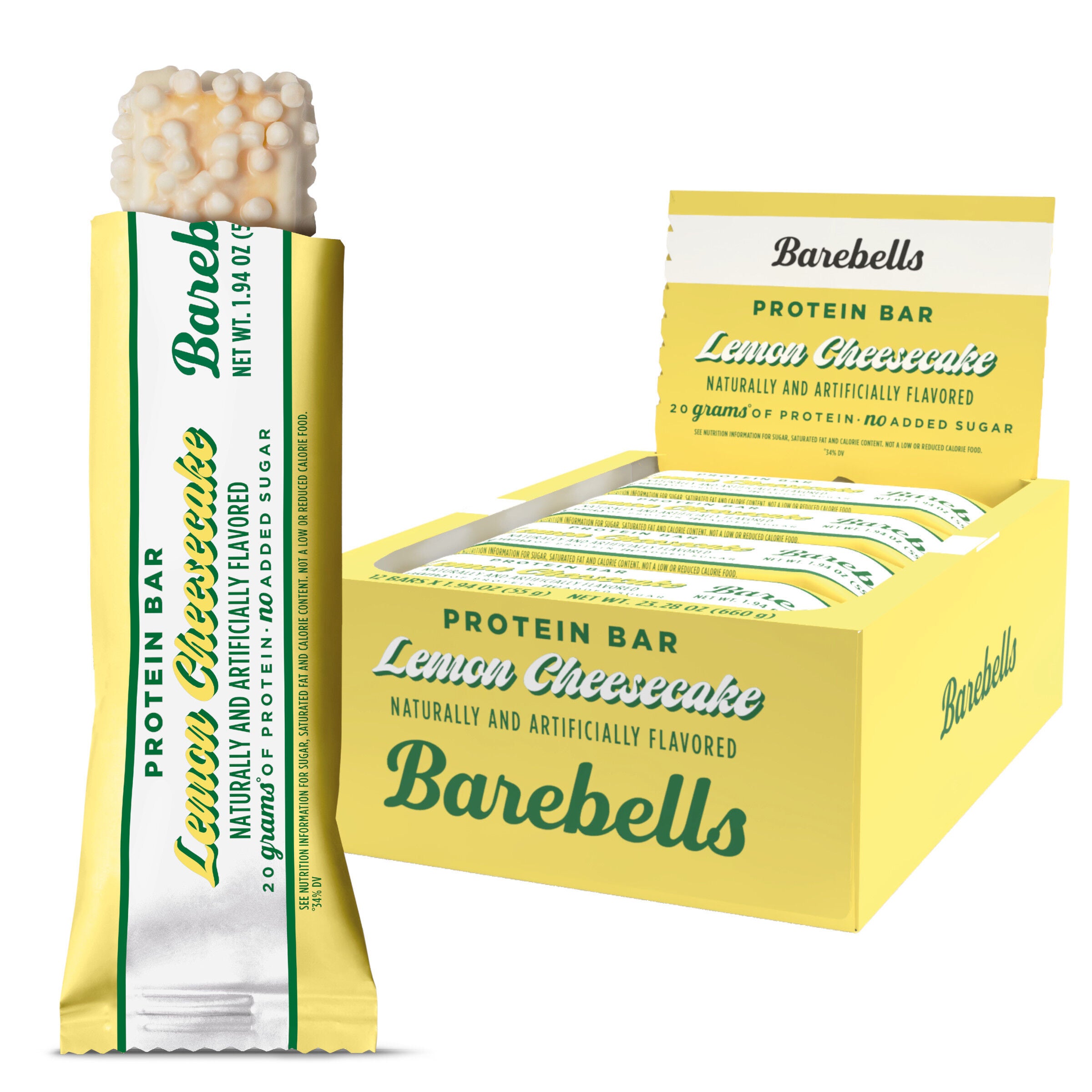 Barebells
-
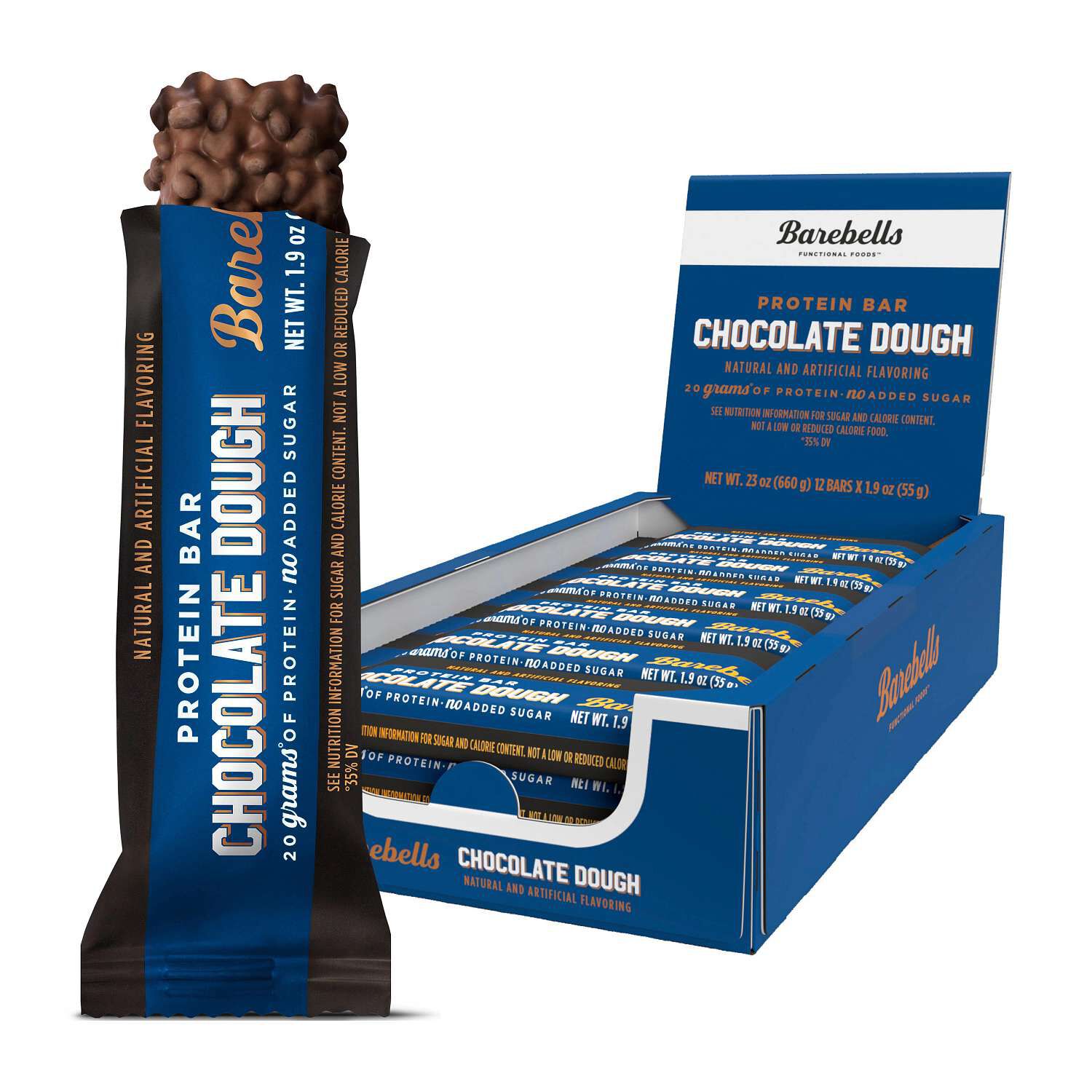 Barebells
-
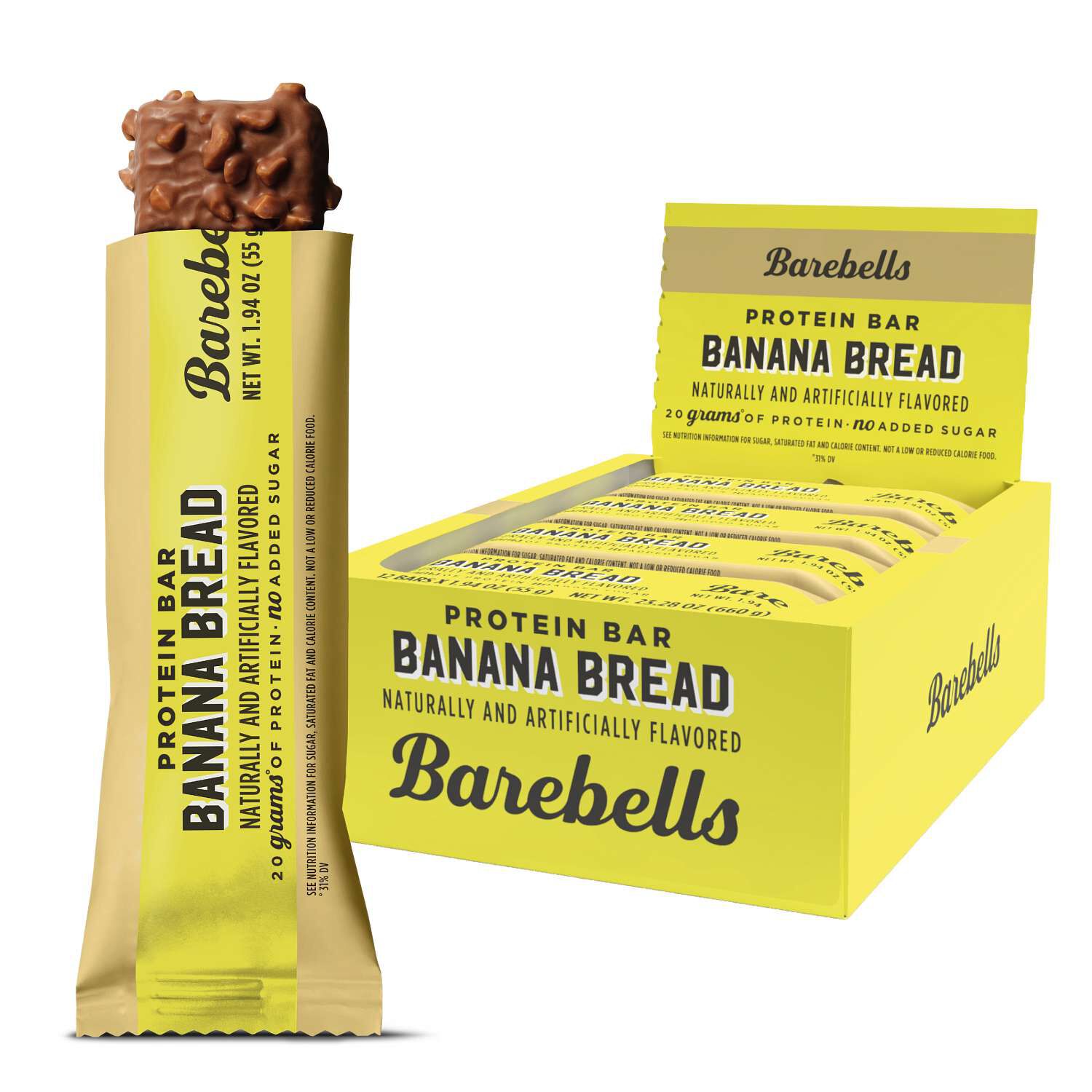 Barebells