Complete Protein Bars
(0 Results)
Protein bars offer a convenient option for those looking to support their nutrition goals while on the go. With a variety of flavors and textures, these bars may fit easily into busy lifestyles, whether you’re heading to the gym, work, or simply need a quick snack. Explore the selection of protein bars that could help you stay fueled throughout your day.
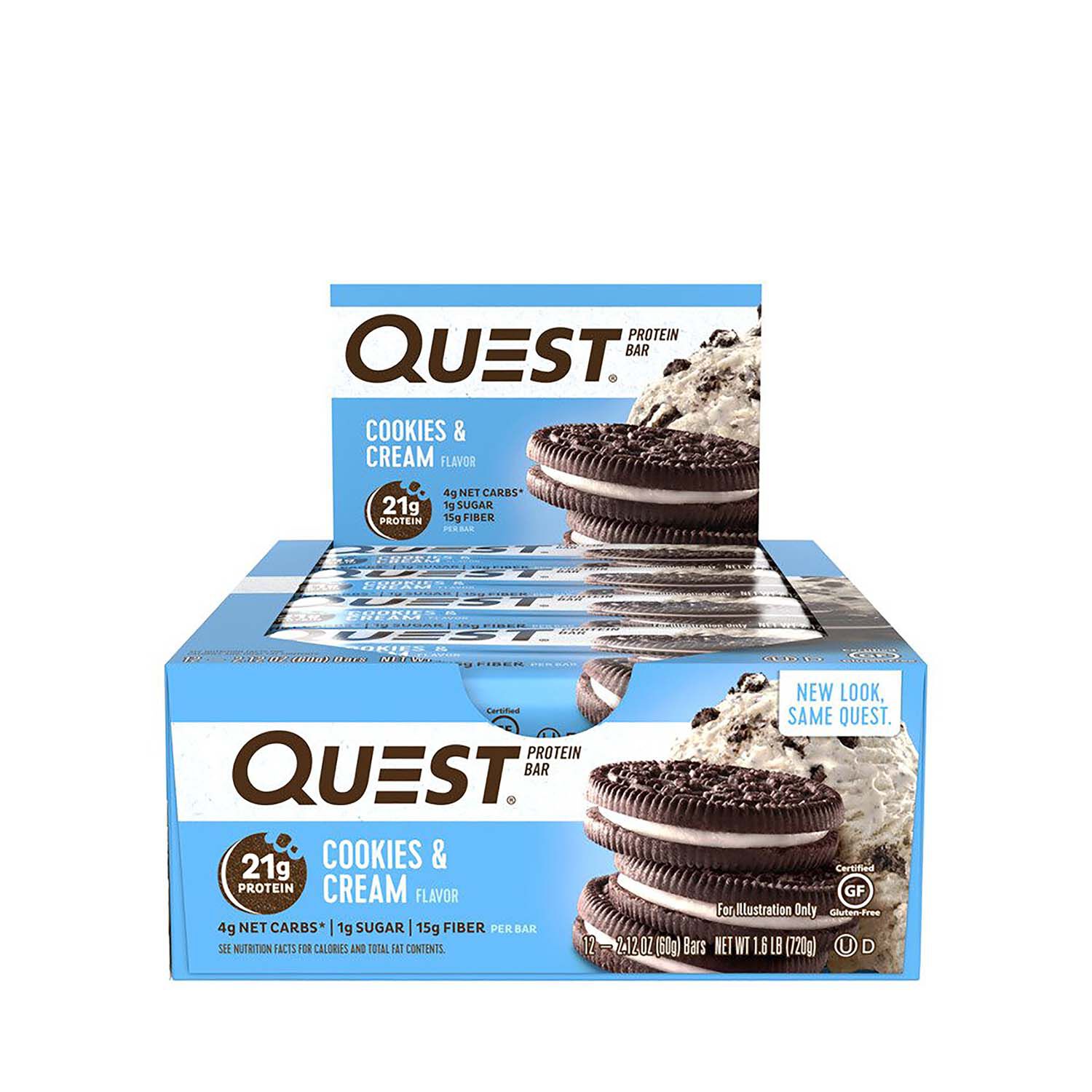
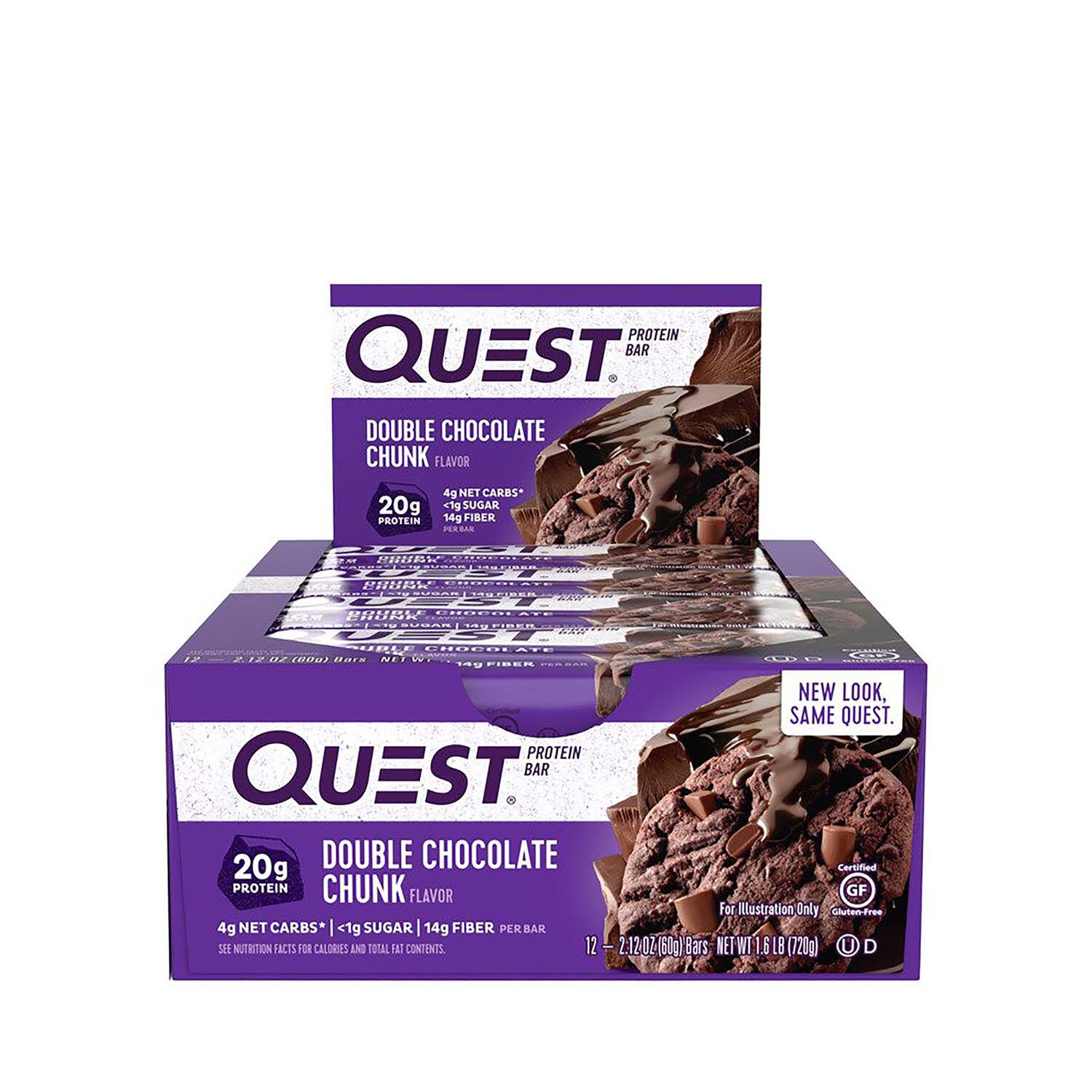


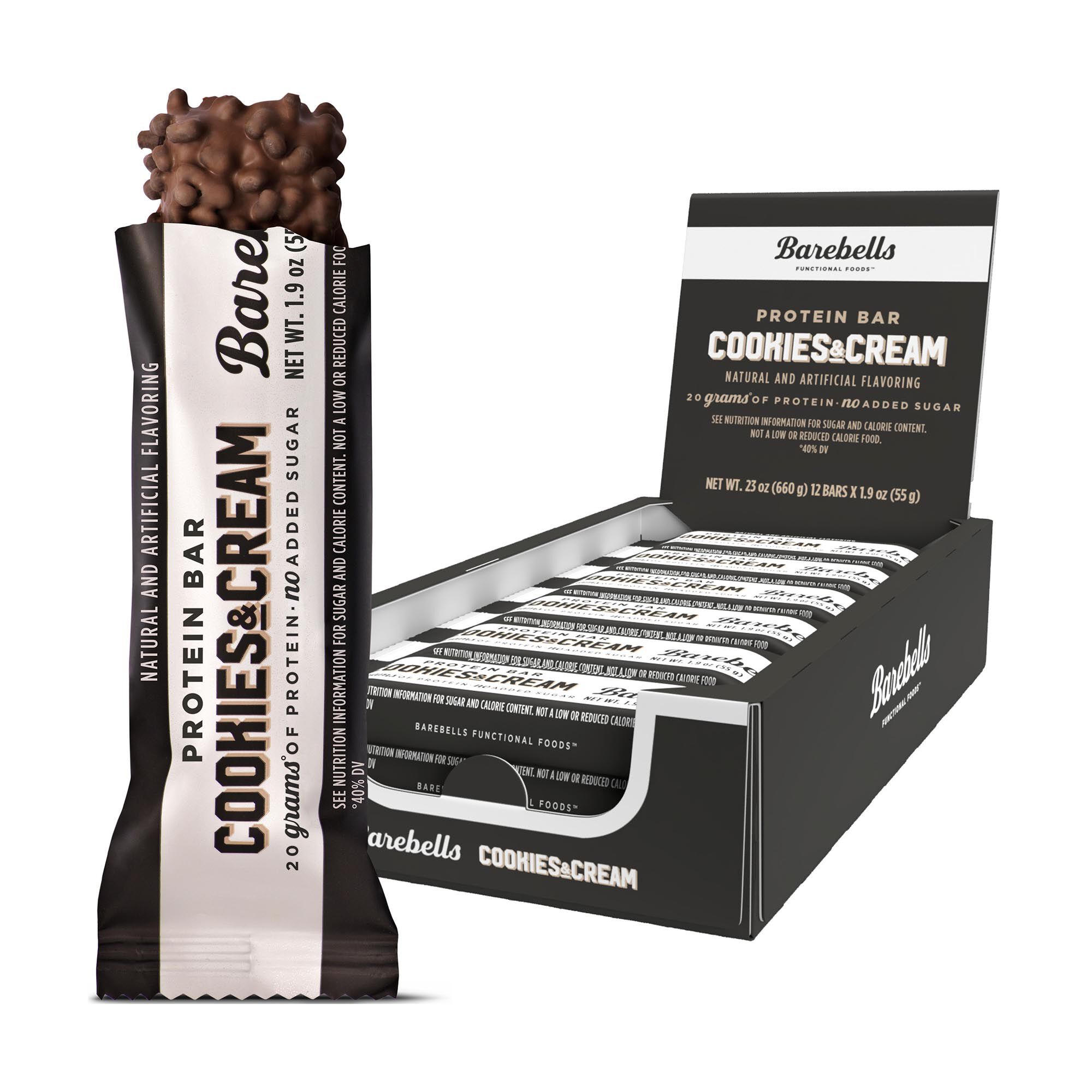

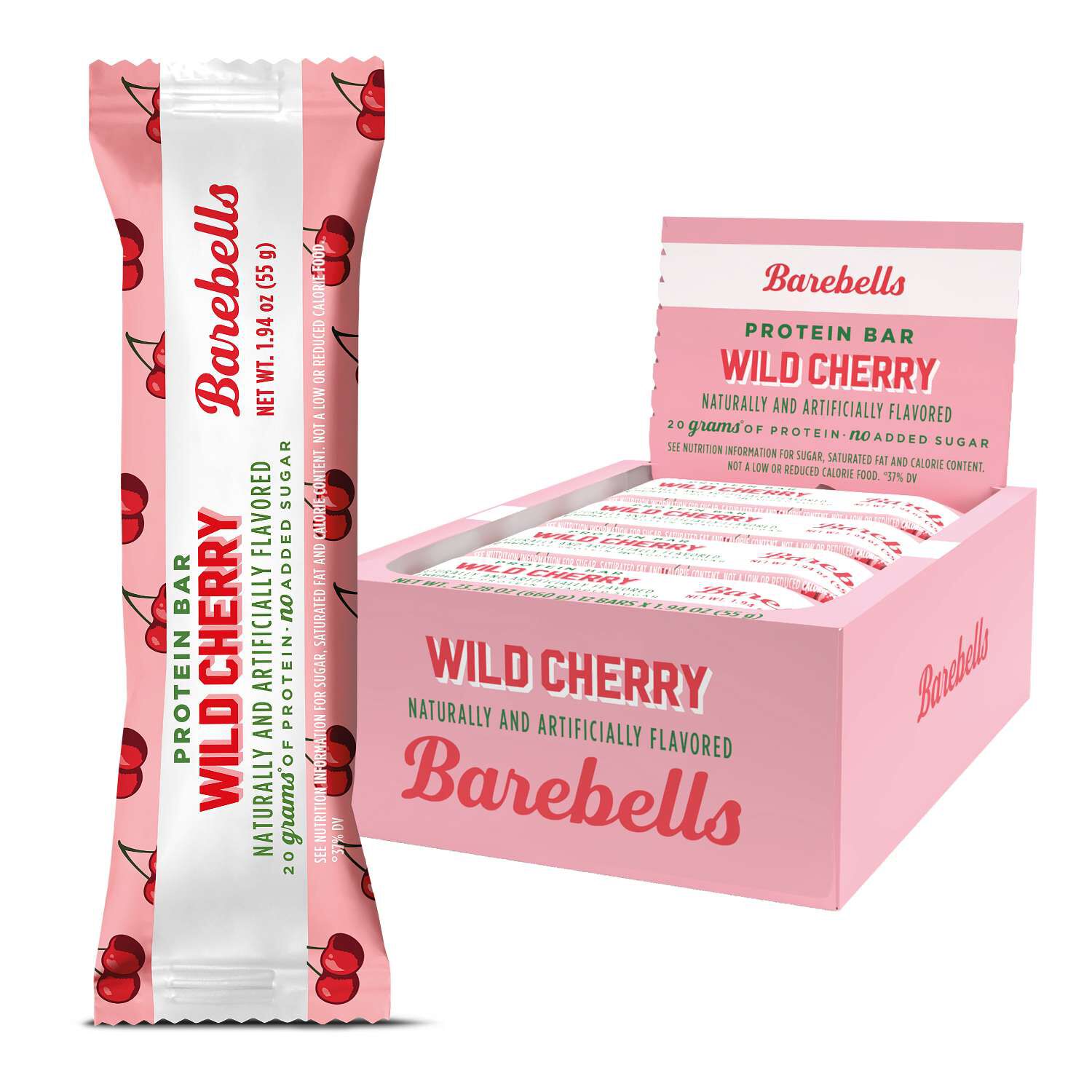

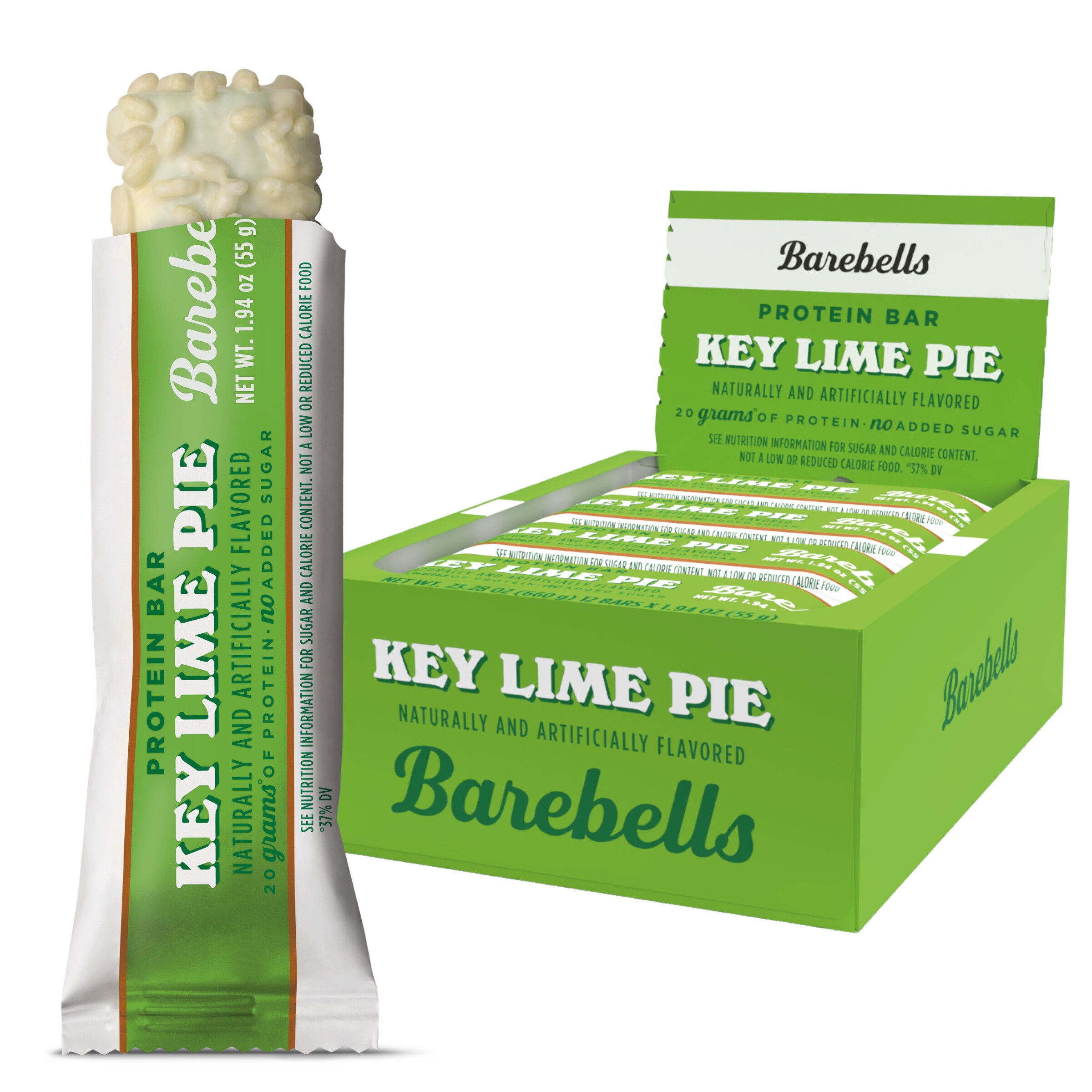
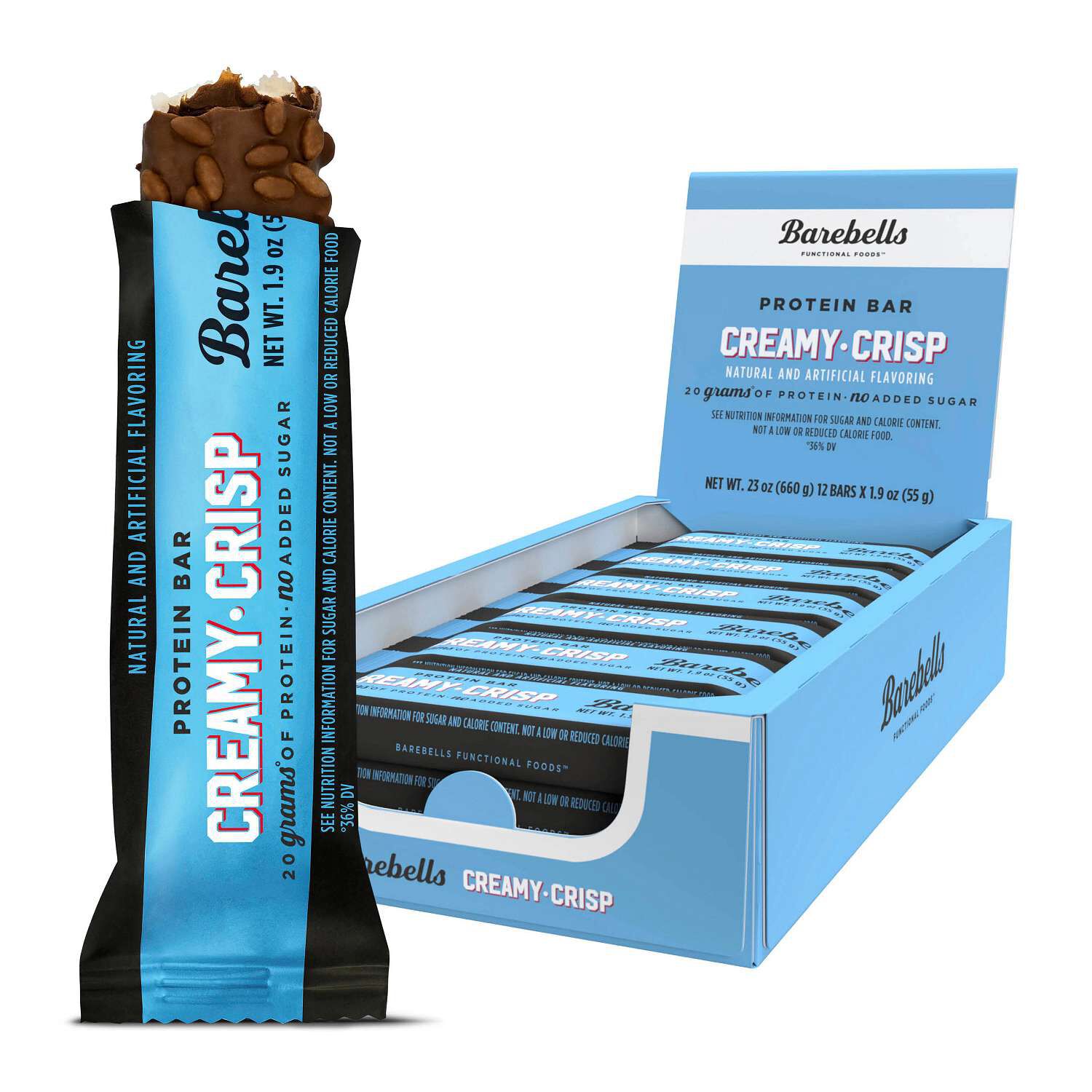
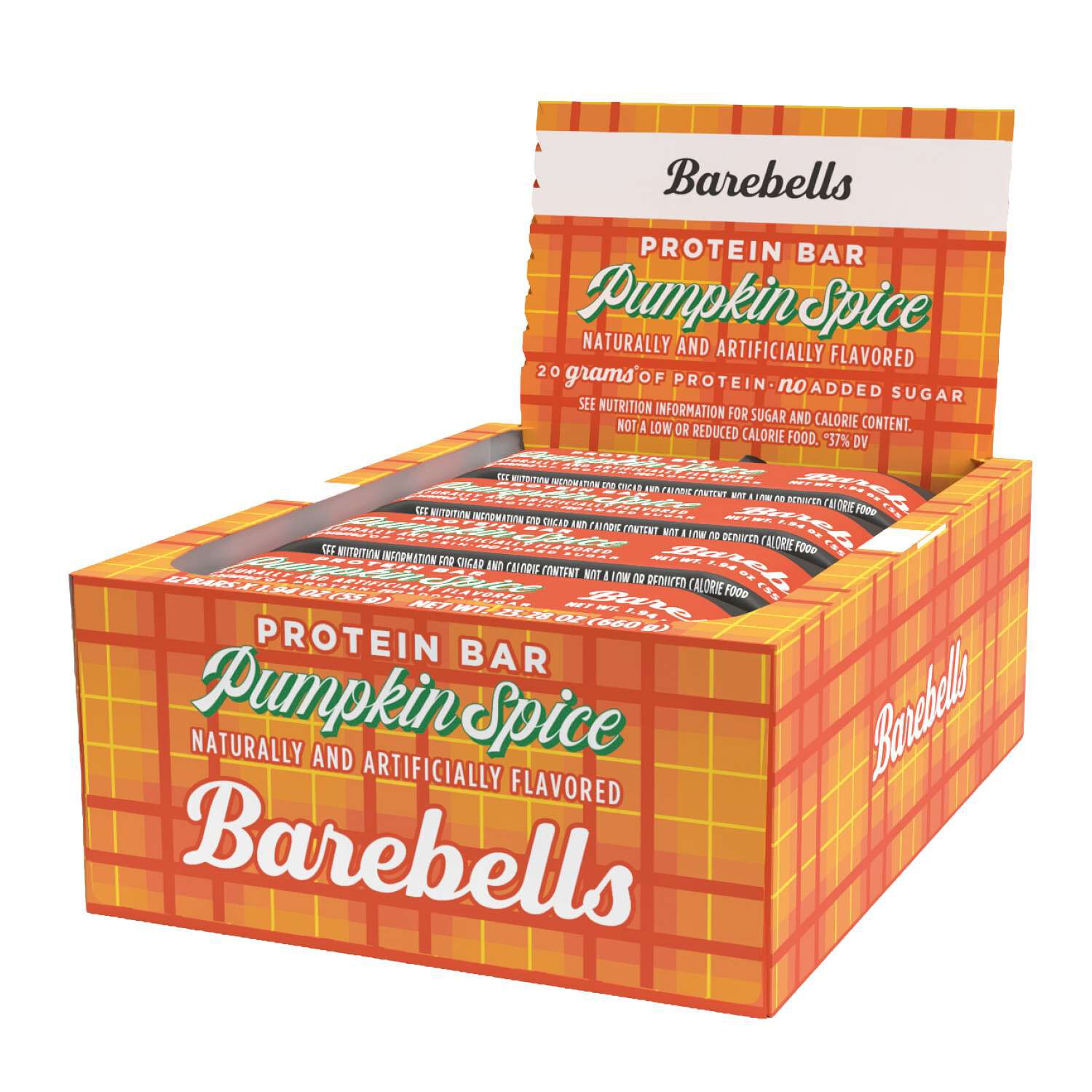
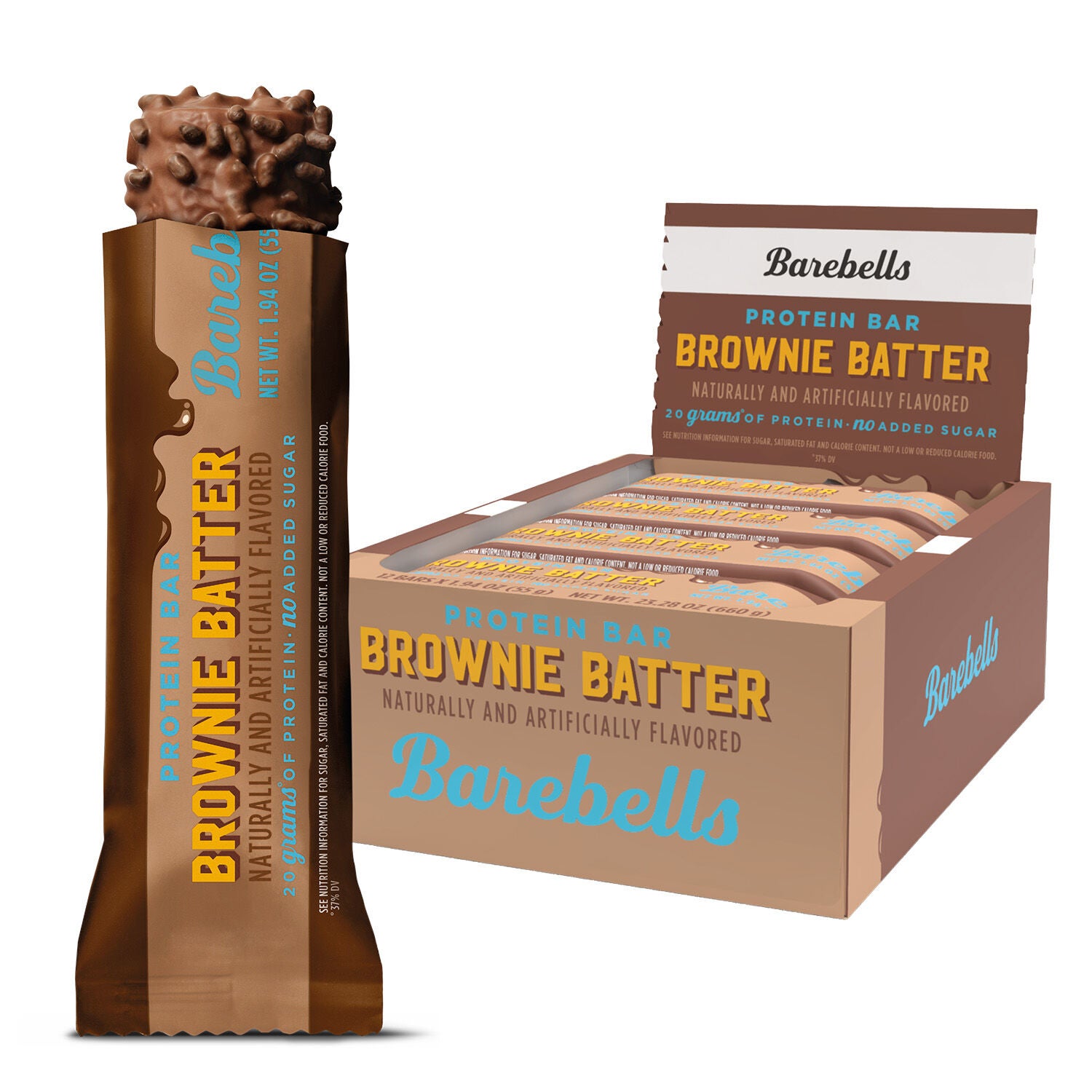
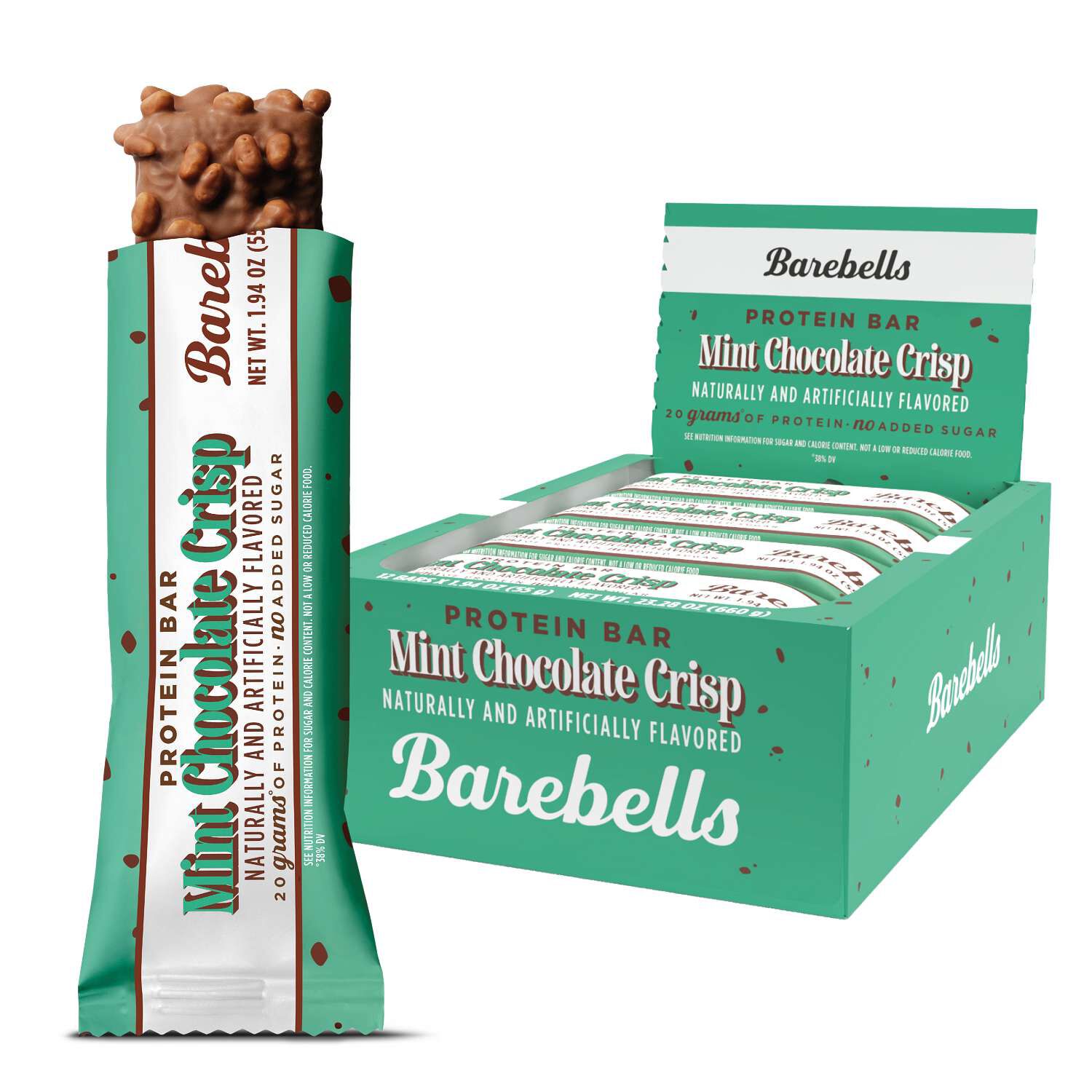
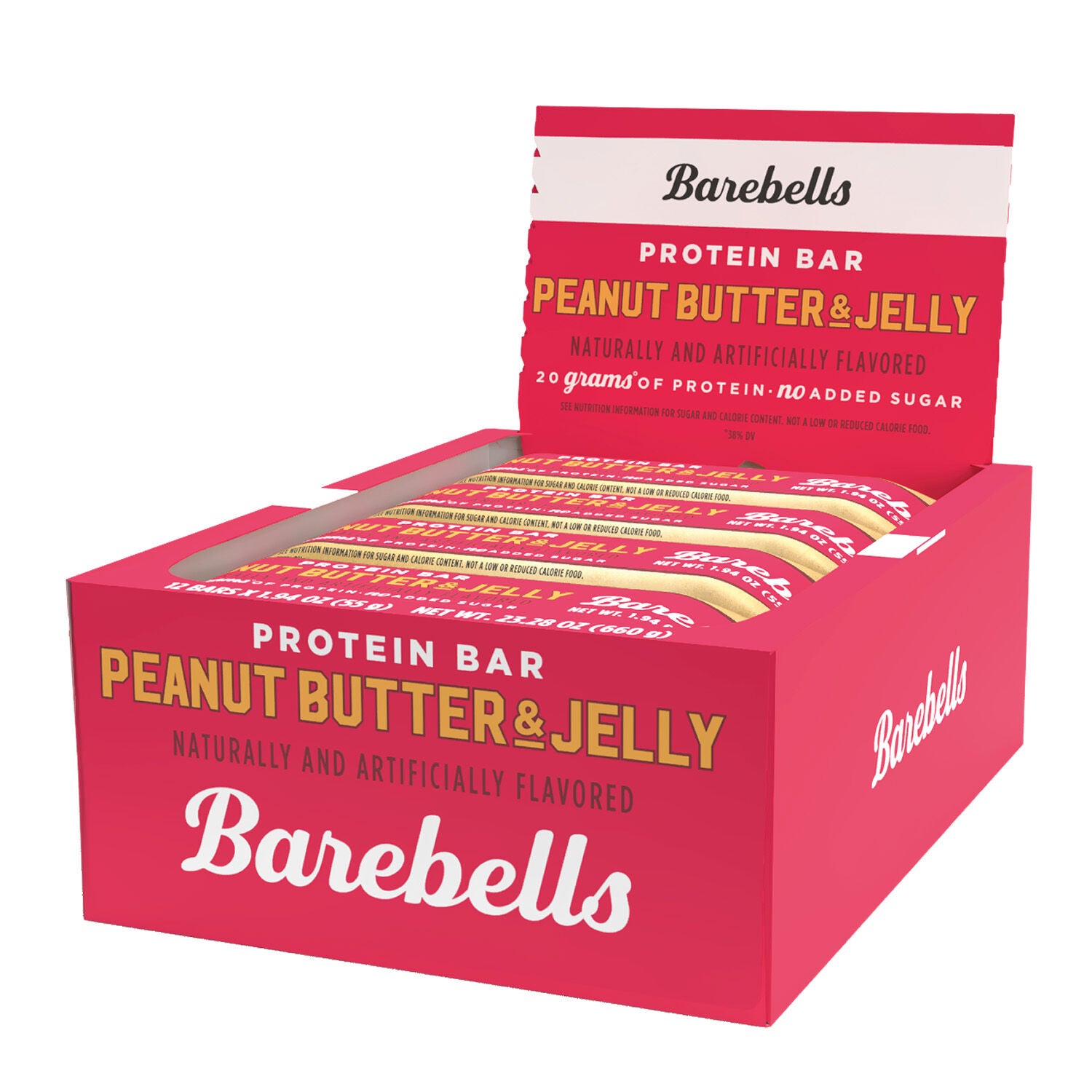
Protein bars with a full amino acid profile contain all nine amino acids that the body cannot make on its own, in suitable proportions. Those nine are histidine, isoleucine, leucine, lysine, methionine, phenylalanine, threonine, tryptophan, and valine. This describes the composition of the protein, not simply how many grams appear on the nutrition label. Two bars with similar protein amounts can use different sources and have different amino acid profiles, textures, and ingredient combinations. Whey, casein, milk, egg, and soy are common sources of protein that supply all nine. Bars made with other plant proteins may combine sources, such as pea and rice, to create a more rounded amino acid profile. The exact formulation matters, so a plant-based description alone does not establish the proportions of those amino acids. Likewise, the presence of collagen does not establish a full profile; the other protein ingredients in the recipe matter. Ingredient lists and any amino acid information supplied on the packaging offer context beyond the protein number. For shoppers comparing bars, this distinction separates protein composition from protein quantity without treating either as the only consideration. A bar also has its own serving size, calorie content, carbohydrate content, fats, sugars, and fiber, all of which shape its place in an everyday eating routine. Oats, nuts, seeds, nut butters, fruit pieces, and chocolate-style coatings contribute different flavors and textures alongside the protein ingredients. Some recipes lean toward a dense, chewy bite, while others use crisp pieces or soft fillings. These differences make the category relevant to a range of preferences, from someone packing a familiar snack for a commute to someone setting aside a bar for after a workout. A full amino acid profile is one useful product characteristic, but the bar that suits a particular routine also depends on its ingredients, portion, taste, and ease of carrying. Comparing those details together gives a clearer picture than relying on a single phrase on the front of the wrapper.
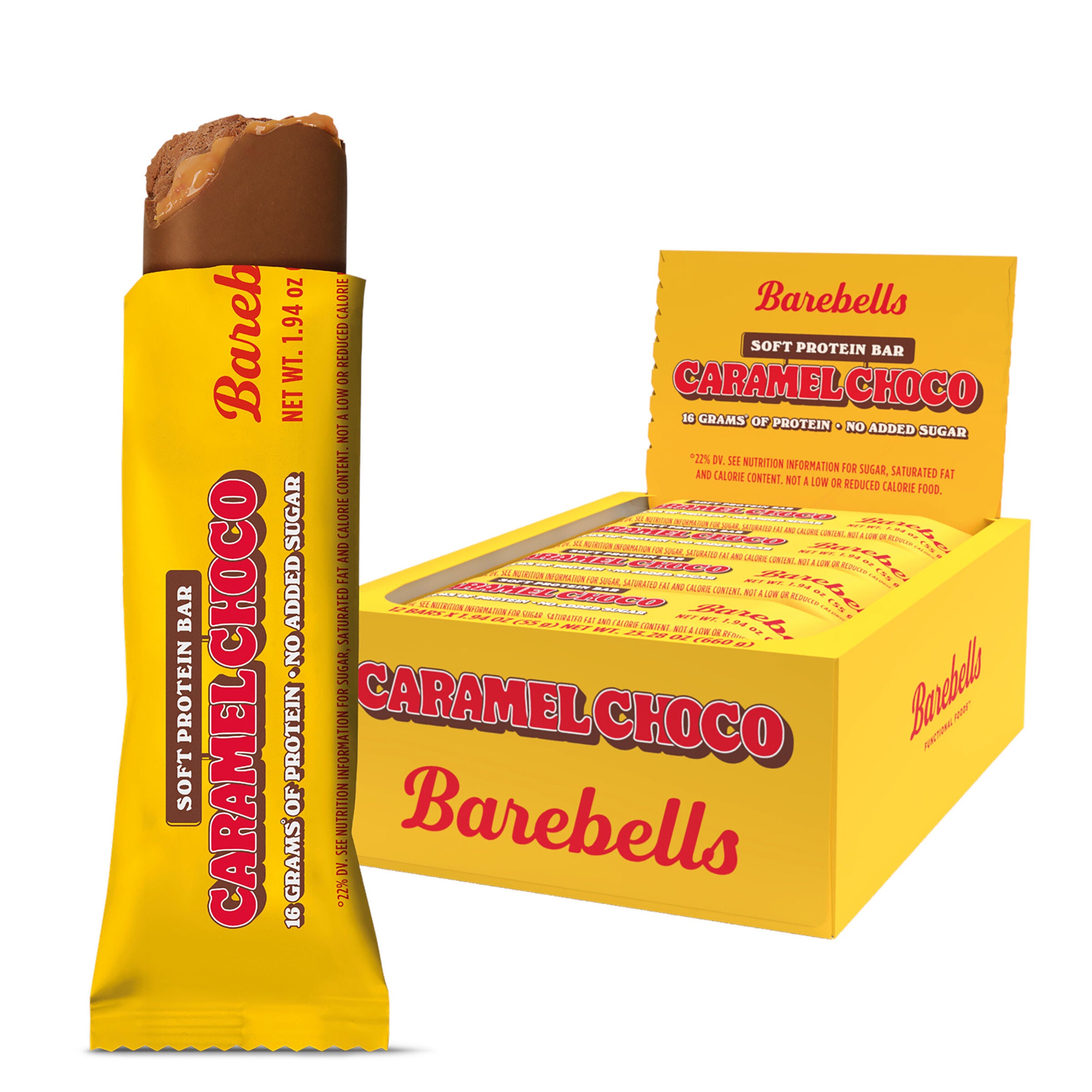
Flavor and texture often decide whether a protein bar becomes a regular part of a snack rotation. Chocolate, peanut butter, vanilla, caramel, and fruit-inspired flavors can range from lightly sweet to dessert-like, while inclusions such as chopped nuts, puffed grains, and cocoa pieces add contrast. A chewy bar has a different eating experience from a crisp layered bar, even when their protein amounts are similar. Coatings add another element: some have a thin outer shell, while others place a softer filling between textured layers. Protein sources also influence the finished bite. Recipes built around whey or milk proteins can differ noticeably from those using soy, pea, rice, or a combination, although the surrounding ingredients and manufacturing process matter just as much. For someone who prefers a less sweet snack, the ingredient list can clarify whether sweetness comes from sugar, syrups, fruit, sugar alcohols, or other sweeteners. The nutrition panel adds serving-specific information about sugars, fiber, fats, and protein. Package size deserves attention as well, since a larger bar is not automatically more protein-focused than a smaller one. Comparing protein grams alongside serving size makes those differences easier to understand. Shoppers who prioritize the amount of protein per serving can also explore High Protein Bars, while keeping amino acid composition as a separate consideration. Ingredient preferences remain important across both categories. A vegan designation, dairy ingredients, egg ingredients, nuts, soy, or wheat can each affect whether a recipe matches someone's established food choices. Allergen statements provide additional details that flavor names alone cannot convey. A peanut butter flavor, for example, does not describe every ingredient used in the bar. For shared snack baskets or a gift for a fitness-minded friend, familiar flavors and clearly labeled ingredients make a more thoughtful selection than choosing solely by protein amount. Individually wrapped bars also allow different textures and flavors to sit together in a snack assortment without needing separate containers.
Portability is a central part of the appeal of protein bars with a full amino acid profile. An individually wrapped portion fits into a work tote, backpack, gym bag, or carry-on, making it a practical format for days that include commuting, errands, meetings, or exercise. A bar tucked beside a water bottle and a pair of headphones takes up little room, while one kept in a desk drawer offers an option between scheduled meals. Intended use helps distinguish which format feels most convenient. A compact bar may suit a short break, while a larger, denser bar may be preferable when someone wants a more substantial snack. Neither size alone makes a bar a substitute for a varied meal; serving details and the rest of the day's food remain separate considerations. For an active outing, wrapper design and texture can matter as much as flavor. A firm bar with a secure wrapper is easier to pack neatly than a delicate, heavily layered option that might become compressed beneath other belongings. Keeping bars in their original packaging preserves access to the ingredient list, allergen statement, nutrition panel, and storage directions. An intact wrapper also helps protect the food from contact with loose items in a bag. Following the package's storage instructions and checking its date markings are straightforward ways to manage a snack collection, particularly when bars are divided among several bags or drawers. Once a wrapper is opened, the manufacturer's handling directions remain the appropriate reference. Variety can keep the category interesting without changing its intended role: a crisp cocoa bar for a desk break, a chewy oat-based bar packed with lunch, or a nutty option carried for the trip home. Protein content, amino acid composition, ingredient preferences, and eating experience all belong in that selection. Together, they describe a category built around convenient portions and varied recipes, with enough differences in taste and texture for shoppers to find bars that fit their own routines.
- Q: What makes a protein bar provide all necessary amino acids?
A: A protein bar that provides all necessary amino acids contains the nine amino acids that the body cannot produce on its own. These bars typically use protein sources like whey, soy, or a blend of plant-based proteins to ensure a full amino acid profile. - Q: When is the best time to eat a high-quality protein bar?
A: High-quality protein bars can be enjoyed as a convenient snack any time of day, but they are especially beneficial after workouts to support muscle recovery or as a meal replacement when you're on the go. - Q: Are high-protein bars suitable for vegetarians or vegans?
A: Many high-protein bars are suitable for vegetarians, and there are also vegan options available that use plant-based proteins such as pea, rice, or soy to provide all the necessary amino acids. - Q: How do I choose the right high-protein bar for my needs?
A: Consider your dietary preferences, ingredient sensitivities, and nutritional goals. Look for bars with high-quality protein sources, minimal added sugars, and ingredients that align with your lifestyle. - Q: Can high-protein bars be used as meal replacements?
A: Some high-protein bars are formulated with enough calories, fiber, and nutrients to serve as meal replacements. However, it's important to check the nutrition label to ensure it meets your dietary requirements for a balanced meal.
Best Sellers
-
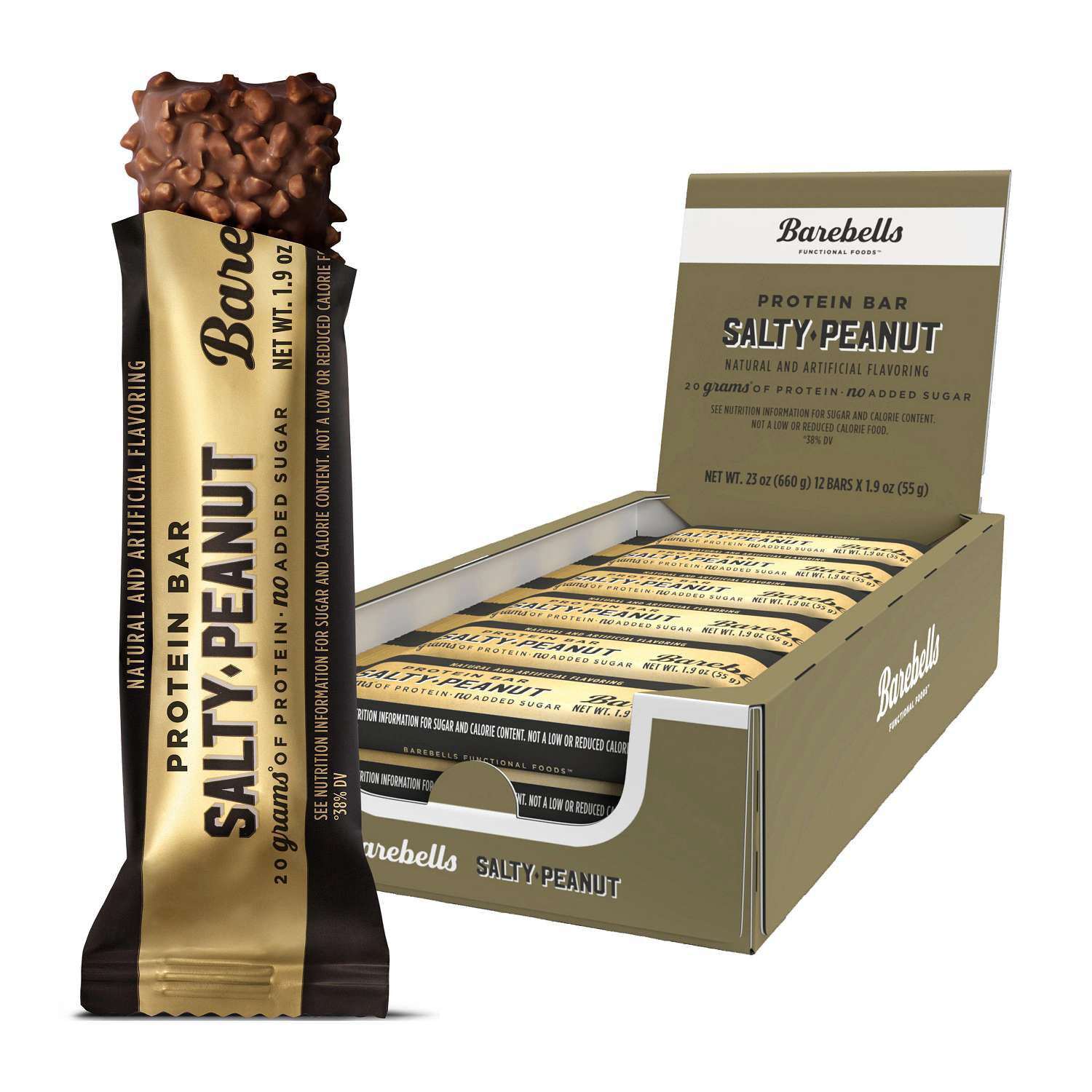 Barebells
-
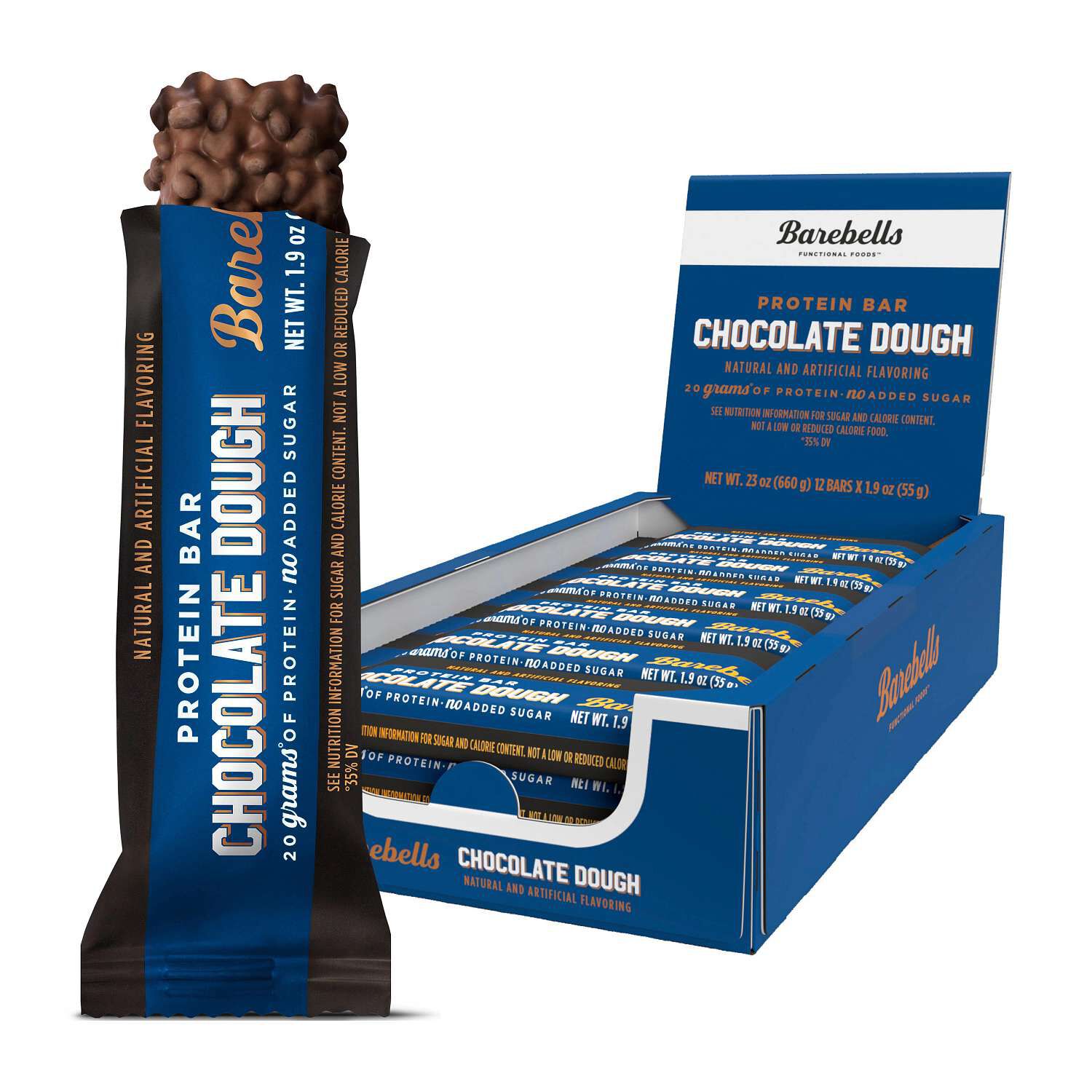 Barebells
-
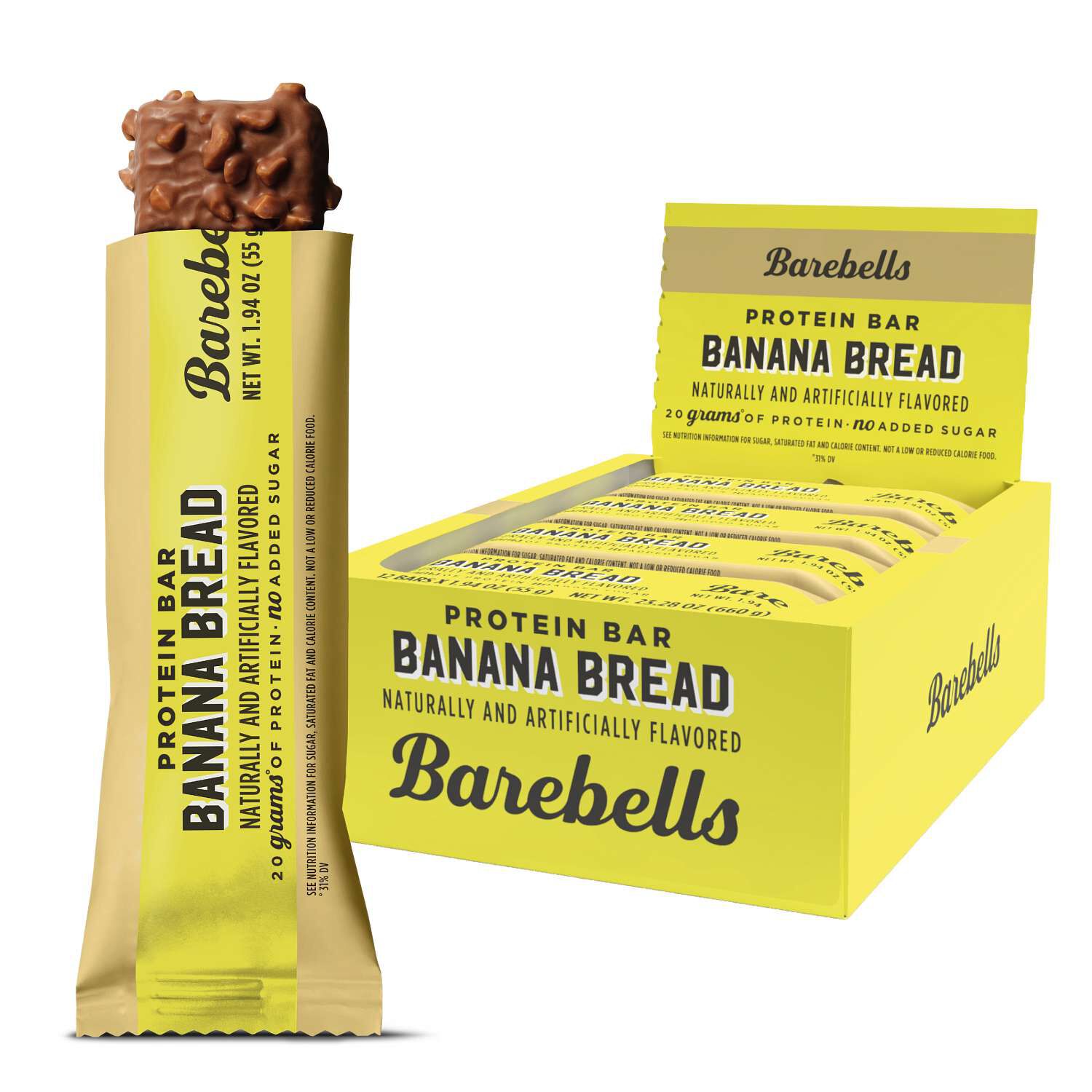 Barebells
-
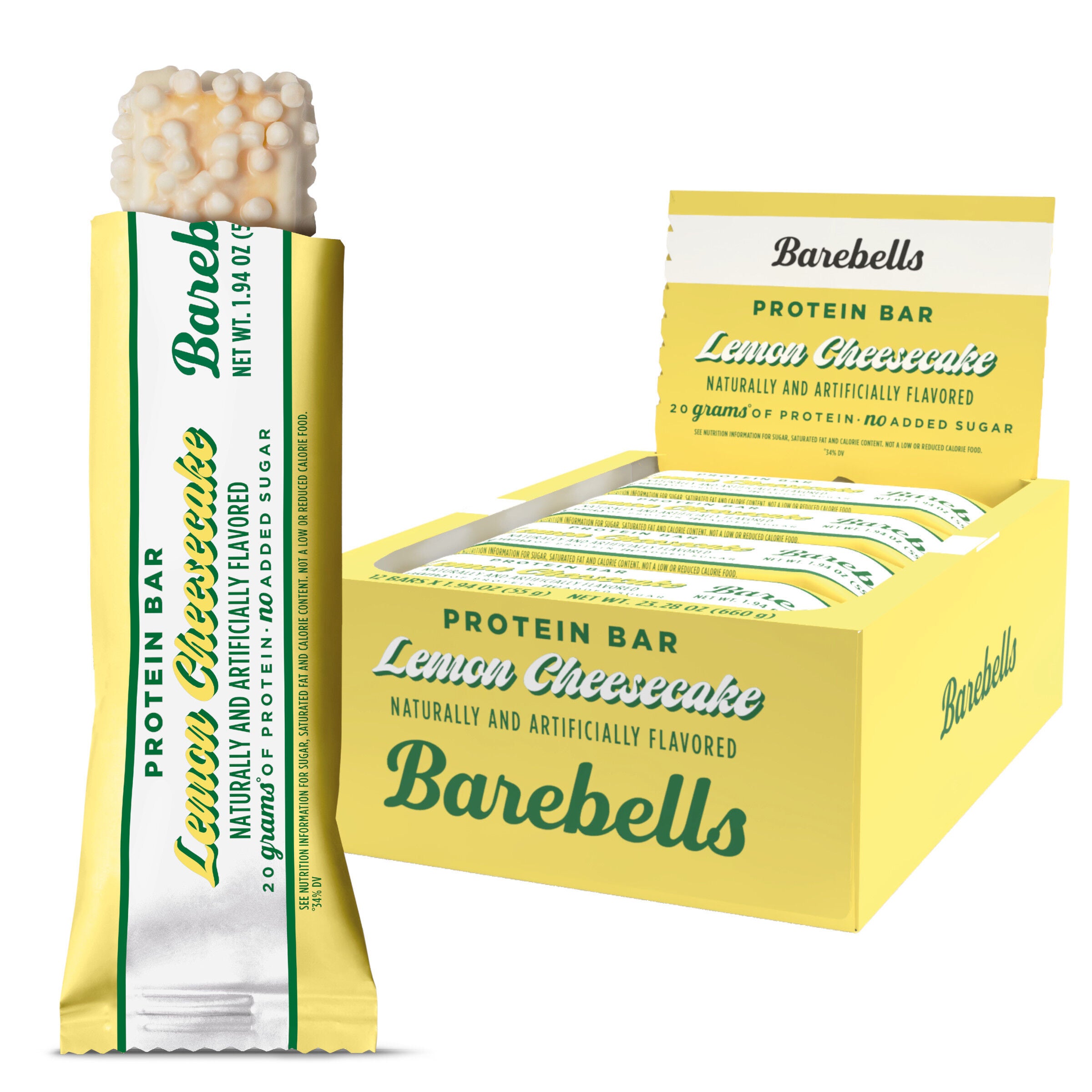 Barebells