





Caffeine Protein Shakes
(0 Results)
Power through your day with caffeine protein shakes that may provide the perfect blend of energy and nutrition. Designed for those who need a quick and convenient boost, these shakes could offer a seamless way to fuel workouts, enhance mental focus, and support muscle recovery. Packed with high-quality protein and a kick of caffeine, they might be the ideal companion for busy lifestyles or fitness enthusiasts. Explore the potential benefits of incorporating these energizing shakes into your daily routine.

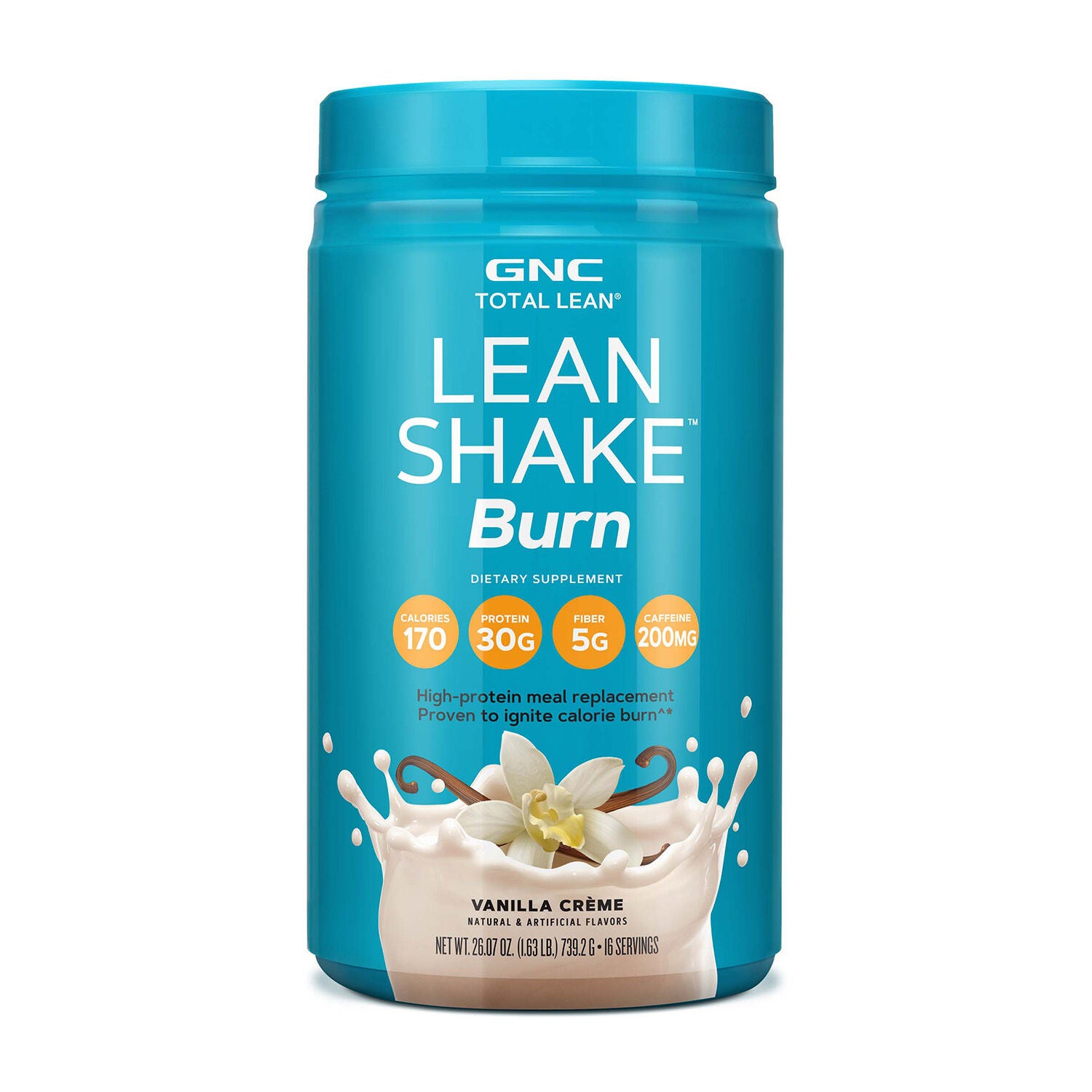

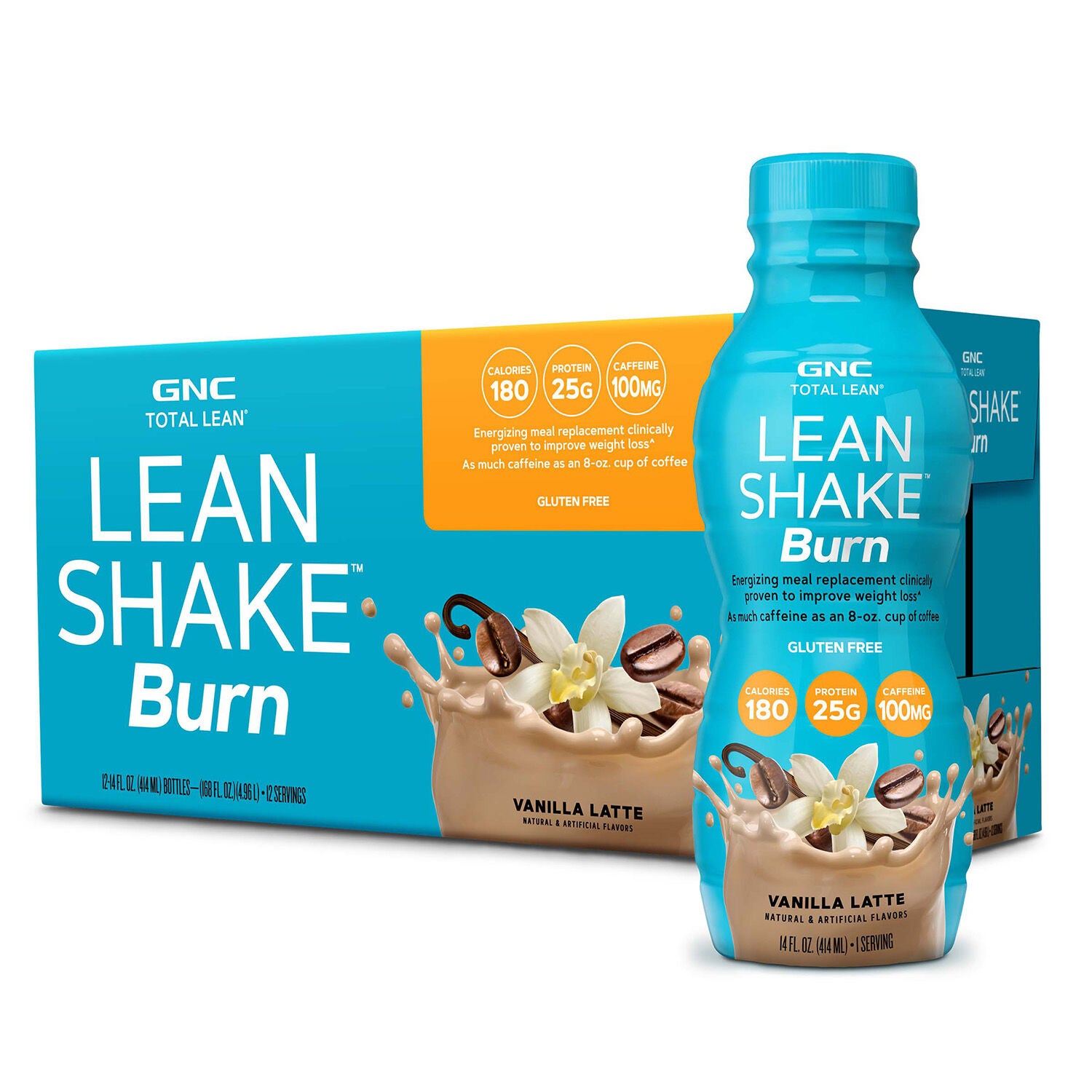


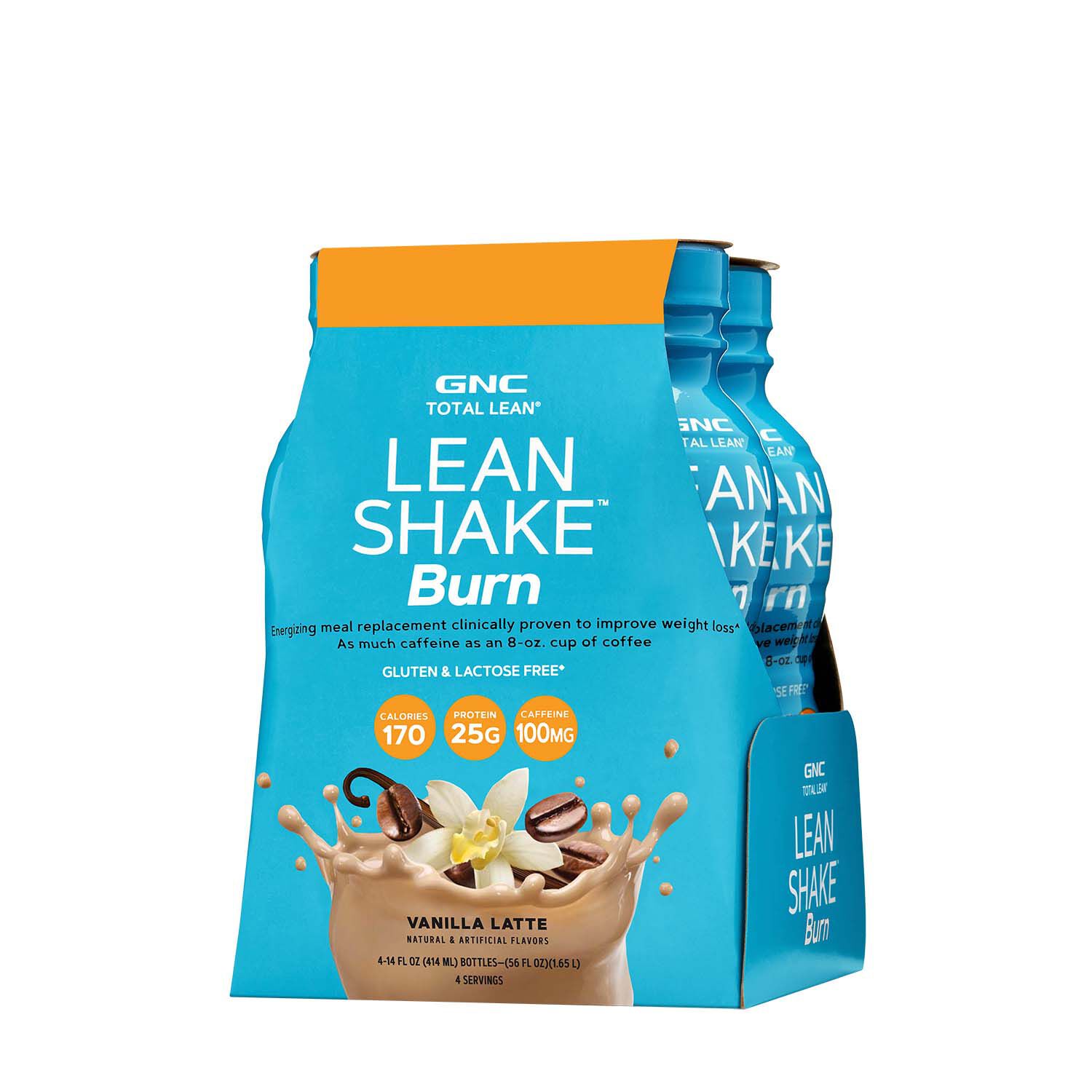

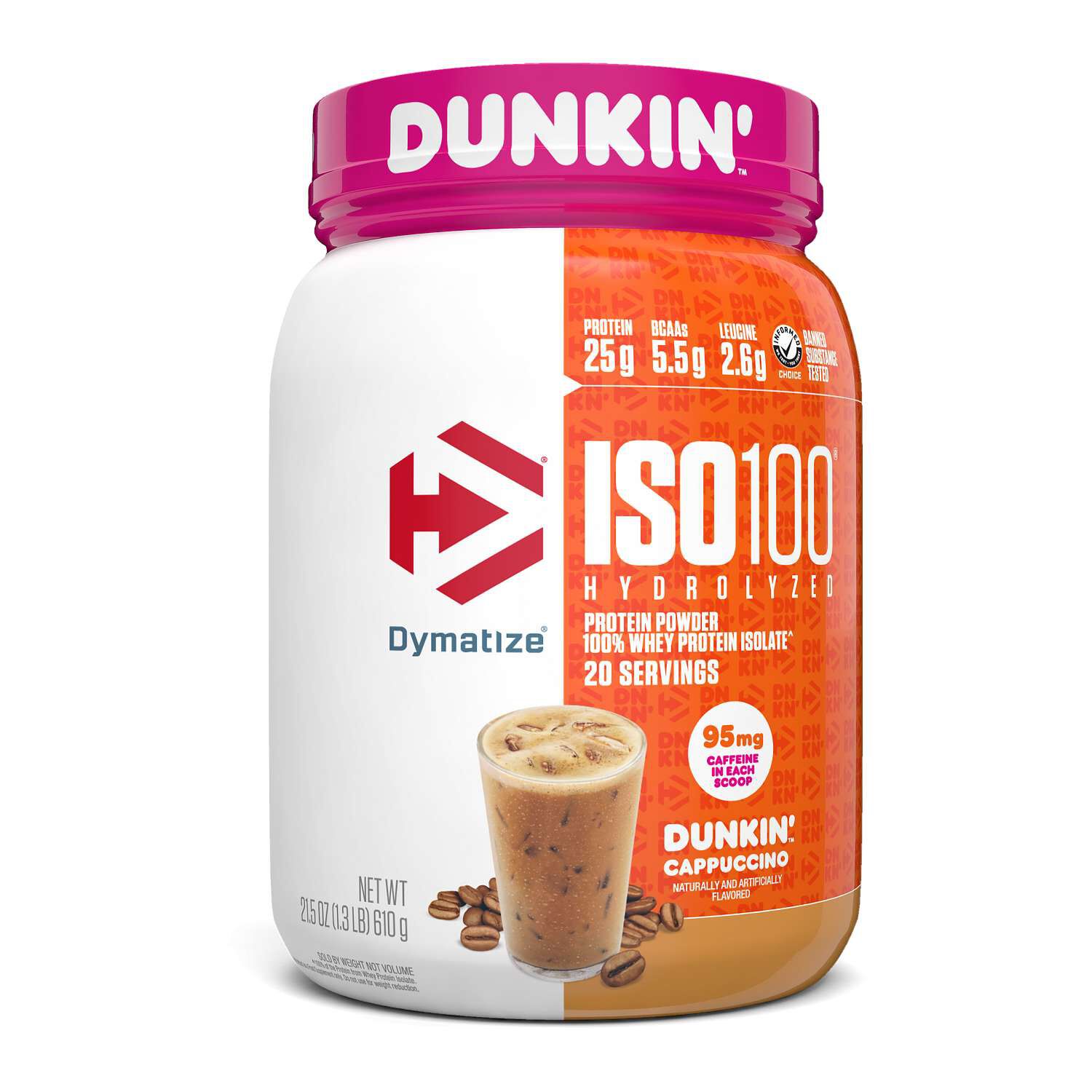
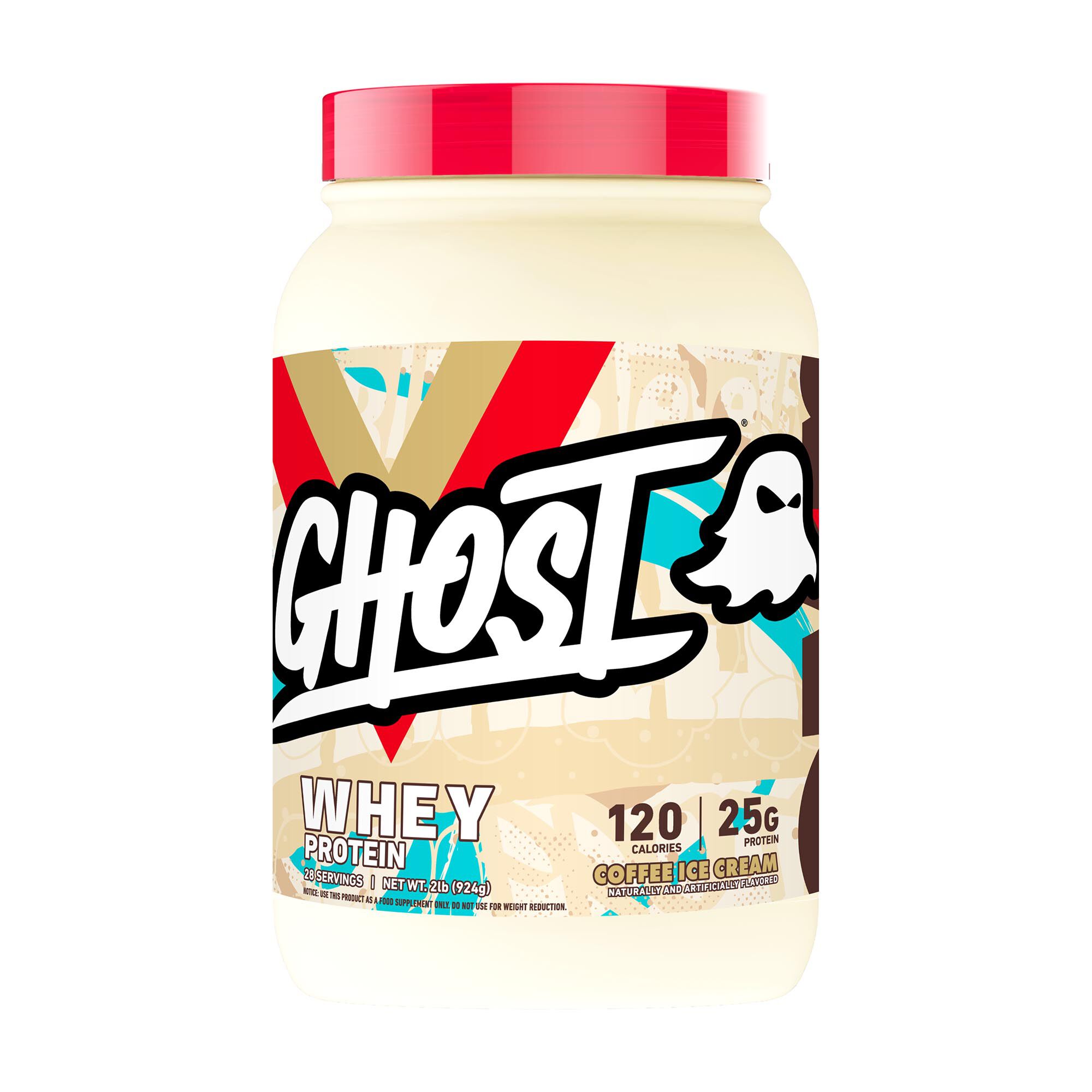

Caffeine protein shakes combine protein and caffeine in a drink format that fits naturally alongside coffee routines, gym bags, and busy schedules. The category includes ready-to-drink shakes and powders mixed before serving, with differences in flavor, texture, protein source, and caffeine content that make each format distinct. For someone who already enjoys a coffee-style beverage, a caffeinated protein shake may offer a convenient way to bring two preferences into one serving. The experience can range from a lighter, coffee-forward drink to a thicker shake with a dessert-inspired character. Cocoa, vanilla, caramel, and roasted coffee notes are common flavor directions, while sweetness and richness depend on the recipe and the liquid used for mixing. A pronounced coffee flavor is different from a subtle roasted note beneath chocolate or vanilla, so flavor descriptions offer useful context beyond the name on the package. Texture matters just as much: some shoppers prefer a smooth, easy-sipping consistency, while others enjoy a fuller, creamier drink. Ready-to-drink formats arrive premixed, which may suit a commute, a desk drawer, or a bag packed before an early workout when storage instructions allow. Powders offer more flexibility in the amount and type of mixing liquid, making them a different fit for someone who likes to adjust consistency at home. A shake mixed with water will generally have a different character from one prepared with milk or a plant-based beverage. The finished serving also reflects the powder’s ingredients and the preparation directions, rather than flavor alone. Across these formats, the most relevant distinctions are practical ones: how the shake tastes, what it contains, how much preparation it needs, and where it fits into an everyday routine. That combination gives caffeine protein shakes a clear identity beyond either a conventional coffee drink or a protein shake without caffeine. The result is a category shaped as much by drinking preferences and daily logistics as by the nutrition information on the label.
Protein source is one of the main differences among caffeine protein shakes. Milk-based formulas may use whey, casein, or a blend, while plant-based formulas may include proteins from peas, soy, rice, or other sources. These ingredients contribute to the recipe’s nutritional makeup and can influence its body, flavor, and mixing characteristics. A plant-based protein source does not automatically describe every ingredient in a formula, so the full ingredient list and allergen statement remain relevant for shoppers with dietary preferences or restrictions. The same attention applies to caffeine. Depending on the formula, caffeine may come from coffee ingredients, tea ingredients, added caffeine, or a combination of sources. A bold coffee taste does not establish how much caffeine a serving contains, and a sweeter, less coffee-forward shake can still contain caffeine. The labeled amount per serving offers a clearer comparison than flavor names or package design. Serving size matters here, too, especially when comparing a single-serving bottle with a powder container holding many servings. Protein grams, caffeine content, and other nutrition information are most meaningful when read in relation to the stated serving. Calories, carbohydrates, sugars, and fats also vary, giving the category a range of nutritional profiles rather than one standard formula. Some recipes use sugar, some use other sweeteners, and some combine sweetening ingredients to create a particular taste. Those choices can affect sweetness and aftertaste, which are personal preferences rather than a simple ranking of quality. For powders, the nutrition information may describe the powder alone; milk or another mixing beverage contributes its own nutrients to the finished shake. Additional ingredients can also distinguish one formula from another, making the full label more informative than a single front-of-package statement. For someone comparing caffeinated drinks across a daily routine, the caffeine amount in a shake is another detail to consider alongside coffee, tea, and other beverages. Together, these label details describe what is actually in the serving and help distinguish formulas that otherwise look similar.
Everyday use brings another set of differences into focus. A premixed shake may be convenient for someone who wants a measured serving without carrying a scoop or mixing container, while a powder may suit a kitchen counter, office kitchenette, or gym routine with access to water. Package shape, container size, and closure style can matter when a drink needs to sit upright in a work bag or fit into a narrow cup holder. Storage directions are especially relevant for ready-to-drink formats because an unopened container and an opened one may have different requirements. For powders, a securely closed package and a dry scoop help keep moisture out between servings, and the labeled storage instructions describe the conditions intended for that formula. Preparation is part of the experience as well. Mixing directions specify the serving amount and liquid quantity, while the choice of container can affect how convenient preparation and cleanup feel. A reusable shaker with a secure lid may be useful for mixing away from home, particularly when its opening is wide enough for straightforward washing. Regular cleaning of the lid, threads, and mixing components helps prevent residue from carrying into the next serving. These details are less visible than flavor names, but they can influence whether a format feels practical day after day. Intended use matters just as much: a caffeinated protein shake might accompany breakfast, fit into a planned workout routine, or serve as a coffee-style drink during a workday, without every formula serving the same purpose. Shoppers comparing the broader category can also explore Caffeine Products for context on other caffeinated formats. Within protein shakes, the most useful comparison remains the combination of protein source, labeled caffeine amount, serving size, taste, and preparation needs. A format that matches those preferences may be easier to incorporate into an established routine, whether that means opening a premixed drink before leaving home or mixing a measured serving when there is time to enjoy it.
Best Sellers


Related Pages


Top Collections
- Zinc Supplements For Men
- Daily Collagen Supplements | Top Brands & Deals | GNC
- Supplements For Yoga Joint Flexibility
- Chronic Fatigue Supplements
- Capsule Supplements For Energy And Stamina
- Adult Vitamins
- Metabolism Boost For Weight Loss
- Burnout Support Supplements
- Vitamins For Hair Loss
- Supplements For Balance