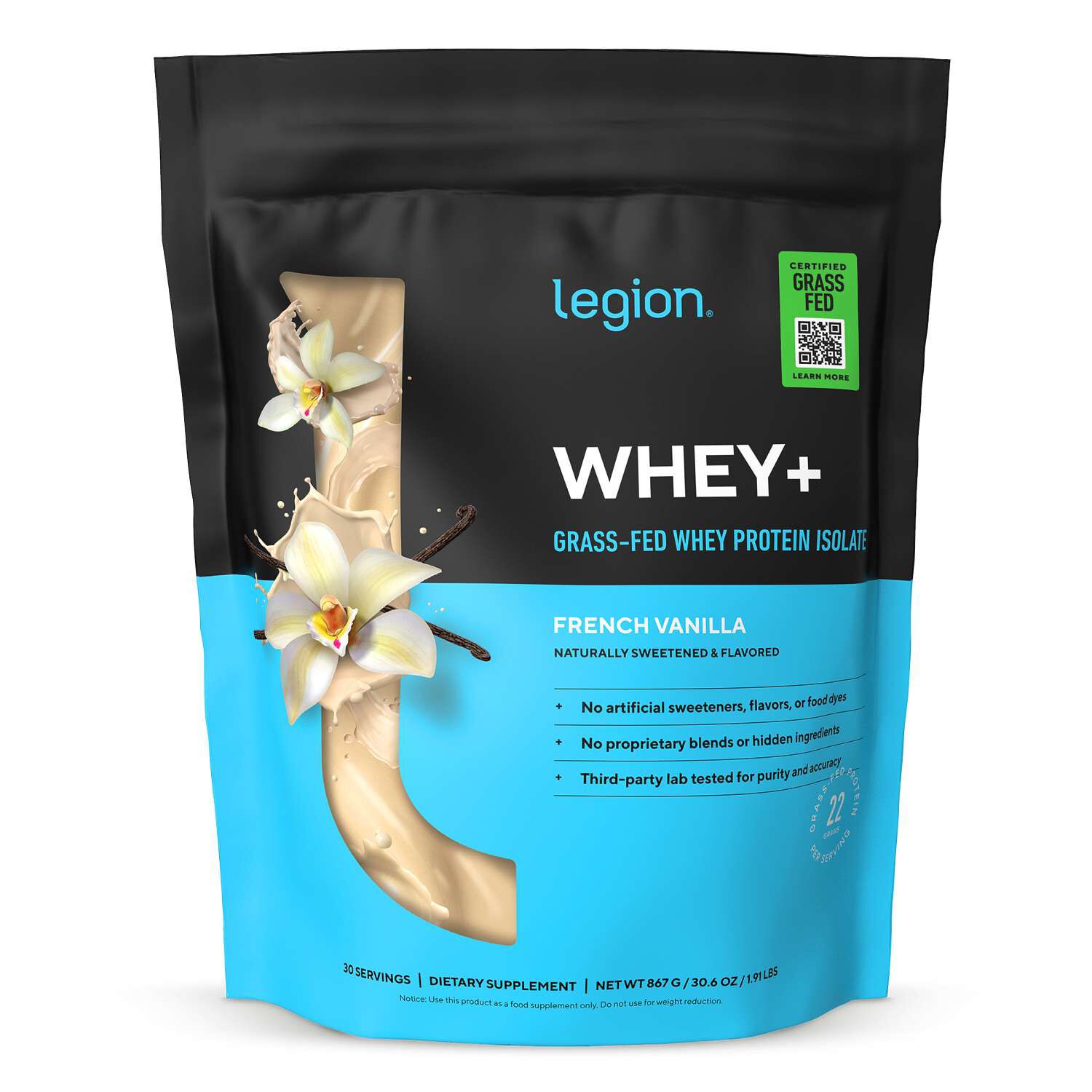
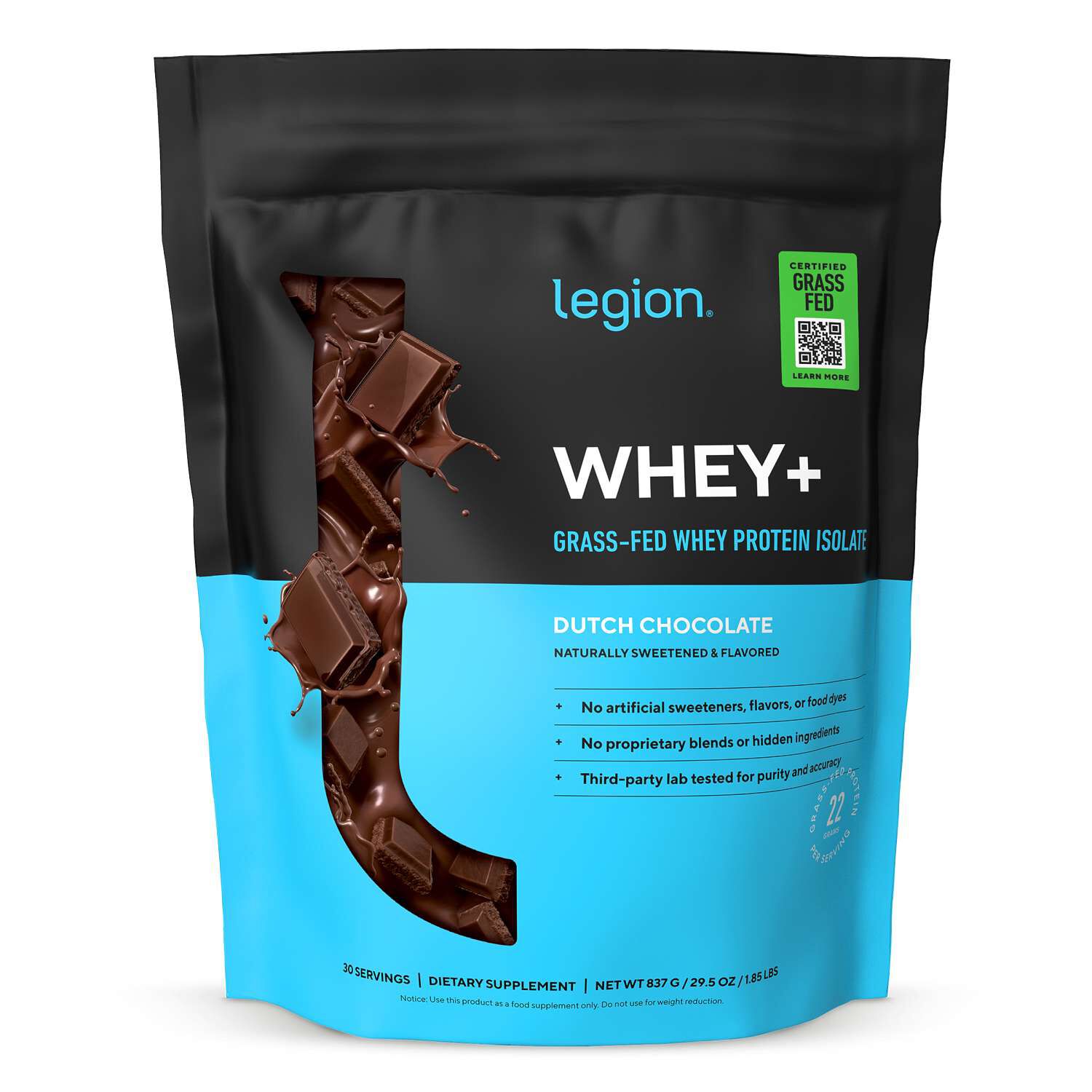
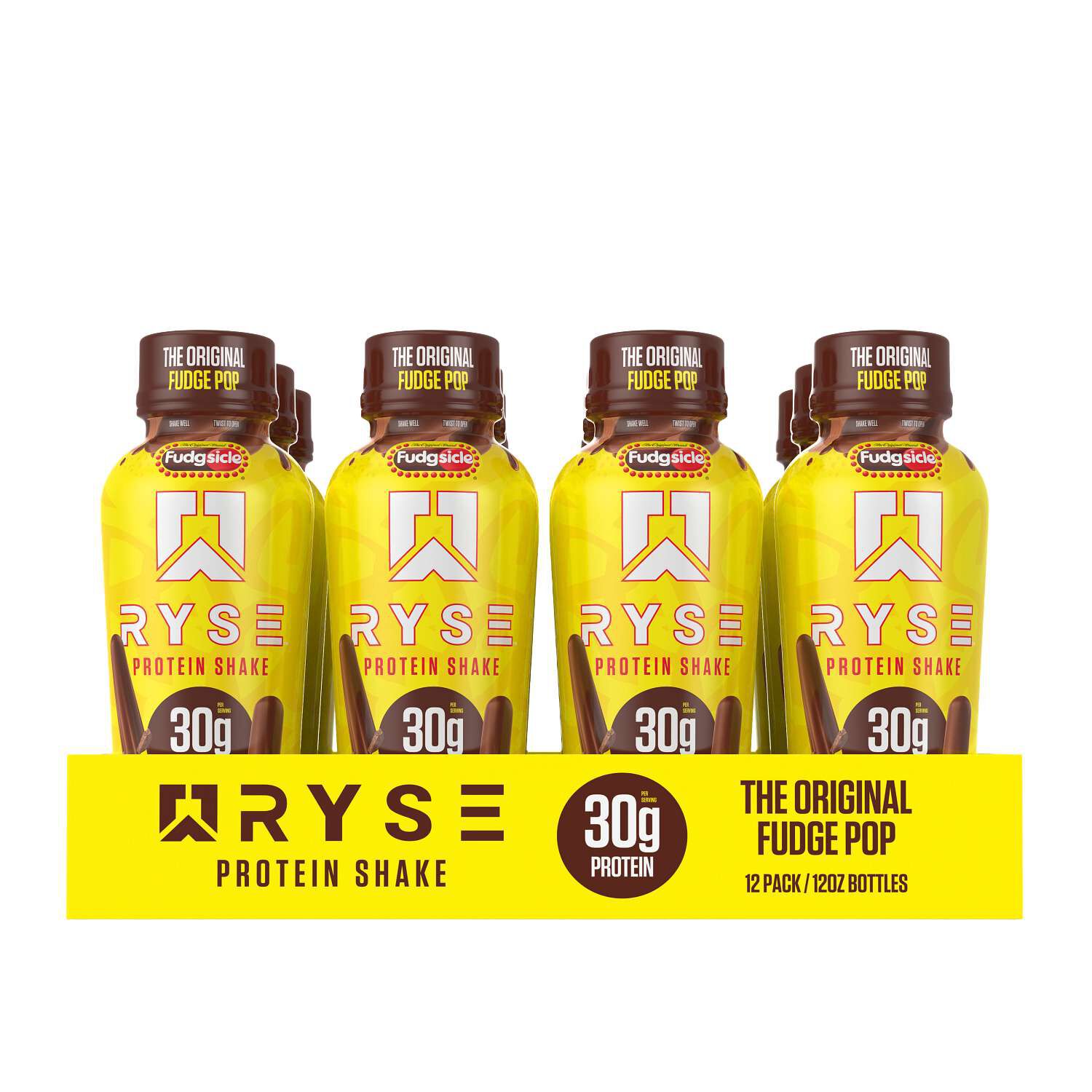
Sports Protein Shakes
(0 Results)
Sports protein shakes could be a convenient option for those with active lifestyles or anyone looking to complement their fitness routines. With a variety of flavors and ingredient profiles available, sports protein shakes may fit into different nutritional preferences and goals. Whether you are heading to the gym or recovering after a workout, explore a selection of sports protein shakes that might align with your daily regimen.


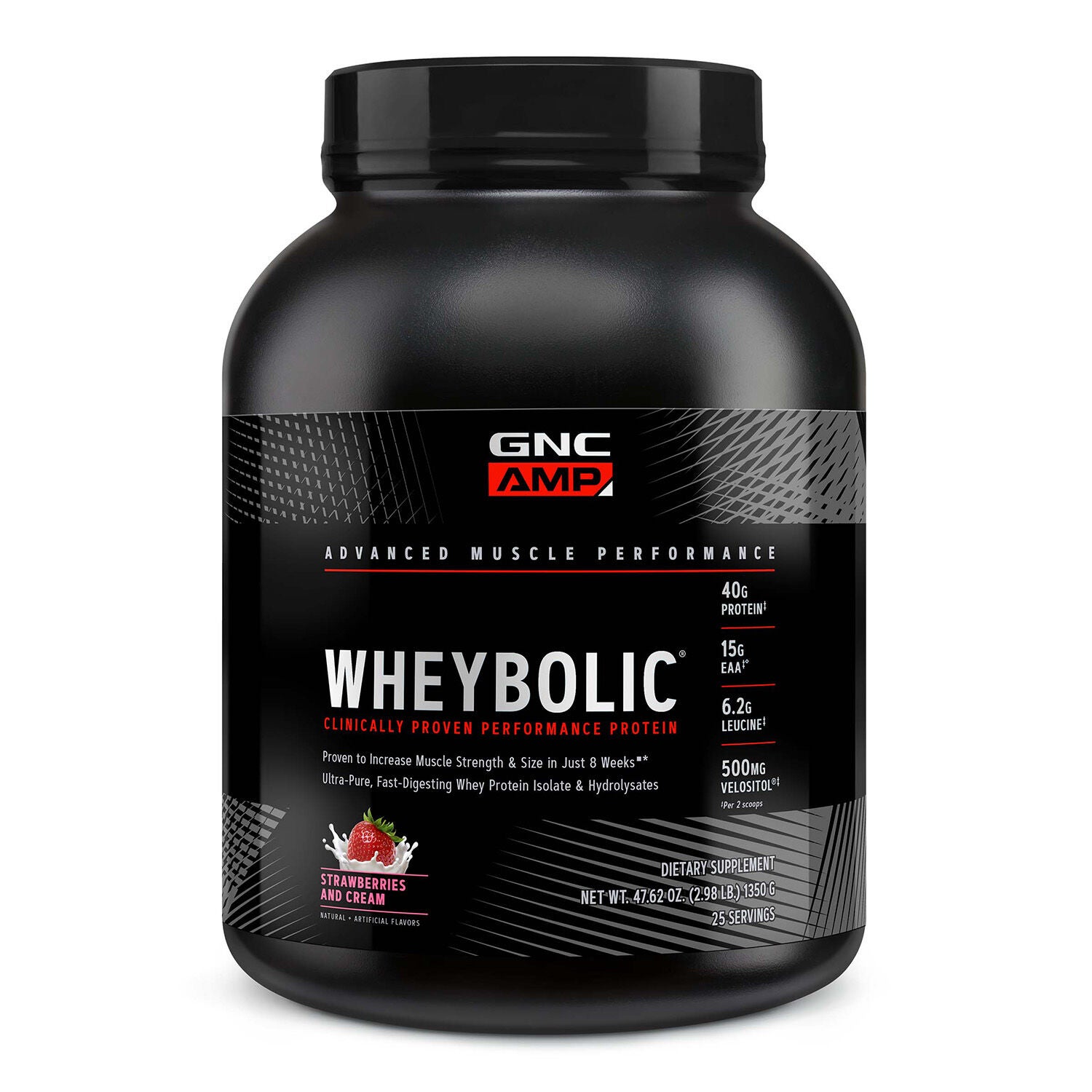
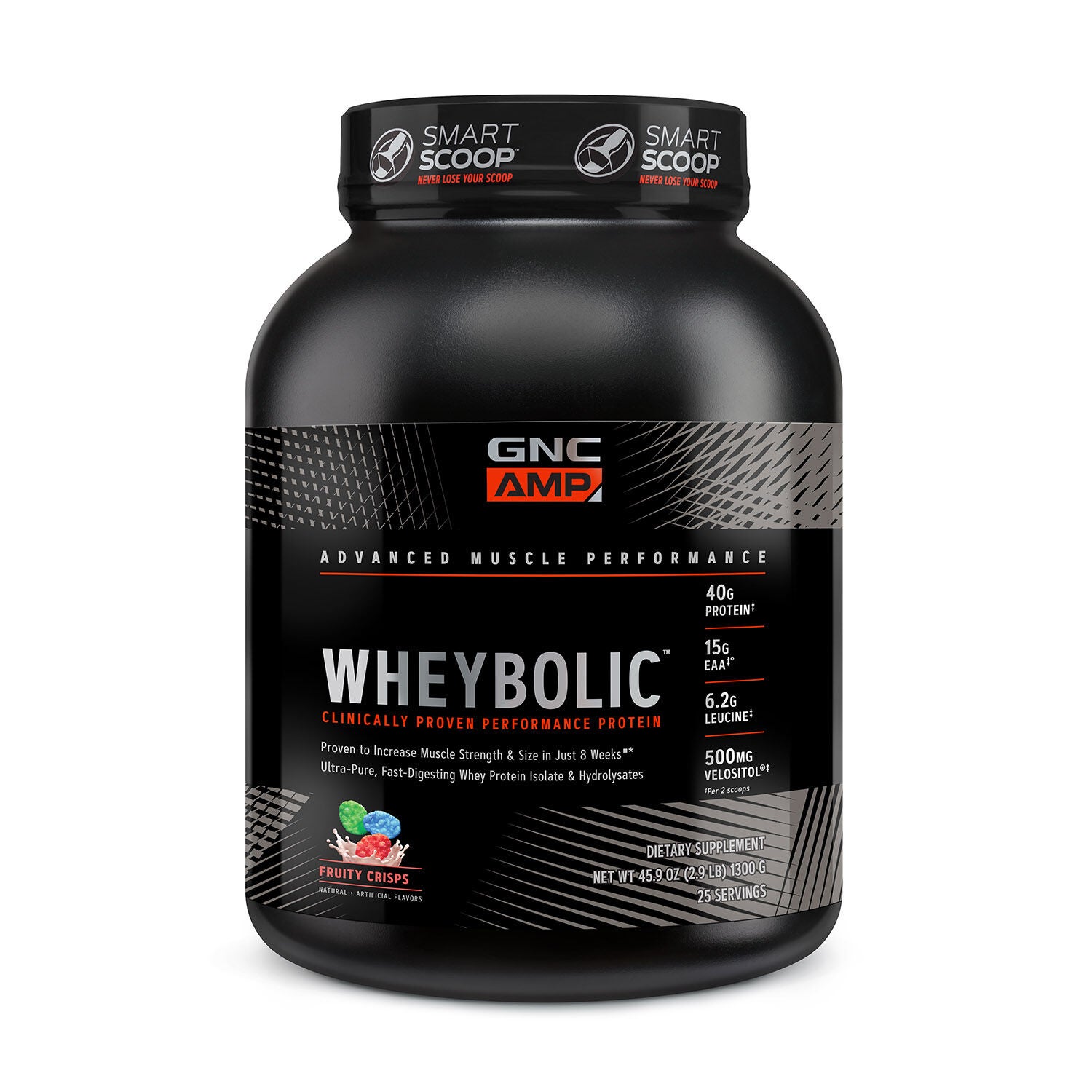


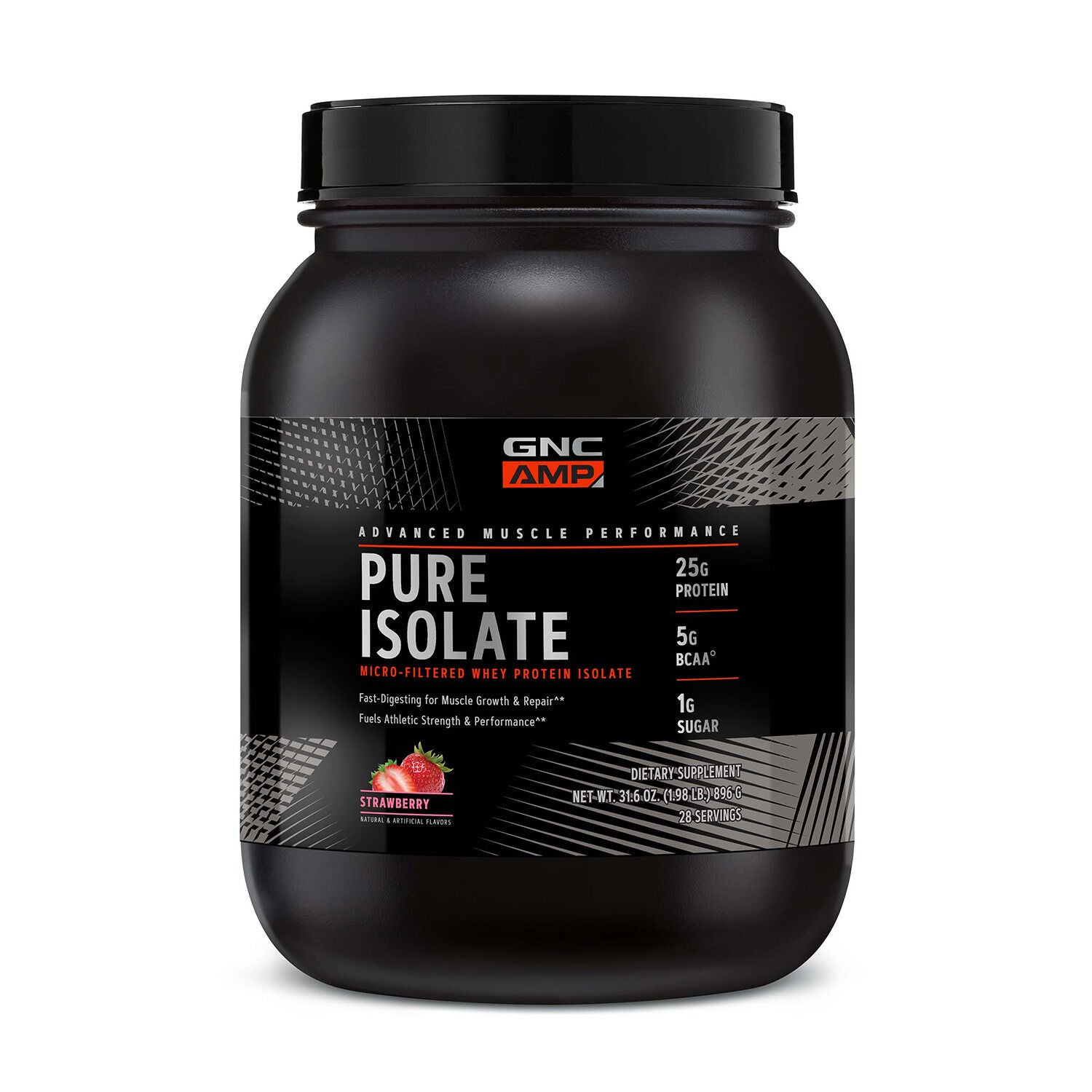


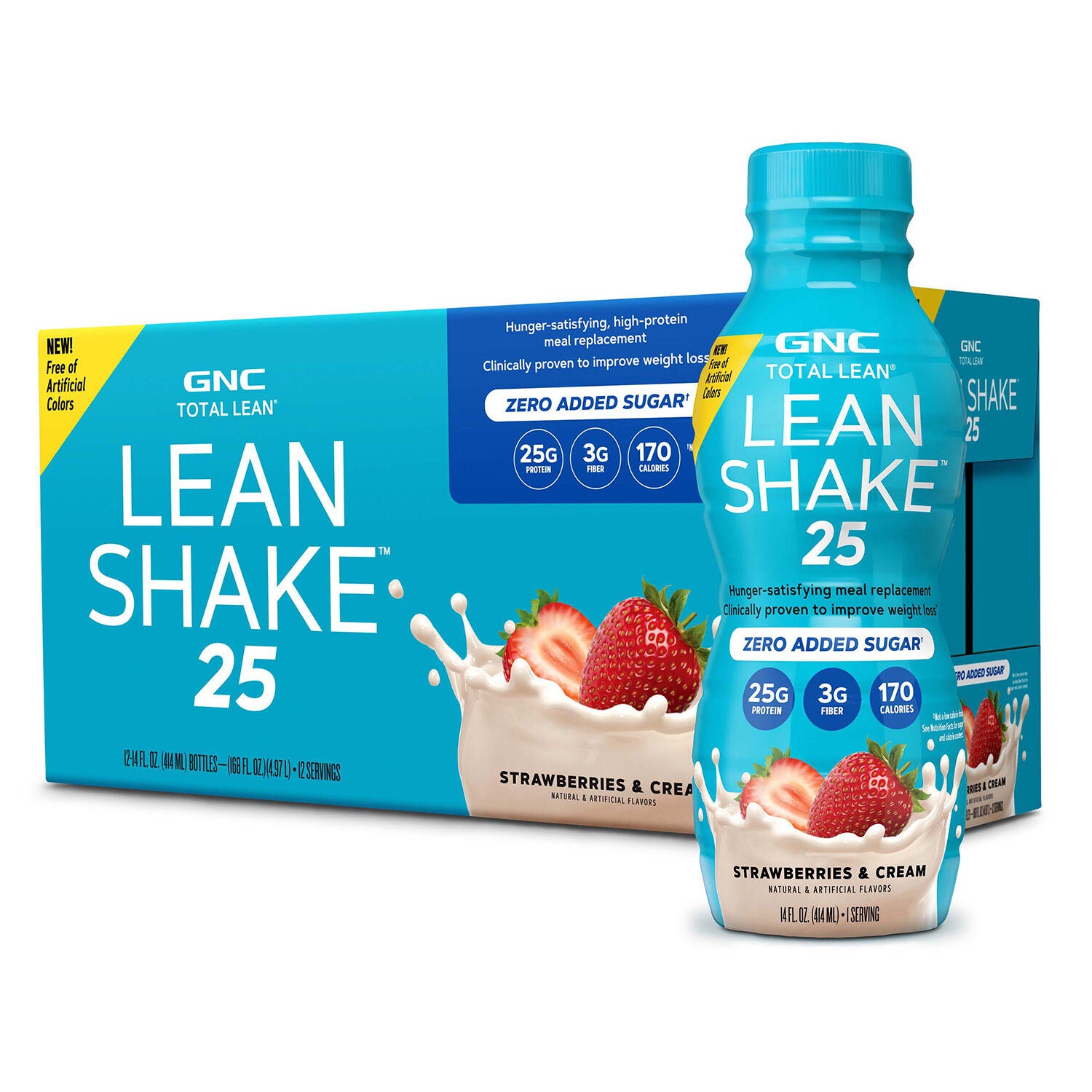
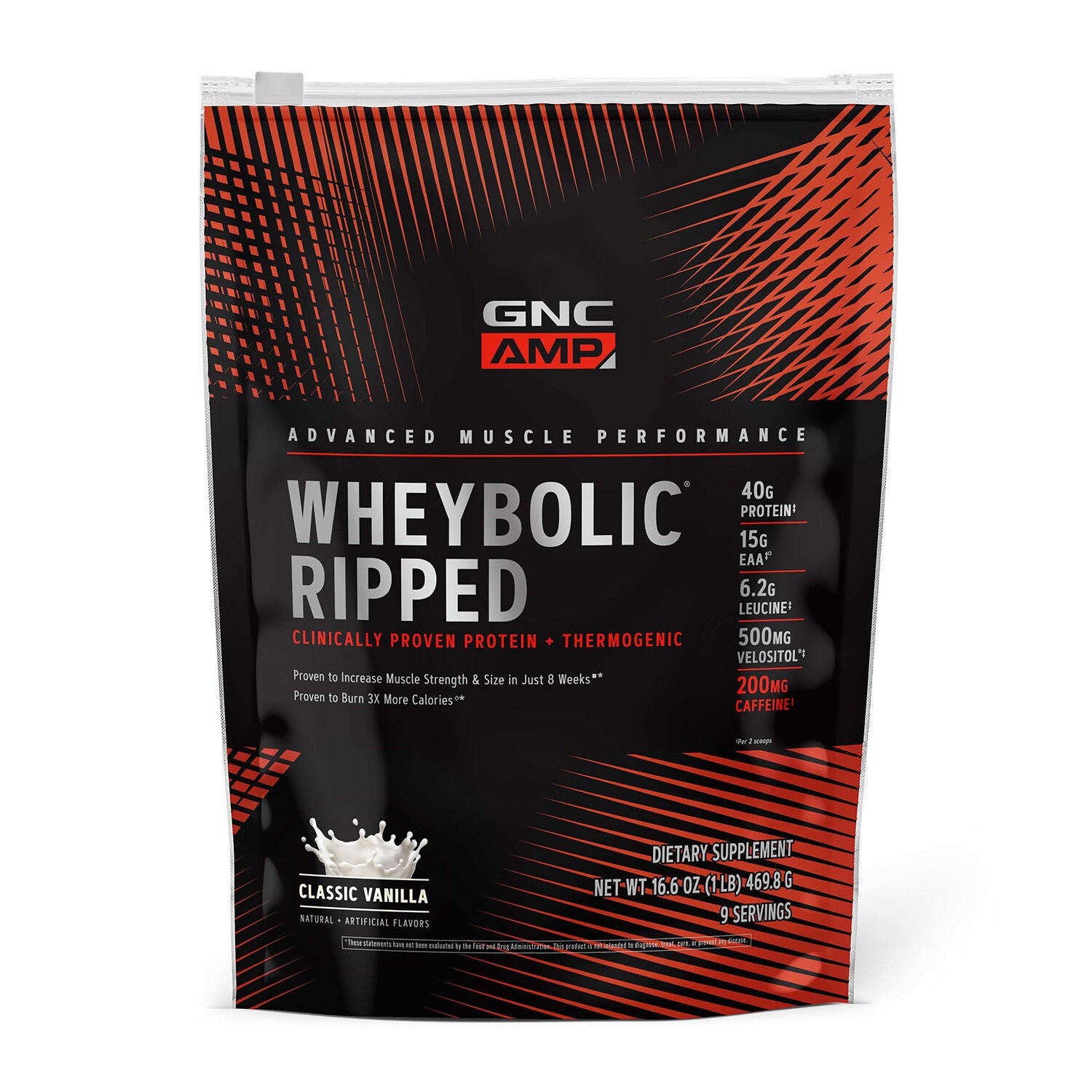


Sports protein shakes are beverages made with concentrated protein sources, offered as ready-to-drink shakes or powders mixed with a liquid. They fit a range of active routines, from strength training and recreational running to cycling, court sports, and regular gym sessions. Many formulas provide around 20 to 30 grams of protein per serving, though the amount varies, making the nutrition label a useful point of comparison. Protein may support muscle maintenance and recovery after exercise as part of a varied eating pattern. A prepared bottle fits the gap between a workout and the commute home, while a powder offers flexibility for someone who prefers mixing a shake in the kitchen or at the gym. Neither format requires an elaborate routine, and the choice often comes down to portability, flavor, texture, and preparation preferences. Whey and casein come from milk, while plant-based formulas may use pea, soy, rice, or combinations of these ingredients. Milk proteins and soy contain all nine amino acids the body cannot produce on its own; blends of different plant proteins bring their respective amino acid profiles together. Ingredient lists distinguish these sources more clearly than front-label flavor descriptions alone. Whey concentrate and whey isolate are different ingredient forms with different proportions of protein and other milk components, so the word “whey” does not describe every formula in the same way. For shoppers who avoid milk ingredients, a plant-based formula and its allergen statement deserve particular attention. Lactose content also varies among milk-derived formulas, and a product’s label provides more useful detail than assumptions based on its protein source. Sports protein shakes are intended for convenient protein intake rather than as automatic replacements for varied meals. Their place in a routine might be a drink after lifting, an accompaniment to breakfast before a busy day, or a portable option when a sit-down meal is not practical.
The experience of drinking a sports protein shake depends as much on its texture and flavor as on its protein source. Chocolate varieties range from mellow cocoa notes to richer, dessert-like profiles, while vanilla offers a familiar base for fruit, oats, or other additions. Strawberry, coffee-inspired, and other flavors provide alternatives for shoppers who prefer something beyond the usual chocolate-and-vanilla rotation. For a more dessert-oriented flavor profile, Sweet Protein Shakes offers a related category to explore. Sweetness does not tell the whole nutrition story: formulas use different combinations of sugar, sweeteners, and flavoring ingredients, and their carbohydrate, fat, and calorie amounts vary. Comparing the labeled serving size alongside those amounts gives a clearer picture of what each shake contains. A bottle labeled as one serving is different from a powder container whose serving requires more than one scoop, and mixing powder with milk or a plant-based beverage changes the finished drink’s nutrition compared with mixing it with water. Water generally produces a lighter consistency, while milk or a richer plant-based beverage creates a creamier mixture. Adding banana, nut butter, or oats changes both the texture and the ingredients in the glass. Those additions suit a blender at home better than a quick shake between the locker room and the parking lot. Powders also differ in how smoothly they disperse, with some producing a thinner drink and others creating a denser texture or noticeable foam after shaking. The preparation directions provide the intended liquid amount and serving measure, giving shoppers a practical starting point without requiring experimentation. For ready-to-drink options, the texture is already established, and any shaking or serving directions appear on the packaging. Caffeine, added vitamins and minerals, and other included ingredients are separate considerations from protein content; their presence should not be inferred from the flavor name or the sports-focused presentation.
Packaging and storage matter because these products often travel beyond the kitchen counter. A ready-to-drink shake in a bottle or carton offers straightforward portability for a gym bag, office refrigerator, or lunch bag, while a tub or pouch of powder suits a routine with access to water and a mixing container. Smaller powder portions are convenient for travel, but the serving amount still depends on the package directions. Container size, closure style, and room in a bag or cupboard are practical differences, especially for someone carrying workout clothes, shoes, and a laptop in the same bag. A cap or lid should be secured before transport, and packaging that is damaged or leaking is not suitable for use. Storage requirements vary: some unopened shakes are shelf-stable, while others require refrigeration, and opened drinks need to be handled according to their labels. Powder containers belong in the storage conditions specified on the package, with the lid closed and the scoop kept clean and dry. Moisture introduced through a wet scoop or mixing utensil changes the condition of the powder, so preparing the drink separately helps keep the remaining contents dry. A reusable shaker adds another care consideration; rinsing after use and washing the bottle, lid, and mixing insert according to their care directions prevents residue from collecting in seams. Durable containers with an intact closure are useful for repeated trips, but they do not replace the shake’s own storage instructions. For someone buying sports protein shakes as a fitness-focused gift, familiar flavors, preferred protein sources, and usual preparation habits are more meaningful than choosing by packaging alone. A runner who heads directly to work may prefer a prepared drink, while someone who enjoys making smoothies may prefer powder. The most useful comparison brings together protein per serving, ingredient preferences, flavor, texture, and the realities of carrying, mixing, and storing the product within an everyday routine.
- Q: What are sports protein shakes?
A: Sports protein shakes are beverages formulated with high-quality protein sources, such as whey, casein, or plant-based proteins. They are designed to help support muscle recovery and growth after exercise or athletic activity. - Q: When is the best time to consume a sports protein shake?
A: Many athletes and fitness enthusiasts choose to consume sports protein shakes within 30 minutes after a workout to support muscle recovery. However, they can also be enjoyed as a convenient source of protein at any time of day. - Q: What types of protein are commonly found in sports protein shakes?
A: Common protein sources in sports protein shakes include whey, casein, soy, pea, and rice proteins. Each type offers unique benefits and absorption rates to suit different dietary preferences and fitness goals. - Q: Can sports protein shakes be used as meal replacements?
A: While some sports protein shakes contain additional nutrients like carbohydrates, fats, vitamins, and minerals, most are intended to supplement your diet rather than replace a full meal. Always check the nutrition label to determine if a shake meets your dietary needs. - Q: Are there options for those who avoid lactose or prefer plant-based ingredients in sports protein shakes?
A: Yes, many brands offer sports protein shakes made from sources like pea, rice, or soy protein that do not contain lactose. These options are suitable for individuals who avoid dairy or follow a vegan lifestyle.