Sweet Protein Shakes
(0 Results)
Sweet protein shakes could be a delicious way to add variety to your wellness routine. With a range of tempting flavors, these shakes may satisfy your cravings while supporting your active lifestyle. Whether you’re looking for a convenient snack or a satisfying addition to your daily regimen, sweet protein shakes might offer a tasty option to enjoy at home, at the gym, or on the go. Explore the selection and discover how sweet protein shakes could fit into your day.


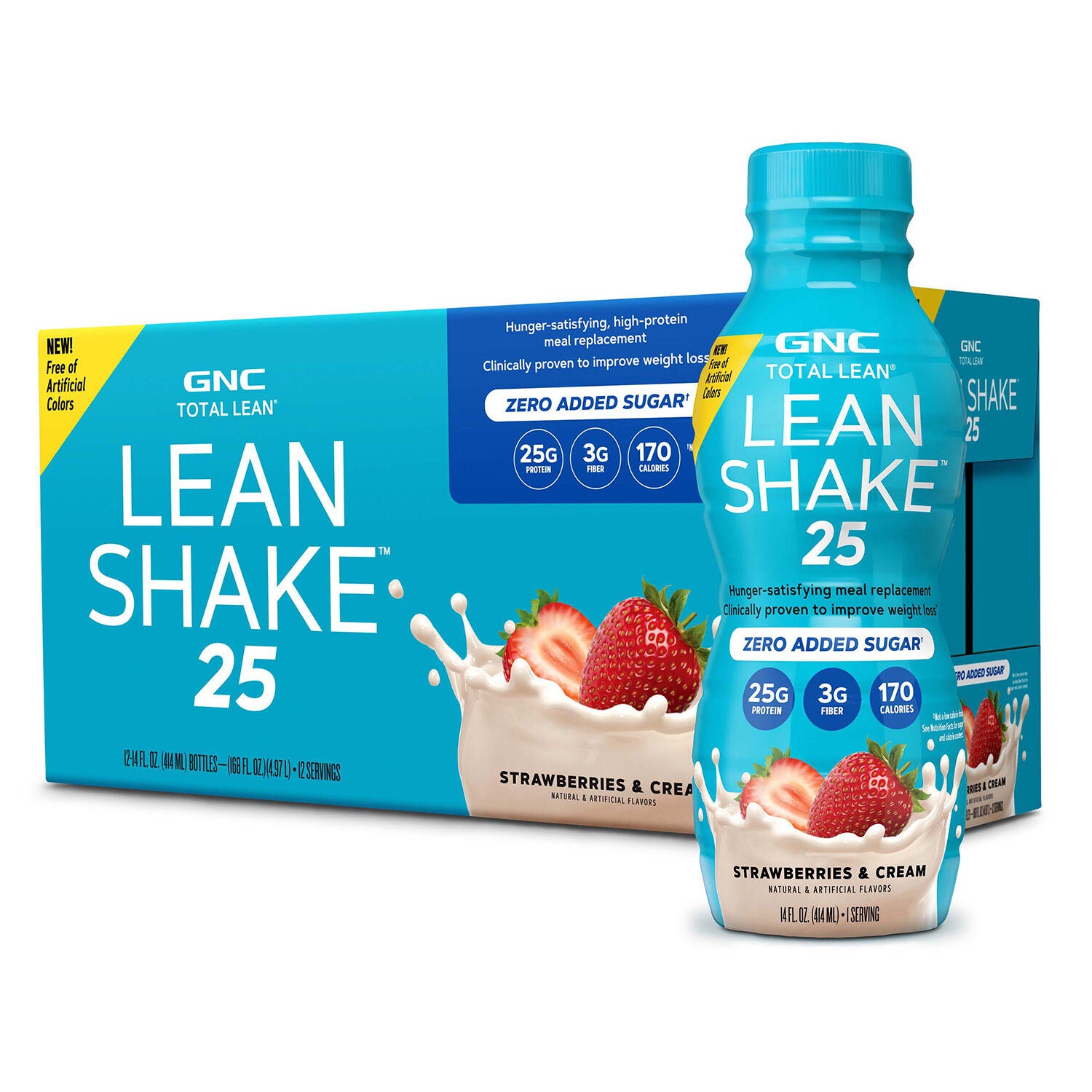


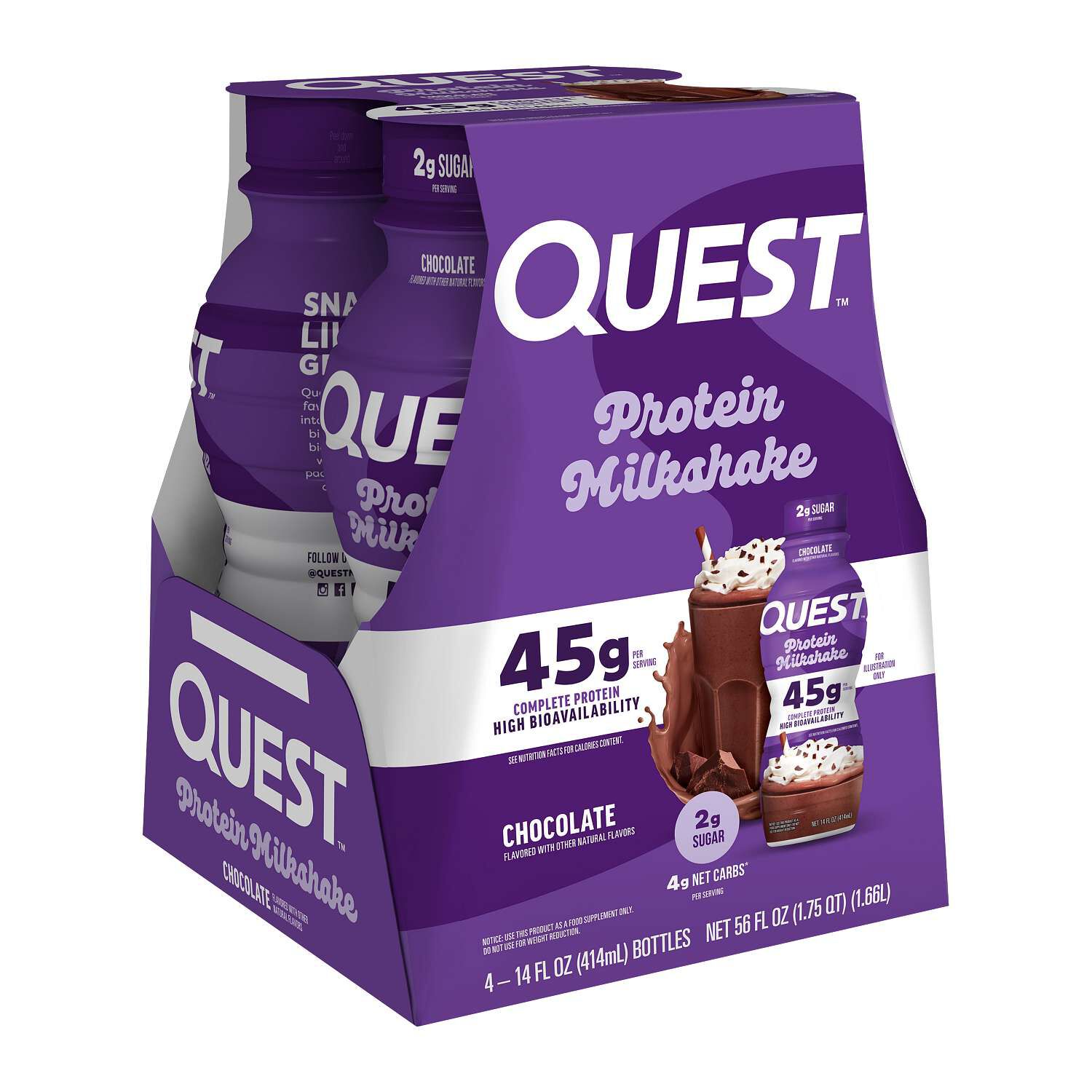

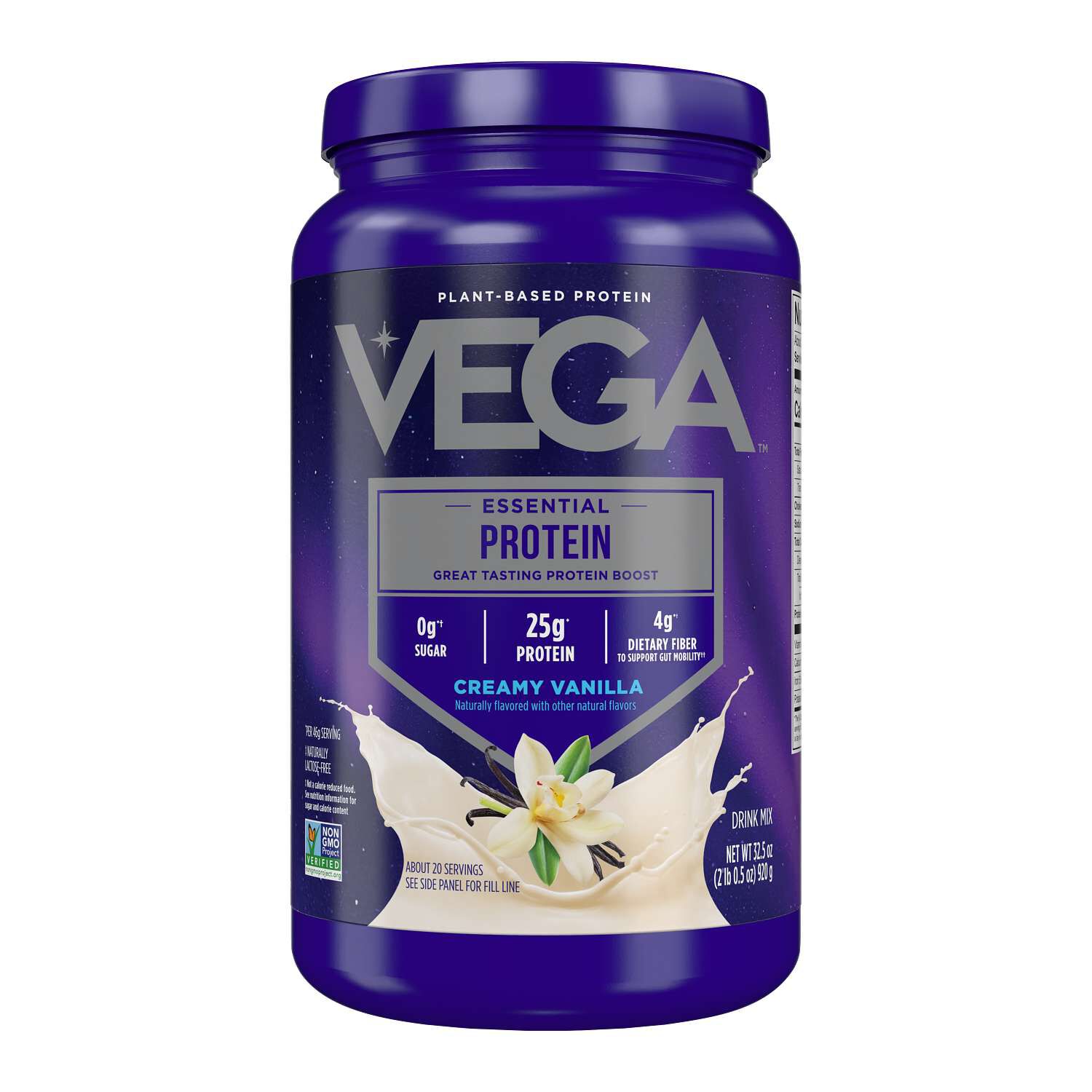

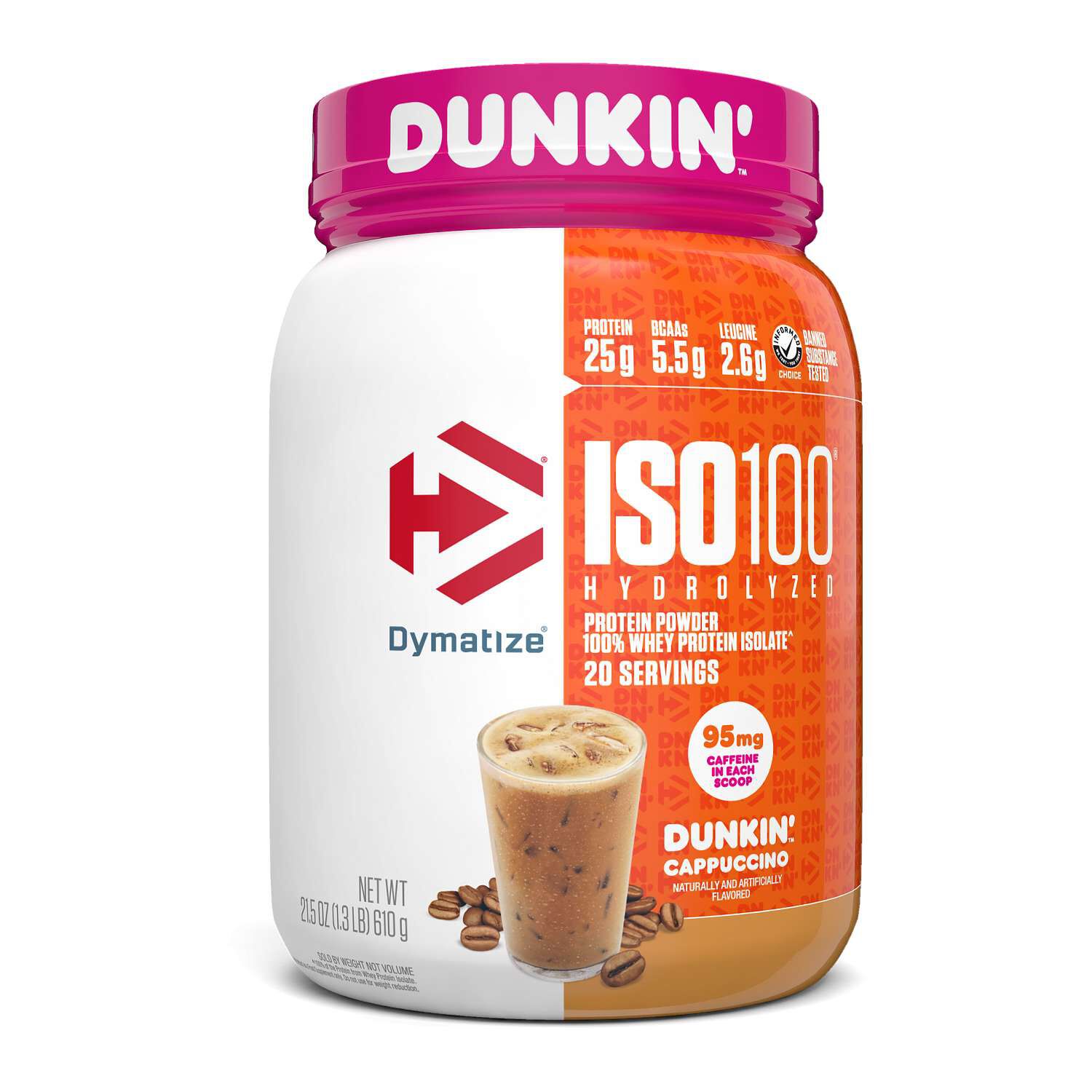

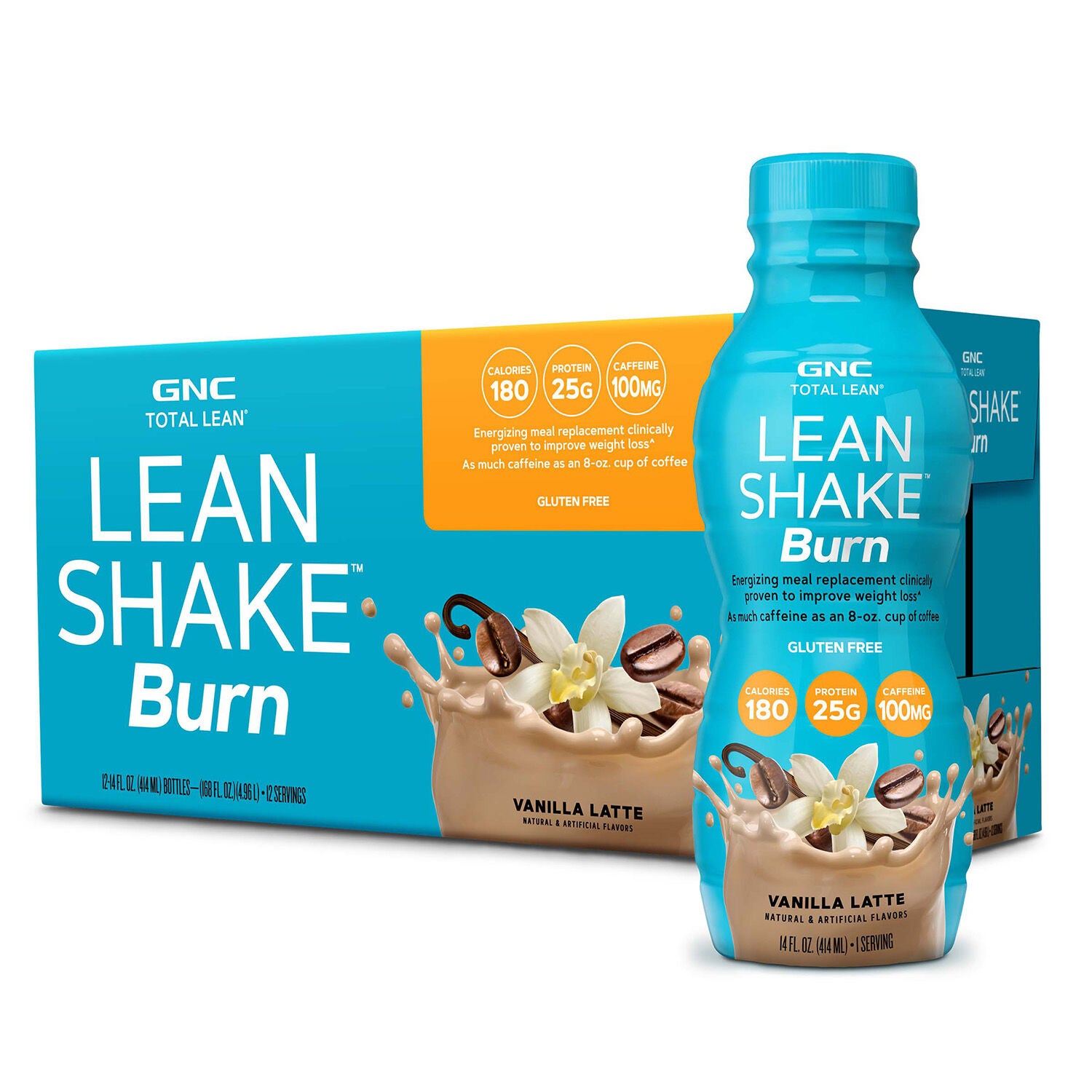


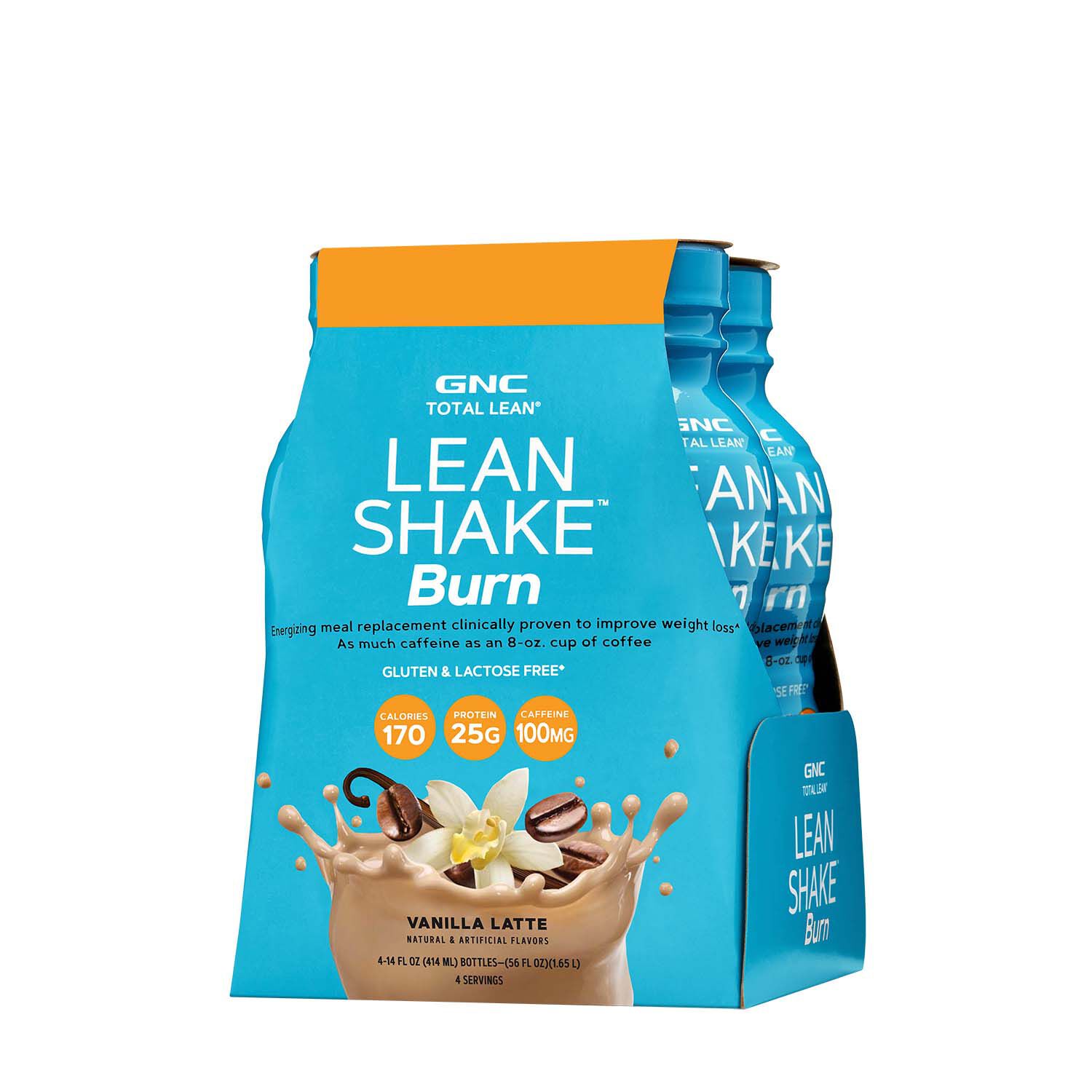

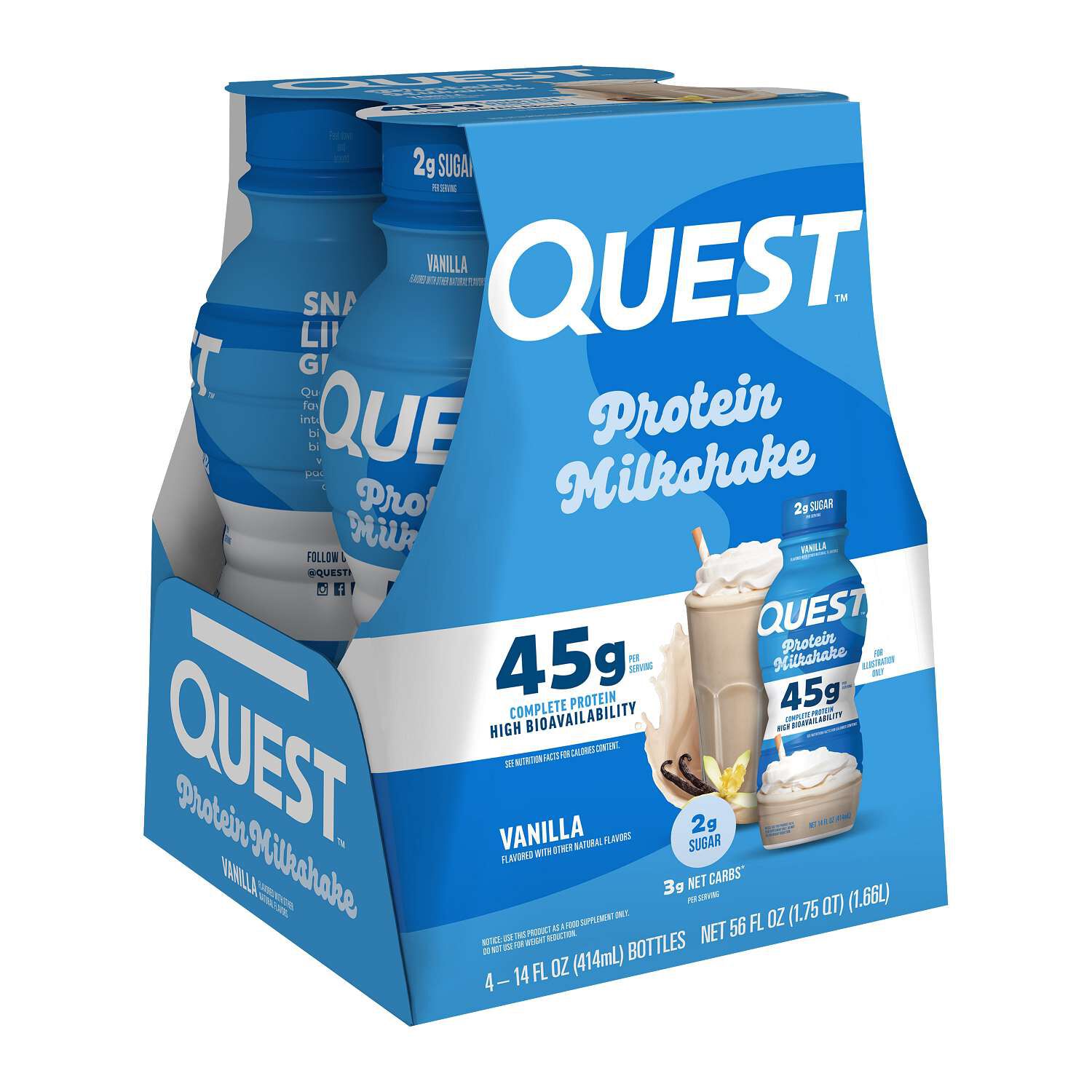
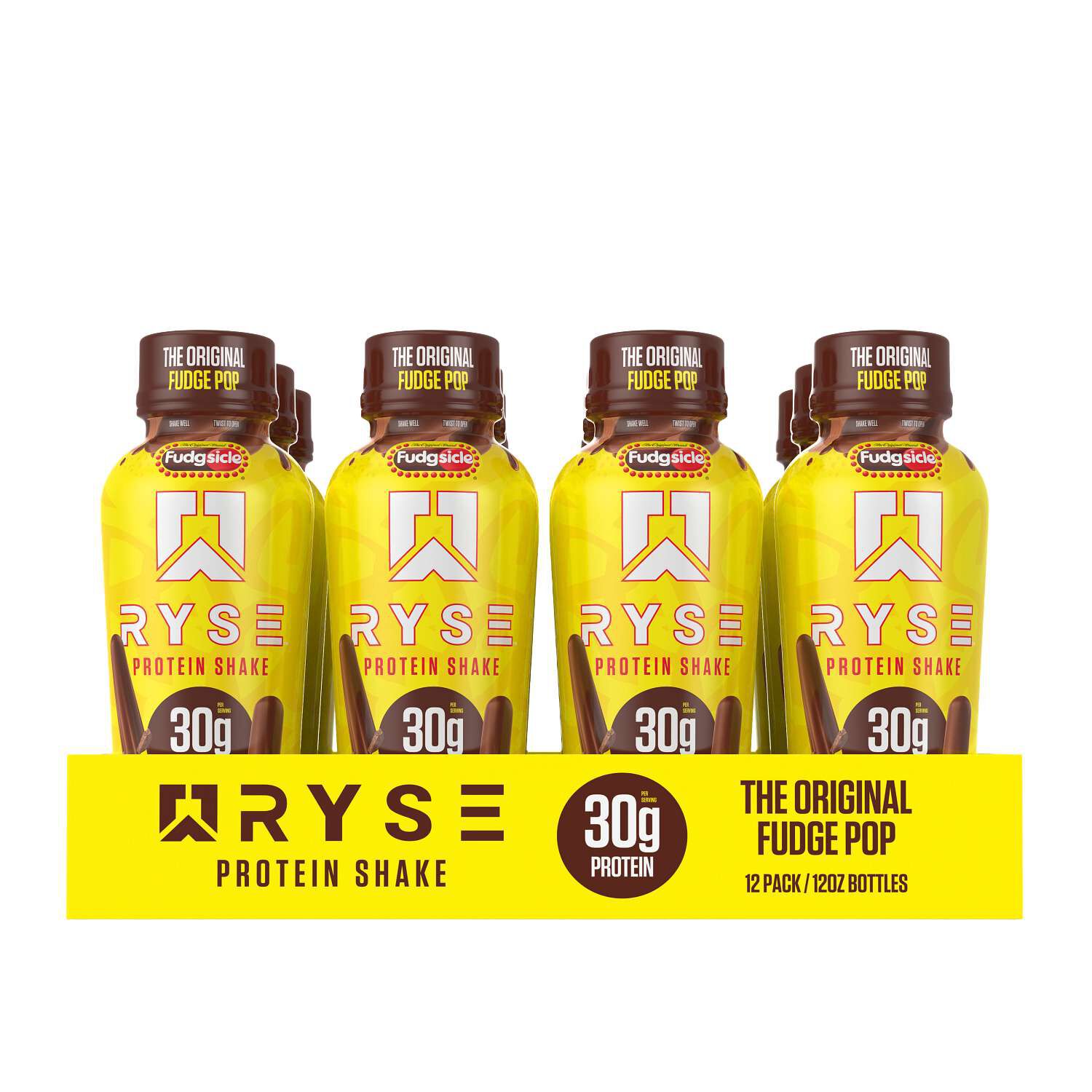
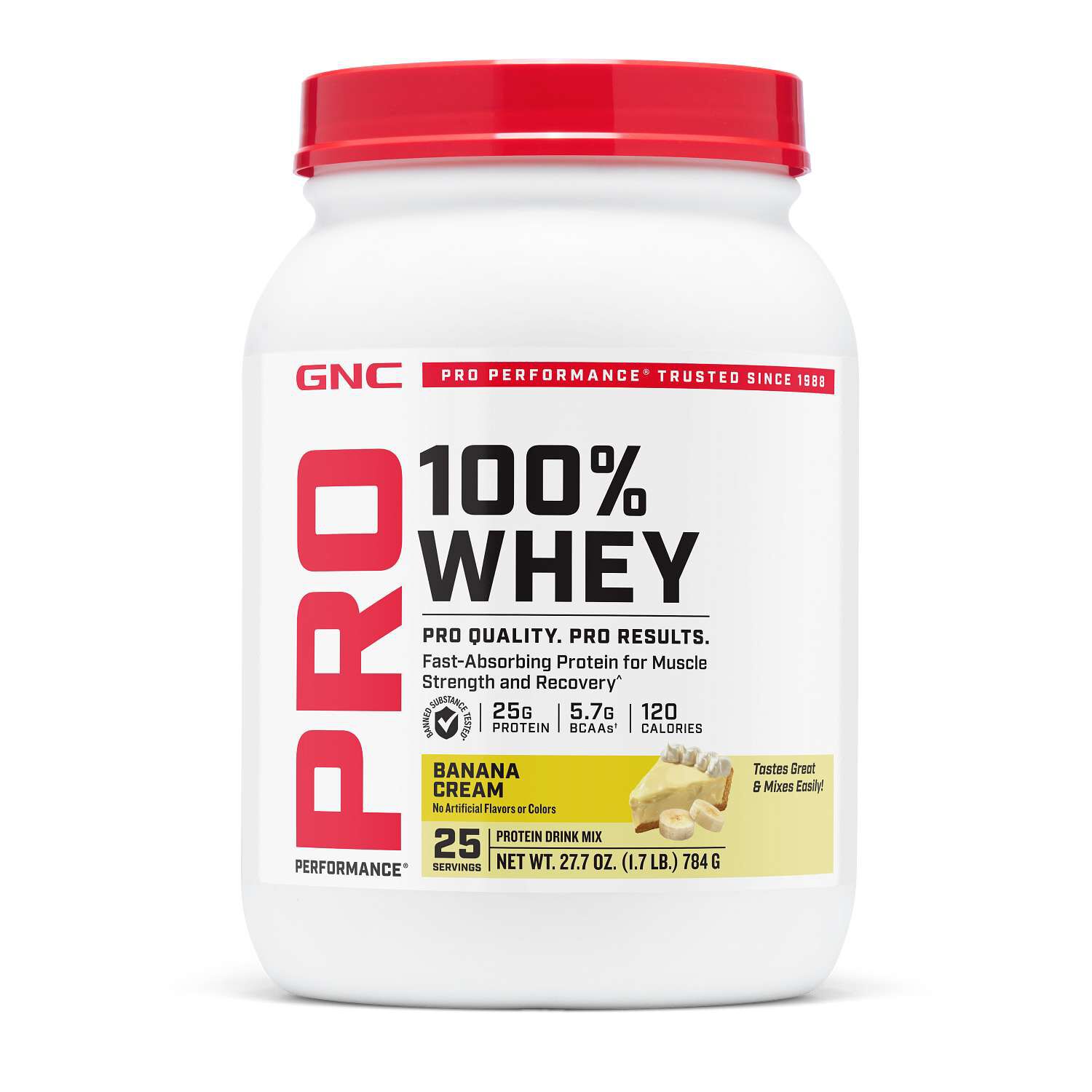
Sweet protein shakes bring familiar dessert flavors to a category that includes ready-to-drink beverages and powders intended for mixing. Chocolate, vanilla, strawberry, caramel, and cookies-and-cream profiles offer different expressions of sweetness, from a mellow vanilla finish to a richer cocoa taste. Some lean toward the character of a classic milkshake, while others have a lighter texture and a more pronounced fruit flavor. Dessert-inspired options often draw on notes of cinnamon, cookie dough, or cake batter without necessarily sharing the sugar content or ingredients of those foods. Flavor names describe the intended taste; the ingredient list and nutrition panel provide a clearer picture of what is inside. Protein, sugar, added sugar, calories, and serving size are useful points of comparison, especially when two similarly flavored shakes have different formulas. Sweetness also comes from different sources. Milk ingredients and fruit ingredients can contribute naturally occurring sugar, while other formulas include added sugar or sweeteners such as stevia, monk fruit extract, or sucralose. A shake with less sugar can still taste quite sweet, so sugar grams alone do not describe the drinking experience. Cocoa intensity, vanilla aroma, and the balance between sweetness and other flavor notes all matter. For someone who enjoys a chocolate dessert, a deeper cocoa profile may be more appealing than a very sweet chocolate flavor. A vanilla option may suit someone who prefers a gentler taste or wants a neutral starting point for blending with fruit. Strawberry and other fruit profiles offer another direction, with formulas ranging from creamy and milkshake-like to lighter and brighter. Ready-to-drink formats keep the preparation simple, while powder formats offer more control over the liquid used and the finished consistency. The distinction is practical: one is a prepared beverage with a defined serving, and the other is an ingredient whose texture and flavor depend partly on how it is mixed. Both belong in the sweet protein shake category, but they suit different preferences and routines.
Protein source is another meaningful difference among sweet protein shakes. Dairy-based formulas may contain milk protein, whey, casein, or a combination, while plant-based formulas may use pea, soy, rice, or blends of several sources. Whey and casein are proteins naturally found in milk, and their presence does not establish the sugar content, lactose content, or texture of every finished beverage. Those details depend on the formulation. For shoppers interested in dairy-based options, Milk Protein Shakes offers a related category to explore alongside flavor and format preferences. Ingredient lists and allergen statements matter for anyone avoiding milk, soy, peanuts, tree nuts, or other ingredients. A plant-derived protein source does not, by itself, describe every ingredient used in a flavored shake, and a dessert-style name may refer to flavoring rather than pieces of the named food. Texture deserves similar attention. Ready-to-drink shakes vary in thickness, and powders differ in how they disperse in liquid. Some produce a smooth, relatively light drink; others have a denser consistency or a more noticeable protein taste. With powders, the recommended liquid quantity provides context for the intended texture, while the selected liquid contributes its own flavor and nutritional characteristics. Water, milk, and plant-based beverages create different finished drinks, even when the same powder is used. Packaging also shapes everyday use. A single-serving bottle or carton is convenient for a lunch bag or a desk drawer when its storage directions permit, whereas a resealable powder container suits repeated preparation at home. Shelf storage, refrigeration after opening, and use-by information vary by format and belong to the individual label rather than the category as a whole. Powders generally require attention to keeping the container closed and using clean, dry utensils. Shaker cups and blender vessels also need cleaning after use, especially around lids, seals, and threads where residue can collect. These practical details matter as much as flavor when a shake becomes part of a regular routine.
The appeal of a sweet protein shake often comes down to how it fits an ordinary day. A prepared bottle may be convenient during a commute, alongside a packed lunch, or after a workout when mixing a drink is less practical. Powder may suit someone who already uses a blender in the morning or prefers preparing one serving at a time. Neither format requires a dessert occasion; the flavor is simply part of the beverage’s character. Someone who enjoys an afternoon chocolate drink might prefer a cocoa-forward shake, while a vanilla fan might favor a softer flavor that leaves room for other ingredients. For blended preparations, fruit, cocoa powder, cinnamon, and nut or seed butter introduce distinct tastes and textures, with their own contributions to the finished drink’s nutrition. Berries bring a fruit character, bananas add body and sweetness, and nut butter contributes a richer consistency. These additions are separate from the packaged product, so its nutrition panel describes the shake or powder as labeled, not every possible blended version. Serving size becomes particularly relevant here: a scoop, a bottle, and a prepared glass are not automatically equivalent portions. The number of servings in a container also affects how its listed protein and sugar amounts should be read. For many shoppers, everyday enjoyment depends on smaller sensory details as well—the aroma when the container opens, the thickness of the first sip, whether cocoa tastes rounded or bitter, and whether the sweetness lingers afterward. A shake that sounds appealing by flavor name may still differ from someone’s preferred texture or sweetness. Familiar flavors provide a useful starting point, but formulation determines much of the final experience. Sweet protein shakes offer room for both straightforward, grab-and-go routines and personalized blended drinks, with flavor, protein source, ingredients, serving information, and storage requirements helping distinguish one style from another. Those differences give the category its variety, from light fruit-flavored drinks to creamy dessert-inspired blends.
- Q: What makes a protein shake taste sweet?
A: Sweet protein shakes often contain natural or artificial sweeteners, such as stevia, sucralose, monk fruit extract, or sugar alcohols. Some shakes also use naturally sweet ingredients like cocoa powder, vanilla, or fruit flavors to provide a pleasant taste. - Q: Are there low-sugar options for sweet protein shakes?
A: Yes, many sweet protein shakes are formulated with low or no added sugar. Instead, they use alternative sweeteners to provide a satisfying flavor without the extra calories from sugar. - Q: Can I use sweet protein shakes as a meal replacement?
A: While some people use sweet protein shakes as meal replacements, it's important to check the nutrition label to ensure they provide adequate calories, vitamins, minerals, and fiber for a balanced meal. - Q: How can I make my homemade protein shake taste sweeter?
A: To make your homemade protein shake sweeter, you can add ingredients like ripe bananas, berries, honey, or a splash of vanilla extract. Alternatively, you can mix in a small amount of your preferred sweetener. - Q: Do sweet protein shakes come in different flavors?
A: Yes, sweet protein shakes are available in a wide variety of flavors such as chocolate, vanilla, strawberry, cookies and cream, and more. This allows you to choose the flavor that best suits your taste preferences.