Caffeine Tablets For Afternoon Slump
(0 Results)
Power through the midday dip with caffeine tablets for afternoon slump. When energy levels start to wane, these convenient options may offer the support needed to help you stay focused and alert. Perfect for busy days at work, study sessions, or when you simply want to feel more energized, caffeine tablets for afternoon slump could be a simple addition to your daily routine. Explore a variety of choices designed for those looking to tackle the afternoon slowdown and make the most of every day.
-

-

-

-

-
 Angry Supplements$24.99
Caffeine tablets for the afternoon slump offer a solid-form alternative to coffee, tea, and caffeinated drinks for adults who prefer a measured serving without preparing a beverage. The familiar lull between lunch and the end of the workday can show up during a long stretch of reading, a desk full of paperwork, or an afternoon of back-to-back meetings. Caffeine may support alertness during these moments, although the experience can vary with individual sensitivity, existing caffeine habits, and timing. A tablet is a different format for consuming caffeine, not a substitute for sleep, meals, or time away from a screen. Its practical appeal is straightforward: there is no brewing, mixing, or flavor to choose, and the package identifies the caffeine amount associated with a serving. That makes the label more useful than assumptions based on tablet size or bottle appearance. Caffeine content is expressed in milligrams, while serving size identifies how many tablets the listed amount represents; those details belong together when comparing options. A serving is not necessarily one tablet, and equal-looking tablets do not necessarily contain equal amounts of caffeine. Bottle count describes the number of tablets in the container, which can differ from the number of labeled servings. Coffee comparisons are less precise because caffeine content varies with the beverage, preparation method, and portion size. For shoppers considering an alternative to a coffee run, the relevant distinction is therefore not simply tablets versus cups, but the labeled caffeine amount and how the format fits an established routine. An adult who likes the ritual of an afternoon latte may value something different from someone who prefers an unflavored tablet alongside water. Neither format changes the importance of understanding what the product contains. The most useful comparison starts with clearly stated ingredients, serving information, and intended use rather than expectations of a particular strength or speed of effect.
The formula and physical design also distinguish caffeine tablets from one another. Some formulas center on caffeine alone, while others combine it with additional ingredients. Those additions deserve their own attention rather than being treated as interchangeable extras, since a longer ingredient list does not automatically mean a better match for an afternoon routine. The Supplement Facts panel, where applicable, describes the listed dietary ingredients and amounts, while the other-ingredients section identifies components used to make the tablet. Binders, coatings, and similar ingredients help give tablets their shape and structure; their presence is separate from the stated caffeine content. Shoppers with dietary preferences can look for explicit labeling rather than assuming that every tablet uses the same ingredients. Tablet dimensions, shape, and coating are practical considerations, too, especially for someone who already has a preferred supplement format. Product descriptions sometimes include these details, but a photograph alone cannot establish how a tablet will feel to take. Tablets and capsules are distinct formats even when both appear in searches for caffeine pills, so the stated form is worth noting. Packaging matters in everyday use as well. A clearly printed label and a secure closure are useful features for a bottle that moves between a home cabinet and a work bag. Keeping tablets in their original, labeled container preserves access to directions, ingredient information, and the expiration date instead of leaving loose tablets to identify later. Storage conditions should match the package directions, and a container with an intact seal provides an important point of inspection before use. Moisture exposure and rough handling are relevant care considerations for solid tablets; portability does not mean that the contents are suited to every storage environment. For desk-based routines, the appeal is often a compact package with no preparation equipment, while shared homes and workplaces also call for thoughtful storage away from children. These ordinary details can matter as much to day-to-day convenience as the front-label description.
Choosing caffeine tablets for an afternoon routine also involves looking beyond the tablet itself. A morning mug of coffee, lunchtime tea, and a caffeinated workout supplement can all contribute caffeine within the same day, even though they occupy different places in a routine. The amount listed on a tablet bottle describes that product, not caffeine consumed from other sources. Personal response can differ, and a tablet with a larger stated amount is not automatically a more suitable choice. Timing is particularly relevant to the afternoon theme because caffeine may affect sleep later in the day, and an early-afternoon pause is not the same occasion as finishing tasks close to bedtime. The product’s directions and caution statements provide the appropriate reference for its intended use; the theme of a shopping page is not a serving recommendation. There is also no single onset or duration that every shopper can expect, and a tablet format alone does not establish how quickly someone might notice an effect. For an adult sorting through options before a long administrative afternoon, useful comparison points include the caffeine amount per labeled serving, whether other ingredients are included, the tablet format, and the clarity of the package information. For someone whose schedule includes frequent travel between offices, container size and readable labeling may carry more practical weight than flavor choices associated with drinks. Shoppers interested in a related workday context can also explore Caffeine Pills for Increased Productivity, keeping the same attention on formula details and intended use. Caffeine may support alertness, but it does not establish the quality of a finished presentation, the accuracy of a spreadsheet, or the value of another hour spent at a desk. Those outcomes depend on much more than a supplement. Viewed in that context, caffeine tablets are a specific product format for adults considering caffeine during the afternoon, with differences best understood through transparent labeling, practical packaging, and realistic expectations rather than sweeping performance claims.
Best Sellers
-
 Gorilla Mind
-
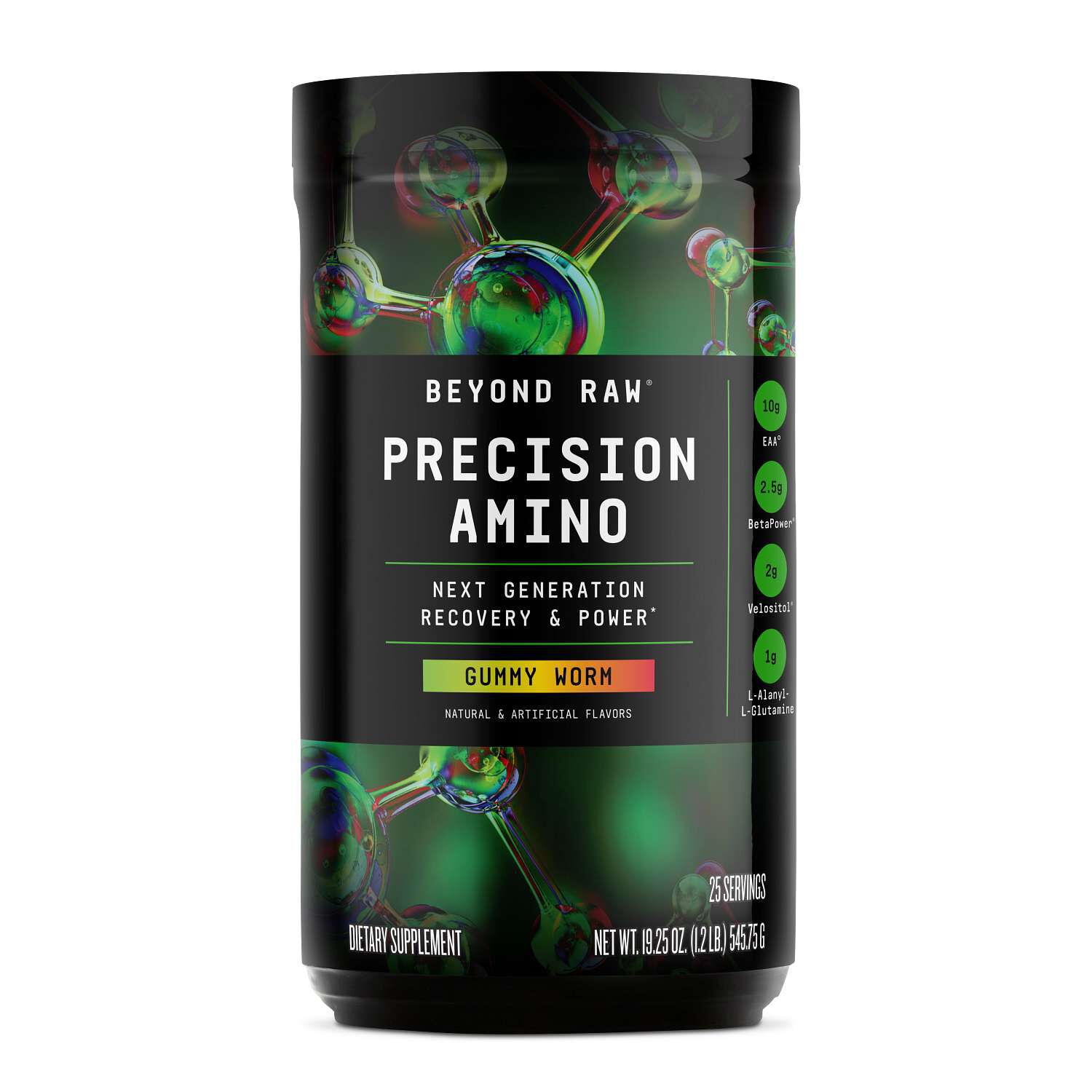 Beyond Raw