





Calcium D3 Supplements For Healthy Living
(0 Results)
Calcium D3 supplements for healthy living could be a convenient way to support your wellness routine. These supplements may help you meet your daily nutrient goals, especially when paired with a balanced diet and active lifestyle. With a variety of options available, finding the right fit for your needs has never been easier. Explore calcium D3 supplements for healthy living and discover how they might complement your journey toward overall well-being.








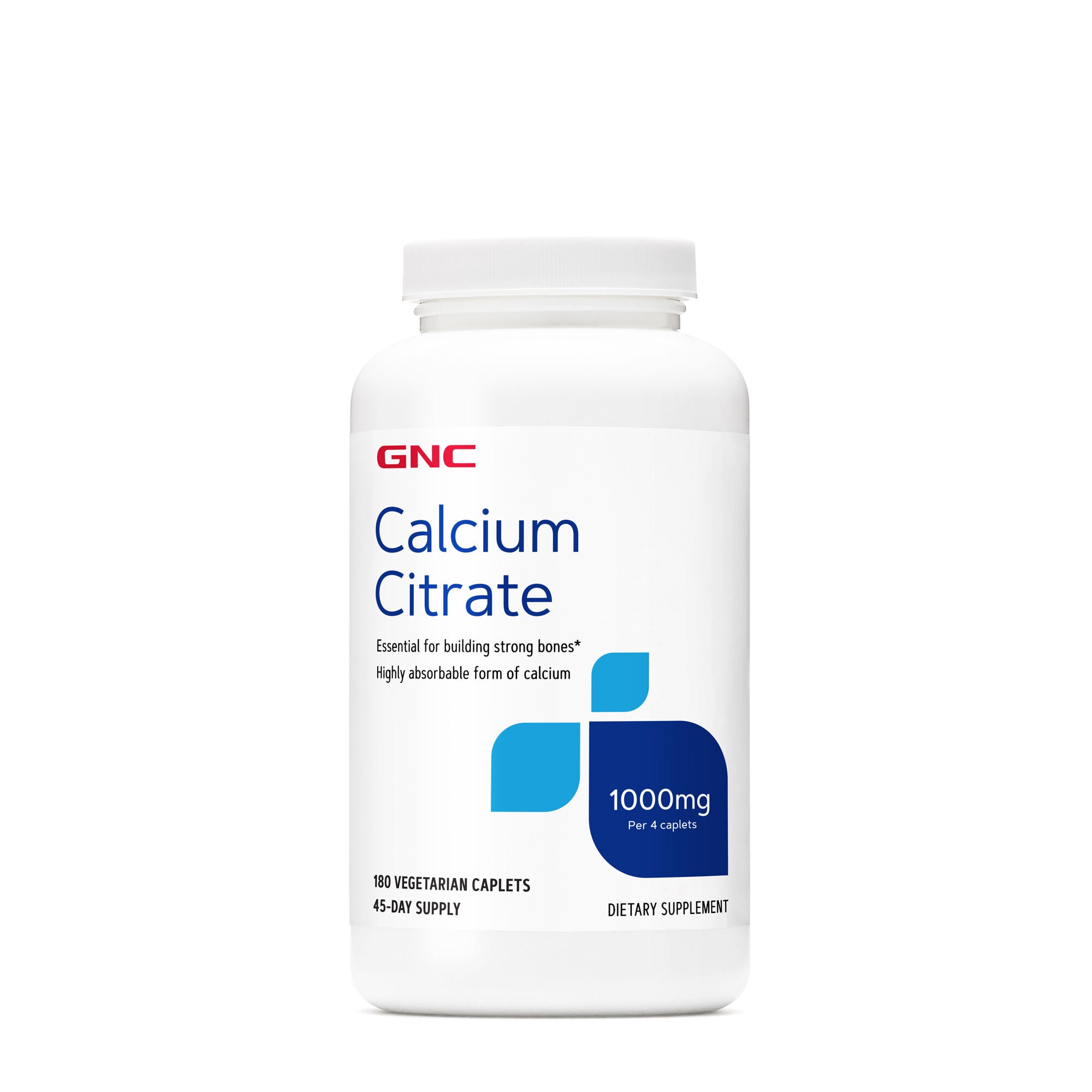



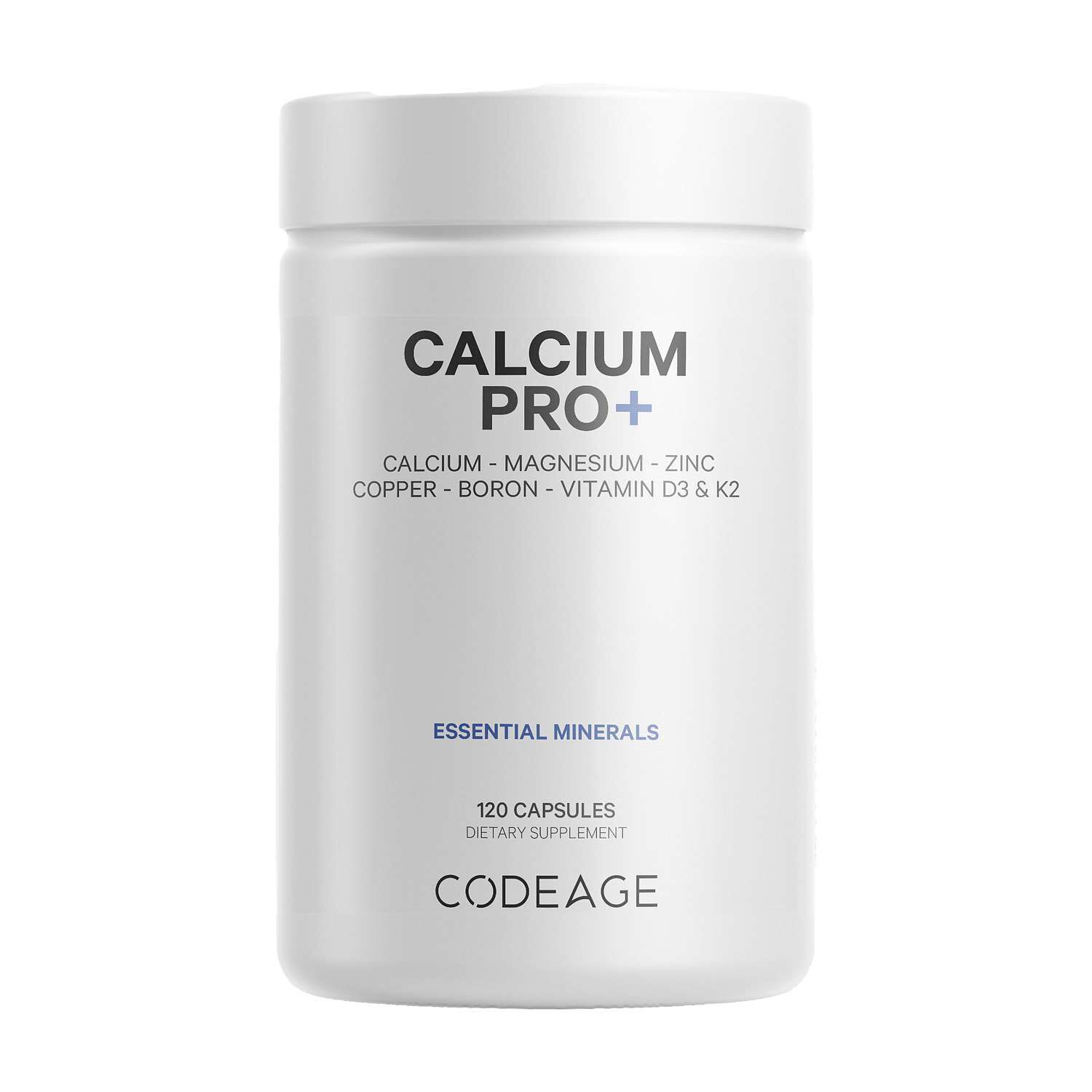

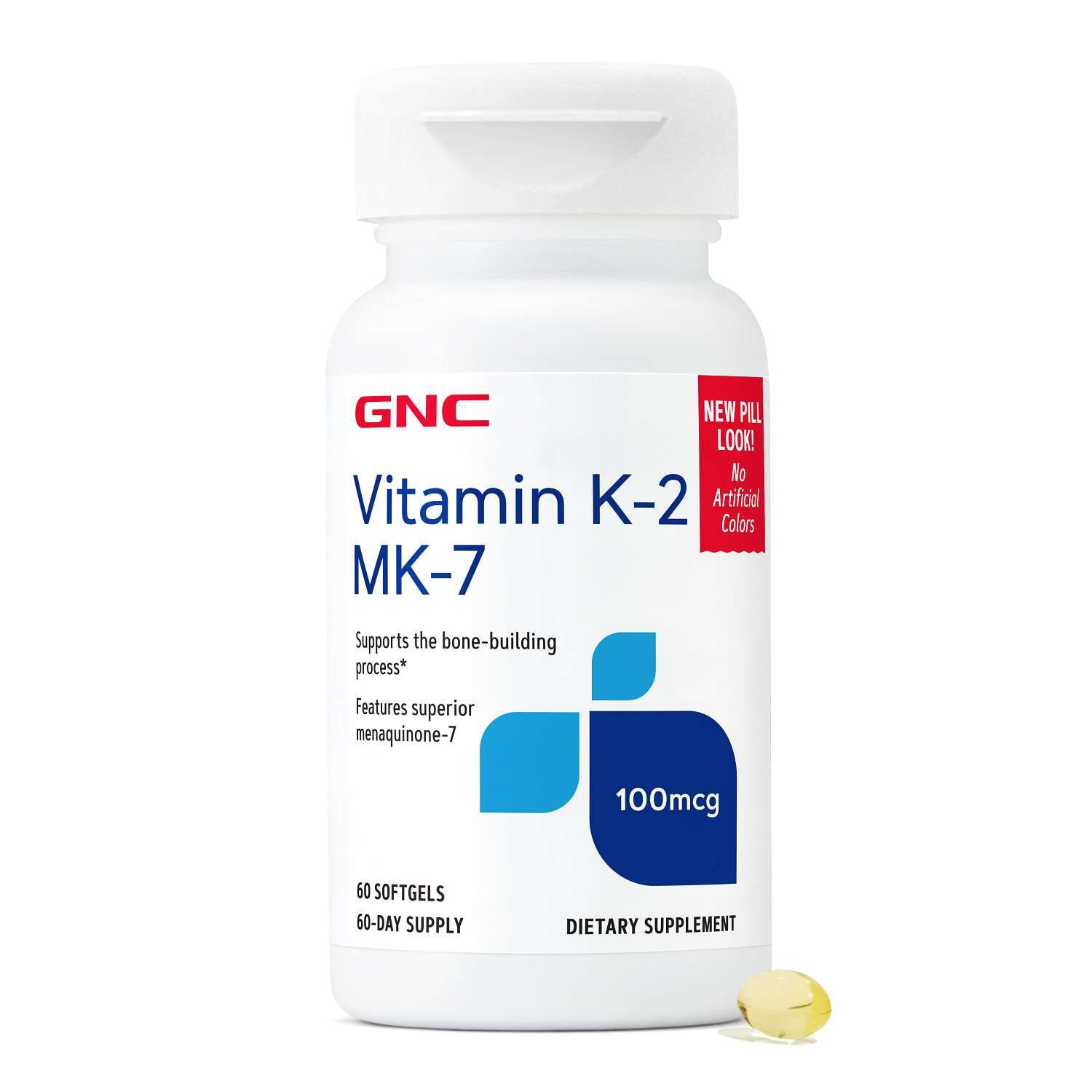
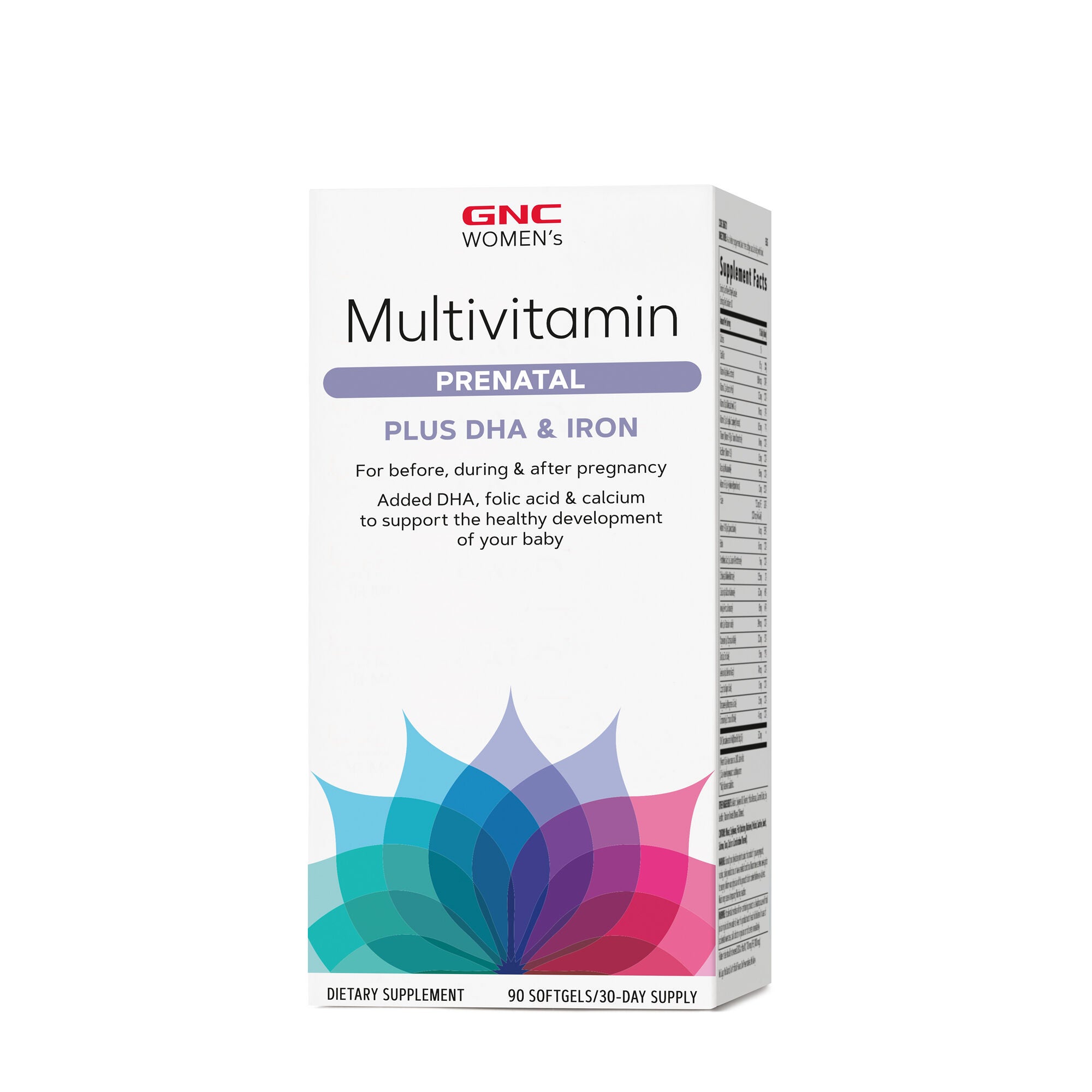


Calcium D3 supplements may offer a convenient way to add two familiar nutrients to a wellness routine focused on bones, teeth, and everyday nourishment. Calcium may help support the structure of bones and teeth, while vitamin D3 may help the body absorb and use calcium. Together, these nutrients could complement a varied eating pattern that includes foods such as dairy products, fortified beverages, leafy greens, beans, tofu, fish, and other sources of calcium. A supplement may be useful for adults whose meals do not regularly include these foods, people with busy schedules, or anyone looking for a simple addition to an established vitamin routine. These products may also appeal to shoppers choosing a practical gift for a parent, grandparent, partner, or friend who enjoys taking an organized approach to personal wellness. Rather than treating a supplement as a replacement for balanced meals, many people use calcium D3 products as one small part of a broader routine that can include nutritious food, regular movement, time outdoors, hydration, and restful sleep. During the cooler months, when routines often shift indoors and meals may become more repetitive, a clearly labeled supplement can provide an easy reminder to keep nutrition habits consistent. When browsing Calcium D3 Supplements For Healthy Living, shoppers may wish to consider the serving size, the amount of calcium provided per serving, the form of calcium, the presence of vitamin D3, and whether the format fits comfortably into the rest of the day.
The form of calcium may influence how a product fits into an individual routine. Calcium carbonate generally contains a higher proportion of elemental calcium and is commonly taken with a meal, while calcium citrate may be taken with or without food and may suit shoppers who prefer more flexibility around mealtimes. Since products vary, reading the Supplement Facts panel and the directions on each label can help shoppers compare options with care. Some formulas come as tablets, softgels, chewables, or other convenient formats, so texture, size, flavor, and ease of swallowing may matter just as much as the nutrient profile. Vitamin D3 is included because it may help the body make use of calcium, but more is not always better for every person. Dietary habits, age, life stage, medications, and other supplements can all affect which choice makes sense. A pharmacist or qualified healthcare professional may help answer personal questions, especially for anyone managing a health condition, taking prescription medicine, following a restricted diet, or considering calcium D3 for a child or older adult. It may also be helpful to review the calcium found in food before choosing a product, since a supplement works alongside meals rather than separately from them. Following the label directions can help shoppers understand whether a product is intended for one serving or several servings across the day. Some people prefer splitting calcium into smaller servings because the body may handle moderate amounts more comfortably than one large serving. Taking a product with a full glass of water may also make it easier to include in a morning, midday, or evening routine, depending on the label instructions and personal preference.
A thoughtful shopping experience begins with realistic expectations and a routine that feels easy to maintain. Someone who already takes vitamins with breakfast may prefer a product that fits beside a morning meal, while another shopper may find an evening routine more memorable after brushing their teeth or preparing tomorrow’s lunch. Keeping the container in a visible, dry place may serve as a helpful reminder, though products should be stored according to the package directions and kept out of reach of children. Shoppers comparing options may look for clearly listed calcium and vitamin D3 amounts, serving guidance, allergen information, dietary statements, and directions that match their habits. Digestive changes such as constipation or an upset stomach may occur with some formulas, and individual tolerance can vary. Anyone who feels unwell after starting a supplement should pause and speak with a healthcare professional rather than changing the serving on their own. A professional may also help clarify how calcium D3 fits with other vitamins, minerals, or medicines, since timing can matter for some people. For a straightforward look at products in this category, explore Calcium D3 Nutrition. Whether chosen for personal use or as a considerate gift, these supplements may provide a practical option for people building a daily wellness plan around bone, tooth, and muscle support. The best choice is one that suits personal needs, follows clear label directions, and feels simple enough to use consistently through changing routines and cooler seasons.

