





Calcium Magnesium Vitamin D3 For Summer Fitness
(0 Results)
Calcium magnesium vitamin d3 for summer fitness could be a valuable addition to your seasonal wellness routine. Whether you’re enjoying outdoor activities or focusing on your fitness goals, these essential nutrients may support your body’s needs during the warmer months. Explore options that are designed to complement an active lifestyle and help you make the most of your summer fitness journey.
-
 $20.99
-

-

-

-

-
-
 Trace Minerals$29.99
-

-

-
 $39.99
-
 Nature's Fusions$29.99
-
 $20.99
-
 Nature's Fusions$29.99
-
 Portions Master$29.99
-

-


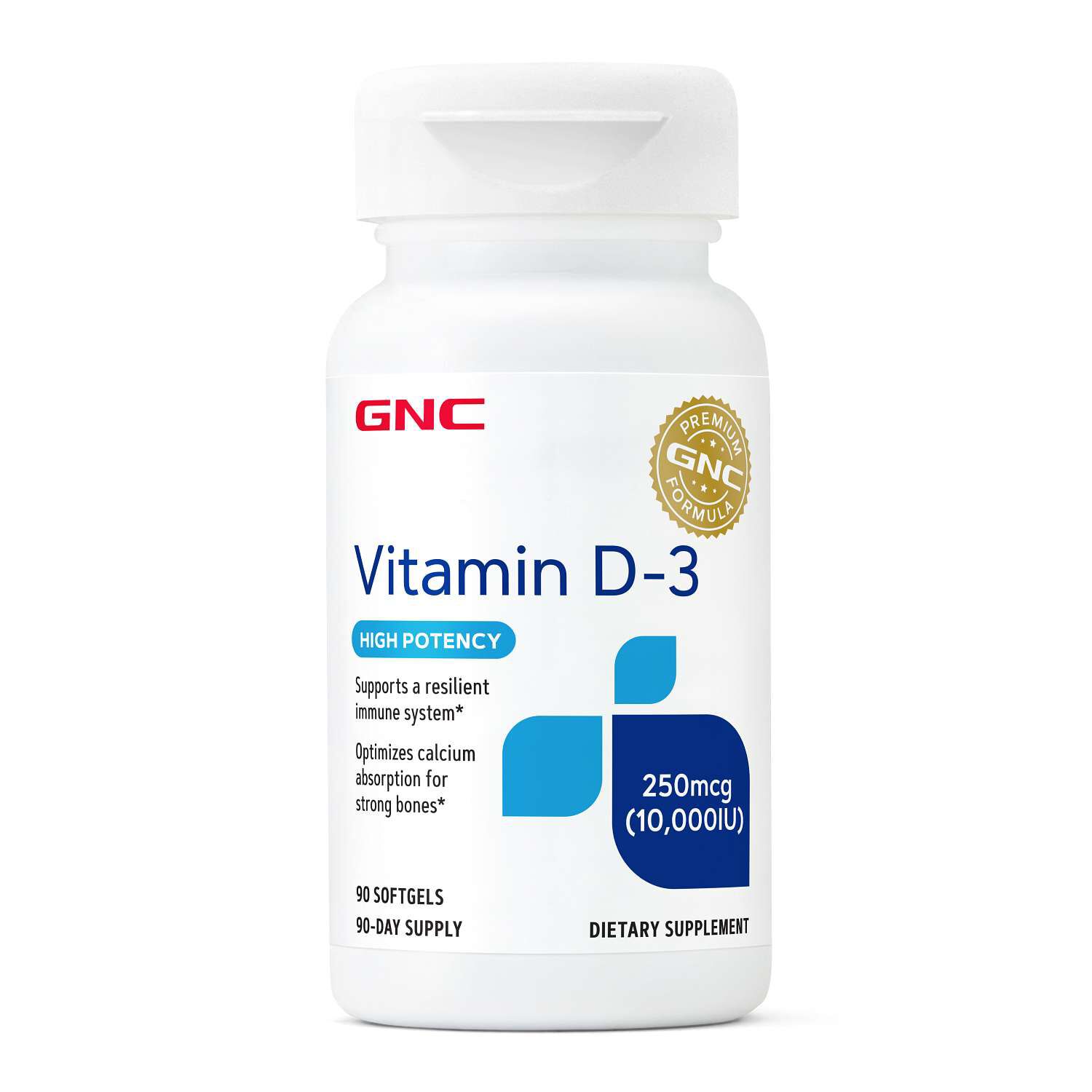
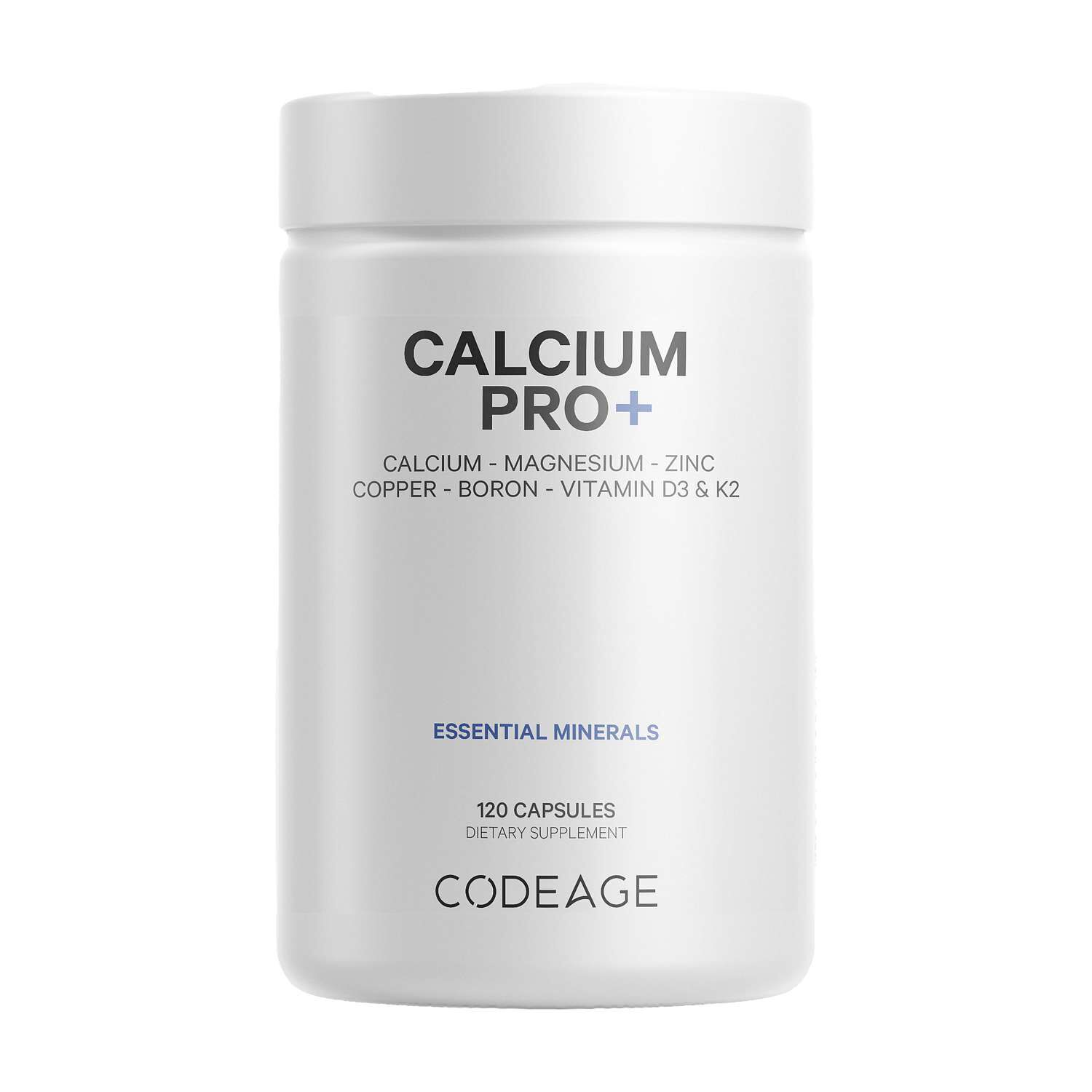
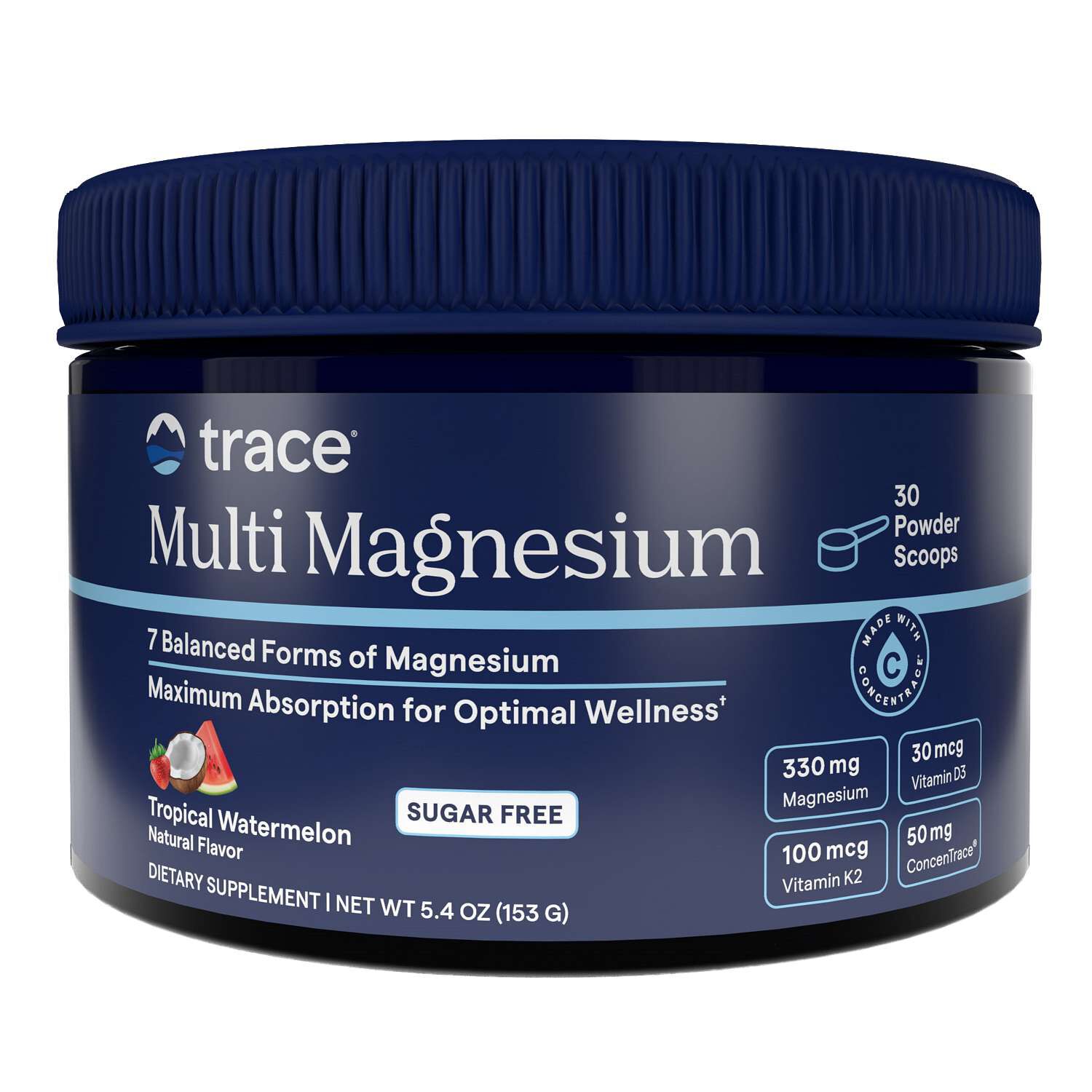
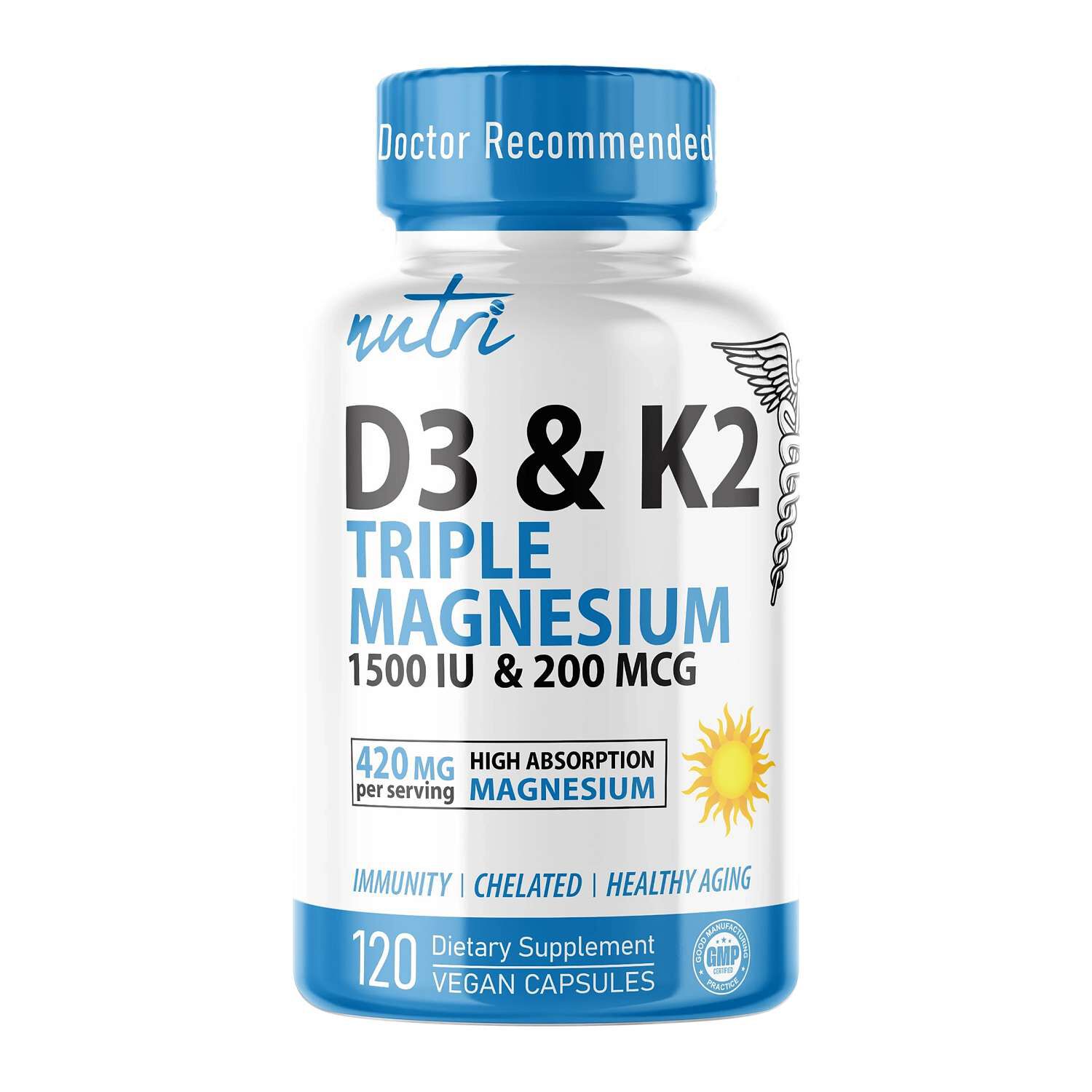
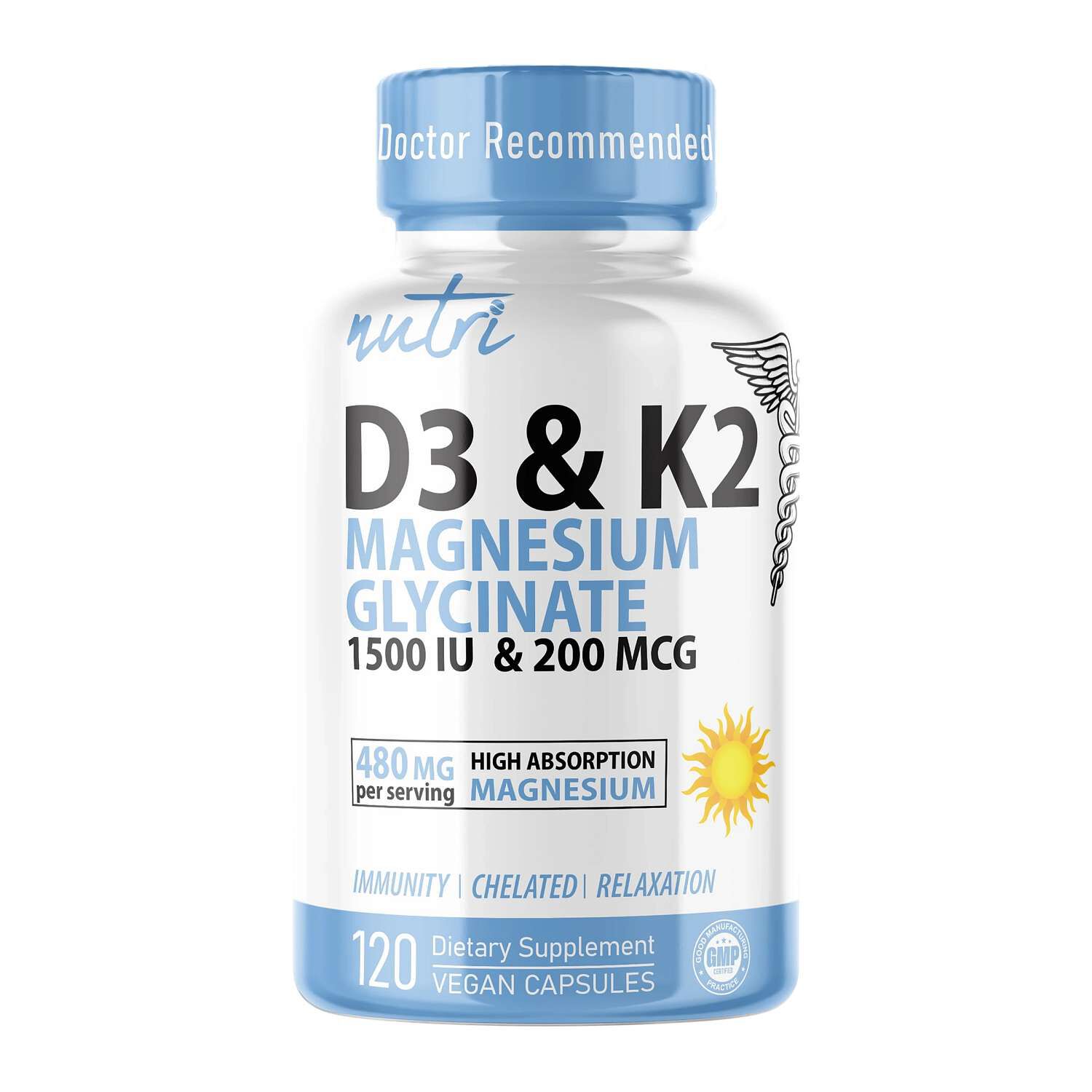
Summer fitness can mean early walks around the neighborhood, laps at an outdoor pool, strength sessions between errands, or weekend hikes with a packed lunch. Calcium, magnesium, and vitamin D3 supplements may complement everyday nutrition for adults who enjoy these routines. Calcium and magnesium are minerals, while vitamin D3 is a fat-soluble vitamin; together, they appear in combination formulas designed for nutritional supplementation. Their presence in the same category does not make every formula interchangeable. Amounts, ingredient sources, serving sizes, and formats can differ considerably, giving shoppers several ways to compare options against their established preferences. For someone organizing a summer fitness routine, the practical appeal may be a combination format rather than separate bottles for each nutrient. Others may prefer individual nutrients because they want to evaluate each ingredient separately. Neither approach is defined by a particular sport: a recreational cyclist, a regular gym visitor, and someone returning to neighborhood walks may all browse this category for different reasons. The most useful distinctions are often on the label rather than in imagery of runners, beaches, or trails. A formula’s calcium-to-magnesium ratio describes its proportions, while its listed vitamin D3 amount provides another point of comparison. Those details matter more to the shopping experience than whether the packaging depicts a demanding workout or a relaxed afternoon outdoors. Summer is the setting for the activity, not a reason to assume that every active adult wants the same supplement. These products are best understood as one part of a broader nutrition routine, alongside familiar foods, rather than as a replacement for meals or a shortcut to fitness results. That perspective leaves room for different schedules and food preferences, from breakfasts before a morning swim to dinners after a recreational softball game. It also keeps the focus on choosing a format that fits ordinary life, not just the most ambitious day on a training calendar.
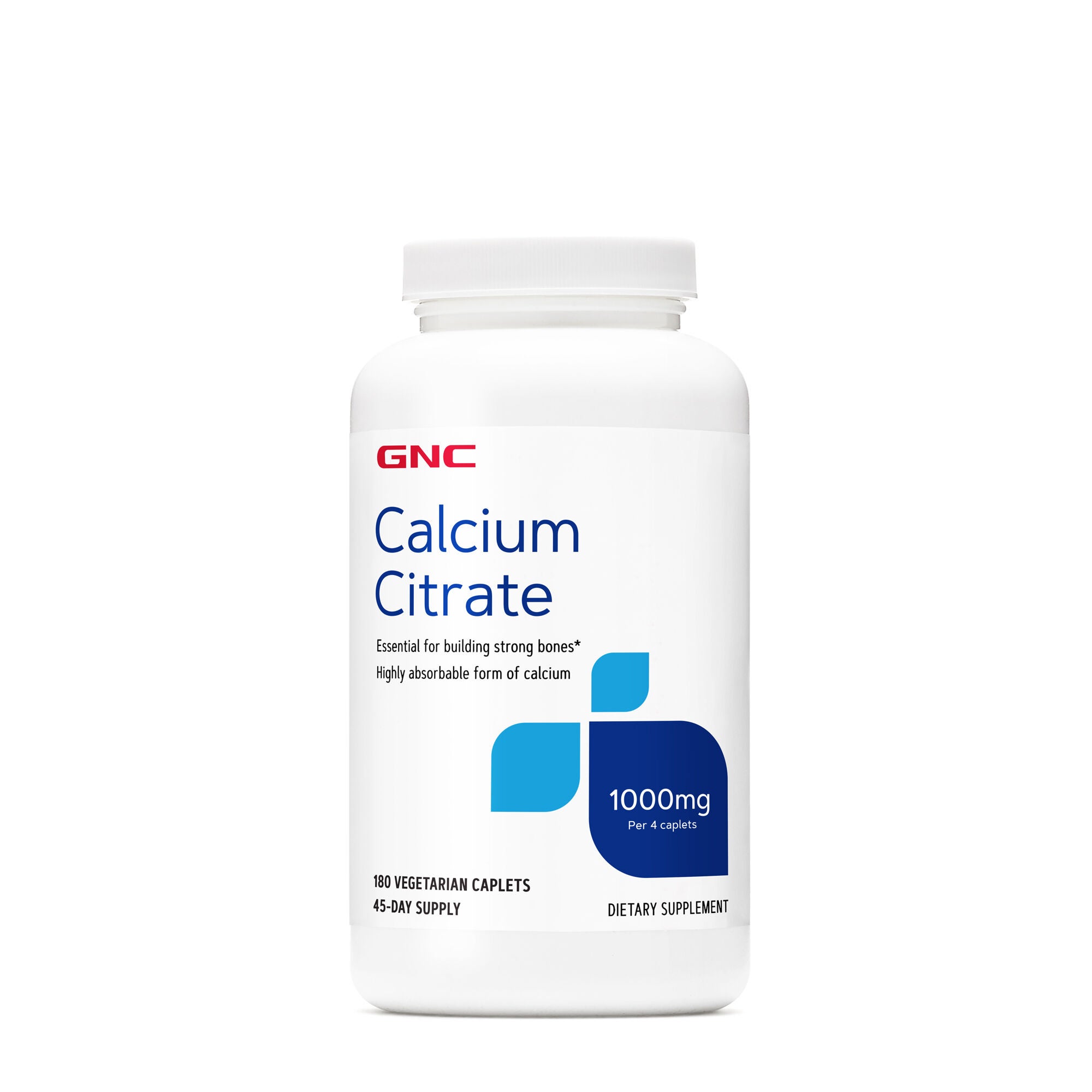
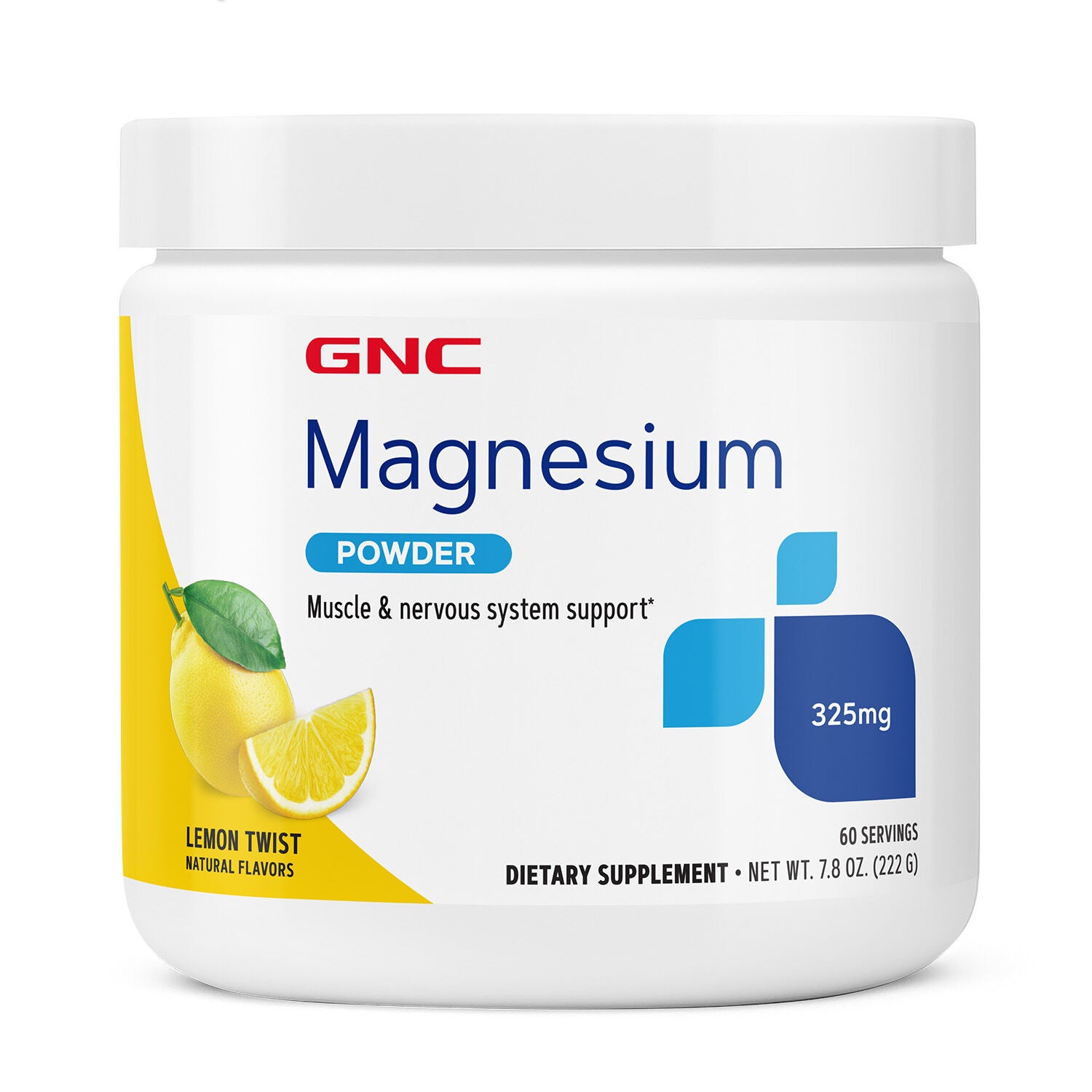
The differences between calcium, magnesium, and vitamin D3 supplements become clearer when format and ingredient details are considered together. Tablets, capsules, softgels, chewables, gummies, and powders offer different textures and handling characteristics. A tablet-based format may appeal to someone who prefers a straightforward bottle-and-water routine, while a chewable or gummy format may appeal to someone who values flavor and texture. Powders involve additional preparation, with mixing directions and serving measurements that deserve attention during comparison. A gummy’s piece count is not necessarily the same as its serving count, and a bottle containing many tablets may represent fewer servings than its appearance suggests. Serving size, servings per container, and amounts per serving provide a more consistent basis for comparison across formats. Calcium may appear as calcium carbonate or calcium citrate, while magnesium may appear as magnesium oxide, magnesium citrate, magnesium glycinate, or other compounds. These names identify ingredient forms; they do not, on their own, describe how well a formula matches an individual shopper’s preferences. Vitamin D3 may also be listed as cholecalciferol, with sourcing information sometimes provided elsewhere on the label. For shoppers who prefer plant-derived ingredients, the source of vitamin D3 and the material used for a capsule or softgel shell are separate details worth distinguishing. Gelatin, plant-derived capsule materials, sweeteners, colors, and flavoring ingredients can influence whether a format aligns with personal food choices. Gummies and chewables may have a fruit flavor or a more pronounced sweetness, while powders may have a texture that varies with the preparation method. The ingredient list and package directions help make those differences more concrete. Dietary statements, allergen information, and any testing certifications are also useful comparison points when they appear on the packaging. Rather than assuming that similar front labels describe identical formulas, shoppers can look at the serving information and ingredient details together. That approach makes the category easier to navigate without relying on broad descriptions that overlook meaningful differences in composition and daily handling.
Intended use and storage are practical parts of choosing supplements for a summer fitness routine, particularly when days involve a gym bag, a road trip, or several hours away from home. A container that stays on a kitchen shelf has a different day-to-day role from one packed for a weekend at a rental cabin. Package dimensions, closure style, and the space needed for a serving can affect how conveniently a format fits into those settings. Storage instructions and date markings provide the product-specific information, while an intact seal and a securely closing container are relevant packaging details. Summer activities also introduce conditions that make storage worth considering: a parked car, a sunlit windowsill, or the bottom of a damp swim bag is not equivalent to a typical indoor cabinet. Gummies and softgels have different physical characteristics from dry tablets or capsules, so one storage assumption should not be applied to every format. The package’s stated conditions remain the reference point. Routine fit extends beyond portability, too. A person who values a short ingredient list may compare formulas differently from someone who prioritizes a flavored chewable, and someone packing for a hiking weekend may place more emphasis on container size than someone browsing for home use. A manageable routine may be easier to maintain when the format matches those everyday preferences, although consistency alone does not establish a particular fitness outcome. For a related category centered on another shopping interest, Calcium Magnesium Vitamin D3 for Energy Support offers another way to browse these nutrients. Across either category, the clearest comparisons come back to ingredient forms, labeled amounts, serving size, dietary preferences, and package directions. Whether summer activity means garden walks, indoor training, lakefront cycling, or casual games with friends, those concrete details give calcium, magnesium, and vitamin D3 supplements a practical place in the shopping process without making any one formula the defining feature of an active lifestyle.
Best Sellers
Related Pages

Top Collections
- Zinc Supplements | Top Brands at Great Prices | GNC
- Cortisol Supplements
- Joint Mobility Supplement Packs
- NAD+ Supplement Tablets
- Best Brand of Magnesium Glycinate
- Top Rated Collagen | Shop Customer Favorites | GNC
- Iron Supplements
- Peptide Supplements
- Protein Powders For Muscle Growth Support
- Vitamins That Help Support Weight Gain