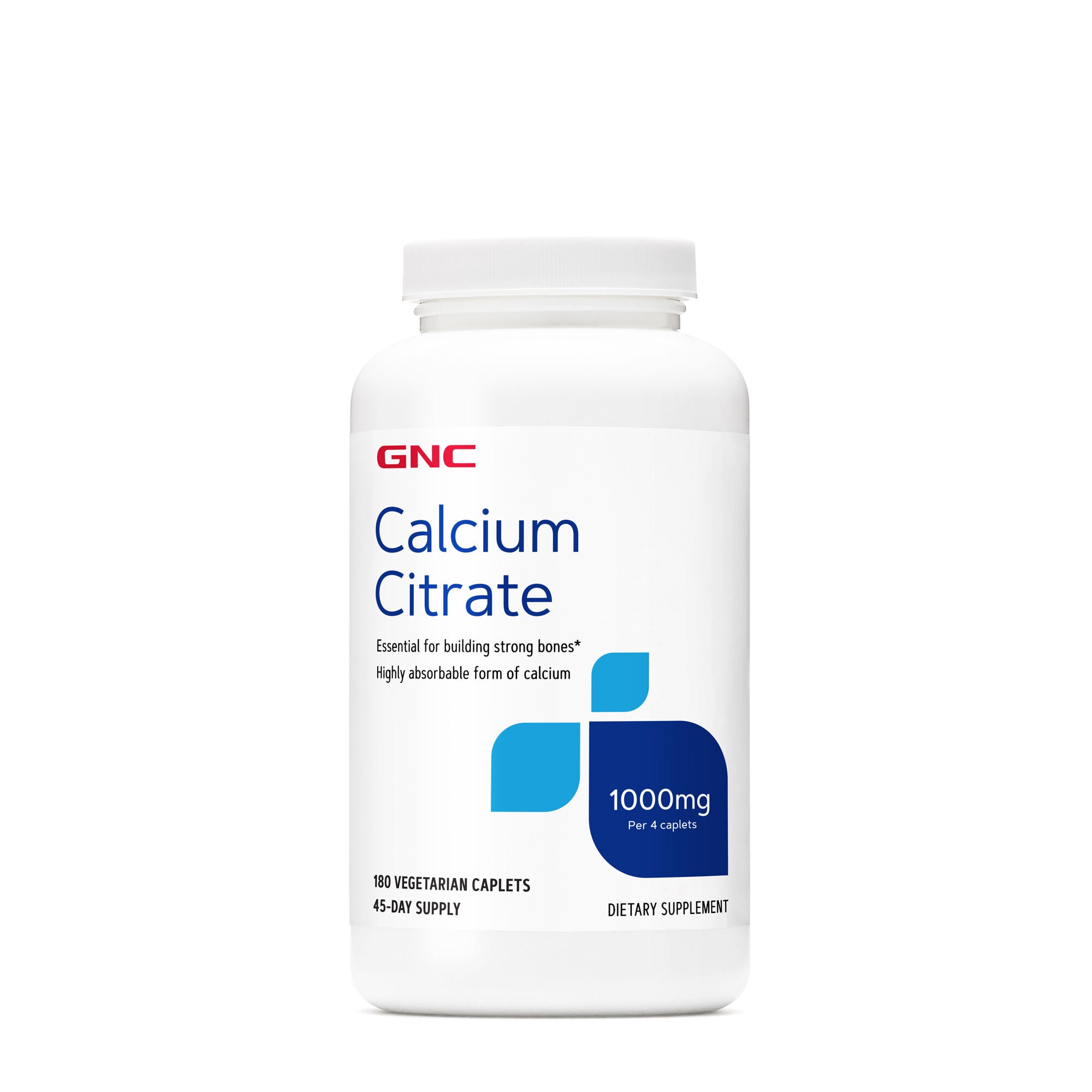
Calcium Magnesium Vitamin D3 For Athletes
(0 Results)
Calcium magnesium vitamin d3 for athletes could play a supportive role in any active lifestyle. These essential nutrients may contribute to overall well-being and help maintain balance during intense training or competition. Explore a variety of options designed to fit your daily routine and nutritional goals, so you can stay focused on reaching your peak performance.
-

-
-

-
-

-

-

-

-
 $39.99
 -
 $20.99
 -

-

-

-

-
 Portions Master$29.99
 -
 $29.99


Calcium magnesium vitamin D3 for athletes brings together two minerals and a form of vitamin D in supplements designed for everyday nutritional routines. These nutrients are often grouped together because their roles overlap: calcium may support the maintenance of bones and normal muscle function, magnesium may support normal muscle function and energy metabolism, and vitamin D3 may support calcium absorption and bone health. For runners, cyclists, strength-training enthusiasts, and recreational athletes, that combination may complement a varied eating pattern without serving as a substitute for meals, rest, or thoughtful training. The category includes combined formulas as well as different serving formats, so the most useful distinctions often come down to nutrient amounts, ingredient sources, and how a supplement fits into an established routine. An athlete packing breakfast before an early pool session may have different format preferences from someone eating dinner after an evening lifting session. Neither schedule makes one formula universally better. The relationship between the nutrients also does not mean every athlete needs the same proportions or serving size. Dietary patterns differ, and calcium, magnesium, and vitamin D can also appear in foods and other supplements. Dairy foods and fortified alternatives are familiar sources of calcium; nuts, seeds, beans, and whole grains contain magnesium; and vitamin D appears in certain fish and fortified foods. A combination supplement may offer another way to incorporate these nutrients, but its role depends on the broader eating pattern. For shoppers comparing calcium, magnesium, and D3 supplements for athletic use, the label provides a more meaningful starting point than a sport-focused name or an ambitious front-panel description. The distinction between a nutrient’s general nutritional role and a finished formula’s performance is important, too. A combination of these ingredients should not be read as evidence of faster race times, heavier lifts, or a particular training outcome. Its place in an athlete’s routine is primarily nutritional, with practical differences in composition and format shaping the shopping decision.
Formulation details help distinguish supplements that otherwise look similar. Calcium may appear as calcium carbonate or calcium citrate, while magnesium may appear as magnesium oxide, magnesium citrate, or magnesium glycinate, among other forms. Vitamin D3 is also called cholecalciferol, a name often found in the ingredient listing. These ingredient names identify different forms rather than establishing a universal ranking for athletes. The Supplement Facts panel lists nutrient amounts per serving, and that serving may contain more than one tablet, capsule, or chew. A bottle with a larger count therefore does not necessarily contain more servings than a bottle with a smaller count. Calcium and magnesium amounts are generally listed in milligrams, while vitamin D may be shown in micrograms alongside international units. Comparing matching units and serving sizes makes differences between formulas easier to understand. The listed amount of a mineral also differs from the weight of the entire ingredient compound, which is why the nutrient amount on the Supplement Facts panel is particularly useful. Proportions vary across calcium magnesium vitamin D3 combinations, and a formula with more of one nutrient is not automatically a better match for a demanding training schedule. Other ingredients matter for everyday fit as well. Capsules may contain gelatin or plant-derived shell materials, while chewable formats may include flavorings, sweeteners, or added sugars. Vitamin D3 can come from sources such as lanolin or lichen, making source information relevant to shoppers with vegetarian or vegan preferences. An ingredient list, allergen statement, and clearly stated dietary designation offer different pieces of information; one does not replace the others. Texture, tablet dimensions, flavor, and the number of units in a serving can be just as relevant to consistent use as the nutrient combination itself. Someone who already carries several containers in a work bag may value a compact format, while another shopper may prefer a chewable texture. Those are practical preferences rather than measures of nutritional quality. The best comparison keeps ingredient composition separate from convenience, allowing both to inform the choice without confusing one for the other.
For athletic routines, intended use and product handling add another layer to the comparison. Calcium magnesium vitamin D3 supplements belong to a different category than carbohydrate gels, protein powders, and drinks designed around a workout. They should not be treated as interchangeable simply because each may appear in a gym bag or sports nutrition cabinet. A distance runner organizing nutrition for a long outing, a basketball player heading to practice, and a recreational lifter preparing meals may all encounter this nutrient combination, but their sport alone does not determine which formulation fits. Existing multivitamins and other combination supplements may contain some of the same nutrients, making overlapping ingredient amounts a relevant label detail. For competitive athletes, clearly identified third-party testing programs can also be a useful distinction. Some certifications focus on ingredient verification, while others include screening relevant to sports participation. The scope of a named program matters more than a general quality statement, and certification should not be interpreted as evidence of improved athletic performance. Packaging deserves similar attention. A legible label, intact closure, visible expiration date, and accessible storage directions are practical features for a supplement used repeatedly over time. Original packaging keeps serving information and ingredient details attached to the contents, which is especially useful when organizing a kitchen cabinet or packing for travel. Storage conditions vary by formulation, and the manufacturer’s directions are the appropriate reference for maintaining the product as intended. For shoppers browsing related collections, Calcium Magnesium Vitamin D3 For Summer Fitness offers another way to explore this nutrient combination within an activity-focused category. Across these collections, the meaningful comparison points remain the same: the amount of each nutrient per serving, the forms used, dietary compatibility, serving format, and transparent product information. These details make the category easier to navigate without tying the decision to a single sport or an overstated performance message. A well-matched supplement is one whose composition and practical requirements make sense within the shopper’s established approach to food, training, and everyday nutrition.