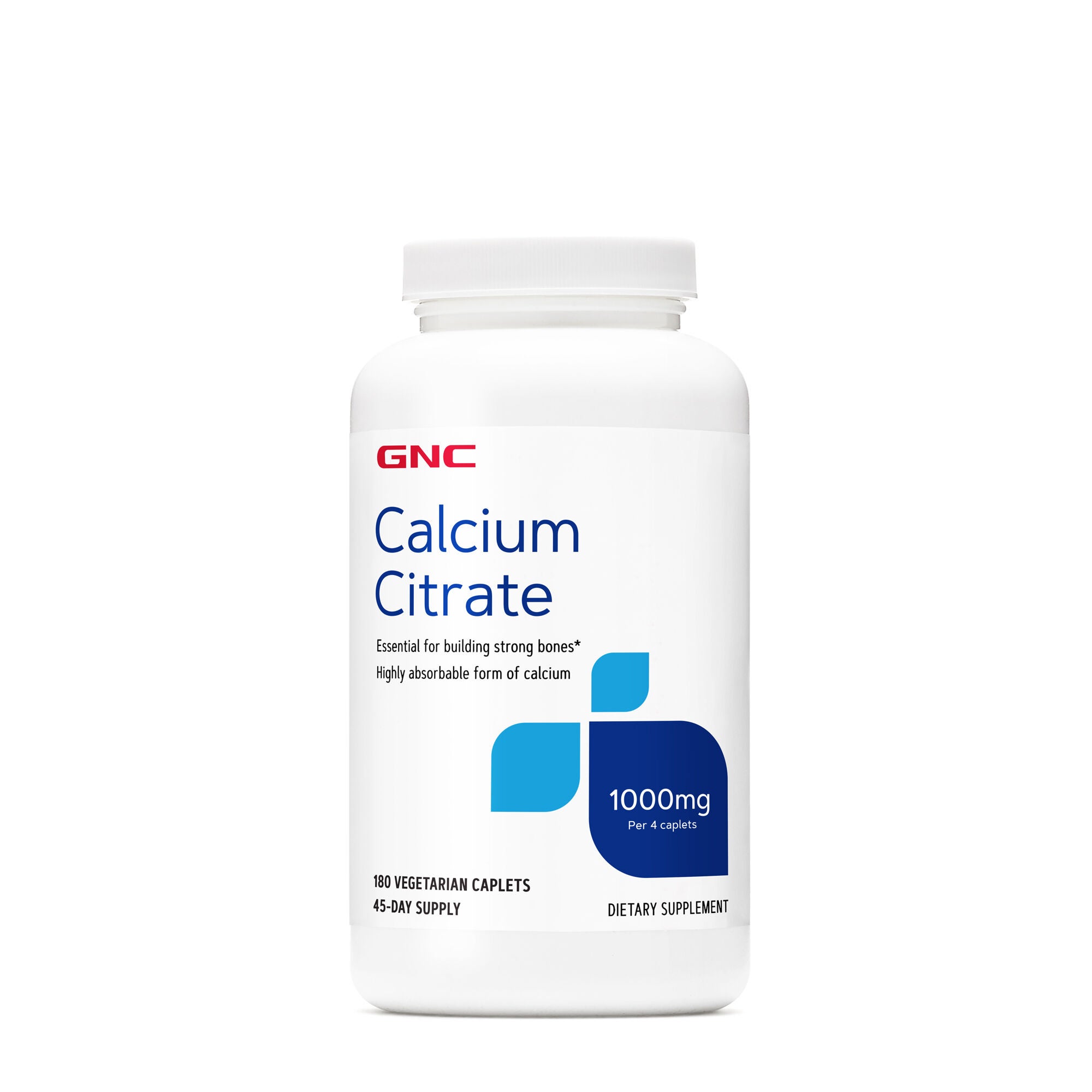
Calcium Magnesium Zinc Vitamin D Supplements
(0 Results)
Calcium magnesium zinc vitamin D supplements are a popular choice for those looking to support their overall wellness routines. These convenient supplements combine several important nutrients into one formula, making it easy to add them to your daily regimen. Whether you're seeking options in tablet, capsule, or chewable form, there are a variety of calcium magnesium zinc vitamin D supplements available to suit different preferences and lifestyles. Explore the selection to find the right fit for your needs.
-
-

-

-

-
-

-
 _Front.jpg?sw=305&sh=305&sm=fit "Magnesium: Bioactive Magensium Citrate - 120 Capsules (120 Servings) | GNC")
-

-

-

-
-

-
-

-

-
-
 Portions Master$29.99
-
 $20.99
-
 Nature's Fusions$29.99

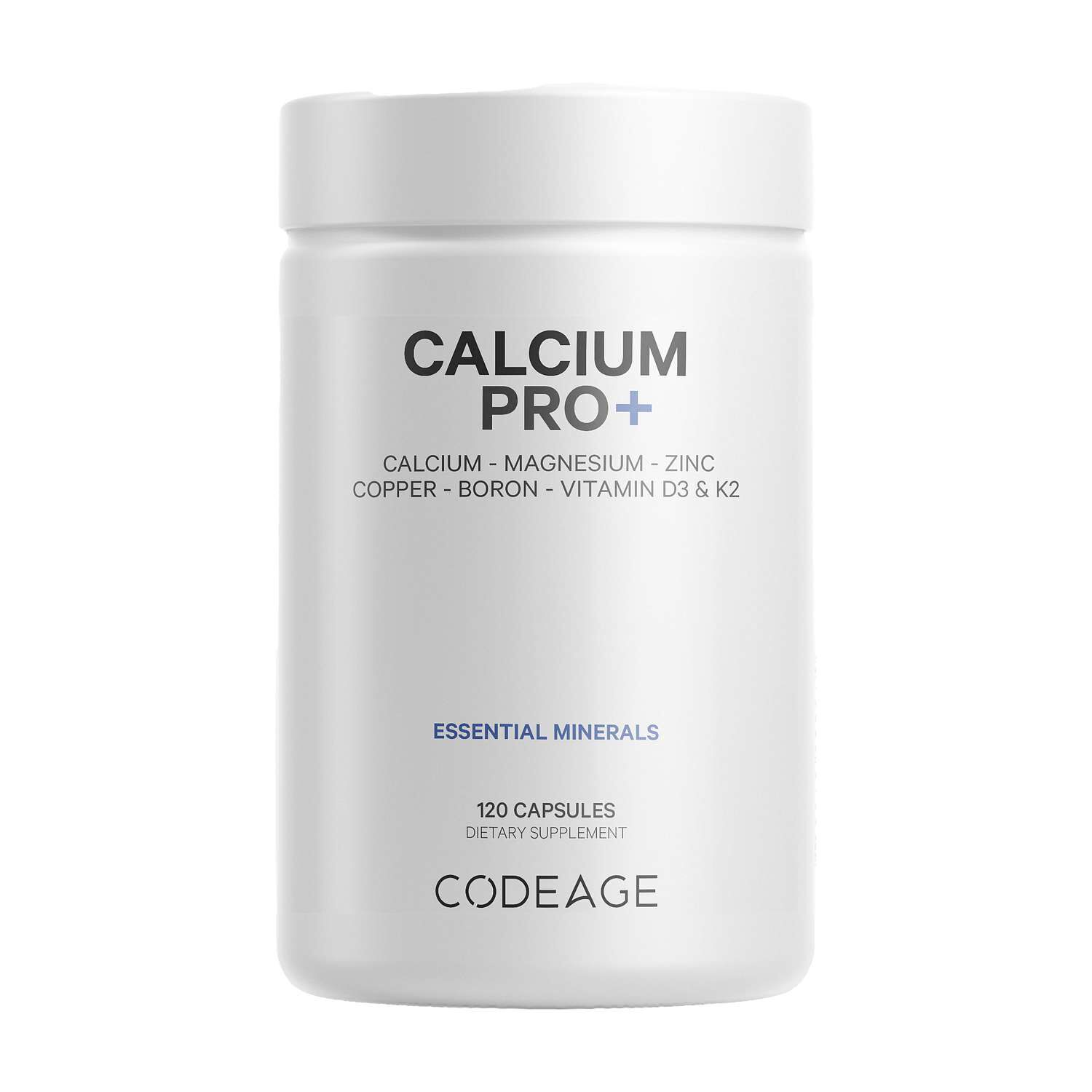
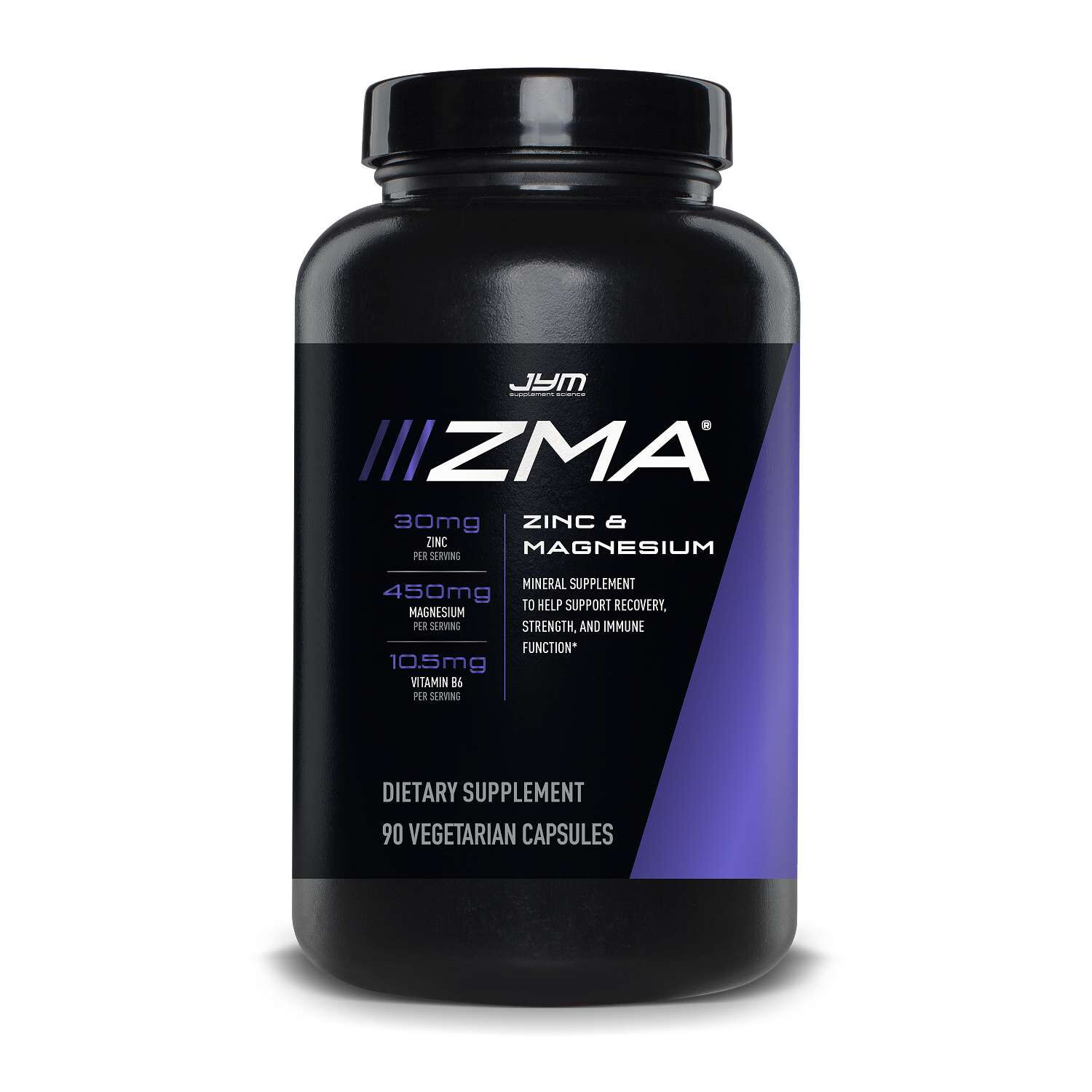
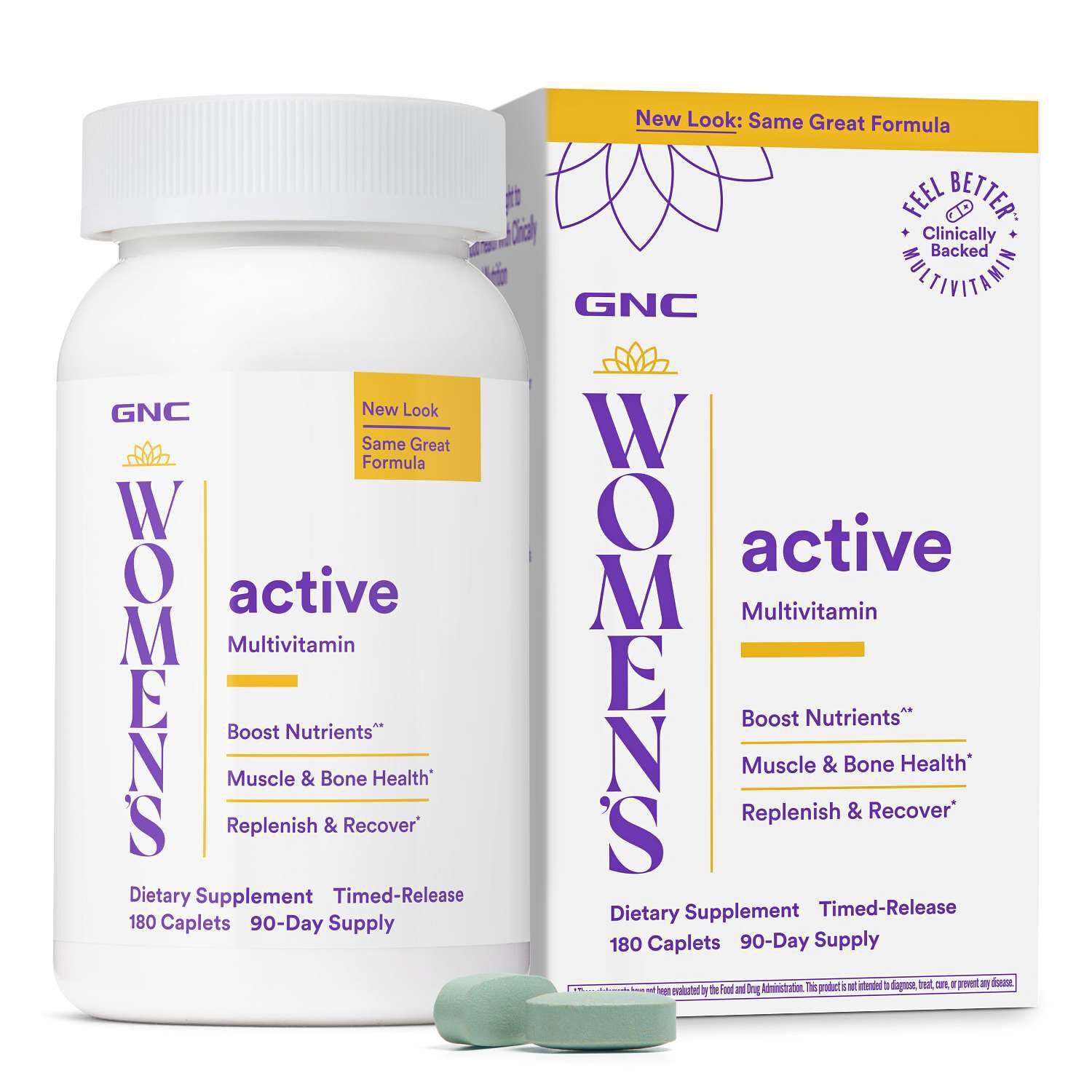
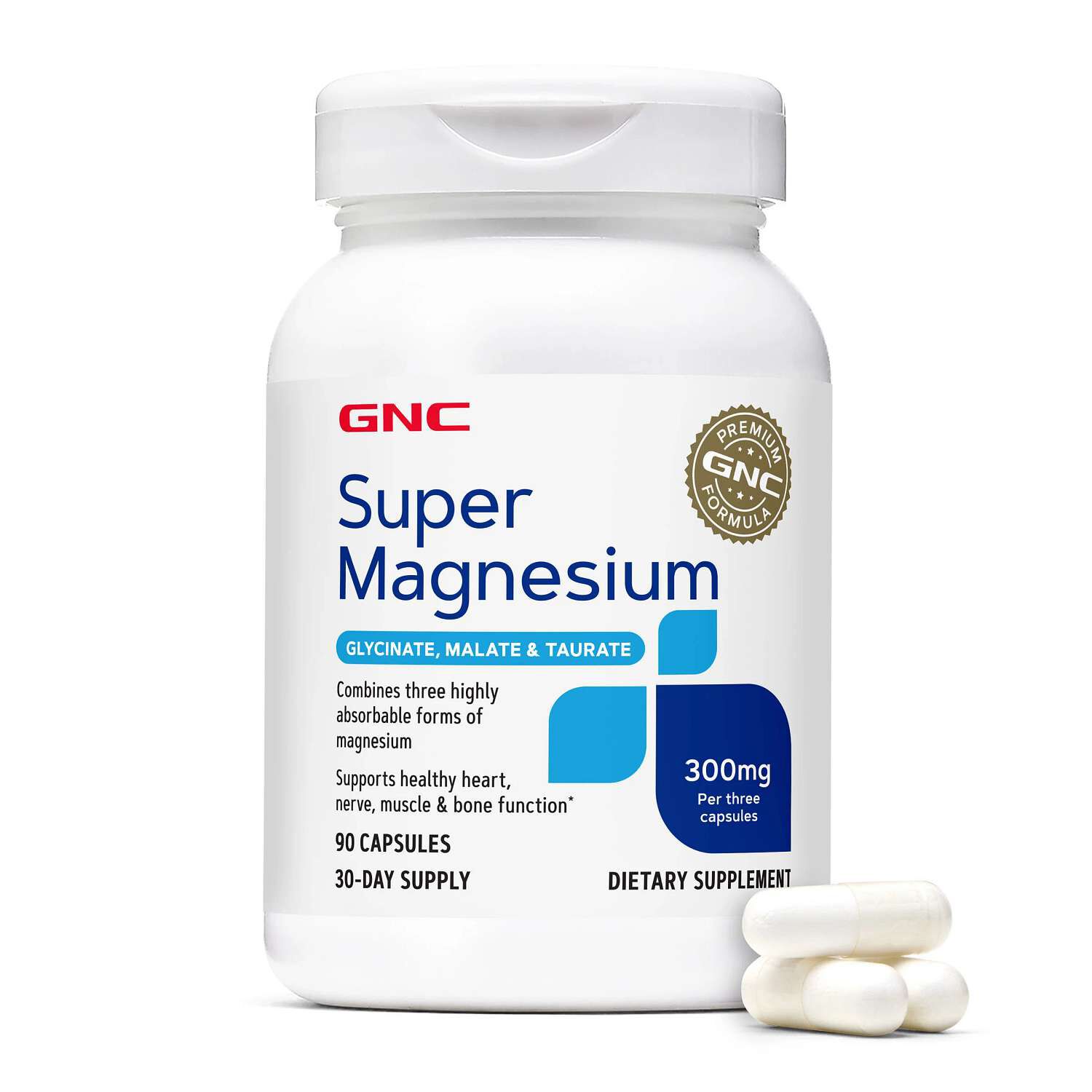
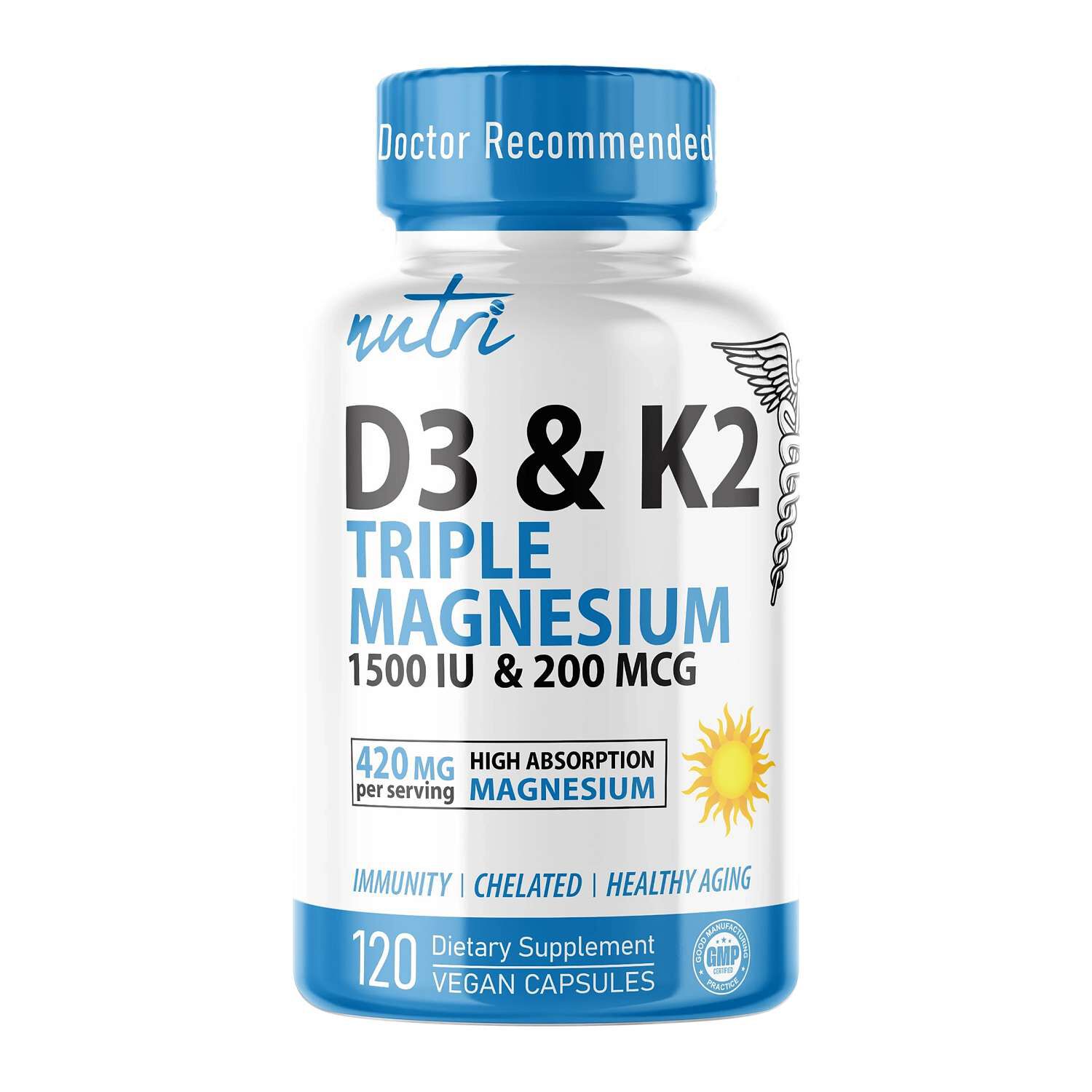
Calcium, magnesium, zinc, and vitamin D supplements combine three minerals with a vitamin in formulas intended for nutritional supplementation. They may complement dietary intake while bringing several nutrients into one routine. Calcium, magnesium, and zinc are minerals, while vitamin D is a fat-soluble vitamin that appears on supplement labels in forms such as vitamin D2 or vitamin D3. Although these nutrients are often grouped together, their amounts and ingredient sources differ from formula to formula. A bottle labeled with all four nutrients does not necessarily contain the same proportions as another combination supplement. That distinction matters when comparing options, especially for someone whose meals already include several sources of calcium or magnesium. Dairy foods and fortified plant-based beverages can contribute calcium; nuts, seeds, beans, and whole grains can contribute magnesium; and meat, seafood, beans, and dairy foods can contribute zinc. Vitamin D appears in certain foods, including fatty fish and some fortified beverages. A combination formula may fit into a varied eating pattern, but it is not a replacement for the range of foods that make up that pattern. The Supplement Facts panel provides a clearer picture than the front label alone. It identifies the amount of each nutrient per serving, the serving size, and the percentage of the Daily Value. Mineral amounts are generally listed in milligrams, while vitamin D is listed in micrograms and may also appear in international units, abbreviated IU. These different units are worth noticing rather than comparing the numbers as though they measure the same thing. Daily Value percentages provide standardized label context, not a personalized assessment of an individual’s needs. For adults comparing calcium magnesium zinc vitamin D supplements, the most useful starting point is the actual nutrient content and intended audience shown on the label, rather than the prominence of any one ingredient on the packaging. A formula with a larger number on the front is not automatically a closer match for every person or every eating routine.
The ingredient forms and physical format give these supplements much of their practical character. Calcium may appear as calcium carbonate or calcium citrate, while magnesium sources can include magnesium oxide, magnesium citrate, or magnesium glycinate. Zinc may appear as zinc gluconate, zinc citrate, or zinc oxide, among other forms. These names identify ingredient sources; they should be read alongside the stated nutrient amounts rather than treated as interchangeable descriptions of the whole formula. The mineral amount on the Supplement Facts panel refers to the mineral itself, not simply the weight of the compound named in parentheses. Vitamin D3 may be listed as cholecalciferol, while vitamin D2 may be listed as ergocalciferol. For shoppers with particular ingredient preferences, the source of vitamin D and the materials used in the capsule or coating are additional points of comparison. Capsules may use gelatin or plant-derived cellulose, and tablets may contain binders, coatings, or other ingredients that give them their shape and texture. Chewable formats and gummies may include sweeteners, flavors, colors, or gelling ingredients. Their nutrient amounts and serving sizes can differ substantially from those of tablets or capsules, so format alone does not tell the whole story. Someone who prefers a drinkable format may look at powders, while someone who wants a portioned format may prefer capsules or tablets. Tablet dimensions, capsule size, chewable texture, and flavor are practical details that may influence how comfortably a supplement fits into an established routine. Serving size deserves particular attention: a listed serving might involve more than one tablet, capsule, or gummy. A package containing many individual pieces may therefore represent fewer servings than its appearance suggests. Dietary preferences and allergen disclosures also belong in the comparison. The full ingredient list, any relevant certifications, and the manufacturer’s directions provide more specific information than broad descriptions such as plant-based or mineral blend. For a morning spent moving between breakfast, a commute, and a packed schedule, those small format differences may matter as much as the ingredient names.
Choosing among calcium magnesium zinc vitamin D supplements also involves looking at the rest of a nutrition routine. A multivitamin, a fortified beverage, and a separate mineral supplement may contain some of the same nutrients, so reading their labels together gives a more accurate picture than viewing each container in isolation. The purpose is not to collect the longest ingredient list, but to understand what each formula contains and how its stated use relates to existing habits. Some adults prefer a combination supplement because it may reduce the number of separate containers involved in their routine; others prefer to compare individual nutrients separately. Neither approach makes every formula interchangeable. Audience descriptions, nutrient amounts, serving directions, and ingredient preferences remain important distinctions. Men exploring an adjacent category can also browse Calcium Magnesium Vitamin D3 For Men, while checking whether any formula under consideration includes zinc and how its nutrient profile compares. A category name does not replace the details on the label. Storage and packaging are another part of everyday use, particularly when a container moves between a kitchen cabinet, a travel bag, and a desk drawer. Manufacturer storage directions and the printed expiration date are the relevant references for keeping a supplement in its intended condition. A bathroom shelf, a parked car, or a counter beside a steaming kettle may expose a container to moisture or heat outside its storage instructions. Keeping the original packaging also preserves access to the ingredient list, serving information, and other label details. For shared households, clearly labeled containers may make it easier to distinguish one adult’s supplements from another’s. These are products intended for personal nutritional routines rather than a one-size-fits-all household assortment. Thoughtful comparison comes back to a few concrete details: which nutrients are included, their amounts per serving, the ingredient forms, the physical format, and the directions on the package. Together, those details offer a grounded way to browse this category without relying on front-label wording alone.
What are calcium magnesium zinc vitamin D supplements?
Calcium magnesium zinc vitamin D supplements are dietary products that combine these four nutrients, which may support various functions in the body such as bone health and immune system function.
Who might consider taking a calcium magnesium zinc vitamin D supplement?
People who are looking to add more of these nutrients to their daily routine, especially if their diet may not provide enough, might consider this type of supplement.
How can calcium, magnesium, zinc, and vitamin D work together in a supplement?
These nutrients may complement each other by supporting processes like bone maintenance and muscle function, making them a popular combination in multinutrient supplements.
Are there foods that naturally contain calcium, magnesium, zinc, and vitamin D?
Yes, foods such as dairy products, leafy greens, nuts, seeds, whole grains, seafood, and fortified foods may contain some or all of these nutrients.
When do people usually take a calcium magnesium zinc vitamin D supplement?
Some people choose to take these supplements with meals for convenience. Follow the instructions on the product label.