





Calcium Supplements For Nutrient Absorption
(0 Results)
Calcium supplements for nutrient absorption could be an important part of a balanced wellness routine. These supplements are designed to support your daily intake of calcium, which may play a role in helping your body absorb and utilize essential nutrients. Whether you’re looking to complement your diet or seeking additional support for overall wellbeing, exploring options in calcium supplements for nutrient absorption might help you find the right fit for your lifestyle.


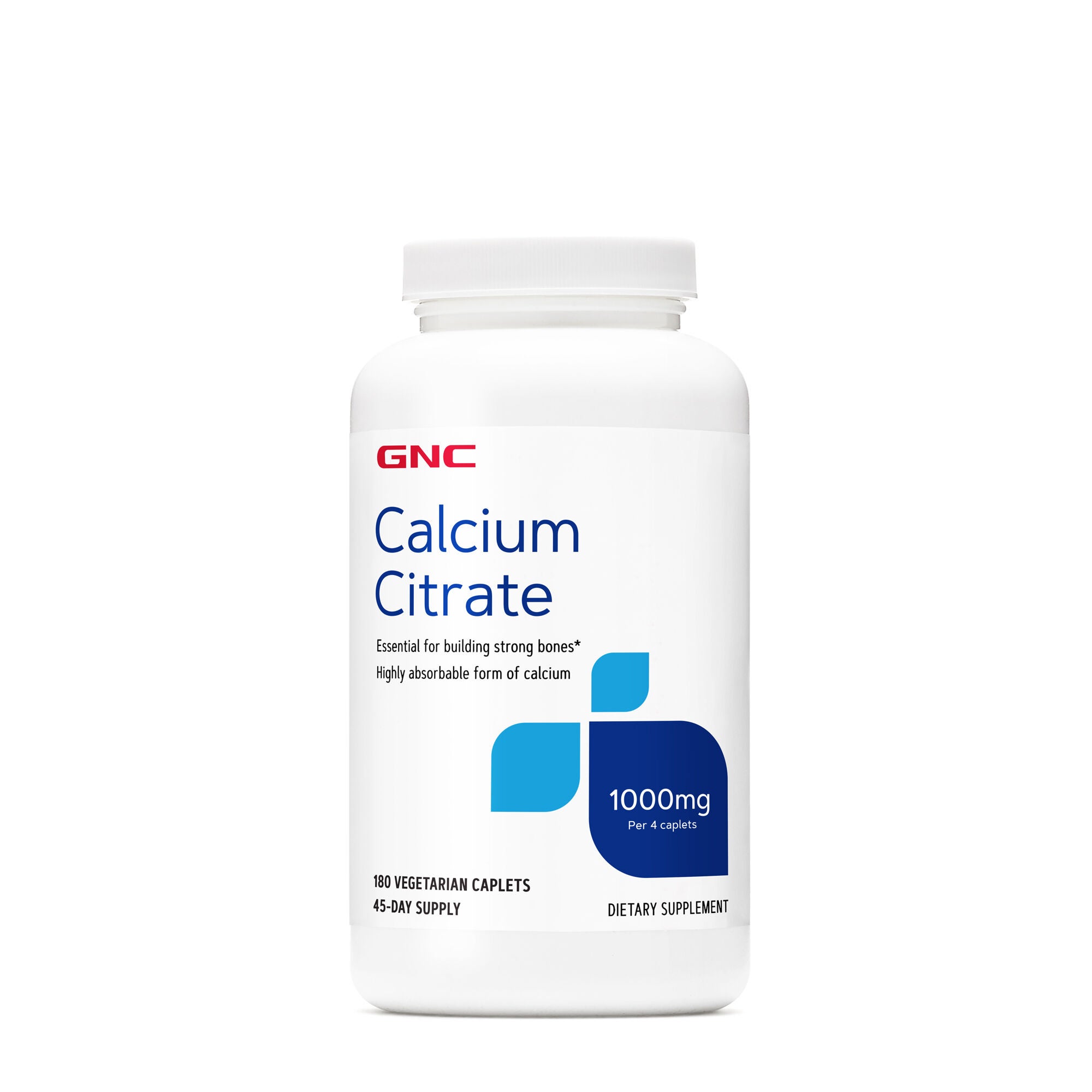
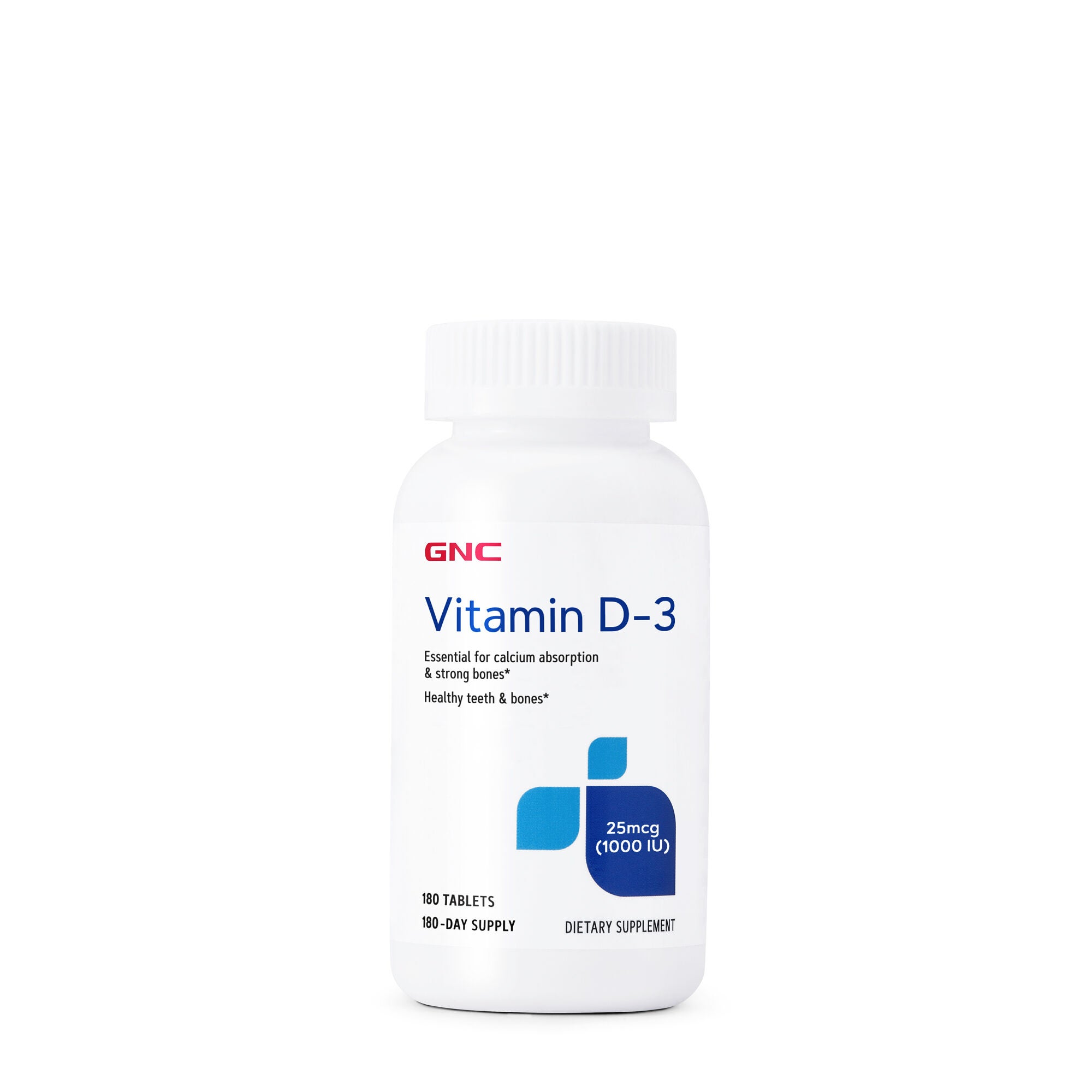
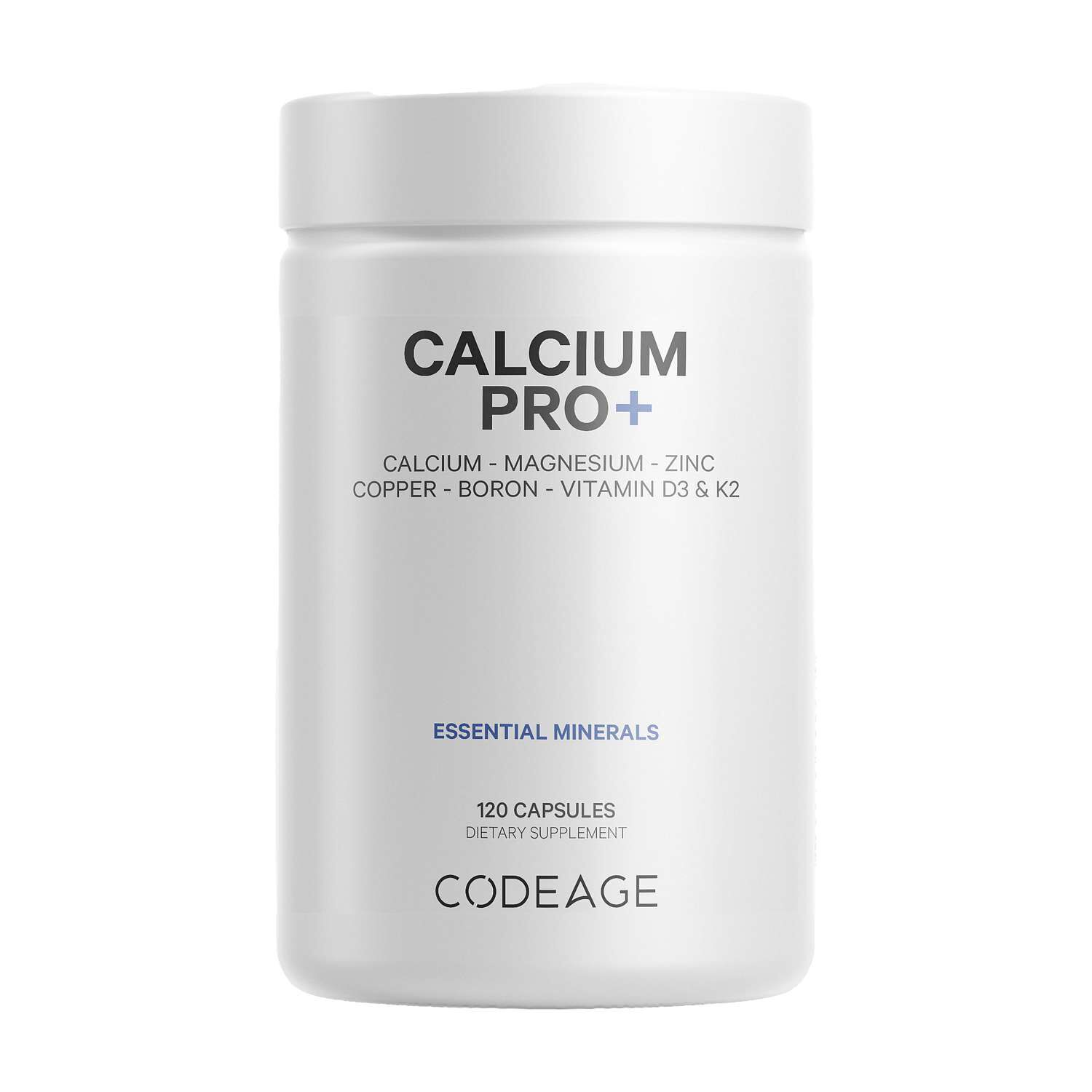


Calcium supplements for nutrient absorption include a range of mineral forms, serving sizes, and combinations with other nutrients. Absorption describes the process through which a nutrient moves from the digestive tract into the body; it is different from the amount printed on a bottle. The form of calcium, the amount in a serving, and accompanying nutrients may influence how calcium is absorbed, so a larger number on the front label is not, by itself, a measure of absorption. Calcium carbonate and calcium citrate are two common forms. Calcium carbonate contains about 40% elemental calcium by weight, while calcium citrate contains about 21%. Elemental calcium is the calcium itself, rather than the weight of the entire compound. These percentages describe composition, not how much calcium a person will absorb. Because the mineral concentration differs, formulas with comparable amounts of elemental calcium can have different tablet sizes or serving counts. Directions for calcium carbonate commonly specify use with food, while calcium citrate labels may permit use with or without a meal. The directions on each package provide context for that formula, rather than assuming all calcium supplements fit the same schedule. Vitamin D is another frequent part of the formula, and it may support calcium absorption. Calcium with vitamin D3 is one common pairing, although the amount of each nutrient varies. The Supplement Facts panel separates calcium content from vitamin content and identifies the serving size used for those amounts. A label listing 500 mg of calcium per serving, for example, might define that serving as two tablets rather than one. That distinction matters when comparing capsules with gummies or a powdered formula. Calcium from food also belongs in the broader picture: milk, yogurt, calcium-set tofu, and calcium-fortified plant beverages are familiar dietary sources. Supplements may complement dietary calcium intake alongside the foods already part of a regular routine.
Format adds another layer to the selection of calcium supplements. Tablets and capsules offer portioned servings without preparation, while chewable tablets, gummies, and soft chews have different textures and flavors. Someone who prefers an unflavored option may gravitate toward capsules, while another person may prefer a fruit-flavored chewable alongside breakfast. Gummies can contain sugars, sweeteners, gelatin, or pectin, depending on the formula; those ingredients matter to shoppers with particular food preferences. A vegetarian capsule shell and a gelatin capsule shell are different materials, just as a pectin-based gummy differs from one made with gelatin. The ingredient list identifies these details separately from the mineral amounts in the Supplement Facts panel. Powdered calcium offers another format, with serving measurements and mixing directions that vary by formula. Some powders are intended for beverages, and their texture or flavor can affect how they fit into an established routine. Liquid formulas have their own measuring instructions and may include directions to shake the container before use. No format alone establishes how much calcium a person will absorb, and a pleasant flavor does not indicate a higher calcium concentration. Serving count is also distinct from the number of pieces inside a package: a container of chewables may have a serving size of more than one piece. Package design can matter in everyday settings, too. A tightly closing bottle, a readable label, and a clearly marked measuring tool are practical details for a kitchen cabinet or a packed travel bag. Storage directions deserve attention because moisture, direct sunlight, and an improperly closed container can affect product condition. Original packaging keeps ingredient information, serving directions, and the expiration date together. For powders, a dry measuring scoop and a securely closed lid are useful care considerations. These details distinguish not just the mineral formula, but the experience of keeping and using it over time.
Combination formulas bring calcium together with nutrients such as vitamin D, magnesium, and vitamin K2, while single-mineral formulas keep the focus on calcium. The distinction is useful for shoppers whose existing routines already include a multivitamin or another mineral supplement, since the same nutrient may appear on several labels. A calcium-and-magnesium formula does not necessarily contain the same amount of either mineral as a formula centered on just one of them. The mineral forms can differ as well, making the ingredient sources and serving amounts more informative than a front-label description alone. For shoppers exploring that related category, Magnesium Supplements For Calcium Absorption offers another way to browse mineral-focused options. Magnesium and calcium remain distinct nutrients, even when they share a tablet, capsule, or powder. Vitamin D may support calcium absorption, but its presence does not establish that every combination formula has the same absorption characteristics. Some labels identify vitamin D3 specifically, and vitamin D amounts may appear in micrograms and international units, while calcium and magnesium amounts are generally listed in milligrams. Vitamin K2 may also appear as an additional ingredient; the name of a nutrient alone does not describe the amount included or the purpose of the entire formula. These distinctions give calcium supplements a variety of profiles, from straightforward single-mineral capsules to flavored combinations with several listed nutrients. Adults comparing options may have different preferences around meal routines, serving size, dietary ingredients, and the number of tablets or chews in a serving. A breakfast-centered routine may suit one format, while someone who values minimal preparation may prefer another. Clear labeling connects those practical preferences with the calcium form and stated nutrient amounts. Across calcium supplements for nutrient absorption, the most useful product details are specific and readable: the source of calcium, elemental calcium per serving, accompanying nutrients, ingredient composition, and package directions. Together, those details offer a clearer picture than tablet size, flavor, or a prominent number viewed on its own.
Best Sellers
Related Pages

Top Collections
- Daily Collagen Supplements | Top Brands & Deals | GNC
- Natural Collagen Supplements | Top Brands & Deals | GNC
- Top Rated Collagen | Shop Customer Favorites | GNC
- Cortisol Supplements
- Vitamins For Hair Loss
- Spirulina Tablets
- NAD+ Supplement Tablets
- Peptide Supplements
- Best Brand of Magnesium Glycinate
- Vitamins That Help Support Weight Gain