Magnesium Supplements For Calcium Absorption
(0 Results)
Magnesium supplements for calcium absorption may play an important role in supporting your overall wellness routine. Magnesium is often considered by those seeking to optimize their nutrient intake, especially when looking to complement calcium. Explore a range of magnesium supplements for calcium absorption that could help you maintain your nutritional goals and support a balanced lifestyle.
-

-
-
-

-

-
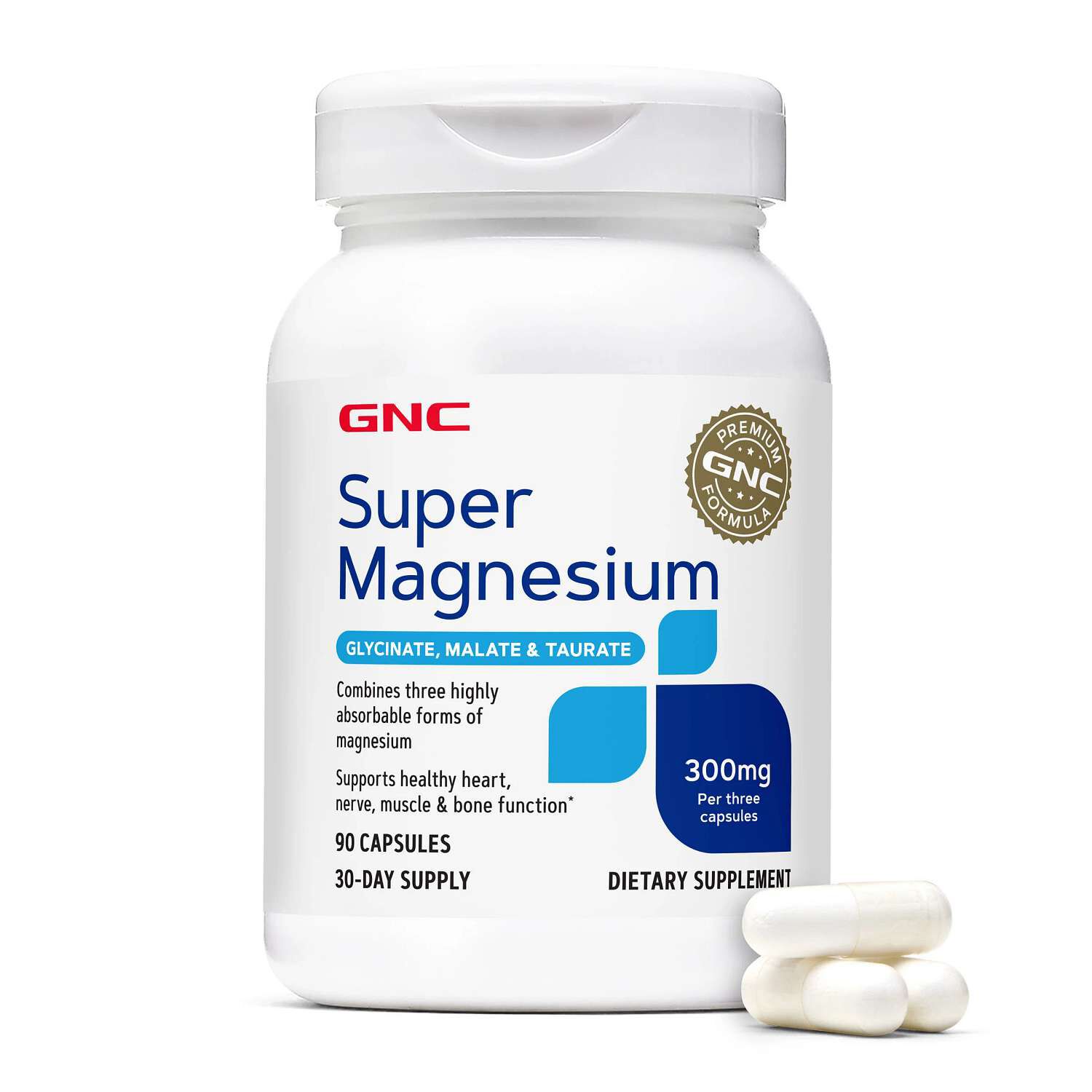
-

-

-

-

-

-
 $27.99
-

-
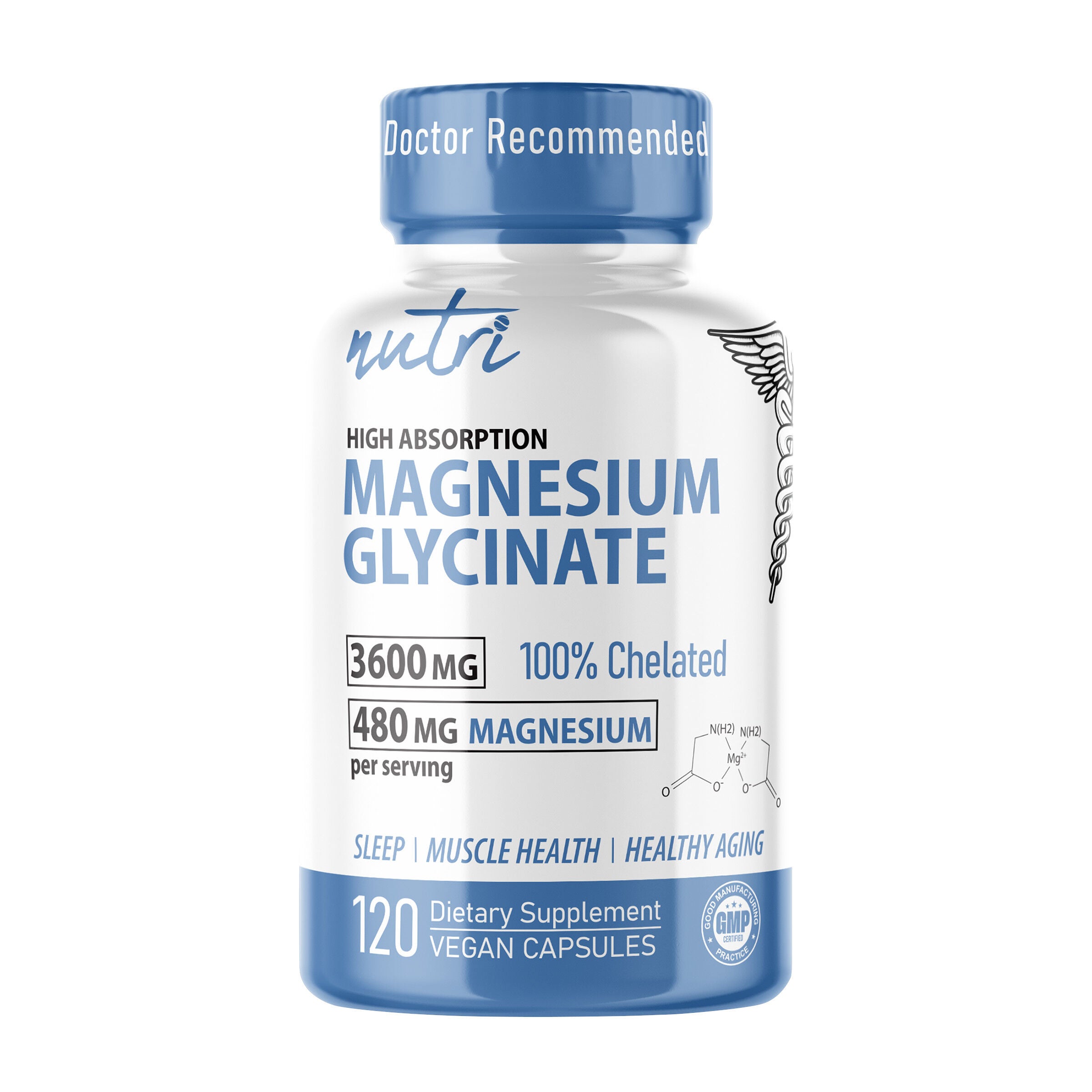
-
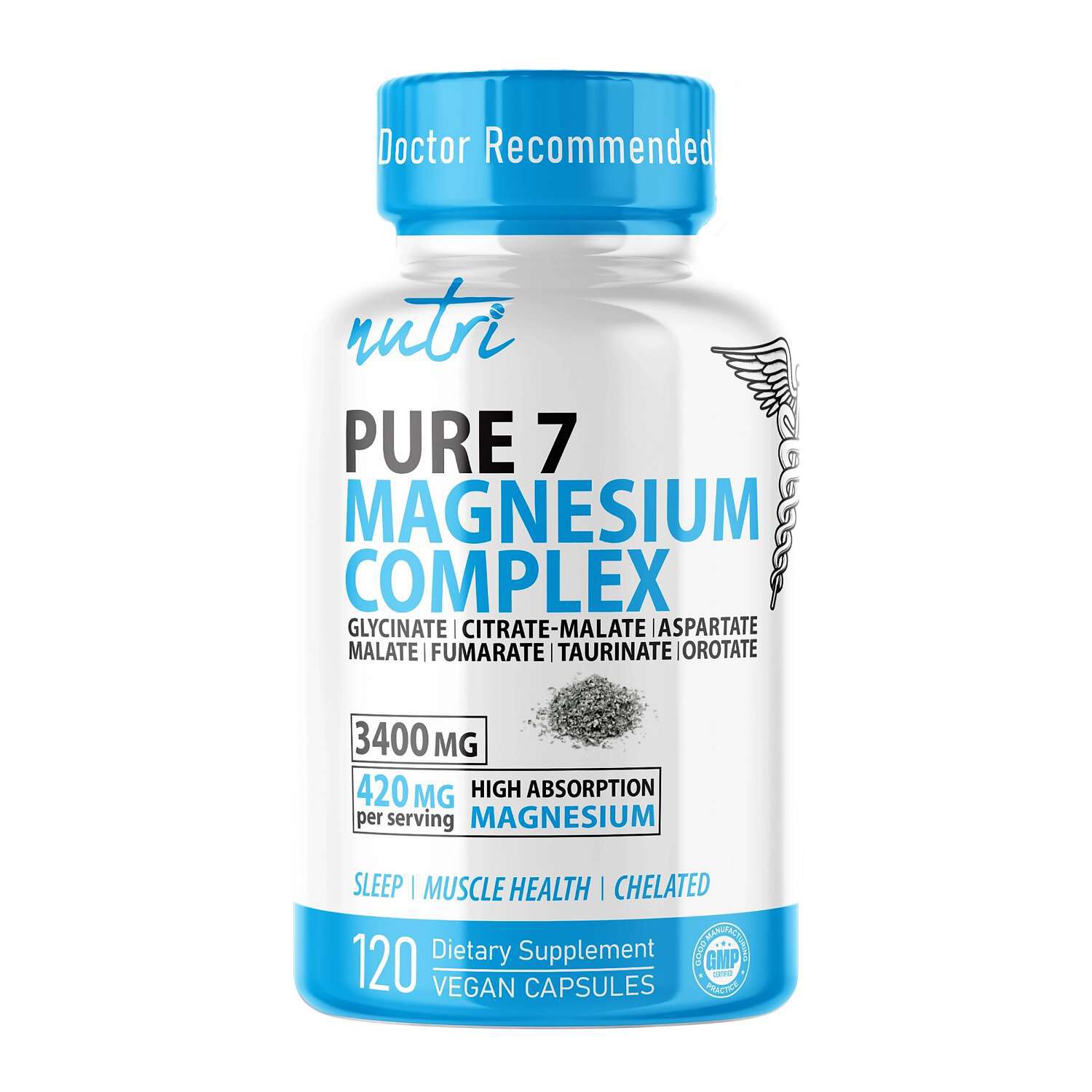 Nature's Fusions$29.99
-

-
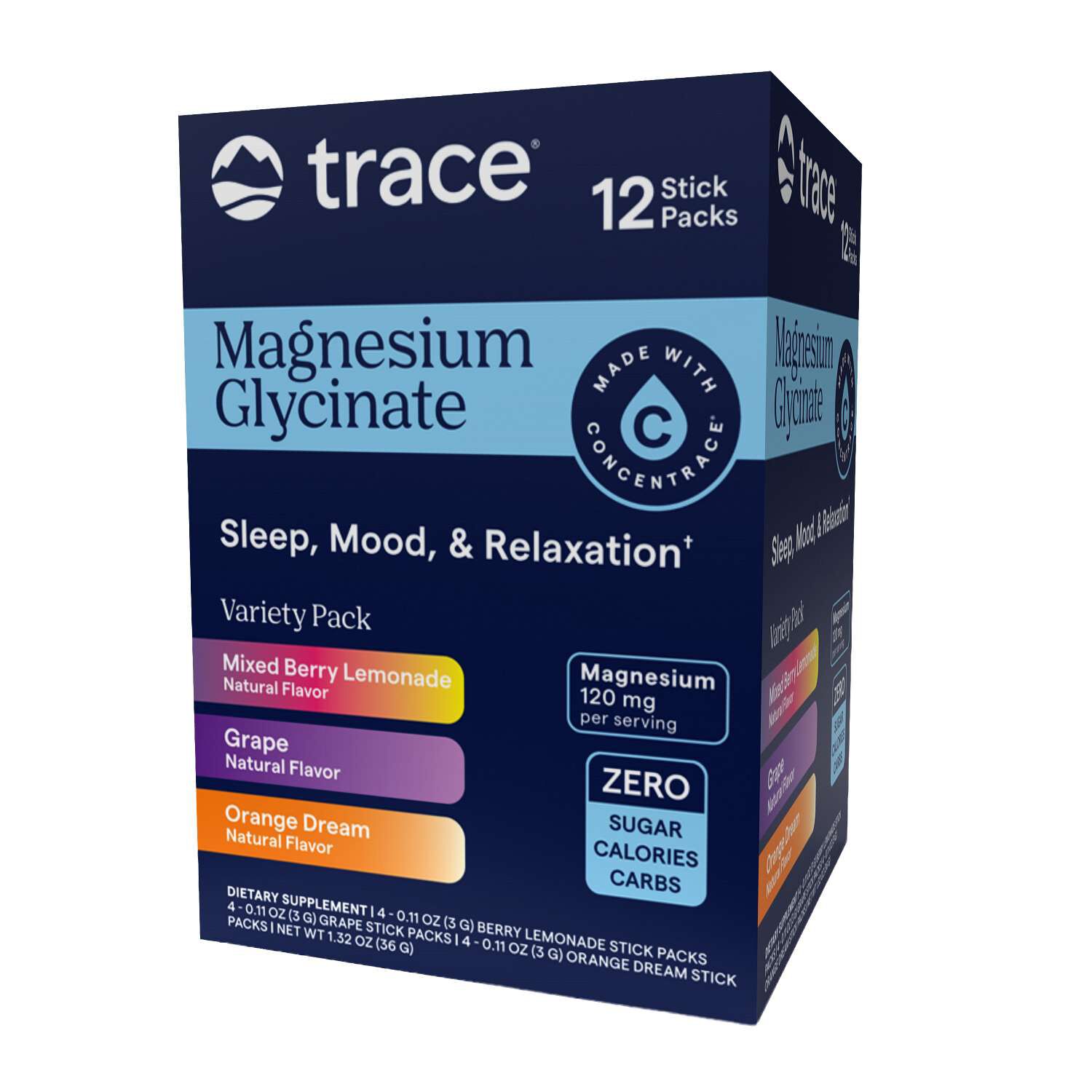 Trace Minerals$14.99
-

-


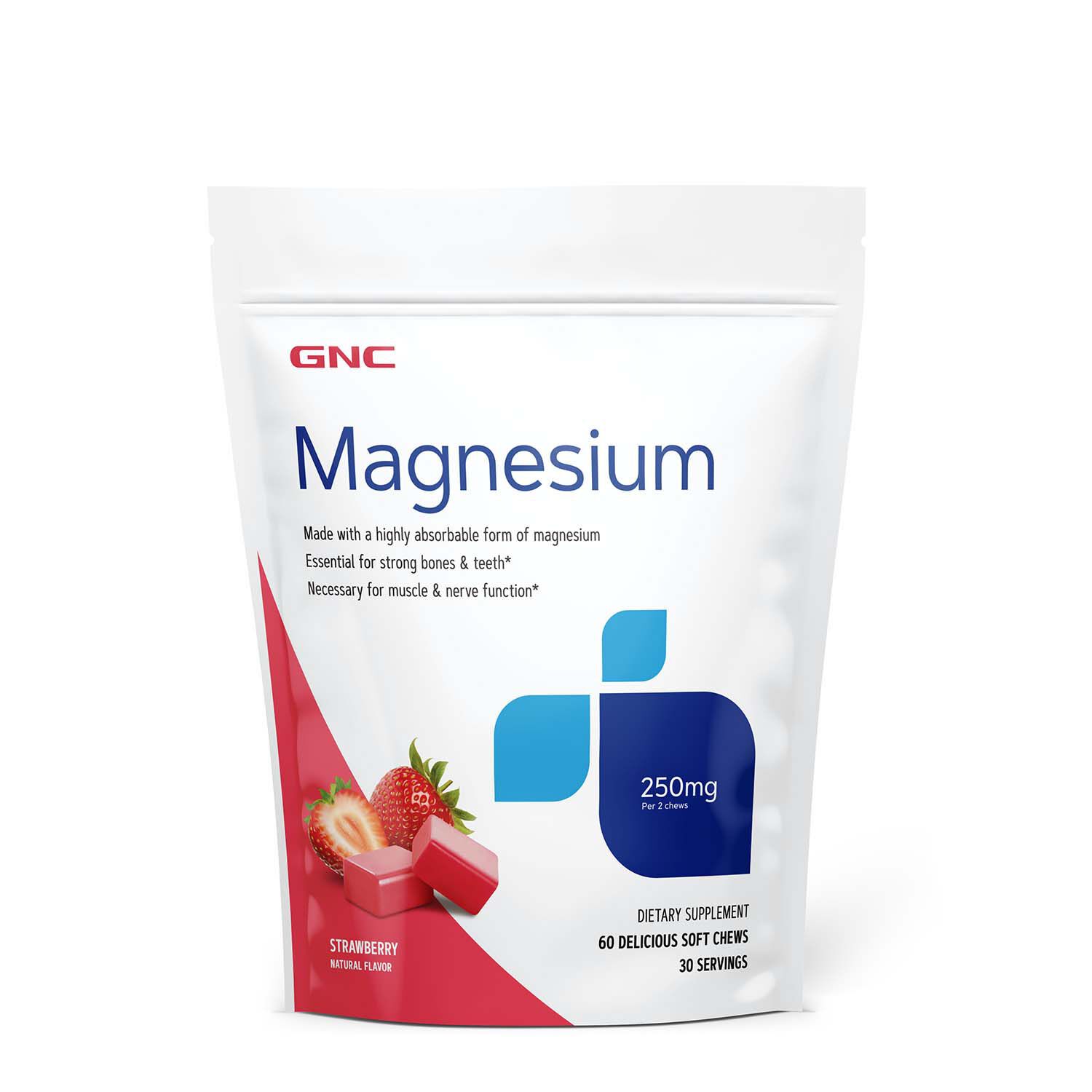

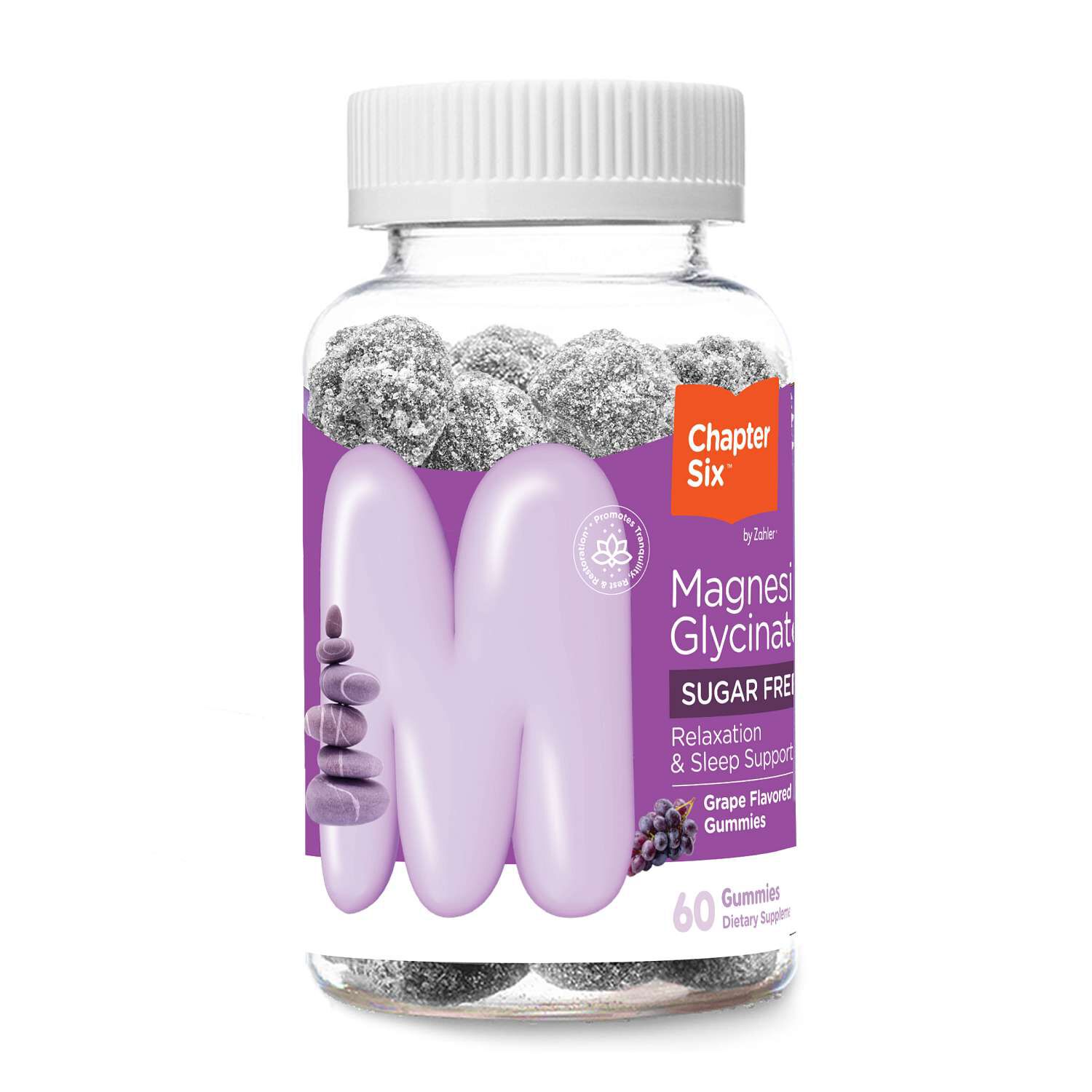

Magnesium supplements bring together an interest in mineral nutrition and the practical details of a daily supplement routine. Calcium and magnesium are often considered together, but formulas built around these minerals are not interchangeable. Some focus on magnesium alone, while others pair it with calcium, vitamin D, or additional nutrients. Interest in this pairing often begins with how the body uses dietary calcium, although that relationship involves more than the presence of two ingredients in the same bottle. A supplement may complement everyday mineral intake, while its composition, serving size, and format help define its intended use. Food provides useful context: leafy greens, beans, nuts, seeds, dairy foods, and fortified alternatives contribute different nutrients to an eating pattern. Supplements belong within that larger picture rather than standing in for food variety. Among magnesium formulas, labels may identify citrate, glycinate, malate, or oxide, with each name describing the mineral compound used. These distinctions matter when comparing ingredient lists, but a compound name alone does not describe every characteristic of the finished formula. The amount of magnesium listed in the Supplement Facts panel refers to the mineral itself, rather than the full weight of the compound containing it. That makes the stated milligram amount a different piece of information from a prominently displayed ingredient name. Serving size adds another distinction: the listed amount may represent one capsule, several tablets, or a measured portion of powder. Two bottles with similar front labels might therefore involve different routines. For adults comparing magnesium and calcium supplements, these details offer a more grounded basis for comparison than package color or a large number on the front. A straightforward formula may appeal to someone who prefers a short ingredient list, while a combination formula may interest someone comparing several nutrients within one serving. Neither approach describes every shopper’s preferences, and the ingredient panel provides the clearest account of what each formula contains.
Format is where mineral supplements meet the ordinary details of a day: a bottle beside a breakfast bowl, a measured powder stirred into a beverage, or a capsule organizer packed for an overnight trip. Capsules, tablets, powders, liquids, and chewable formats each bring different handling and ingredient considerations. Capsule shells may use gelatin or plant-derived materials, while tablets may include coatings and ingredients that help hold their shape. For someone whose food preferences extend to supplement ingredients, those materials are as relevant as the mineral names. Powders introduce questions of flavor, texture, serving measurement, and preparation. An unflavored powder is not necessarily without a noticeable taste, and the mineral compounds and other ingredients influence the finished beverage. Flavored versions may include sweeteners, colors, or flavoring ingredients that deserve the same attention as the nutrient panel. Liquid formats involve a measured serving rather than a capsule count, and their labels describe any preparation or storage requirements. Chewable formats have their own texture and ingredient considerations, including sweetness and the number of pieces in a serving. These are practical differences rather than reasons to assume one format is universally preferable. A person who already keeps capsules in a familiar organizer may value a clearly stated capsule count, while someone who prefers a prepared drink may be more interested in powder measurements and mixing directions. Serving count also has a specific meaning: a container holding many individual tablets may provide fewer servings when each serving includes several tablets. For combination formulas, both the magnesium amount and the calcium amount belong in that comparison, along with any other nutrients listed. The balance between ingredients varies, so two formulas featuring the same minerals may have quite different compositions. A clear label helps separate those differences without relying on assumptions about tablet size, scoop size, or the prominence of a particular nutrient on the package. That distinction is particularly relevant when similar-looking containers use different serving measurements.
Combination formulas offer another way to explore this category, especially for adults interested in comparing calcium and magnesium within the same ingredient panel. For a related category, explore Calcium Supplements For Adults With Magnesium. The ingredient highlighted in a category name does not describe the amounts or proportions of everything included. Some shoppers prefer to compare the two minerals side by side; others are more interested in whether a formula also contains vitamin D or uses a particular capsule material. When several supplements share space in a cabinet, repeated ingredients across labels are another useful detail to recognize. A magnesium formula and a separate mineral blend may contain some of the same nutrients, even when their front labels emphasize different uses. Keeping the original packaging preserves access to those ingredient lists, serving directions, and storage information. Packaging also shapes everyday handling. A wide-mouth container, a bottle with a small opening, and a powder tub each involve different ways of measuring or retrieving a serving. Closures, measuring tools, and label legibility are practical features that remain relevant after the first use. Storage directions vary by format, particularly for liquids and powders, so the package remains the reference for conditions and handling. A supplement bottle beside a steamy sink or an open powder container near food preparation presents a different setting from a closed container in a dry cabinet. Date markings and any directions for use after opening provide additional context without relying on appearance alone. Across magnesium and calcium supplements, the most meaningful distinctions are often these tangible ones: the minerals included, their stated amounts, the serving format, the supporting ingredients, and the care described on the label. Together, those details create a clearer picture of how a formula may fit an established nutrition routine.
Best Sellers
-
 Rho Nutrition
-
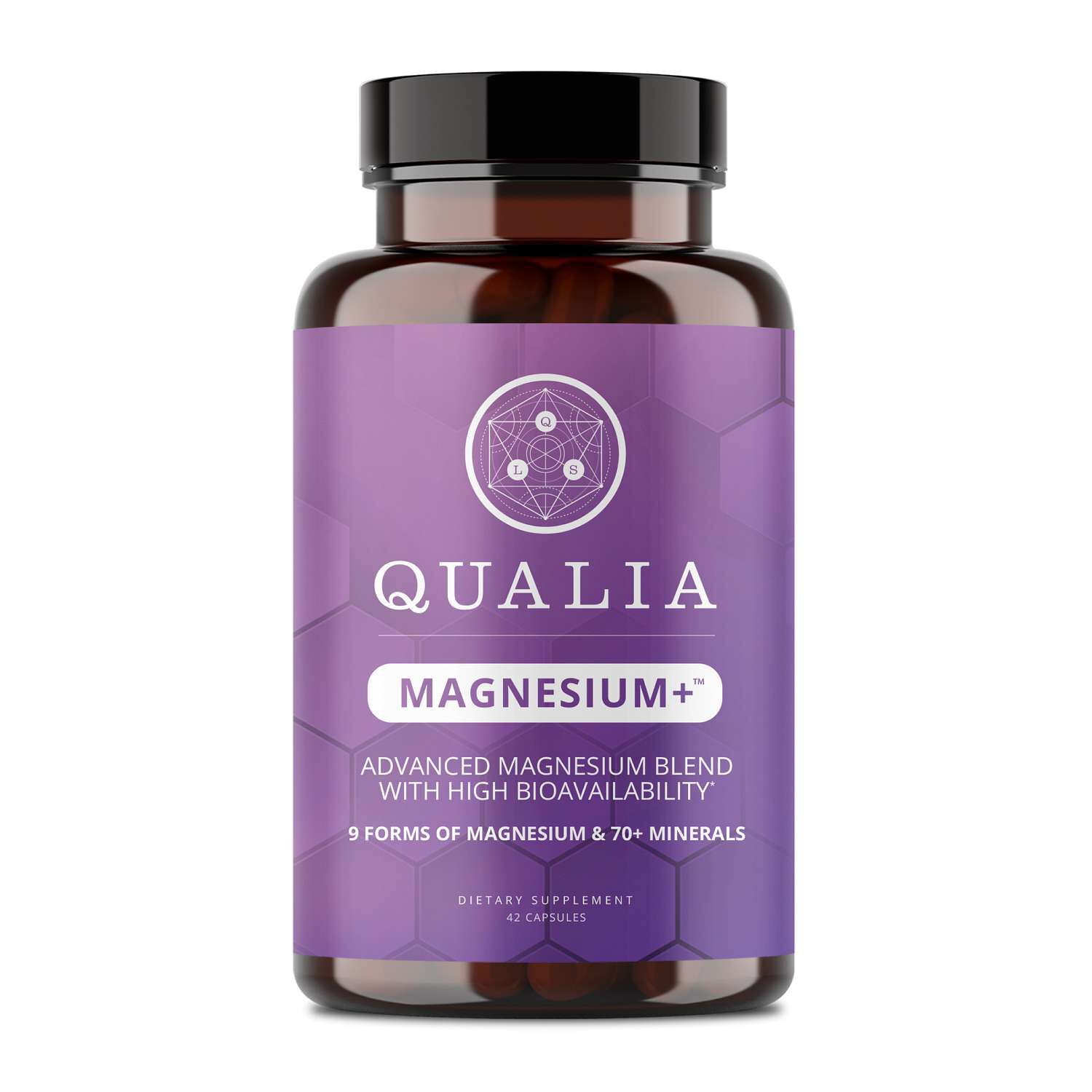 Qualia Life Sciences