Carnivore Diet Supplements
(0 Results)
Carnivore diet supplements could be a valuable addition for those following a meat-based lifestyle, supporting your daily nutrition goals. Whether you’re looking to optimize your routine or simply fill potential gaps, these supplements may help you stay on track with your dietary preferences. Explore options designed to complement a carnivore approach and find the support that works best for your needs.
 _Front.jpg?sw=305&sh=305&sm=fit "Magnesium: Bioactive Magensium Citrate - 60 Capsules (60 Servings) | GNC")





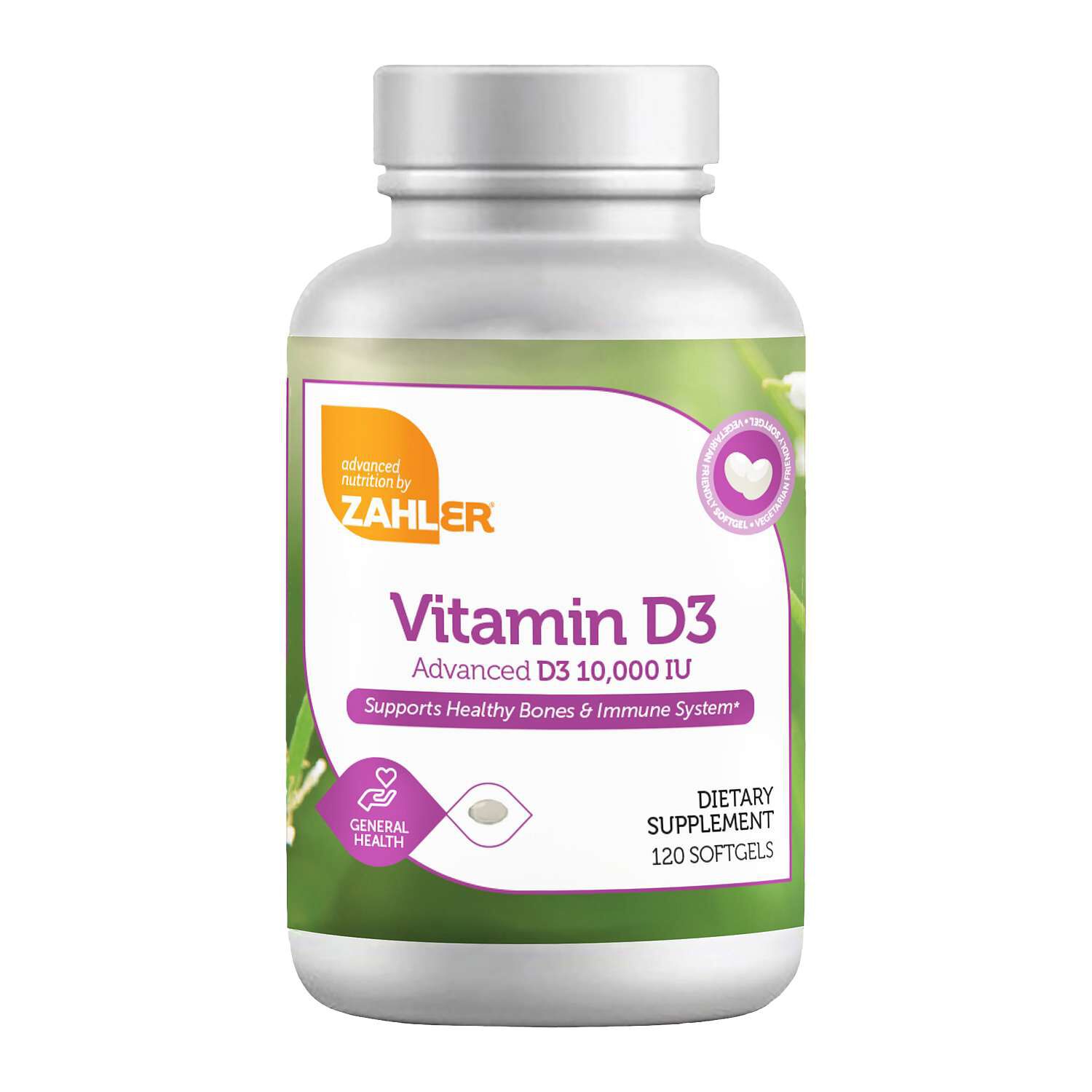



 _Front.jpg?sw=305&sh=305&sm=fit "Magnesium: Bioactive Magensium Citrate - 120 Capsules (120 Servings) | GNC")




Carnivore diet supplements may appeal to shoppers who follow a meat-focused eating pattern and want convenient options to complement the foods already on their plates. This style of eating commonly centers on beef, poultry, pork, seafood, eggs, and other animal-based foods, while limiting or avoiding plant foods. Since individual routines can vary widely, the right products may depend on the meats a person enjoys, how often they eat seafood or organ meats, time spent outdoors, and personal preferences around capsules, softgels, powders, or chewables. Electrolyte products featuring sodium, magnesium, or potassium are often considered by people who want a convenient addition to water, especially during busy days, travel, workouts, or changes in eating habits. Magnesium products may be selected by shoppers looking for a simple part of an evening routine, while sodium and potassium options may suit those who prefer a measured format rather than adding salt by hand. Reading the Supplement Facts panel can make it easier to compare serving sizes, forms of minerals, added sweeteners, flavoring, and other ingredients. Some electrolyte powders contain ingredients that do not fit every carnivore routine, so unflavored or minimally formulated choices may be worth reviewing. Anyone managing a health condition, taking prescription products, pregnant, nursing, or making a substantial change to their eating pattern may wish to speak with a qualified healthcare professional before choosing a supplement routine.
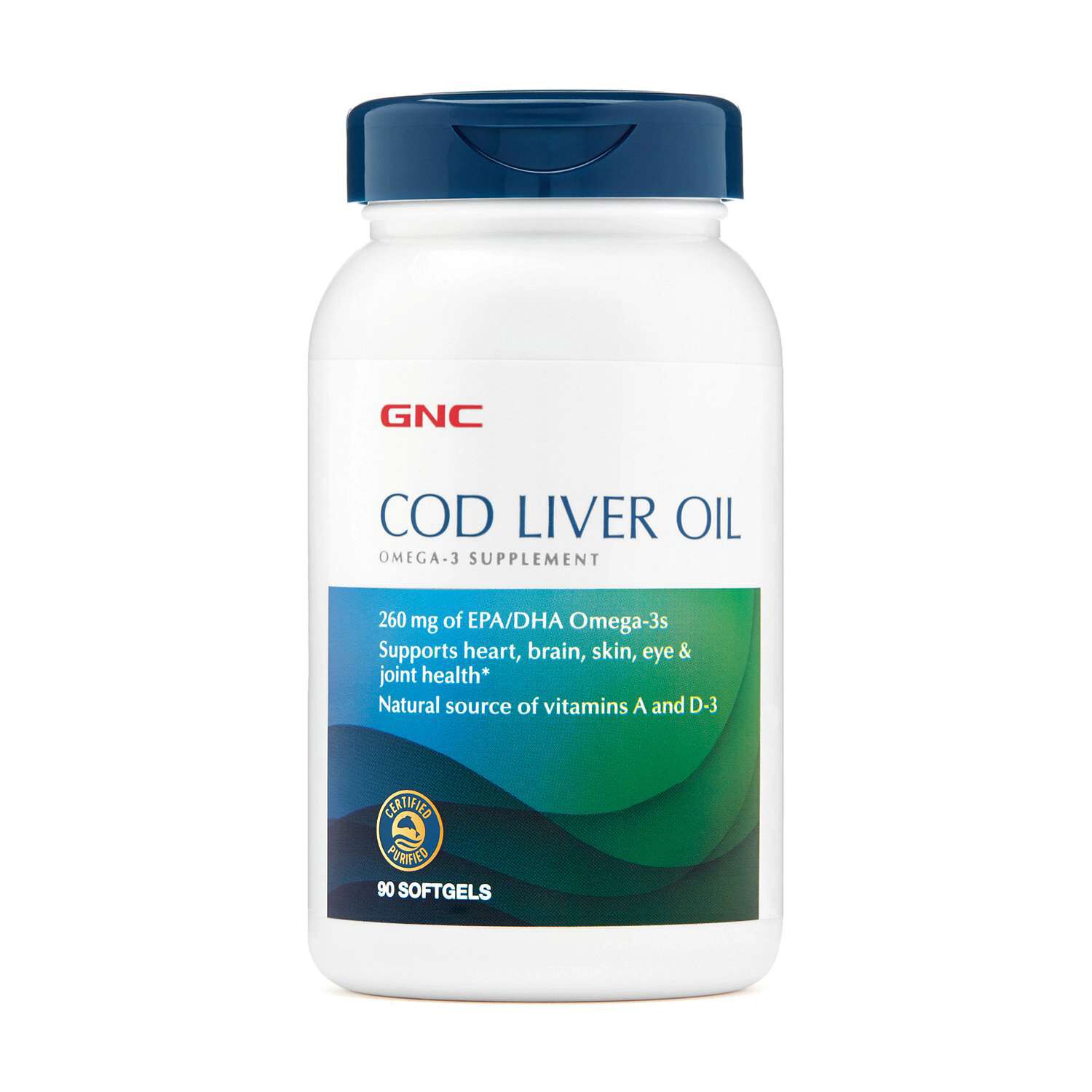
Organ-based supplements are another category frequently associated with carnivore diet shopping. Beef liver, heart, kidney, and other organ meats can be included in a traditional meat-based menu, yet their strong flavors and distinct textures do not suit every palate. For shoppers who rarely prepare fresh organ meats, capsules or other shelf-stable formats may offer a more approachable way to explore this category. Beef-Based Supplements may be of interest to people seeking products made with beef-derived ingredients, though labels should be reviewed carefully for the source, serving guidance, allergen statements, and additional components. Vitamins commonly considered alongside a carnivore routine include vitamin D, vitamin K, and iodine. Vitamin D products may be relevant to people who spend much of the day indoors or get limited sunlight during the cooler months, while iodine shoppers may compare products with iodized salt use in mind. Vitamin K products may be chosen as part of a broader nutrient routine, but combinations and amounts differ from one product to another. Omega-3 supplements, including fish oil and other marine-based formats, may suit people who do not regularly eat fatty fish such as salmon, sardines, or mackerel. Look for details about the source, serving size, freshness standards, capsule format, and storage guidance. A person who enjoys seafood several times a week may shop differently from someone whose meals center mostly on red meat, poultry, and eggs. These distinctions can help narrow the product list without assuming that one approach suits everyone.
Carnivore diet supplements can also make thoughtful gifts for someone who enjoys meal planning, strength training, outdoor activities, or a streamlined pantry. An electrolyte variety pack may fit a traveler or gym regular, while organ-based capsules could interest a friend who follows a meat-focused menu but does not enjoy cooking liver at home. Fish oil or vitamin D may be practical for a family member building a seasonal wellness routine during darker, cooler days, provided the recipient already uses or welcomes that type of product. For gifting, consider simple details such as capsule size, flavor preferences, dietary restrictions, storage space, and whether the recipient prefers single-ingredient formulas or blends. Products with transparent labeling may make comparison easier, particularly when a shopper is checking for sweeteners, artificial colors, gelatin, shellfish ingredients, or other components outside their usual routine. It may also help to choose a product with clear use directions rather than selecting several overlapping formulas at once. A calm morning kitchen, a water bottle beside a work bag, or a travel pouch packed for a weekend away are all natural settings where these products might become part of a routine. Because nutrient needs and supplement choices are personal, shoppers should follow the label and consider guidance from a qualified healthcare professional when combining products or making a major dietary change.