Wild Caught Supplements
(0 Results)
Wild caught supplements offer a unique option for those seeking to support their wellness routines with ingredients sourced from natural environments. Featuring ingredients that may be harvested from wild habitats, these supplements could appeal to individuals looking for alternatives to conventionally sourced products. Explore the potential benefits and discover how wild caught supplements might fit into your daily regimen.




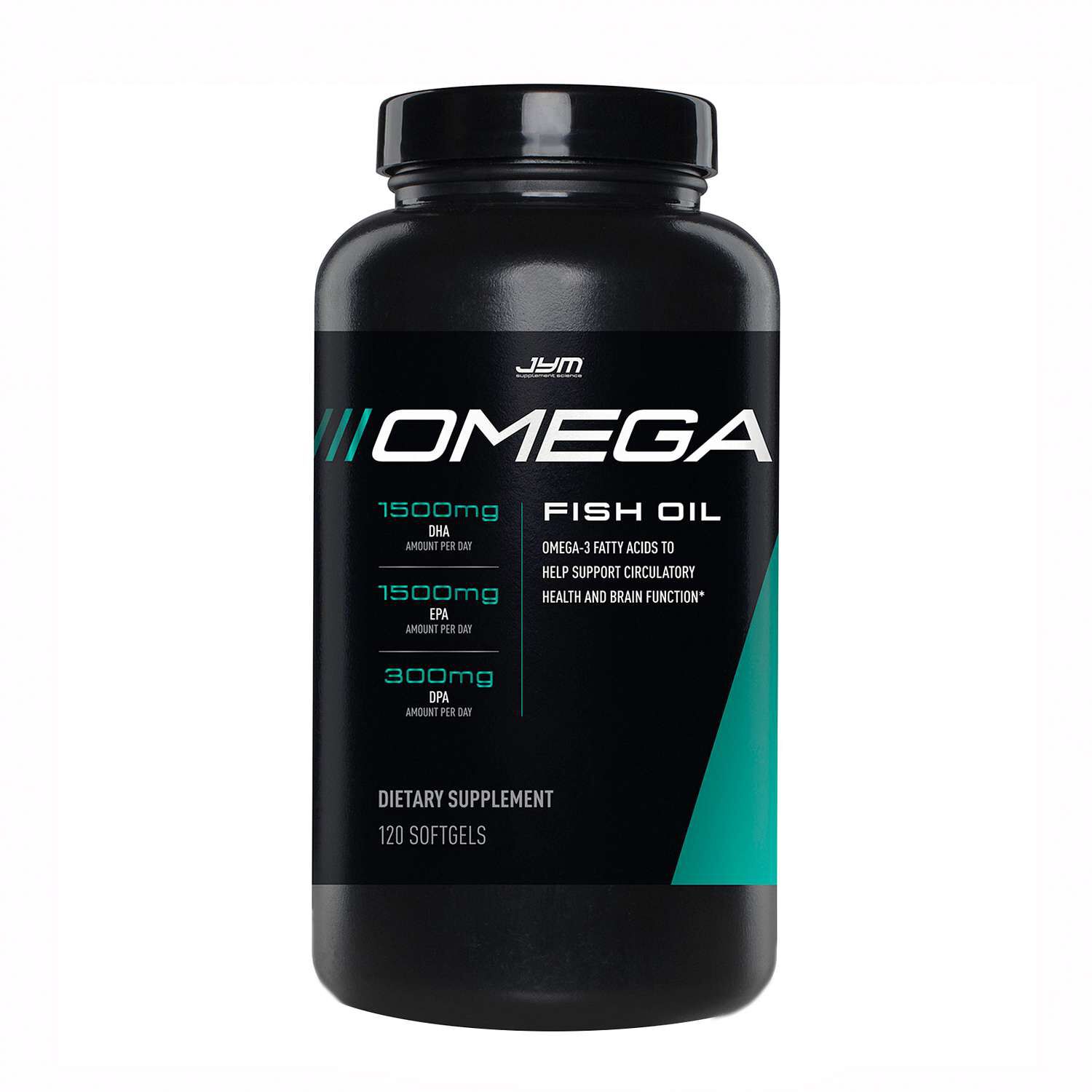


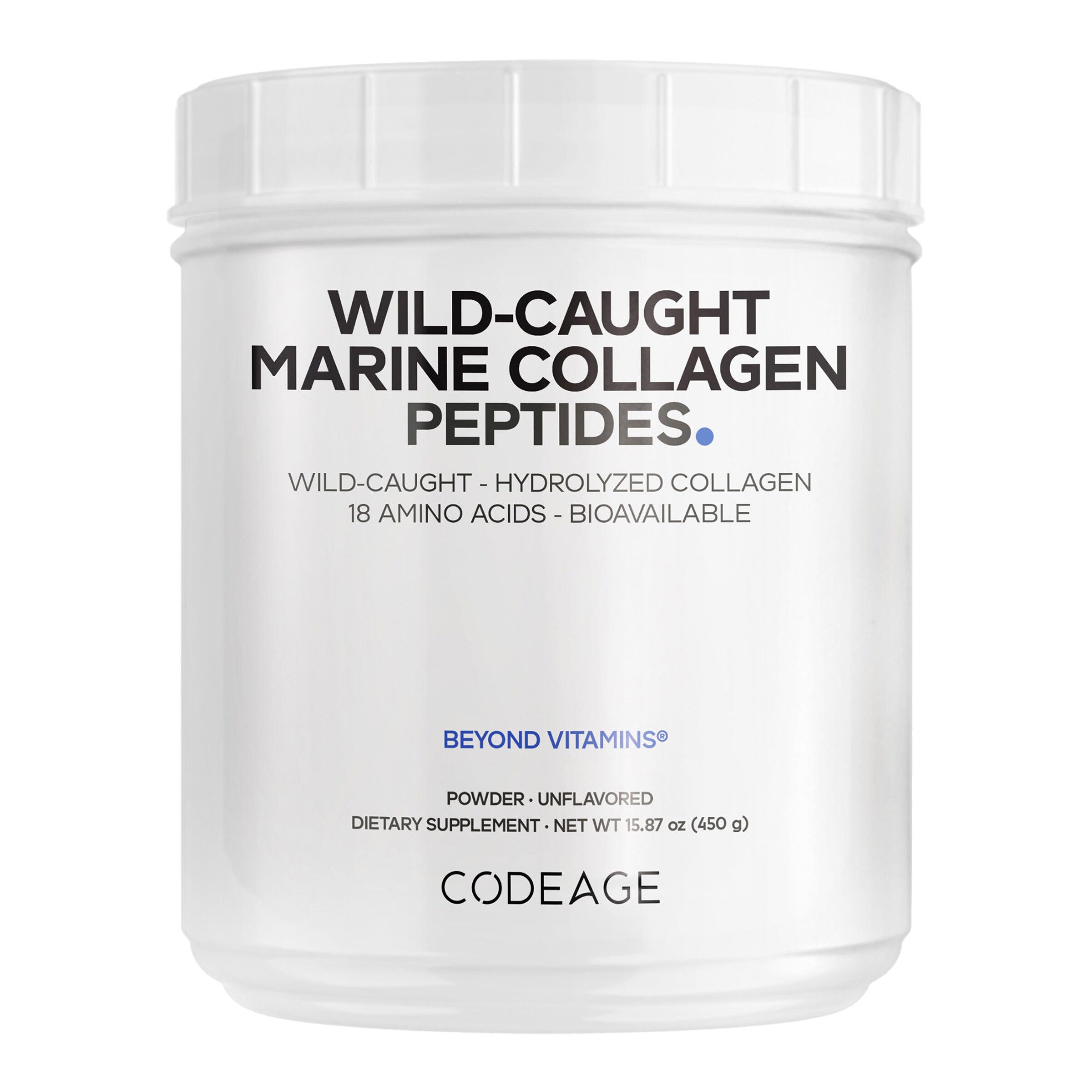

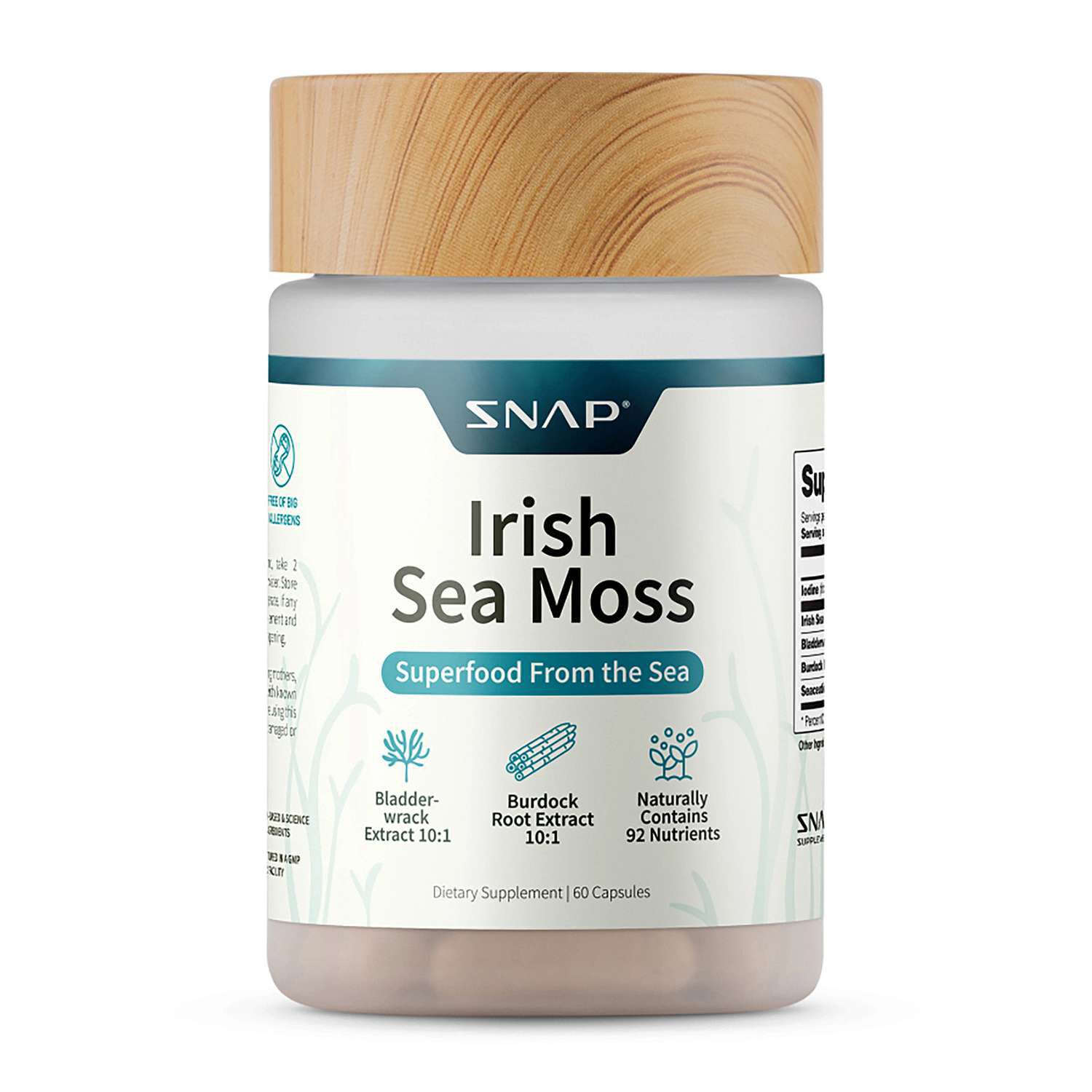
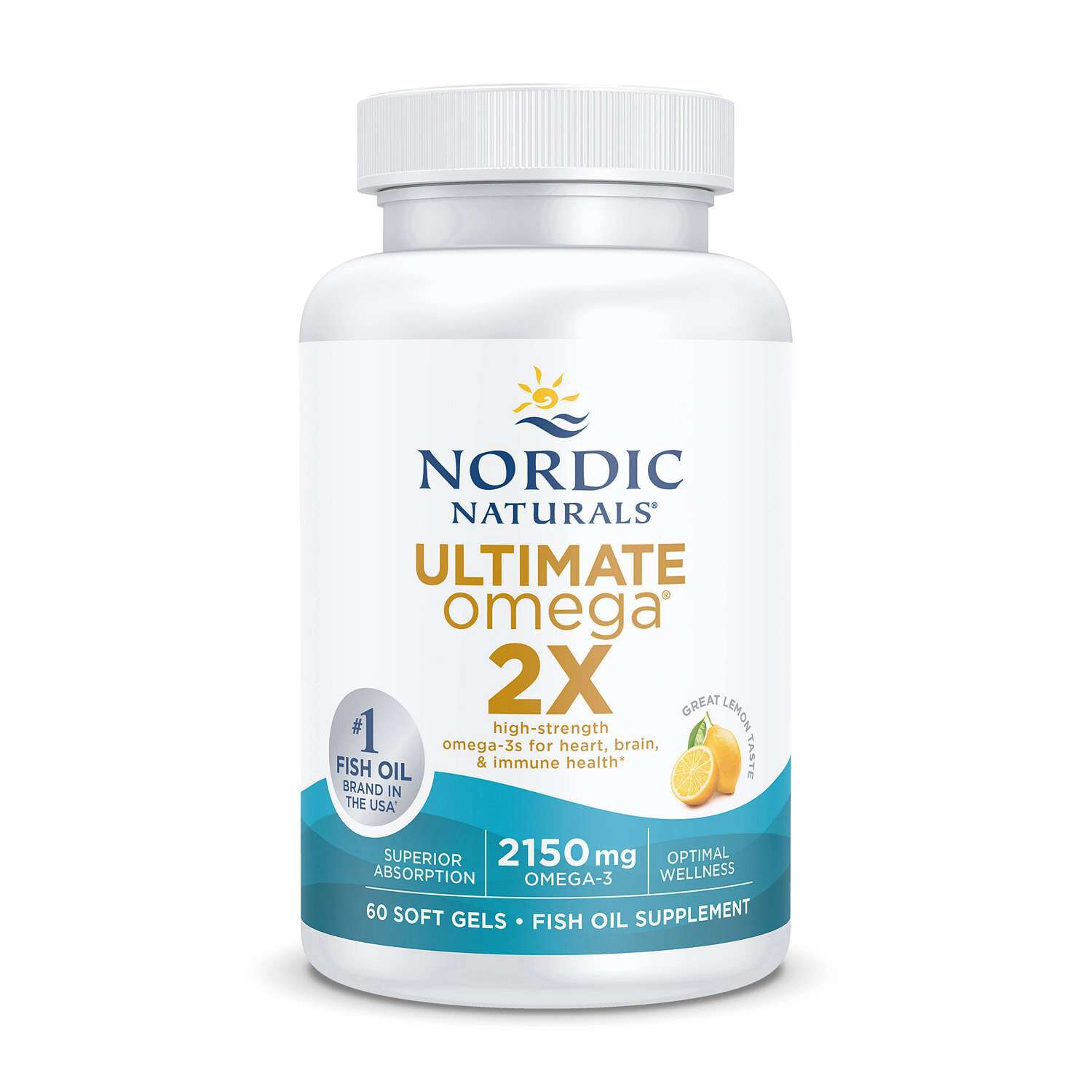
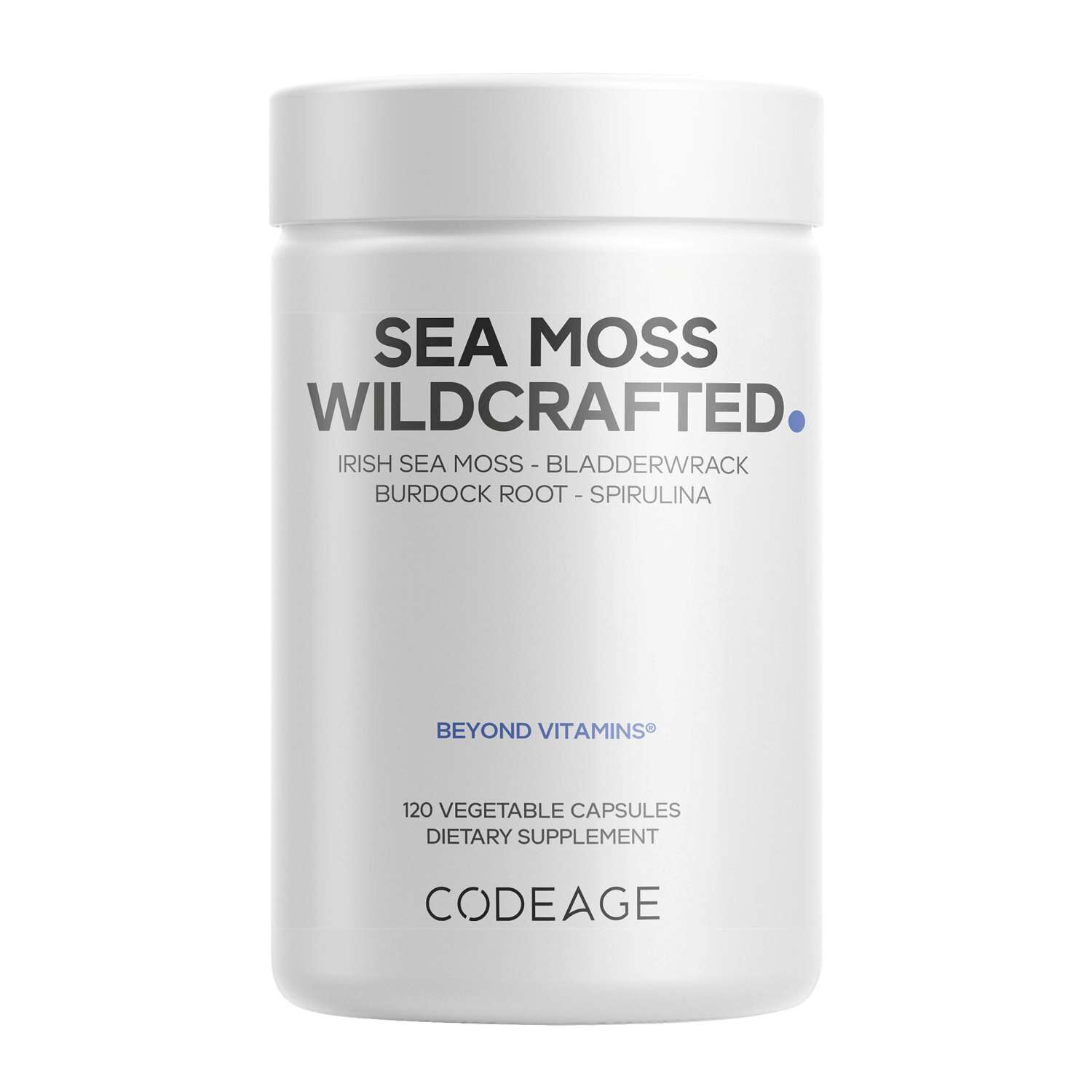
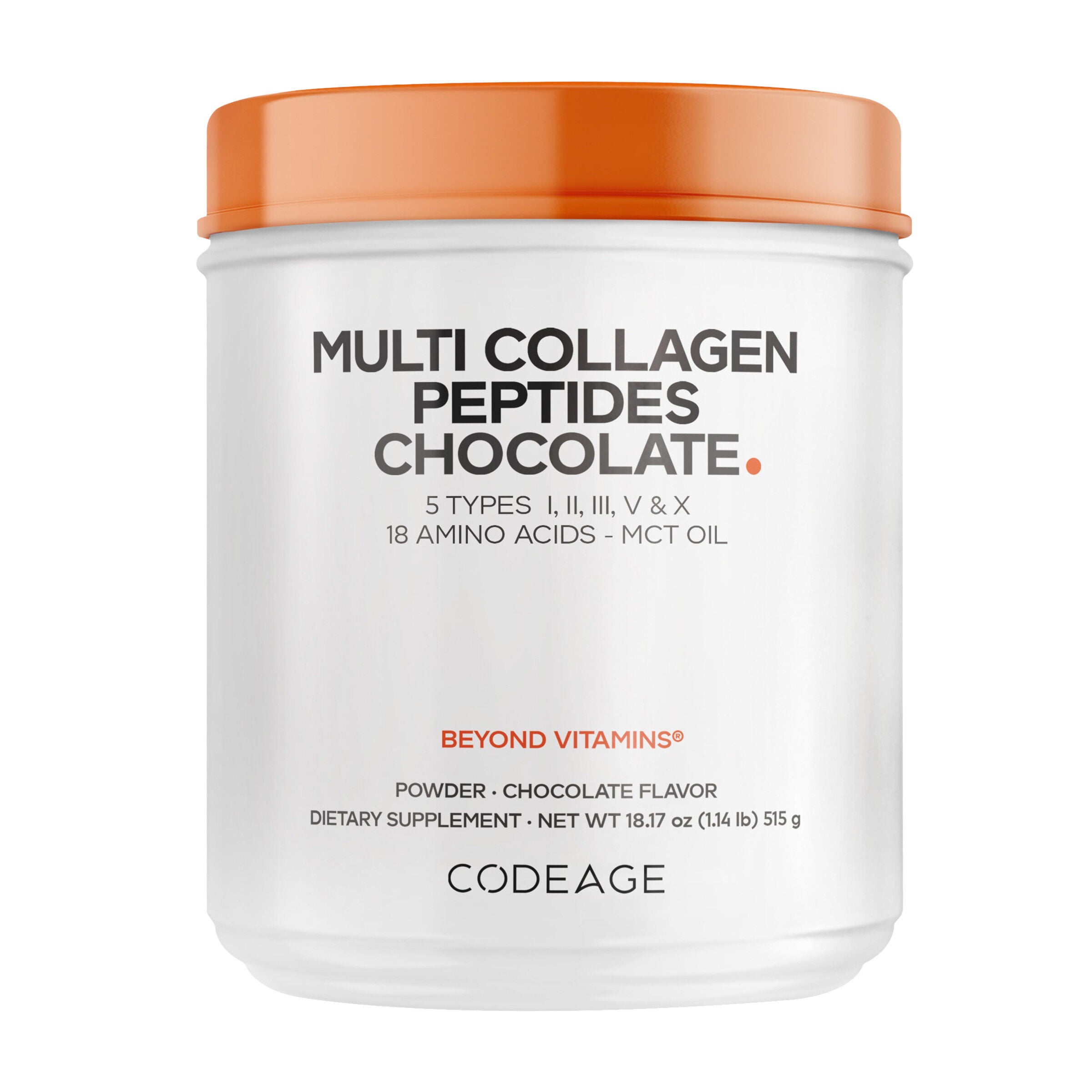
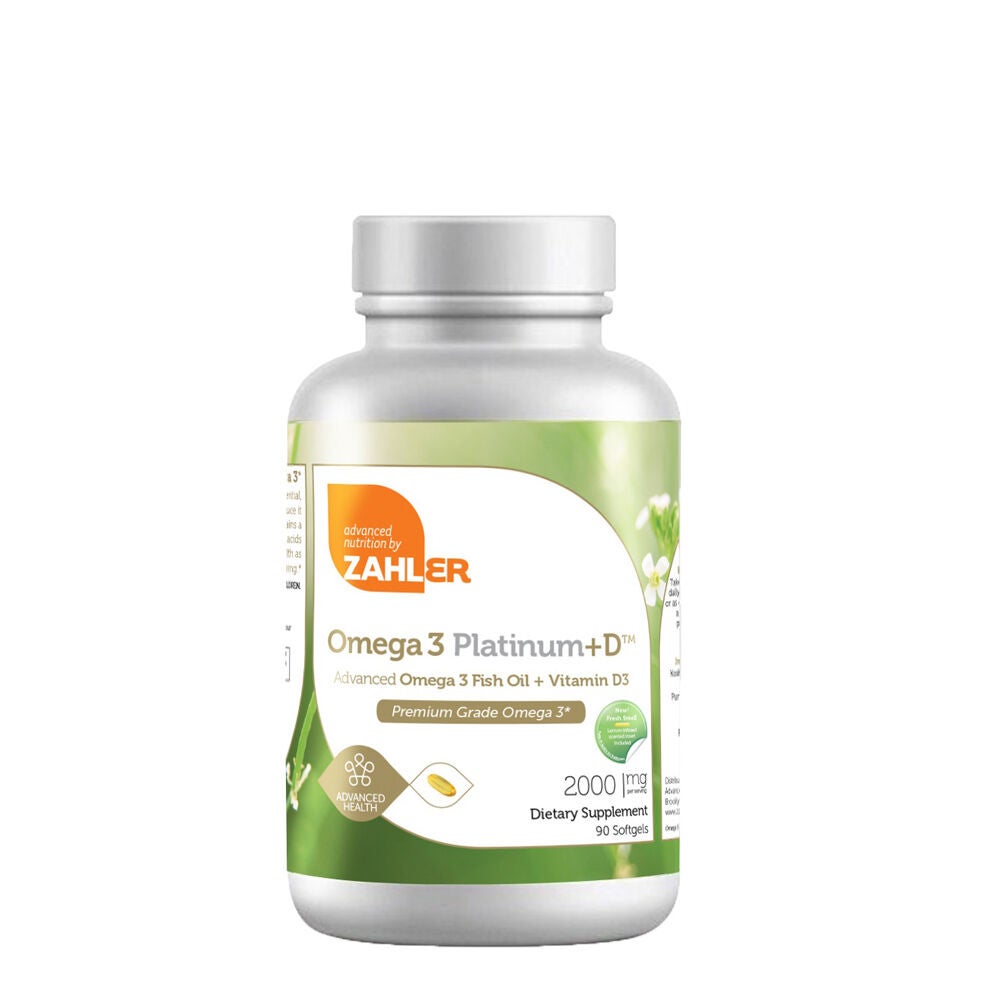

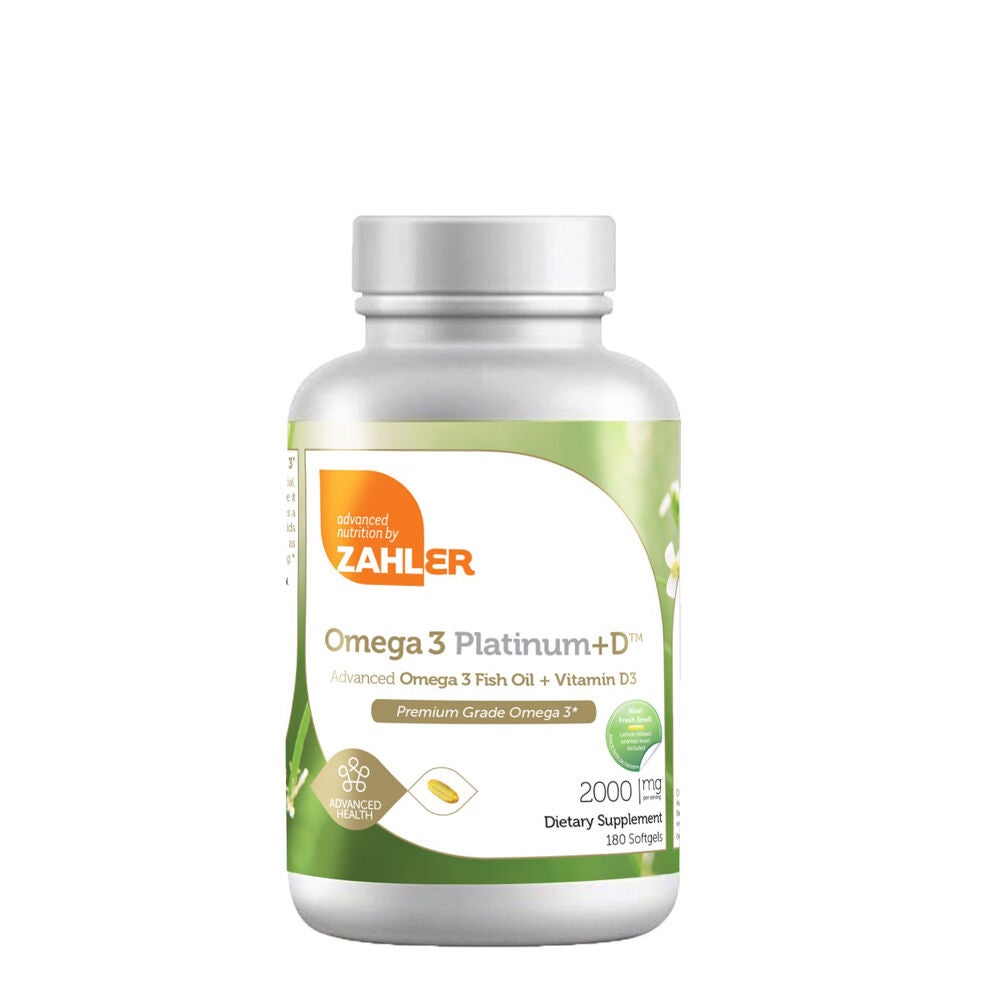

Wild-caught supplements bring a sourcing-focused approach to marine nutrition, with ingredients derived from fish or other marine organisms harvested from natural waters rather than raised through aquaculture. Within this category, fish oils are a familiar option, including oils made from salmon, pollock, anchovies, sardines, and other species identified on the label. Their defining nutritional components often include EPA and DHA, two omega-3 fatty acids found in marine oils. The phrase “wild caught” describes the origin of the source material; it does not, by itself, describe the amount of omega-3s in a serving, the processing method, or the testing performed on the finished supplement. Those distinctions give the category its variety. An oil made from one named species differs in sourcing from a blend, while a concentrated formula differs from an oil that has not undergone the same concentration process. Neither distinction alone tells the whole story. A useful product description connects the source species, harvest location when disclosed, ingredient composition, and serving information so that the contents are easier to understand. For example, two bottles with similar fish oil amounts on the front label can contain different amounts of EPA and DHA per serving. The Supplement Facts panel provides the more detailed comparison, including how many softgels or how much liquid makes up that serving. Wild-caught fish oil supplements may appeal to adults who value marine ingredient sourcing or want an omega-3 format that fits an established nutrition routine. They are not the same as eating fish: an oil supplement does not provide the same mix of protein and other nutrients found in a seafood meal. That distinction matters for someone comparing a pantry staple with a supplement bottle. The shared marine origin connects them, but their composition, serving sizes, and intended uses remain different.
Format adds another layer to the selection of wild-caught supplements. Softgels enclose a measured quantity of oil in a shell, while liquid oils use a measured pour according to the package directions. For someone who prefers a bottle tucked into a kitchen cabinet, the decision may come down to the serving format and storage instructions rather than the source species alone. Softgel dimensions and the number required per serving are practical details, particularly when comparing a smaller capsule with a larger one. Shell ingredients also deserve attention: gelatin may come from different animal sources, and a marine oil does not necessarily mean every part of the softgel comes from fish. Liquid formulas have their own characteristics, including texture, aroma, flavoring, and the need for an accurate measuring utensil. An added citrus flavor changes the sensory experience, not the listed quantity of EPA or DHA. Ingredient lists may also include substances used to help maintain the oil’s quality during its shelf life. These supporting ingredients are part of the formula and are separate from its marine source. Fish and shellfish sources are distinct, making the named species and allergen statement meaningful parts of the label for shoppers with dietary restrictions. A preference for wild harvesting also does not establish that a supplement meets a particular eating pattern; the full ingredient list and any relevant certifications provide that context. Beyond taste and format, packaging affects everyday handling. A tightly closing cap, a clearly printed date, and legible directions are useful features on a bottle that will be opened repeatedly. Marine oils require appropriate care, and package instructions specify storage conditions and any additional steps after opening. Keeping the original container preserves access to the ingredient list, serving directions, lot information, and date marking. For a liquid bottle used regularly or softgels packed for a trip, those details remain more useful than assumptions based on appearance alone.
Sourcing transparency and quality documentation help distinguish the information behind wild-caught marine supplements. A named ocean region or fishery gives more context than a broad marine-origin statement, but geography alone does not establish purity or responsible harvesting. Likewise, a smaller fish species or a wild harvest designation is not a substitute for testing. Relevant documentation may address ingredient identity, EPA and DHA content, oxidation, and contaminants such as mercury and certain environmental pollutants. Oxidation refers to chemical changes that can occur in oils during processing and storage; testing for it addresses a different aspect of quality than testing for contaminants. A description of filtration or purification explains a manufacturing step, whereas a test report provides information about what was measured. When a report is tied to a particular lot, it connects those results more directly to the bottle’s production batch. Environmental sourcing claims deserve the same specificity. A recognized certification, a clearly identified fishery, or documentation of traceability offers a firmer basis for comparison than ocean imagery on a label. Wild harvesting and responsible fishery management are related considerations, not interchangeable terms. Some marine ingredients also come from portions of fish remaining after food processing, so the relationship between seafood production and supplement sourcing can extend beyond a single finished ingredient. For shoppers exploring marine nutrition more broadly, Fish Protein Supplements represent a different category: their focus is protein rather than the fatty acids supplied by fish oil. Keeping that distinction clear makes the broader assortment easier to navigate without treating every fish-derived supplement as equivalent. The most informative comparison brings several details together: what marine ingredient is present, where it comes from, how much a serving contains, what else is in the formula, and how the manufacturer documents its quality. A straightforward label and specific sourcing information give substance to the wild-caught description, while format, flavor, serving size, and package care determine how the supplement fits into day-to-day use.
Best Sellers
-
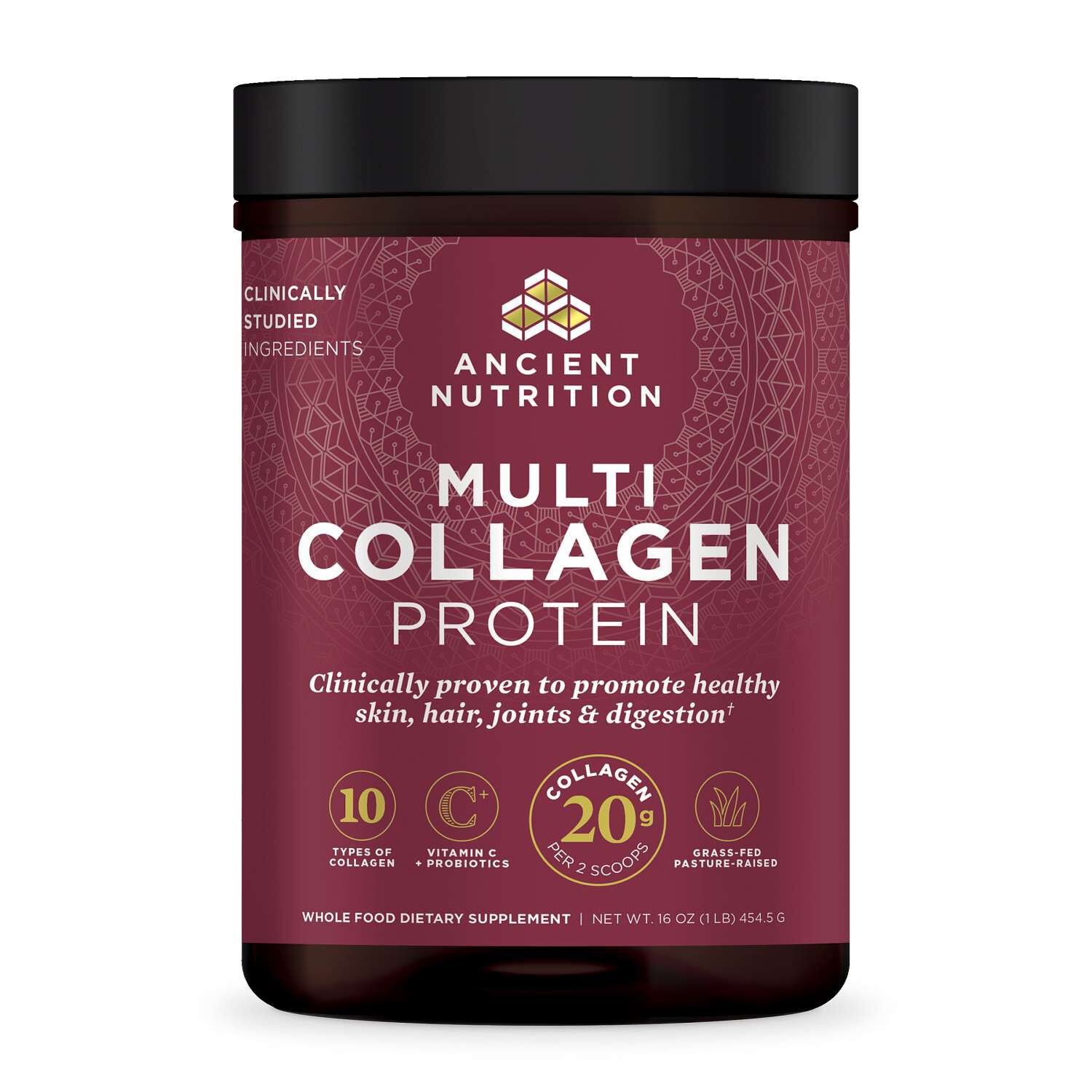 Ancient Nutrition
 -
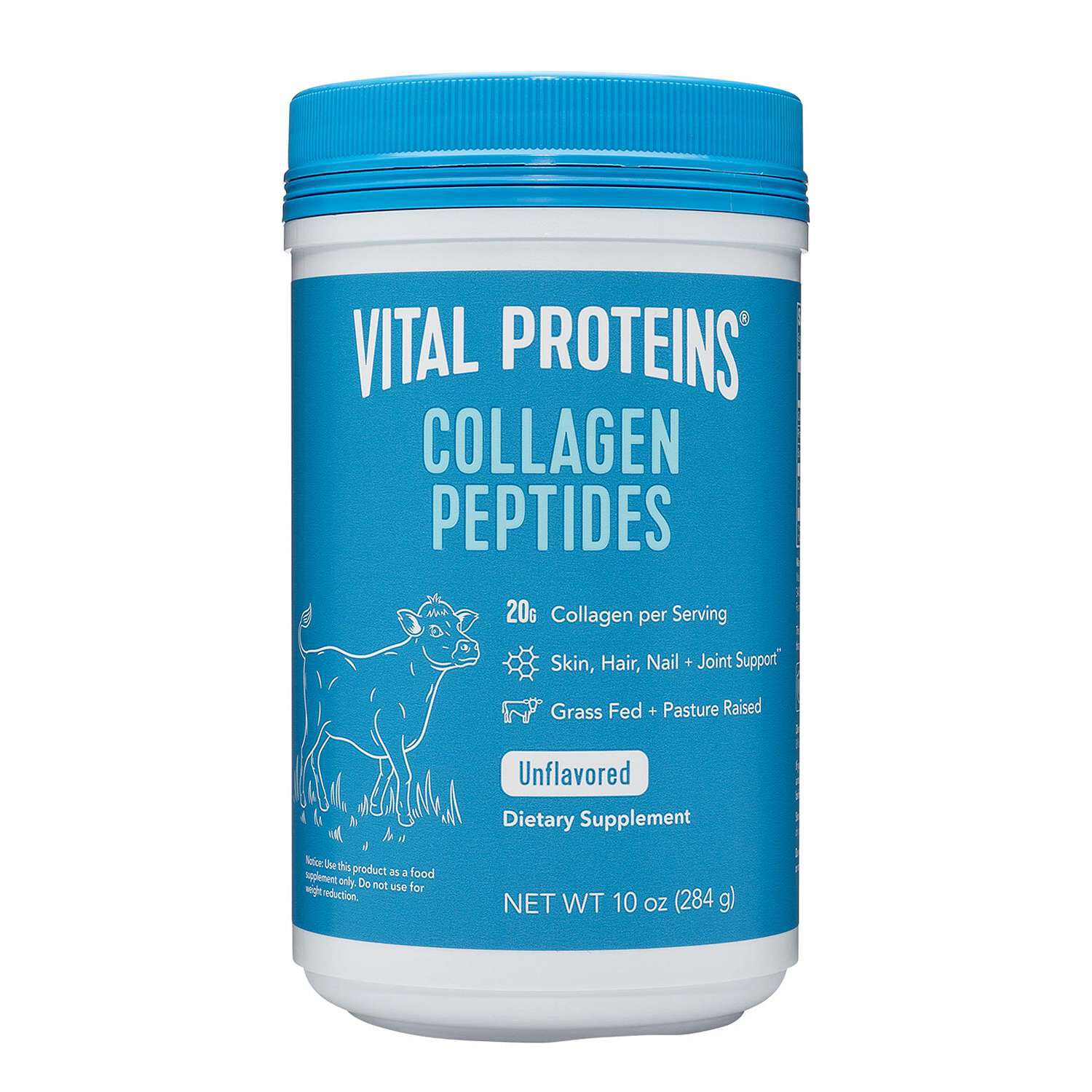 Vital Proteins