Fish Protein Supplements
(0 Results)
Fish protein supplements offer a convenient way to incorporate high-quality protein sourced from fish into your daily routine. Whether you’re looking to support your fitness goals or simply add variety to your nutrition plan, fish protein supplements may fit seamlessly into your lifestyle. Explore a range of options designed to suit different preferences and dietary needs, all while enjoying the benefits that come from choosing fish as your protein source. Discover how fish protein supplements might complement your wellness journey today.

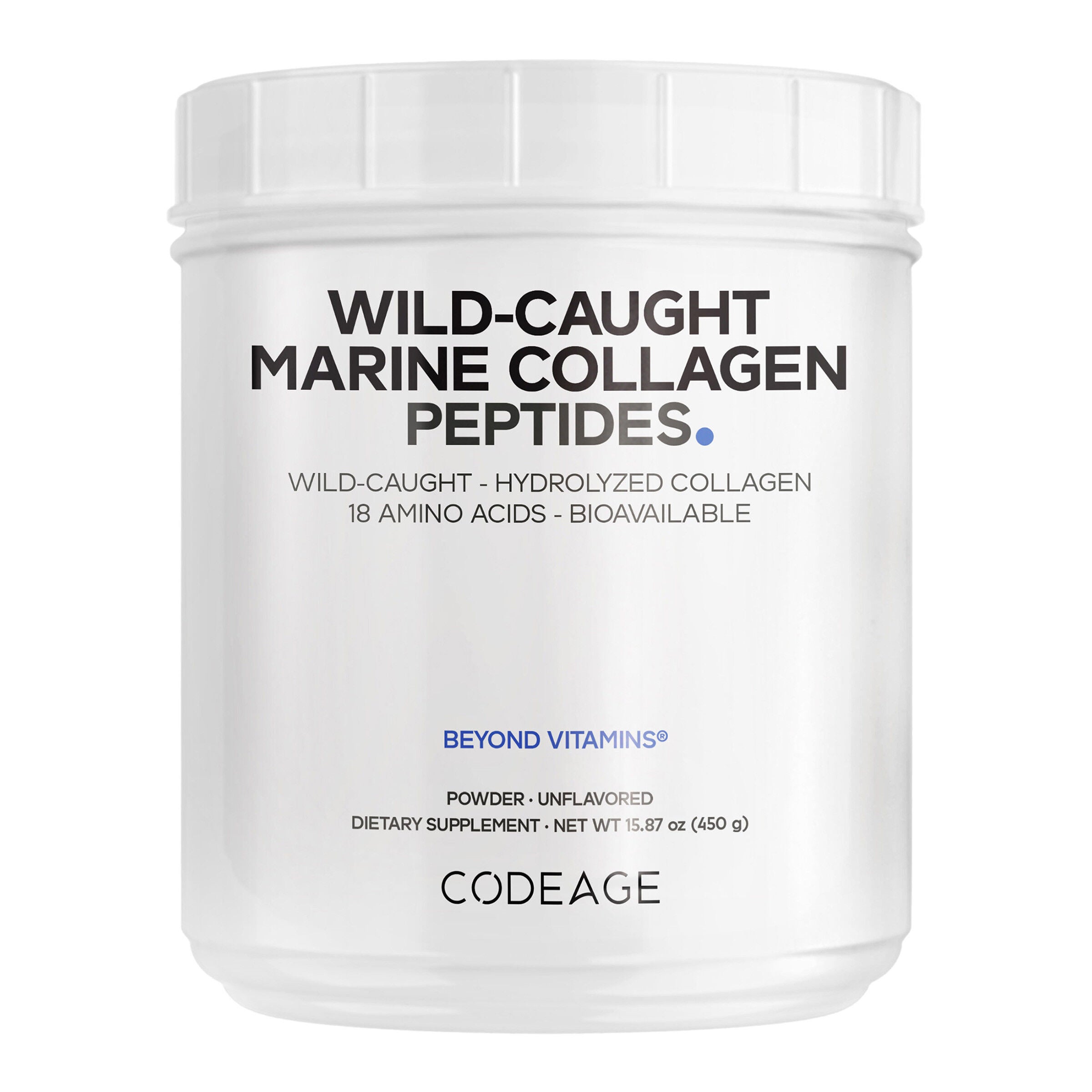

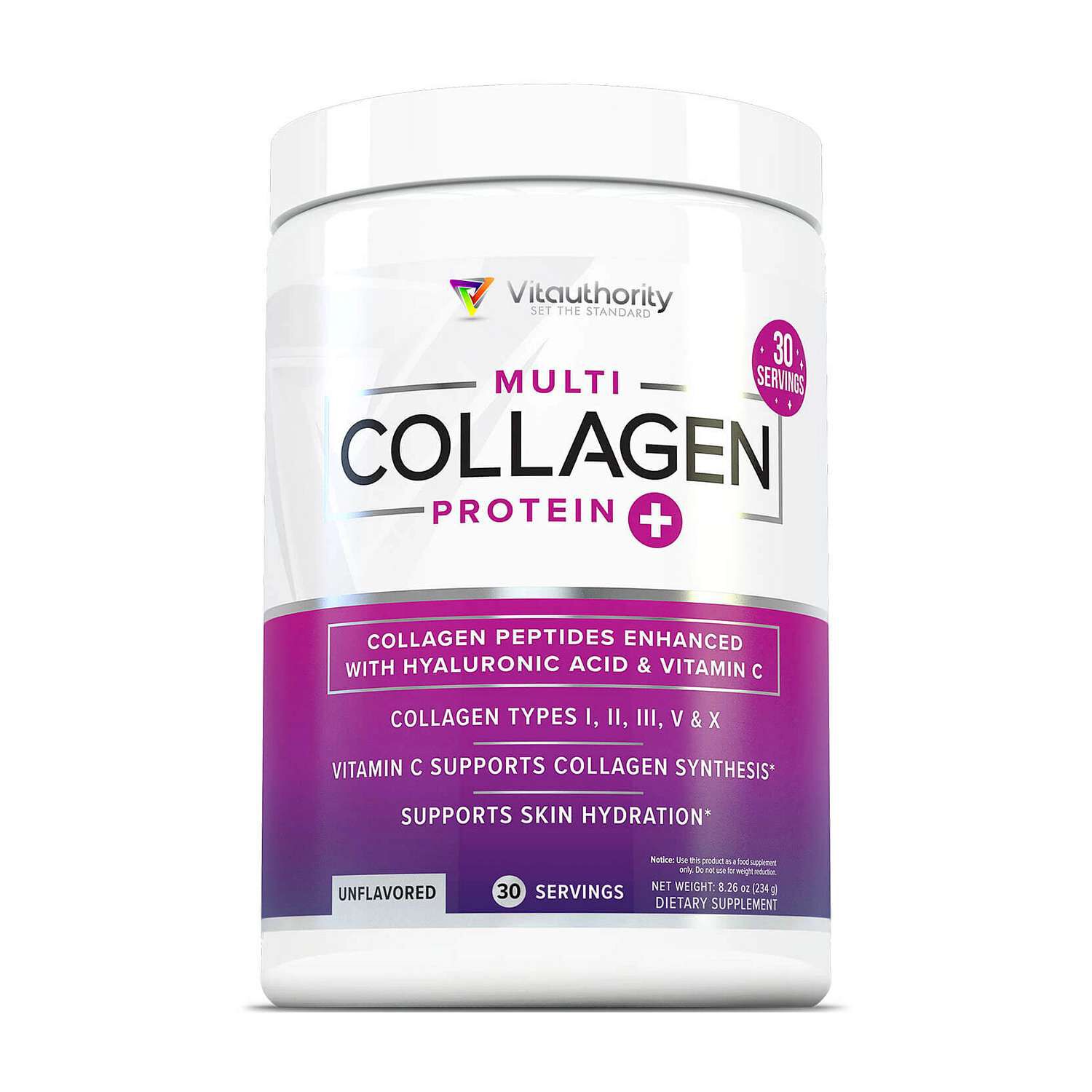
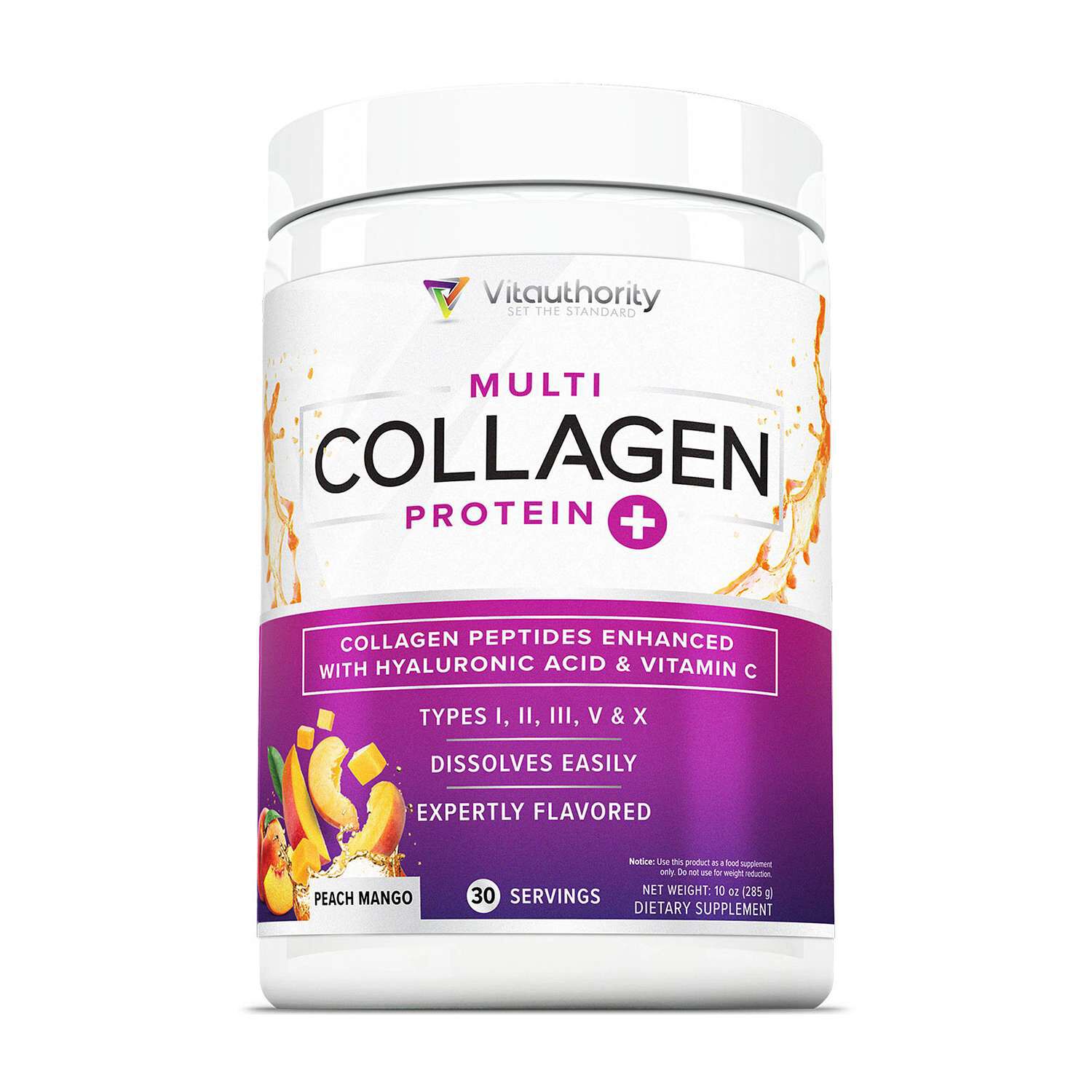
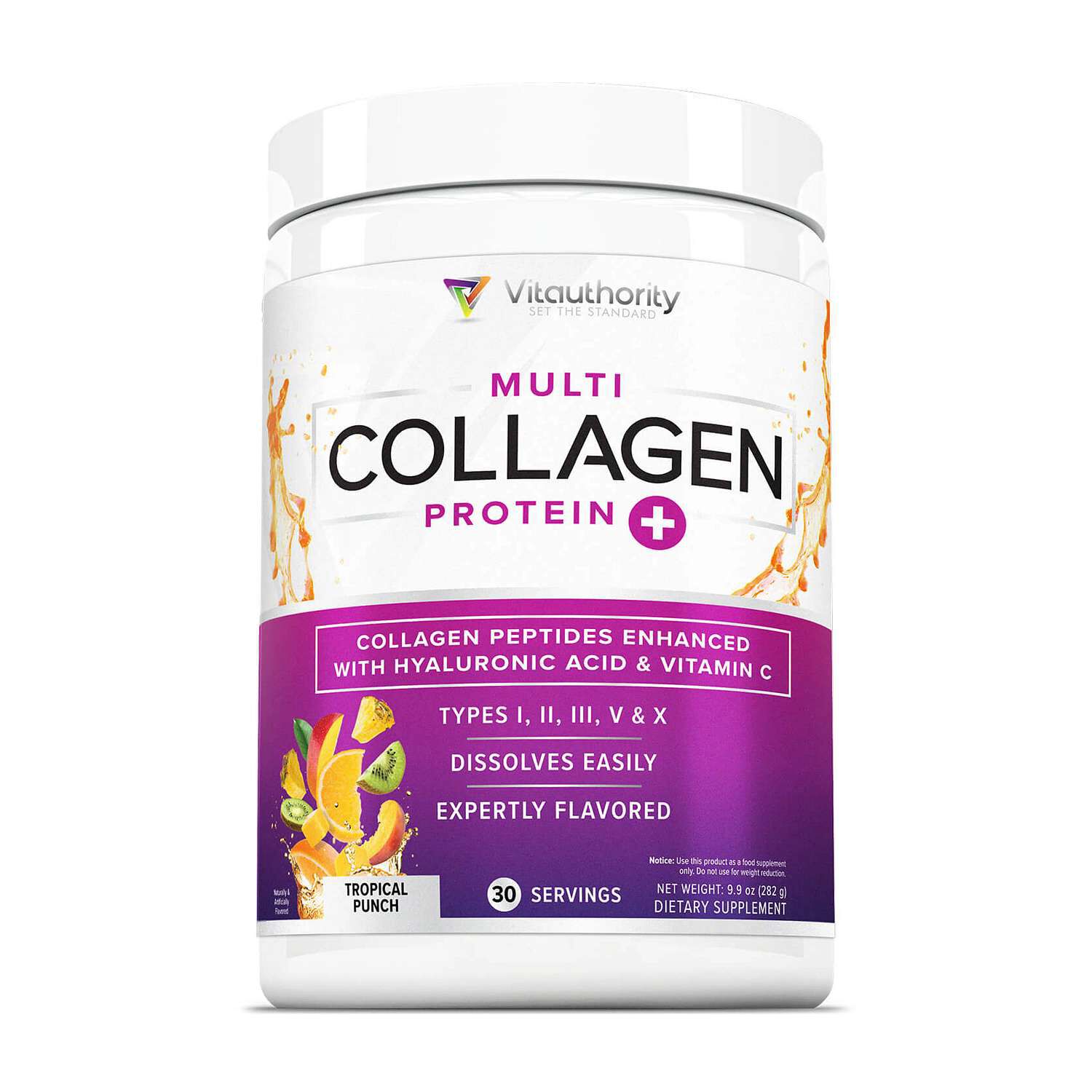
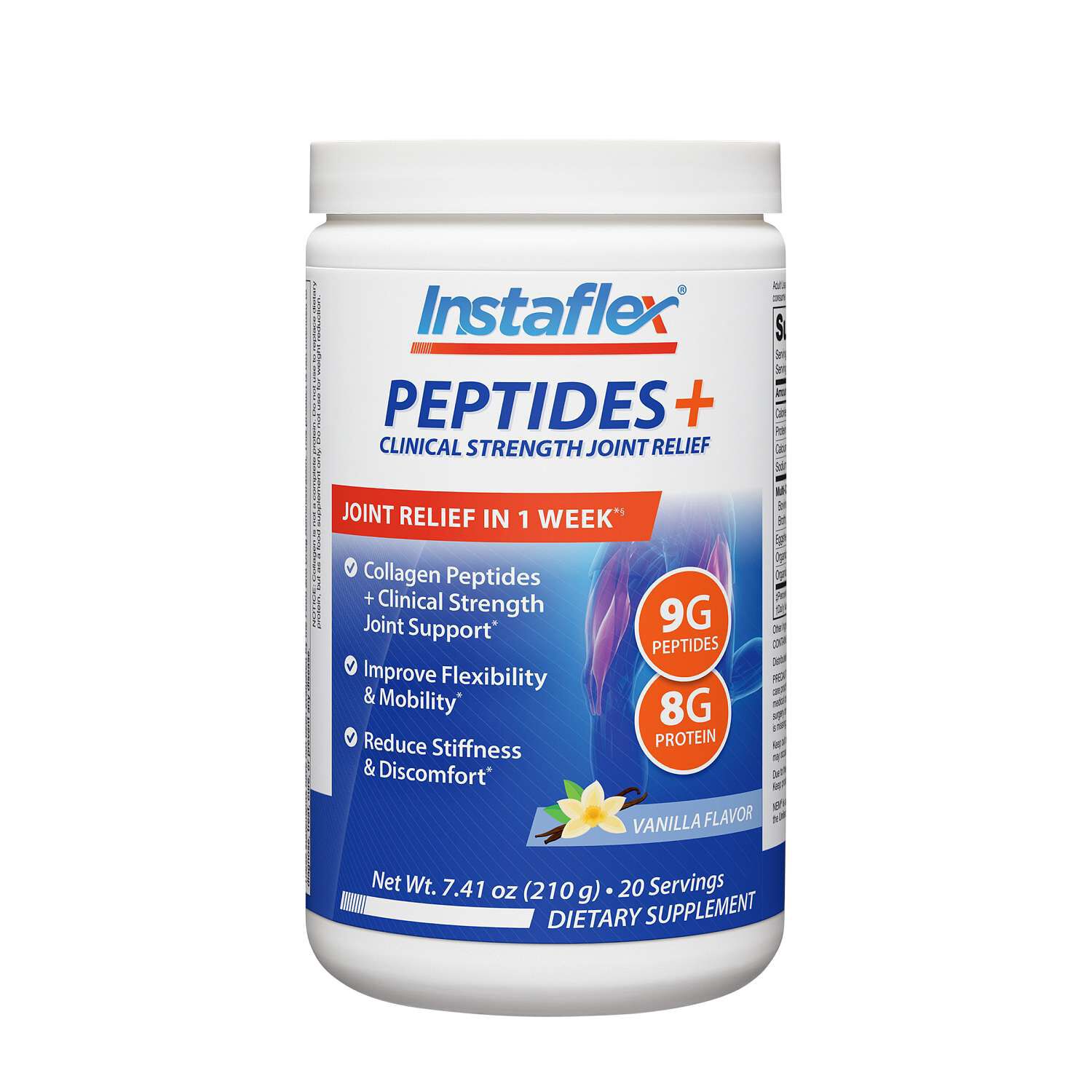
Fish protein supplements are concentrated sources of protein derived from fish, with formats that include fish protein hydrolysates, fish protein isolates, and marine collagen peptides. These categories share an aquatic origin, but they are not interchangeable. Fish muscle proteins and collagen have different amino acid compositions, making the source material an important part of any comparison. Fish protein ingredients may come from muscle tissue or from materials such as skin and bones that are also used in food production. Hydrolyzed fish protein undergoes a process in which enzymes divide longer protein chains into smaller peptides. The term hydrolyzed describes processing rather than a particular species or a single type of protein; both muscle-derived proteins and collagen can undergo hydrolysis. Fish protein isolates generally refer to concentrated protein ingredients separated from other components of the source material. Marine collagen peptides are derived from collagen-rich tissues, often fish skin, and primarily contain Type I collagen. Collagen has a different amino acid pattern from fish muscle protein and naturally lacks tryptophan, one of the nine amino acids that must come from food. For that reason, an unfortified collagen powder is not nutritionally equivalent to a fish muscle protein powder, even when their labeled protein amounts look similar. The distinction matters for shoppers comparing a collagen-focused addition to their routine with a protein powder intended to contribute a broader amino acid profile. Fish protein supplements also differ from fish oil supplements: fish oil supplies fats, while fish protein products are selected for their protein or peptide content. A marine origin alone does not establish a meaningful amount of omega-3 fats. Product names provide a starting point, while the ingredient list, serving information, and stated source explain what is actually inside. This combination of source, processing method, and composition gives the category more definition than a general reference to marine nutrition.
Format and flavor shape how fish protein supplements fit into everyday eating. Powders offer flexibility for mixing into beverages or foods, while capsules generally hold smaller amounts of material per unit and require a different serving comparison. A powder measured in grams and a capsule measured in milligrams are not equivalent simply because both contain a fish-derived ingredient. The labeled amount of protein per serving is more useful than scoop size alone, since a serving may also contain flavoring ingredients, sweeteners, or other components. For a breakfast smoothie made with berries and oats, a lightly flavored powder might fit the existing flavor profile; for a plain beverage, aroma and aftertaste may be more noticeable. Unflavored means that a product has no added flavoring, not necessarily that it has no taste or scent. Processing methods influence the finished ingredient, and sensory characteristics vary among formulations. Hydrolyzed proteins may mix differently from other powders, but the word hydrolyzed does not establish that every serving will dissolve clearly or have a neutral flavor. Texture also depends on the recipe, the amount of liquid, and the other ingredients in the cup. A shaker bottle suits a drink taken along for a busy day, while a blender may produce a more uniform texture when fruit, oats, or nut butter are included. Directions on the package establish the intended preparation method. Fish-derived protein may appeal to adults following a pescatarian eating pattern or considering protein sources other than dairy. However, fish origin does not establish that the finished formula contains no milk ingredients; flavored blends may include additional protein sources or other ingredients. Fish is a major food allergen, and species information, allergen statements, and manufacturing disclosures remain relevant even when a powder has little noticeable fish flavor. These products are not vegetarian or vegan. For shoppers comparing several protein categories, dietary fit involves the entire formula rather than the ingredient named most prominently on the front of the container.
Sourcing adds another dimension to fish protein supplements, particularly for shoppers interested in the species used, where the fish were harvested, and how the ingredient was produced. A label might identify a particular fish species, describe wild-caught sourcing, or explain that the protein comes from materials remaining after edible portions are prepared. These details describe different parts of the supply chain and should not be treated as equivalent claims. Using fish skin for collagen, for example, identifies the source tissue; it does not by itself establish a specific harvesting method or environmental certification. For shoppers exploring this sourcing preference across marine-derived categories, Wild Caught Supplements offers a related category to consider. Wild-caught sourcing alone does not determine protein concentration, amino acid composition, flavor, or the manufacturing standards applied to a finished supplement. Clearly identified testing practices and verifiable certifications provide more specific information than broad quality language. Packaging and handling also matter for an ingredient used repeatedly over time. A securely closing container, a readable date marking, and preparation instructions make a powder easier to keep organized alongside other pantry items. Storage directions deserve attention after opening, particularly instructions concerning moisture and direct sunlight. A dry measuring scoop and a firmly closed lid help limit moisture entering the container. Pre-portioned formats may suit a desk drawer or travel bag, while a larger container may be more practical for a routine centered around meals prepared at home. Prepared drinks have different handling needs from dry powder, especially when mixed with perishable ingredients. Fish protein supplements may complement an eating routine, but they do not reproduce the full nutritional composition or eating experience of a serving of fish. Their role is more specific: a measured source of fish-derived protein or peptides, chosen with attention to composition, taste, preparation, and intended use. The most meaningful comparisons stay grounded in those details rather than treating every marine-derived formula as the same kind of product.
What are fish protein supplements?
Fish protein supplements are products made from fish-derived proteins, often in powder or capsule form, that can be added to your daily routine as a source of dietary protein.
How is fish protein different from other types of protein supplements?
Fish protein is typically derived from the muscle or collagen of fish and may offer a unique amino acid profile compared to plant-based or dairy-based proteins.
Who might consider using fish protein supplements?
Individuals looking for alternative sources of dietary protein, especially those who prefer marine-based options, might consider incorporating fish protein supplements into their nutrition plan.
How can fish protein supplements be used in recipes?
Fish protein powders may be mixed into smoothies, shakes, soups, or baked goods to add extra protein without altering the flavor significantly.
What ingredient considerations apply to fish protein supplements?
Because these supplements come from fish, review the product label carefully before choosing one.
Best Sellers
-
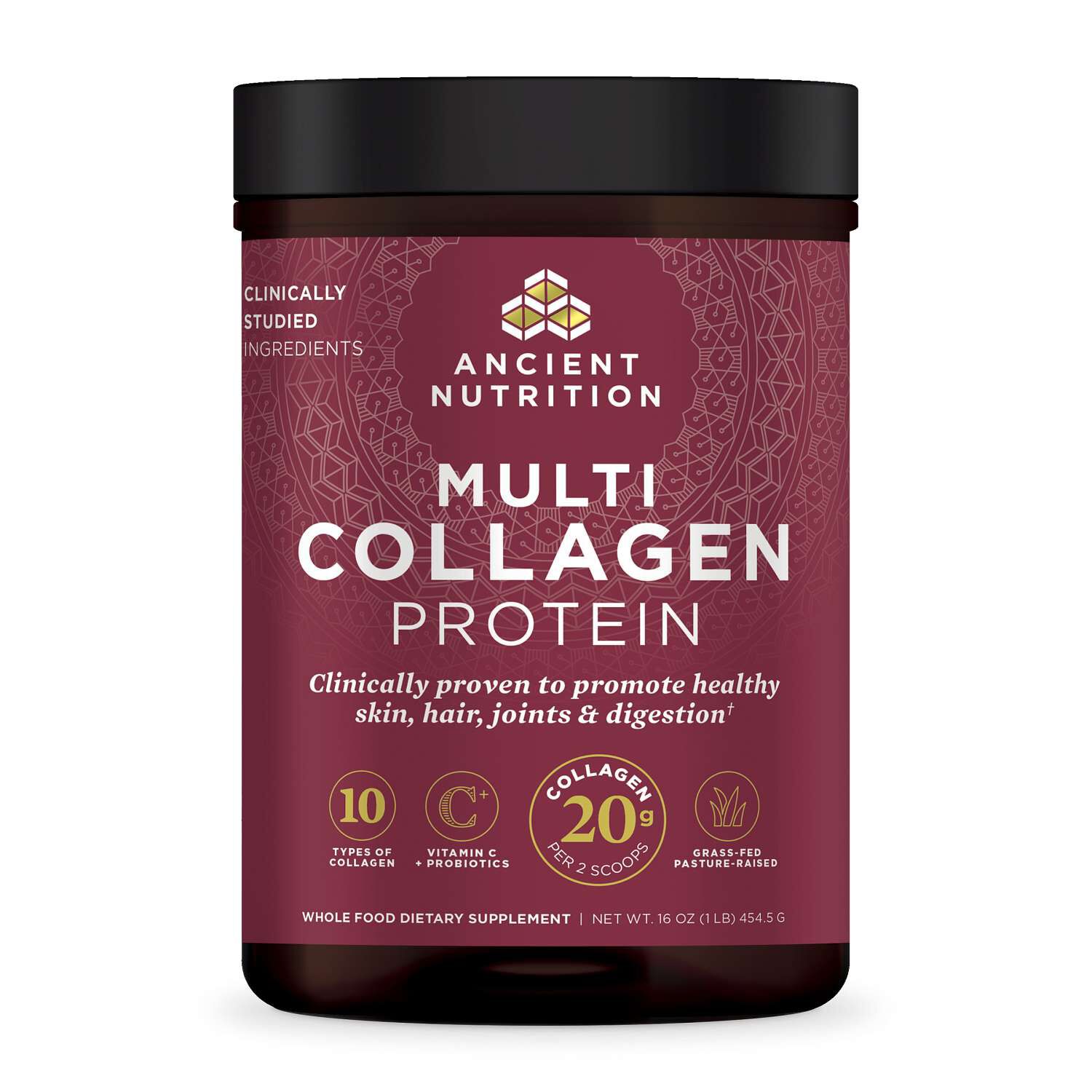 Ancient Nutrition
-
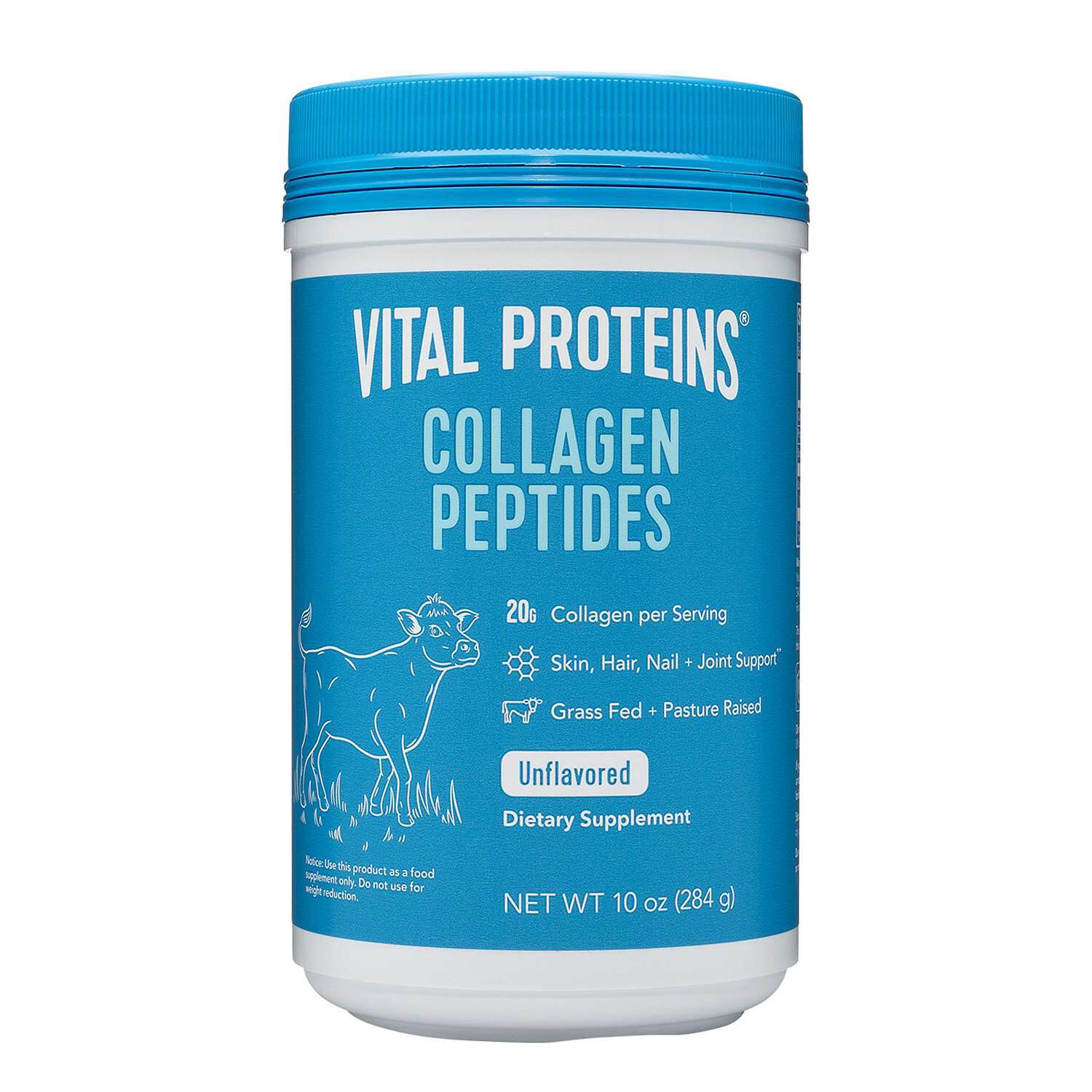 Vital Proteins