Fish Peptides
(0 Results)
Explore the potential benefits of fish peptides, a unique category of supplements derived from marine sources. Fish peptides may offer a convenient way to support your daily wellness routine, whether you’re focused on nutrition, fitness, or overall vitality. Discover a variety of options designed to fit seamlessly into your lifestyle and help you work toward your wellness goals.
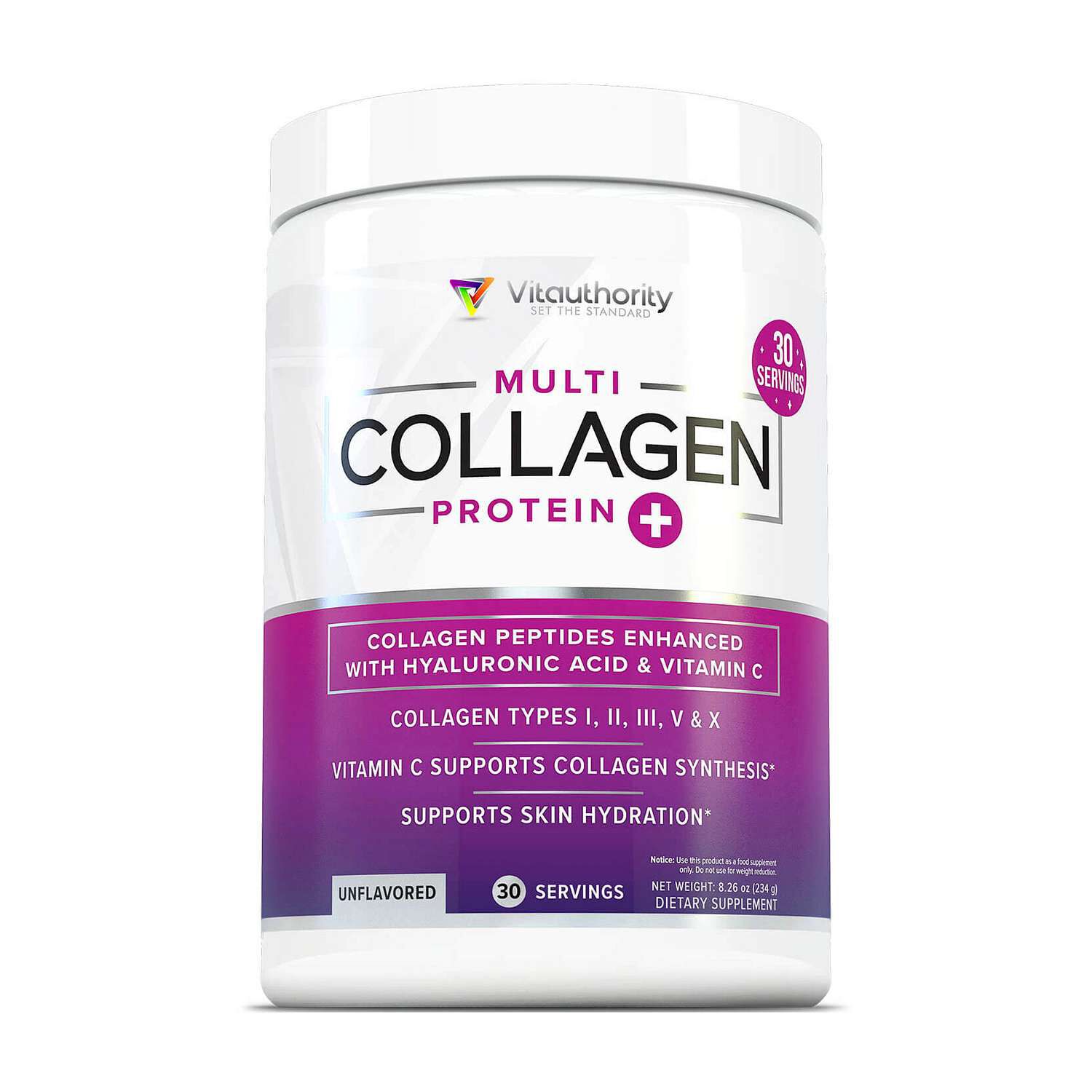
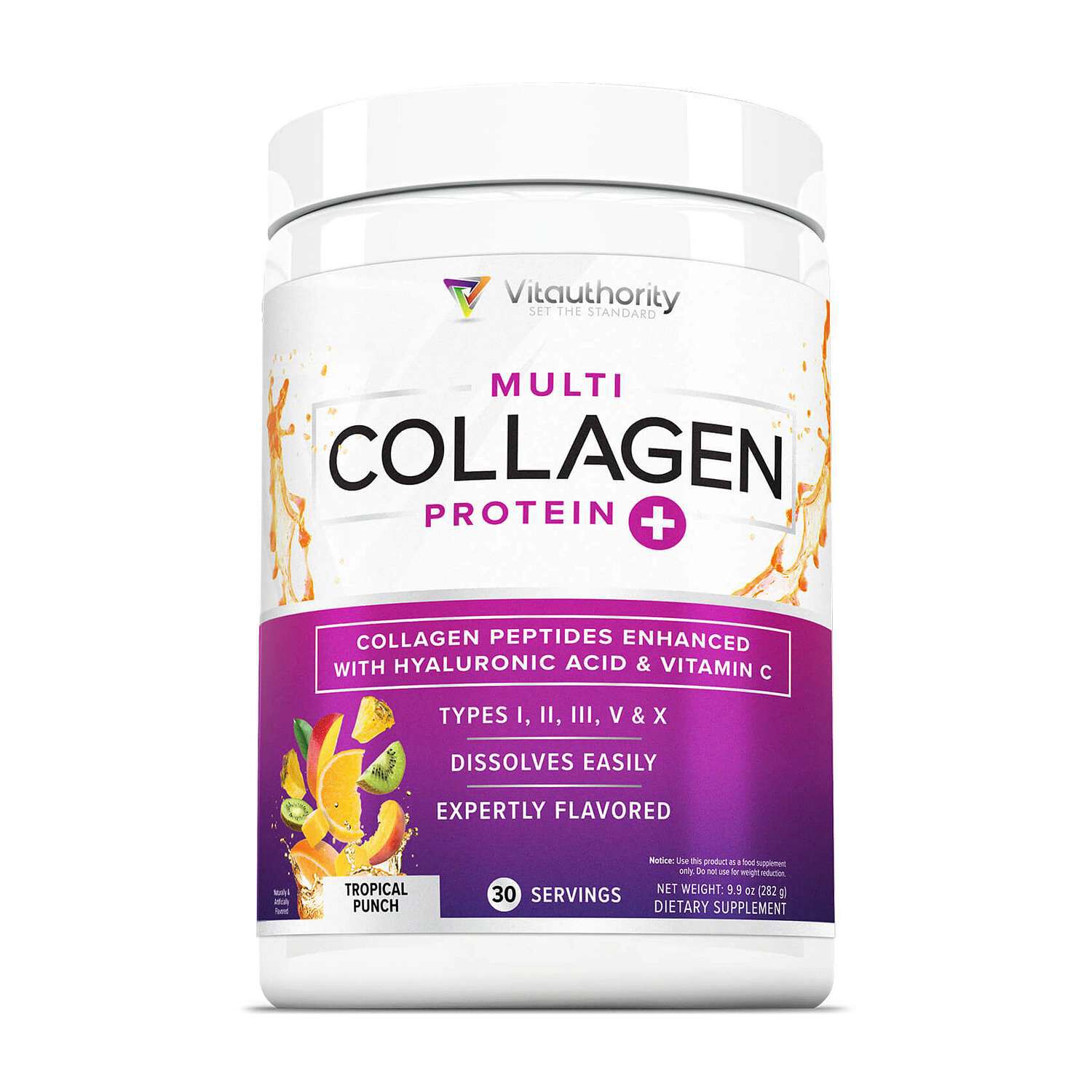
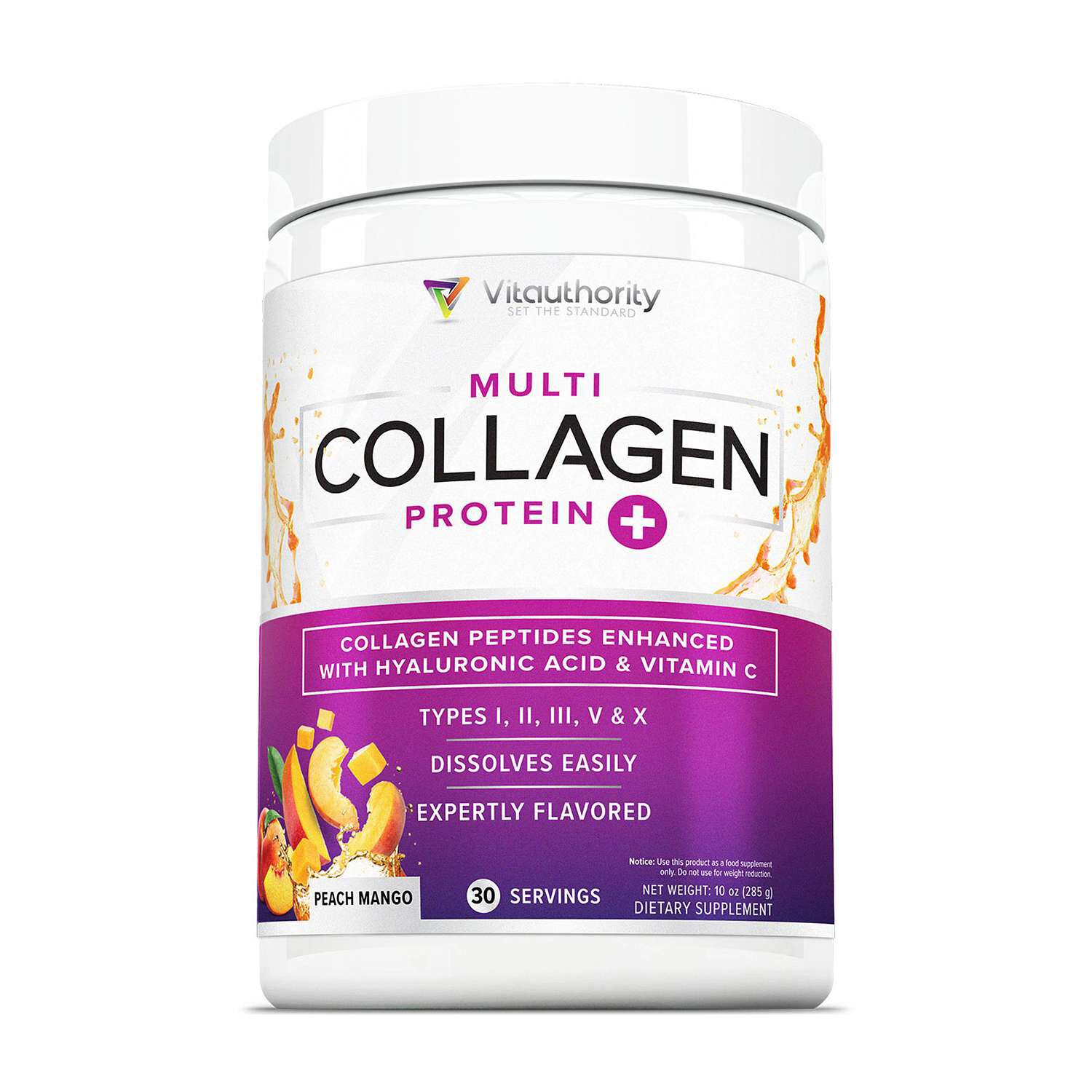


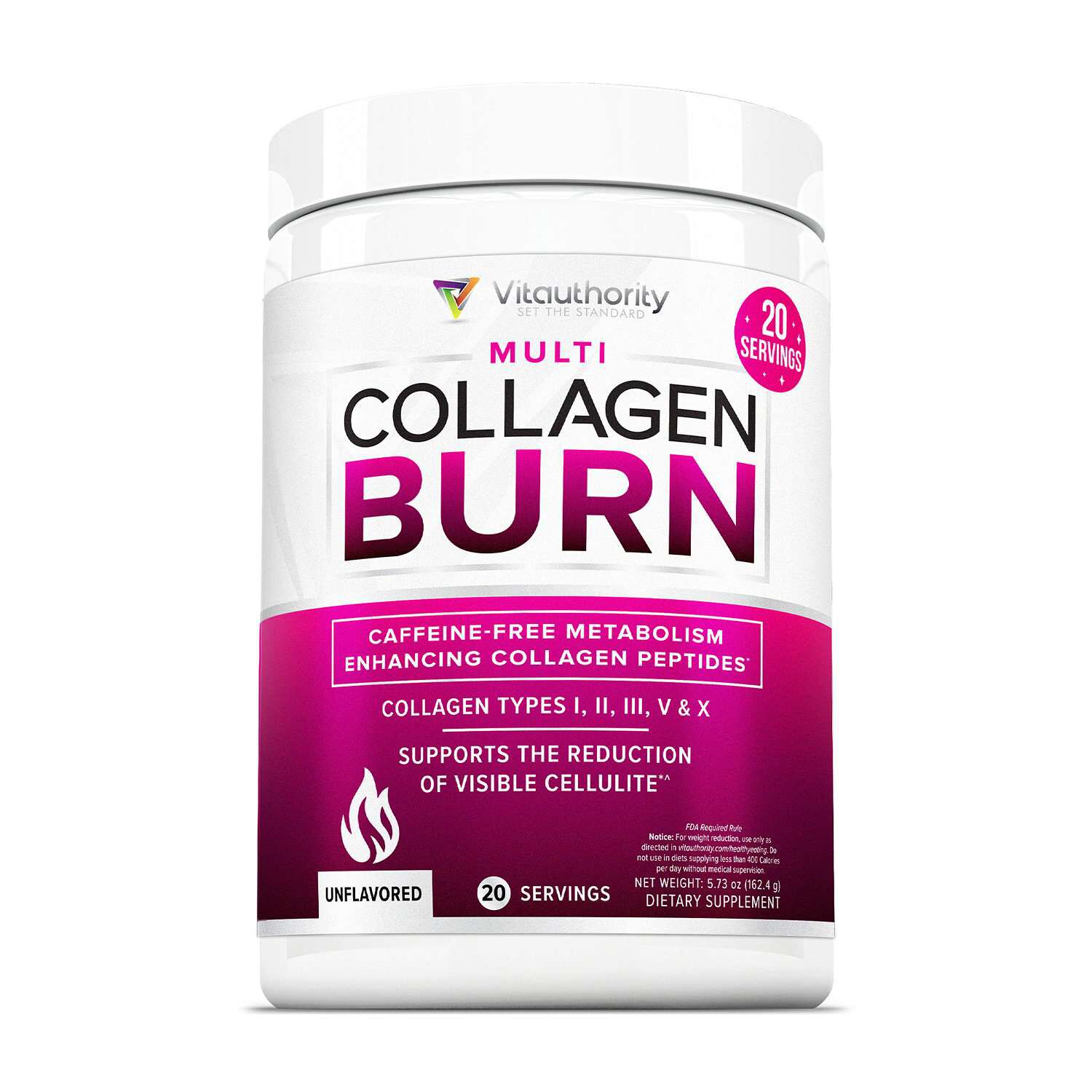
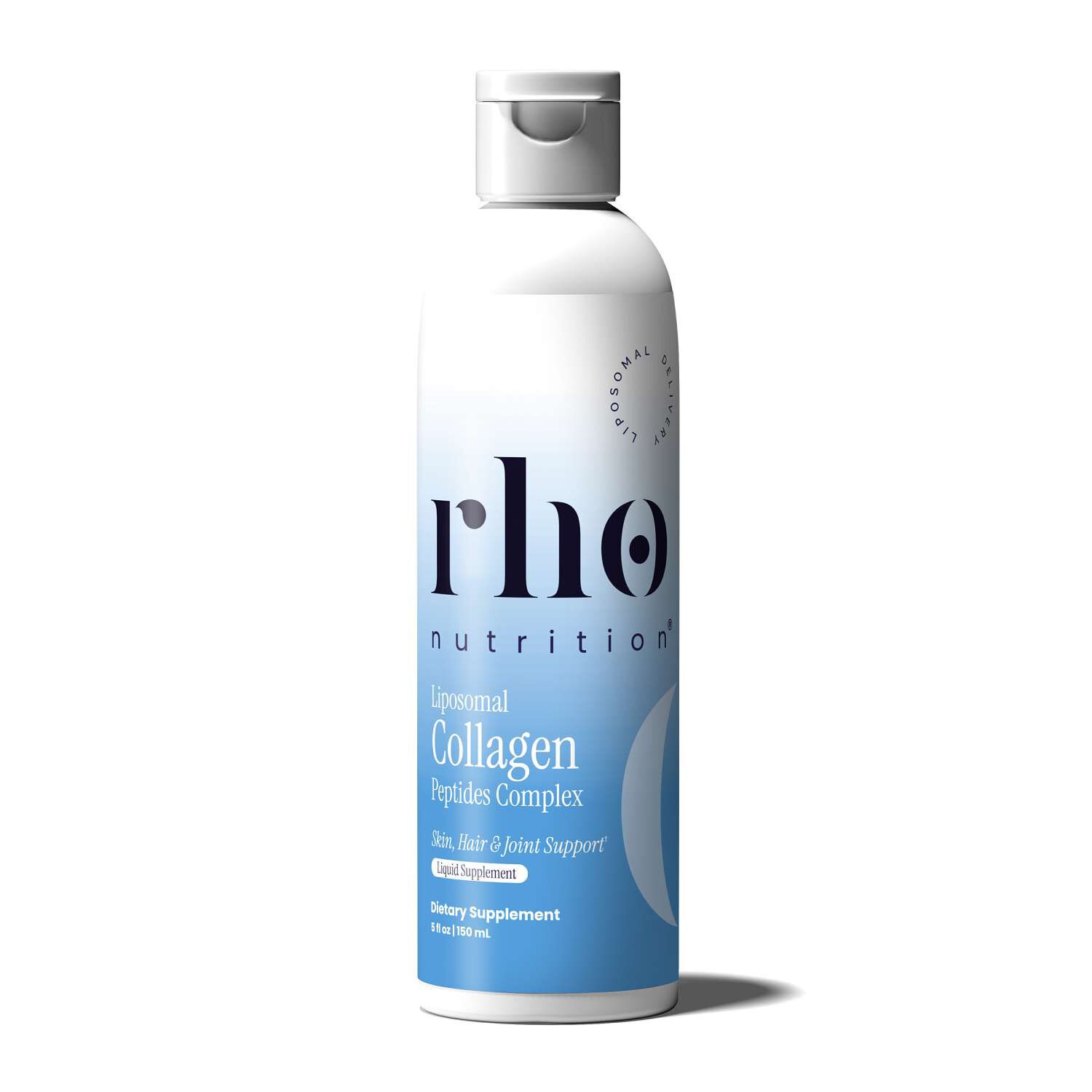


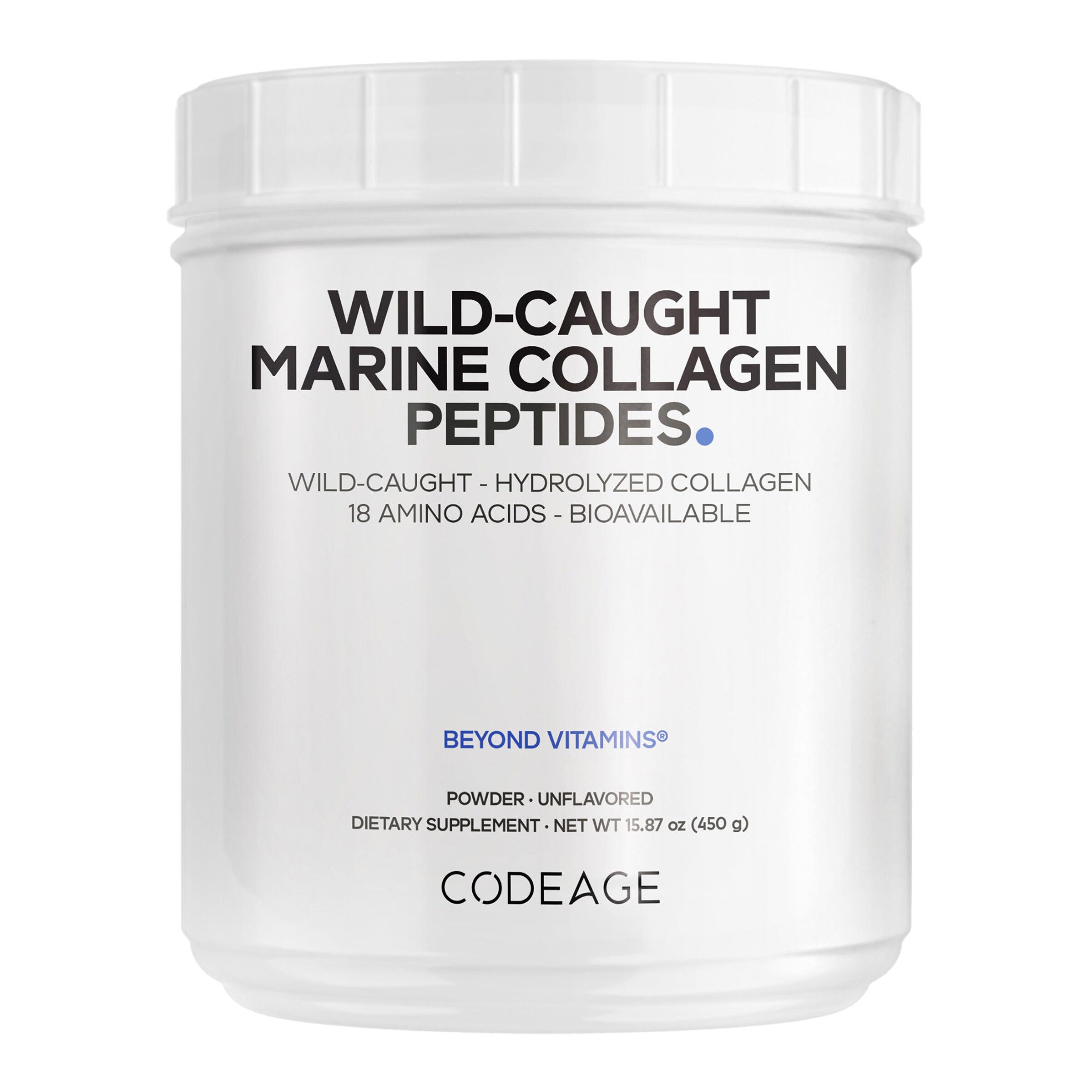
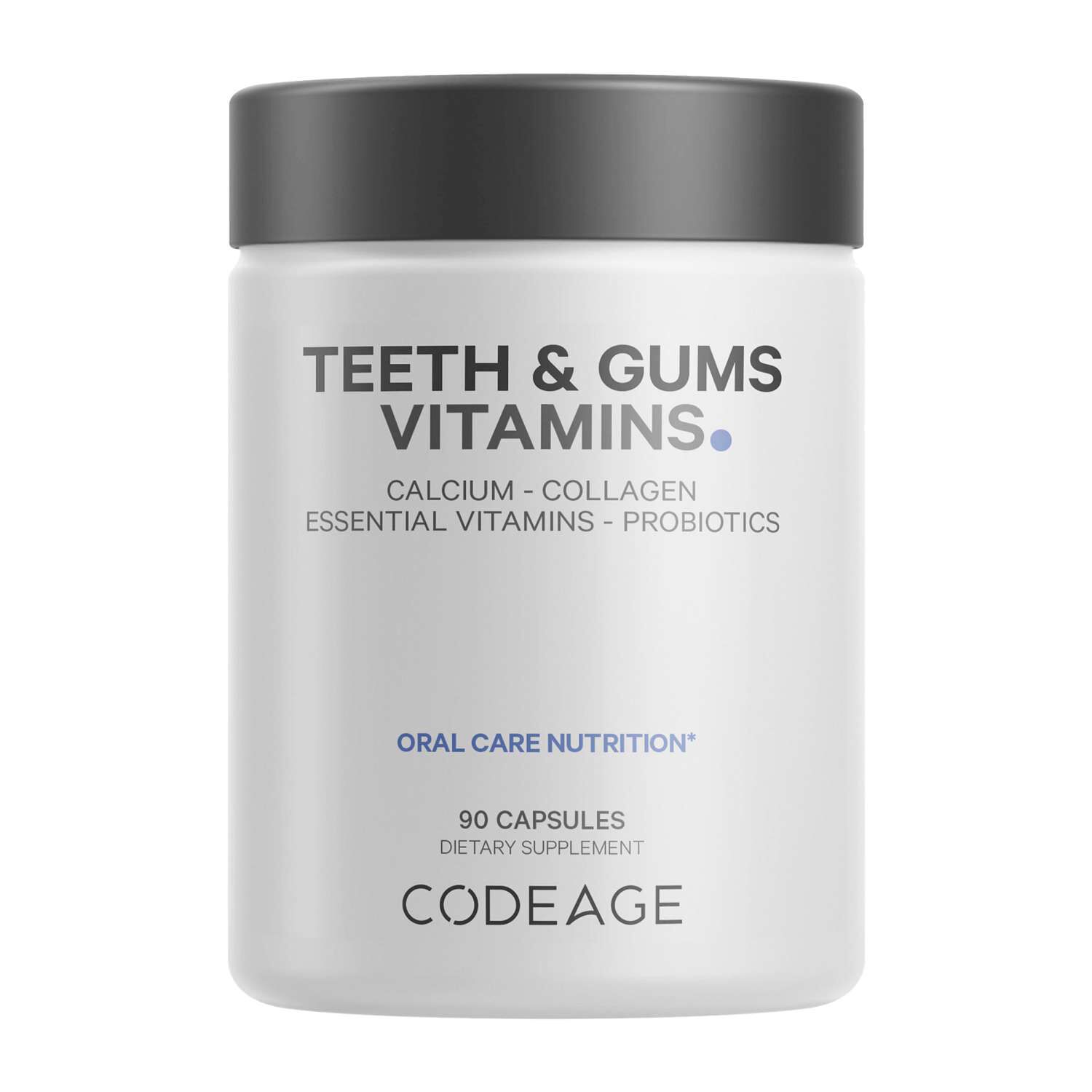
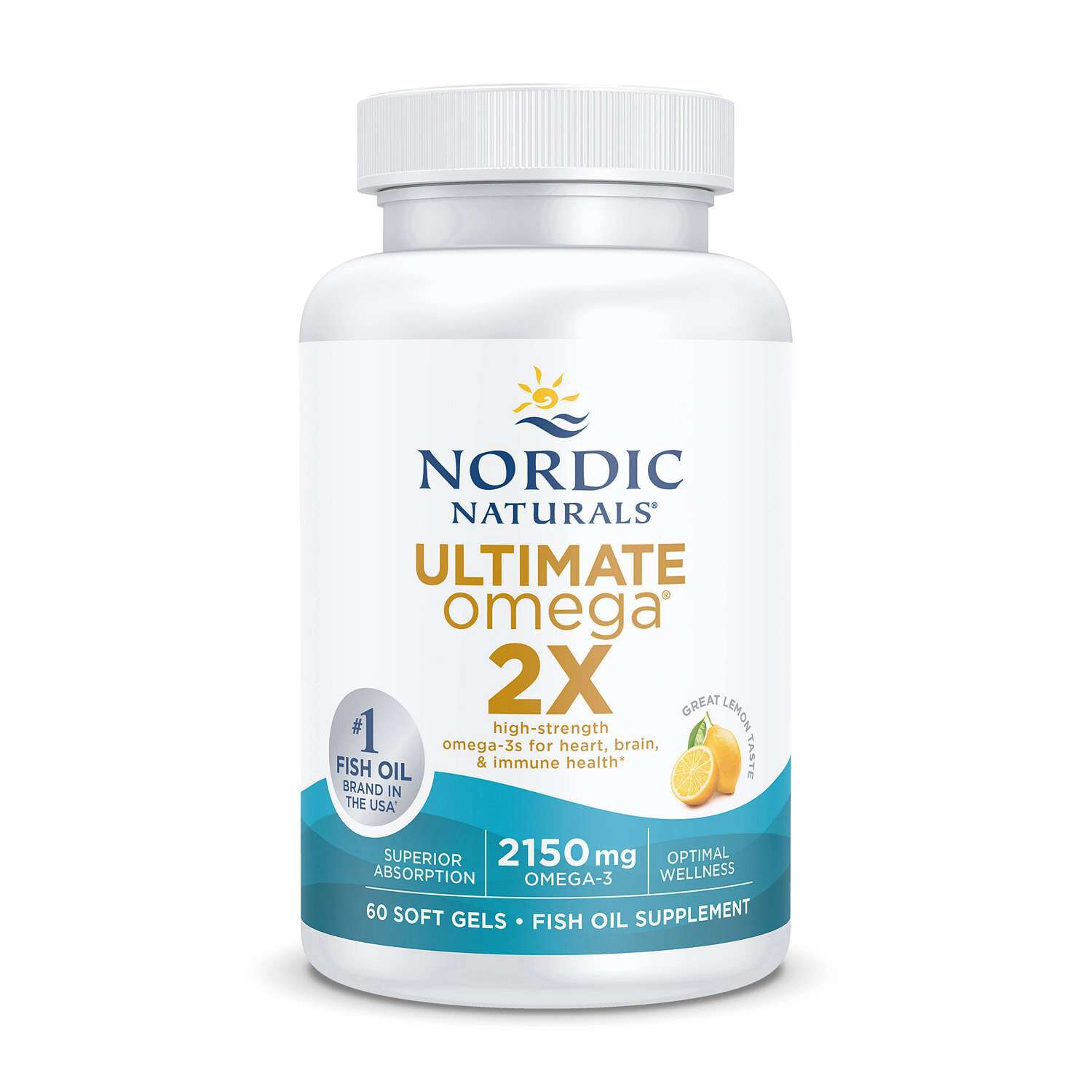
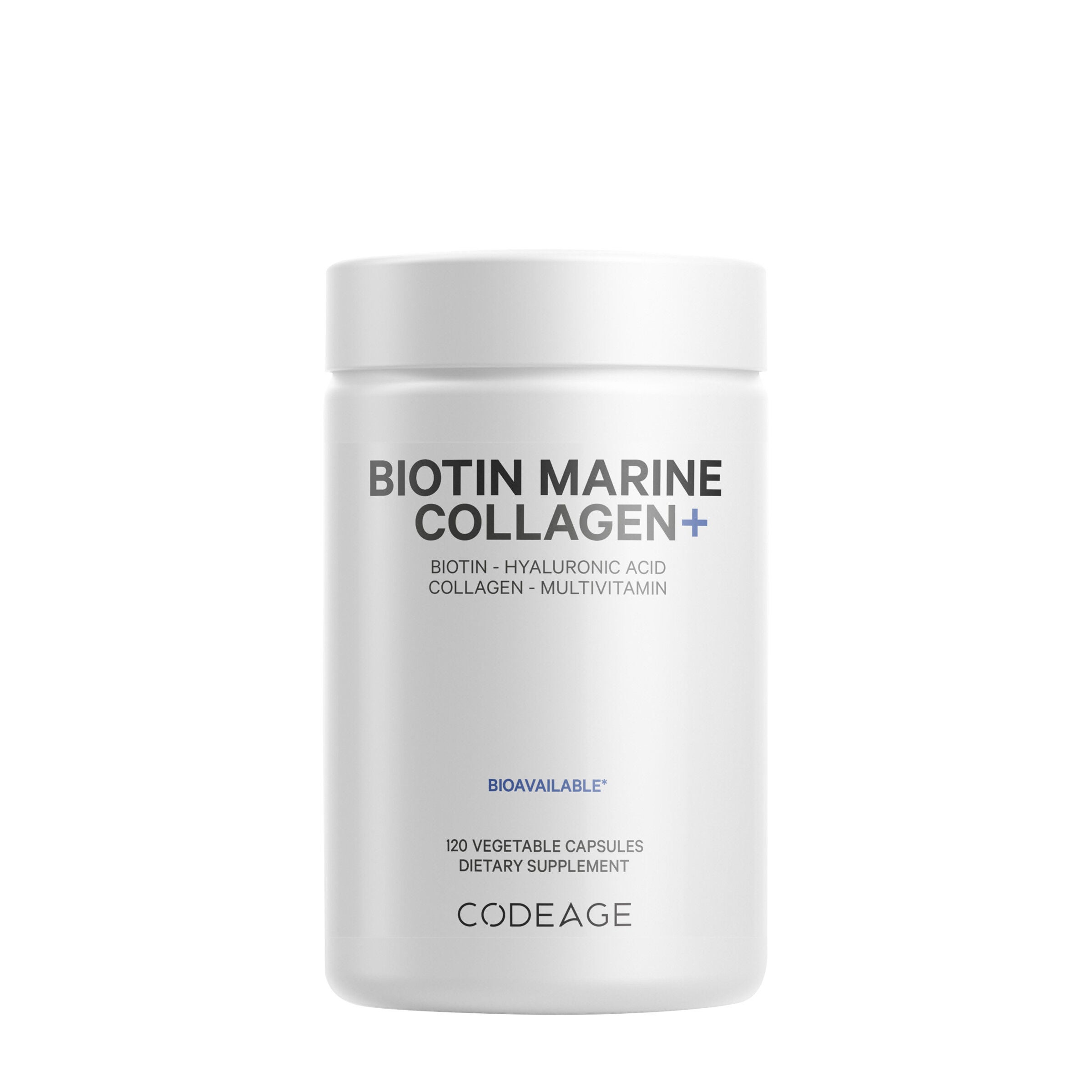
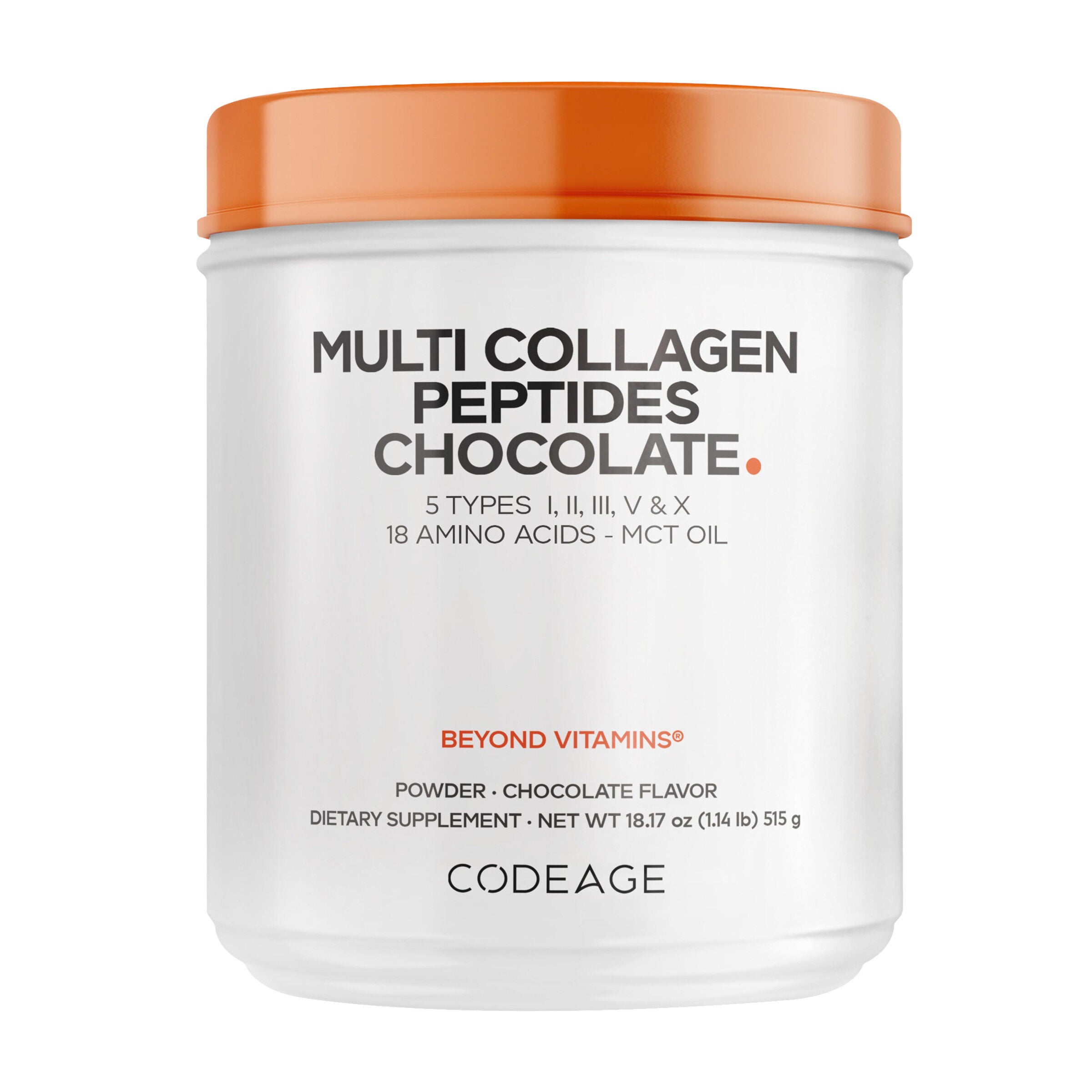


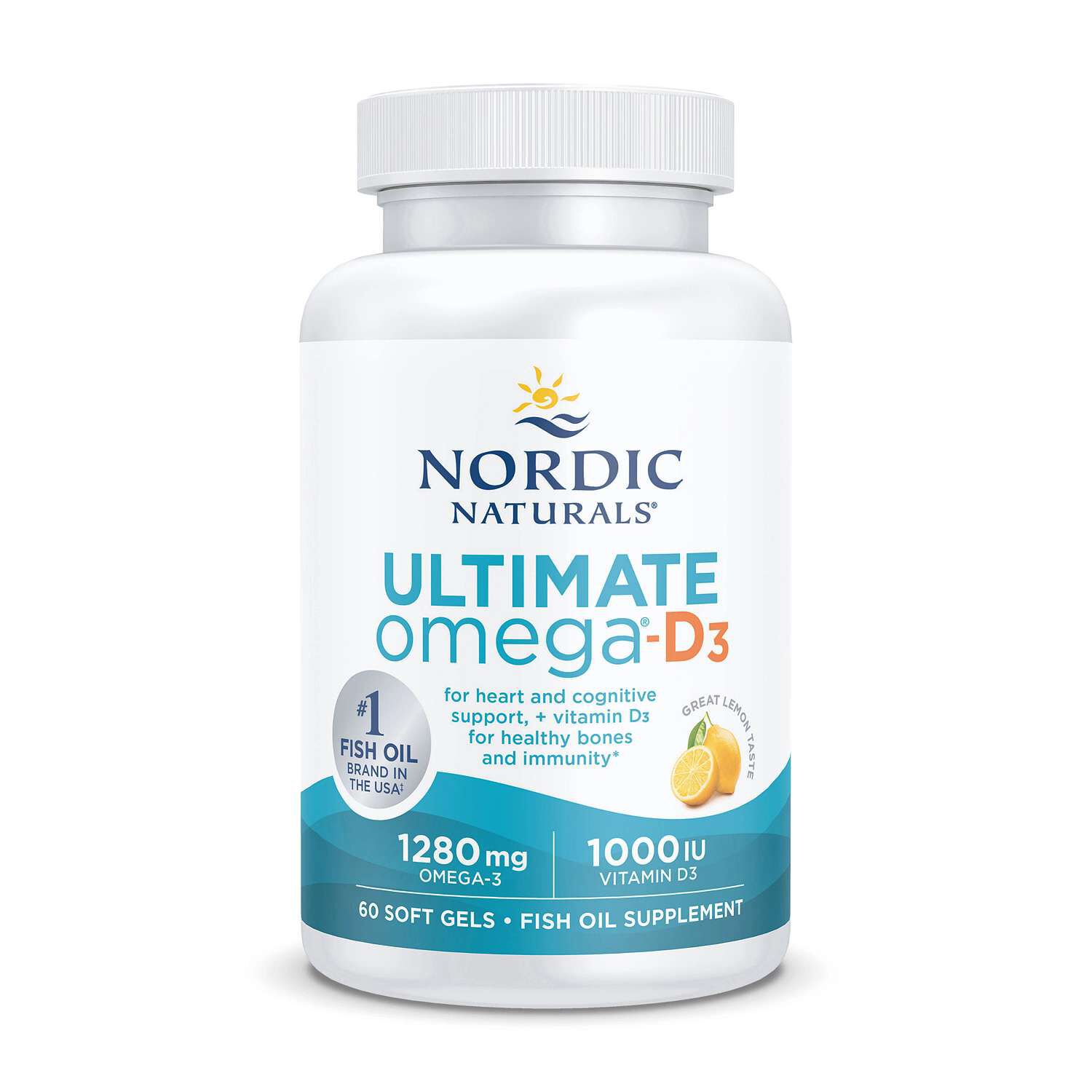
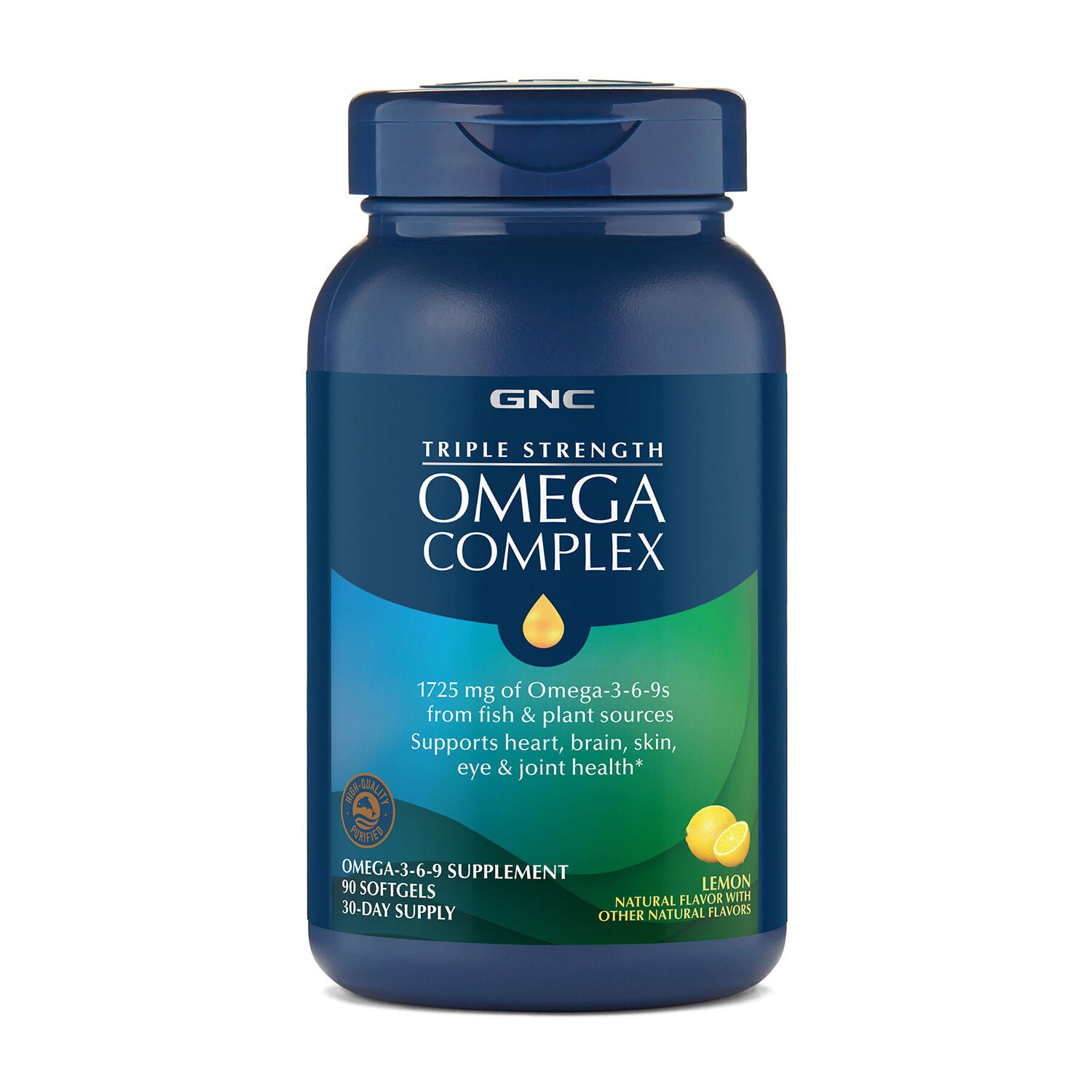
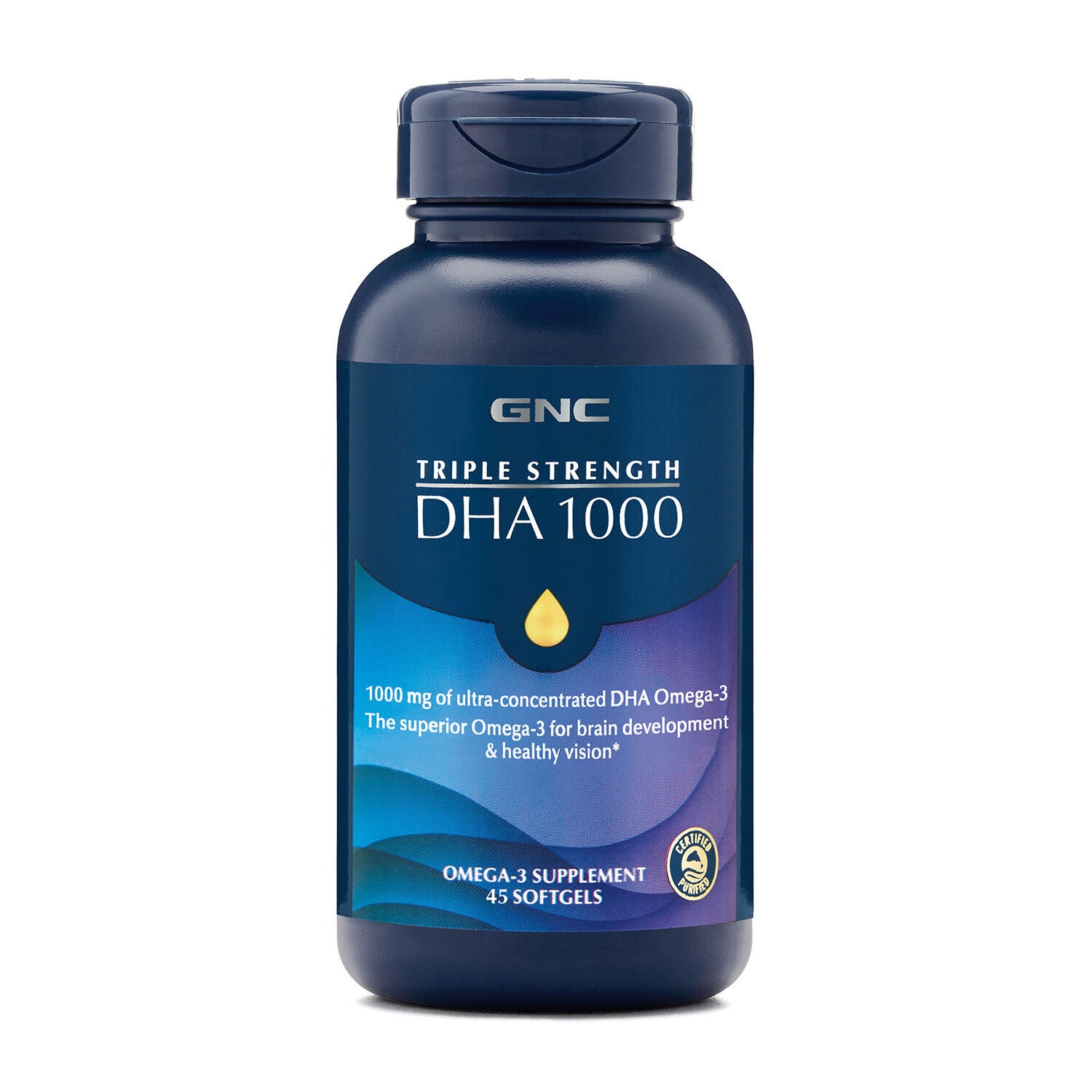
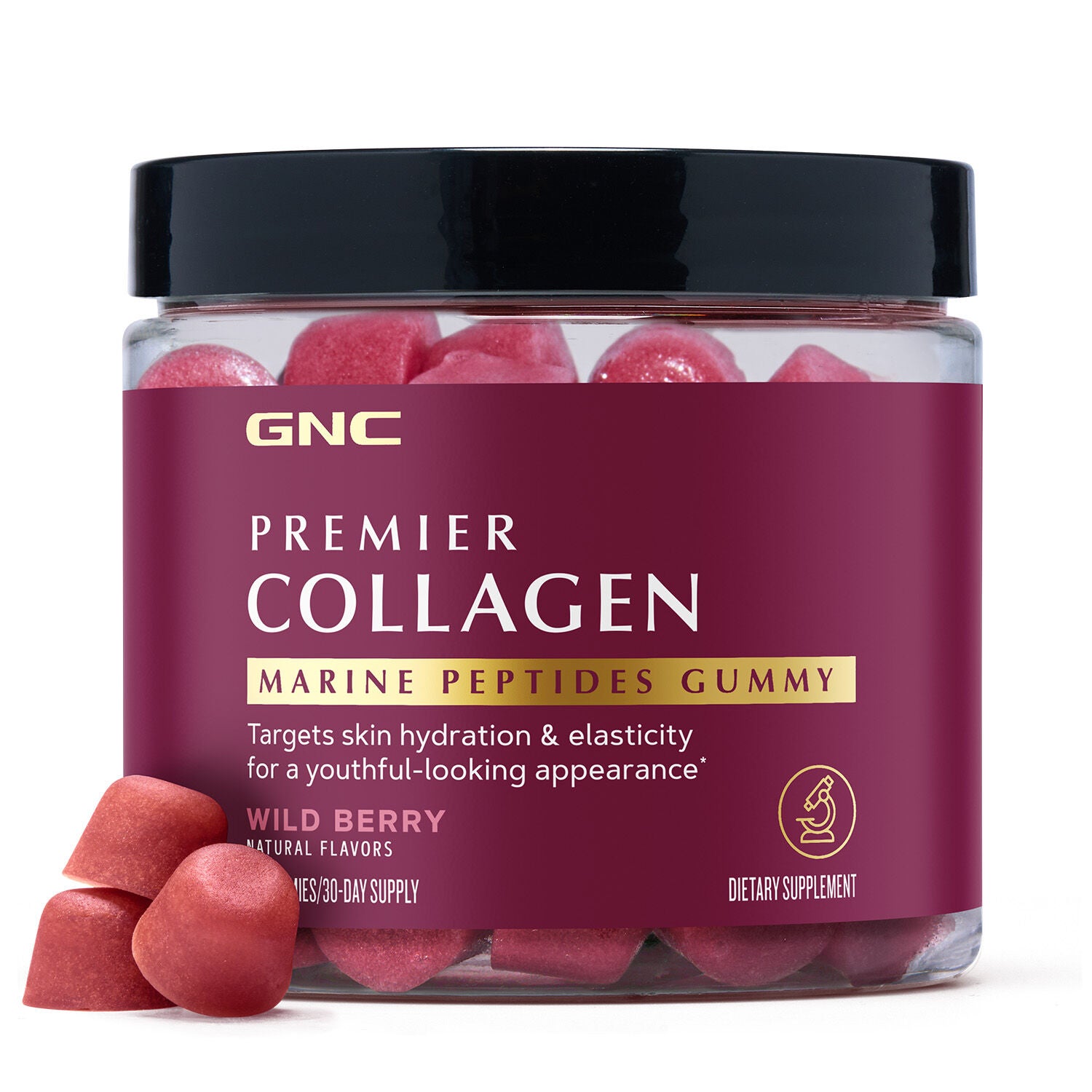

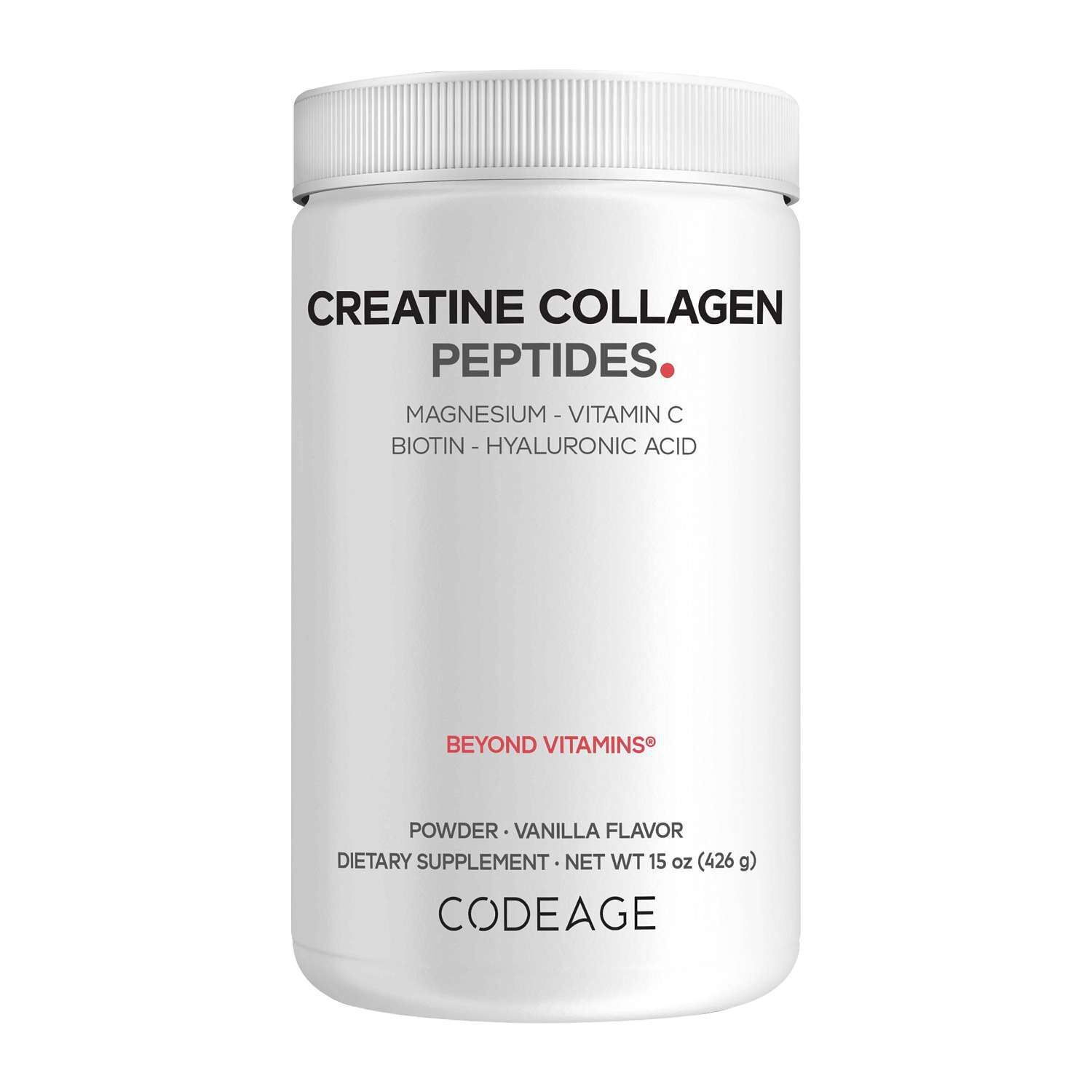
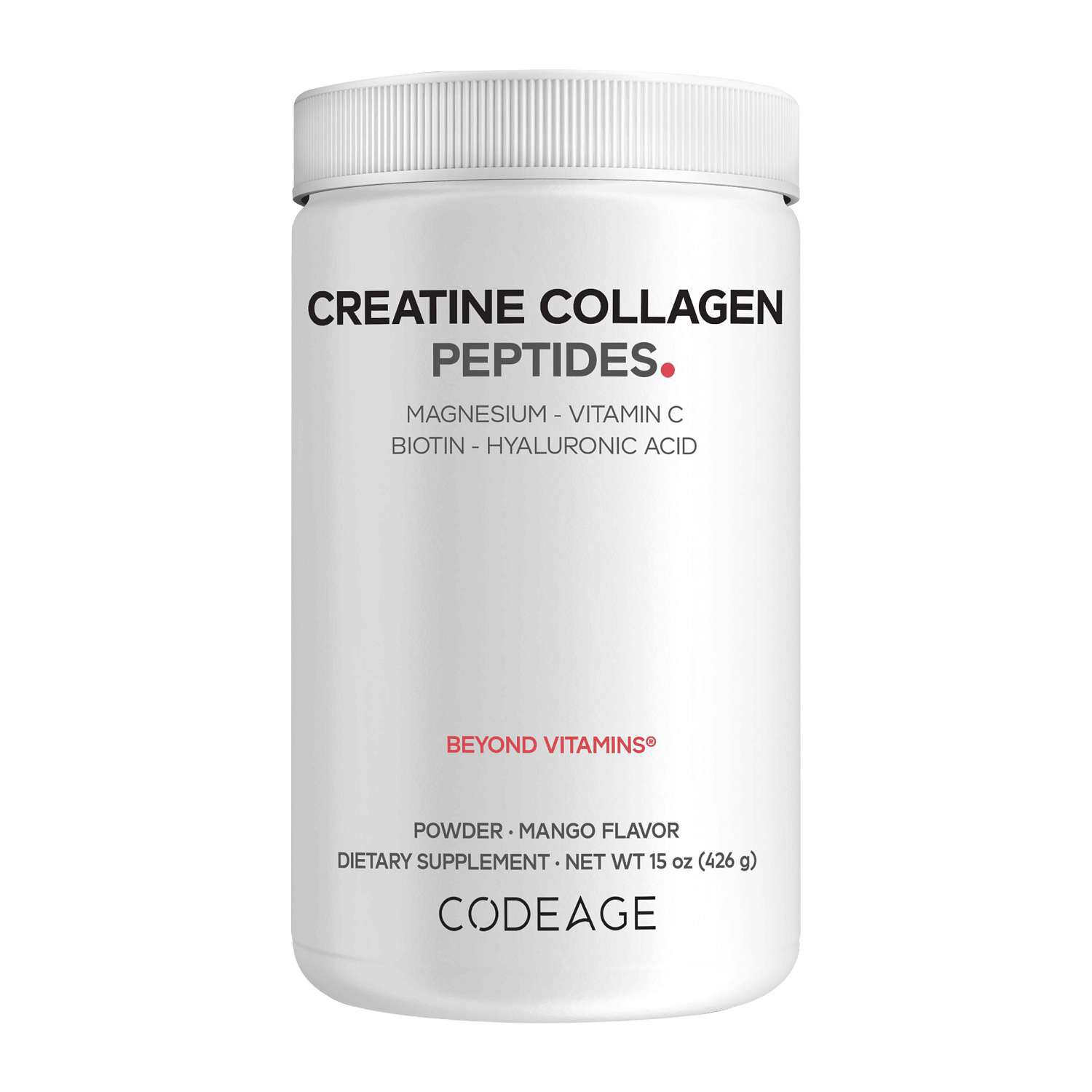
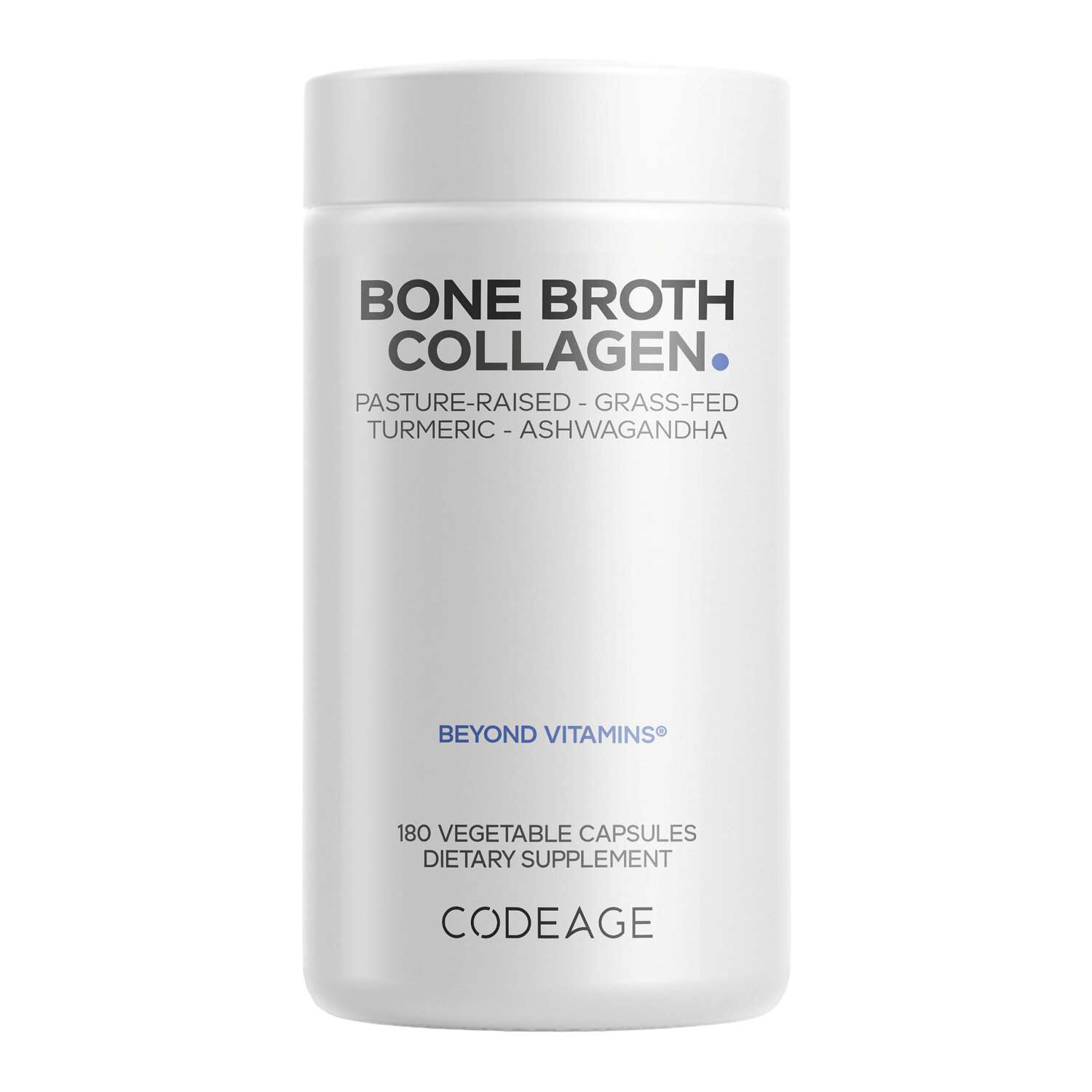
Fish peptides are short chains of amino acids made from fish proteins through processes such as enzymatic hydrolysis or fermentation. Unlike whole fish proteins, these smaller chains are often designed to be easier to mix into drinks or incorporate into capsules and may offer a convenient way to add marine-derived protein compounds to a daily routine. Common source materials include the skin, bones, and muscle tissue of fish such as cod, pollock, tuna, and bonito. Shoppers may also see marine collagen peptides, which are generally associated with Type I collagen and may support the look and feel of skin, hair, and nails while also fitting into routines focused on connective tissue and joint comfort. Fish peptides can vary considerably from one formula to another, so reading the supplement facts panel is a useful first step. Look for the type of peptide, the amount per serving, the fish source, and any added ingredients such as flavoring, sweeteners, vitamins, minerals, or botanical extracts. Some formulas are made with hydrolyzed marine collagen, while others use fish protein hydrolysates selected for their particular amino acid profile. The term “peptide” describes the size and structure of the protein fragments, not a single standardized ingredient, which makes it helpful to compare labels rather than relying on the category name alone. Those exploring a broader selection of marine protein products may also browse Fish Protein Supplements for additional formats and formulations.
Fish peptide products may suit adults who prefer marine-sourced ingredients, want an alternative to land-animal collagen, or enjoy adding a simple supplement to an established wellness routine. Powdered options could work well for someone who starts the day with a smoothie, mixes a scoop into coffee, or keeps a shaker bottle nearby during a busy afternoon. Capsules may appeal to shoppers who value portability and a measured serving without changing the taste of a favorite beverage. Marine collagen powders are often chosen by people building routines around skin care, hair and nail care, or everyday mobility, and their neutral or lightly flavored profiles may blend easily with water, yogurt, oatmeal, or fruit drinks. Fish protein hydrolysates may be selected by shoppers interested in a broader amino acid source or in formulas developed around general cardiovascular and metabolic wellness; product labels should explain the intended use without replacing guidance from a qualified professional. Fish peptides could also make a thoughtful gift for a friend who enjoys streamlined wellness habits, keeps a careful morning routine, or appreciates practical additions to a kitchen cabinet. A small pouch of powder may be useful for the person who travels with a blender bottle, while capsules might suit someone who prefers a tidy, no-mess format. During the cooler months, warm drinks and breakfast bowls can make powdered supplements feel especially easy to use, while capsules remain convenient for commutes, weekend trips, and busy schedules. The best choice often comes down to texture, flavor, serving size, dietary preferences, and how naturally the product fits into habits that already exist.
Before choosing fish peptides, consider sourcing, processing, storage, and personal preferences. Shoppers may want to look for clear labeling that identifies the fish source and states whether the ingredient is collagen, hydrolyzed fish protein, or another peptide blend. Anyone avoiding particular fish varieties should check the allergen statement carefully, and people with dietary restrictions may wish to review flavoring agents, sweeteners, and capsule materials as well. Sustainability information can also matter, especially for shoppers who prefer products that describe responsible sourcing or the use of fish materials that might otherwise go unused. Third-party quality testing, clear lot information, and straightforward serving directions could offer helpful context when comparing similar formulas, though packaging details may differ by product. Fish peptides are not a substitute for varied meals that include foods such as vegetables, fruit, grains, legumes, eggs, dairy, or other protein sources. They may work best as one small part of a consistent routine rather than as the centerpiece of it. Mixing a powder thoroughly, storing it according to the label, and using the recommended serving may help keep the experience simple and consistent. Since formulas differ in peptide size, concentration, flavor, and added nutrients, shoppers should choose based on the routine they can maintain, the form they enjoy using, and the product information that matches their priorities. A person new to supplements or managing a personal health consideration could speak with a qualified professional before adding fish peptides, while anyone selecting a gift may appreciate a product with an approachable format, transparent ingredients, and directions that are easy to follow.
Best Sellers
-
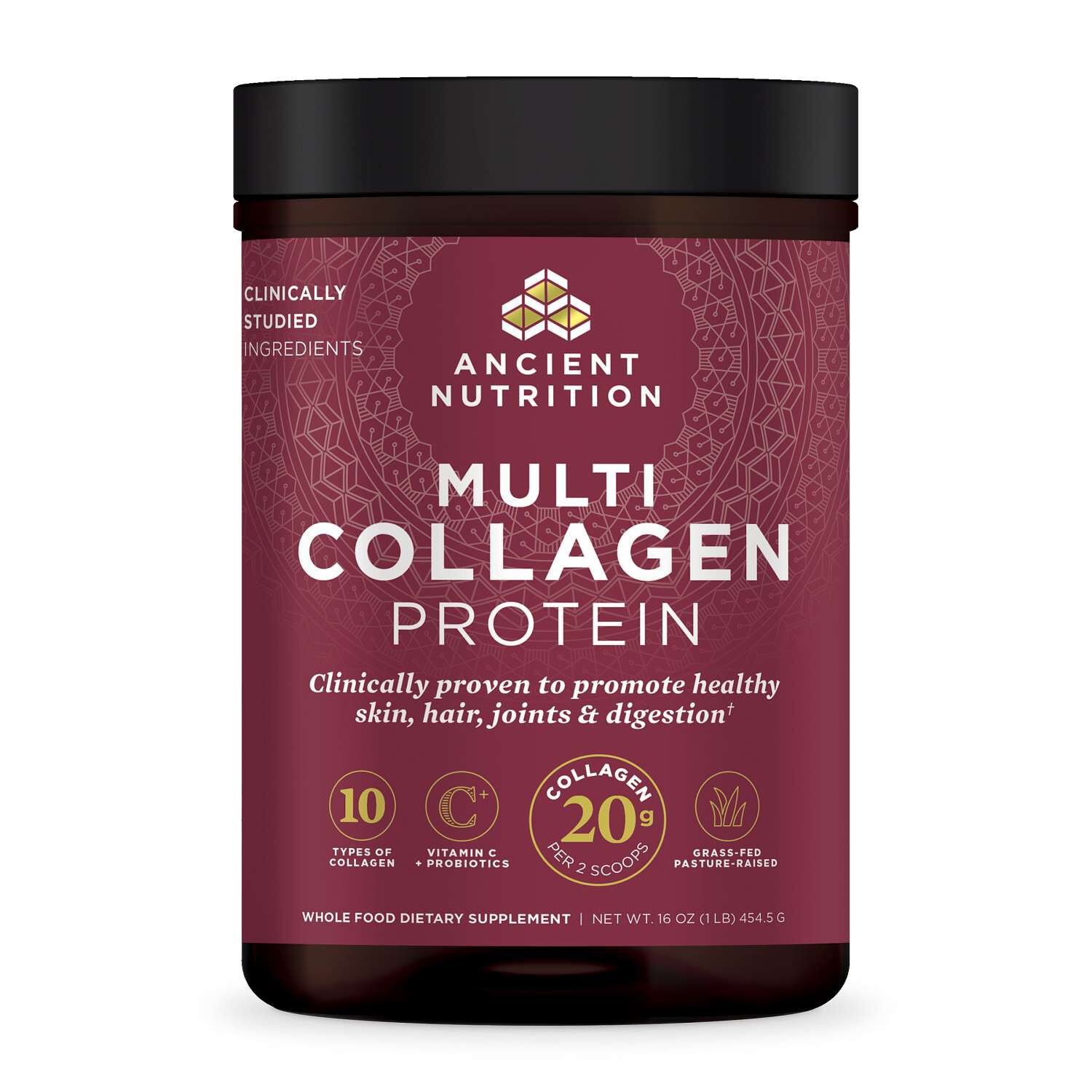 Ancient Nutrition
 -
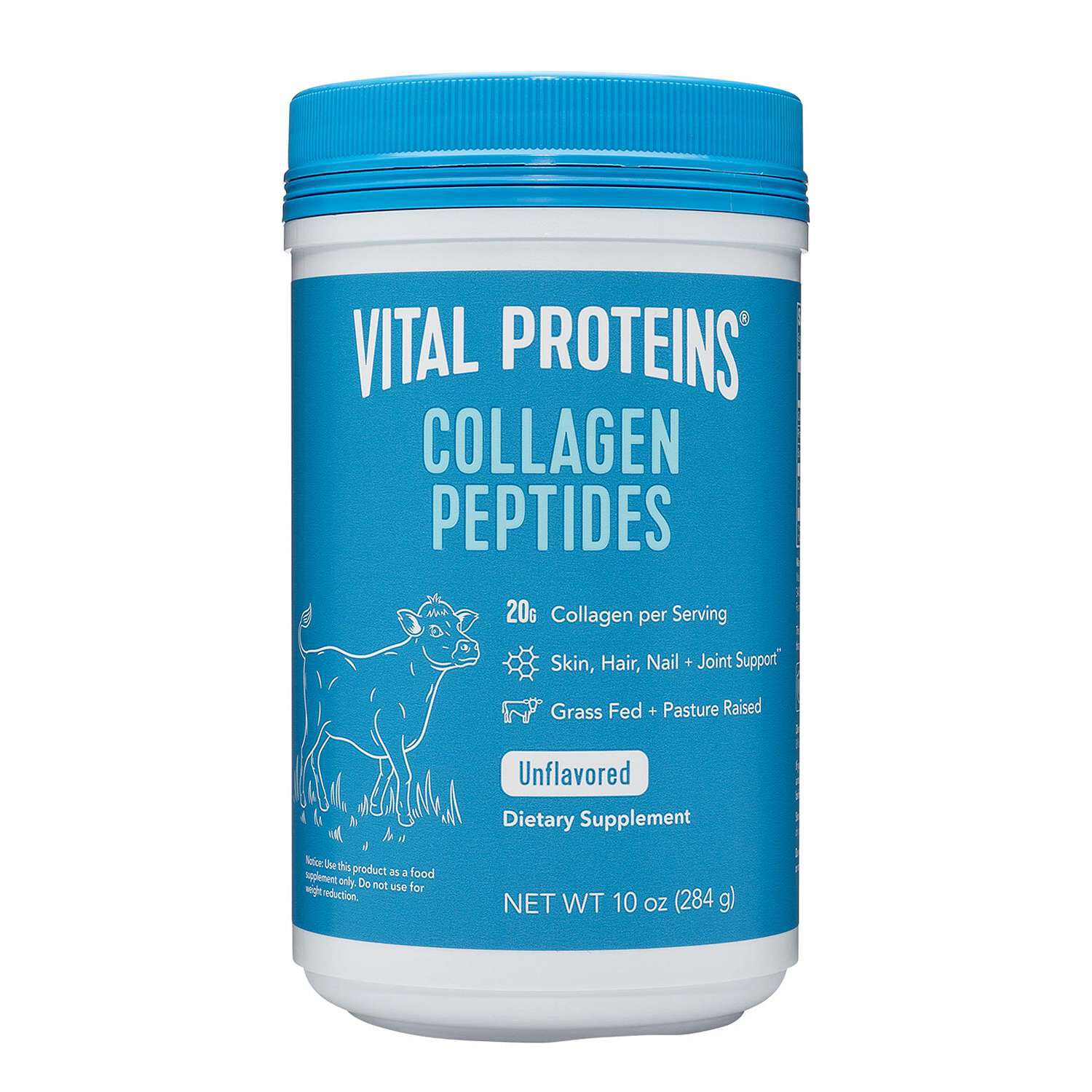 Vital Proteins