Marine Peptides
(0 Results)
Marine peptides are gaining attention as a unique addition to daily wellness routines. Sourced from the ocean, these supplements may offer a way to support your overall health and nutrition goals. Explore a variety of marine peptides that could fit seamlessly into your lifestyle, whether you’re looking to diversify your supplement stack or simply curious about what the sea has to offer.
-
-

-

-

-
-
-
-
 $23.99
 -
-
 $34.99
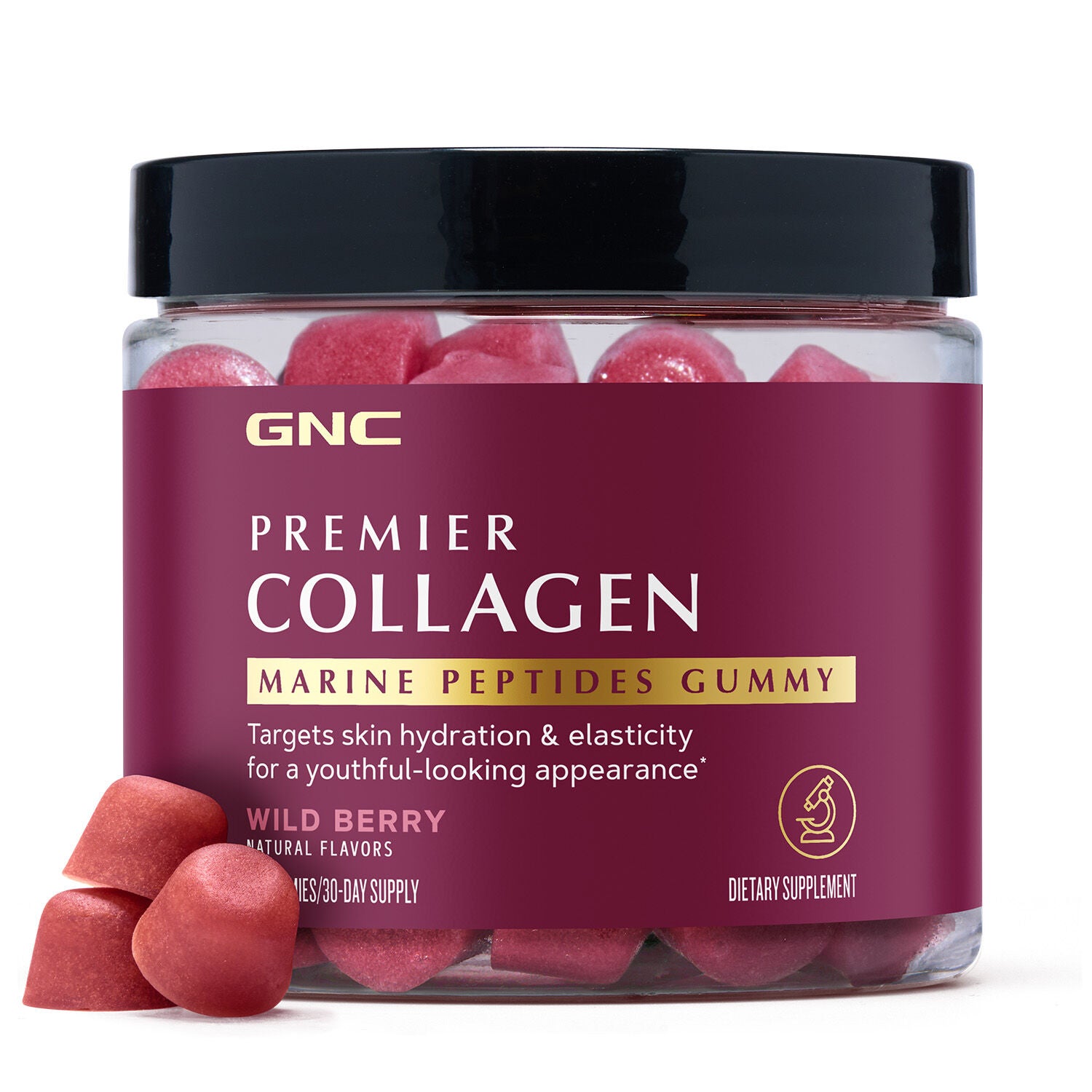
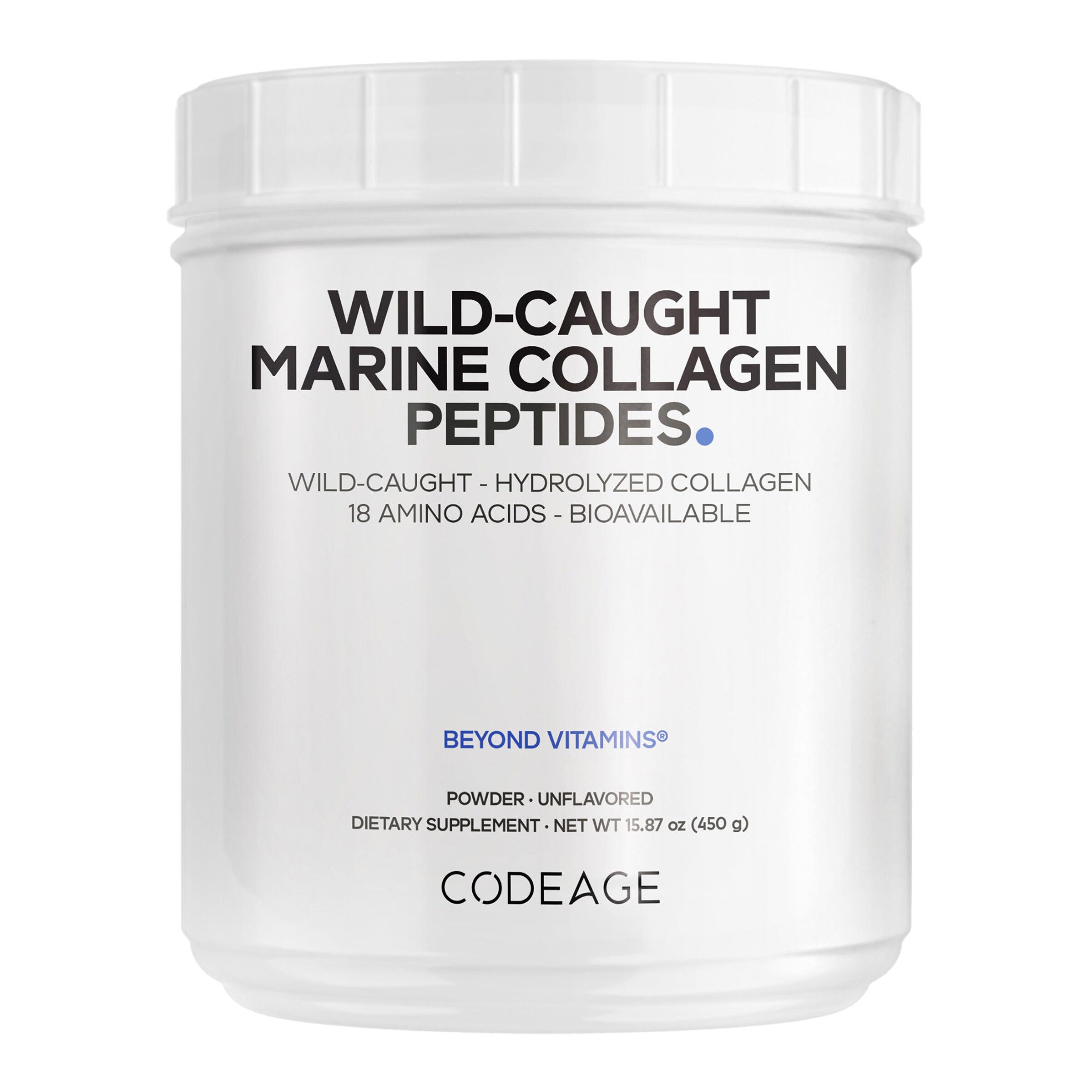

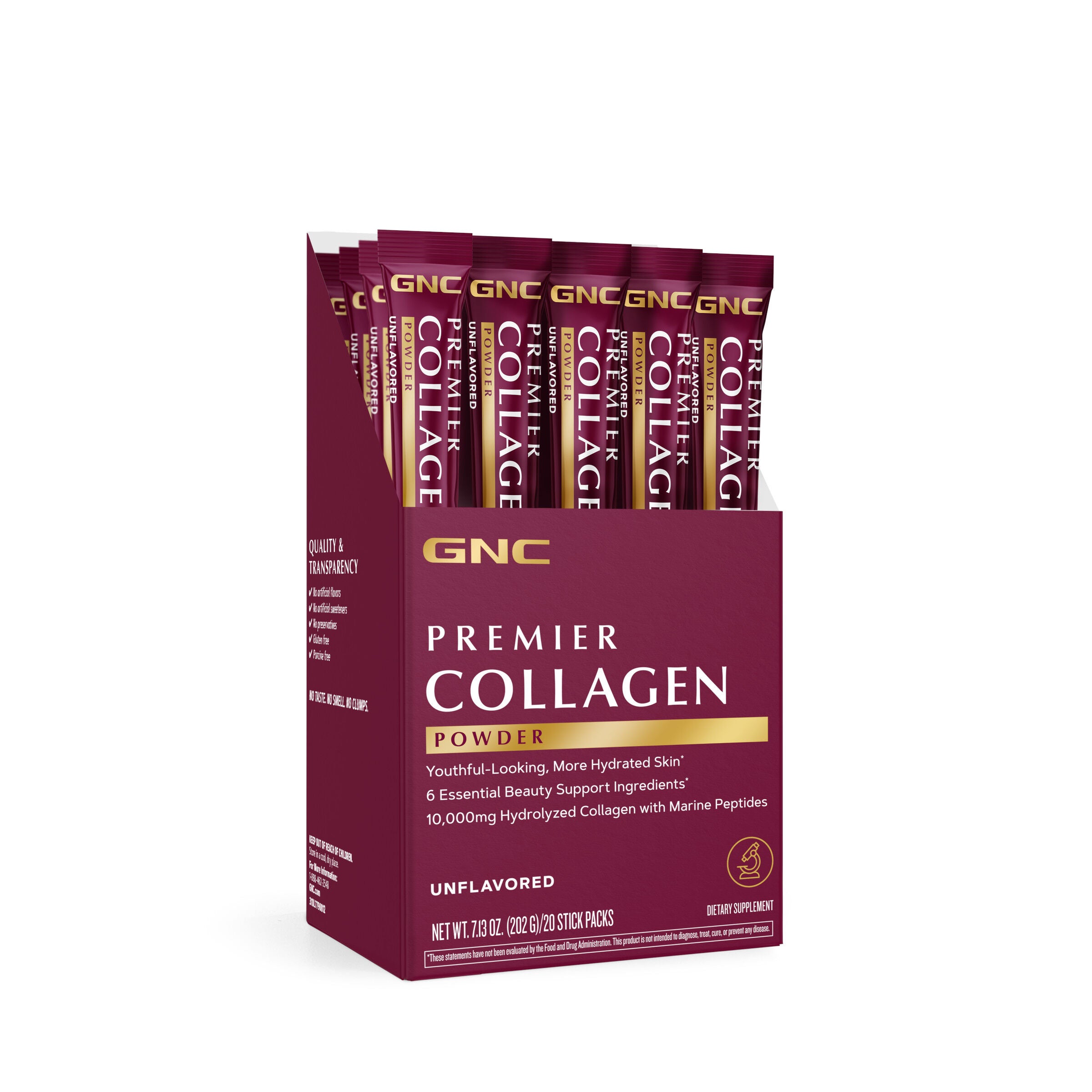
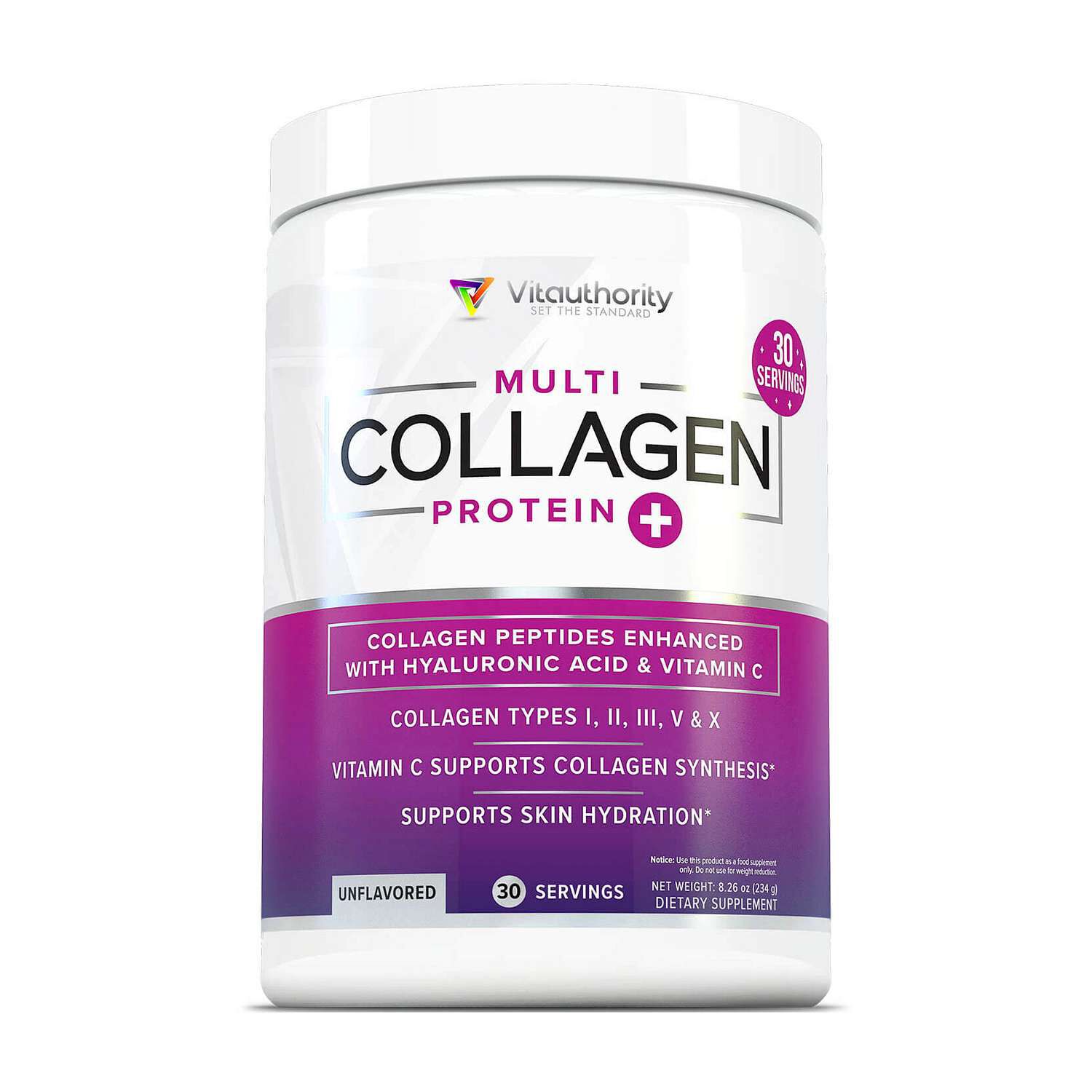
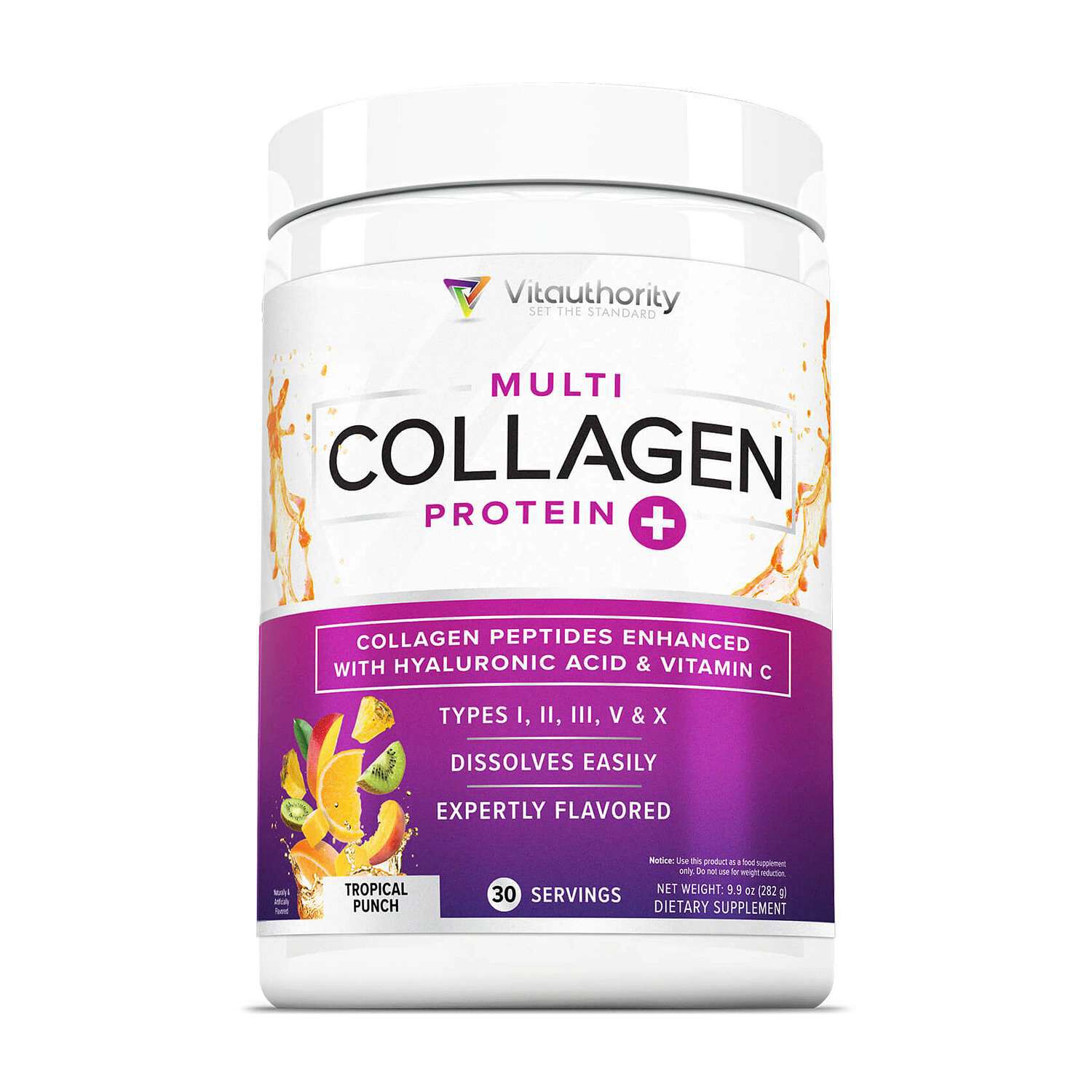
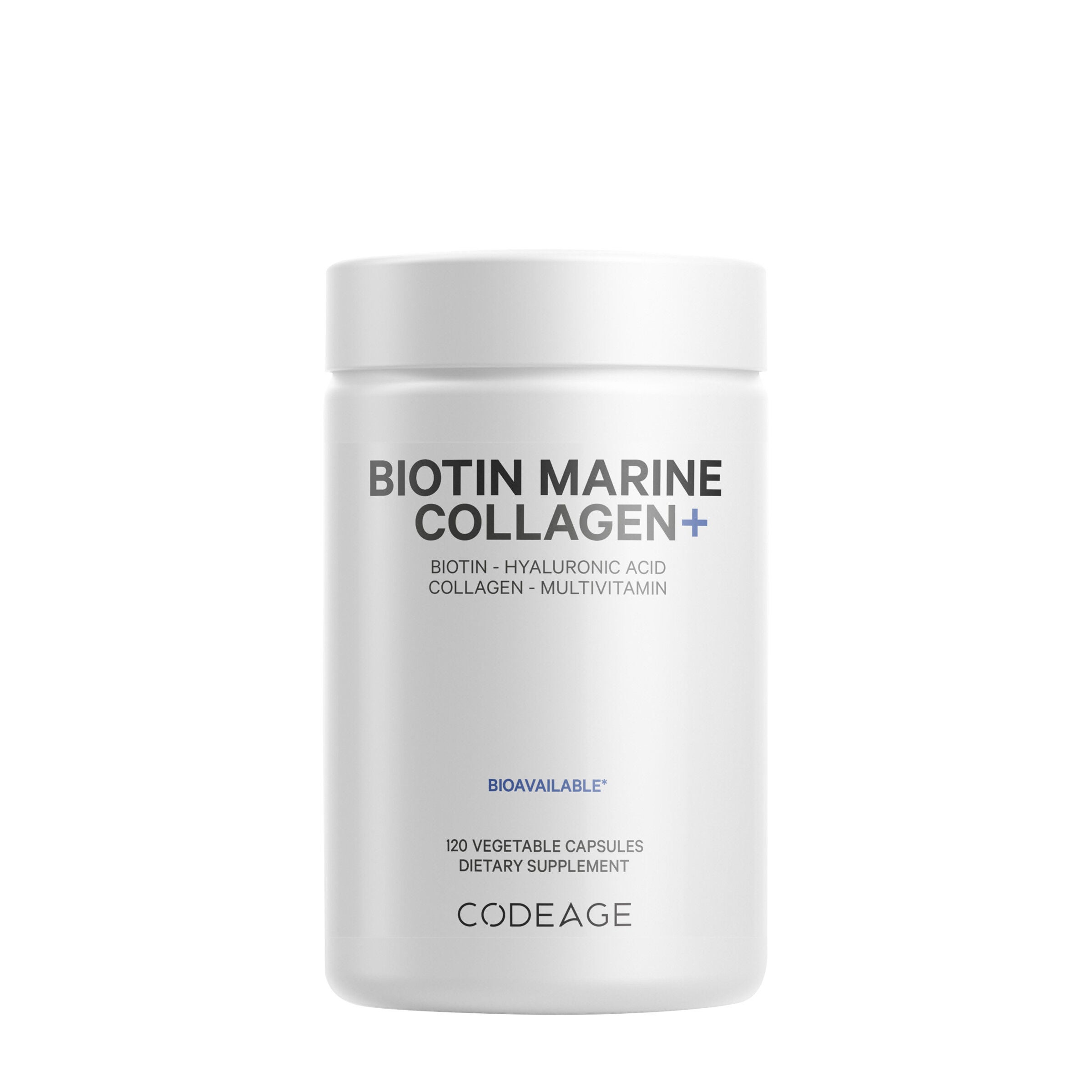
Marine peptides are short chains of amino acids obtained from marine proteins, often collagen sourced from fish. In supplement shopping, the term commonly refers to marine collagen peptides: collagen that has undergone hydrolysis, a process that separates longer protein chains into smaller pieces. Fish skin and other collagen-rich tissues can provide the raw material, with the species and sourcing practices varying by manufacturer. Marine collagen is generally associated with type I collagen, a structural protein found in connective tissues. Its amino acid profile includes glycine, proline, and hydroxyproline, although the amounts depend on the source and formulation. These details help explain what marine peptides are without making every marine-derived supplement sound identical. A collagen powder, a capsule containing fish-derived peptides, and a blend with added vitamins can have different compositions and intended uses. Some shoppers choose marine collagen for a beauty-focused supplement routine, while others prefer a fish-derived option over bovine or porcine collagen. Marine origin describes the source, not a particular flavor, serving size, or finished formula. For a closely related category, Fish Peptides offers another way to explore fish-derived peptide supplements. When comparing categories, the ingredient statement provides more useful detail than a broad name on the front of the container. It can distinguish collagen peptides from other fish protein ingredients and identify whether marine collagen stands alone or appears alongside additional ingredients. Marine collagen also has a different amino acid profile from whey, soy, or pea protein, so these categories are not interchangeable simply because each contains protein. The amount of protein per serving, the source of that protein, and the other ingredients all contribute to the comparison. A clear description of the raw material and processing method gives shoppers a more grounded understanding of what is inside, especially when two containers use similar wording but have different serving formats.
The format of marine peptide supplements matters because it determines how they fit into an ordinary day. Powders may suit someone who already makes a morning smoothie, stirs a drink at a desk, or measures ingredients into a shaker before leaving home. Capsules may suit a shopper who prefers a format without a drink to prepare, while chewable formats offer a different texture and often include sweeteners or flavoring. Serving sizes can vary substantially across these forms, so a scoop of powder and a serving of capsules should not be assumed to contain equivalent amounts. The Supplement Facts panel shows the amount of collagen or other listed ingredients per serving, while the directions explain how the manufacturer intends the supplement to be used. With powders, hydrolysis and the finished formulation can influence how the particles disperse in liquids, but mixing performance varies. Adding powder gradually while stirring may produce a smoother drink than emptying a scoop into a full glass all at once. Preparation should follow the package directions, including any stated guidance about suitable liquids. An unflavored powder is not necessarily without taste or aroma; the fish source, processing, and accompanying ingredients can affect the drinking experience. A lightly flavored beverage may leave subtle notes more noticeable than a smoothie with fruit or a richer drink. Flavored formulas bring their own considerations, including sweetness, flavor intensity, and how they pair with the beverage someone already enjoys. Beyond flavor, blends may contain vitamins, minerals, botanical ingredients, or other proteins. Those additions change the formula and deserve attention rather than being treated as incidental. Shoppers who prefer a shorter ingredient list can compare that list directly, while those interested in a combination formula can review each ingredient and its stated amount. The most practical comparison connects serving size, format, preparation, and personal preferences instead of relying on the largest number printed on the package.
Sourcing information and packaging also deserve a place in the comparison. A clearly identified fish species, an explanation of where the raw material comes from, and a description of manufacturing practices can make a marine peptide supplement easier to evaluate. If a label mentions testing or certification, the useful details are what was assessed and which organization performed the review. A broad quality statement is less informative than a specific description of the testing involved. Marine collagen remains fish-derived after processing, and fish should be clearly identified in the allergen information where applicable. People who avoid fish for dietary, religious, or personal reasons can use the ingredient and allergen statements to determine whether a formula matches those preferences. Fish-derived collagen may fit some pescatarian eating patterns, but it does not fit vegetarian or vegan ones. Other ingredients can matter just as much, including the material used for a capsule shell or the sweeteners in a flavored powder. At home, caring for the supplement means following the storage directions, closing the container securely, and using a clean, dry scoop. Moisture from a wet utensil can change a powder’s texture and make accurate measuring more difficult. Keeping the original label accessible preserves the serving instructions, ingredient details, and expiration information. For someone who carries supplements between home and an office or packs them for a trip, a securely closed container and a readable label are practical considerations. An individual packet may offer a different carrying experience from a larger tub, while capsules require no mixing equipment. These everyday details help distinguish a format that sounds appealing from one that fits an established routine. Someone who enjoys preparing drinks may appreciate the flexibility of a powder; someone who rarely uses a shaker may prefer another form. Across marine peptide supplements, the useful points of comparison remain straightforward: a clearly described source, understandable ingredient information, a suitable serving format, and preparation and storage requirements that match how the supplement will be used.
Best Sellers
-
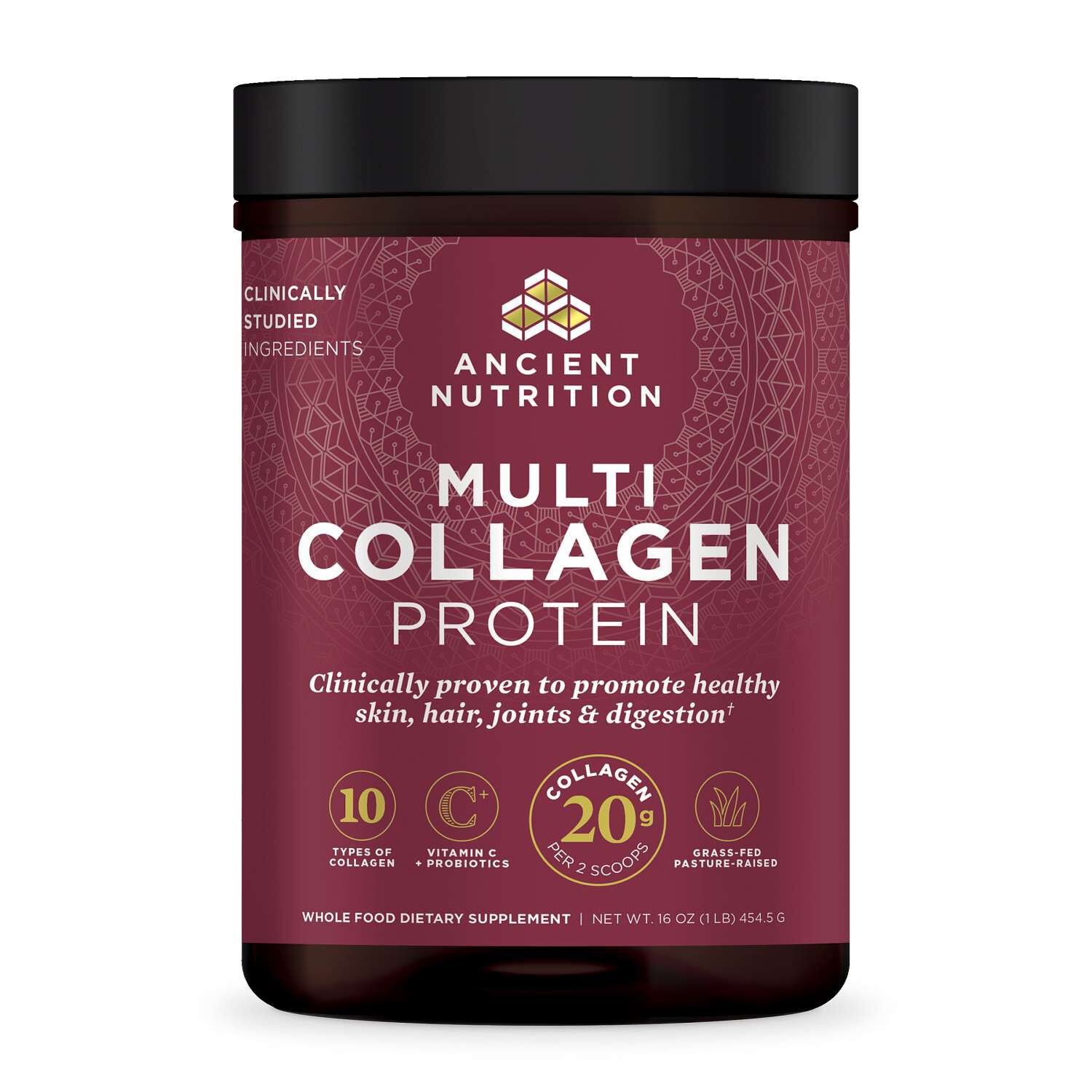 Ancient Nutrition
 -
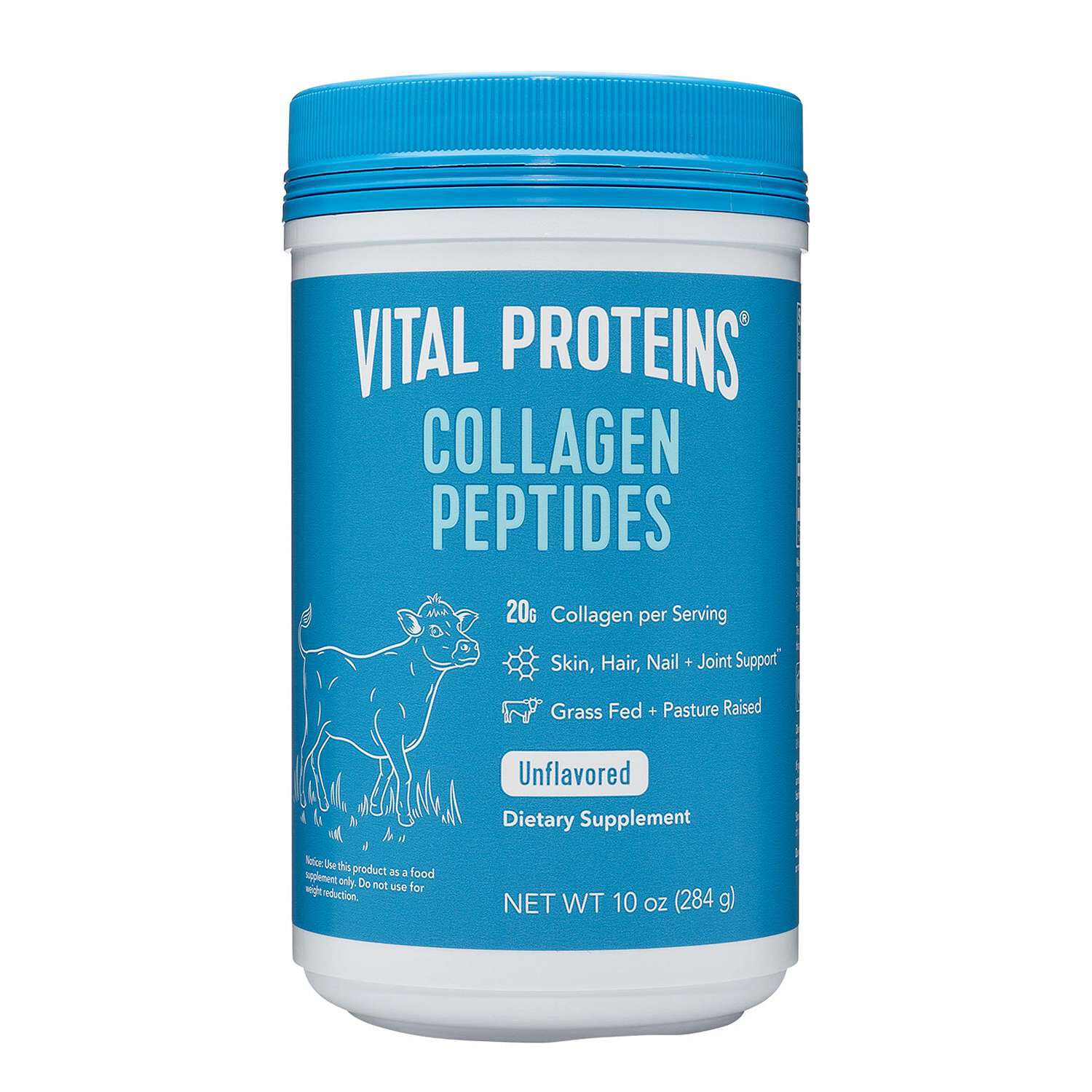 Vital Proteins