





Marine Collagen Supplements | Top Brands & Deals | GNC
(0 Results)
Marine collagen is a popular supplement known for its potential benefits in promoting skin elasticity, joint health, and overall well-being. Sourced from fish, this type of collagen is rich in amino acids that are essential for maintaining healthy skin, hair, and nails. With its easy absorption and bioavailability, marine collagen is favored by many looking to support their body's natural collagen production. Explore our selection of marine collagen products to discover how they can complement your daily wellness routine.
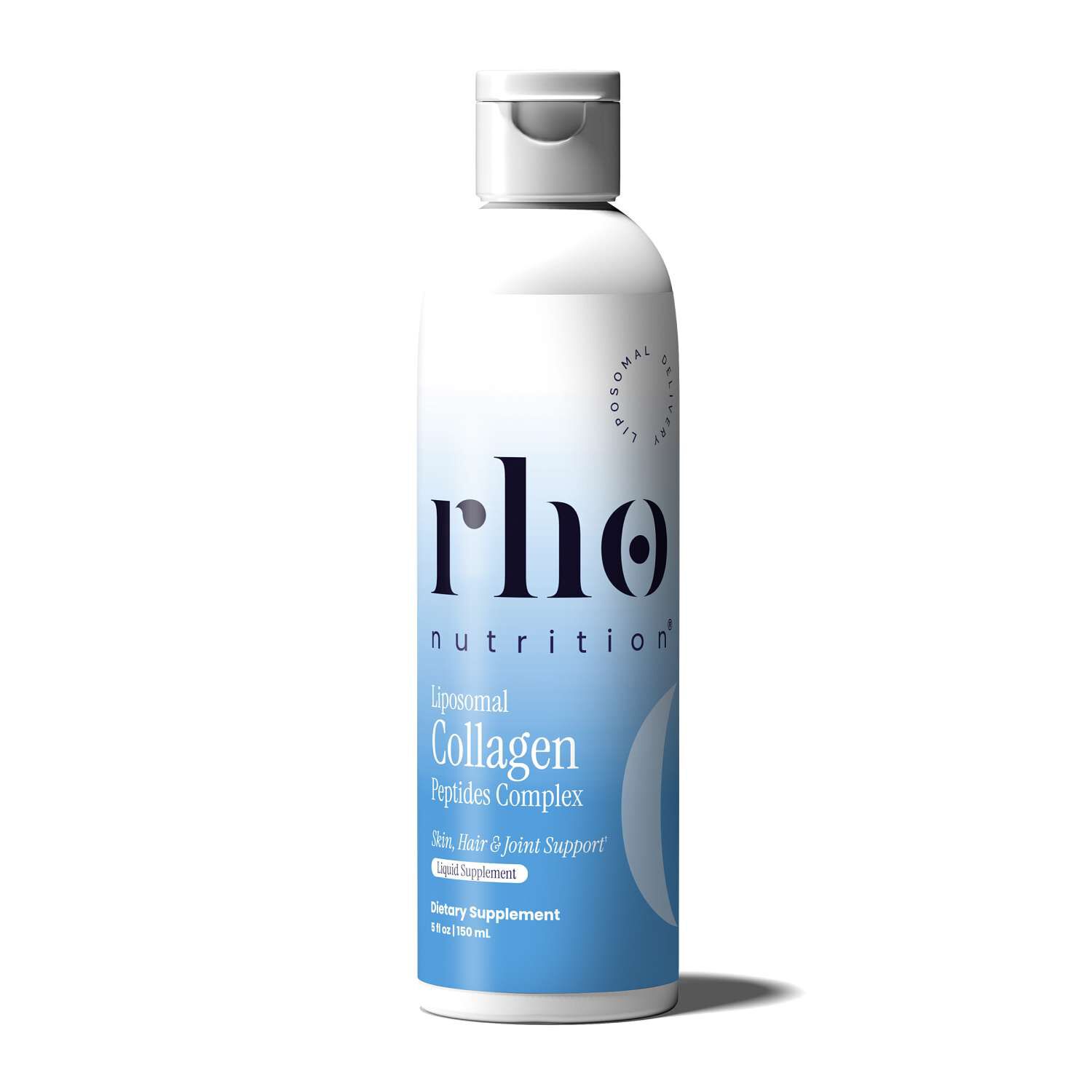

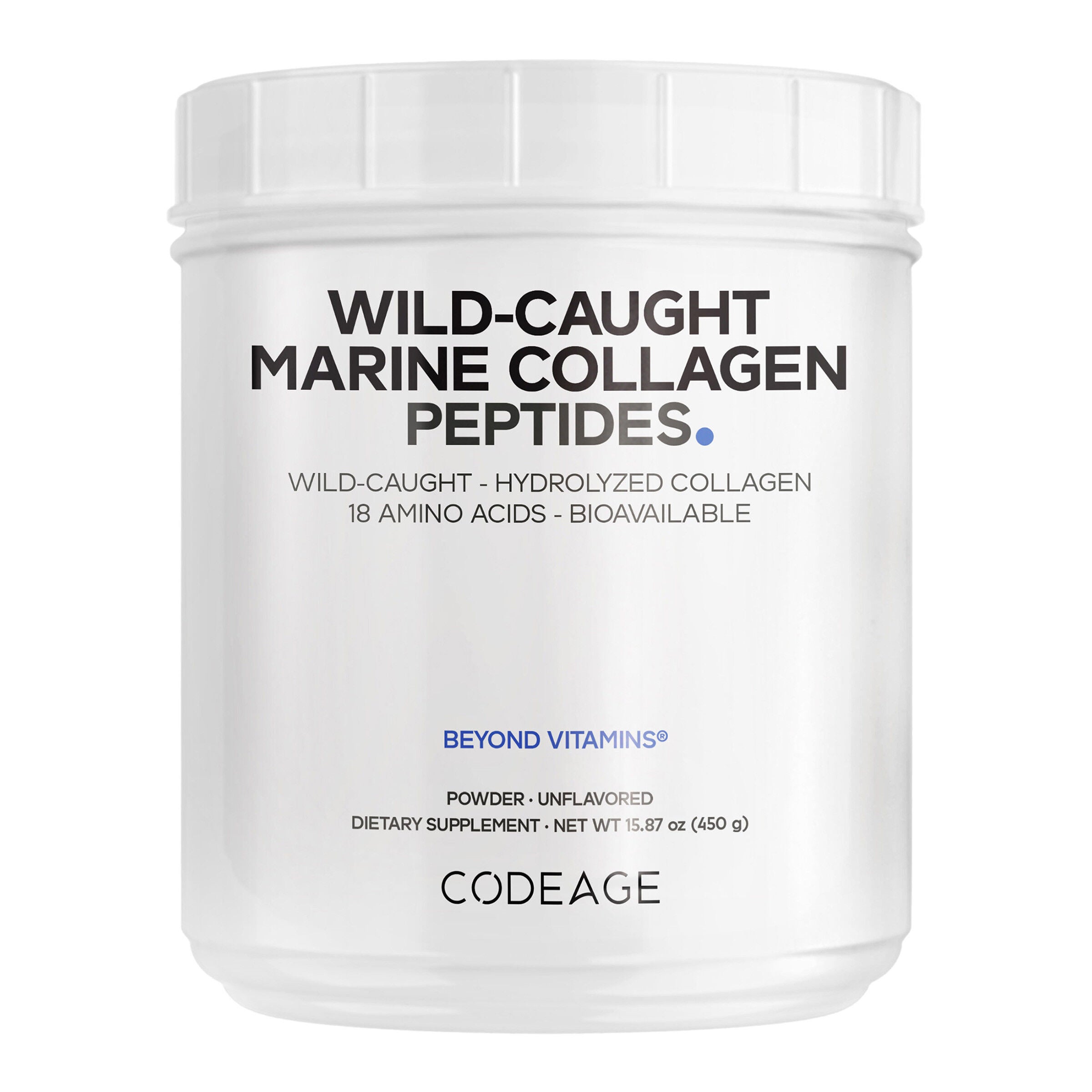
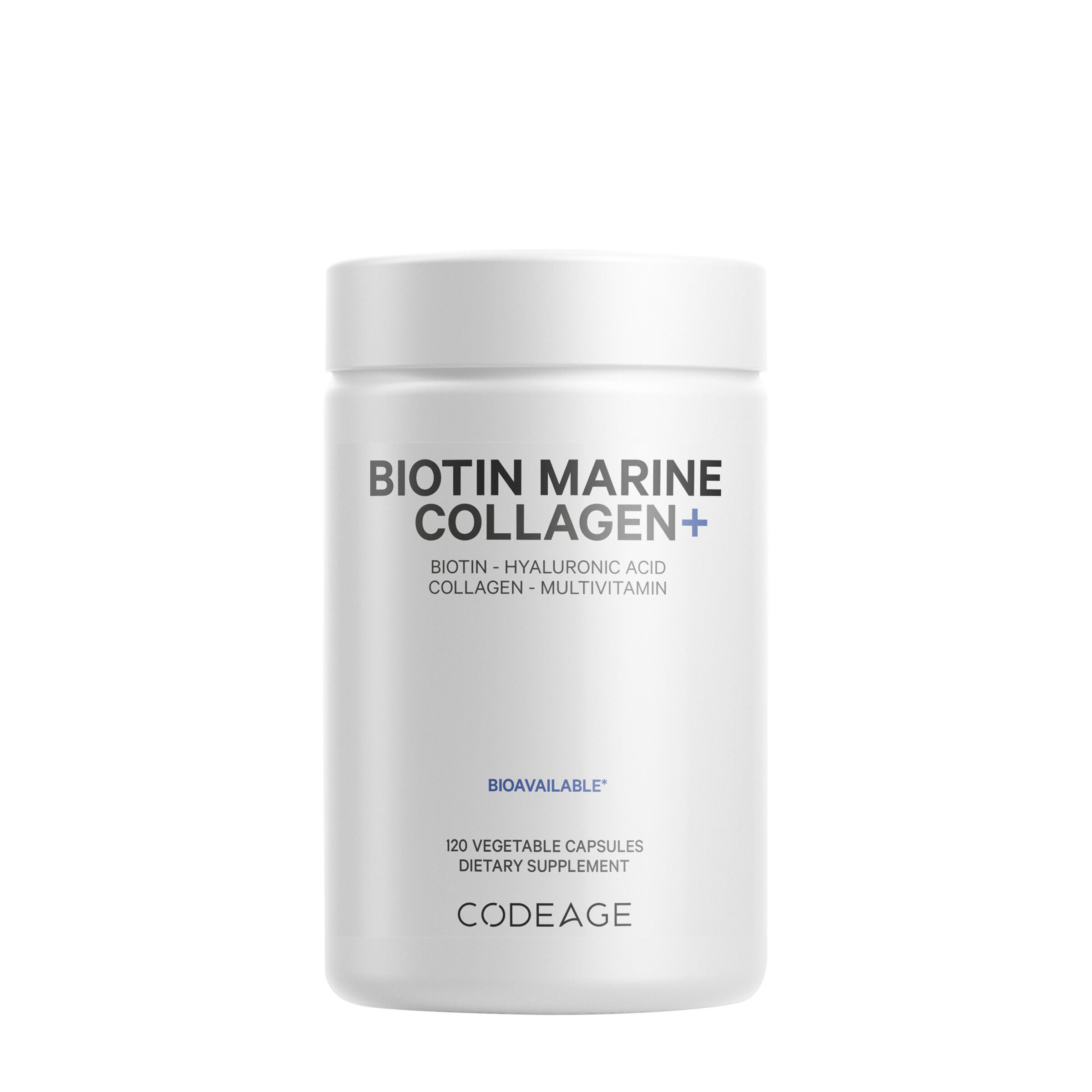

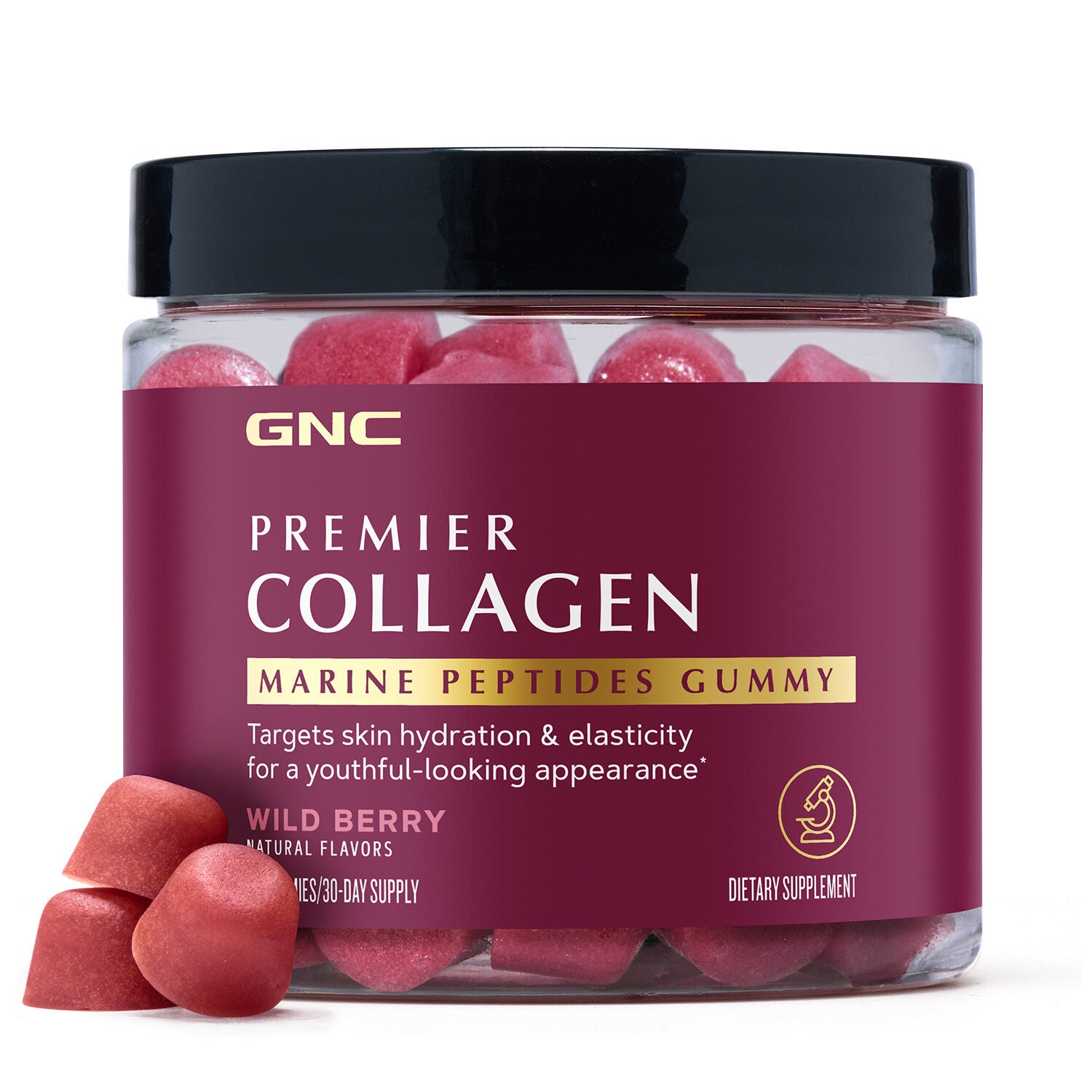

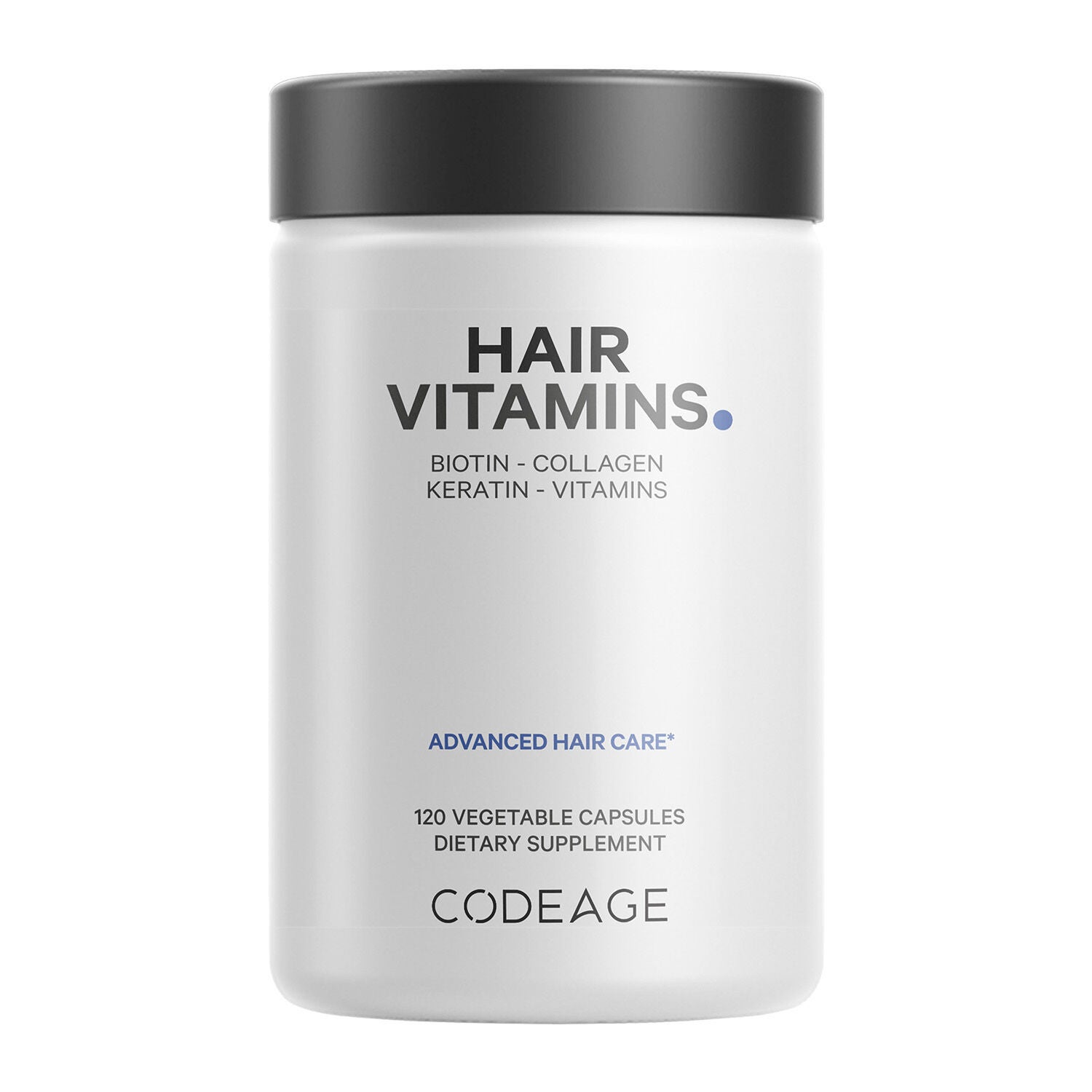
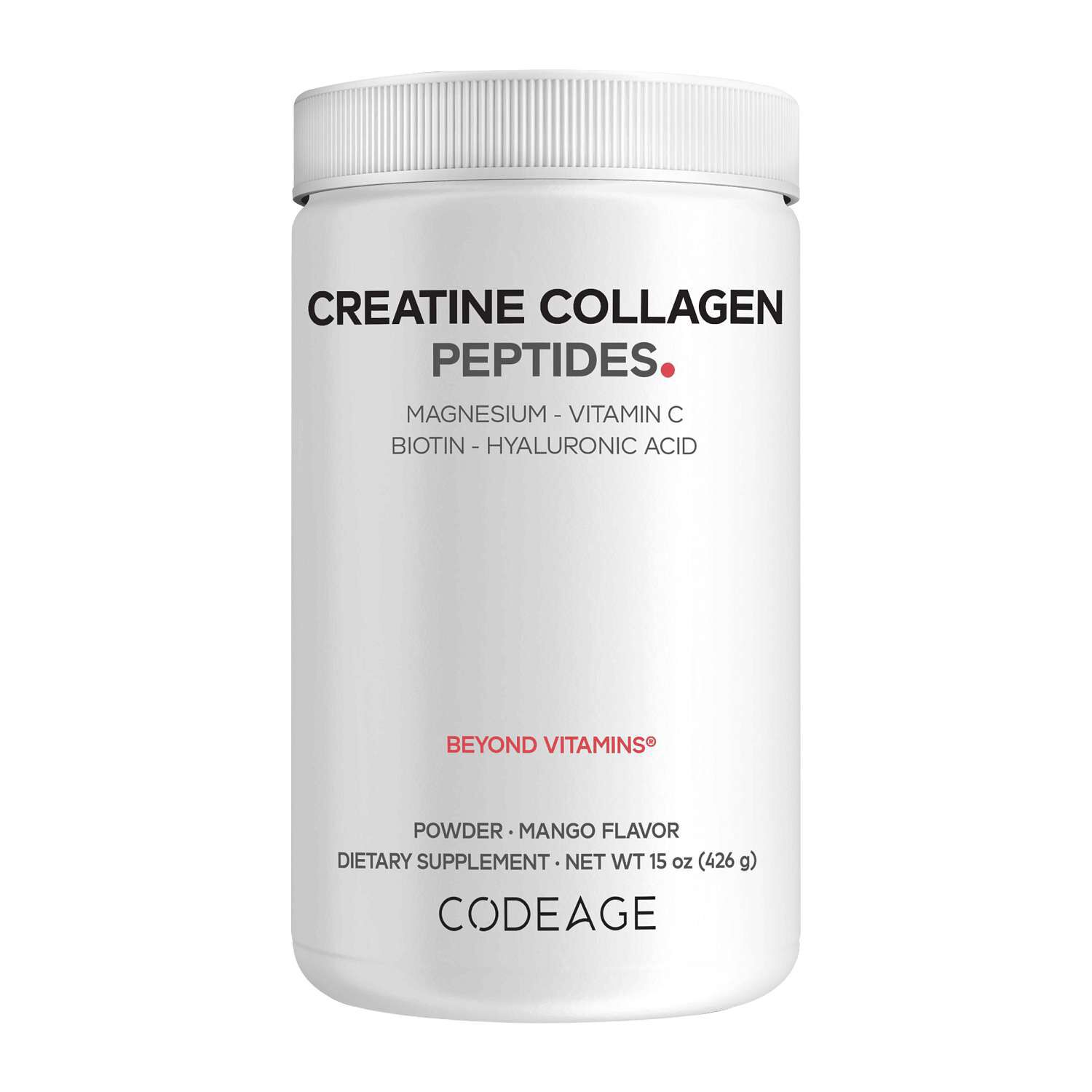
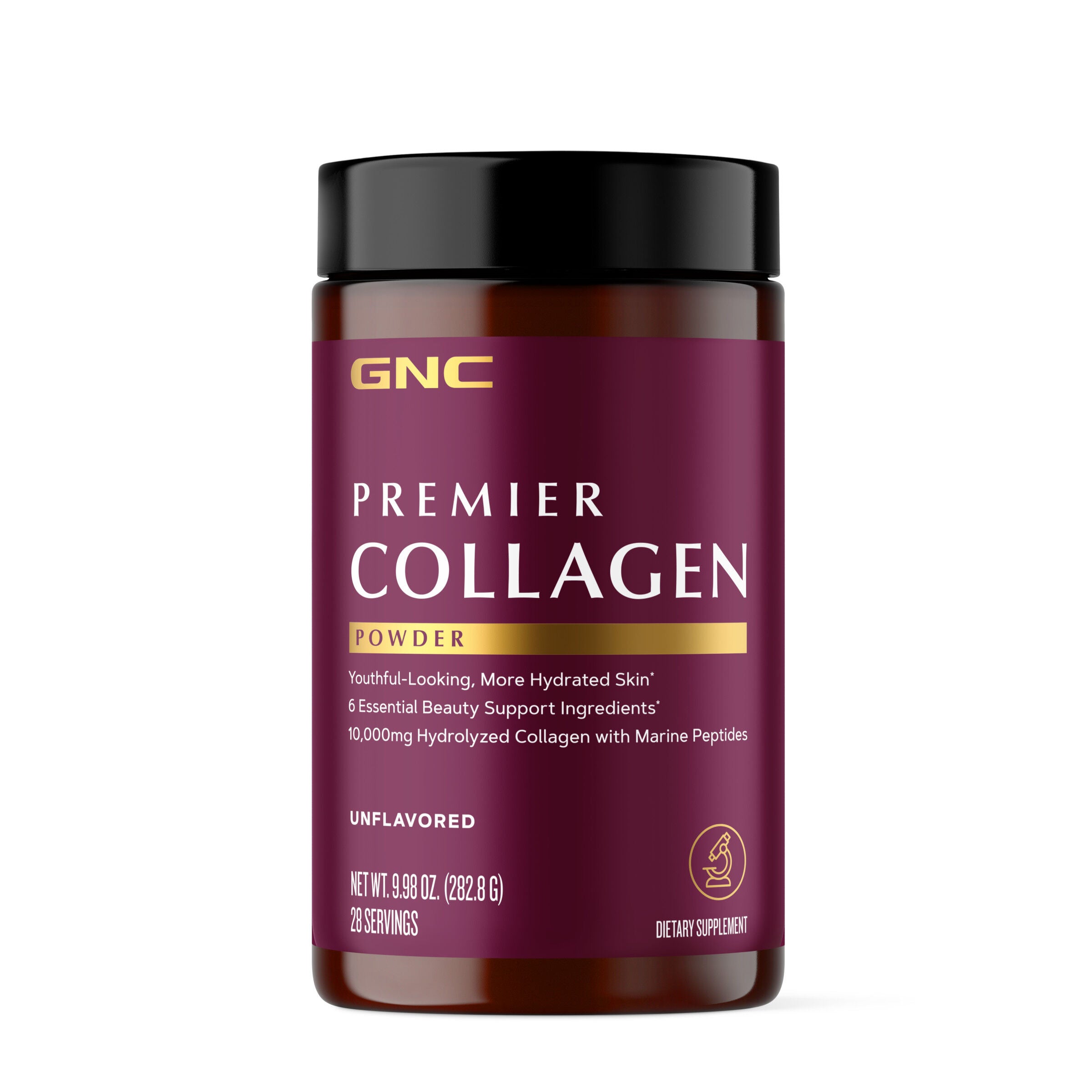
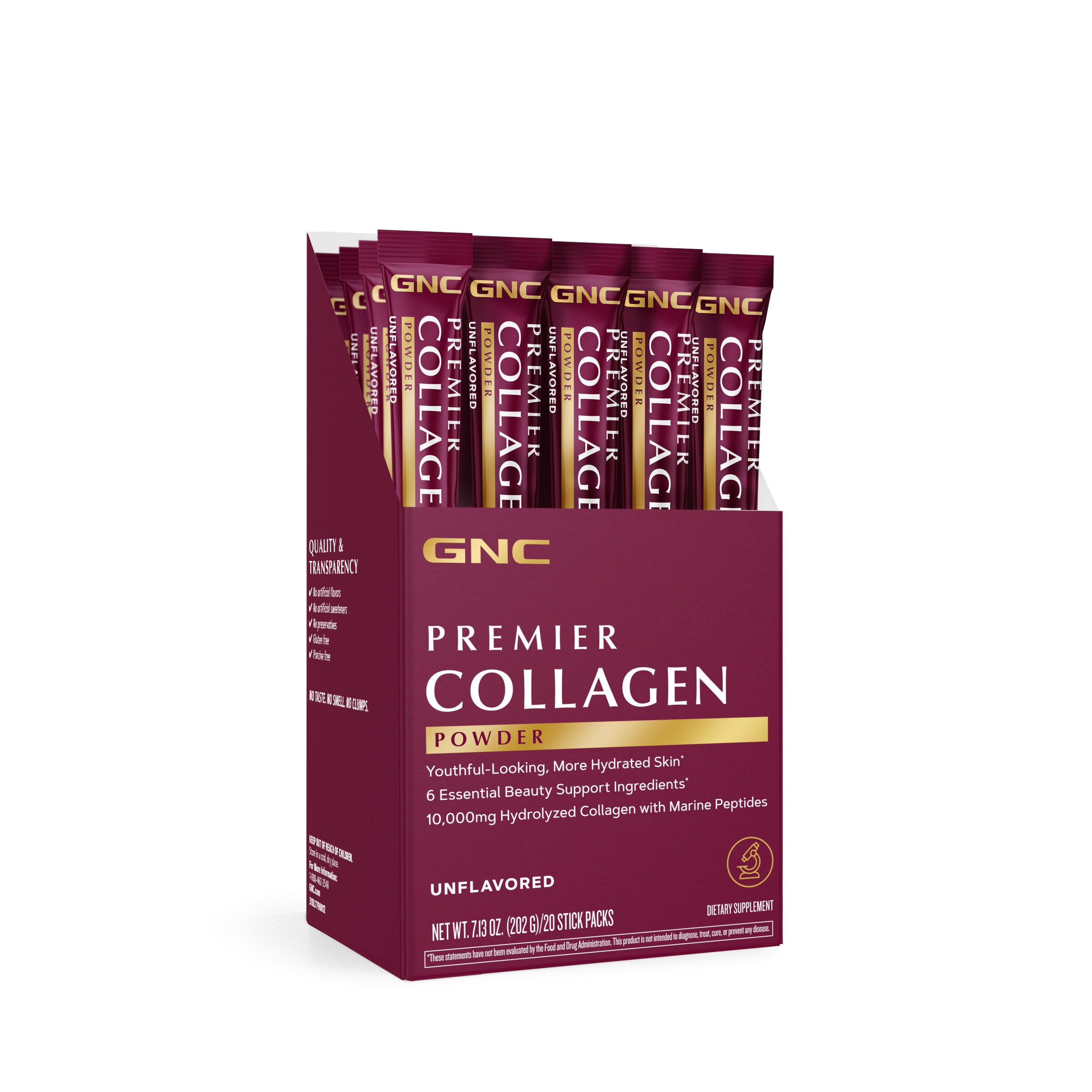
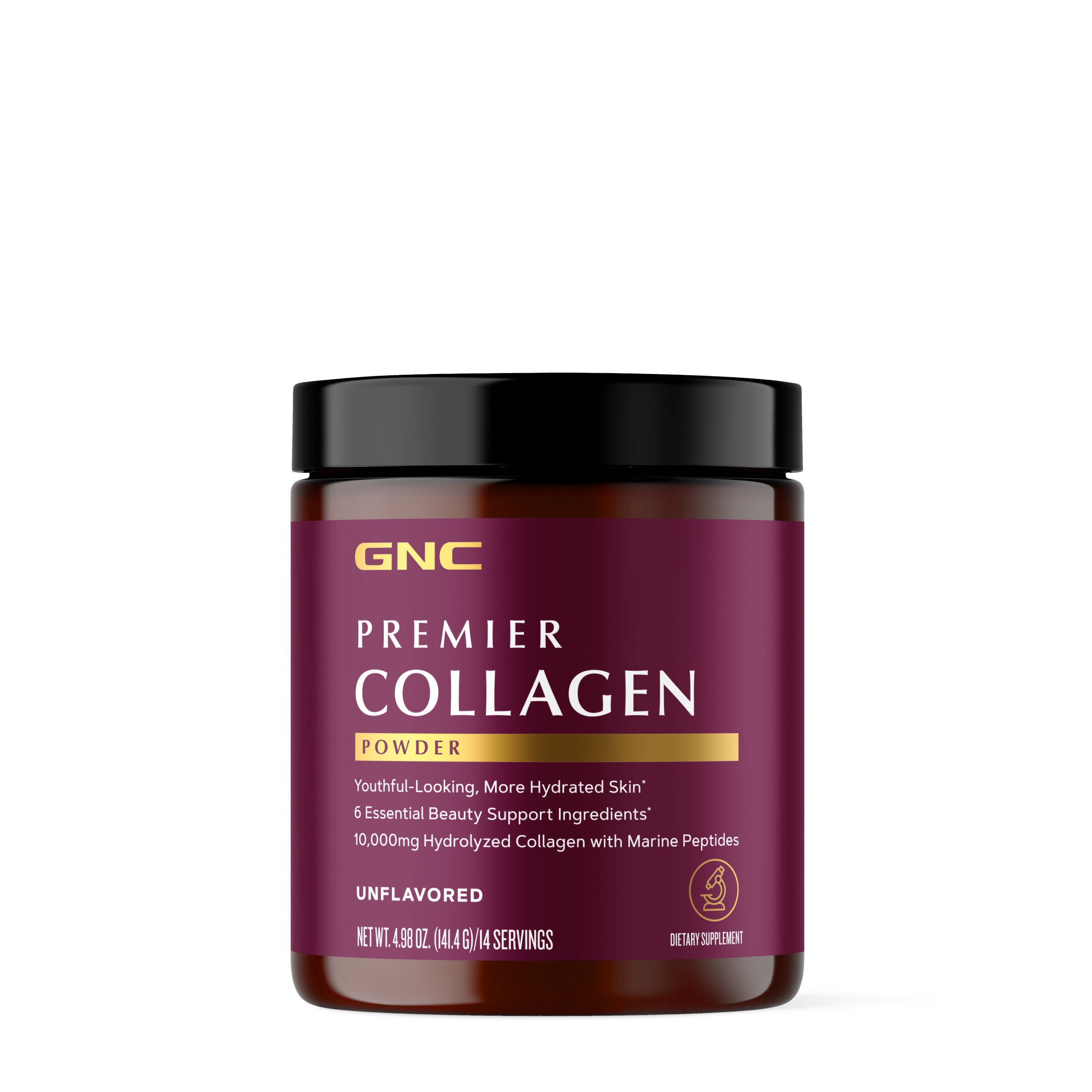
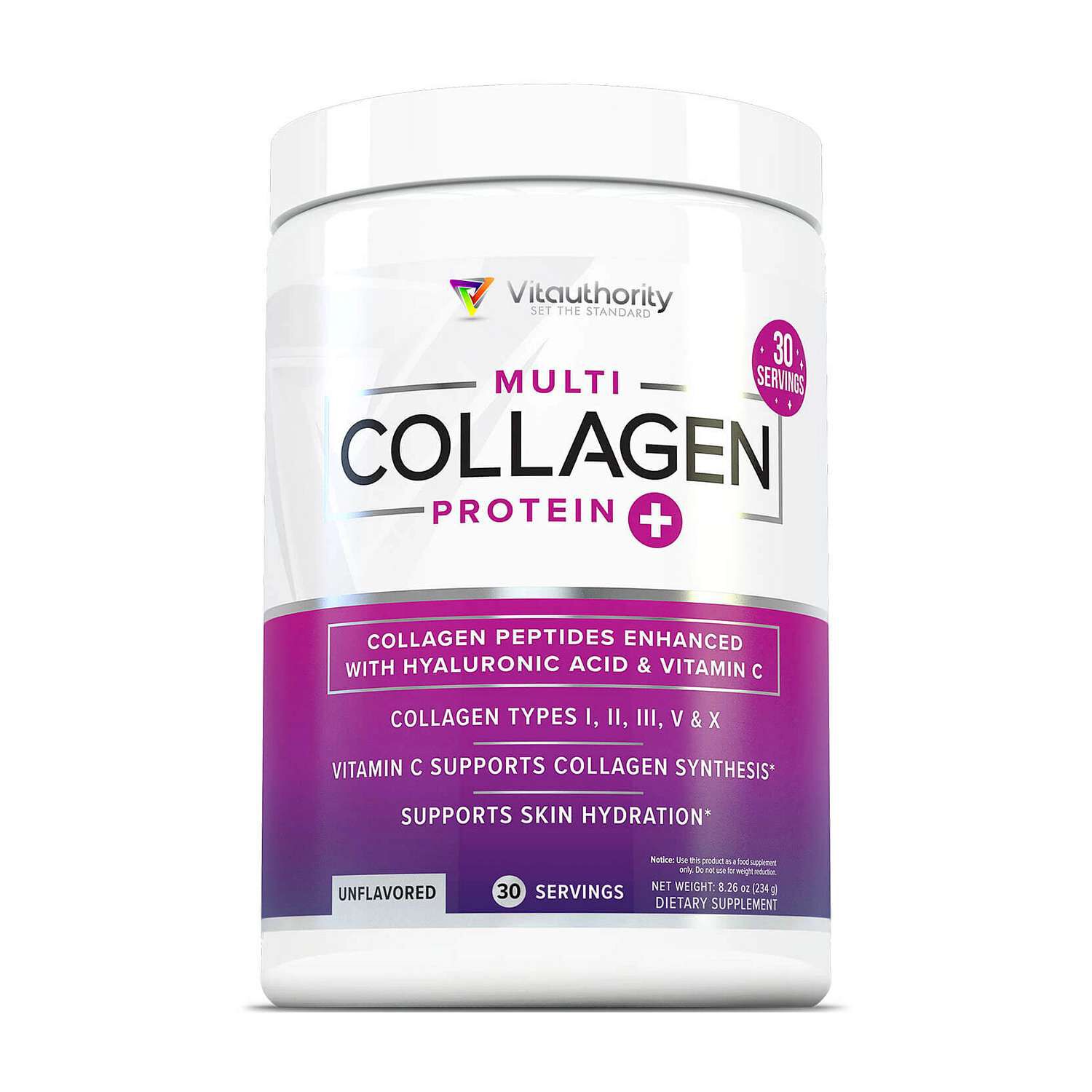
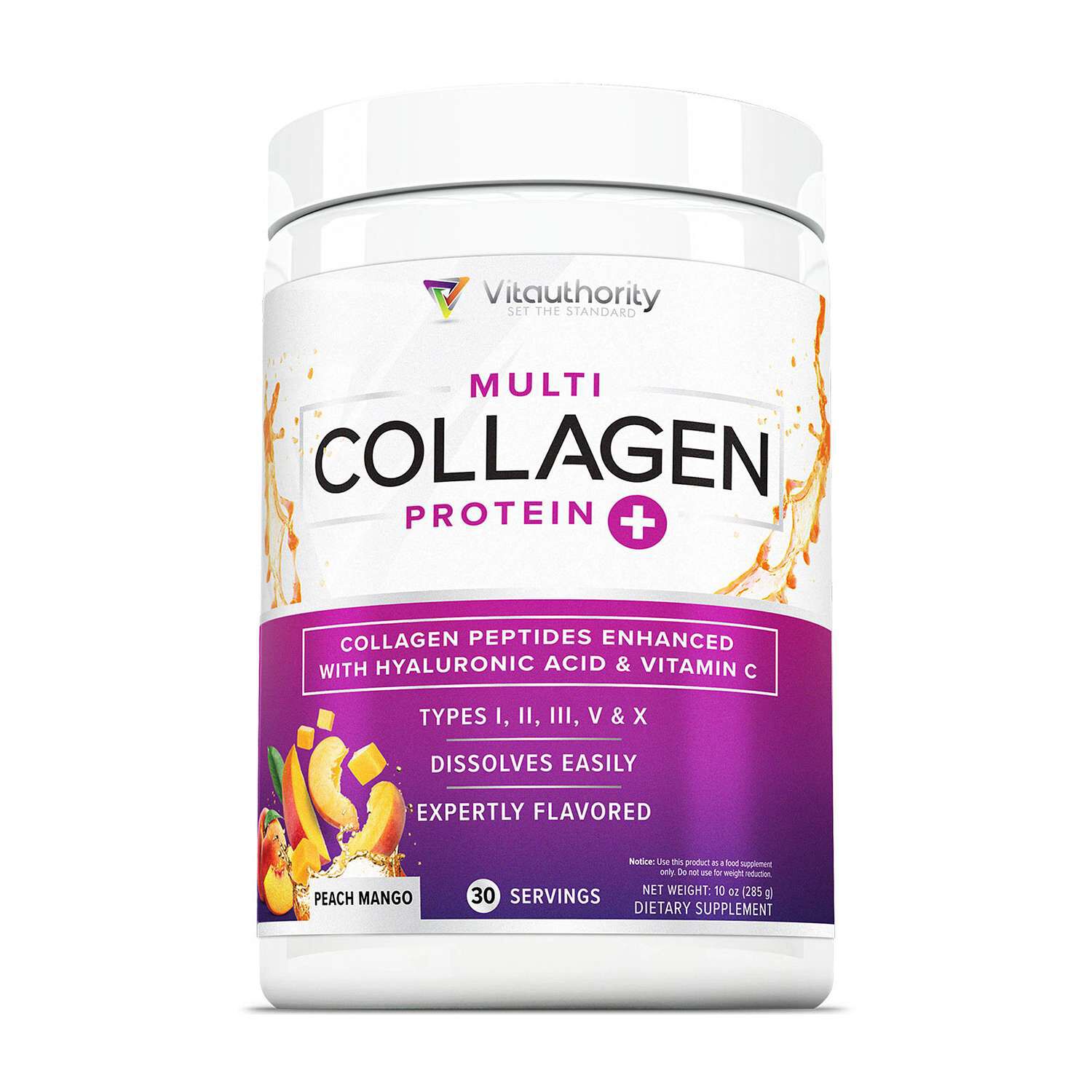
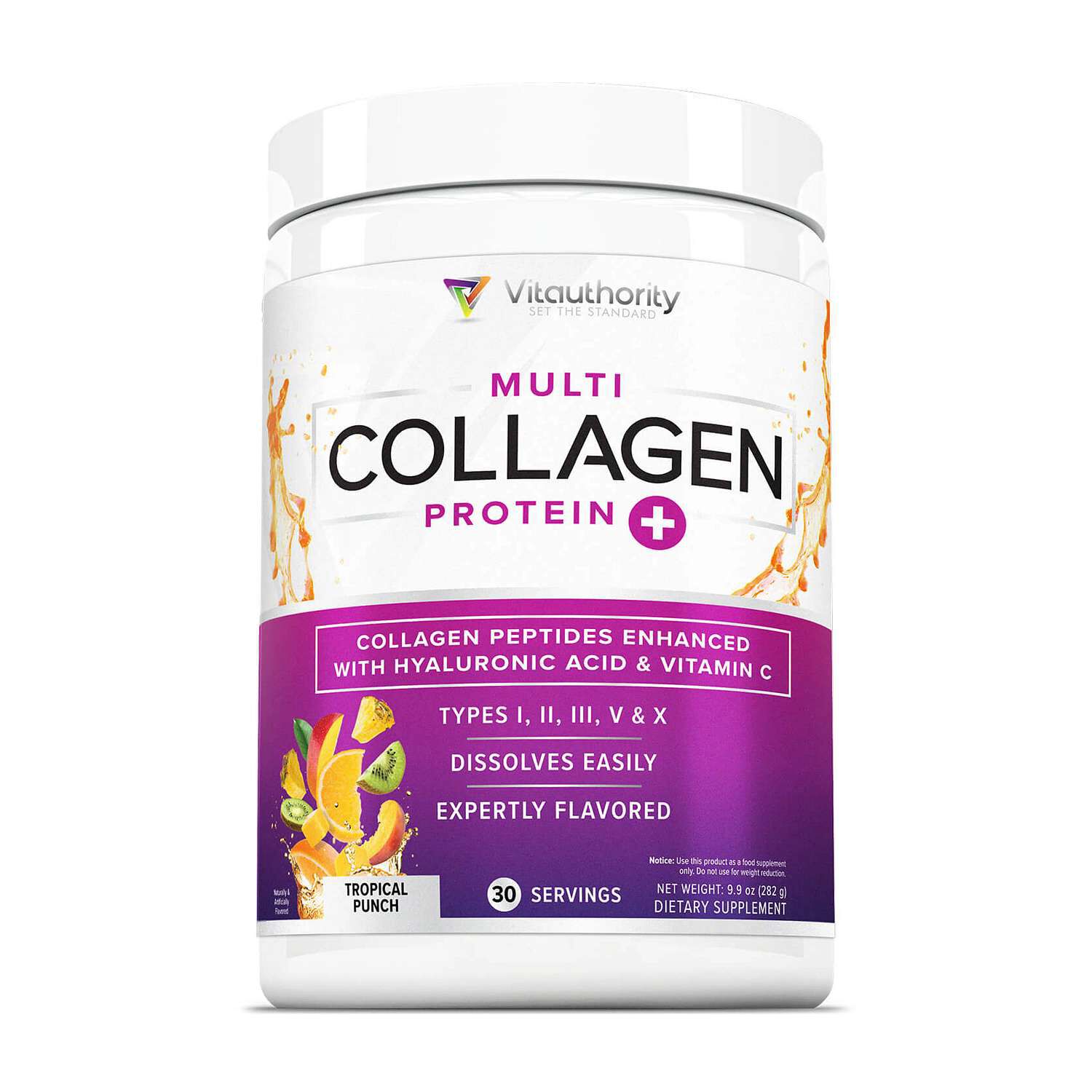

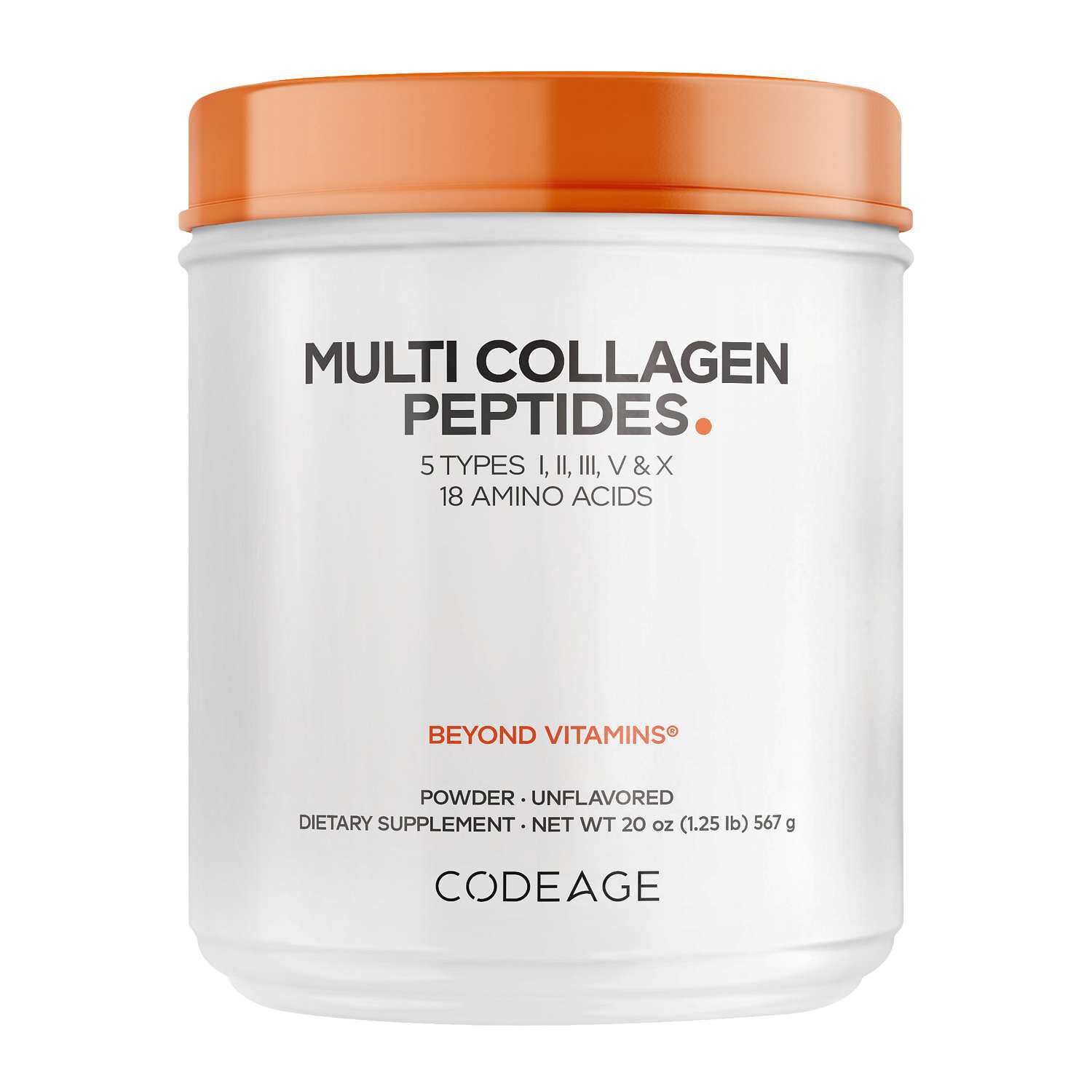
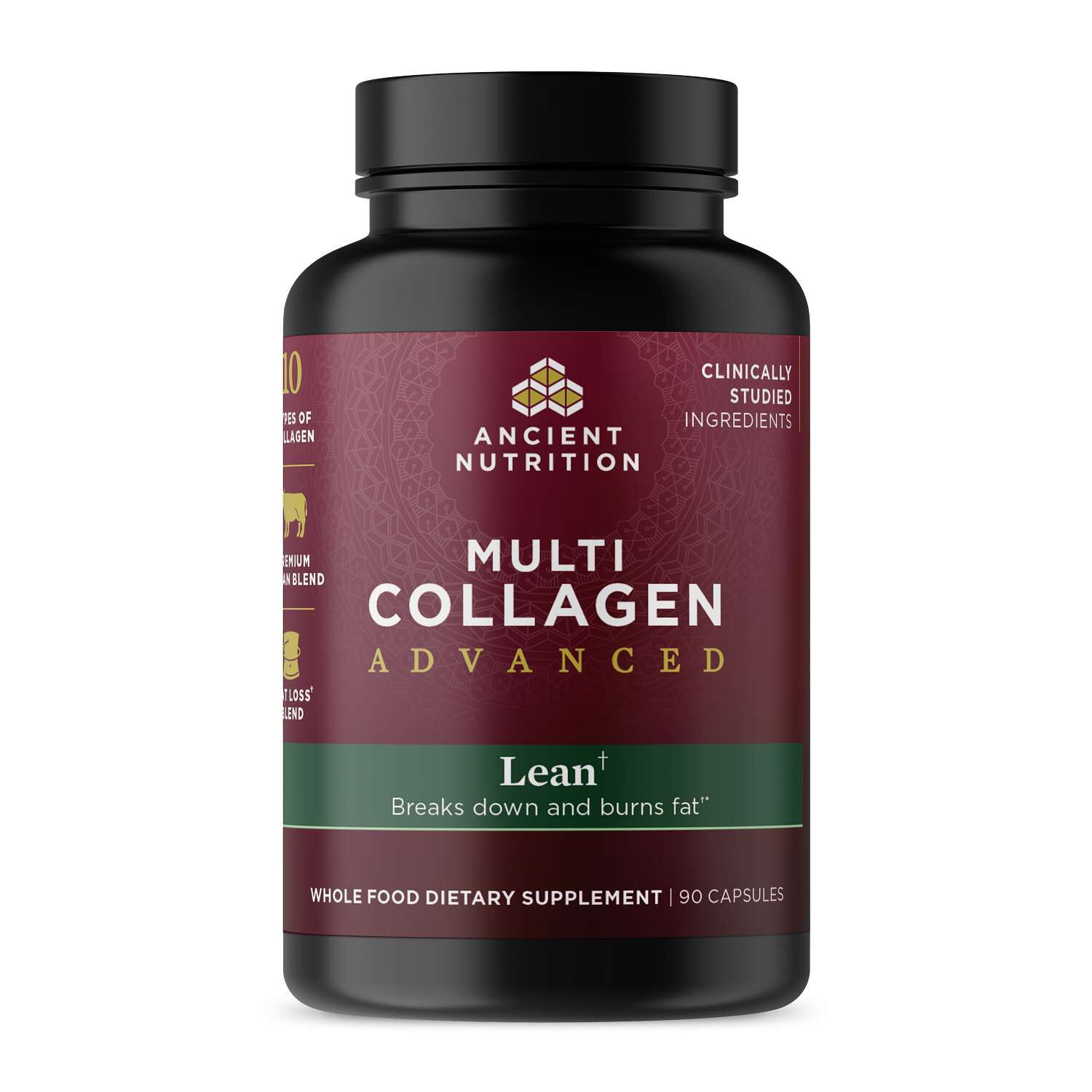


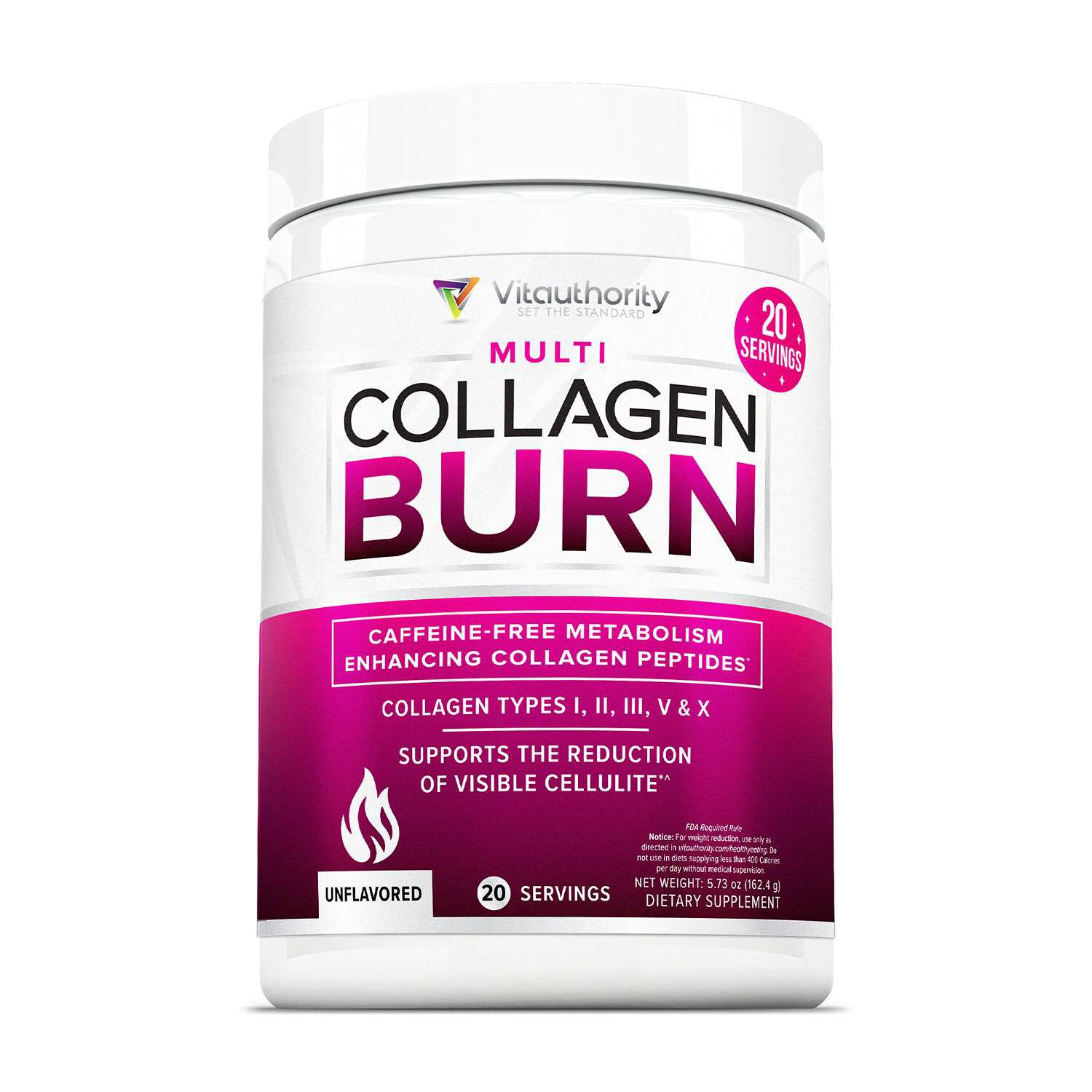
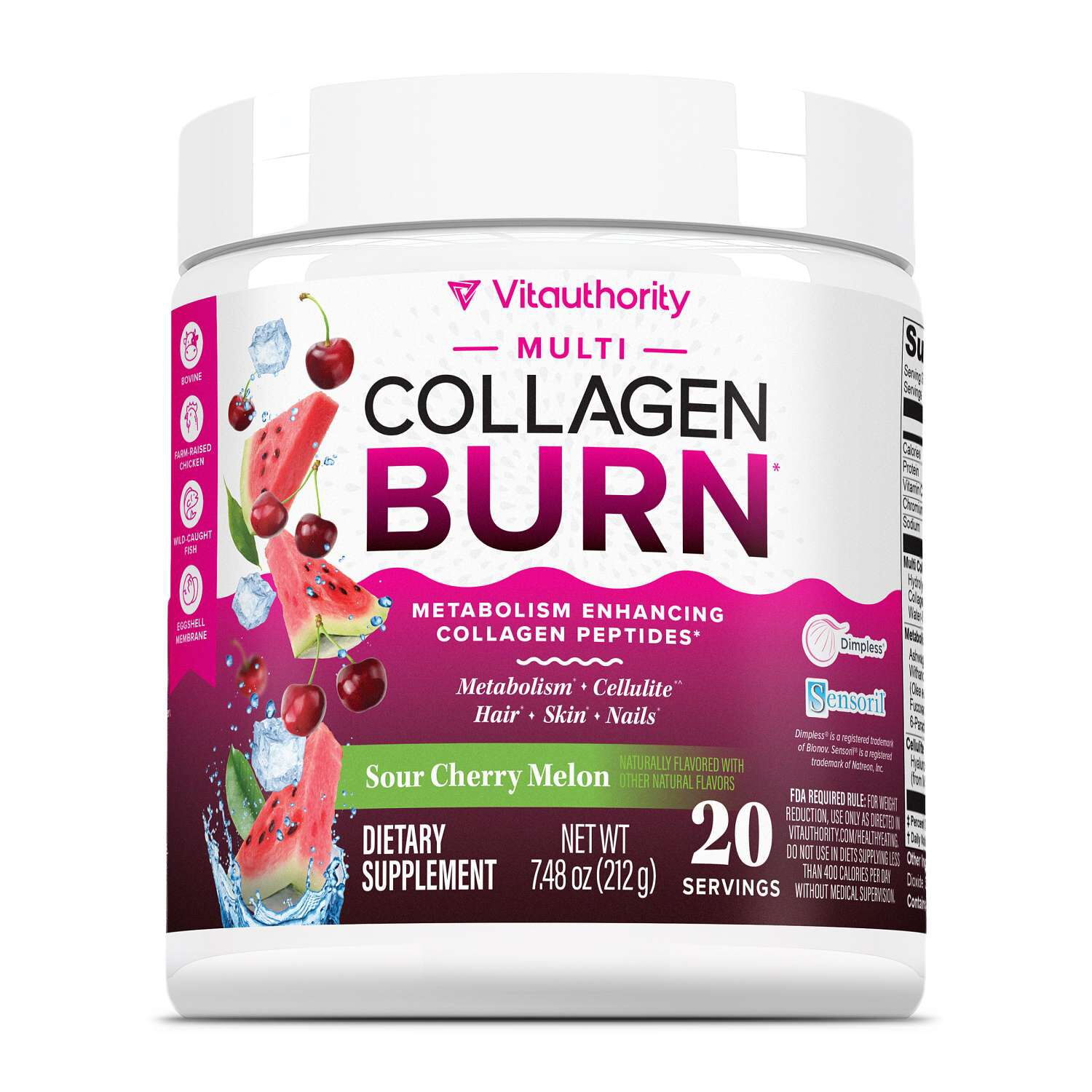
Marine collagen supplements are typically made with collagen obtained from fish, often from skin or bones, and offer a marine-source alternative to bovine or porcine collagen. Collagen is a structural protein naturally found in connective tissues, and fish-derived collagen is commonly associated with type 1 collagen. On supplement labels, hydrolyzed marine collagen and marine collagen peptides generally describe collagen that has been processed into smaller protein fragments. Those terms describe the ingredient’s processing rather than a flavor, serving size, or finished format. Marine collagen supplements span several formats, including powders, capsules, tablets, and liquids, with differences in ingredient combinations and preparation. For shoppers building a beauty-focused supplement routine or exploring another source of supplemental protein, those distinctions provide useful context beyond the words on the front of the package. A straightforward formula might feature marine collagen peptides with few additional ingredients, while a blended formula might also contain vitamin C, biotin, hyaluronic acid, flavorings, or sweeteners. The Supplement Facts panel distinguishes the amount of collagen from the amounts of accompanying ingredients; a prominent number on the front label does not always describe the collagen portion alone. Source details matter, too. A fish-derived formula does not fit a vegan or vegetarian eating pattern, and a marine ingredient should not be assumed to come from shellfish. Fish and shellfish are distinct source categories, making the ingredient list and allergen statement more informative than ocean imagery or broad sourcing language. For someone who already uses other supplements, a formula’s additional vitamins and minerals are another meaningful point of comparison. Marine collagen is also different from whey, pea, or soy protein in its amino acid composition, so an equal scoop size does not make these categories nutritionally identical. The most useful comparisons keep the source, collagen amount, accompanying ingredients, and intended use in view together, rather than treating every collagen supplement as the same kind of purchase.
Format shapes how marine collagen might fit into an ordinary day. A powder may suit someone who prefers measuring a serving into a mug, shaker bottle, or bowl, while capsules may appeal to someone who would rather avoid mixing a drink. Powder labels specify serving sizes by weight, and the included scoop, when supplied, is a measuring tool rather than a universal standard across formulas. One scoop from one container is not necessarily equivalent to one scoop from another. Directions also matter for preparation: some powders are intended for beverages, while others include suggestions for foods such as yogurt or oatmeal. A spoon stirred through a thick breakfast bowl creates a different mixing situation from a shaker filled with water, so the recommended method provides a practical starting point. Unflavored describes the absence of an added flavor profile, not necessarily the absence of a noticeable aroma or taste. A flavored formula may suit a beverage enjoyed on its own, whereas an unflavored option may be preferable when keeping a familiar coffee or smoothie recipe largely unchanged. Texture and dispersion may vary with the formula, beverage, and mixing method. Capsules and tablets bring different considerations, including the number required for a labeled serving and the materials used in the capsule shell or coating. The amount of collagen per serving remains a separate detail from the number of capsules in the container. Liquid formats have their own serving measurements, storage directions, and instructions after opening. Across formats, package design matters in everyday use: a tub occupies counter or cabinet space, a pouch needs a secure closure, and individual portions create a different packing routine for an office bag or overnight stay. None of these details determines which format suits everyone. They describe the small, repeated actions involved in using the supplement, from reaching for a dry scoop to measuring a liquid serving, and may help explain why one format feels more practical than another.
Ingredient transparency and packaging details add another layer to comparing marine collagen supplements. A clearly identified fish source offers more context than the word marine alone, while an explanation of sourcing or processing provides information beyond the ingredient name. Environmental sourcing statements are most informative when accompanied by a specific standard or certification rather than a broad description. Similarly, a testing statement is easier to interpret when it identifies what was evaluated and which organization performed the testing. These details describe different aspects of a supplement and should not be treated as interchangeable. A sourcing statement concerns the origin of an ingredient; a testing statement concerns a particular evaluation; and the Supplement Facts panel describes the labeled serving. Flavor systems deserve the same attention as the collagen itself. Sweeteners, fruit powders, acids, and other ingredients may shape the drinking experience, especially for someone who prefers a less sweet beverage or wants to add collagen to an existing recipe. Storage is another practical consideration for a product used over time. The package directions govern where the container belongs and whether a liquid requires refrigeration after opening. For powders, a dry measuring utensil and a securely closed container are sensible parts of package care. Keeping the original packaging also preserves access to preparation instructions, source information, lot details, and the printed date. Someone with a settled morning breakfast routine may favor a format that fits that moment, while someone who spends much of the day away from home may prefer a different preparation method. A supplement is also a personal purchase, so source preferences and format preferences matter when considering it for another person. Explore Black Friday Collagen Supplement Deals. Across the category, the clearest distinctions remain concrete: where the collagen comes from, how much a labeled serving contains, what else is included, how it is prepared, and how the package fits into everyday use.
Best Sellers
-
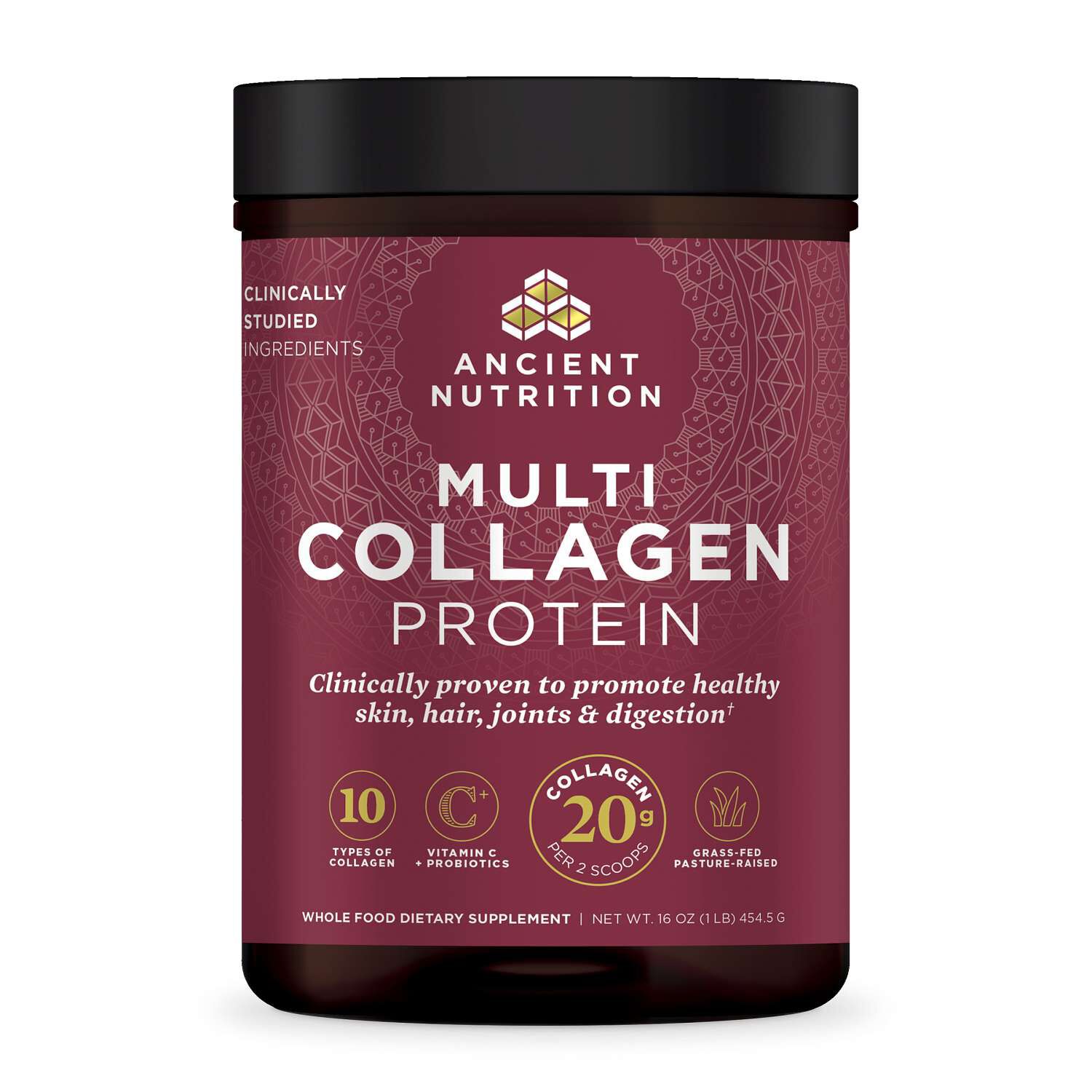 Ancient Nutrition
-
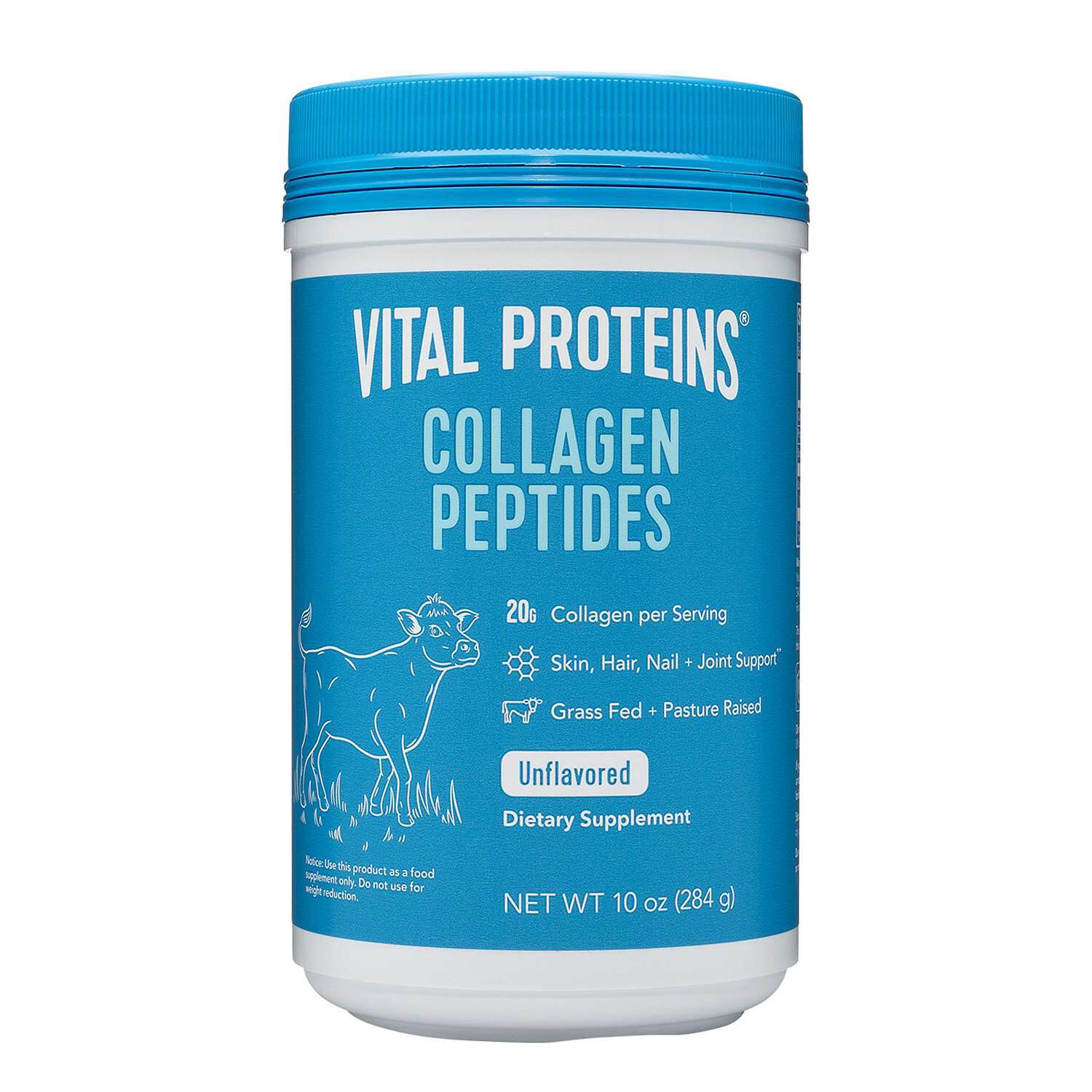 Vital Proteins