





Marine Collagen Powders For Tea
(0 Results)
Marine collagen powders for tea offer a convenient way to incorporate collagen into your daily routine. These powders are designed to blend smoothly with hot beverages, making them a popular choice for those who enjoy tea throughout the day. Whether you prefer green tea, herbal blends, or classic black tea, marine collagen powders for tea may complement your favorite cup without altering its flavor. Discover options that could fit seamlessly into your wellness rituals and add a new element to your tea experience.
-

-

-

-
-
-
-
-
-
-
-
-
-

-

-

-
 44$44.99
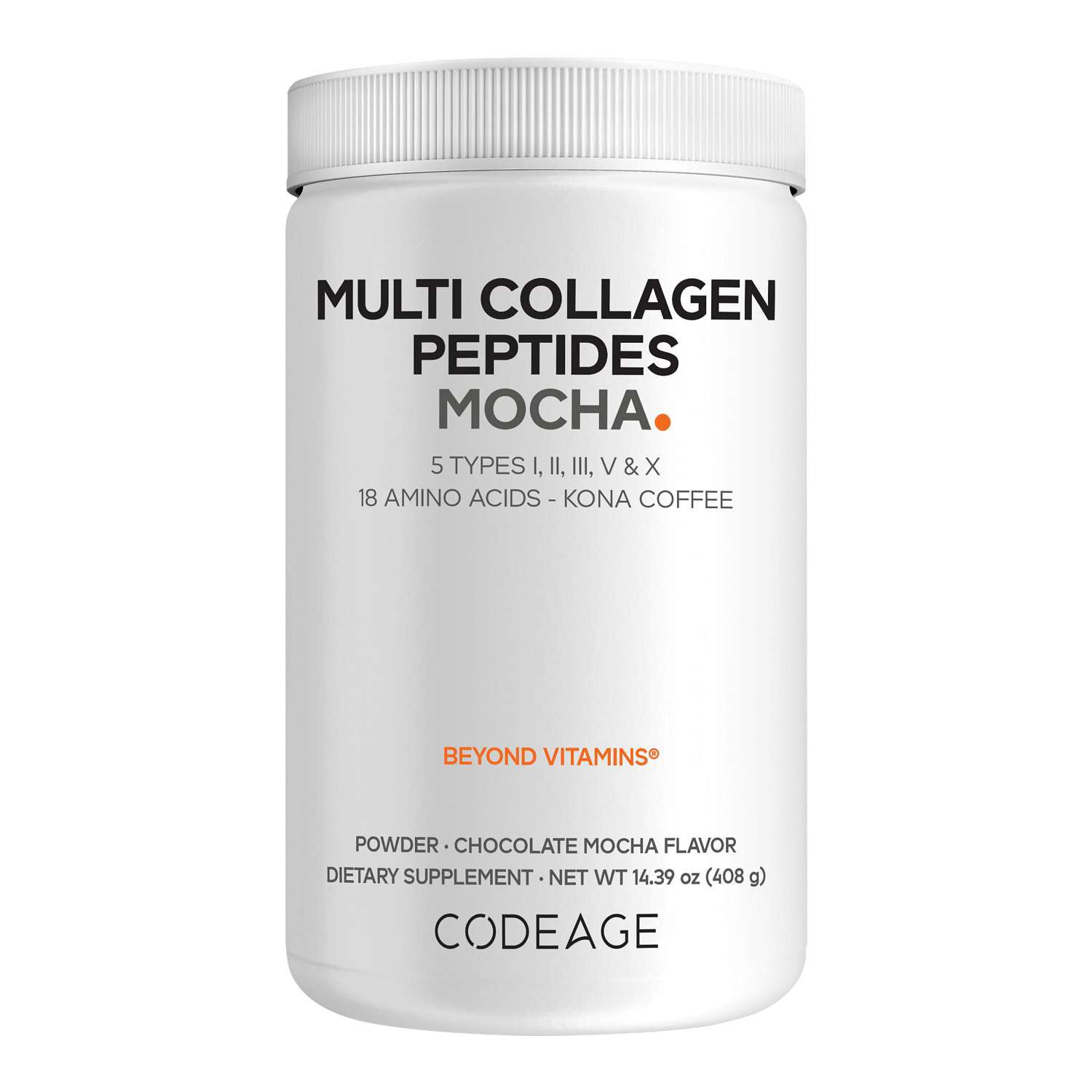

Marine collagen powders for tea are fish-derived supplements that pair a powdered format with the familiar ritual of a brewed cup. Many use hydrolyzed collagen, meaning the collagen has been processed into smaller peptides. The terms “hydrolyzed marine collagen” and “marine collagen peptides” often describe this format on ingredient labels. Fish skin is one source, and the species and sourcing details vary by formula. Type I collagen is common in marine collagen powders, although the label is the reference for the collagen type and amount in any serving. For tea drinkers, the distinction between unflavored and flavored powder is especially relevant. An unflavored formula has no designated flavor such as vanilla or berry, but that description does not necessarily mean an absence of aroma or taste. Depending on the formula and the tea, a serving may introduce a subtle savory note or a slightly different mouthfeel. A delicate jasmine green tea leaves little room for competing flavors, while a robust black tea has a more pronounced character. Roasted oolong, peppermint, and rooibos offer other distinct flavor profiles to consider alongside the powder’s ingredient list. Single-ingredient formulas keep the composition straightforward; blends may also contain sweeteners, flavorings, vitamins, or other ingredients. Those additions matter when the goal is a cup that still tastes primarily like tea. Someone who enjoys plain sencha has different preferences from someone who prepares black tea with milk and honey. Marine collagen powder for tea is therefore as much a matter of flavor compatibility and preparation preferences as it is a matter of format. Clear information about fish species, ingredients, serving size, and suggested use provides a useful basis for comparing choices without assuming that every marine collagen powder has the same composition. Sourcing statements also deserve their own attention: a named fish species describes origin, while a testing statement describes the particular assessments identified by the maker. Neither description replaces the rest of the label.
The tea itself helps shape which powder format makes sense for a daily routine. A mug of brewed English breakfast tea, a matcha latte, and a glass of iced herbal tea differ in strength, texture, and preparation. Hydrolyzed marine collagen powder may disperse readily in a prepared drink, but mixing performance varies with the formula, the amount used, and the liquid. Package directions determine whether a powder is intended for warm beverages, cold beverages, or both. For formulas intended for tea, a brewed cup with the leaves or tea bag removed provides a simple setting for mixing. Gradually adding the labeled serving while stirring may help distribute the powder, while a small whisk or handheld frother could be useful for a milk-based tea drink. Frothing may also introduce bubbles, which matters to someone who prefers a clear-looking cup rather than a foamy surface. Cold tea may require more stirring, and some directions may allow the powder to be mixed with a smaller amount of liquid before the rest of the drink is added. These preparation details are particularly relevant for iced tea served over a generous amount of ice, where there is less liquid in the glass than its size suggests. A large mug does not automatically call for a larger serving, either; the labeled portion remains the reference. Collagen grams, protein grams, and scoop size describe different aspects of a serving, so the amount printed beside one is not a substitute for the others. A scoop is a measuring tool, not a universal portion across formulas. For a tea latte, milk, oat beverage, sweetener, and flavoring each contribute their own taste and texture. A simpler powder may suit someone who already has a preferred latte recipe, while a flavored formula could suit a drink built around a matching flavor. Vanilla with a spiced tea or a fruit flavor with hibiscus represents a different pairing from an unflavored powder in plain black tea.
Packaging, storage, and dietary preferences round out the practical differences among marine collagen powders for tea. A resealable pouch, a lidded container, and individual serving packets each suit different routines. A container kept near a tea station offers a different experience from a packet tucked into a work bag, especially when measuring utensils and counter space are limited. Serving counts are most useful alongside the serving size: similarly sized packages do not necessarily contain the same number of portions. The closure, opening width, and scoop storage also matter when powder is being measured beside a kettle or a freshly brewed mug. A clean, dry utensil and storage according to the package directions are practical considerations for maintaining the powder between uses. Steam and splashes are worth keeping away from the open package, and a lid or seal needs room to close securely after each serving. The printed date and any instructions for use after opening provide more meaningful storage information than the appearance of the outer container alone. Dietary fit begins with the source. Fish-derived marine collagen is animal-derived, so it does not align with vegetarian or vegan eating preferences. For someone following a pescatarian eating pattern, the full ingredient list still matters, particularly in formulas that combine several collagen sources or other ingredients. Fish species and declared ingredients are also important for shoppers who avoid particular foods. A powder intended for tea may have uses beyond a mug when its directions permit other beverages; Marine Collagen Powders for Smoothies offers a related category for shoppers who also prepare blended drinks. Tea remains a distinct use because its lighter body and often subtle aroma leave less room for competing flavors than a thick fruit blend. The most suitable choice reflects the tea being prepared, the preferred ingredient profile, the labeled serving, and the way the package fits into an everyday beverage routine. Those details matter whether the setting is a quiet breakfast table, an office tea break, or an afternoon cup prepared at home.
Best Sellers
-
Ancient Nutrition
-
Vital Proteins
Related Pages

Top Collections
- GLP 1 Support For Adults
- Joint Mobility Supplement Packs
- Supplements For Balance
- Supplements For Yoga Joint Flexibility
- Zinc Supplements | Top Brands at Great Prices | GNC
- Capsule Supplements For Energy And Stamina
- Supplements For Anxiety Relief Support
- Iron Supplements
- Vitamins For Hair Loss
- Cortisol Supplements