





Marine Collagen Powders For Smoothies
(0 Results)
Marine Collagen Powders for Smoothies
Marine collagen powders for smoothies could be a convenient way to add a protein source to your daily routine. Many people enjoy blending marine collagen into their favorite smoothie recipes, as it may mix easily with various ingredients. Whether you’re looking to support your wellness journey or simply want a new addition to your morning blend, marine collagen powders for smoothies might offer a versatile option to explore. Discover different choices that could fit seamlessly into your lifestyle and taste preferences.


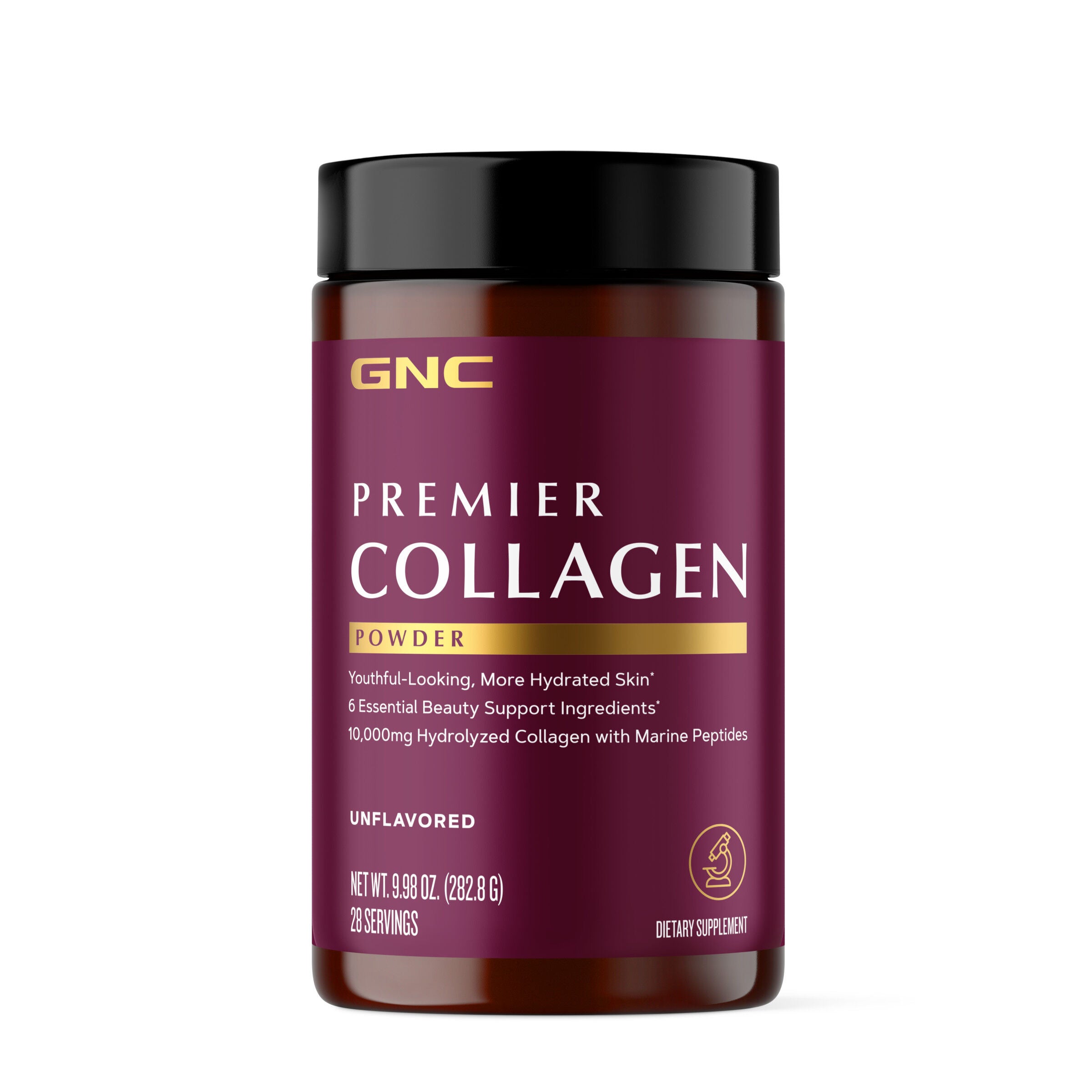
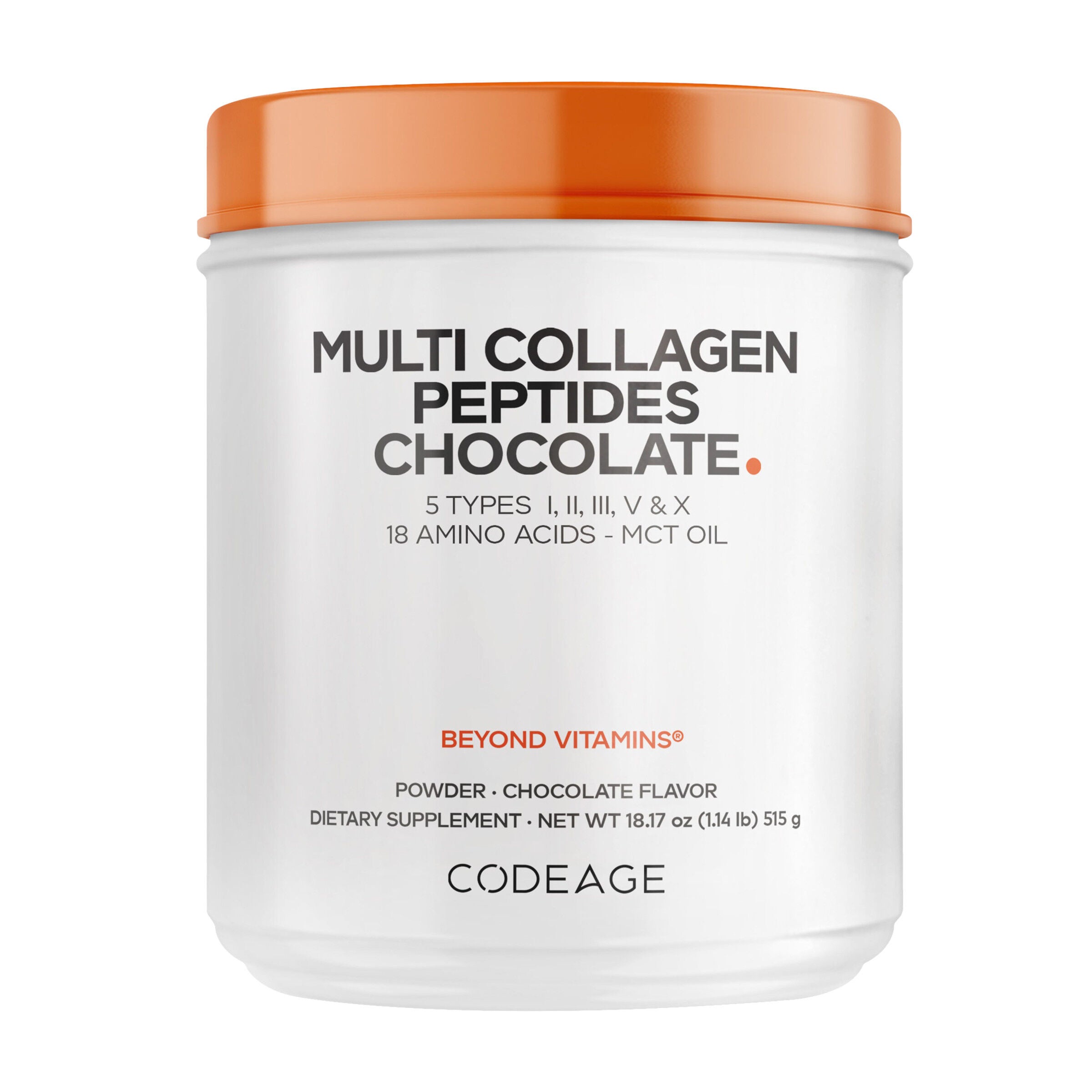
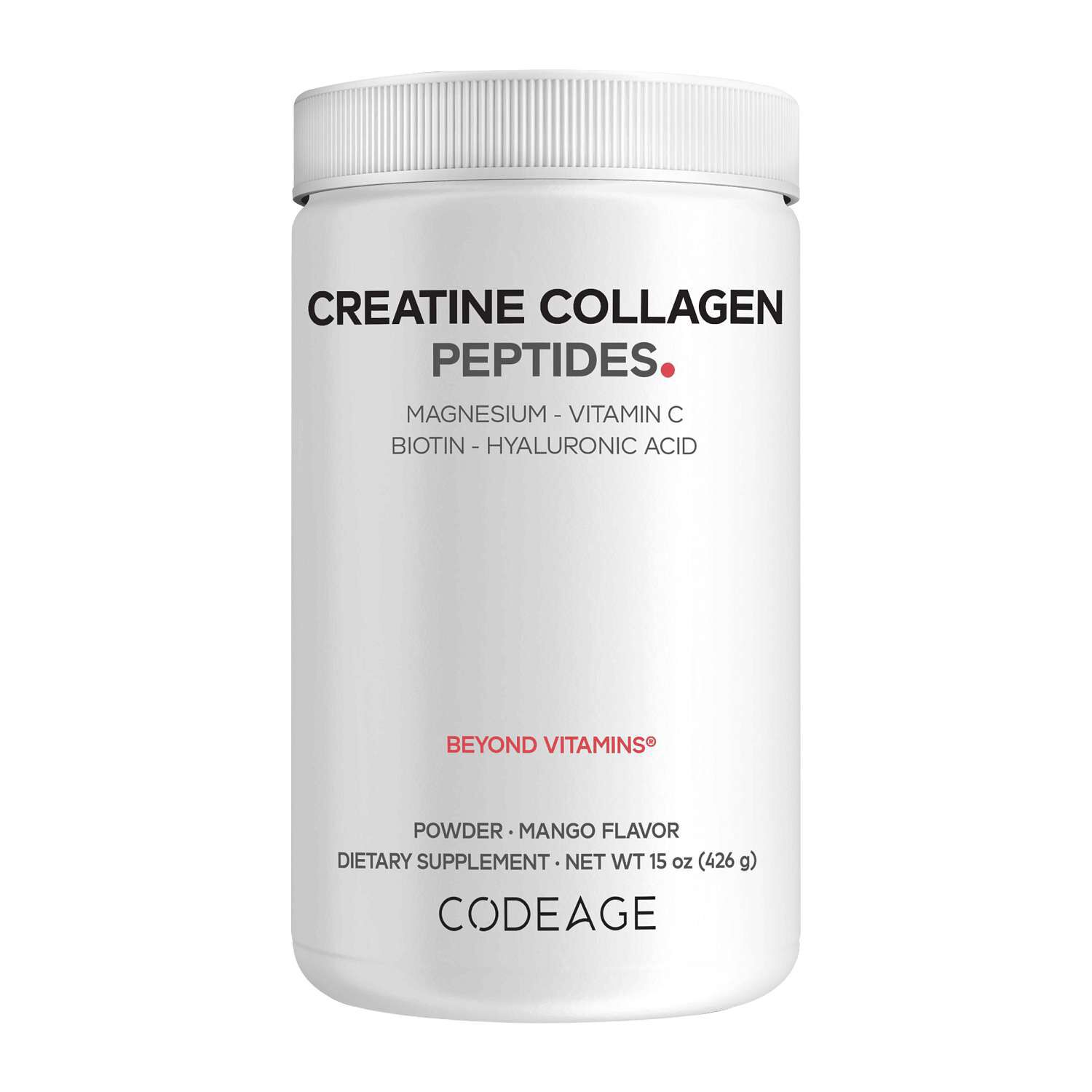
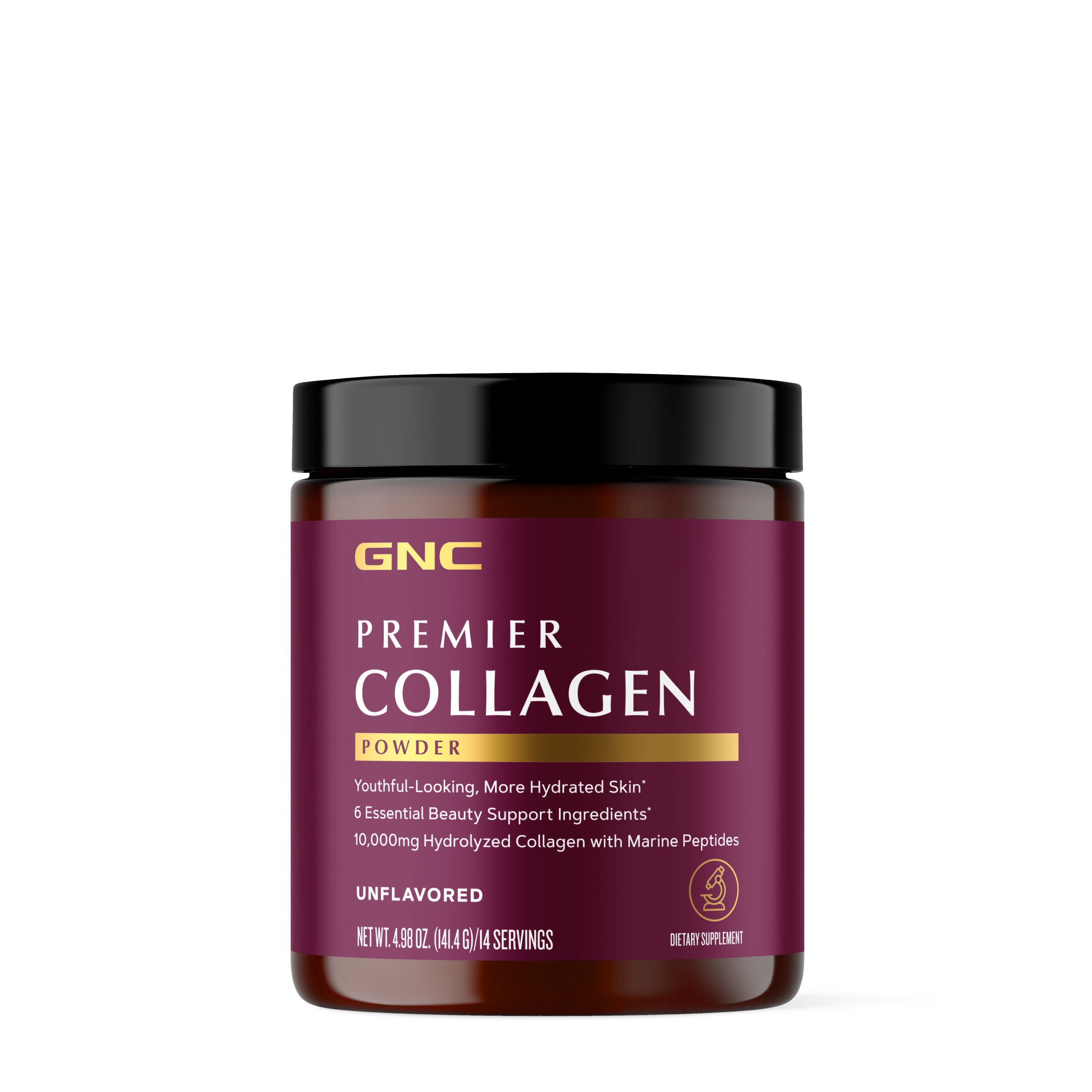
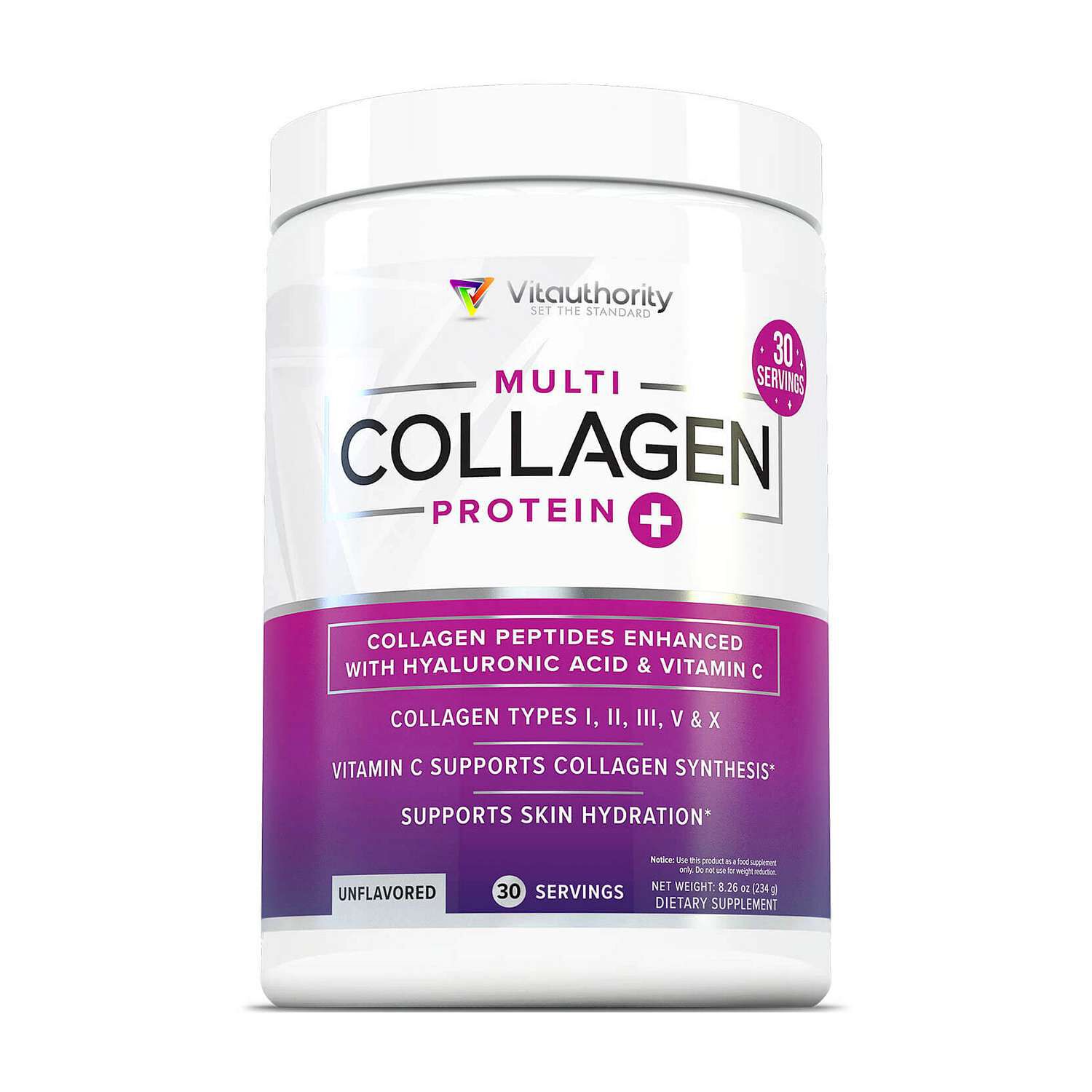
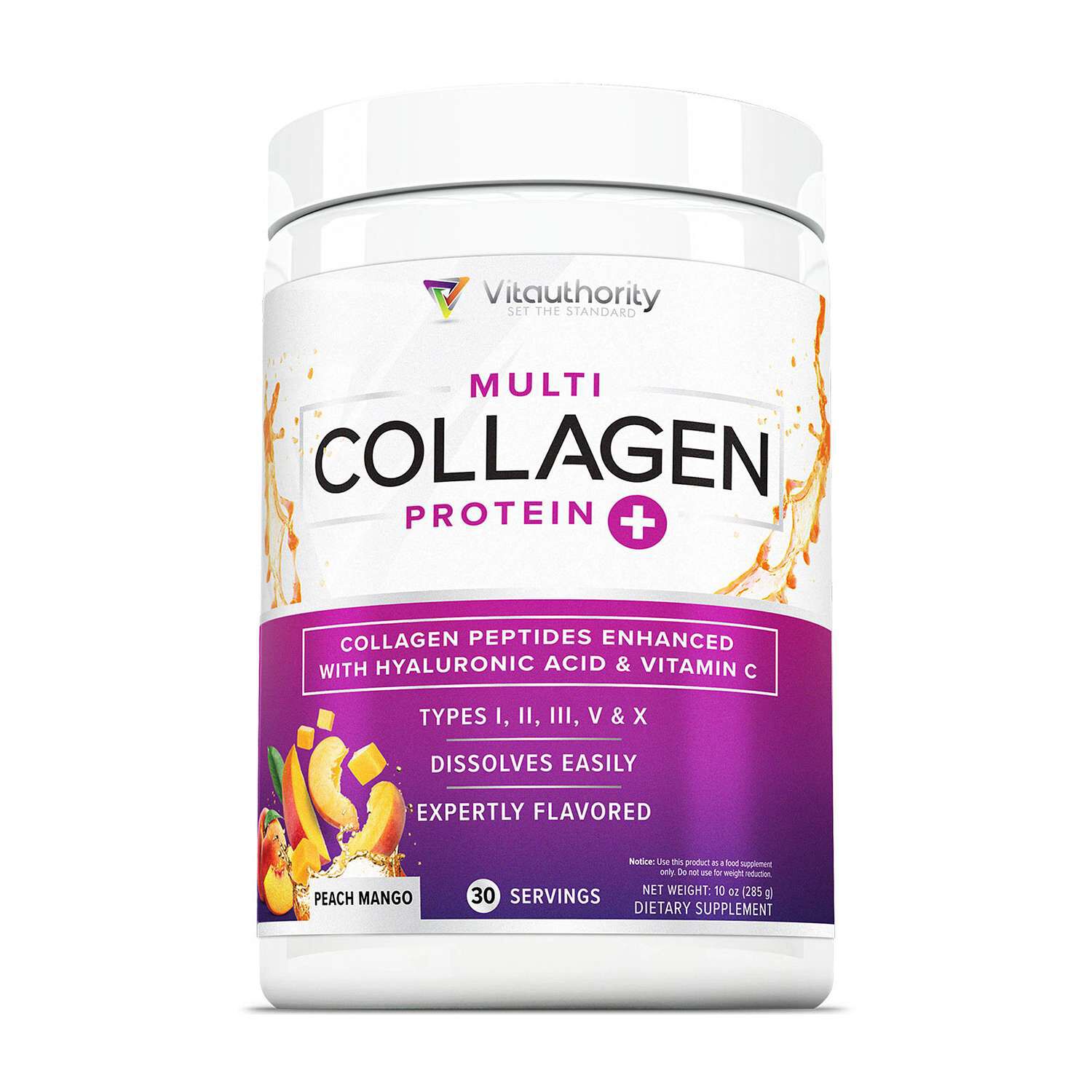
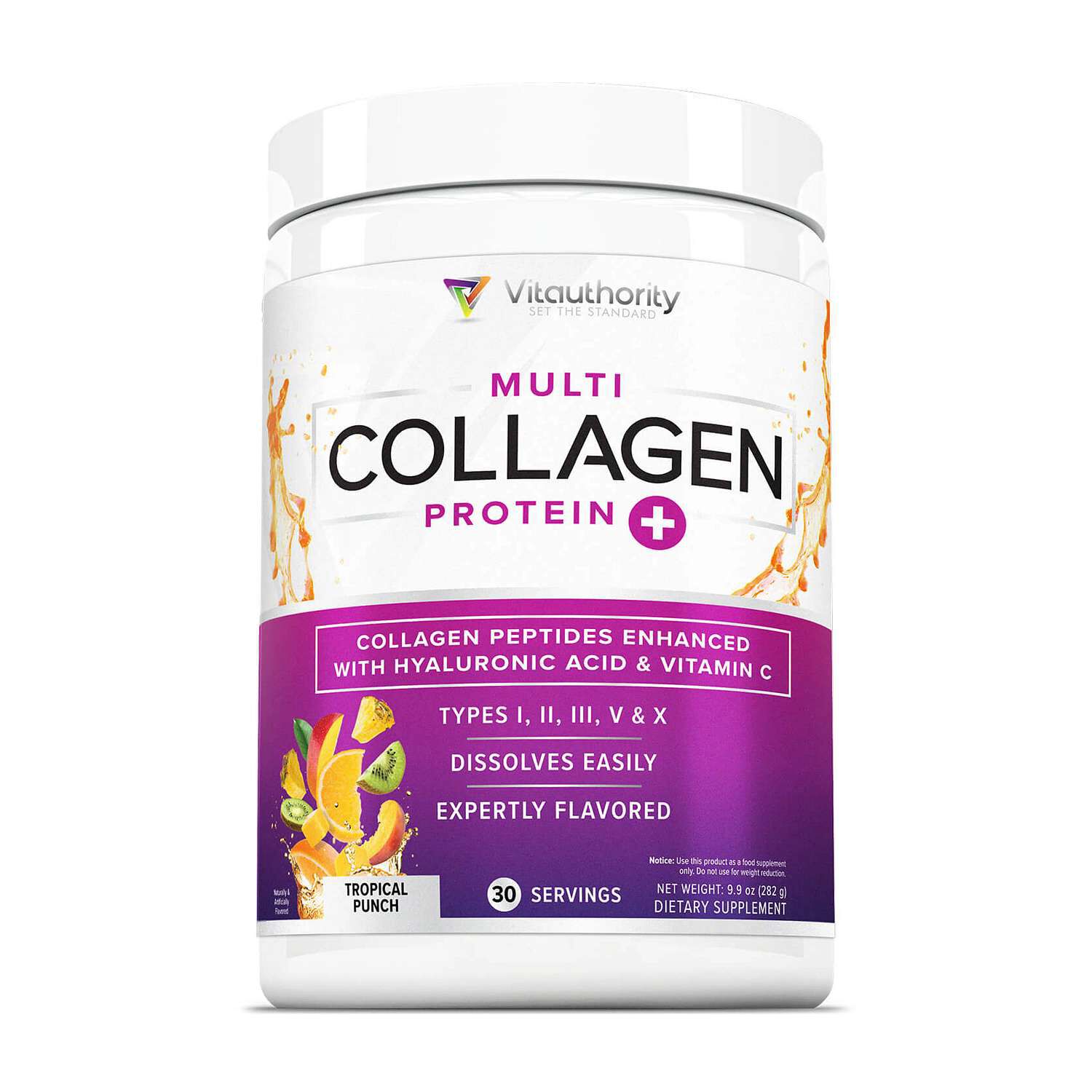

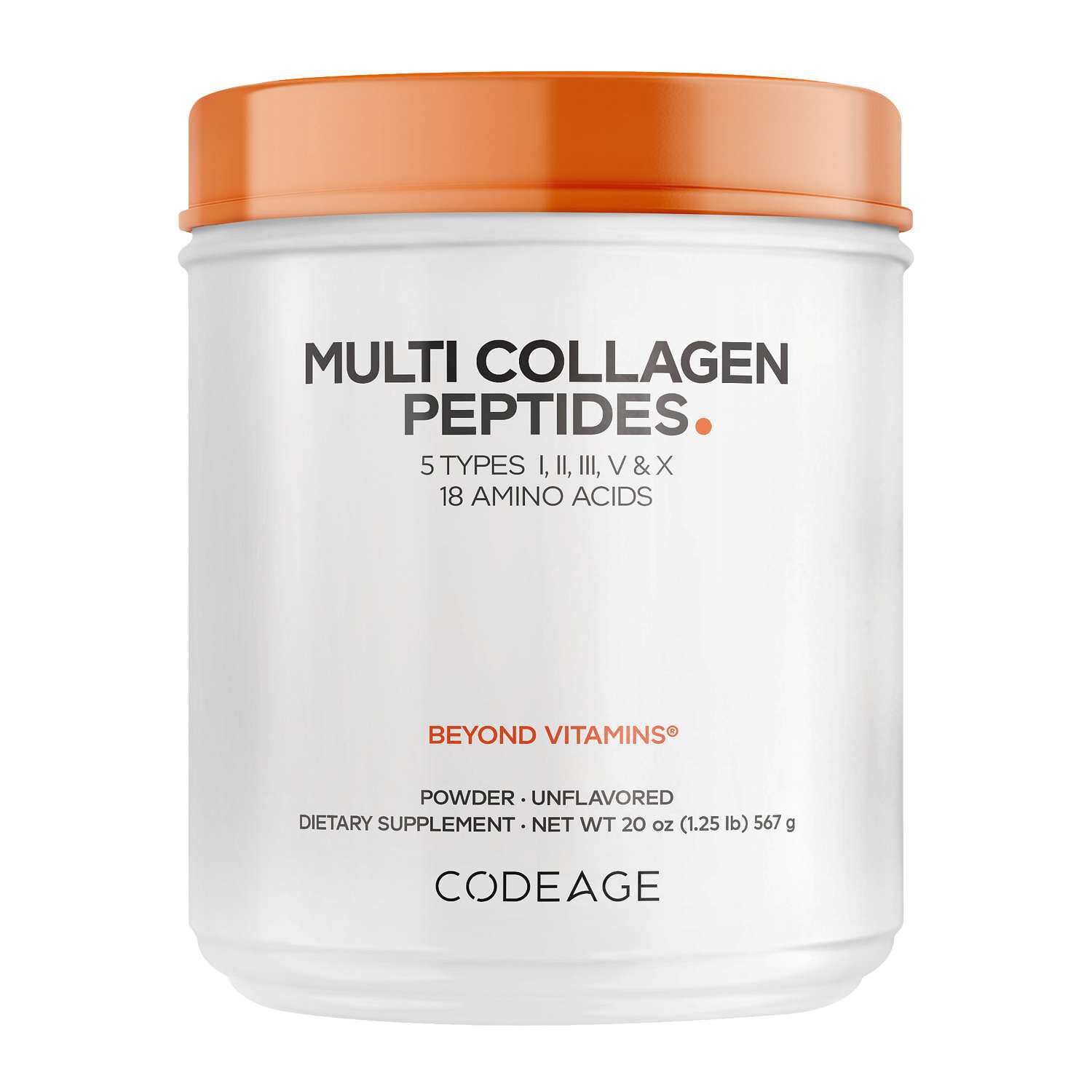


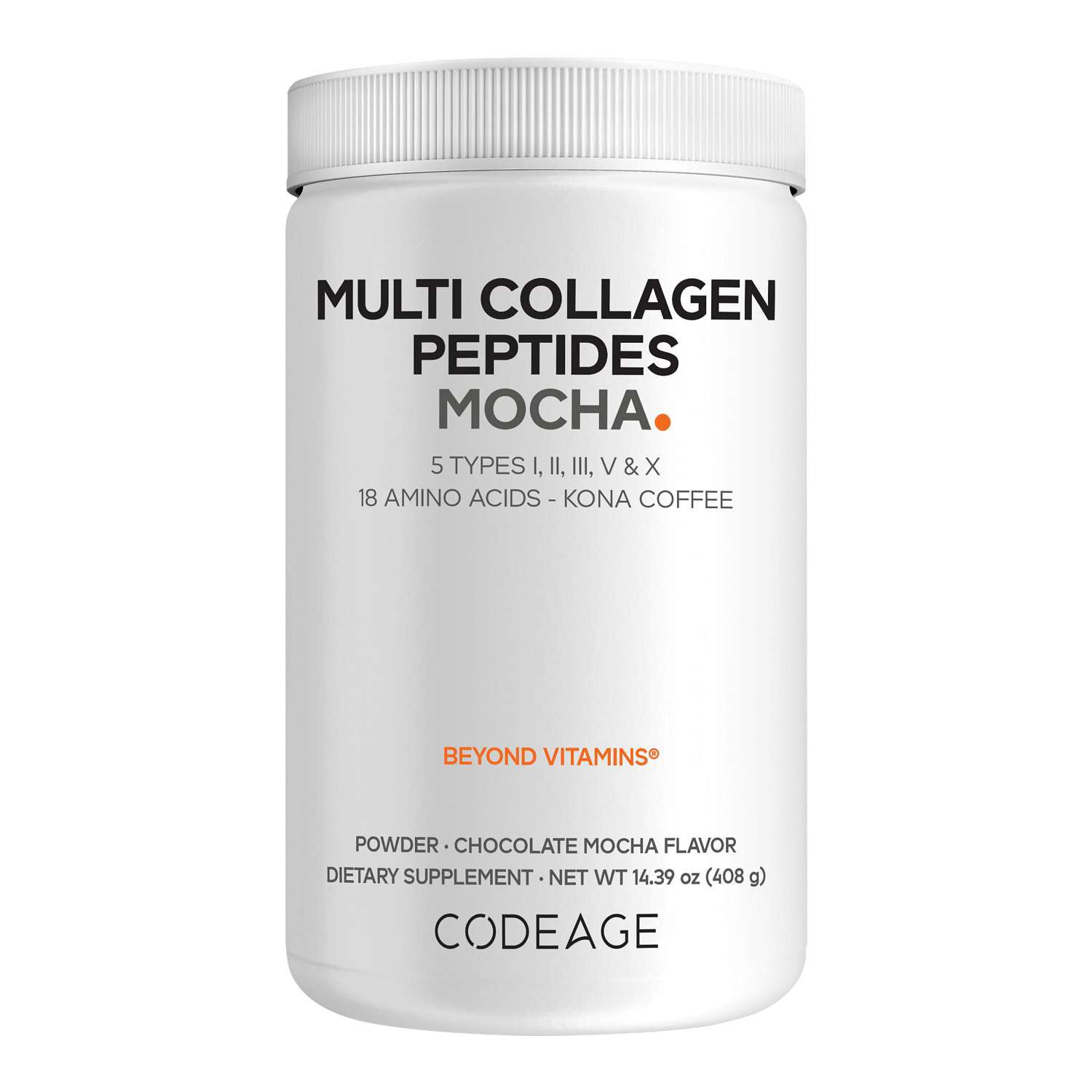


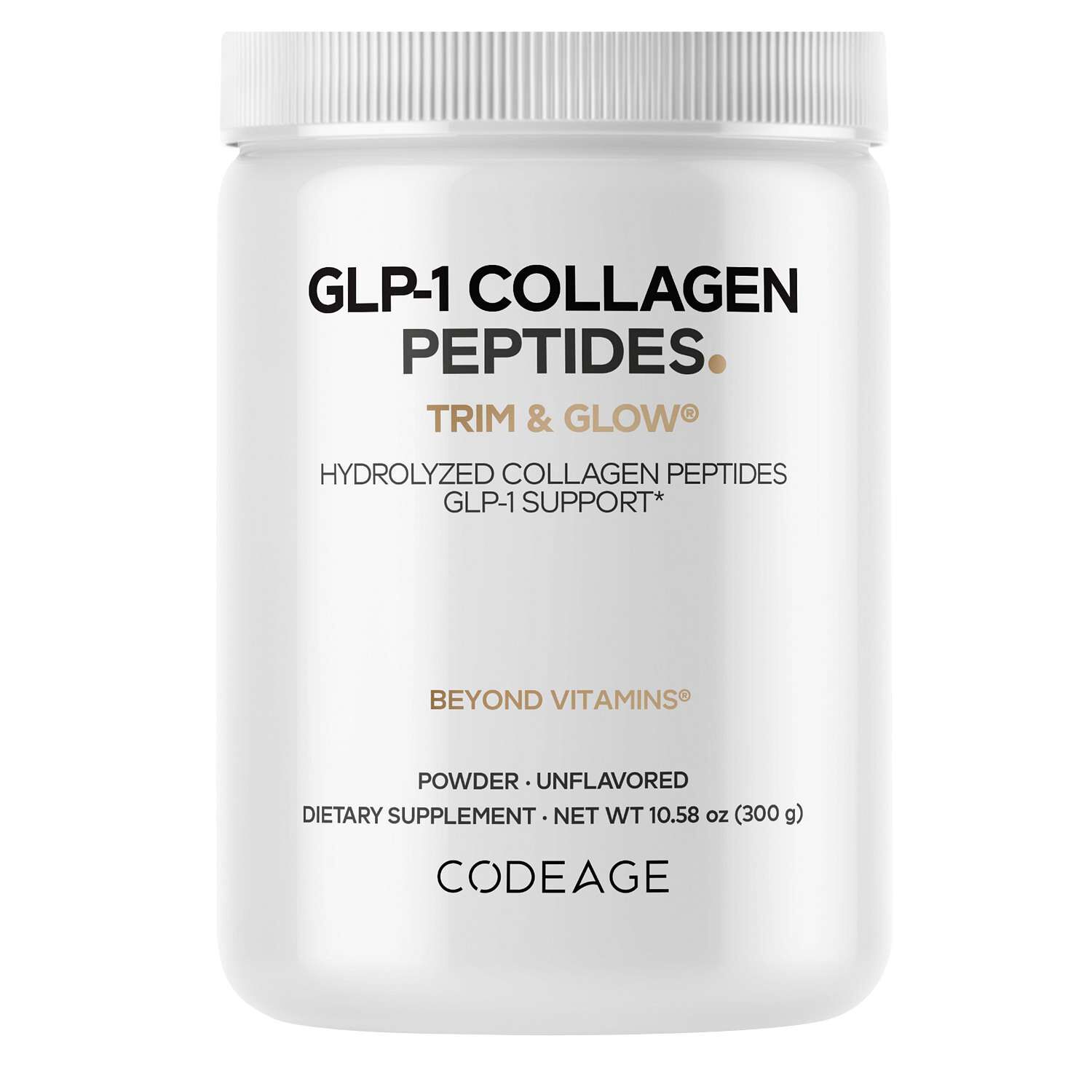
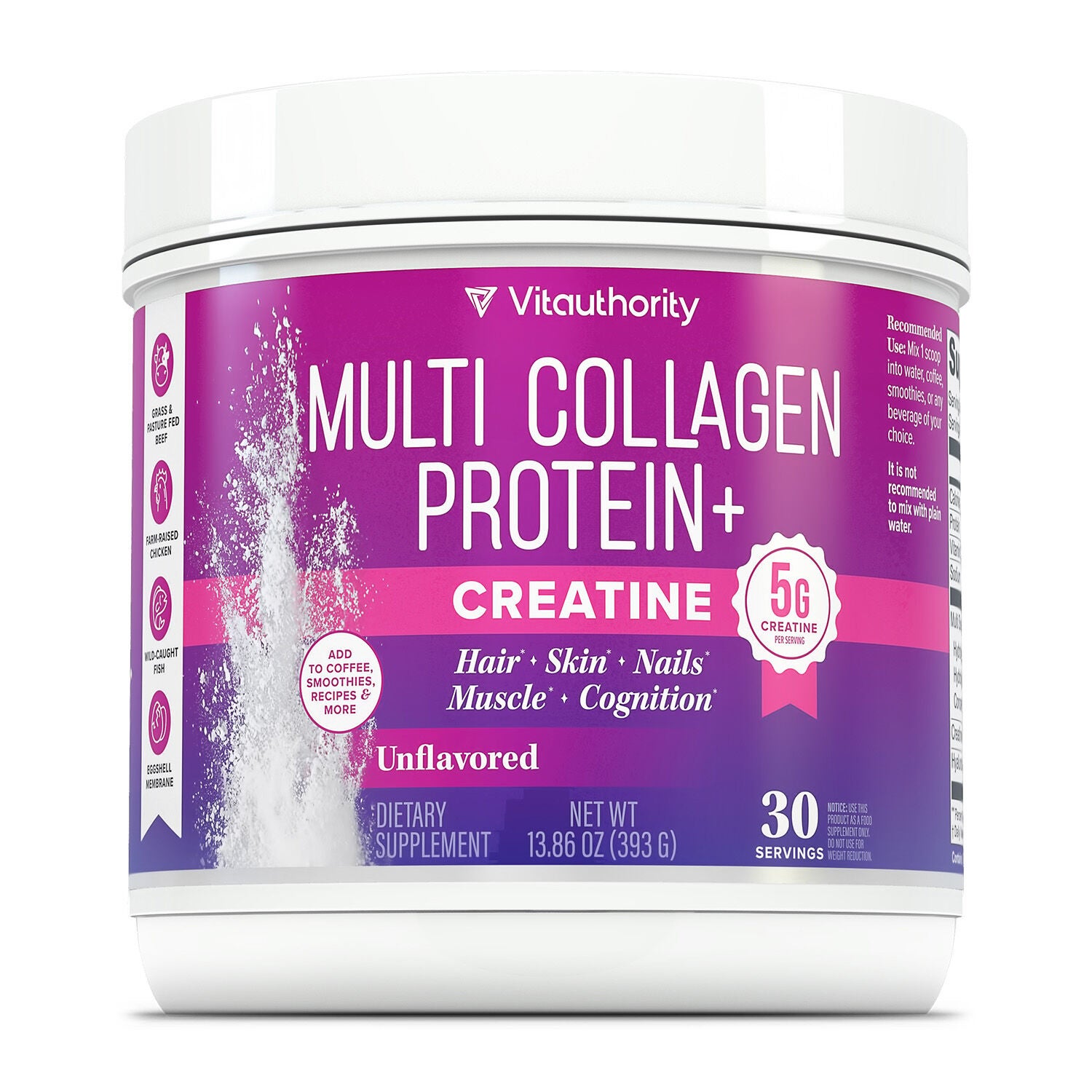
Marine collagen powders for smoothies offer a fish-derived collagen format that can be measured into fruit-based drinks, yogurt blends, and other blended recipes. Many formulas contain hydrolyzed collagen peptides: collagen protein that has been processed into shorter chains. Type I is commonly associated with fish-derived collagen, although the ingredient list and any collagen-type statement are the best places to confirm what a formula contains. The word marine describes the ingredient source, not a flavor, sweetness, or texture. Fish species, source material, and processing details may be identified on the label or in the manufacturer’s sourcing information. Those details matter when comparing powders that otherwise look similar in a container. A short ingredient list may appeal to someone who wants to choose the fruit, sweetness, and flavor of each smoothie separately, while a flavored formula may suit someone who prefers a familiar starting point. Unflavored does not necessarily mean that a powder has no aroma or taste; individual preferences and the rest of the recipe still matter. Mango, pineapple, berries, banana, cocoa, and nut butters each create a different flavor backdrop, so a powder’s profile deserves as much attention as its serving size. Marine collagen is an animal-derived ingredient and is not suitable for vegan or vegetarian recipes. Fish-source disclosures and allergen statements are also important considerations for households with specific ingredient requirements. For shoppers drawn to beauty-focused nutrition, these powders may fit into an established routine without requiring a separate drink. The most useful comparisons stay grounded in the label: the collagen source, grams of collagen or protein per serving, additional ingredients, and preparation directions. A larger scoop does not necessarily indicate more collagen, particularly when a formula contains flavorings or other ingredients. Comparing the same stated serving basis creates a clearer picture of what goes into the blender.
The texture of a smoothie depends on the whole recipe, not just the collagen powder. Liquid quantity, frozen fruit, oats, yogurt, and nut butter all influence the consistency of the finished drink. Hydrolyzed marine collagen powders may disperse readily, but mixing performance varies with the formula and preparation method. Following the package directions provides a useful starting point for both the measured serving and the amount of liquid. In a blender, adding liquid before powder and thicker ingredients may help the mixture circulate around the blades. For a dense banana-and-oat smoothie, a little additional liquid may make blending easier; for a drinkable berry blend, the starting recipe may already provide enough liquid. These small differences are why a powder that suits one smoothie recipe may need a different approach in another. Flavor pairings deserve the same attention. An unflavored powder may suit a rotation of strawberry-yogurt, pineapple-mango, and cocoa-banana recipes, while a vanilla-flavored option may pair well with oats, cinnamon, or almond butter. Sweetened formulas bring another variable, especially when the smoothie already contains ripe fruit or flavored yogurt. Checking for sweeteners, flavorings, and added ingredients helps keep the intended recipe in focus. Someone who enjoys a bright fruit smoothie may prioritize a subtle flavor profile, while someone making a thick cocoa blend may be more comfortable with a noticeable flavor. Collagen also has its own amino acid profile, so it is not nutritionally interchangeable with every other protein ingredient. When comparing nutrition panels, look at the listed protein grams per serving rather than assuming that similar scoops provide matching amounts. Other ingredients in the smoothie contribute their own nutrients, texture, and flavor. A marine collagen powder is one component of that mixture, rather than a replacement for every other ingredient. Keeping the recipe familiar while trying a different powder may make changes in taste and consistency easier to notice.
Packaging and everyday handling are worth considering alongside the ingredient list. A tub with a secure lid may suit a kitchen counter or pantry shelf, while a resealable pouch may fit more neatly into a narrow cabinet. Serving counts, container dimensions, and the measuring method are useful details for someone who makes a smoothie regularly or shares kitchen storage with other people. A scoop is convenient, but the serving weight printed on the package remains the reference point, particularly when comparing formulas with different powder densities. Storage directions also matter. Keeping the package closed between uses and using a clean, dry utensil may help limit moisture exposure and preserve the powder’s intended texture. A wet scoop placed back into the container introduces moisture, so measuring before handling fruit or rinsing blender parts is a practical habit. Follow the labeled storage instructions and date information rather than assuming every powder has the same storage needs. For a shared household, retaining the original packaging keeps source, allergen, ingredient, and preparation details close at hand. Individually portioned formats may appeal to someone who prepares smoothies away from home, while a larger container may be a better physical fit for a dedicated blending station. The choice is about how the package works within an actual routine: a quick breakfast before leaving home, a leisurely yogurt-and-fruit blend, or a drink packed alongside lunch. For another beverage-focused format, explore Marine Collagen Powders for Tea, with preparation guided by each formula’s directions. Smoothie use still comes down to a few concrete preferences: a clearly identified marine source, a serving size that is easy to measure, a flavor profile that works with familiar ingredients, and packaging that suits the kitchen. Together, those details make browsing marine collagen powders more practical than relying on a front-label description alone, especially when the goal is a powder that may blend comfortably into a recipe already enjoyed.
Best Sellers
-
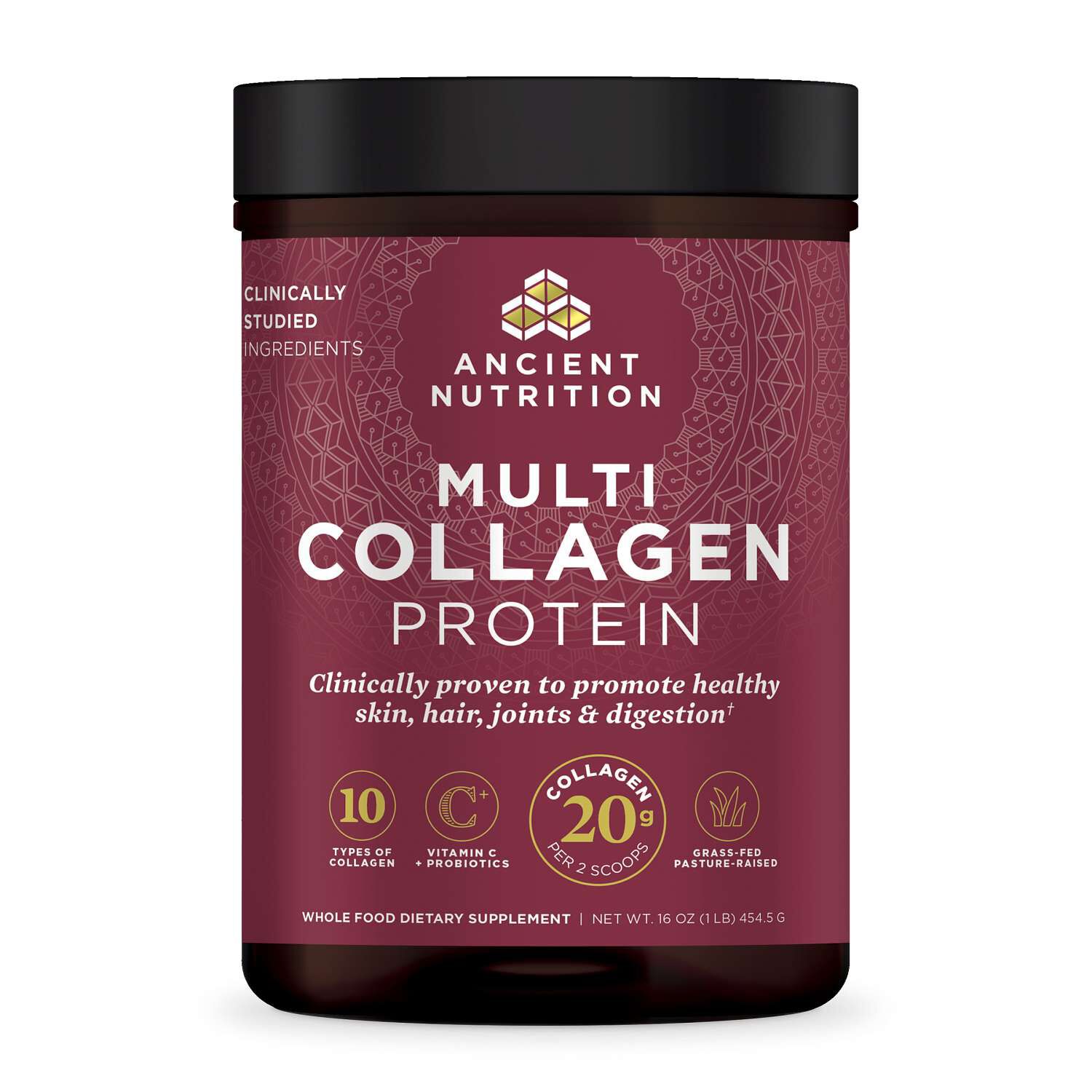 Ancient Nutrition
-
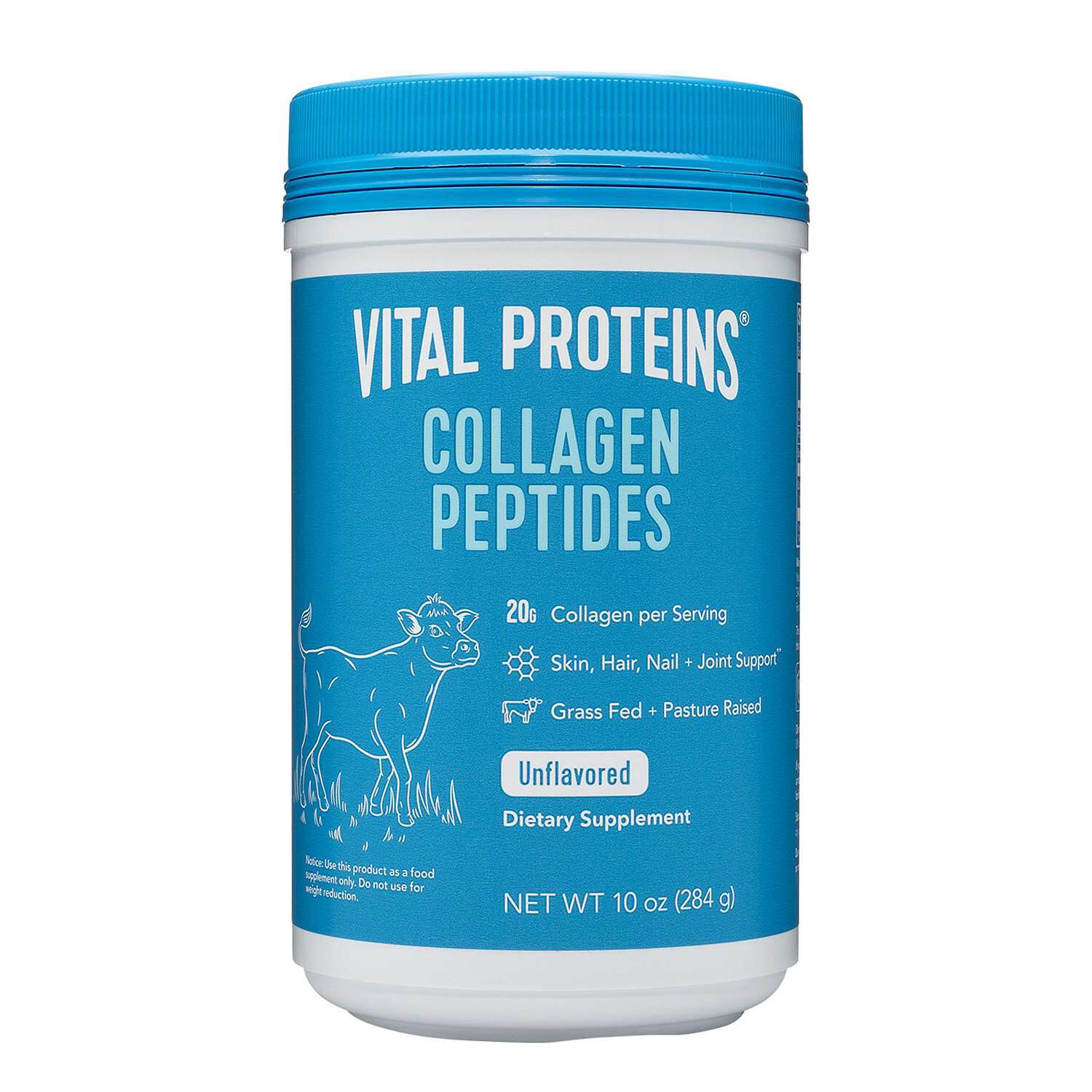 Vital Proteins
Related Pages

Top Collections
- GLP 1 Support For Adults
- Supplements For Yoga Joint Flexibility
- Supplements For Balance
- Joint Mobility Supplement Packs
- Zinc Supplements | Top Brands at Great Prices | GNC
- Capsule Supplements For Energy And Stamina
- Supplements For Anxiety Relief Support
- Chronic Fatigue Supplements
- Zinc Supplements For Men
- Iron Supplements