





Marine Collagen Powders For Holistic Wellness
(0 Results)
Marine collagen powders for holistic wellness might offer a convenient way to support your daily self-care routine. Sourced from the ocean, these powders are designed to blend seamlessly into your favorite beverages or recipes. Whether you’re looking to complement your wellness journey or explore new options for mindful living, marine collagen powders for holistic wellness could be a versatile addition to your day. Discover options that may fit your unique lifestyle and preferences.
-

-

-
-

-
-
-
 44$44.99
-
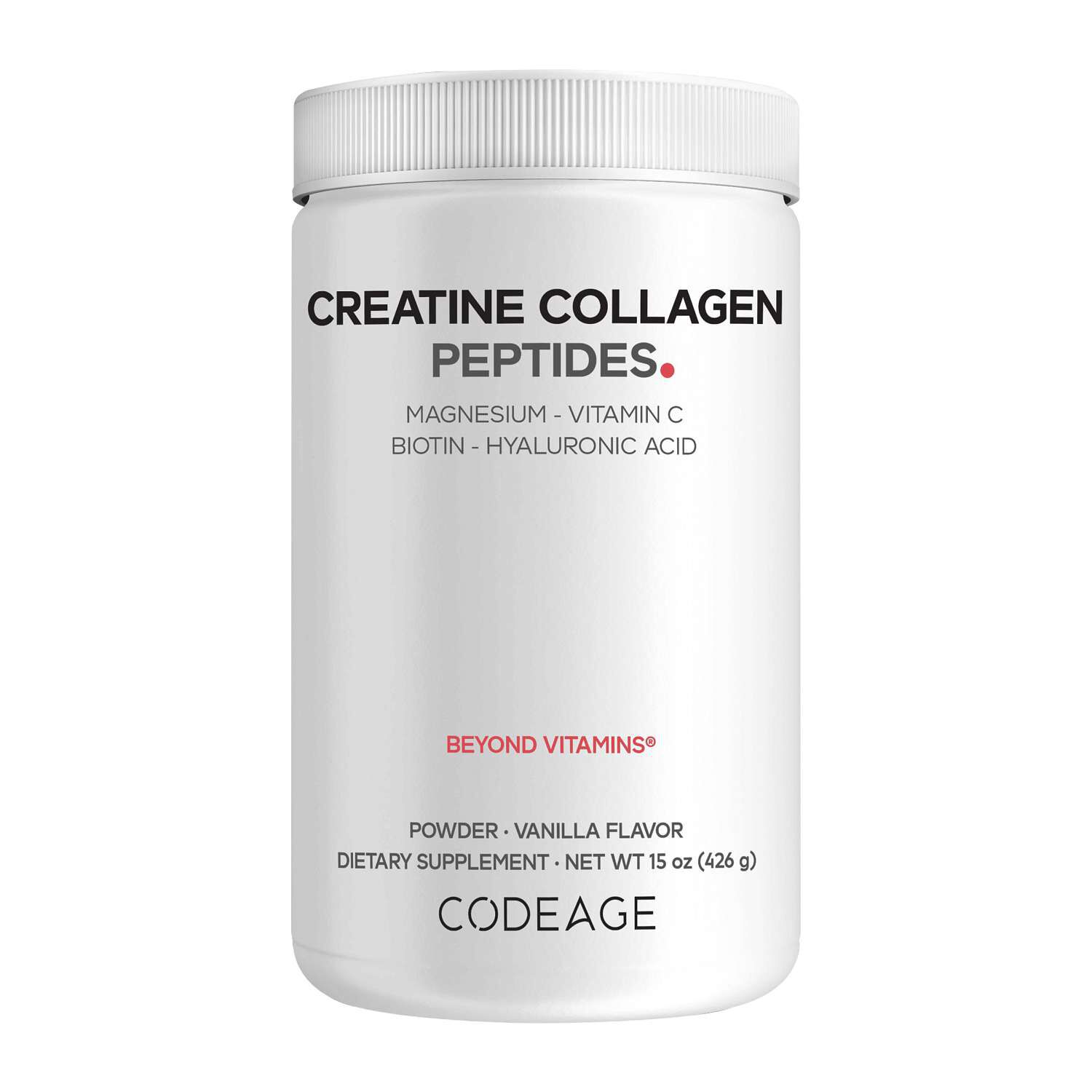
-
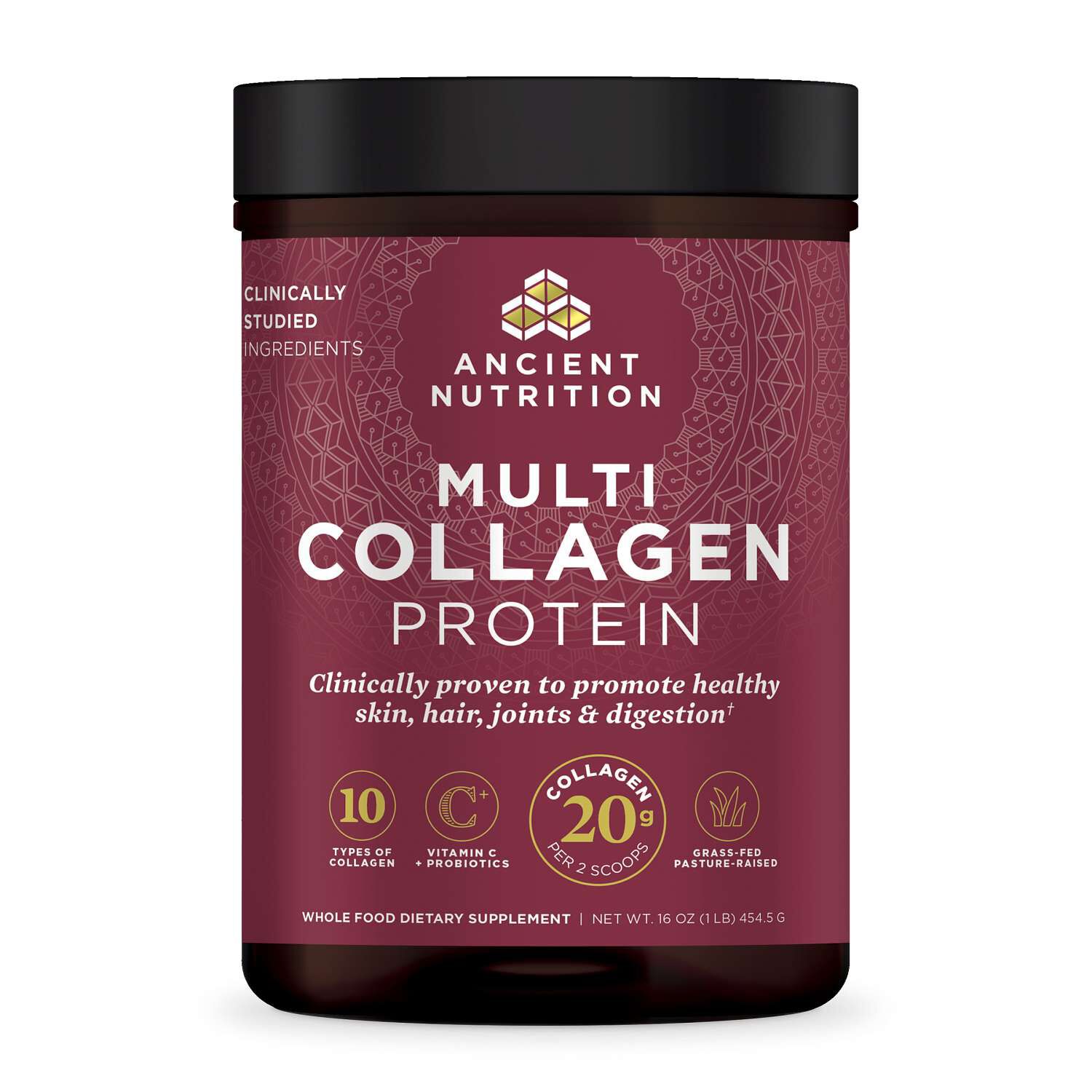
-
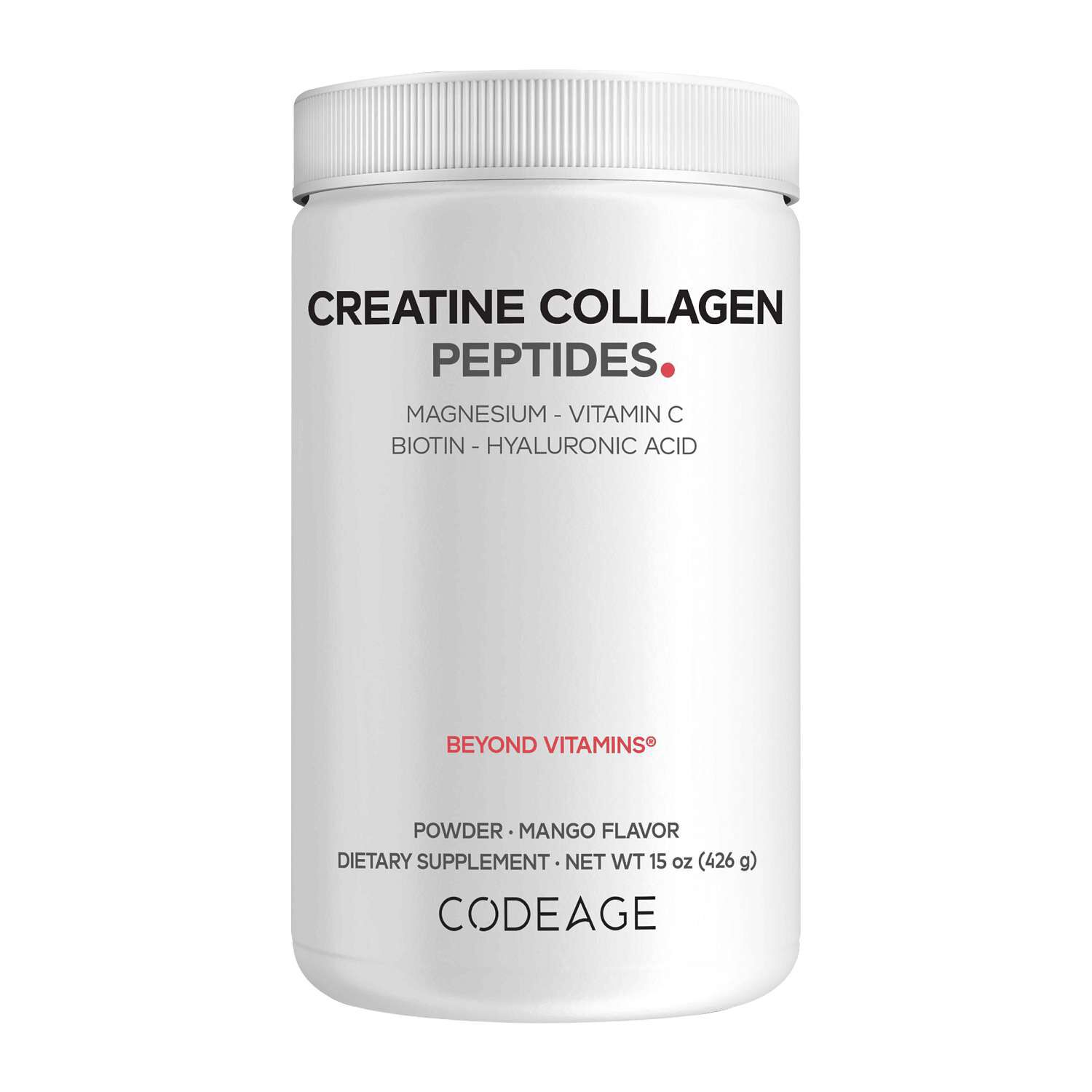
-
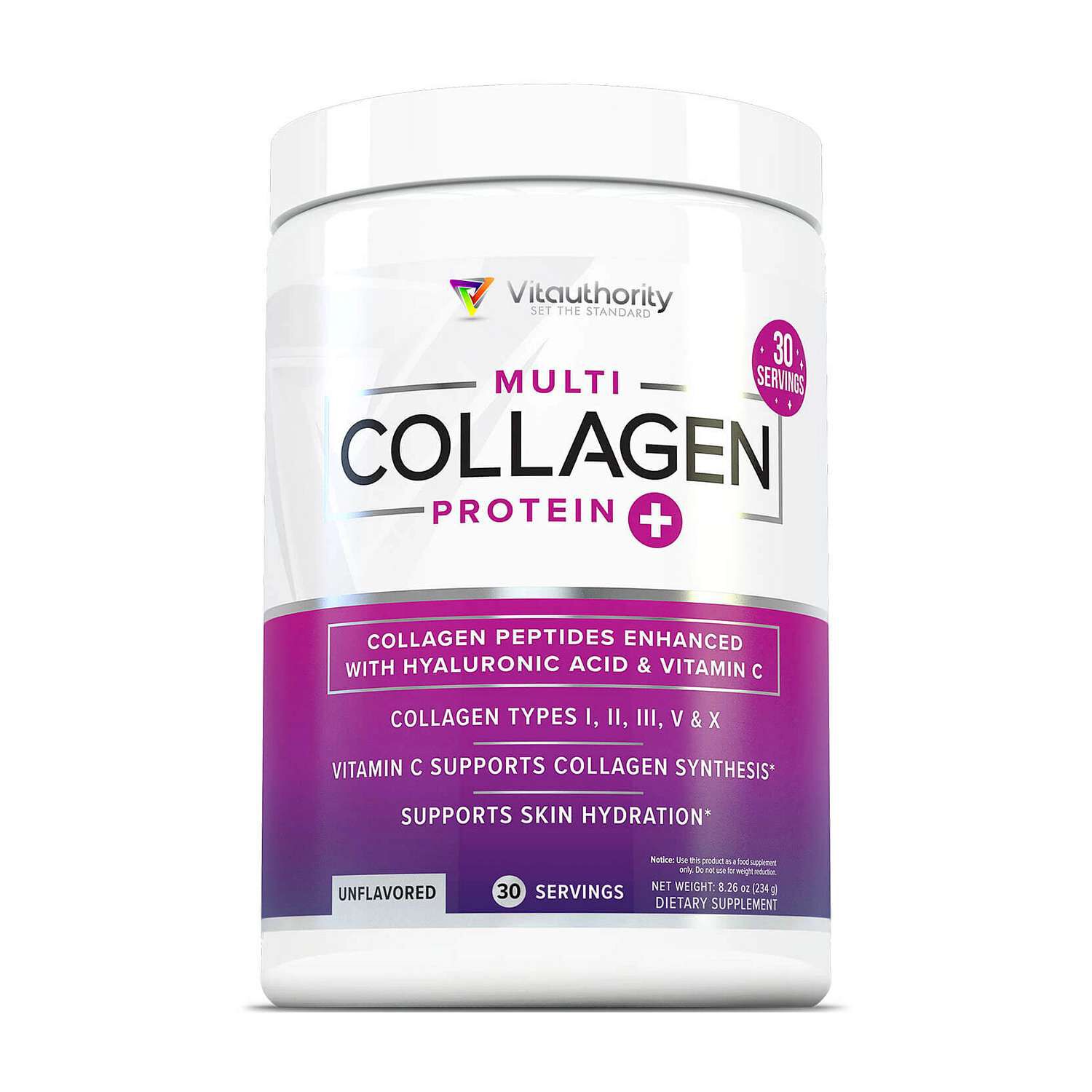
-
-
-

-

-
-

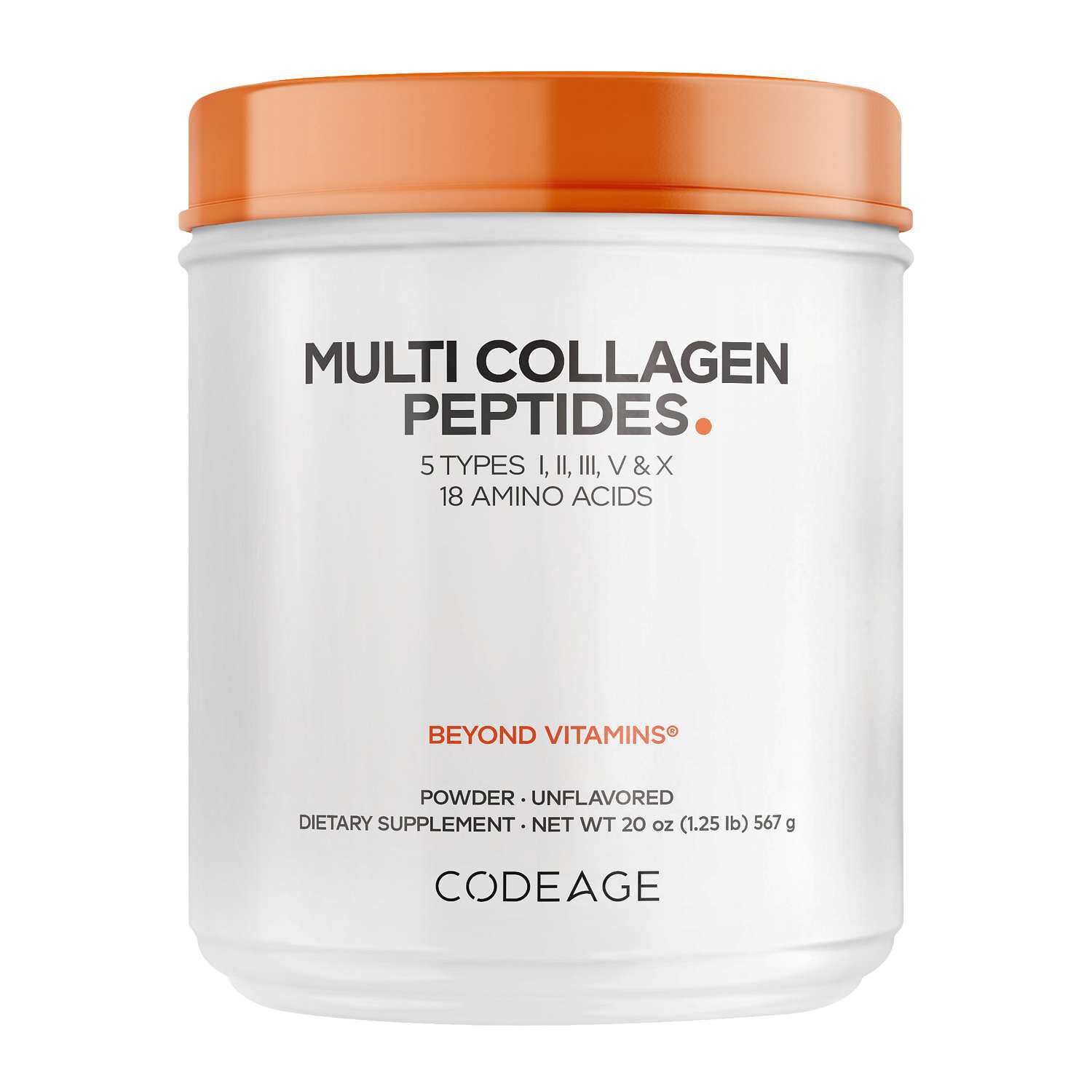
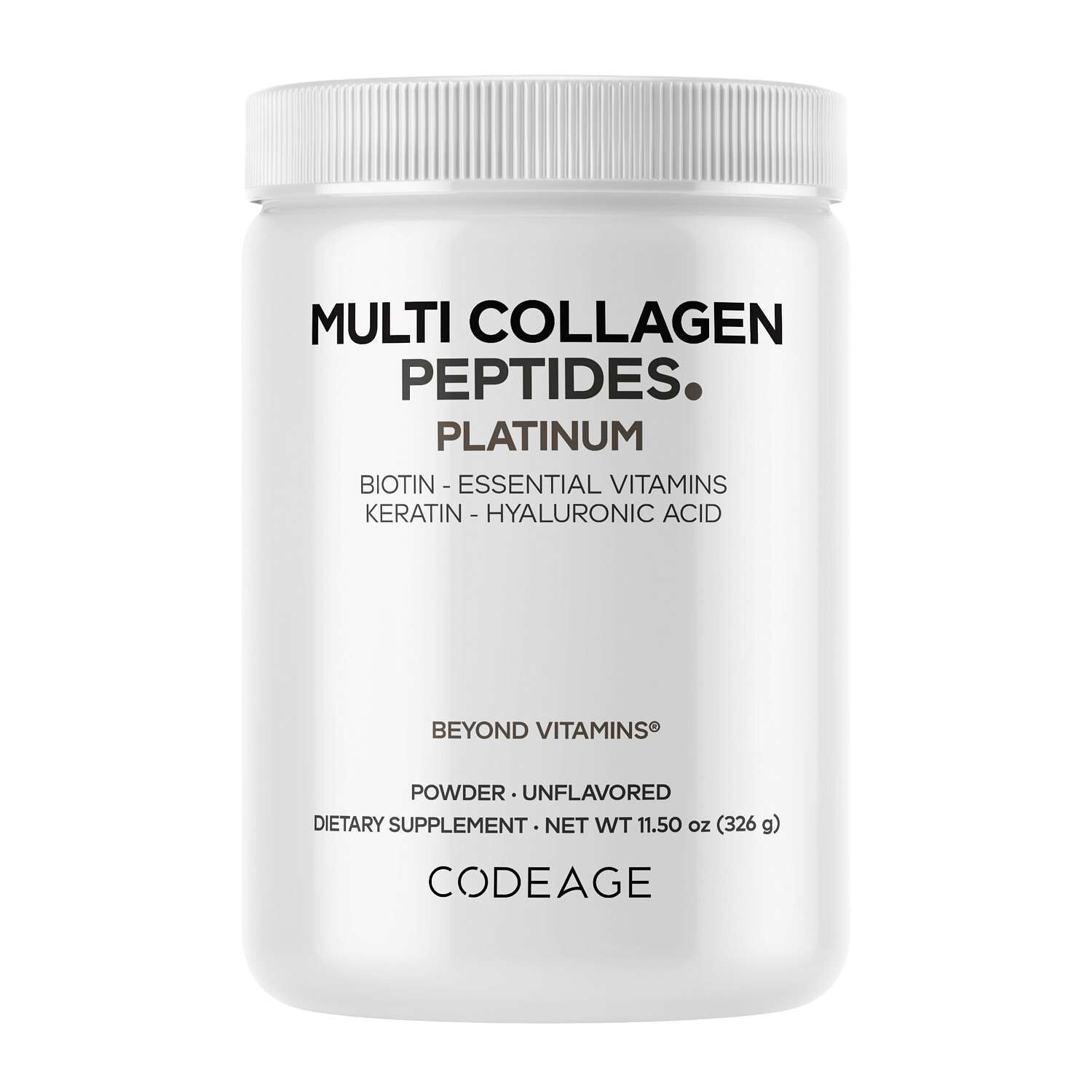
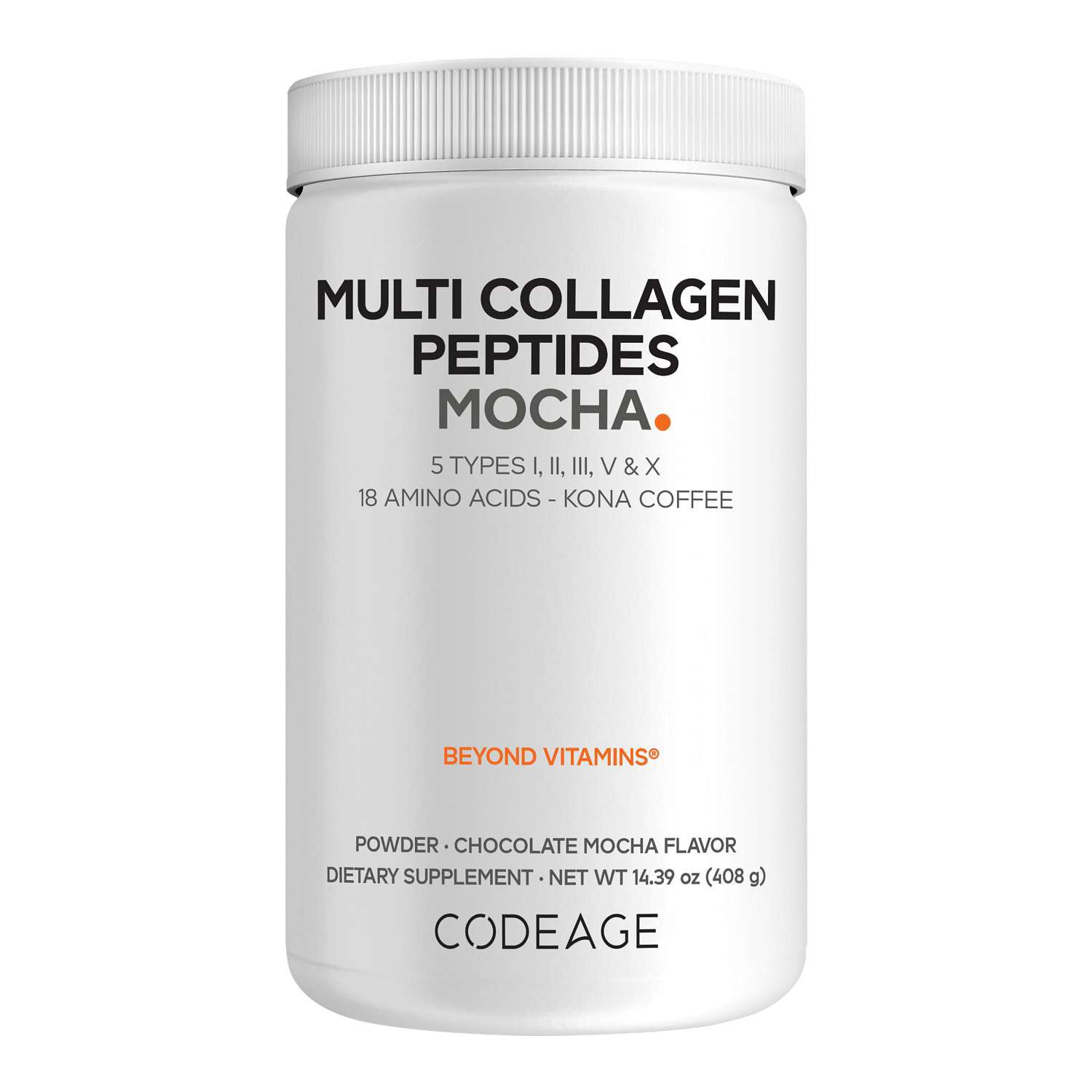
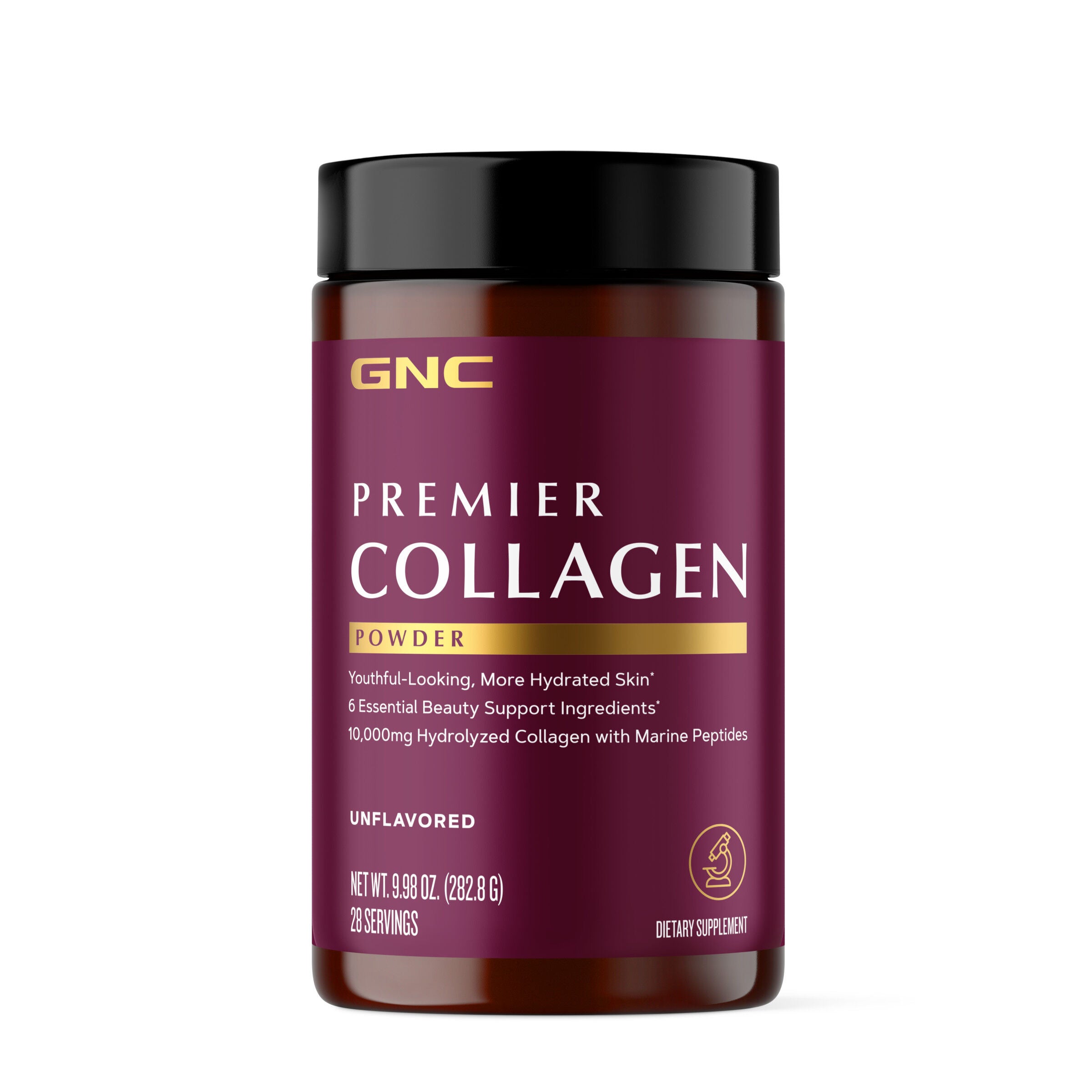
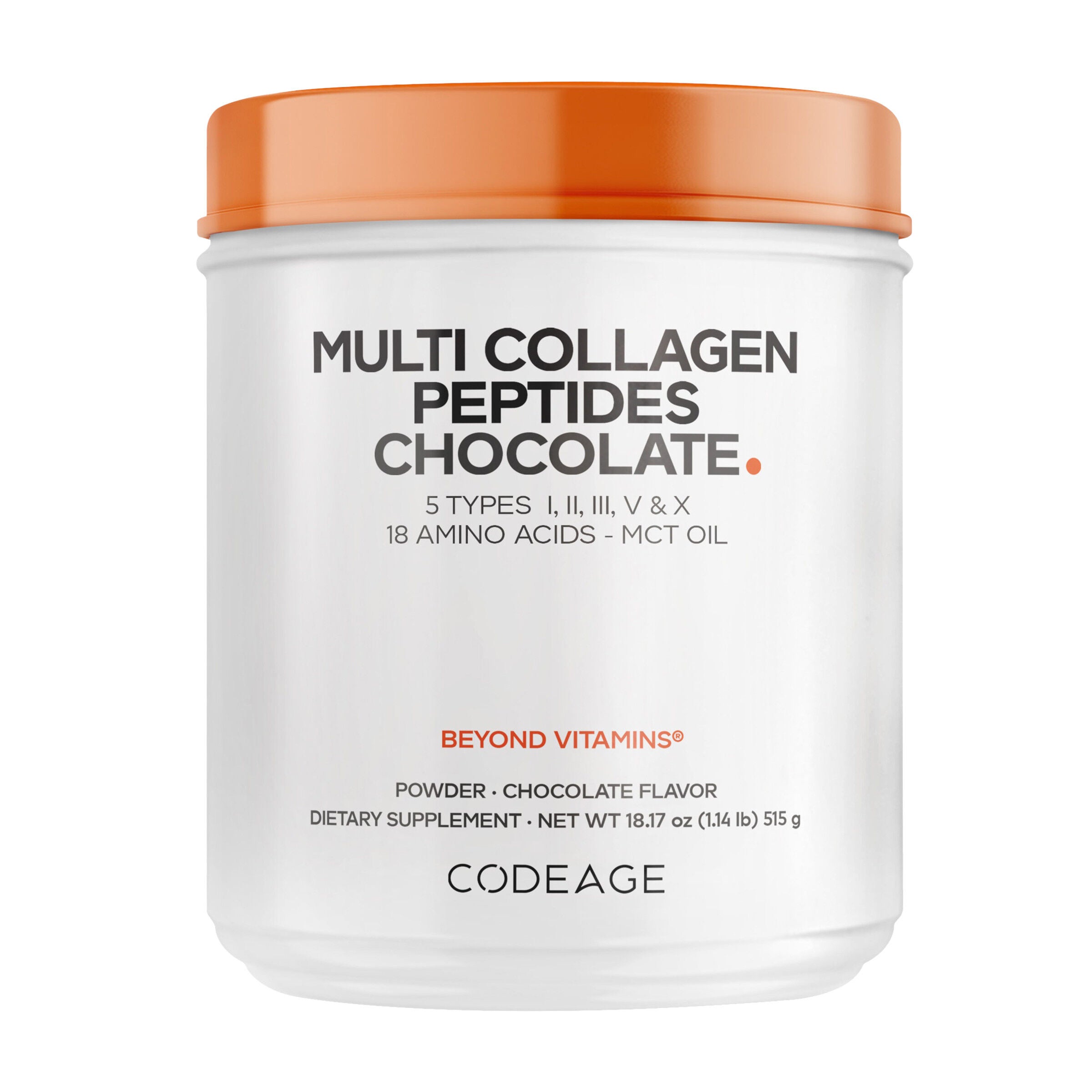
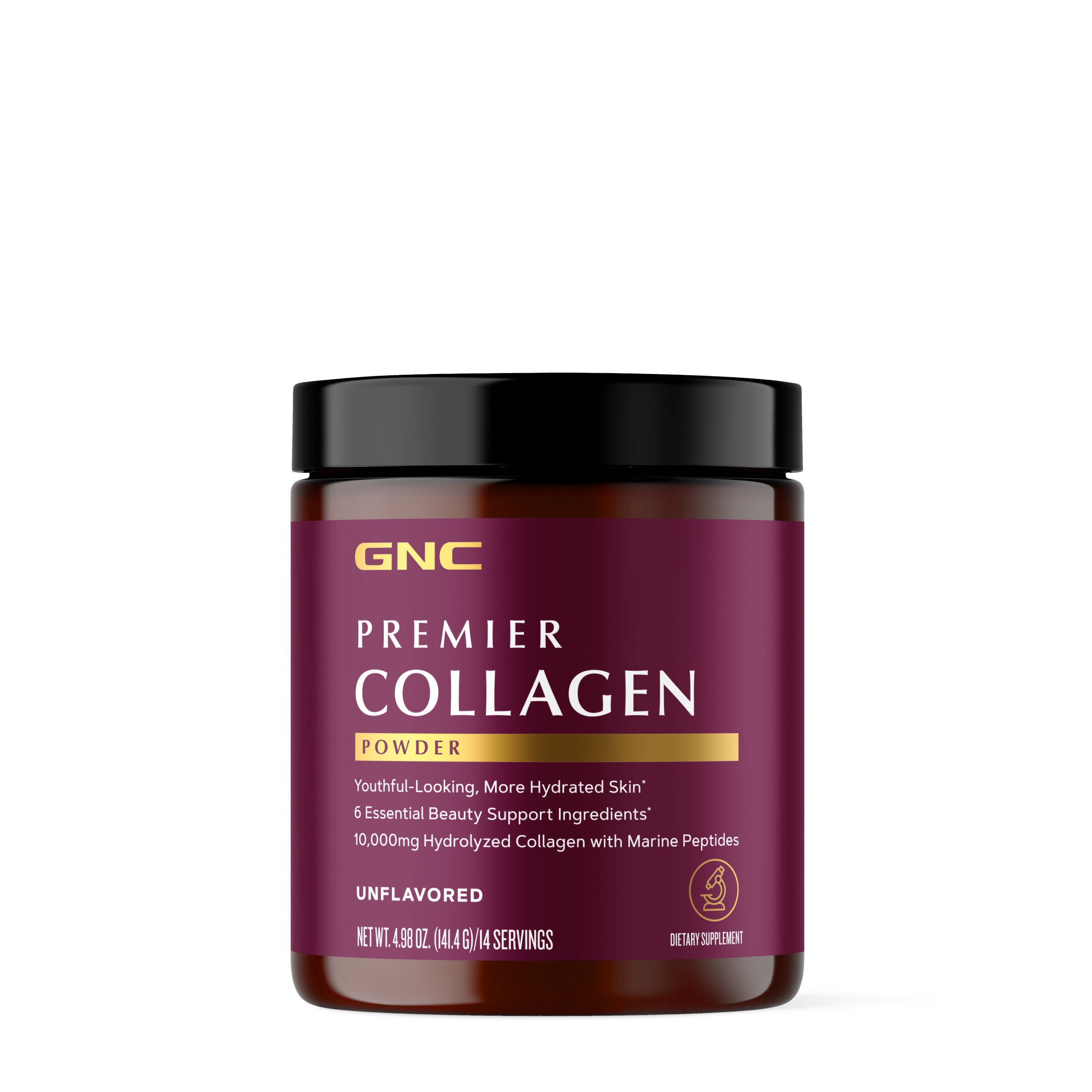
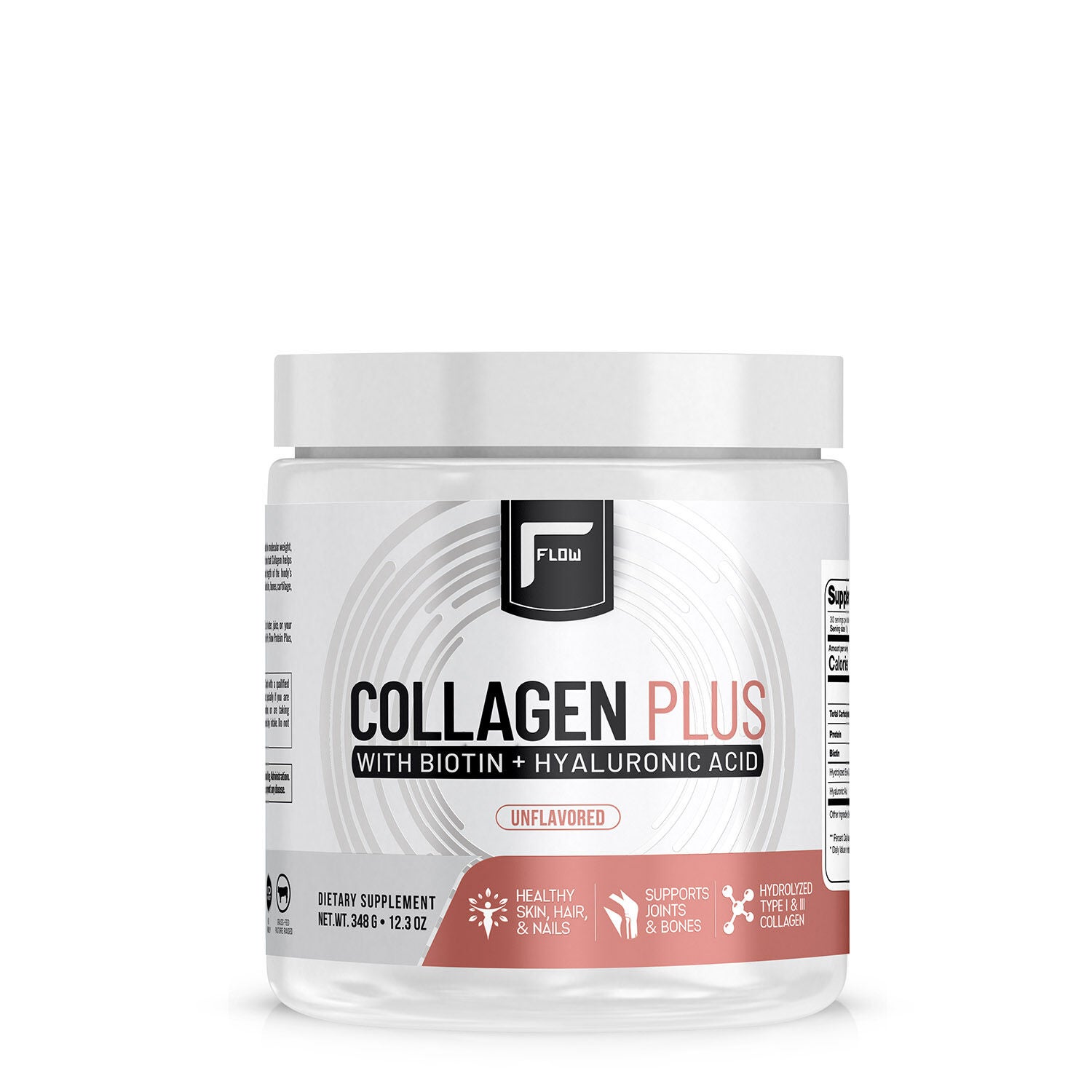
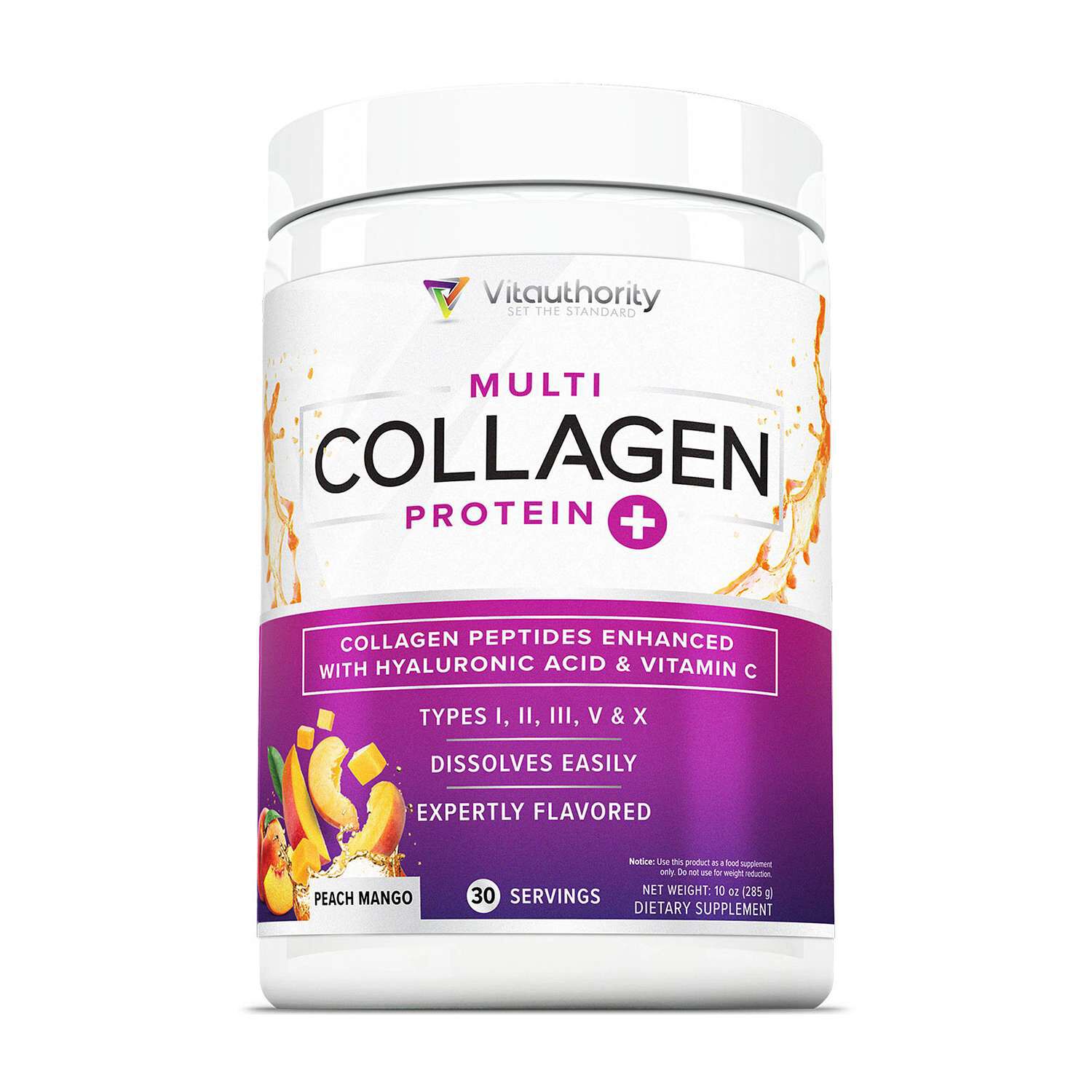
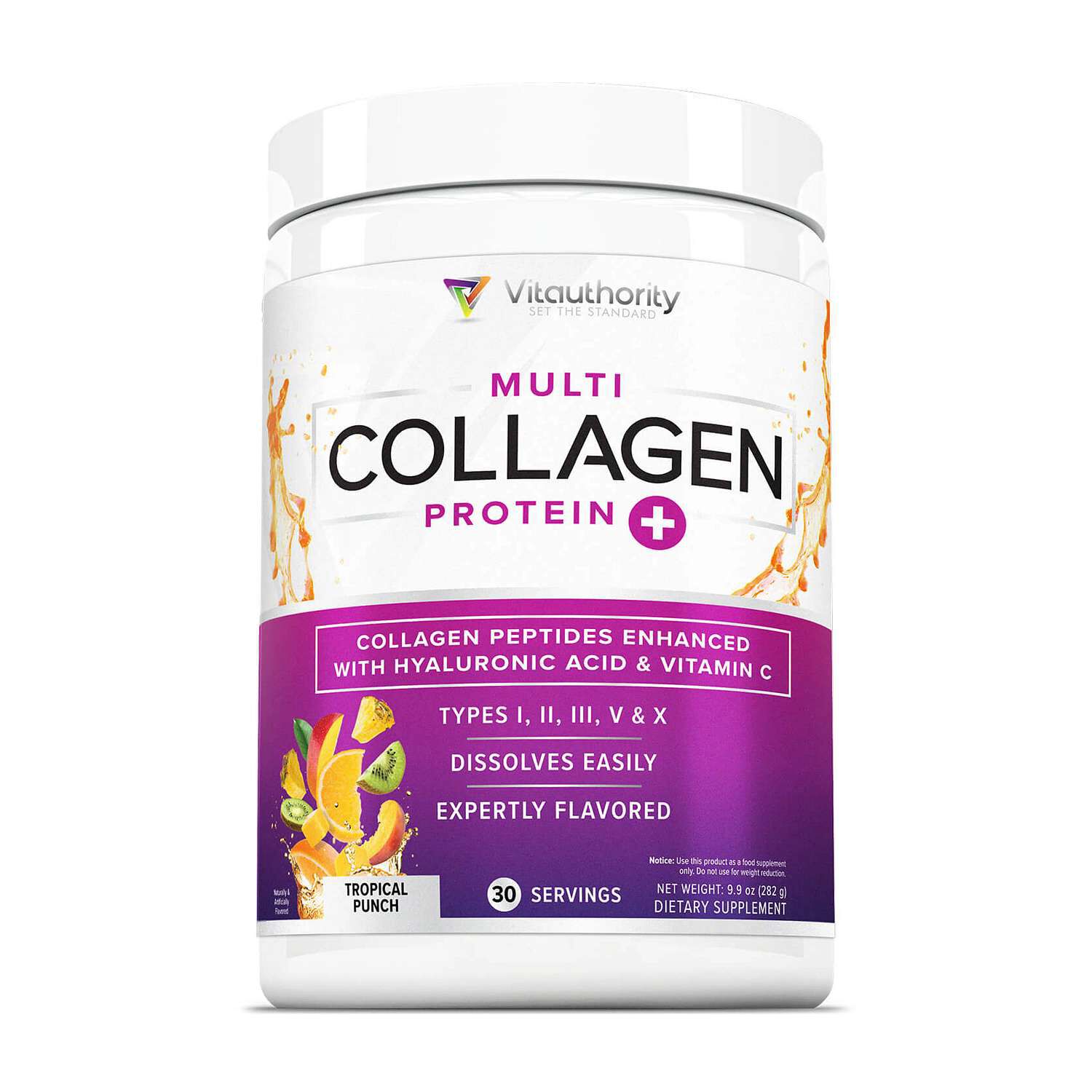
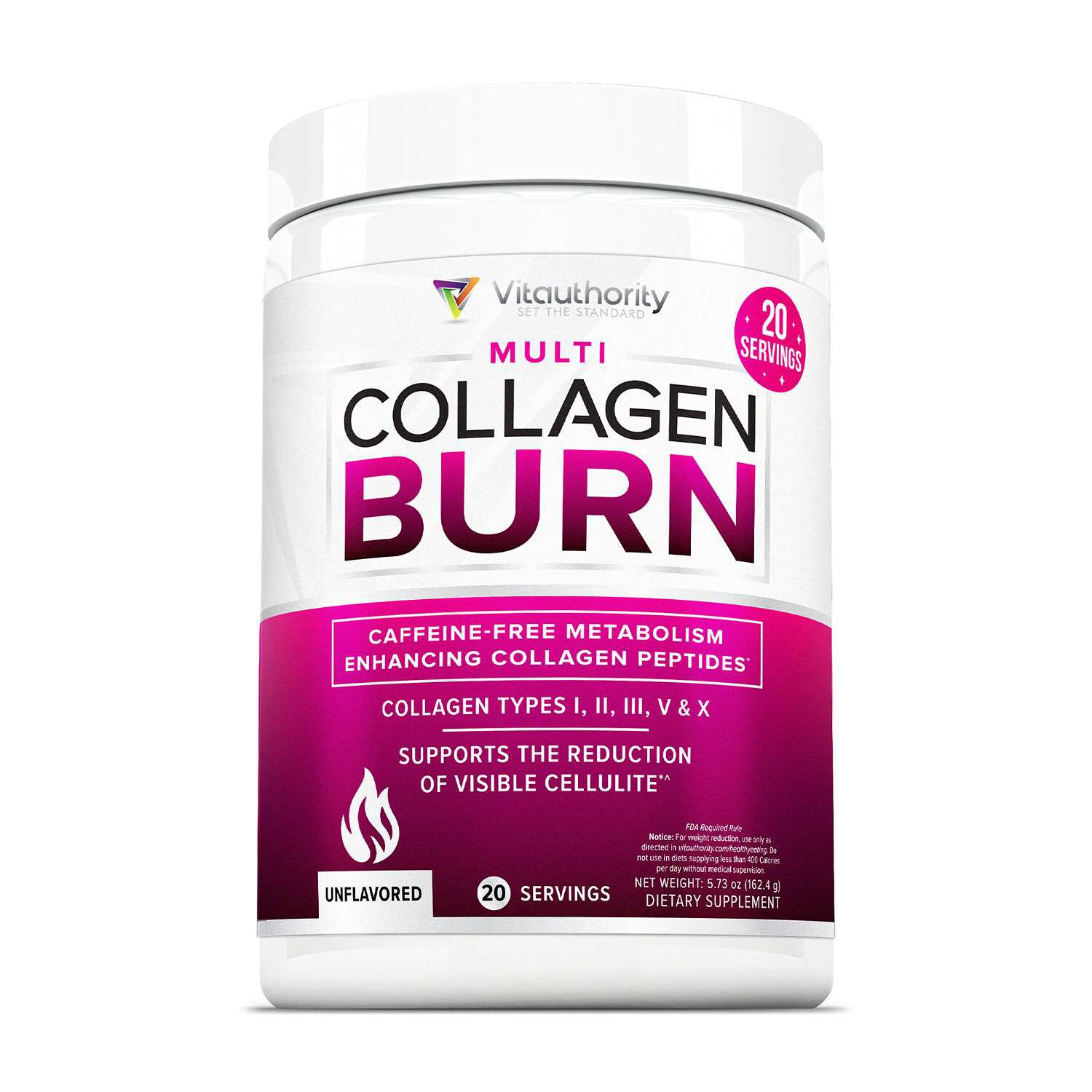
Marine collagen powders are fish-derived protein supplements commonly made from fish skin and processed into smaller collagen peptides through hydrolysis. Their collagen generally comes predominantly from type I collagen, a structural protein found naturally in human skin, bones, and connective tissue. Interest in marine collagen often centers on skin hydration, elasticity, and the appearance of hair and nails, along with the appeal of a powder that may fit into an established daily routine. In the context of holistic wellness, marine collagen belongs within a broader picture that includes varied meals, regular movement, rest, and everyday personal care—not in place of those habits. The word “marine” describes the ingredient’s aquatic origin; it does not identify a particular fish species, harvesting method, or manufacturing standard. Those details depend on the source and processing information provided on the packaging. Likewise, “hydrolyzed collagen” and “collagen peptides” describe the processed protein rather than a particular flavor, serving size, or ingredient combination. Some formulas center on collagen alone, while others include ingredients such as vitamin C, hyaluronic acid, flavorings, or sweeteners. These differences matter for someone who prefers a short ingredient list, already takes other supplements, or wants a flavored addition to a familiar drink. Marine collagen may appeal to adults who eat fish but prefer not to use bovine or porcine collagen. It is not a vegetarian or vegan ingredient, and fish-derived collagen carries fish allergen considerations even when the powder has little noticeable aroma. The collagen source, declared allergens, and other ingredients offer a clearer picture of suitability than imagery on the front of a container. For people comparing marine collagen powders for holistic wellness, the most useful distinctions are often straightforward: what the collagen comes from, how much a serving contains, what else accompanies it, and whether the format suits the way they actually eat and drink.
Powder format leaves room for different preferences, from an unflavored serving stirred into a familiar beverage to a flavored blend added to a fruit-based drink. An unflavored label does not necessarily mean an undetectable taste: marine ingredients can have a subtle aroma or finish, and individual sensitivity varies. A banana-and-berry smoothie may offer a more forgiving flavor backdrop than a glass of plain water, while a strongly flavored powder may change the character of a simple yogurt bowl. Texture matters, too. Hydrolysis changes the protein into smaller peptides, but it does not make every formula behave identically in a cup. Ingredients, liquid volume, and the mixing method all influence the experience. A spoon, shaker, or blender offers a different way to incorporate the powder, and package directions provide the relevant preparation details. For a closer look at blends intended for that particular routine, Marine Collagen Powders for Smoothies offers a related category to explore. Beyond flavor, serving size deserves attention because a scoop is a measuring tool rather than a universal amount. One formula’s scoop may hold a different quantity from another’s, and a labeled serving may call for more than one scoop. The amount of collagen, the grams of protein, and the amount of powder are related figures, but they are not always identical, especially in blends with additional ingredients. Reading those entries together gives a more useful comparison than judging by container size alone. Collagen also has a different amino acid profile from proteins such as whey or soy, so these powders are not nutritionally interchangeable simply because each contributes protein. Someone whose breakfast already includes yogurt, oats, fruit, or another protein source may view collagen as an optional addition rather than the centerpiece of the meal. That distinction keeps the focus on intended use: a supplemental ingredient chosen for a particular routine, not a replacement for the variety of nutrients found across everyday foods.
Sourcing and handling add another layer to the comparison, particularly for shoppers who care about the origin of animal-derived ingredients. Fish species, the part of the fish used, and any documented sourcing standards are more informative than a broad ocean-themed description. Some marine collagen ingredients come from portions of fish also processed for food, though that practice should not be assumed without supporting information. A country associated with manufacturing also does not necessarily identify where the fish were harvested; ingredient origin and the location of processing are separate details. When testing information is provided, its scope matters. An assessment of ingredient identity or selected contaminants is different from evidence about how a person might feel or look after using a supplement. Clear documentation gives shoppers something concrete to evaluate without treating a certification mark as a statement about personal results. Packaging deserves similar attention because powders are handled repeatedly over time. A wide-mouth container may be convenient for a kitchen counter, while individual packets may suit a work bag or an overnight stay. Packets create more individual packaging, whereas a larger container requires measuring and careful closure between uses. For either format, the stated storage directions and date markings are the relevant references. Moisture introduced by a damp scoop can affect the powder’s texture, and a firmly closed lid may help limit exposure between servings. A clean, dry utensil and a dry storage area make practical sense for a product mixed into food or drinks. These everyday details are part of the fit between a supplement and its user: the person who blends breakfast at home has different preferences from someone who packs lunch before an early commute. A well-matched marine collagen powder may complement either routine, with the choice resting on ingredient transparency, flavor preferences, preparation habits, and the role the supplement is meant to play within a varied approach to wellness.
Best Sellers
-
Ancient Nutrition
-
 Vital Proteins
Related Pages
Top Collections
- Joint Mobility Supplement Packs
- Daily Collagen Supplements | Top Brands & Deals | GNC
- GLP 1 Support For Adults
- Zinc Supplements | Top Brands at Great Prices | GNC
- Supplements For Yoga Joint Flexibility
- Supplements For Balance
- Capsule Supplements For Energy And Stamina
- Adult Mobility Supplements
- Chronic Fatigue Supplements
- Vitamins For Hair Loss