





Marine Collagen Powders For Coffee
(0 Results)
Marine Collagen Powders for Coffee
Marine collagen powders for coffee offer a convenient way to add a unique ingredient to your daily routine. These powders are designed to blend easily into your favorite brew, creating a smooth addition to your morning or afternoon cup. Whether you enjoy bold espresso or a classic drip coffee, marine collagen powders for coffee can fit seamlessly into your lifestyle. Explore options that may complement your beverage without altering its flavor or texture.
-

-

-

-

-
-

-
-
-
-
-
-
-
-
-
-
-
 44$44.99
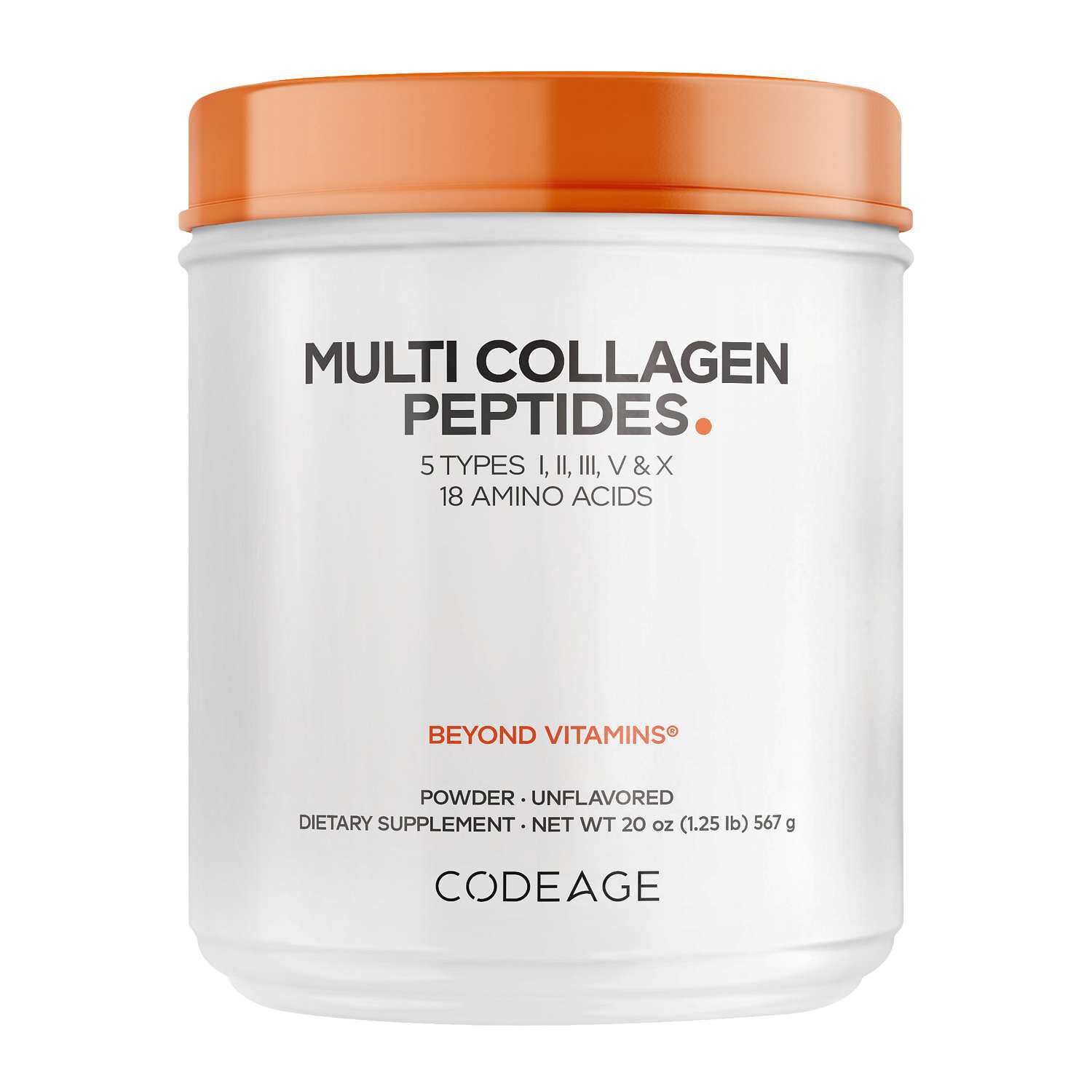
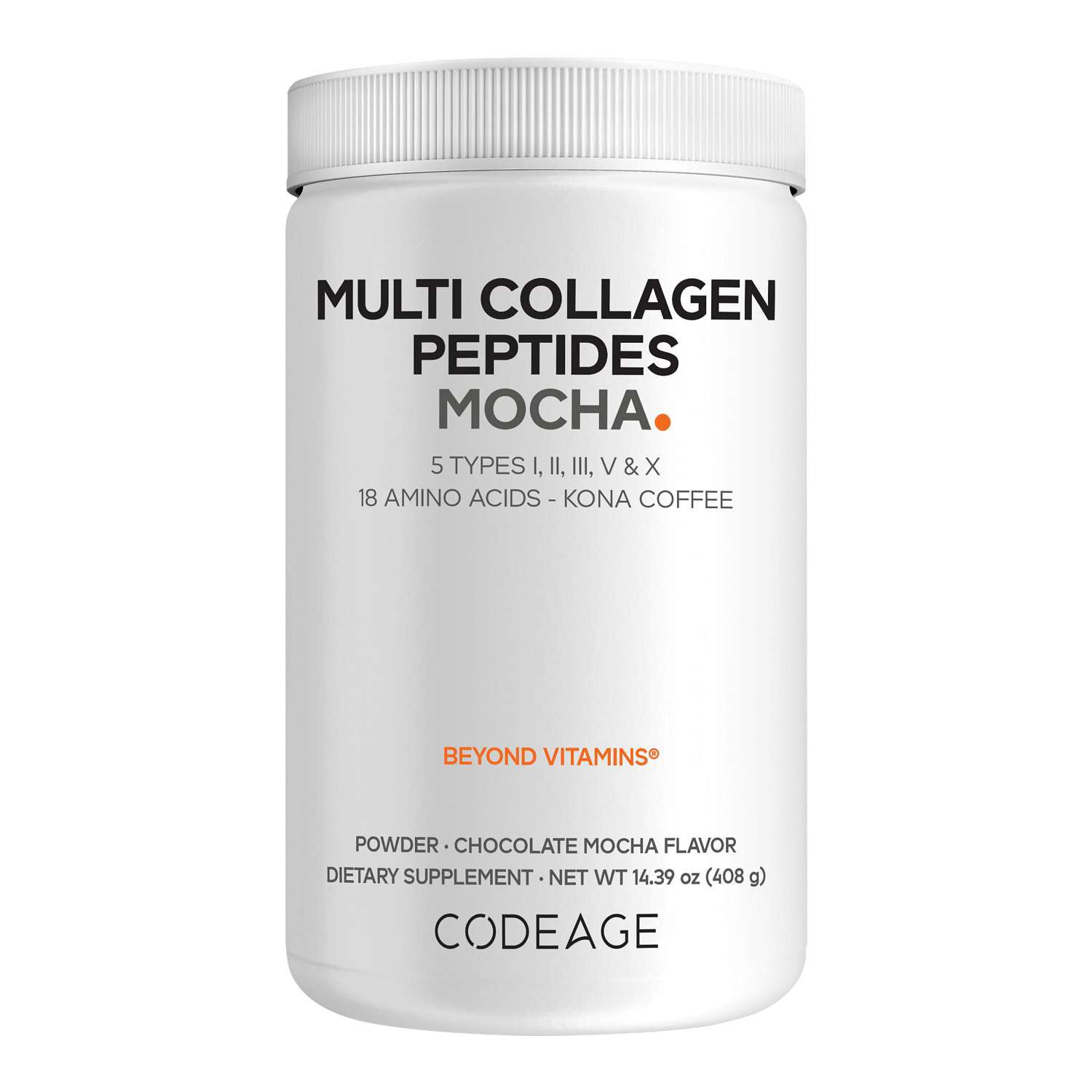

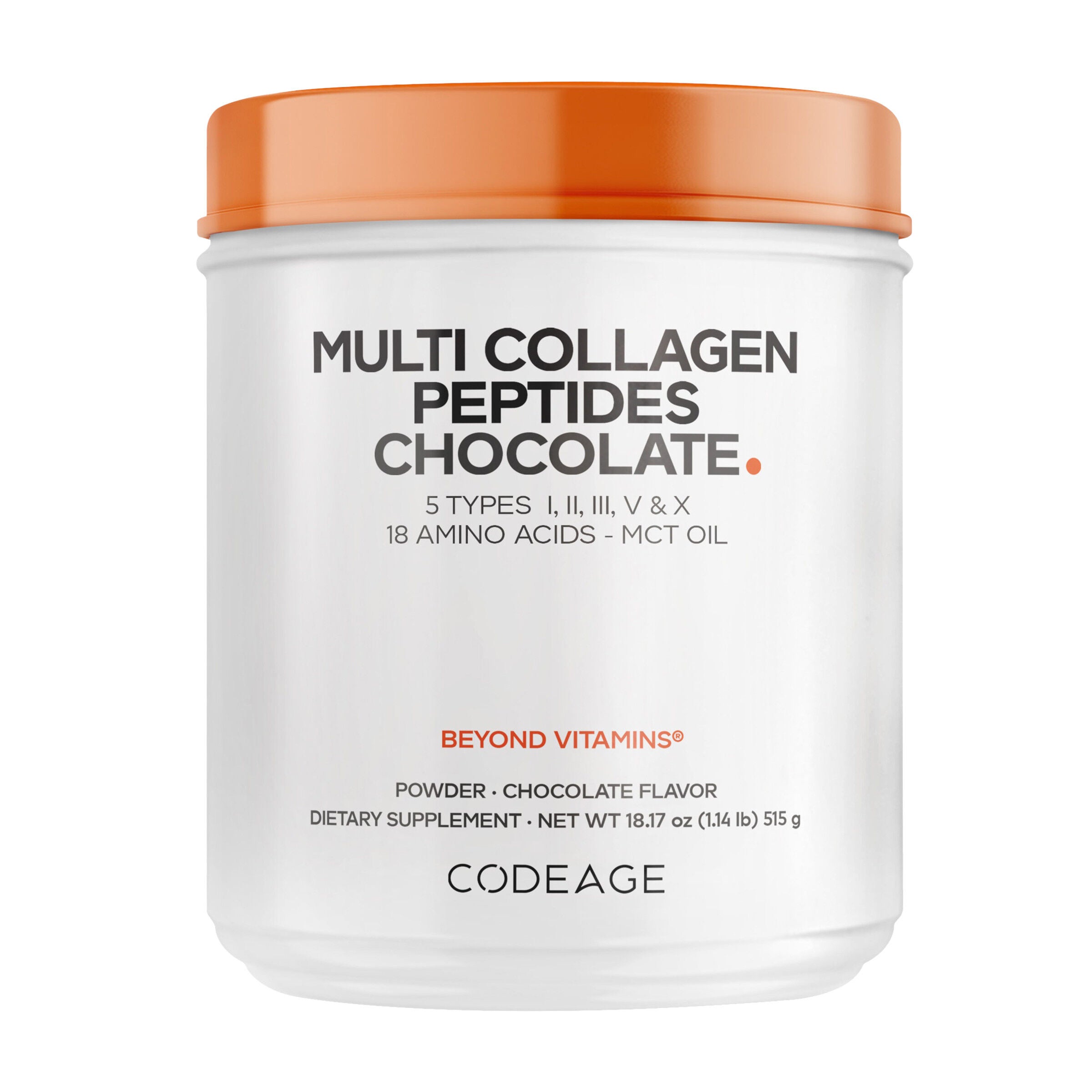
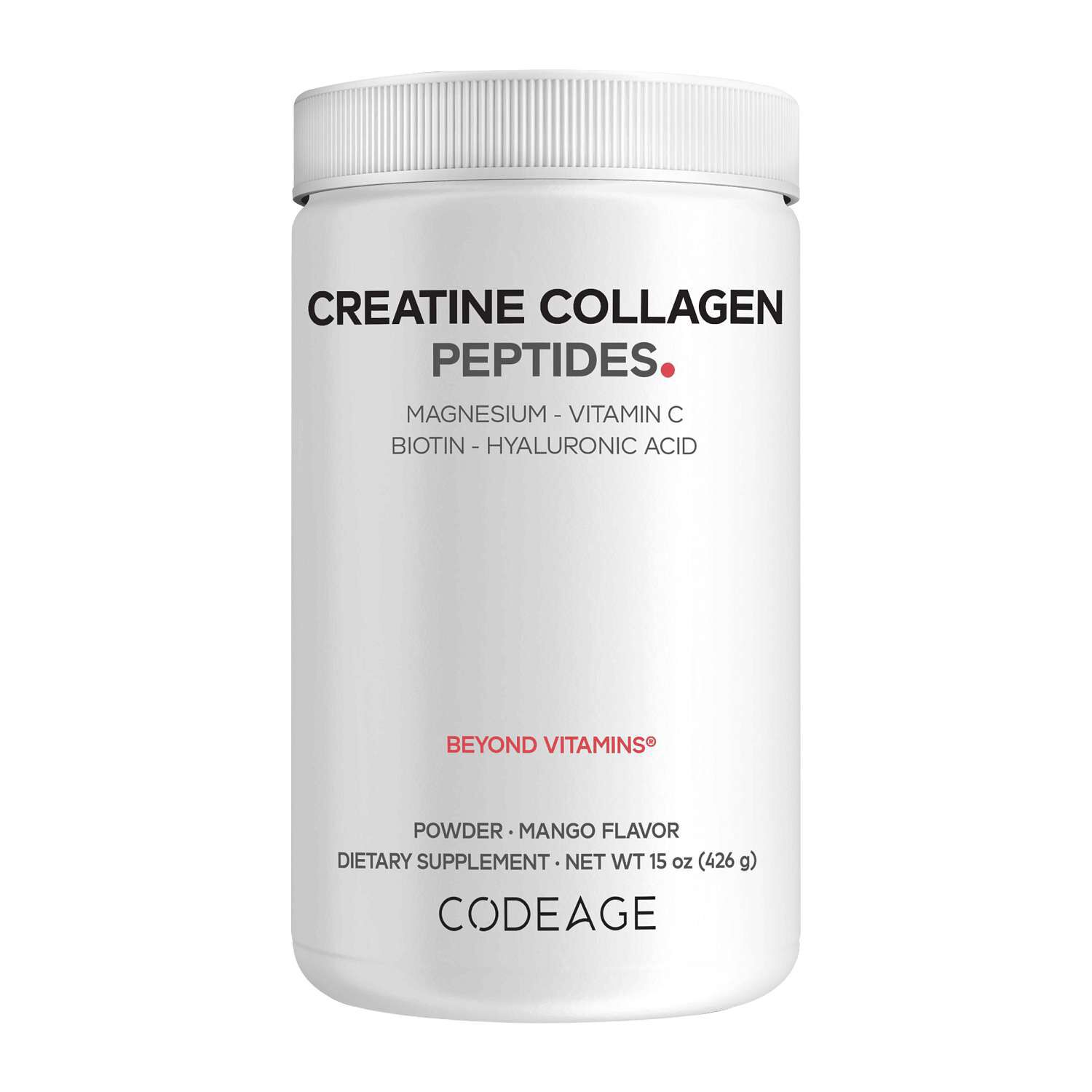
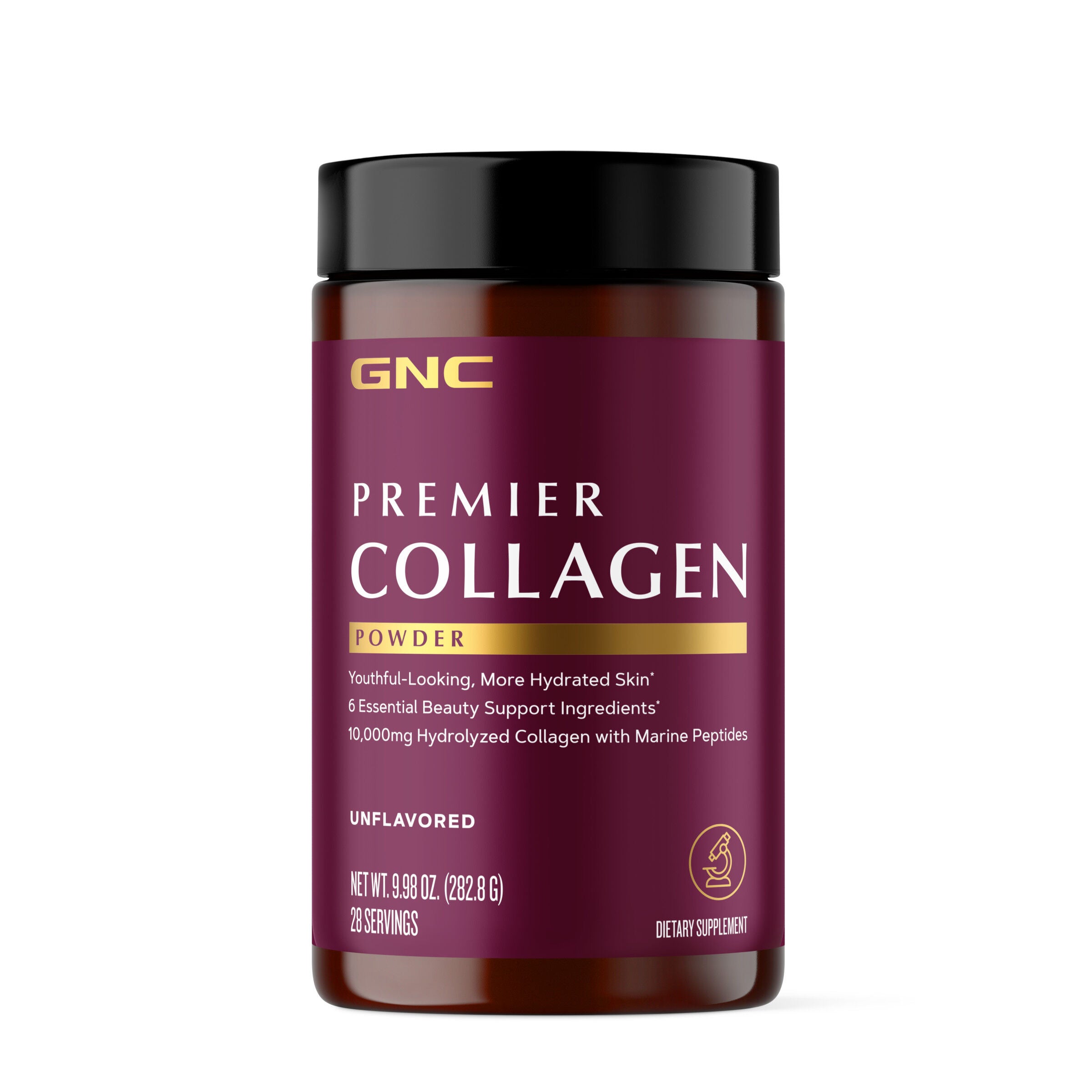
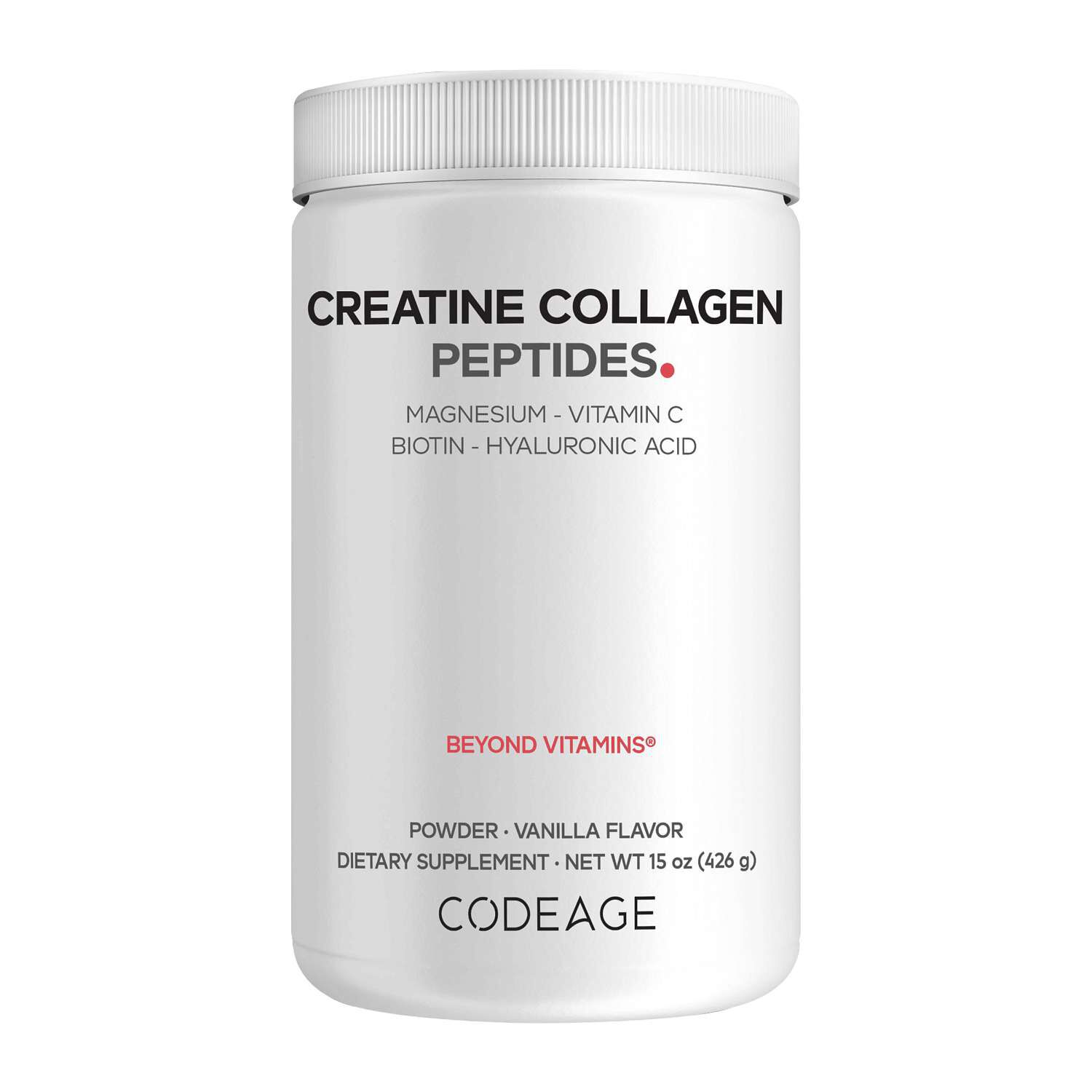
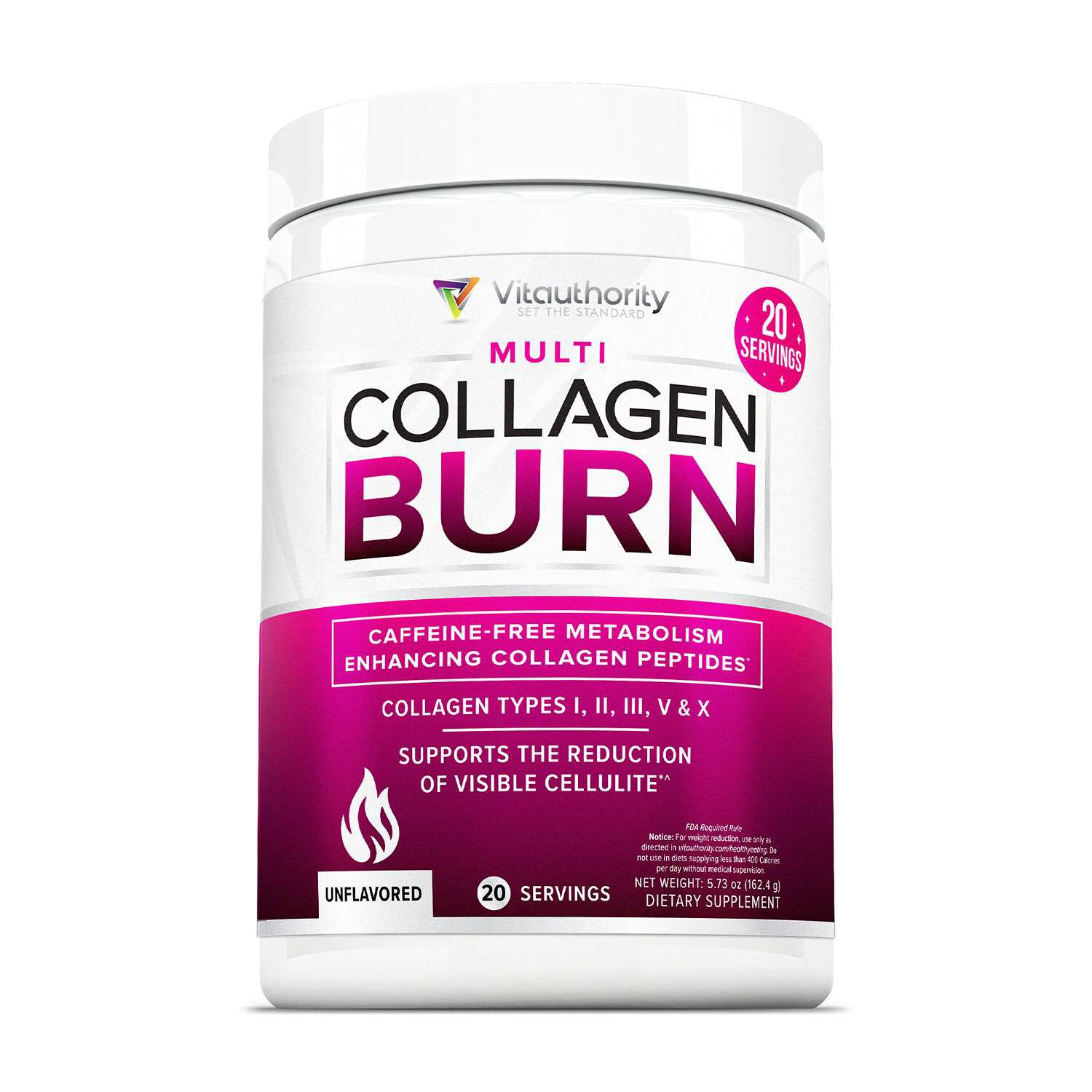
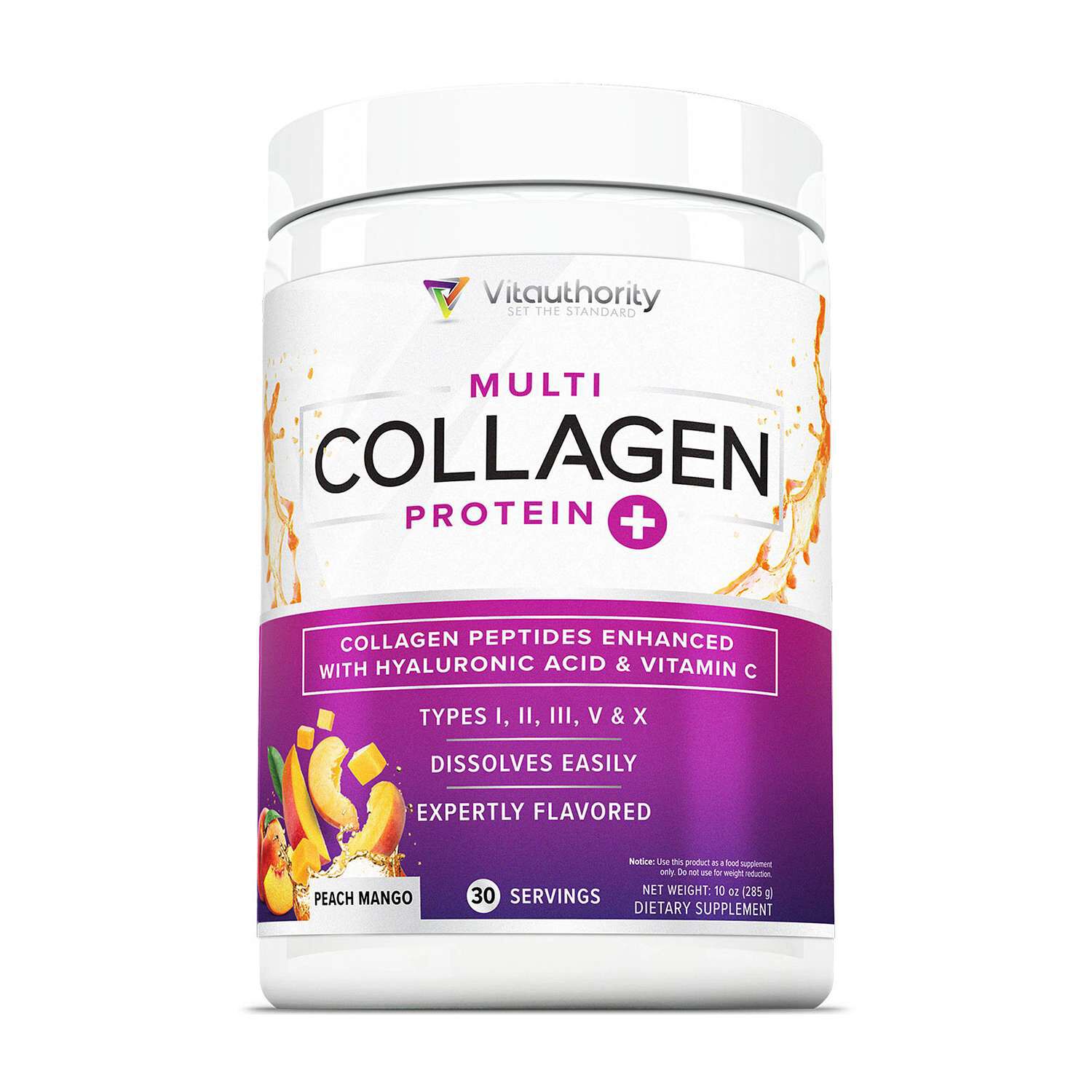
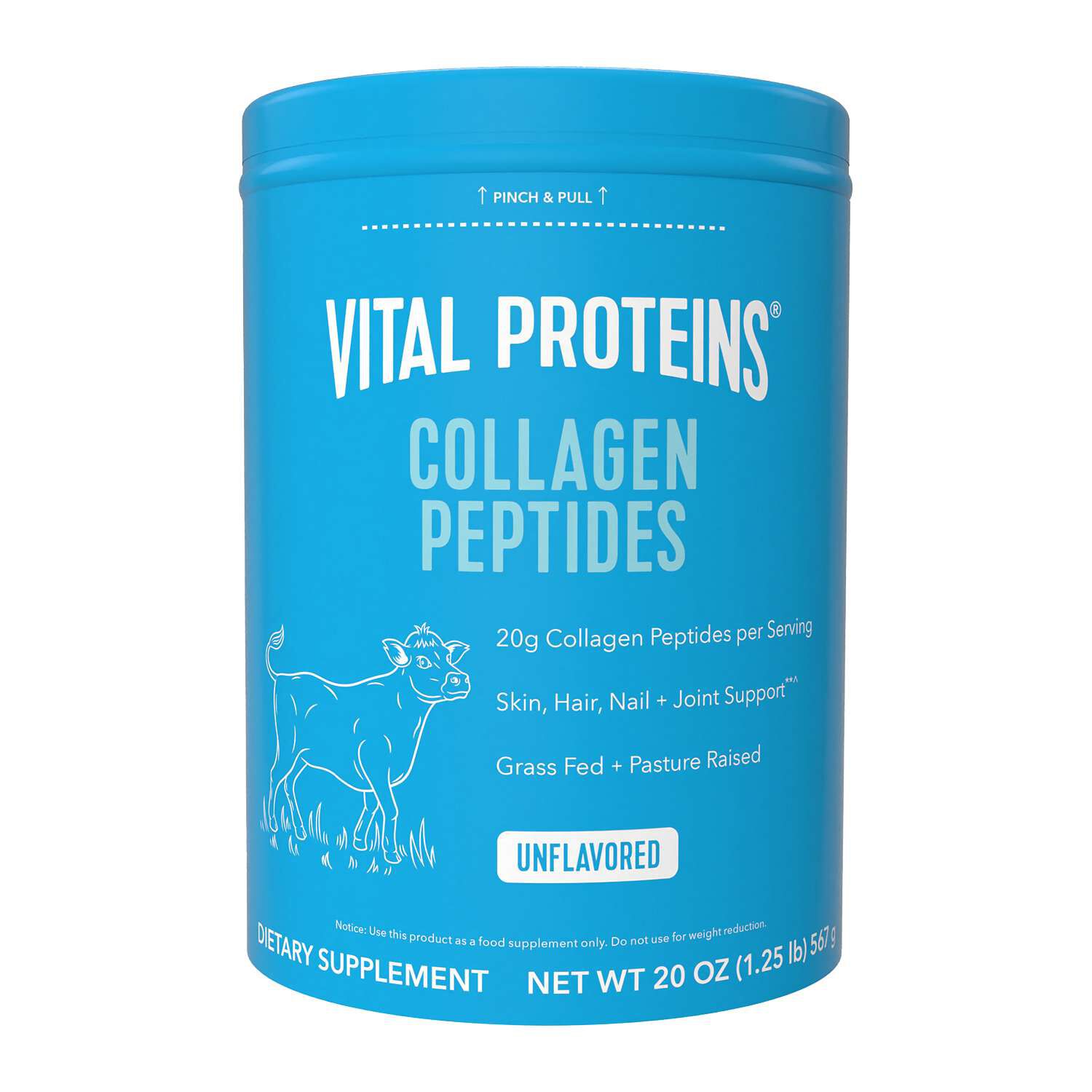
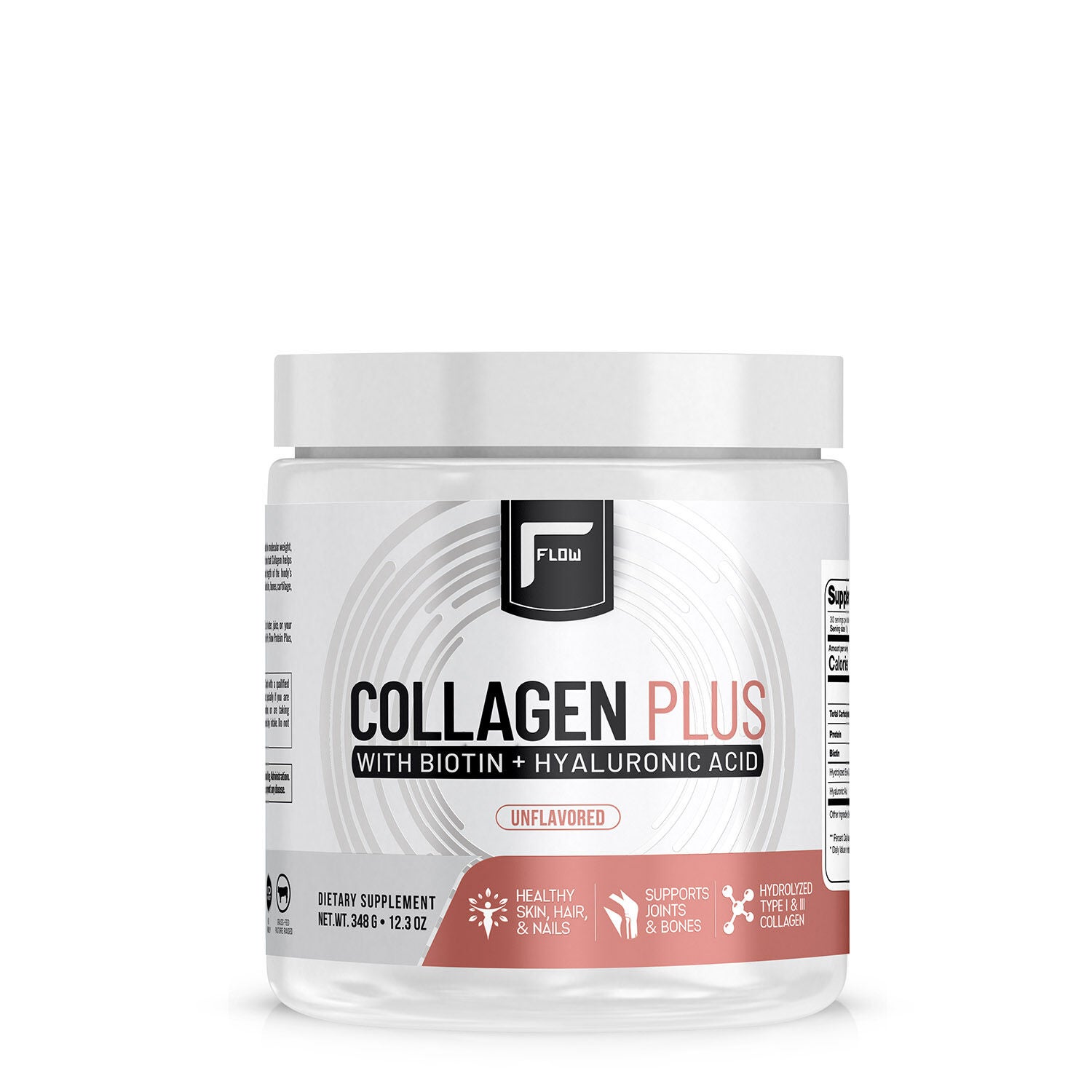
Marine collagen powders for coffee are supplements made from marine sources, typically fish, and intended for mixing into brewed coffee, espresso drinks, or cold brew. Many contain hydrolyzed collagen, meaning the collagen has been processed into smaller protein fragments called peptides. Fish-derived collagen is commonly associated with Type I collagen, and its amino acid profile includes glycine, proline, and hydroxyproline. These composition details distinguish collagen from other powdered proteins, but they do not make every marine collagen formula interchangeable. The fish source, amount of collagen per serving, added ingredients, and preparation directions all matter when comparing options for a daily coffee routine. Some formulas contain collagen peptides alone, while others include flavorings, sweeteners, or additional nutrients. An unflavored powder may suit someone who prefers the toasted, nutty, or fruity notes of a particular roast, although unflavored does not necessarily mean undetectable in every drink. A flavored formula may be more appealing in a latte, where vanilla or cocoa notes could complement milk and espresso. Ingredient lists are particularly useful for distinguishing those approaches without relying on front-label descriptions. Source information deserves the same attention: marine identifies a broad origin, not a particular fish species, harvesting method, or environmental certification. Any preference for a named species, traceable sourcing, or independently assessed production practices is best matched to explicit package information. Fish-derived collagen is not vegetarian or vegan, and allergen statements are an important consideration for anyone avoiding fish or other listed ingredients. Protein content also needs context. Collagen alone does not supply all nine amino acids that the body must obtain through food, so it is not nutritionally interchangeable with every other protein source. For shoppers choosing marine collagen specifically for coffee, the most useful comparison brings those nutritional details together with flavor, serving size, and the way the powder is intended to be prepared. A short ingredient list and clear preparation directions may be more relevant to that choice than elaborate descriptions of the finished drink.
The coffee itself is an important part of the pairing. A small espresso, a large mug of drip coffee, and a milk-rich latte have different concentrations, textures, and flavor profiles, so the same amount of powder may taste different in each. Hydrolyzed marine collagen powders intended for beverages may disperse with stirring, but mixing behavior varies by formulation, liquid temperature, and the amount of liquid in the cup. A powder that seems unobtrusive in a creamy latte may be more noticeable in a delicate light roast served black. Likewise, a flavored blend may suit a familiar café-style drink but compete with the character of a single-origin coffee. Preparation directions provide a better starting point than assuming every powder behaves the same way. Where the label permits mixing with hot coffee, adding the powder gradually while stirring may help limit dry pockets. A handheld frother or small whisk may also help distribute powder, though vigorous mixing could introduce foam that changes the familiar surface of a black coffee. Leaving room at the top of the mug makes that preparation less awkward. Cold brew brings a different set of considerations because powder may take more effort to disperse in a chilled liquid. If permitted by the directions, mixing the serving into a small amount of room-temperature coffee before adding the remaining cold brew and ice may produce a more even texture. For an iced latte, the sequence of coffee, powder, milk, and ice may also influence how readily the ingredients combine. Hydrolyzed peptides are smaller fragments rather than intact collagen strands, but that distinction is not a reason to disregard a formula’s preparation instructions or make assumptions about prolonged heating. Ordinary coffee preparation and extended cooking are different uses. The practical goal is a preparation method that suits the label and the preferred drink, whether that means a quickly stirred mug or a carefully assembled espresso beverage.
Packaging, portion measurement, and storage are other useful considerations for marine collagen powders for coffee, especially when the powder will sit alongside beans, filters, and mugs on a kitchen counter. Labeled serving sizes vary, and a scoop from one container is not a reliable measure for another formula. The serving amount and the collagen quantity listed on the package offer a clearer basis for comparison than scoop size alone. They also help distinguish the amount of collagen from the weight of a blend containing other ingredients. Someone who drinks several cups of coffee may prefer to keep the labeled serving separate from the number of cups poured, rather than treating every refill as another serving. Resealable containers may suit a home coffee station, while individually portioned formats may be convenient for an office drawer or an overnight bag. In either case, a secure closure and a dry measuring utensil are useful details. Keeping powder away from steam rising from a kettle or coffee maker may help limit moisture exposure, and the package’s storage directions and date markings remain the reference for handling. The powder belongs in its labeled container rather than an unmarked jar, particularly in a shared kitchen where ingredient and allergen information should remain easy to find. For households that alternate between coffee and blended drinks, Marine Collagen Powders for Smoothies offers a related category to explore, with the same attention to ingredients and preparation directions. An unflavored formula may fit several beverage styles, while a sweeter flavor may be better suited to a narrower set of pairings. Across those preferences, the strongest fit is a marine collagen powder whose source information, nutrition panel, taste profile, and handling requirements align with the way the coffee is actually made and enjoyed. Those practical details keep the choice grounded in everyday use, from the first measured serving to the last carefully resealed container.
Best Sellers
-
 Ancient Nutrition
-
Vital Proteins
Related Pages

Top Collections
- GLP 1 Support For Adults
- Supplements For Yoga Joint Flexibility
- Supplements For Balance
- Joint Mobility Supplement Packs
- Zinc Supplements | Top Brands at Great Prices | GNC
- Capsule Supplements For Energy And Stamina
- Supplements For Anxiety Relief Support
- Chronic Fatigue Supplements
- Zinc Supplements For Men
- Iron Supplements